DIY Insemination and the Importance of Timing: A Comprehensive Guide
In recent years, there has been a rise in the popularity of DIY insemination, as more and more couples and individuals are choosing alternative methods for starting a family. While traditional methods of conception involve timing intercourse to coincide with ovulation, DIY insemination allows for more flexibility and control over the process. However, with this freedom comes the responsibility of understanding the importance of timing in order to increase the chances of successful insemination. In this blog post, we will delve into the world of DIY insemination and explore the vital role that timing plays in the process.
Understanding DIY Insemination
DIY insemination, also known as at-home insemination, is the process of using donor sperm to conceive without the assistance of a medical professional. This method is commonly used by same-sex couples, single individuals, and heterosexual couples experiencing fertility issues. It involves the use of a donor sperm, either from a known or anonymous donor, and can be done at home with the help of a DIY insemination kit or through a medical facility.
The Importance of Timing
Timing is crucial in DIY insemination as it directly impacts the success of the process. In order for sperm to fertilize an egg, they need to be present in the reproductive tract at the same time as the egg. This can only happen during the fertile window, which is the window of time when a woman is most likely to conceive. The fertile window is typically a 6-day period that ends on the day of ovulation.
Tracking Ovulation
The key to successful DIY insemination is tracking ovulation. There are a few methods that can be used to determine when ovulation occurs, such as tracking basal body temperature, cervical mucus changes, and using ovulation predictor kits. Basal body temperature is the body’s lowest resting temperature, which increases slightly after ovulation. Cervical mucus changes also indicate ovulation, as the mucus becomes thinner, clearer, and more stretchy during this time. Ovulation predictor kits, available at most drugstores, detect the surge of luteinizing hormone (LH) that occurs before ovulation.
Timing Intercourse
Once the fertile window has been identified, it is important to time intercourse accordingly. Sperm can survive in the reproductive tract for up to 5 days, so having intercourse a few days before ovulation can still result in pregnancy. However, the chances of conception are highest when intercourse occurs during the fertile window. It is recommended to have intercourse every other day during this time to increase the chances of sperm being present in the reproductive tract when ovulation occurs.
DIY Insemination and the Importance of Timing
Timing DIY Insemination
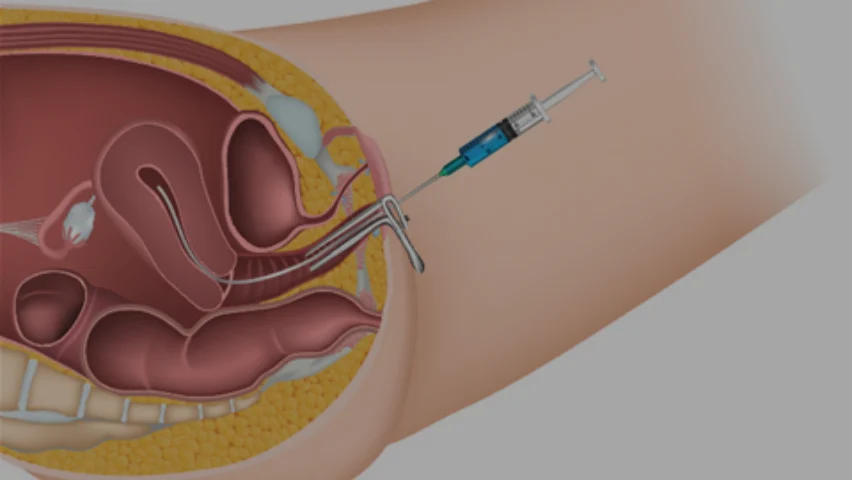
Timing DIY insemination is similar to timing intercourse, as it should also be done during the fertile window. Insemination can be done either at home or at a medical facility, depending on the individual’s preference. If doing it at home, it is important to follow the instructions provided with the DIY insemination kit. The sperm should be inserted as close to the cervix as possible, as this is where it will have the best chance of reaching the egg.
Tips for Successful DIY Insemination
In addition to timing, there are a few other tips that can increase the chances of successful DIY insemination. These include:
1. Choosing a donor carefully: It is important to choose a donor who has been properly screened and tested for any potential health issues or genetic conditions.
2. Using fresh sperm: Fresh sperm has a higher chance of survival than frozen sperm, so choosing a donor who can provide fresh sperm is ideal.
3. Preparing the body: Eating a healthy diet, exercising regularly, and avoiding alcohol and tobacco can improve the chances of successful insemination.
4. Using pre-seed lubricant: Regular lubricants can be harmful to sperm, so using a sperm-friendly lubricant like pre-seed can aid in the process.
5. Seeking medical advice: It is always recommended to consult a doctor or fertility specialist before attempting DIY insemination, as they can provide valuable advice and guidance.
In conclusion, DIY insemination can be a viable option for those looking to conceive, but it is important to understand the importance of timing in the process. By tracking ovulation, timing intercourse or insemination accordingly, and following these tips, the chances of successful DIY insemination can greatly increase.
Summary: DIY insemination is a popular method for individuals and couples looking to conceive. Timing is crucial in this process, as sperm needs to be present in the reproductive tract during the fertile window. Tracking ovulation, timing intercourse or insemination, and following other tips can increase the chances of successful DIY insemination.