Exploring the Risks: Clinic vs Home Intrauterine Insemination
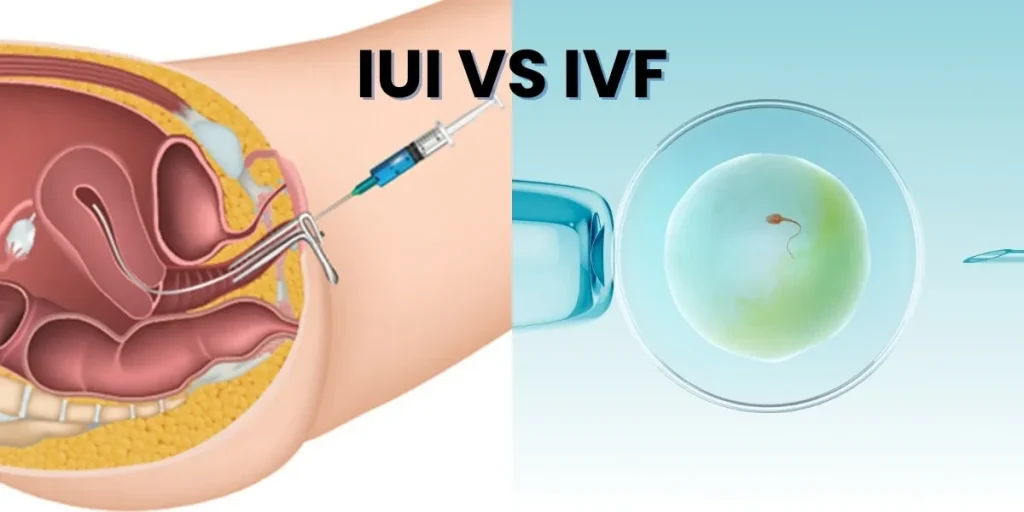
Intrauterine insemination (IUI) is a form of assisted reproductive technology (ART) that involves inserting washed and concentrated sperm directly into a woman’s uterus during ovulation. This procedure can be performed in a fertility clinic or at home, and it is commonly used for couples struggling with fertility issues. While both clinic and home IUI have their own benefits and risks, it is important for individuals to understand and weigh these factors before deciding which option is right for them. In this blog post, we will explore the risks associated with clinic vs home IUI and provide information to help individuals make an informed decision about their fertility treatment.
Risks of Clinic IUI:
1. Cost:
One of the biggest risks associated with clinic IUI is the cost. Fertility treatments can be expensive, and IUI is no exception. The average cost of an IUI cycle can range from $300 to $1000, depending on the clinic and location. This cost can increase significantly if the individual requires multiple cycles or additional procedures.
2. Infection:
As with any medical procedure, there is a risk of infection with clinic IUI. The insertion of instruments into the uterus can introduce bacteria, increasing the chances of developing an infection. While clinics follow strict sterilization protocols, there is still a risk of infection.
3. Multiple pregnancies:
One of the most significant risks of clinic IUI is the possibility of multiple pregnancies. The use of fertility drugs to stimulate ovulation can result in the release of more than one egg, increasing the chances of conceiving multiples. While this may be a desired outcome for some couples, it can also increase the risk of complications during pregnancy and childbirth.
4. Emotional stress:
Undergoing fertility treatments can be emotionally taxing for individuals and couples. The constant monitoring, uncertainty, and disappointment of failed cycles can take a toll on one’s mental health. Clinic IUI requires frequent visits to the fertility clinic, which can be emotionally exhausting and add to the stress of the process.
Risks of Home IUI:
1. Inaccurate timing:
Timing is crucial for successful IUI, as the procedure must be performed during ovulation for the best chance of conception. In a clinic setting, doctors use ultrasound and blood tests to pinpoint the exact time of ovulation. However, in a home setting, individuals may rely on at-home ovulation predictor kits, which are not always accurate. This can result in missed ovulation and a failed cycle.
2. Contamination:
Unlike clinics, homes are not sterile environments. The sperm and instruments used for home IUI may not be properly sterilized, increasing the risk of contamination and infection. This can negatively impact the success of the procedure and put the individual’s health at risk.
3. Lack of monitoring:
One of the significant benefits of clinic IUI is the constant monitoring by medical professionals. This allows for adjustments to be made to the treatment plan if needed. In a home setting, there is a lack of monitoring, which means potential issues may go undetected, resulting in a failed cycle.
Exploring the Risks: Clinic vs Home Intrauterine Insemination
4. Psychological strain:
Performing IUI at home can be psychologically challenging for individuals and couples. The responsibility of performing the procedure accurately and the pressure of achieving a successful outcome can cause significant stress and anxiety.
Which option is right for you?
The decision between clinic and home IUI ultimately depends on individual circumstances and preferences. Couples with a limited budget may opt for home IUI, while those who prefer the expertise and constant monitoring of medical professionals may choose clinic IUI. It is essential to consider the potential risks and benefits of each option and consult with a fertility specialist before making a decision.
Some tips for reducing risks:
1. Choose a reputable fertility clinic:
If you decide to undergo clinic IUI, make sure to choose a reputable and experienced fertility clinic. Research the clinic’s success rates, read reviews, and ask for recommendations from your doctor or friends who have undergone similar treatments.
2. Follow proper sterilization procedures:
If you opt for home IUI, it is crucial to follow proper sterilization procedures to minimize the risk of contamination and infection. This includes using sterile instruments and sperm, as well as thoroughly cleaning the area where the procedure will take place.
3. Monitor ovulation closely:
To improve the chances of success with home IUI, it is essential to monitor ovulation closely. This can be done through at-home ovulation predictor kits or by tracking basal body temperature and cervical mucus changes.
4. Seek emotional support:
Undergoing fertility treatments can be emotionally challenging, so it is crucial to seek emotional support from loved ones or a therapist. Speak openly about your feelings and seek support from others who have gone through similar experiences.
In conclusion, both clinic and home IUI have their own risks, and it is essential to carefully consider these factors before deciding which option is right for you. The decision should be made in consultation with a fertility specialist who can provide personalized recommendations based on your individual circumstances. By understanding the risks and taking necessary precautions, individuals can increase their chances of a successful IUI cycle and ultimately achieve their dream of starting a family.
Summary:
Intrauterine insemination (IUI) is a form of assisted reproductive technology that can be performed in a clinic or at home. While both options have their benefits, they also come with potential risks. Clinic IUI can be costly, increase the risk of infection and multiple pregnancies, and cause emotional stress. On the other hand, home IUI may have inaccurate timing, risk of contamination, lack of monitoring, and psychological strain. The decision between clinic and home IUI should be based on individual circumstances and preferences, and it is important to consider the potential risks and benefits of each option. Some tips for reducing risks include choosing a reputable clinic, following proper sterilization procedures, closely monitoring ovulation, and seeking emotional support. With proper precautions and guidance from a fertility specialist, individuals can increase their chances of a successful IUI cycle and achieve their goal of starting a family.