Tag: sperm donation

  • Fresh Donor Sperm: The Traditional Route to Parenthood

    Blog Post: Fresh Donor Sperm: The Traditional Route to Parenthood

    Parenthood is a dream for many couples and individuals, and advancements in reproductive technologies have made it possible for people to start families in non-traditional ways. One such method is through the use of donor sperm, which has become a popular option for those struggling to conceive. While there are various types of donor sperm available, fresh donor sperm has been the traditional route to parenthood for many years. In this blog post, we will explore the process of using fresh donor sperm and why it continues to be a popular choice for those looking to start a family.

    What is Fresh Donor Sperm?

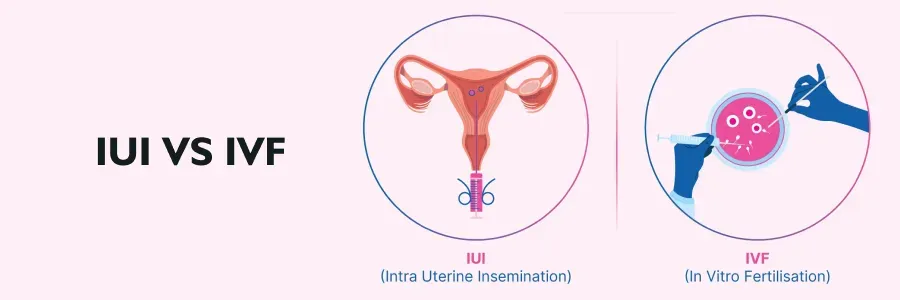
    Fresh donor sperm refers to sperm that is donated by a healthy, screened donor and used within a few hours of collection. This is different from frozen donor sperm, which is collected and then frozen for later use. Fresh donor sperm is typically used in intrauterine insemination (IUI) or in vitro fertilization (IVF) procedures to help individuals and couples conceive.

    The Process of Using Fresh Donor Sperm

    The first step in using fresh donor sperm is to find a reputable sperm bank or fertility clinic that offers donor sperm services. The sperm bank or clinic will have a thorough screening process in place to ensure the quality and health of the donor sperm. This may include medical and genetic testing, as well as a thorough review of the donor’s family medical history.

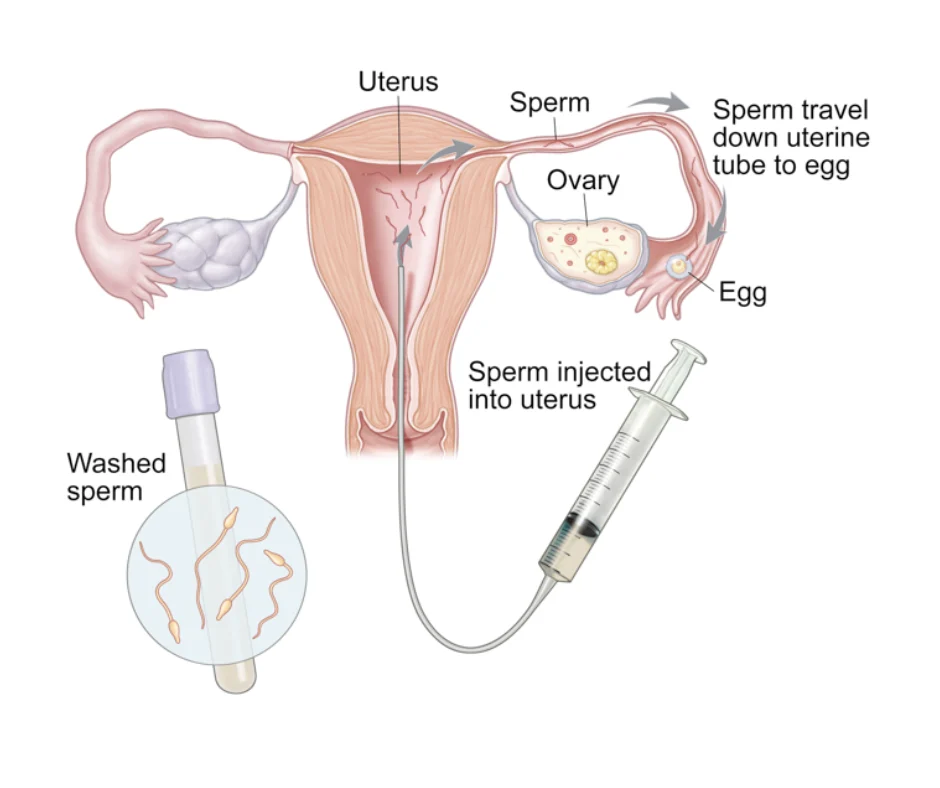
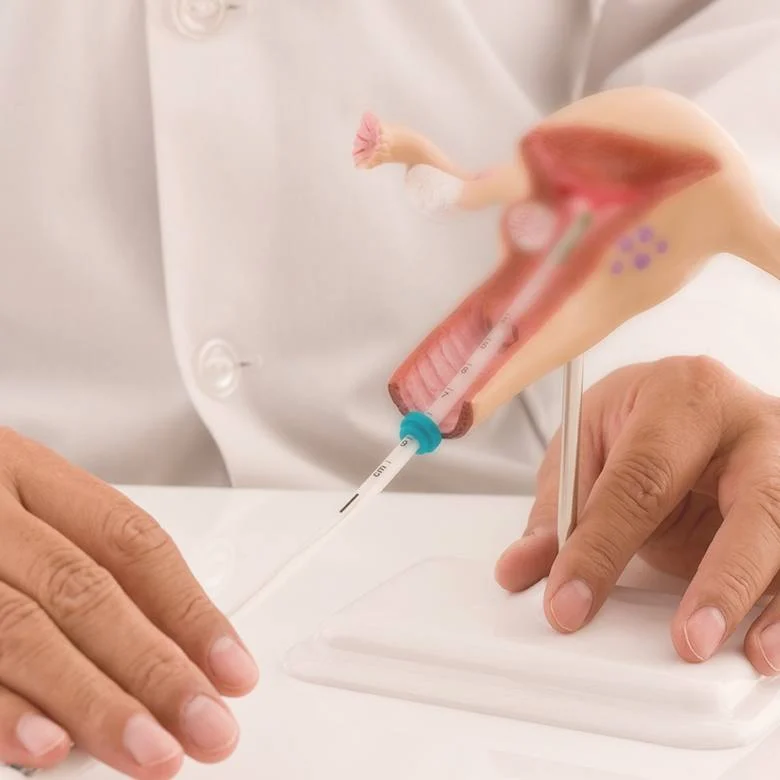
    Once the sperm is collected, it is analyzed for quality and then prepared for use. The sperm can be used in IUI, where it is injected directly into the uterus, or in IVF, where it is combined with the egg in a lab before being transferred to the uterus. The chosen method will depend on the individual or couple’s fertility needs and the recommendation of their fertility specialist.

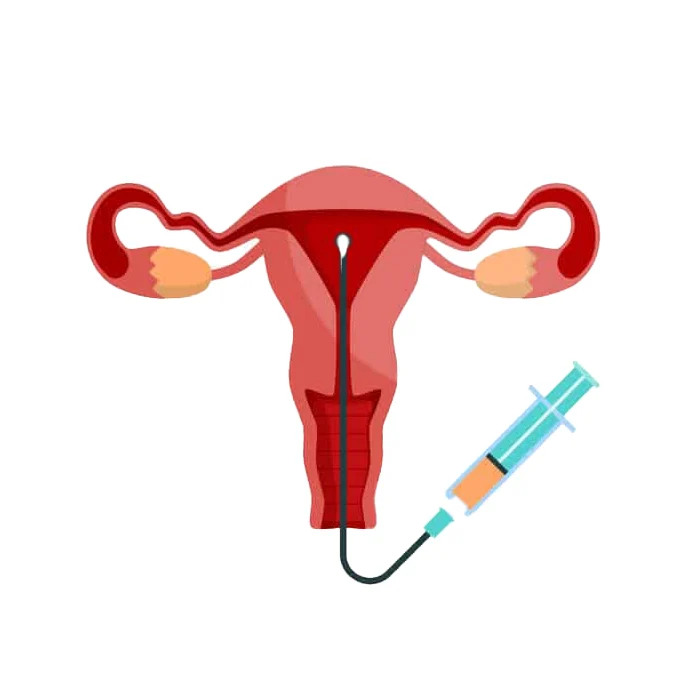
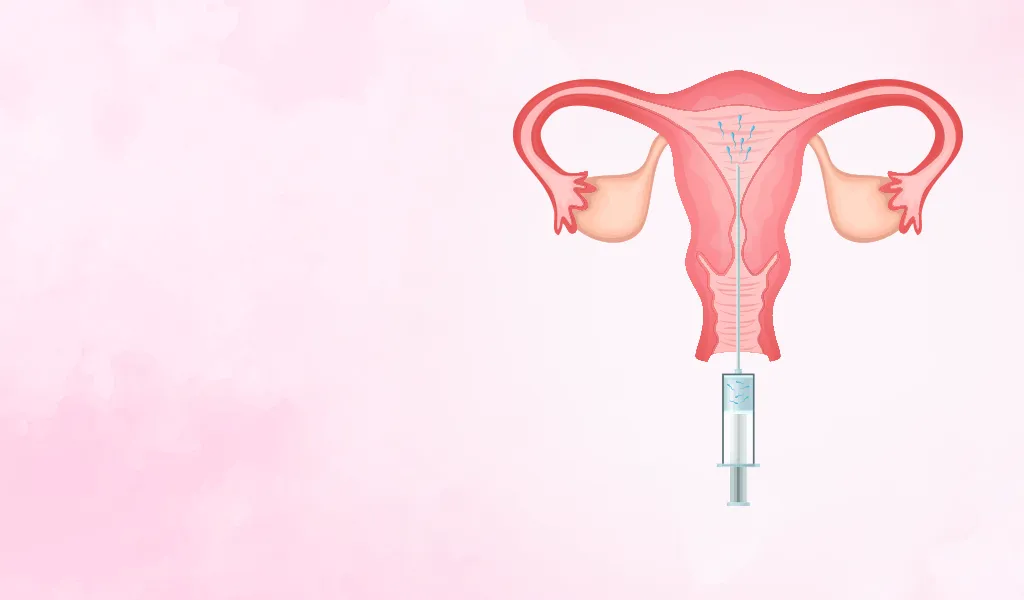
    Illustration of the IUI process, showing a syringe and catheter in the reproductive system.

    Fresh Donor Sperm: The Traditional Route to Parenthood

    Why Fresh Donor Sperm is Still a Popular Choice

    While frozen donor sperm has become more widely available in recent years, fresh donor sperm continues to be a popular choice for those looking to start a family. One of the main reasons is the success rates of fresh donor sperm compared to frozen donor sperm. Fresh sperm has a higher chance of fertilizing an egg and resulting in a successful pregnancy.

    Additionally, fresh donor sperm allows for the possibility of multiple inseminations during one cycle, which can increase the chances of conception. This is especially beneficial for couples or individuals with fertility issues, as it provides multiple opportunities for the sperm to fertilize an egg.

    Another advantage of using fresh donor sperm is the ability to choose a donor based on physical characteristics and personality traits. This can help individuals and couples feel more connected to the donor and their future child.

    The Risks and Considerations

    While fresh donor sperm has many benefits, there are also risks and considerations to keep in mind. One risk is the potential for the sperm to carry infectious diseases, which is why thorough screening is crucial. It is also important to consider the legal implications, as the donor may have parental rights depending on the laws in the country or state where the procedure takes place.

    It is also essential to have open and honest communication with the donor, as their involvement in the child’s life can vary depending on individual agreements and legal regulations.

    In summary, fresh donor sperm continues to be the traditional route to parenthood for many individuals and couples. Its success rates, flexibility, and ability to choose a donor make it an appealing option for those looking to start a family. However, it is essential to consider the risks and make informed decisions when using fresh donor sperm as a method of conception.
  • The Battle of the Sperms: Frozen vs Fresh Donor Sperm

    The Battle of the Sperms: Frozen vs Fresh Donor Sperm

    When it comes to assisted reproductive technology, sperm donation plays a crucial role in helping individuals and couples achieve their dream of having a child. However, with the advancement of technology, there are now two types of donor sperm available – frozen and fresh. This has sparked a debate among fertility specialists and recipients, as to which type of sperm is more effective in achieving a successful pregnancy. In this blog post, we will delve into the battle of the sperms – frozen vs fresh donor sperm – and explore the pros and cons of each.

    Frozen Donor Sperm

    Frozen donor sperm is collected from a donor and then cryopreserved (frozen) for later use. This type of sperm is stored in liquid nitrogen at a temperature of -196°C, which helps to preserve its viability and fertility. Frozen donor sperm can be stored for many years, making it a convenient option for those who are not ready to start a family immediately.

    Pros:

    1. Availability: One of the major advantages of frozen donor sperm is its availability. With sperm banks all over the country, there is a wide variety of donors to choose from. This provides recipients with a larger pool of sperm donors to select from, increasing their chances of finding the perfect match.

    2. Reduced risk of disease transmission: Frozen donor sperm is thoroughly screened and tested for any potential genetic diseases and infections. This reduces the risk of disease transmission to the recipient and the resulting child.

    3. Cost-effective: Frozen donor sperm is less expensive compared to fresh donor sperm. This is because it eliminates the need for frequent donations and reduces the cost of testing and screening the donors.

    4. Convenient: As mentioned earlier, frozen donor sperm can be stored for many years. This makes it a convenient option for those who may need multiple attempts at conception or for those who want to have siblings in the future.

    Cons:

    1. Decreased motility: The process of freezing and thawing sperm can result in decreased motility, which can affect the sperm’s ability to fertilize an egg.

    2. Limited genetic information: Frozen donor sperm may not have as much information about the donor’s physical characteristics and family medical history compared to fresh donor sperm. This could be a concern for those who want to have a child with similar physical traits to themselves or their partner.

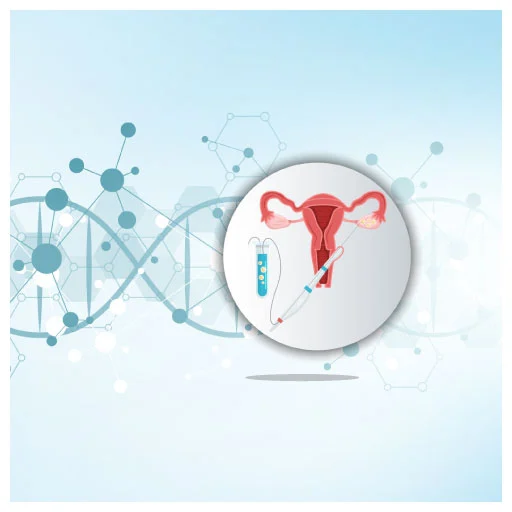
    Illustration of IUI procedure with uterus and syringe against a DNA background.

    The Battle of the Sperms: Frozen vs Fresh Donor Sperm

    Fresh Donor Sperm

    Fresh donor sperm is collected and used immediately, without being frozen. This type of sperm is typically provided by a known donor, such as a friend or family member, or from a sperm bank where donors are required to donate frequently.

    Pros:

    1. Higher motility: Fresh donor sperm has a higher motility rate compared to frozen donor sperm, increasing its chances of fertilizing an egg.

    2. More information about the donor: With fresh donor sperm, recipients have the opportunity to get to know the donor personally and gather more information about their physical characteristics and family medical history.

    3. Personal connection: Some recipients prefer to have a personal connection with the donor, which can be achieved with fresh donor sperm. This can also help with the child’s sense of identity and belonging in the future.

    Cons:

    1. Limited availability: Unlike frozen donor sperm, fresh donor sperm is not readily available. This can be a challenge for those who live in remote areas or have a limited selection of donors to choose from.

    2. Higher risk of disease transmission: Fresh donor sperm may not undergo the same level of testing and screening as frozen donor sperm, increasing the risk of disease transmission to the recipient and the resulting child.

    3. Costly: Fresh donor sperm can be more expensive due to the need for frequent donations and testing.

    Summary:

    The battle of the sperms – frozen vs fresh donor sperm – is ongoing, and it ultimately comes down to personal preference and individual circumstances. Frozen donor sperm offers convenience, a larger pool of donors, and reduced costs, while fresh donor sperm provides a higher motility rate and a personal connection with the donor. It is important for recipients to consider the pros and cons of each type of sperm and consult with their fertility specialist to determine the best option for them.

  • The Importance of a Certified Donor in At-Home Intrauterine Insemination

    Blog Post Title: The Importance of a Certified Donor in At-Home Intrauterine Insemination

    Summary:

    In recent years, there has been a rise in popularity for at-home intrauterine insemination (IUI) as a method for couples struggling with fertility issues to conceive. This process involves placing sperm directly into the uterus, increasing the chances of fertilization. While it may seem like a simple and convenient option, it is important for those considering at-home IUI to understand the vital role a certified donor plays in this process.

    One of the main reasons for using a certified donor in at-home IUI is to ensure the safety of both the donor and the recipient. A certified donor has gone through a thorough screening process, including medical and genetic testing, to ensure that they are healthy and free of any hereditary diseases or infections that could be passed on to the recipient or the potential child. This significantly reduces the risk of complications and ensures that the process is as safe as possible.

    illustration of a uterus with a syringe, representing intrauterine insemination procedure

    The Importance of a Certified Donor in At-Home Intrauterine Insemination

    Aside from the physical health aspect, a certified donor also guarantees the quality and viability of the sperm being used in the IUI process. Unlike using sperm from a known donor or a DIY method, a certified donor’s sperm has been properly prepared and tested to ensure its viability and potency. This increases the chances of a successful insemination and reduces the need for multiple attempts, saving time and money for the couple.

    Another crucial aspect of using a certified donor is the legal protection it provides for both the donor and the recipient. With a certified donor, there is a clear agreement in place outlining the responsibilities and rights of both parties. This protects the donor from any legal or financial obligations towards the child and the recipient from any potential future claims from the donor. Without this legal protection, using sperm from a known donor or a DIY method can leave both parties vulnerable and open to potential legal disputes.

    In addition to these important factors, choosing a certified donor also allows for better control and management of the entire process. A certified donor typically works with a reputable sperm bank or fertility clinic, which means that the sperm is properly tracked and stored. This ensures that the sperm used in the IUI process is from the intended donor and has not been accidentally mixed up with that of another donor. It also allows for proper documentation and records, which can be crucial for any future legal or medical needs.

    Furthermore, using a certified donor also gives couples access to important information and resources. Sperm banks and fertility clinics often provide genetic and medical profiles of their donors, including physical characteristics, educational background, and family medical history. This information can be valuable for couples looking for a donor with specific traits or qualities. It also allows for the child to have access to their biological background and family medical history, which can be important for their future health.

    In conclusion, while at-home IUI may seem like a simple and convenient option, it is crucial to understand the importance of using a certified donor in this process. From ensuring the safety and health of both the donor and recipient to providing legal protection and access to important information, a certified donor plays a vital role in making at-home IUI a safe, successful, and responsible method for couples struggling with fertility issues to conceive.

  • The Emotional Journey of a Sperm Donor in Medical Insemination

    Blog Post: The Emotional Journey of a Sperm Donor in Medical Insemination

    For many individuals and couples struggling with infertility, the use of donated sperm through medical insemination can be a life-changing option. And while the focus is often on the recipient and their journey towards parenthood, the process of sperm donation and the emotional journey of the donor is often overlooked. In this blog post, we will delve into the emotional journey of a sperm donor in medical insemination and explore the challenges, rewards, and impact of this selfless act.

    Understanding the Decision to Become a Sperm Donor

    The decision to become a sperm donor is not one that is made lightly. It requires a great deal of thought and consideration as it involves donating a part of oneself to help others create a family. Many sperm donors are motivated by the desire to help others and make a positive impact on someone’s life. However, this decision can also be driven by personal experiences, such as knowing someone who has struggled with infertility or having a family member who has been a sperm or egg donor.

    Navigating the Screening Process

    The screening process for becoming a sperm donor is extensive and can be emotionally challenging for many individuals. Donors are required to undergo a series of physical and psychological evaluations to ensure they are healthy and fit to donate. These evaluations can bring up feelings of vulnerability and anxiety, as donors must disclose personal information about their medical history and undergo physical exams.

    Additionally, donors must also undergo genetic testing to identify any potential hereditary diseases or conditions that could be passed on to any potential offspring. This can be a daunting process for some donors, as it may reveal information about their own health that they were previously unaware of. The emotional impact of these tests can be significant and may cause some donors to question their decision to donate.

    The Process of Donation

    Once a donor is deemed suitable to donate, they will begin the process of sperm collection. This can be done through a variety of methods, including masturbation into a cup, using a special condom during intercourse, or a surgical procedure to extract sperm directly from the testicles. While the physical process of donation may be straightforward, it can still evoke a range of emotions for the donor.

    For some donors, the act of donating sperm can be similar to the experience of giving blood or donating organs – a noble act to help others in need. However, for others, the process can be emotionally challenging as it involves giving a part of themselves without any guarantee of the outcome. Donors may also feel a sense of detachment from their sperm, as they are not involved in the conception or raising of any potential offspring.

    The Impact on Relationships and Identity

    Illustration of IUI procedure with uterus and syringe against a DNA background.

    The Emotional Journey of a Sperm Donor in Medical Insemination

    The decision to become a sperm donor can also have a significant impact on the donor’s relationships and personal identity. Donors may face judgment or questions from family and friends about their decision to donate. They may also experience feelings of guilt or shame for not being able to create a family in the traditional sense.

    Furthermore, donating sperm can also bring up questions about the donor’s own identity and sense of self. They may wonder about the potential offspring and their role in their lives. Donors may also grapple with the idea of having biological children in the world that they may never meet or have a relationship with.

    Coping with Emotional Challenges

    The emotional journey of a sperm donor in medical insemination can be challenging, but there are ways to cope with these feelings. First and foremost, it is essential for donors to have a strong support system, whether it be a partner, family, or friends who understand and support their decision to donate. Donors may also find comfort in connecting with other donors through support groups or online forums.

    It is also crucial for donors to have open and honest communication with the medical professionals involved in the process. This can help address any concerns or questions that donors may have and provide a better understanding of the entire process.

    The Rewards of Sperm Donation

    Despite the emotional challenges, there are also many rewards that come with being a sperm donor. The most significant reward is the knowledge that the donor has helped someone else achieve their dream of having a family. Many donors also find a sense of fulfillment and purpose in knowing that they have made a positive impact on someone’s life.

    Furthermore, some sperm donors may also have the opportunity to have a relationship with the recipient and their child. This can bring a sense of joy and fulfillment for donors, knowing that they have a biological connection to the child and can be a part of their life in some way.

    In Conclusion

    The emotional journey of a sperm donor in medical insemination can be complex and challenging. It involves navigating through various emotions, from initial considerations to the screening process, the act of donation, and the impact on relationships and identity. However, it is also a journey that can be incredibly rewarding and fulfilling for those who choose to embark on it. Sperm donors play a vital role in helping others achieve their dream of parenthood, and their selfless act deserves recognition and appreciation.

    Summary: The decision to become a sperm donor is a significant one that involves a thorough screening process and emotional challenges. The process of donation and its impact on relationships and identity can also be emotionally challenging for donors. Coping with these challenges and recognizing the rewards of sperm donation is crucial for donors on their emotional journey.

  • DIY Insemination: A Natural Alternative to Medical Procedures

    Blog Post: DIY Insemination: A Natural Alternative to Medical Procedures

    In recent years, there has been a growing interest in natural alternatives to medical procedures, especially when it comes to fertility and conception. One option that has gained popularity is DIY insemination, also known as at-home insemination. This process involves using a simple and inexpensive method to introduce sperm into the cervix or uterus in order to increase the chances of pregnancy.

    While medical procedures such as intrauterine insemination (IUI) or in vitro fertilization (IVF) may be necessary for some individuals, they can be expensive and invasive. DIY insemination, on the other hand, provides a more affordable and natural option for those who are trying to conceive. In this blog post, we will explore the ins and outs of DIY insemination and how it can be a viable alternative for those looking to start a family.

    What is DIY Insemination?

    DIY insemination is a method of introducing sperm into the reproductive tract without the need for medical intervention. This can be done through various methods such as using a syringe, cervical cap, or softcup. The goal is to place the sperm as close as possible to the cervix or uterus to increase the chances of conception.

    Why Choose DIY Insemination?

    There are several reasons why someone may choose to try DIY insemination instead of a medical procedure. One of the main reasons is cost. Medical procedures can be expensive, with one round of IVF costing thousands of dollars. DIY insemination, on the other hand, can cost as little as $20-$50 for the necessary supplies.

    Another reason is the desire for a more natural approach. Many people prefer to avoid medical interventions and opt for a more holistic and natural method. DIY insemination allows for a more hands-on approach and can be done in the comfort and privacy of one’s own home.

    Who Can Benefit from DIY Insemination?

    DIY insemination can be a viable option for a variety of individuals or couples. It can be used by same-sex couples, single individuals, or heterosexual couples experiencing fertility issues. It can also be a great option for those who prefer to use donor sperm instead of going through a sperm bank or fertility clinic.

    Step-by-Step Guide to DIY Insemination

    Cost breakdown for IUI components, including requirements, impacts, and alternatives.

    DIY Insemination: A Natural Alternative to Medical Procedures

    Step 1: Determine Ovulation Cycle
    The first step to DIY insemination is to determine your ovulation cycle. This can be done through various methods such as tracking basal body temperature, using ovulation predictor kits, or monitoring changes in cervical mucus.

    Step 2: Gather Supplies
    Once you have determined your ovulation cycle, it’s time to gather the necessary supplies. These may include a syringe, cervical cap, softcup, or a menstrual cup.

    Step 3: Collect Sperm
    If using donor sperm, it can be purchased from a sperm bank or obtained from a known donor. If using a known donor, it’s important to have a conversation about any potential health concerns or diseases.

    Step 4: Prepare Sperm
    Before insemination, the sperm needs to be prepared. This can be done by liquefying it at room temperature for about 20-30 minutes.

    Step 5: Insert the Sperm
    Using the chosen method, insert the sperm into the cervix or uterus. This can be done by yourself or with the help of a partner.

    Step 6: Rest
    After insemination, it’s recommended to rest for at least 15-20 minutes to allow the sperm to travel towards the egg.

    Step 7: Repeat
    Insemination can be repeated every 12-24 hours during the ovulation period to increase the chances of pregnancy.

    Risks and Considerations

    While DIY insemination can be a safe and effective method, it’s important to be aware of the potential risks and considerations. It’s essential to use sterile equipment and to follow proper hygiene practices to avoid any infections. It’s also important to have open and honest communication with a known donor to ensure the safety and well-being of everyone involved.

    In addition, it’s important to keep in mind that DIY insemination does not guarantee pregnancy and may not be suitable for everyone. It’s always recommended to consult with a medical professional before trying any new fertility method.

    Summary:

    DIY insemination is a natural and affordable alternative to medical procedures for those looking to conceive. It involves placing sperm into the reproductive tract using a simple and inexpensive method. It can benefit a variety of individuals or couples and can be done in the comfort of one’s own home. However, it’s important to be aware of the potential risks and to consult with a medical professional before trying DIY insemination.

  • At-Home Insemination: A Safe and Effective Option for Single Women

    Blog Post Title: At-Home Insemination: A Safe and Effective Option for Single Women

    In today’s society, more and more women are choosing to become single mothers. Whether it’s due to personal choice, fertility issues, or not finding the right partner, these women are taking control of their reproductive choices and building their families on their own. Traditionally, the process of assisted reproduction has been associated with couples and expensive medical procedures. However, with the advancement of technology and the increasing acceptance of different family structures, single women now have the option of at-home insemination. This method allows them to conceive in the comfort of their own homes, without the need for a partner or medical intervention. In this blog post, we will discuss the process of at-home insemination, its safety and effectiveness, and how it can be a viable option for single women who want to start a family.

    What is At-Home Insemination?

    At-home insemination, also known as self-insemination, is a process in which a woman uses a donor’s sperm to inseminate herself at home. The sperm can be obtained from a sperm bank, a known donor, or a partner who is not able to ejaculate during intercourse. The process usually involves using a syringe or a soft cup to insert the sperm into the vagina near the cervix. The timing of the insemination is crucial, as it should be done during the woman’s fertile window, which is the time when she is most likely to conceive. This can be determined by tracking ovulation through methods such as taking basal body temperature or using ovulation predictor kits.

    Safety of At-Home Insemination

    One of the biggest concerns for women considering at-home insemination is the safety of the procedure. However, when done correctly, at-home insemination is a safe and low-risk method for conceiving. It does not involve any medical procedures or medications, which eliminates the risk of side effects. The sperm used in at-home insemination is screened and tested for infectious diseases, making the risk of sexually transmitted infections very low. Additionally, the risk of multiple pregnancies, which is a common concern with fertility treatments, is also reduced with at-home insemination, as only one sperm is being introduced into the vagina.

    Effectiveness of At-Home Insemination

    illustration of a uterus with a syringe for intrauterine insemination (IUI) procedure

    At-Home Insemination: A Safe and Effective Option for Single Women

    The effectiveness of at-home insemination depends on various factors, such as the timing of the insemination, the quality of the sperm used, and the fertility of the woman. When done correctly, at-home insemination has a success rate of around 10-15% per cycle, which is similar to the success rate of intrauterine insemination (IUI), a common fertility treatment. This success rate can increase with multiple insemination attempts over several cycles. It’s essential to keep in mind that at-home insemination is not a guaranteed method of conceiving, and it may take several attempts before a woman becomes pregnant.

    Benefits of At-Home Insemination for Single Women

    At-home insemination offers many benefits for single women who want to become mothers. Firstly, it gives them the opportunity to start a family on their own terms, without the need for a partner. It also allows them to have control over the process and the ability to choose their donor. Single women can choose to use a sperm bank, which offers a wide selection of donors, or find a known donor who can provide fresh sperm. This method also gives women the flexibility to try conceiving at their own pace and in the comfort of their own home, without the added stress and cost of medical appointments.

    Tips for Successful At-Home Insemination

    While at-home insemination may seem like a straightforward process, there are a few things that women can do to increase their chances of success. Firstly, it’s crucial to track ovulation accurately and time the insemination correctly. This can be done by using methods such as ovulation predictor kits or tracking basal body temperature. Secondly, using high-quality sperm from a reputable source can also increase the chances of pregnancy. Lastly, staying relaxed and avoiding stress can also play a role in successful at-home insemination, as stress can affect hormone levels and ovulation.

    In conclusion, at-home insemination is a safe and effective option for single women who want to start a family. It offers a sense of control and flexibility in the process of conception and can be a more affordable option compared to medical treatments. While the success rate may not be as high as other fertility methods, it is still a viable option for women who want to become mothers on their own terms. By understanding the process and following the tips mentioned above, single women can increase their chances of success with at-home insemination.

    Summary: In this blog post, we discussed at-home insemination as a safe and effective method for single women to conceive. We explained the process, its safety and effectiveness, and the benefits it offers for single women. We also provided tips for successful at-home insemination, such as accurate ovulation tracking and using high-quality sperm. By understanding the process and following these tips, single women can increase their chances of success with at-home insemination.

  • At-Home Insemination: Tips and Tricks for Success

    Blog Post:

    At-Home Insemination: Tips and Tricks for Success

    Insemination is a method of assisted reproduction that involves placing sperm into a woman’s uterus or cervix in order to fertilize an egg. While this procedure is commonly performed in a medical setting, some individuals and couples may choose to do it at home. At-home insemination can be a more affordable and convenient option for those who are unable to conceive naturally or do not wish to undergo medical procedures. However, it is important to understand the process and follow some key tips and tricks to increase the chances of success. In this blog post, we will discuss everything you need to know about at-home insemination and provide some helpful tips for a successful experience.

    1. Know Your Fertility Window

    The key to successful at-home insemination is timing. It is crucial to know when you are most fertile in order to increase the chances of conception. Typically, a woman’s fertile window is around 5 days leading up to and including the day of ovulation. Ovulation can be tracked using ovulation predictor kits, basal body temperature tracking, or by monitoring cervical mucus. Knowing your fertile window can help you plan for insemination at the most optimal time.

    2. Choose the Right Sperm

    When it comes to at-home insemination, the quality of sperm plays a significant role in the success of the procedure. It is important to choose high-quality sperm from a reputable donor source. You can purchase sperm from a sperm bank or use sperm from a known donor. If you are using a known donor, it is recommended to have them undergo testing for STDs and genetic disorders to ensure the safety of both the donor and recipient.

    3. Prepare the Insemination Materials

    Before starting the insemination process, make sure you have all the necessary materials. This includes a sterile collection cup, a sterile syringe or soft cup, and a timer or watch. It is important to ensure that all materials are clean and free of any bacteria to avoid any potential infections. You may also want to have a towel or pillow underneath you to elevate your hips during the insemination process.

    Illustration of the IUI process, showing a syringe and catheter in the reproductive system.

    At-Home Insemination: Tips and Tricks for Success

    4. Follow Proper Insemination Techniques

    Proper technique is crucial for successful at-home insemination. The most common method is the “syringe method,” where the sperm is drawn into a sterile syringe and then inserted into the vagina near the cervix. It is important to avoid touching the tip of the syringe with your hands or any other surfaces to prevent contamination. The “soft cup method” involves using a soft menstrual cup to hold the sperm near the cervix for a longer period of time. It is important to follow the instructions provided by the manufacturer for this method.

    5. Relax and Stay Positive

    Stress and negative emotions can have a negative impact on fertility. It is important to relax and stay positive during the at-home insemination process. Create a calm and comfortable environment, play some soothing music, and try to think positive thoughts. Stress can also affect the body’s hormone levels, which can interfere with ovulation and implantation. So, it is crucial to remain calm and relaxed to increase the chances of success.

    6. Consider Using Natural Lubricants

    Some over-the-counter lubricants can have a negative impact on sperm motility, making it difficult for them to reach the egg. It is recommended to avoid using any lubricants that are not sperm-friendly. Instead, consider using natural lubricants such as coconut oil or Pre-Seed, which are safe for sperm and can even help sperm reach the egg faster.

    7. Be Patient and Keep Trying

    At-home insemination may not be successful on the first try, and that is completely normal. It may take a few cycles before conception occurs. It is important to be patient and keep trying. Keep track of your ovulation and fertile window, and continue to follow the recommended techniques. If you are not successful after a few cycles, it may be helpful to consult with a fertility specialist for further guidance.

    In summary, at-home insemination can be a practical and affordable option for those looking to conceive. However, it is important to follow the proper techniques and tips to increase the chances of success. Knowing your fertile window, choosing high-quality sperm, following proper insemination techniques, staying relaxed and positive, using natural lubricants, and being patient can all contribute to a successful at-home insemination experience. Remember to consult with a healthcare professional if you have any concerns or if you are not successful after a few cycles.

  • Navigating the Donor Selection Process: Donor Insemination vs Partner Insemination

    Navigating the Donor Selection Process: Donor Insemination vs Partner Insemination

    Deciding to start a family using alternative methods, such as donor or partner insemination, can be an exciting and fulfilling decision. However, navigating the donor selection process can be overwhelming and confusing. In this blog post, we will discuss the differences between donor insemination and partner insemination, and provide tips for navigating the donor selection process.

    Donor Insemination

    Donor insemination, also known as artificial insemination with donor sperm (AID), is the process of using donated sperm to fertilize an egg. This method allows individuals or couples to conceive a child without a male partner or with a male partner who is unable to produce viable sperm.

    The first step in the donor insemination process is to find a sperm donor. This can be done through a sperm bank, fertility clinic, or private donor. Sperm banks and fertility clinics have strict screening processes for potential donors, which may include physical and genetic health evaluations, as well as psychological assessments. Private donors may not go through the same rigorous screenings, so it is important to thoroughly vet and discuss expectations and legalities with a private donor.

    Once a donor is selected, the next step is to choose a method of insemination. This can be done at home with a home insemination kit or at a fertility clinic. Many individuals or couples prefer to use a fertility clinic for donor insemination, as it provides a more controlled and medically supervised environment.

    Partner Insemination

    Partner insemination, also known as artificial insemination with partner sperm (AIP), is the process of using a partner’s sperm to fertilize an egg. This method is commonly used by same-sex couples, individuals with a male partner who has low sperm count or motility, or individuals with a male partner who has had a vasectomy.

    diagram illustrating intrauterine insemination process, showing sperm injection into the uterus and egg fertilization pathway

    Navigating the Donor Selection Process: Donor Insemination vs Partner Insemination

    The process of partner insemination is similar to donor insemination, but instead of using donated sperm, the partner’s sperm is used. This can be done at home with a home insemination kit or at a fertility clinic. It is important to note that at-home insemination may not be as effective as clinic insemination, as the sperm may not be properly washed and prepared for fertilization.

    Navigating the Donor Selection Process

    Choosing a sperm donor or deciding on a method of insemination can be a daunting task. Here are some tips to help navigate the donor selection process:

    1. Consider your personal preferences and values: When selecting a sperm donor, it is important to consider your personal preferences and values. This may include physical characteristics, educational background, and cultural or religious beliefs. Many sperm banks and fertility clinics allow you to search for donors based on these criteria.

    2. Review medical and genetic history: It is crucial to review the medical and genetic history of potential donors. This can help identify any potential health risks or genetic conditions that may be passed down to the child. Sperm banks and fertility clinics require donors to undergo thorough screenings, but it is still important to review this information yourself.

    3. Discuss expectations and legalities with a private donor: If you choose to use a private donor, it is important to have open and honest communication about expectations and legalities. This may include discussing the level of involvement the donor will have in the child’s life and creating a legal contract to protect all parties involved.

    4. Seek support: Donor insemination and partner insemination can be emotionally and physically taxing. It is important to seek support from friends, family, or a support group during this process. Many fertility clinics also offer counseling services to help individuals and couples navigate the emotional aspects of donor insemination.

    5. Consider the costs: Donor insemination and partner insemination can be costly. It is important to consider the costs of sperm donor fees, fertility clinic fees, and any other associated expenses. Some insurance plans may cover some of these costs, so it is important to research and discuss with your insurance provider.

    In summary, navigating the donor selection process can be a complex and overwhelming task. Whether you choose donor insemination or partner insemination, it is important to thoroughly research and consider all options before making a decision. Seeking support from friends, family, and medical professionals can also be helpful during this process. Ultimately, the most important thing is to make a decision that aligns with your personal values and goals for starting a family.

  • Donor Insemination vs Partner Insemination: A Single Parent’s Journey

    Donor Insemination vs Partner Insemination: A Single Parent’s Journey

    Becoming a parent is a major decision that requires careful consideration, especially for single individuals. For those who are unable to conceive naturally, there are various options available, including donor insemination and partner insemination. Both methods involve using donor sperm, but the key difference lies in who will carry the pregnancy. In this blog post, we will explore the journey of a single parent and compare the pros and cons of donor insemination and partner insemination to help you make an informed decision on which path to take.

    Donor insemination, also known as artificial insemination by donor (AID), is a process where a sperm donor’s sperm is used to fertilize the egg of the intended parent. This method is commonly used by single individuals or same-sex couples who are unable to conceive naturally. The process involves selecting a donor from a sperm bank, conducting a series of medical tests, and then undergoing the insemination procedure.

    On the other hand, partner insemination, also known as artificial insemination by partner (AIP), is a process where the sperm of the intended parent is used to fertilize the egg of the same person. This method is often chosen by single individuals who have a male partner or those who have a known sperm donor. The process is similar to donor insemination, except that the sperm is provided by the partner or known donor instead of a sperm bank.

    As a single parent, making the decision to have a child through insemination can be overwhelming. There are many factors to consider, including financial stability, emotional readiness, and the support system available. However, the journey towards parenthood can be a rewarding one, regardless of the method chosen.

    One of the major considerations for choosing between donor insemination and partner insemination is the legal implications. In most countries, donor insemination is regulated by laws that protect the rights of the donor, the recipient, and the child. This means that the donor will have no legal rights or responsibilities towards the child. However, with partner insemination, the partner or known donor may have legal rights and responsibilities towards the child, unless a legal agreement is in place.

    Comparison of IUI and IVF with illustrations of each procedure.

    Donor Insemination vs Partner Insemination: A Single Parent's Journey

    Another important factor to consider is the cost. Donor insemination can be more expensive compared to partner insemination, as it involves purchasing donor sperm from a sperm bank. The cost can vary depending on the quality of the sperm, the number of insemination attempts required, and any additional medical procedures needed. Partner insemination, on the other hand, may only involve the cost of medical procedures and testing, as the sperm is provided by the partner or known donor at no additional cost.

    Emotional support is also crucial during the journey of becoming a single parent. While both donor insemination and partner insemination can be emotionally challenging, the support system available can make a significant difference. With donor insemination, the individual may have to rely on medical professionals and support groups for emotional support. However, with partner insemination, the individual may have the support of their partner or known donor throughout the process.

    The success rates of both methods also play a significant role in the decision-making process. Donor insemination has a slightly higher success rate compared to partner insemination, as the sperm is typically of higher quality and has undergone thorough testing. However, the success rate for both methods can vary depending on various factors such as age, fertility issues, and the number of insemination attempts.

    Furthermore, the level of involvement of the donor or partner can also differ between the two methods. With donor insemination, the donor may have no involvement in the child’s life, unless a legal agreement is in place. However, with partner insemination, the partner or known donor may have a more significant role in the child’s life, which can be a positive or negative aspect depending on the individual’s preferences.

    Ultimately, the decision between donor insemination and partner insemination comes down to personal preferences and individual circumstances. While both methods have their pros and cons, the most important factor is the well-being and happiness of the child. It is crucial to thoroughly research and consider all aspects before making a decision.

    In conclusion, becoming a single parent through insemination is a significant decision that should not be taken lightly. Donor insemination and partner insemination are two viable options for single individuals, each with its own set of benefits and challenges. It is essential to weigh the legal implications, cost, emotional support, success rates, and level of involvement before embarking on this journey. Ultimately, the most important thing is to create a loving and supportive environment for the child, regardless of the chosen method of conception.

  • Donor Insemination vs Partner Insemination: An Honest Comparison

    Donor Insemination vs Partner Insemination: An Honest Comparison

    In recent years, the topic of assisted reproduction has become more prevalent and accepted in society. With advancements in medical technology, individuals and couples who struggle with fertility issues now have various options available to help them conceive. Two of the most common methods of assisted reproduction are donor insemination and partner insemination. While both methods have the same goal of achieving pregnancy, they differ in several ways. In this blog post, we will take an honest and comprehensive look at both donor insemination and partner insemination to help you make an informed decision.

    What is Donor Insemination?

    Donor insemination, also known as artificial insemination with donor sperm (AID), is a process in which donor sperm is used to fertilize a woman’s egg. The donor sperm can come from a sperm bank, where anonymous donors have already provided samples, or from a known donor, such as a friend or family member. In both cases, the sperm is carefully screened and tested for genetic diseases and infections to ensure the safety of the recipient and potential offspring.

    The process of donor insemination involves placing the donor sperm into the woman’s reproductive tract, either through intrauterine insemination (IUI) or intracervical insemination (ICI). IUI involves placing the sperm directly into the uterus, while ICI involves inserting the sperm into the cervix. Donor insemination is often used by single women, same-sex female couples, and heterosexual couples where the male partner has fertility issues.

    Pros of Donor Insemination:

    – Donor sperm is readily available, and the process is relatively simple and non-invasive.
    – The donor sperm is thoroughly screened, reducing the risk of genetic diseases and infections.
    – Donor insemination can be an affordable option compared to other fertility treatments.
    – The recipient has control over the timing of the insemination, which can increase the chances of conception.

    Cons of Donor Insemination:

    – The donor sperm is from an unknown individual, which means the recipient and potential offspring may not have access to medical history or personal information.
    – The recipient may face societal stigma or judgment for using donor sperm to conceive.
    – The success rates of donor insemination may be lower compared to other assisted reproduction methods.

    What is Partner Insemination?

    Partner insemination, also known as artificial insemination with partner sperm (AIH), is a process in which the sperm of the woman’s male partner is used to fertilize her egg. This method is often used by heterosexual couples when the male partner has a low sperm count or other fertility issues. In some cases, same-sex male couples may also opt for partner insemination using a sperm donor.

    model of the female reproductive system with a hand demonstrating intrauterine insemination technique

    Donor Insemination vs Partner Insemination: An Honest Comparison

    The process of partner insemination involves collecting a semen sample from the male partner, and then inserting the sperm into the woman’s reproductive tract through IUI or ICI. Similar to donor insemination, the timing of the insemination can be controlled to increase the chances of conception.

    Pros of Partner Insemination:

    – The sperm is from the male partner, which can provide a sense of emotional connection and involvement in the conception process.
    – The couple has access to the medical history and personal information of the male partner, which can be beneficial for the recipient and potential offspring.
    – The process is relatively simple and non-invasive.
    – Partner insemination can be more affordable compared to other fertility treatments.

    Cons of Partner Insemination:

    – The male partner may still have fertility issues, which can affect the success rates of partner insemination.
    – The couple may face difficulties with timing the insemination, as it needs to be done during the woman’s ovulation period.
    – If the male partner has a genetic disease or infection, there is a risk of passing it on to the recipient or potential offspring.

    Which Method is Right for You?

    When deciding between donor insemination and partner insemination, it’s essential to consider your individual circumstances and preferences. If you are a single woman or a same-sex female couple, donor insemination may be the best option for you. However, if you are a heterosexual couple with male fertility issues, partner insemination may be the better choice.

    It’s also crucial to consider the emotional and psychological aspects of both methods. Donor insemination may bring up feelings of using a “stranger’s sperm” for conception, while partner insemination may involve feelings of pressure and responsibility on the male partner. It’s essential to have open and honest communication with your partner and healthcare provider to make the best decision for your situation.

    In conclusion, both donor insemination and partner insemination are viable options for those struggling with fertility issues. Each method has its pros and cons, and it’s essential to weigh them carefully before making a decision. Remember to seek guidance from a fertility specialist to determine the best course of action for your unique situation.

    Summary:

    Donor insemination and partner insemination are two methods of assisted reproduction used to help individuals and couples conceive. Donor insemination involves using donor sperm, while partner insemination uses the sperm of the male partner. Both methods have their pros and cons, and the decision between the two should be based on individual circumstances and preferences. It’s essential to have open communication with your partner and healthcare provider when considering these options.