The Battle of the Sperms: Frozen vs Fresh Donor Sperm
When it comes to assisted reproductive technology, sperm donation plays a crucial role in helping individuals and couples achieve their dream of having a child. However, with the advancement of technology, there are now two types of donor sperm available – frozen and fresh. This has sparked a debate among fertility specialists and recipients, as to which type of sperm is more effective in achieving a successful pregnancy. In this blog post, we will delve into the battle of the sperms – frozen vs fresh donor sperm – and explore the pros and cons of each.
Frozen Donor Sperm
Frozen donor sperm is collected from a donor and then cryopreserved (frozen) for later use. This type of sperm is stored in liquid nitrogen at a temperature of -196°C, which helps to preserve its viability and fertility. Frozen donor sperm can be stored for many years, making it a convenient option for those who are not ready to start a family immediately.
Pros:
1. Availability: One of the major advantages of frozen donor sperm is its availability. With sperm banks all over the country, there is a wide variety of donors to choose from. This provides recipients with a larger pool of sperm donors to select from, increasing their chances of finding the perfect match.
2. Reduced risk of disease transmission: Frozen donor sperm is thoroughly screened and tested for any potential genetic diseases and infections. This reduces the risk of disease transmission to the recipient and the resulting child.
3. Cost-effective: Frozen donor sperm is less expensive compared to fresh donor sperm. This is because it eliminates the need for frequent donations and reduces the cost of testing and screening the donors.
4. Convenient: As mentioned earlier, frozen donor sperm can be stored for many years. This makes it a convenient option for those who may need multiple attempts at conception or for those who want to have siblings in the future.
Cons:
1. Decreased motility: The process of freezing and thawing sperm can result in decreased motility, which can affect the sperm’s ability to fertilize an egg.
2. Limited genetic information: Frozen donor sperm may not have as much information about the donor’s physical characteristics and family medical history compared to fresh donor sperm. This could be a concern for those who want to have a child with similar physical traits to themselves or their partner.
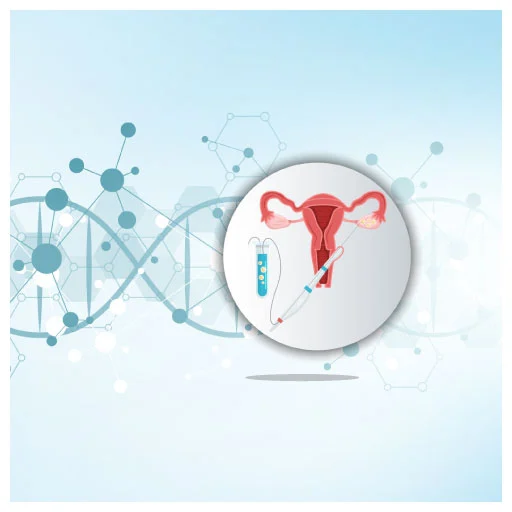
The Battle of the Sperms: Frozen vs Fresh Donor Sperm
Fresh Donor Sperm
Fresh donor sperm is collected and used immediately, without being frozen. This type of sperm is typically provided by a known donor, such as a friend or family member, or from a sperm bank where donors are required to donate frequently.
Pros:
1. Higher motility: Fresh donor sperm has a higher motility rate compared to frozen donor sperm, increasing its chances of fertilizing an egg.
2. More information about the donor: With fresh donor sperm, recipients have the opportunity to get to know the donor personally and gather more information about their physical characteristics and family medical history.
3. Personal connection: Some recipients prefer to have a personal connection with the donor, which can be achieved with fresh donor sperm. This can also help with the child’s sense of identity and belonging in the future.
Cons:
1. Limited availability: Unlike frozen donor sperm, fresh donor sperm is not readily available. This can be a challenge for those who live in remote areas or have a limited selection of donors to choose from.
2. Higher risk of disease transmission: Fresh donor sperm may not undergo the same level of testing and screening as frozen donor sperm, increasing the risk of disease transmission to the recipient and the resulting child.
3. Costly: Fresh donor sperm can be more expensive due to the need for frequent donations and testing.
Summary:
The battle of the sperms – frozen vs fresh donor sperm – is ongoing, and it ultimately comes down to personal preference and individual circumstances. Frozen donor sperm offers convenience, a larger pool of donors, and reduced costs, while fresh donor sperm provides a higher motility rate and a personal connection with the donor. It is important for recipients to consider the pros and cons of each type of sperm and consult with their fertility specialist to determine the best option for them.