Donor Insemination vs Partner Insemination: An Honest Comparison
In recent years, the topic of assisted reproduction has become more prevalent and accepted in society. With advancements in medical technology, individuals and couples who struggle with fertility issues now have various options available to help them conceive. Two of the most common methods of assisted reproduction are donor insemination and partner insemination. While both methods have the same goal of achieving pregnancy, they differ in several ways. In this blog post, we will take an honest and comprehensive look at both donor insemination and partner insemination to help you make an informed decision.
What is Donor Insemination?
Donor insemination, also known as artificial insemination with donor sperm (AID), is a process in which donor sperm is used to fertilize a woman’s egg. The donor sperm can come from a sperm bank, where anonymous donors have already provided samples, or from a known donor, such as a friend or family member. In both cases, the sperm is carefully screened and tested for genetic diseases and infections to ensure the safety of the recipient and potential offspring.
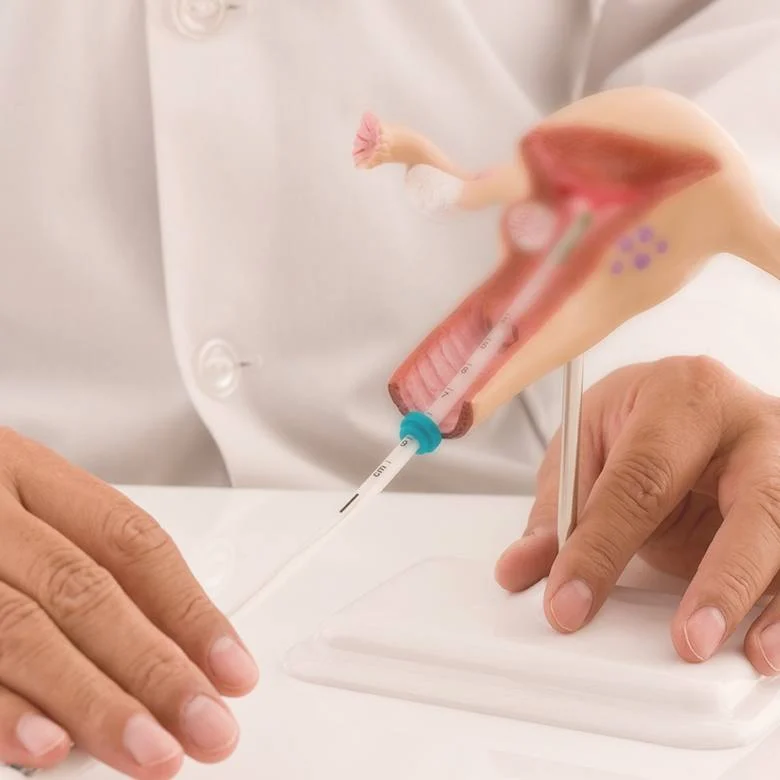
The process of donor insemination involves placing the donor sperm into the woman’s reproductive tract, either through intrauterine insemination (IUI) or intracervical insemination (ICI). IUI involves placing the sperm directly into the uterus, while ICI involves inserting the sperm into the cervix. Donor insemination is often used by single women, same-sex female couples, and heterosexual couples where the male partner has fertility issues.
Pros of Donor Insemination:
– Donor sperm is readily available, and the process is relatively simple and non-invasive.
– The donor sperm is thoroughly screened, reducing the risk of genetic diseases and infections.
– Donor insemination can be an affordable option compared to other fertility treatments.
– The recipient has control over the timing of the insemination, which can increase the chances of conception.
Cons of Donor Insemination:
– The donor sperm is from an unknown individual, which means the recipient and potential offspring may not have access to medical history or personal information.
– The recipient may face societal stigma or judgment for using donor sperm to conceive.
– The success rates of donor insemination may be lower compared to other assisted reproduction methods.
What is Partner Insemination?
Partner insemination, also known as artificial insemination with partner sperm (AIH), is a process in which the sperm of the woman’s male partner is used to fertilize her egg. This method is often used by heterosexual couples when the male partner has a low sperm count or other fertility issues. In some cases, same-sex male couples may also opt for partner insemination using a sperm donor.
Donor Insemination vs Partner Insemination: An Honest Comparison
The process of partner insemination involves collecting a semen sample from the male partner, and then inserting the sperm into the woman’s reproductive tract through IUI or ICI. Similar to donor insemination, the timing of the insemination can be controlled to increase the chances of conception.
Pros of Partner Insemination:
– The sperm is from the male partner, which can provide a sense of emotional connection and involvement in the conception process.
– The couple has access to the medical history and personal information of the male partner, which can be beneficial for the recipient and potential offspring.
– The process is relatively simple and non-invasive.
– Partner insemination can be more affordable compared to other fertility treatments.
Cons of Partner Insemination:
– The male partner may still have fertility issues, which can affect the success rates of partner insemination.
– The couple may face difficulties with timing the insemination, as it needs to be done during the woman’s ovulation period.
– If the male partner has a genetic disease or infection, there is a risk of passing it on to the recipient or potential offspring.
Which Method is Right for You?
When deciding between donor insemination and partner insemination, it’s essential to consider your individual circumstances and preferences. If you are a single woman or a same-sex female couple, donor insemination may be the best option for you. However, if you are a heterosexual couple with male fertility issues, partner insemination may be the better choice.
It’s also crucial to consider the emotional and psychological aspects of both methods. Donor insemination may bring up feelings of using a “stranger’s sperm” for conception, while partner insemination may involve feelings of pressure and responsibility on the male partner. It’s essential to have open and honest communication with your partner and healthcare provider to make the best decision for your situation.
In conclusion, both donor insemination and partner insemination are viable options for those struggling with fertility issues. Each method has its pros and cons, and it’s essential to weigh them carefully before making a decision. Remember to seek guidance from a fertility specialist to determine the best course of action for your unique situation.
Summary:
Donor insemination and partner insemination are two methods of assisted reproduction used to help individuals and couples conceive. Donor insemination involves using donor sperm, while partner insemination uses the sperm of the male partner. Both methods have their pros and cons, and the decision between the two should be based on individual circumstances and preferences. It’s essential to have open communication with your partner and healthcare provider when considering these options.