Tag: side effects

  • Fertility Medications vs Surgery: A Comparison of Side Effects and Risks

    Blog Post Title: Fertility Medications vs Surgery: A Comparison of Side Effects and Risks

    Introduction:
    Fertility issues can be a source of stress and frustration for many couples trying to conceive. Fortunately, there are various treatment options available, including fertility medications and surgery. These methods are designed to help regulate hormones, improve ovulation, and increase the chances of pregnancy. However, both options come with their own set of side effects and risks. In this blog post, we will take a closer look at fertility medications and surgery, comparing the potential side effects and risks associated with each.

    Fertility Medications:
    Fertility medications are drugs that are used to help stimulate ovulation and increase the chances of getting pregnant. They work by regulating hormones and stimulating the ovaries to produce and release eggs. Some common fertility medications include Clomid, Letrozole, and Gonadotropins.

    Side Effects:
    While fertility medications can be effective in helping couples conceive, they also come with potential side effects. Some of the most common side effects include hot flashes, mood swings, headaches, and bloating. These side effects are usually mild and temporary, but they can still cause discomfort and affect daily activities. In some cases, fertility medications can also increase the risk of developing ovarian hyperstimulation syndrome (OHSS), a condition where the ovaries become swollen and painful.

    Risks:
    Aside from side effects, fertility medications also come with potential risks. One of the main concerns is the increased risk of multiple pregnancies. This is because fertility drugs can stimulate the ovaries to release more than one egg, increasing the chances of conceiving twins, triplets, or even more. Multiple pregnancies come with a higher risk of complications, such as premature birth and low birth weight. Fertility medications can also increase the risk of ectopic pregnancy, where the fertilized egg implants outside of the uterus.

    Surgery:
    In some cases, fertility issues may require surgery to correct underlying problems. This can include procedures such as laparoscopy, hysteroscopy, or tubal ligation reversal. These surgeries are designed to address issues such as blocked fallopian tubes, endometriosis, or uterine abnormalities.
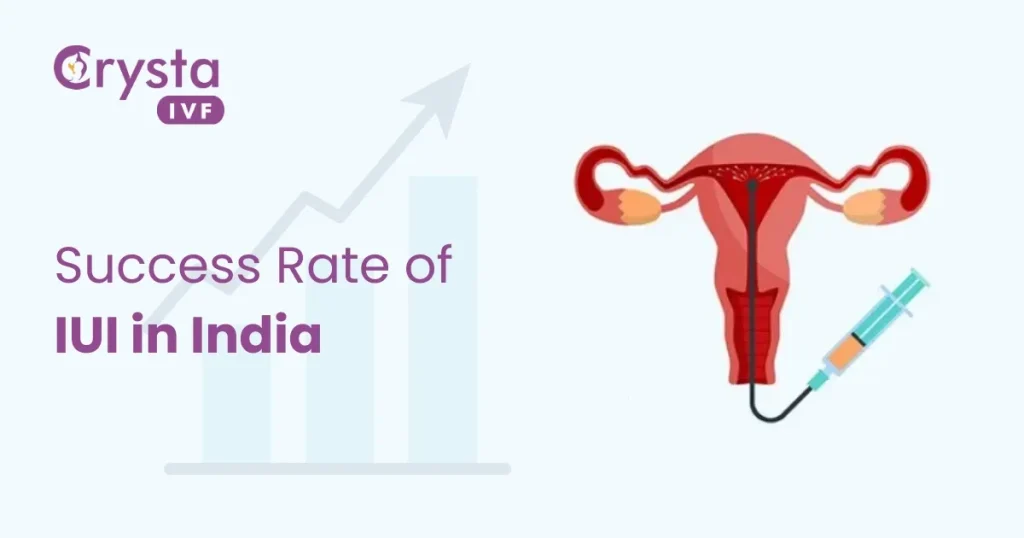
    success rate of IUI in India with a graphic of a uterus and syringe alongside a rising graph

    Fertility Medications vs Surgery: A Comparison of Side Effects and Risks

    Side Effects:
    Similar to fertility medications, surgery also comes with potential side effects. These can include pain, bleeding, infection, and scarring. The severity of these side effects can vary depending on the type of surgery and individual factors. For example, laparoscopy is a minimally invasive procedure, which means it has a lower risk of side effects compared to more invasive surgeries.

    Risks:
    Surgery also carries the risk of complications, such as damage to surrounding organs or tissues. In rare cases, surgery can also lead to fertility problems, such as scarring or damage to the fallopian tubes. Additionally, surgery may not always be successful in addressing fertility issues, requiring further procedures or treatments.

    Comparison:
    When it comes to comparing fertility medications and surgery, there are several factors to consider. Both options come with potential side effects and risks, but the severity and likelihood of these vary. Fertility medications have a higher risk of multiple pregnancies, while surgery carries a higher risk of complications and may not always be successful.

    Another aspect to consider is the cost. Fertility medications are generally less expensive compared to surgery, which can be a significant factor for those with limited financial resources. However, in some cases, surgery may be the more cost-effective option in the long run, especially if fertility medications are not successful or multiple procedures are needed.

    It is also essential to consider personal preferences and medical history. Some individuals may prefer to try fertility medications first before considering surgery, while others may opt for surgery right away. Additionally, certain medical conditions may make one option more suitable than the other.

    Conclusion:
    In the end, the decision between fertility medications and surgery comes down to individual circumstances and preferences. Both options have their own set of side effects and risks, and it is essential to weigh them carefully before making a decision. Consulting with a trusted healthcare provider can also help in determining the best course of action for each individual’s unique situation.

    In summary, fertility medications and surgery are two treatment options available for couples struggling with fertility issues. While both can be effective in helping achieve pregnancy, they also come with their own set of side effects and risks. It is important to consider factors such as cost, personal preferences, and medical history when deciding between the two options. Consulting with a healthcare provider can also help in making an informed decision.
  • Fertility Medications vs Surgery: What Do the Experts Say?

    Blog Post Title: Fertility Medications vs Surgery: What Do the Experts Say?

    Introduction:

    Infertility is a common problem that affects millions of couples worldwide. While some couples may conceive naturally, others may require medical intervention to help them achieve their dream of having a child. Fertility treatments have come a long way in recent years, with advancements in both medication and surgical options. But which option is better? In this blog post, we will explore the pros and cons of fertility medications and surgery and what the experts have to say about each option.

    Fertility Medications:

    Fertility medications, also known as ovulation induction drugs, are commonly used in the treatment of infertility. These medications work by stimulating the ovaries to produce and release eggs, increasing the chances of conception. The most commonly used fertility medications include Clomiphene citrate, Gonadotropins, and Metformin.

    Pros of Fertility Medications:

    1. Non-invasive: One of the major advantages of fertility medications is that they are non-invasive. This means that the medications can be taken orally, avoiding the need for surgery. This makes it a more comfortable and less intimidating option for many couples.

    2. Cost-effective: Fertility medications are generally more affordable than surgery, making them a more accessible option for couples who may not have the financial means for surgical procedures.

    3. High success rates: Fertility medications have been proven to be effective in helping couples conceive. According to a study published in the American Journal of Obstetrics and Gynecology, the use of fertility medications resulted in a pregnancy rate of 20.5% per cycle.

    Cons of Fertility Medications:

    1. Multiple pregnancies: One of the biggest concerns with fertility medications is the risk of multiple pregnancies. These medications stimulate the ovaries to produce more eggs, increasing the chance of conceiving multiples, such as twins or triplets. While this may be a desired outcome for some couples, it can also lead to complications during pregnancy and birth.

    2. Side effects: Fertility medications can also come with a range of side effects, including headaches, hot flashes, bloating, and mood swings. These side effects can be uncomfortable and may impact a person’s daily life.

    3. Ineffective for certain causes of infertility: Fertility medications may not be the best option for couples with certain causes of infertility, such as blocked fallopian tubes or severe male factor infertility. In these cases, surgery may be a more suitable option.

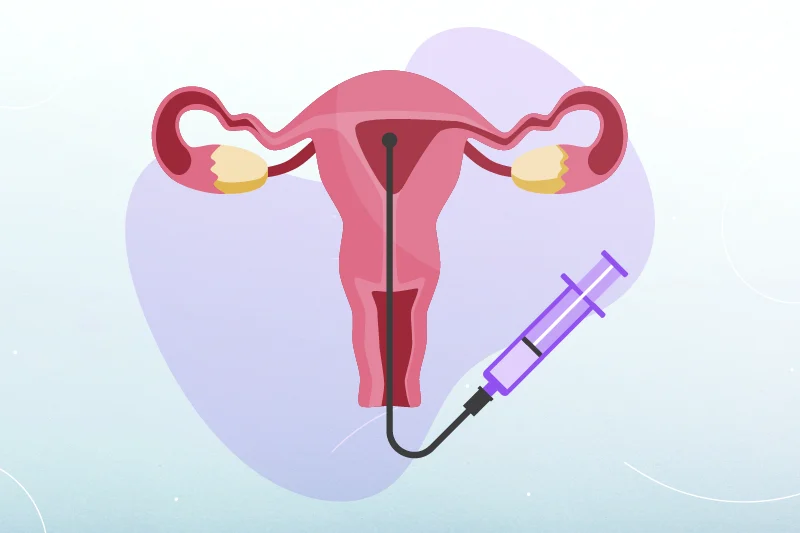
    Illustration of a uterus with a syringe indicating an intrauterine insemination procedure.

    Fertility Medications vs Surgery: What Do the Experts Say?

    Fertility Surgery:

    Fertility surgery, also known as Assisted Reproductive Technology (ART), is a more invasive option for treating infertility. It involves procedures such as In Vitro Fertilization (IVF), Intrauterine Insemination (IUI), and Intracytoplasmic Sperm Injection (ICSI).

    Pros of Fertility Surgery:

    1. Effective for certain causes of infertility: Fertility surgery is a more targeted approach to treating infertility. It can be beneficial for couples with specific causes of infertility, such as blocked fallopian tubes, endometriosis, or male factor infertility.

    2. Higher success rates: According to the American Society for Reproductive Medicine, the success rate of IVF for women under 35 is 40%. This success rate increases with each subsequent cycle, making it a more effective option for couples who have been unsuccessful with fertility medications.

    3. Can be used for genetic testing: Fertility surgery also allows for genetic testing of embryos, which can be beneficial for couples with a history of genetic disorders or advanced maternal age.

    Cons of Fertility Surgery:

    1. Invasive: Fertility surgery involves invasive procedures, such as egg retrieval and embryo transfer, which can be uncomfortable and stressful for some couples.

    2. Higher cost: Fertility surgery is generally more expensive than fertility medications, making it a less accessible option for some couples.

    3. Potential complications: As with any surgery, there is a risk of complications, such as infection or bleeding. These risks should be carefully considered before undergoing fertility surgery.

    What Do the Experts Say?

    Both fertility medications and surgery have their own set of pros and cons. So, what do the experts say about which option is better? According to Dr. David Adamson, a reproductive endocrinologist and surgeon, “It’s not a matter of one being better than the other. It’s about finding the right treatment for the individual couple based on their specific fertility issues.” Dr. Adamson also stresses the importance of consulting with a fertility specialist to determine the best course of treatment.

    In summary, fertility medications and surgery are both viable options for treating infertility, with their own set of advantages and disadvantages. While fertility medications offer a more non-invasive and affordable option, surgery can be more effective for certain causes of infertility. Consulting with a fertility specialist is crucial in determining which option is best for each individual couple.

  • The Role of Fertility Medications in Assisted Reproductive Techniques

    Blog Post:

    Assisted reproductive techniques (ART) have revolutionized the way couples struggling with infertility can achieve their dream of parenthood. One of the key components of ART is the use of fertility medications, which play a crucial role in stimulating the ovaries and increasing the chances of successful conception. In this blog post, we will dive into the role of fertility medications in ART and how they work to help couples achieve their goal of starting a family.

    First, it’s important to understand the different types of fertility medications used in ART. The most commonly used medications are clomiphene citrate, gonadotropins, and aromatase inhibitors. Each of these medications works in a different way, but their main goal is to stimulate the ovaries to produce multiple eggs, increasing the chances of fertilization and pregnancy.

    Clomiphene citrate, also known as Clomid, is an oral medication that works by blocking estrogen receptors in the brain. This leads to an increase in follicle-stimulating hormone (FSH) and luteinizing hormone (LH), which are essential for ovulation. Clomid is usually the first medication prescribed for women with ovulatory disorders, such as polycystic ovary syndrome (PCOS).

    Gonadotropins, on the other hand, are injectable medications that contain FSH and/or LH. These medications directly stimulate the ovaries to produce multiple eggs, and they are often used in women who do not respond to Clomid or have more severe ovulation issues. Gonadotropins can also be used in combination with other ART procedures, such as intrauterine insemination (IUI) or in vitro fertilization (IVF).

    Aromatase inhibitors, such as letrozole, are a newer class of fertility medications that work by inhibiting the production of estrogen. This leads to an increase in FSH and LH, similar to how Clomid works. Aromatase inhibitors are often used in women with PCOS, as they have shown to be more effective than Clomid in this specific group of women.

    Now, let’s discuss how these medications are used in different ART procedures. In IUI, fertility medications are used to stimulate the ovaries to produce multiple eggs. These eggs are then released during ovulation and are timed to coincide with the insemination procedure. This increases the chances of successful fertilization.

    success rate of IUI in India with a graphic of a uterus and syringe alongside a rising graph

    The Role of Fertility Medications in Assisted Reproductive Techniques

    In IVF, fertility medications are used to stimulate the ovaries to produce multiple eggs. However, in this procedure, the eggs are retrieved directly from the ovaries and fertilized in a laboratory setting. This allows for more control over the number and quality of eggs retrieved, increasing the chances of successful fertilization and implantation.

    Fertility medications can also play a role in other ART procedures, such as frozen embryo transfer (FET) and intracytoplasmic sperm injection (ICSI). In FET, medications are used to prepare the uterus for embryo transfer, ensuring the best environment for implantation. In ICSI, medications are used to stimulate the ovaries and retrieve eggs, which are then fertilized with a single sperm in a laboratory.

    Apart from stimulating the ovaries, fertility medications also play a crucial role in controlling the timing of ovulation. Ovulation is crucial in ART procedures, as it ensures that the eggs are released at the right time for fertilization. Fertility medications help to regulate the timing of ovulation, making it easier to schedule procedures such as IUI and IVF.

    While fertility medications are an essential part of ART, they also come with potential side effects. The most common side effects include bloating, breast tenderness, mood swings, and headaches. In rare cases, fertility medications can also lead to ovarian hyperstimulation syndrome (OHSS), which can be potentially dangerous. However, with proper monitoring and dosage adjustments, the risk of side effects can be minimized.

    In conclusion, fertility medications play a crucial role in ART by stimulating the ovaries and controlling the timing of ovulation. They are used in various ART procedures to increase the chances of successful conception and pregnancy. However, it’s important to work closely with a fertility specialist to ensure safe and effective use of these medications.

    Summary:

    Fertility medications are an essential part of assisted reproductive techniques (ART) and play a crucial role in stimulating the ovaries and controlling the timing of ovulation. Clomiphene citrate, gonadotropins, and aromatase inhibitors are the most commonly used medications in ART and work by increasing the production of hormones necessary for ovulation. These medications are used in various ART procedures, such as IUI and IVF, to increase the chances of successful conception and pregnancy. However, they also come with potential side effects, and it’s important to work closely with a fertility specialist to ensure safe and effective use.

  • Intrauterine Insemination vs Sperm Washing: A Comparison of Side Effects

    Intrauterine Insemination vs Sperm Washing: A Comparison of Side Effects

    Intrauterine insemination (IUI) and sperm washing are two commonly used assisted reproductive technologies (ART) for couples struggling with infertility. While both methods aim to increase the chances of pregnancy, they differ in terms of the procedures involved and the potential side effects. In this blog post, we will explore the differences between IUI and sperm washing and compare the potential side effects associated with each.

    What is Intrauterine Insemination?

    Intrauterine insemination, also known as artificial insemination, is a relatively simple and less invasive fertility treatment. It involves the direct injection of sperm into the uterus during the ovulation period, increasing the chances of fertilization. The process begins with the collection of a semen sample from the male partner, which is then washed and prepared for insemination. The sperm is then inserted into the uterus using a thin catheter, bypassing the cervix and increasing the chances of fertilization.

    Potential Side Effects of Intrauterine Insemination

    While IUI is generally considered safe and has a low risk of side effects, there are a few potential risks associated with the procedure. Some women may experience mild cramping or spotting after the procedure, but these symptoms usually subside within a day or two. In rare cases, there may be an allergic reaction to the sperm or the catheter used during the procedure. There is also a small risk of infection, but this can be prevented by following proper hygiene practices and using sterile equipment.

    What is Sperm Washing?

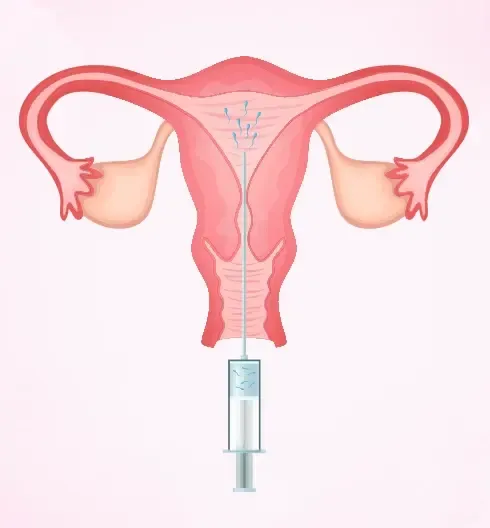
    diagram of a uterus with a syringe for intrauterine insemination procedure

    Intrauterine Insemination vs Sperm Washing: A Comparison of Side Effects

    Sperm washing is a technique used to prepare sperm for use in assisted reproductive technologies, including IUI and in vitro fertilization (IVF). The process involves separating the sperm from other components in the semen, such as seminal fluid and bacteria, which can have a negative impact on fertilization. Once the sperm is separated, it is washed and concentrated, increasing the chances of successful fertilization.

    Potential Side Effects of Sperm Washing

    Sperm washing is a safe and routine procedure, and there are no significant risks associated with it. However, there are a few potential side effects that may occur after the procedure. Some men may experience mild discomfort or pain during the collection of the semen sample, but this is usually temporary. There is also a small risk of infection, but this can be prevented by using sterile equipment and following proper hygiene practices.

    Comparison of Side Effects

    When it comes to potential side effects, both IUI and sperm washing have a low risk of complications. However, IUI may cause mild cramping and spotting, while sperm washing may cause temporary discomfort during semen collection. Both procedures have a small risk of infection, but this can be avoided by following proper hygiene practices. Additionally, there is a rare risk of an allergic reaction to the sperm or equipment used in both procedures.

    Summary

    Intrauterine insemination and sperm washing are two widely used ARTs that can increase the chances of pregnancy for couples struggling with infertility. While both procedures have a low risk of side effects, IUI may cause mild cramping and spotting, while sperm washing may cause temporary discomfort during semen collection. Both procedures also have a small risk of infection and a rare risk of an allergic reaction. Overall, it is essential to discuss the potential side effects and risks with a healthcare provider before deciding on the best treatment option.

  • Breaking Down the Differences: Intrauterine Insemination vs Sperm Washing

    Breaking Down the Differences: Intrauterine Insemination vs Sperm Washing

    When it comes to assisted reproductive technology, there are several options available for couples struggling with infertility. Two of the most commonly used methods are intrauterine insemination (IUI) and sperm washing. While both methods involve the use of sperm to increase the chances of pregnancy, they have distinct differences in terms of procedure, cost, success rates, and other factors. In this blog post, we will take a closer look at each method and break down their differences to help you make an informed decision about which one may be right for you.

    What is Intrauterine Insemination (IUI)?

    Intrauterine insemination, also known as artificial insemination, is a medical procedure in which sperm is placed directly into a woman’s uterus to increase the chances of fertilization. The procedure is typically done when a woman is ovulating and involves a thin, flexible tube called a catheter, which is used to inject the sperm through the cervix and into the uterus.

    What is Sperm Washing?

    Sperm washing is a laboratory process in which sperm is separated from the semen and prepared for use in assisted reproductive techniques. This method is usually recommended for couples where the male partner is HIV positive or has a genetic disease that could be passed on to the offspring. Sperm washing involves several steps, including diluting the semen, spinning it in a centrifuge, and separating the sperm from the other components. The resulting sperm is then used for intrauterine insemination, in vitro fertilization (IVF), or other assisted reproductive techniques.

    Procedure Differences

    One of the main differences between IUI and sperm washing is the procedure itself. While IUI involves placing sperm directly into the uterus, sperm washing is a laboratory process that prepares the sperm for use in assisted reproductive techniques. IUI is a relatively quick and straightforward procedure that can be done in a doctor’s office, while sperm washing is a more complex process that requires specialized equipment and skills.

    Cost Differences

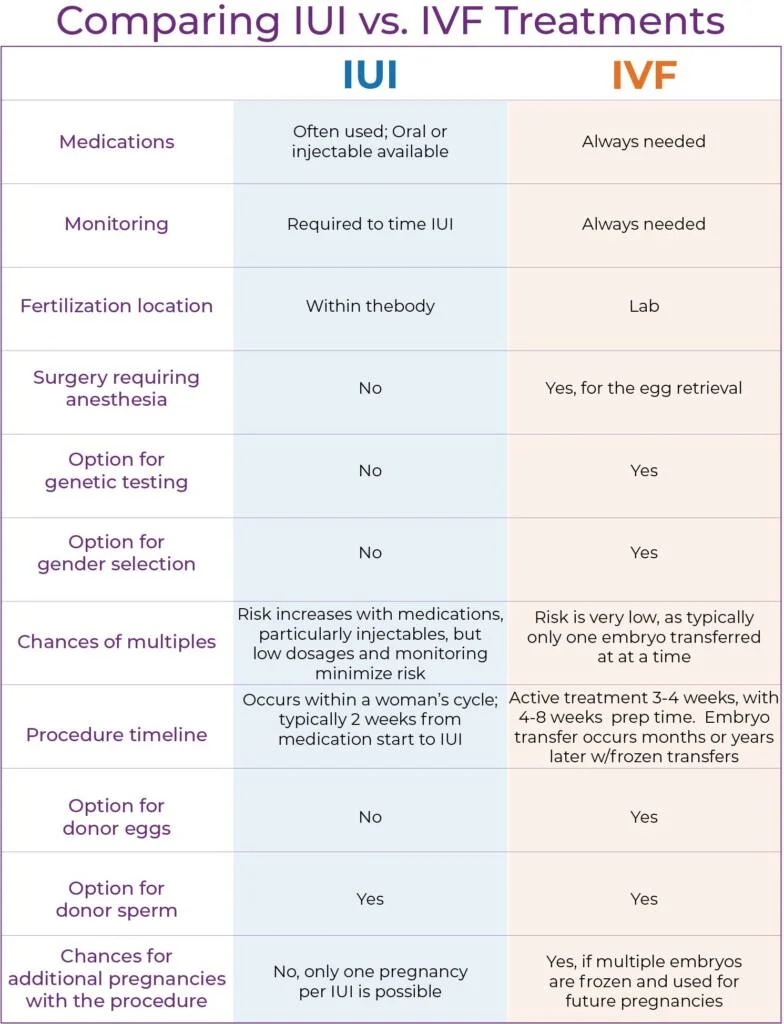
    Comparison chart of IUI and IVF treatments, detailing medications, monitoring, procedures, and success rates.

    Breaking Down the Differences: Intrauterine Insemination vs Sperm Washing

    In terms of cost, IUI is generally more affordable than sperm washing. The average cost of IUI ranges from $300 to $1000 per cycle, while sperm washing can cost anywhere from $500 to $2500 per cycle. The cost of sperm washing may be higher due to the additional laboratory procedures involved.

    Success Rates

    Success rates are another important factor to consider when comparing IUI and sperm washing. Both methods have varying success rates, depending on factors such as age, overall health, and the underlying cause of infertility. According to the American Pregnancy Association, the success rate for IUI ranges from 10% to 20% per cycle, while the success rate for sperm washing is slightly higher at 20% to 25% per cycle. It is important to note that these rates may vary depending on individual circumstances and should be discussed with a fertility specialist.

    Risks and Side Effects

    As with any medical procedure, there are potential risks and side effects associated with IUI and sperm washing. IUI carries a minimal risk of infection or discomfort during the procedure, while sperm washing may have a higher risk of infection due to handling of the semen. Both methods may also cause mild side effects such as cramping or spotting, which should subside within a few days.

    When to Consider IUI or Sperm Washing

    IUI is often recommended for couples who have been trying to conceive for a year or more without success, or for those with mild cases of male factor infertility. It may also be used for women with ovulation issues or cervical problems that affect sperm motility. On the other hand, sperm washing is usually recommended for couples where the male partner is HIV positive or has a genetic condition that could be passed on to the offspring. It may also be used for couples who have failed previous fertility treatments or for women with blocked fallopian tubes.

    In conclusion, both intrauterine insemination and sperm washing are effective methods for increasing the chances of pregnancy in couples struggling with infertility. However, they differ in terms of procedure, cost, success rates, and other factors. It is important to consult with a fertility specialist to determine which method may be right for you based on your individual circumstances. With the right treatment plan, many couples are able to overcome infertility and fulfill their dreams of starting a family.

    Summary:

    Intrauterine insemination (IUI) and sperm washing are two commonly used methods of assisted reproductive technology for couples struggling with infertility. IUI involves placing sperm directly into the uterus, while sperm washing is a laboratory process that prepares the sperm for use in assisted reproductive techniques. IUI is more affordable and has a lower success rate compared to sperm washing, which is a more complex and expensive procedure with a slightly higher success rate. Both methods have potential risks and side effects, and the decision on which one to use should be based on individual circumstances. Consulting with a fertility specialist is crucial in determining the best treatment option for achieving pregnancy.

  • Examining the Side Effects of Fertility Supplements and Medical Treatments

    Examining the Side Effects of Fertility Supplements and Medical Treatments

    Fertility issues can be a major concern for couples trying to conceive. As a result, many turn to fertility supplements and medical treatments in hopes of increasing their chances of getting pregnant. While these methods may seem promising, it’s important to also consider the potential side effects that come with them. In this blog post, we will examine the various side effects of fertility supplements and medical treatments and discuss their effectiveness in aiding fertility.

    Fertility Supplements

    Fertility supplements are dietary supplements that claim to improve fertility and increase the chances of conception. These supplements often contain a combination of vitamins, minerals, herbs, and other natural ingredients. While they may seem like a safe and natural option, it’s important to understand that they are not regulated by the FDA and their effectiveness and safety are not guaranteed.

    One of the most commonly used fertility supplements is DHEA (dehydroepiandrosterone), which is believed to improve egg quality and increase the chances of pregnancy. However, studies have shown that DHEA can have negative side effects such as acne, hair loss, and mood changes. In addition, long-term use of DHEA has been linked to an increased risk of breast and ovarian cancer.

    Another popular fertility supplement is CoQ10, which is believed to improve egg quality and sperm health. While there is limited research on the effects of CoQ10 on fertility, some studies have shown that it may cause mild side effects such as nausea, diarrhea, and stomach upset.

    Other common fertility supplements include Vitex (chaste tree berry), which is believed to regulate hormones and improve ovulation, and Maca, which is believed to boost libido and improve overall fertility. However, both of these supplements have been associated with side effects such as gastrointestinal issues and hormonal imbalances.

    Medical Treatments

    In addition to fertility supplements, many couples also turn to medical treatments to aid in their fertility journey. These treatments include hormonal therapies, assisted reproductive technology (ART), and surgery. While these methods have been proven to be effective in some cases, they also carry potential side effects.

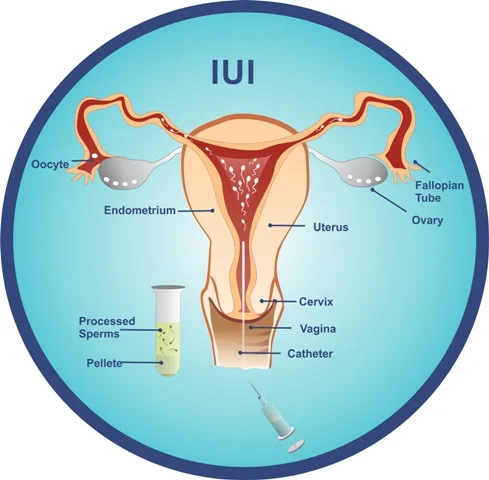
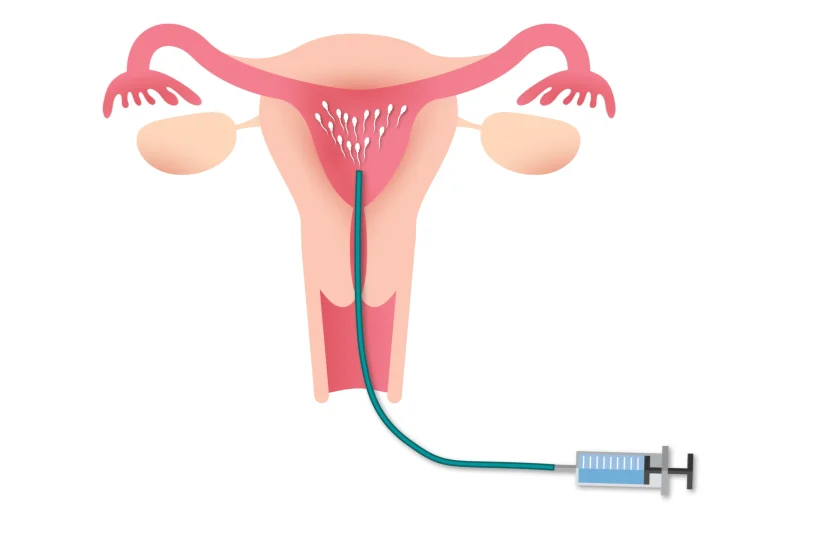
    diagram illustrating intrauterine insemination (IUI) with labeled reproductive anatomy and procedures

    Examining the Side Effects of Fertility Supplements and Medical Treatments

    Hormonal therapies, such as clomiphene citrate and gonadotropins, are often used to stimulate ovulation in women. However, they can also cause side effects such as hot flashes, mood swings, and bloating. In rare cases, they may also increase the risk of ovarian hyperstimulation syndrome, a potentially serious condition.

    ART, which includes procedures such as in vitro fertilization (IVF) and intrauterine insemination (IUI), can also have side effects. The medications used in these procedures may cause side effects such as headaches, abdominal pain, and mood changes. In addition, the procedures themselves can cause discomfort and potential complications such as infection and multiple pregnancies.

    Surgery may also be recommended to treat certain fertility issues, such as blocked fallopian tubes or endometriosis. While these procedures can be effective, they also carry risks such as infection, bleeding, and damage to surrounding organs.

    Effectiveness vs. Side Effects

    When considering fertility supplements and medical treatments, it’s important to weigh the potential side effects against their effectiveness. While some supplements and treatments may have promising results, they may also come with significant side effects that can impact one’s overall health.

    It’s also important to note that these methods may not work for everyone. Each person’s body is different and what works for one may not work for another. It’s crucial to consult with a healthcare professional before starting any fertility supplement or medical treatment to determine the best course of action for your specific situation.

    Conclusion

    In conclusion, while fertility supplements and medical treatments may offer hope for couples struggling with fertility issues, it’s important to consider the potential side effects before deciding to use them. It’s always best to consult with a healthcare professional and discuss all options before making any decisions. Remember, your health should always be a top priority, and any supplement or treatment should be carefully evaluated before use.

    SEO Metadata:

  • Breaking Down the Myths: Fertility Supplements vs Medical Treatments

    Blog Post Title: Breaking Down the Myths: Fertility Supplements vs Medical Treatments

    Introduction:
    Fertility is a topic that is often surrounded by myths and misconceptions. With the rise of alternative medicine and natural remedies, many people turn to fertility supplements as a way to boost their chances of conceiving. However, there are also medical treatments available for infertility that have been proven effective. In this blog post, we will break down the myths surrounding fertility supplements and compare them to medical treatments, so you can make an informed decision about what is best for your fertility journey.

    Myth 1: Fertility Supplements are All-Natural and Safe
    One of the main attractions of fertility supplements is that they are often marketed as all-natural and safe. Many people believe that because they are made from natural ingredients, they have no side effects and are a better option than medical treatments. However, this is not always the case. Fertility supplements can still have side effects, and they are not regulated by the FDA, meaning their safety and effectiveness are not guaranteed. It is important to do thorough research and consult with a healthcare professional before taking any supplements.

    Myth 2: Fertility Supplements are the Same as Prescription Medications
    Another common myth is that fertility supplements are just as effective as prescription medications in treating infertility. While some supplements may have similar ingredients to medications, they are not regulated or tested in the same way. Prescription medications have gone through rigorous clinical trials to prove their effectiveness, while supplements have not. In some cases, supplements may even interfere with prescription medications, making them less effective.

    Myth 3: Fertility Supplements Can Cure Infertility
    Many people believe that fertility supplements can cure infertility and help them conceive naturally. However, this is not always the case. Fertility supplements may help boost fertility in some cases, but they cannot cure underlying medical conditions that may be causing infertility. For those with serious fertility issues, medical treatments may be necessary to address the root cause of infertility.

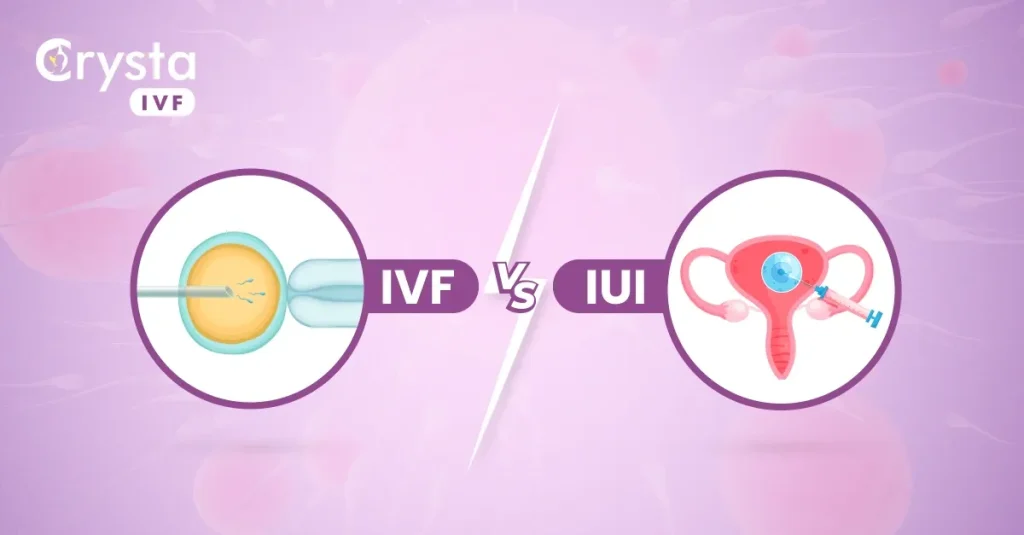
    Comparison of IVF and IUI procedures with illustrations of each method.

    Breaking Down the Myths: Fertility Supplements vs Medical Treatments

    Myth 4: Medical Treatments are Invasive and Dangerous
    On the other hand, some people may fear medical treatments for infertility because they believe they are invasive and dangerous. While some treatments, such as in vitro fertilization (IVF), may have more risks and side effects, they are also highly effective in treating infertility. It is important to discuss any concerns with a healthcare professional and weigh the potential risks against the potential benefits.

    Myth 5: Medical Treatments are Expensive
    Another common myth is that medical treatments for infertility are extremely expensive and not accessible to everyone. While some treatments, such as IVF, can be costly, there are also more affordable options available. Many insurance plans cover some infertility treatments, and there are also financial assistance programs available. It is important to research and explore all options before assuming that medical treatments are out of reach.

    Myth 6: Fertility Supplements and Medical Treatments Cannot Be Used Together
    Some people believe that fertility supplements and medical treatments cannot be used together, and that one must choose between the two. However, this is not always the case. In some cases, supplements may be used in conjunction with medical treatments to boost their effectiveness. However, it is crucial to discuss this with a healthcare professional to avoid any potential interactions or negative effects.

    Conclusion:
    In conclusion, while fertility supplements may have their benefits, they should not be seen as a replacement for medical treatments for infertility. It is important to do thorough research, consult with a healthcare professional, and consider all options before making a decision. Medical treatments have been proven effective in treating infertility and should not be dismissed due to myths and misconceptions.

    Summary:
    Fertility supplements are often marketed as all-natural and safe, but they can still have side effects and are not regulated by the FDA. They are not the same as prescription medications and cannot cure infertility. Medical treatments, while they may have risks and costs, are highly effective and accessible. It is possible to use supplements and medical treatments together, but it is important to consult with a healthcare professional.

  • Intrauterine Insemination vs Timed Intercourse: Understanding the Potential Risks and Side Effects

    Blog Post:

    Intrauterine insemination (IUI) and timed intercourse (TI) are two common fertility treatments used by couples struggling to conceive. Both methods aim to increase the chances of fertilization by ensuring that sperm is present in the uterus during ovulation. However, there are some key differences between the two procedures, including the potential risks and side effects. In this blog post, we will explore the differences between IUI and TI and discuss the potential risks and side effects associated with each.

    What is Intrauterine Insemination (IUI)?

    IUI is a fertility treatment that involves placing washed and concentrated sperm directly into the uterus using a thin catheter. This procedure is typically performed around the time of ovulation, which is determined through tracking ovulation with ultrasound or ovulation predictor kits.

    What is Timed Intercourse (TI)?

    TI, also known as “natural cycle timed intercourse,” involves having timed sexual intercourse during the woman’s fertile window. This is typically determined by tracking ovulation with ultrasound or ovulation predictor kits.

    Differences between IUI and TI:

    1. Medical Intervention: The most significant difference between IUI and TI is the level of medical intervention. IUI involves a medical procedure where the sperm is placed directly into the uterus, while TI relies on natural conception through timed intercourse.

    2. Timing: IUI must be performed around the time of ovulation, which is determined through ultrasounds and ovulation predictor kits. On the other hand, TI involves timed intercourse during the fertile window, which may vary from month to month.

    3. Sperm Preparation: For IUI, sperm is washed and concentrated before being placed into the uterus, increasing the chances of fertilization. In TI, sperm is not prepared and relies solely on natural conception.

    Potential Risks and Side Effects of IUI:

    1. Multiple Pregnancies: One of the most significant risks of IUI is the potential for multiple pregnancies. Since multiple eggs may be released during ovulation, there is a higher chance of conceiving twins or triplets with IUI.

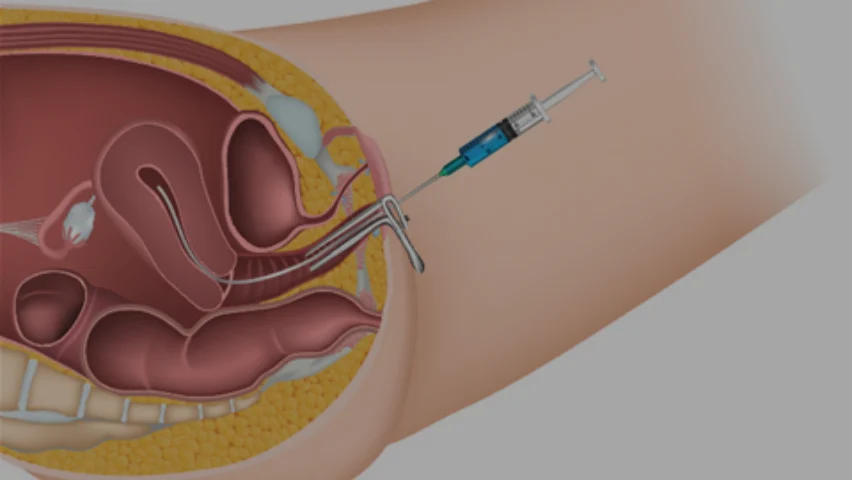
    illustration of intrauterine insemination procedure with a syringe and catheter in the uterus.

    Intrauterine Insemination vs Timed Intercourse: Understanding the Potential Risks and Side Effects

    2. Infection: As with any medical procedure, there is a risk of infection with IUI. The use of a catheter to place the sperm into the uterus can introduce bacteria into the reproductive tract, leading to infection.

    3. Ovarian Hyperstimulation Syndrome (OHSS): OHSS is a rare but potentially severe side effect of IUI. It occurs when the body produces too many eggs in response to fertility medications, leading to enlarged ovaries and fluid buildup in the abdomen.

    4. Cramping and Spotting: Some women may experience mild cramping or spotting after IUI, which is a common side effect of the procedure. However, if these symptoms are severe or persistent, it is essential to consult a doctor.

    Potential Risks and Side Effects of TI:

    1. Lower Success Rates: Since TI relies on natural conception, the chances of getting pregnant are lower compared to IUI. This is because the sperm must travel through the cervix, uterus, and fallopian tubes to reach the egg, which can be challenging for some sperm.

    2. Stress and Pressure: The pressure to have timed intercourse during the fertile window can add stress to the already emotional journey of trying to conceive. This may lead to feelings of disappointment if conception does not occur.

    3. Ovulation Disorders: While TI is a less invasive option compared to IUI, it may not be suitable for women with ovulation disorders. If a woman is not ovulating regularly, timed intercourse may not be effective in achieving pregnancy.

    4. Sexual Dysfunction: For some couples, the pressure of timed intercourse may lead to sexual dysfunction, making it challenging to engage in sexual intercourse during the fertile window.

    Summary:

    In summary, both IUI and TI are fertility treatments that aim to increase the chances of conception by ensuring sperm is present in the uterus during ovulation. However, there are some key differences between the two procedures, including the level of medical intervention and the potential risks and side effects.

    IUI involves a medical procedure where sperm is placed directly into the uterus, increasing the chances of fertilization. However, it also carries a higher risk of multiple pregnancies, infection, and OHSS. On the other hand, TI relies on natural conception through timed sexual intercourse, but it may not be suitable for women with ovulation disorders and can add stress and pressure to the process.

    Ultimately, the choice between IUI and TI depends on individual circumstances and should be discussed with a doctor. Both treatments have the potential to help couples achieve their dream of having a child, but it is essential to understand the potential risks and side effects before making a decision.

  • The Pros and Cons of Fertility Drugs: Is Natural Always Better?

    The Pros and Cons of Fertility Drugs: Is Natural Always Better?

    Fertility drugs are a popular option for couples struggling with infertility. These medications are designed to help regulate ovulation and increase the chances of pregnancy. While many people turn to fertility drugs for their effectiveness, there are also concerns about their safety and potential side effects. This begs the question: is natural always better when it comes to fertility?

    In this blog post, we will explore the pros and cons of fertility drugs and discuss the debate surrounding their use. By the end, you will have a better understanding of whether fertility drugs are the right choice for you and your partner.

    The Pros of Fertility Drugs

    1. Increased Chances of Pregnancy

    The biggest advantage of fertility drugs is their ability to increase the chances of pregnancy. These medications work by stimulating the ovaries to produce more eggs, increasing the likelihood of fertilization and implantation. This can be especially helpful for couples who have been trying to conceive for a long time without success.

    2. Regulates Ovulation

    Fertility drugs are also beneficial for women who have irregular ovulation or do not ovulate at all. By regulating ovulation, these medications can help women with conditions such as polycystic ovary syndrome (PCOS) or ovarian dysfunction to become pregnant.

    3. Can Be Used in Conjunction with Other Treatments

    In some cases, fertility drugs can be used in conjunction with other fertility treatments, such as intrauterine insemination (IUI) or in vitro fertilization (IVF). This can further increase the chances of pregnancy and provide a more comprehensive approach to fertility treatment.

    4. Customizable Treatment

    Fertility drugs come in various types and dosages, allowing for a customized treatment plan for each individual. This means that doctors can tailor the medication to suit the specific needs and circumstances of their patients.

    The Cons of Fertility Drugs

    Illustration of intrauterine insemination (IUI) procedure with syringe and catheter in the uterus.

    The Pros and Cons of Fertility Drugs: Is Natural Always Better?

    1. Potential Side Effects

    Like any medication, fertility drugs carry the risk of side effects. These can range from mild symptoms such as hot flashes, headaches, and mood swings, to more severe complications like ovarian hyperstimulation syndrome (OHSS) and multiple pregnancies.

    2. Cost

    Fertility drugs can be expensive, especially when used in conjunction with other fertility treatments. This can be a barrier for many couples who are already struggling with the financial burden of infertility.

    3. Emotional Toll

    The journey to parenthood can already be emotionally taxing, and fertility drugs can add to that burden. The constant monitoring and uncertainty of success can take a toll on a couple’s mental health and put a strain on their relationship.

    4. May Not Address Underlying Issues

    Fertility drugs may help with ovulation and increase the chances of pregnancy, but they do not address the underlying issues causing infertility. This means that even if a couple successfully conceives with the help of fertility drugs, they may still face challenges in future pregnancies.

    The Debate: Natural vs. Artificial

    One of the main arguments against fertility drugs is that they are not natural. Many people believe that the body should be left to its own devices when it comes to conceiving, and that using medication goes against nature. However, it is important to remember that fertility drugs are designed to mimic the natural hormones and processes in the body.

    On the other hand, proponents of fertility drugs argue that they are simply a tool to help couples achieve their dream of having a child. They believe that there is nothing wrong with using modern medicine to overcome fertility challenges and that there should be no shame in seeking medical assistance.

    The truth is, there is no right or wrong answer when it comes to the debate of natural vs. artificial in fertility treatment. Each couple must weigh the pros and cons and make the best decision for their unique situation.

    Summarizing the Pros and Cons of Fertility Drugs

    Fertility drugs have the potential to increase the chances of pregnancy and regulate ovulation, making them a popular option for couples struggling with infertility. However, they also come with potential side effects, financial costs, and emotional tolls. The debate surrounding the use of fertility drugs raises questions about natural vs. artificial fertility treatment. Ultimately, the decision to use fertility drugs should be based on a couple’s individual circumstances and preferences.

  • Fertility Drugs and Natural Methods: A Comparative Study of Side Effects

    Blog Post Title: Fertility Drugs and Natural Methods: A Comparative Study of Side Effects

    Introduction:
    Fertility is a crucial aspect of human life, and many couples struggle with infertility. Fortunately, there are various treatments available to assist in fertility, such as fertility drugs and natural methods. While both options aim to increase a person’s chances of conceiving, they have different approaches and potential side effects. In this blog post, we will compare the side effects of fertility drugs and natural methods, helping individuals make an informed decision about which option is best for them.

    Fertility Drugs:
    Fertility drugs work by stimulating the ovaries to produce more eggs, increasing the chances of fertilization. However, these drugs come with several side effects, including:

    1. Ovarian Hyperstimulation Syndrome (OHSS):
    OHSS is a potentially severe side effect of fertility drugs, causing the ovaries to enlarge and become painful. In rare cases, it can lead to fluid accumulation in the abdomen and chest, which can be life-threatening.

    2. Multiple Pregnancies:
    Fertility drugs also increase the risk of multiple pregnancies, such as twins or triplets. While some may see this as a positive outcome, multiple pregnancies come with a higher risk of complications for both the mother and babies.

    3. Mood Swings:
    Hormonal changes caused by fertility drugs can lead to mood swings, irritability, and depression in some individuals. This can be challenging for couples already dealing with the emotional stress of infertility.

    4. Hot Flashes:
    Fertility drugs can also cause hot flashes, which are sudden feelings of warmth and sweating. These can be uncomfortable and disruptive to daily life.

    5. Nausea and Vomiting:
    Some fertility drugs can cause nausea and vomiting, making it challenging to keep food down and leading to weight loss.

    Illustration of the uterus with a syringe, depicting the intrauterine insemination procedure.

    Fertility Drugs and Natural Methods: A Comparative Study of Side Effects

    Natural Methods:
    On the other hand, natural methods aim to enhance fertility through lifestyle changes, such as diet, exercise, and stress management. While they may not have the same success rates as fertility drugs, they also have fewer side effects. Some potential side effects of natural methods include:

    1. Dietary Changes:
    Making dietary changes, such as increasing intake of fruits and vegetables and reducing processed foods, can lead to weight loss and improved fertility. However, drastic dietary changes can also cause fatigue, headaches, and irritability while the body adjusts to the new diet.

    2. Exercise:
    Regular exercise can help improve fertility, but excessive or intense exercise can have the opposite effect. Over-exercising can lead to hormonal imbalances, irregular periods, and even infertility.

    3. Stress:
    Stress is a significant factor in infertility, and stress management techniques like yoga, meditation, and acupuncture can help. However, some individuals may experience temporary side effects, such as headaches, fatigue, and dizziness, when starting these practices.

    4. Herbal Supplements:
    Certain herbal supplements, such as chasteberry and maca root, are believed to improve fertility. However, these supplements can also have side effects, such as digestive issues, headaches, and allergic reactions.

    5. Lack of Effectiveness:
    One of the main drawbacks of natural methods is their lack of effectiveness for some individuals. While they may work for some, they may not work for others, leading to disappointment and frustration.

    Conclusion:
    Both fertility drugs and natural methods have their own sets of potential side effects. While fertility drugs may have more severe side effects, they also have a higher success rate. On the other hand, natural methods have fewer side effects but may not be as effective for everyone. Ultimately, the choice between the two options depends on an individual’s specific needs and preferences. Consulting with a medical professional can help individuals make an informed decision about which option is best for them.

    In summary, fertility drugs and natural methods both have the potential to help individuals struggling with infertility. However, they also come with their own sets of side effects, and it is essential to weigh the risks and benefits carefully before making a decision. Consulting with a medical professional and making lifestyle changes can help individuals achieve their dream of starting a family.