Blog Post: The Ins and Outs of Intrauterine Insemination and Intracervical Insemination
Intrauterine insemination (IUI) and intracervical insemination (ICI) are two common types of artificial insemination procedures used to help couples conceive a child. These procedures involve placing sperm directly into the uterus or cervix, bypassing the natural barriers of the female reproductive system. In this blog post, we will delve into the ins and outs of these two fertility treatments, including their procedures, success rates, and potential risks.
What is Intrauterine Insemination (IUI)?
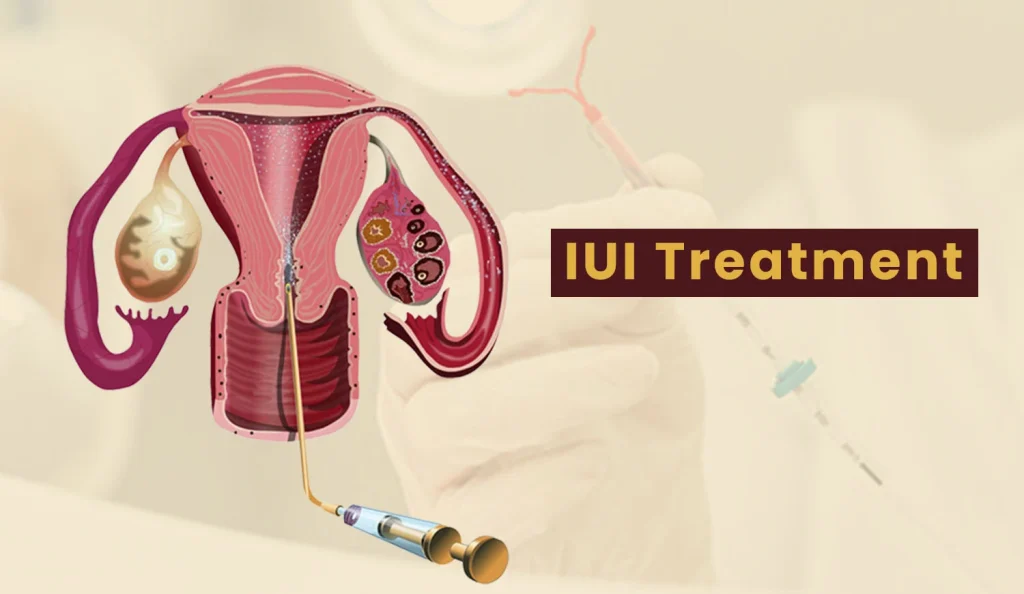
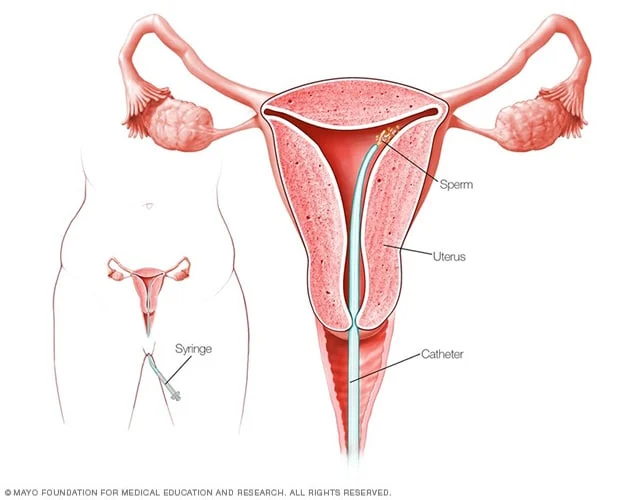
Intrauterine insemination, also known as artificial insemination, is a fertility treatment where sperm is placed directly into the uterus during a woman’s ovulation period. This procedure is commonly used for couples with unexplained infertility, mild male factor infertility, or cervical issues that may prevent sperm from reaching the egg.
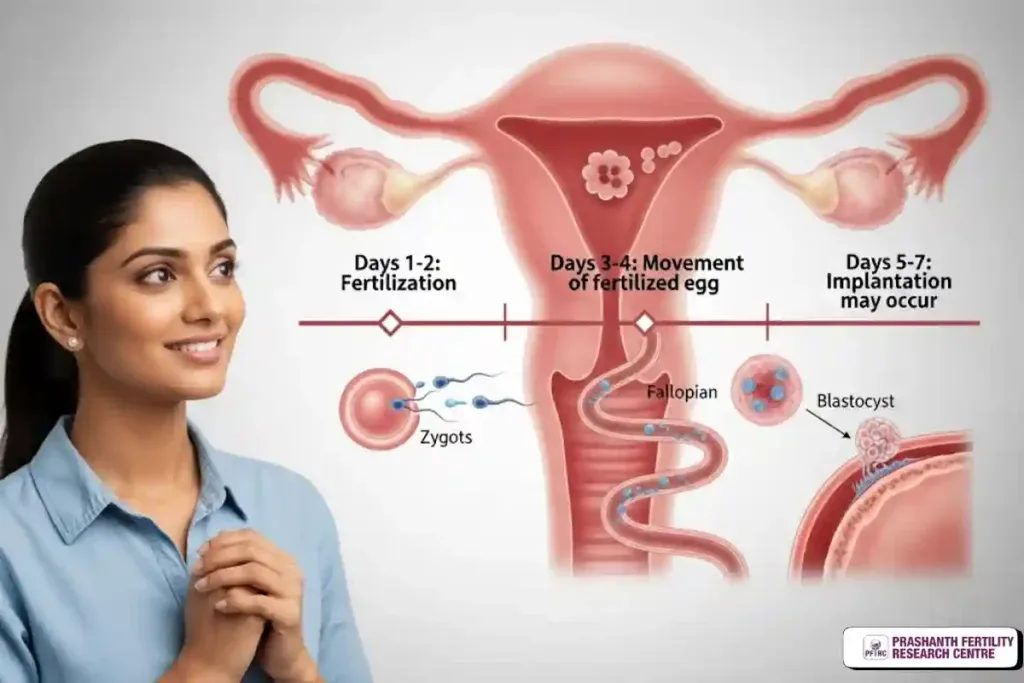
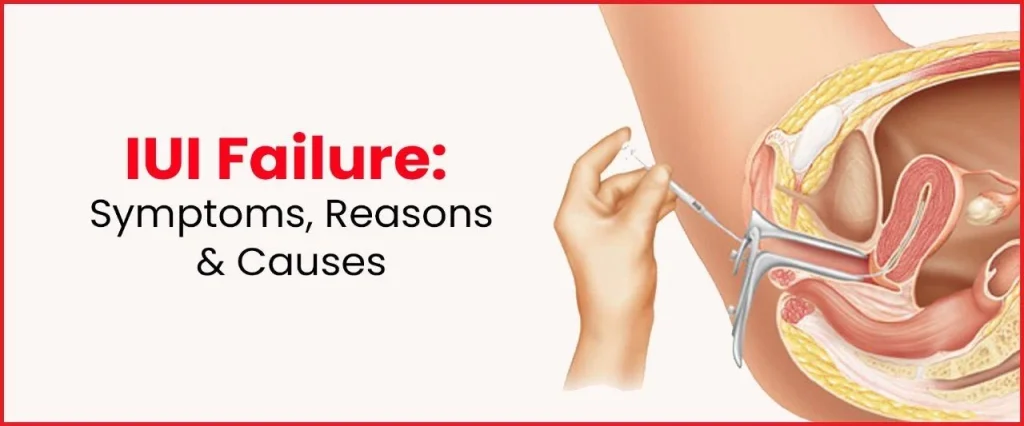
The IUI procedure starts with a sperm wash, where the semen is prepared by removing the seminal fluid and selecting the most active and healthy sperm. The processed sperm is then inserted into the uterus using a thin catheter, which is usually a painless and quick process. The goal of IUI is to increase the chances of sperm reaching the fallopian tubes and fertilizing the egg, resulting in a pregnancy.
What is Intracervical Insemination (ICI)?
Intracervical insemination is a more simplified version of IUI, where the sperm is placed directly into the cervix instead of the uterus. This procedure is often used for couples with mild fertility issues or for single women and same-sex couples using donor sperm.
The process of ICI is similar to IUI, starting with a sperm wash and followed by the insertion of the processed sperm into the cervix. Since the sperm is not placed as close to the egg as in IUI, the success rates for ICI may be slightly lower, but it is still a viable treatment option for many couples.
Success Rates of IUI and ICI
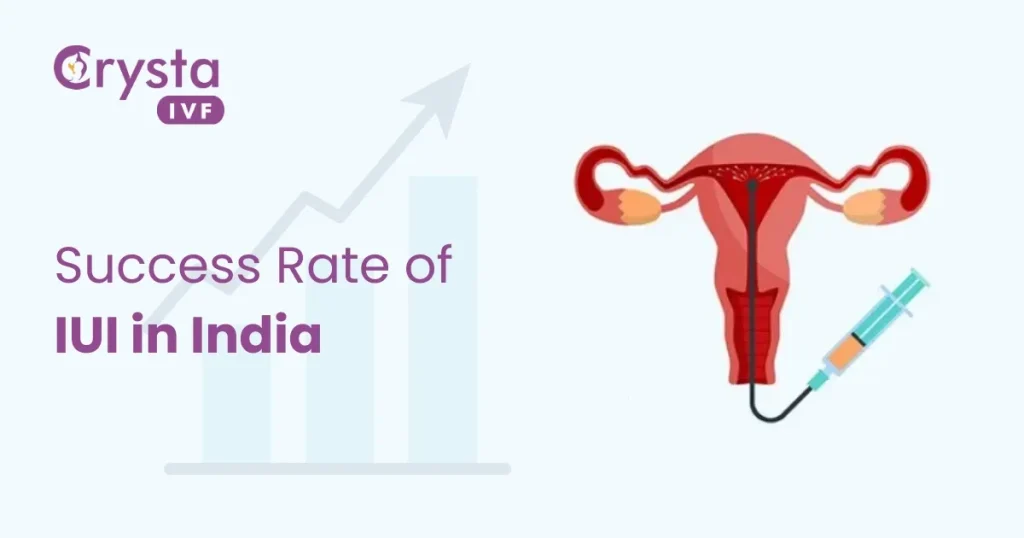
The success rates of IUI and ICI can vary depending on several factors, including the age of the woman, the quality of sperm, and any underlying fertility issues. According to the American Pregnancy Association, the success rates for IUI can range from 10-20% per cycle, while the success rates for ICI are slightly lower at 5-15% per cycle.
The Ins and Outs of Intrauterine Insemination and Intracervical Insemination
It is essential to note that the success rates for both procedures may increase with multiple cycles, as it may take a few attempts to achieve a pregnancy. Additionally, the use of fertility medications, such as Clomid or Letrozole, may also increase the chances of success.
Potential Risks and Side Effects
Like any medical procedure, IUI and ICI carry some potential risks and side effects. Some women may experience mild cramping or spotting after the procedure, which usually subsides within a few hours. In rare cases, there may be an increased risk of infection or allergic reaction to the sperm or fertility medications used.
It is crucial to discuss any potential risks and side effects with your doctor before undergoing IUI or ICI, as well as following any post-procedure instructions provided.
Factors to Consider When Choosing Between IUI and ICI
When trying to decide between IUI and ICI, there are a few factors to consider. The first is the underlying cause of fertility issues, as IUI may be more beneficial for couples with male factor infertility or blocked fallopian tubes. Additionally, the cost of the procedures may also be a factor, as IUI is generally more expensive than ICI.
It is also essential to consider your personal preferences and comfort level, as IUI may feel more invasive than ICI due to the placement of the sperm directly into the uterus. However, both procedures have similar success rates, so it ultimately comes down to what works best for you and your partner.
In conclusion, IUI and ICI are two fertility treatment options that can help couples and individuals conceive a child. These procedures involve the placement of sperm directly into the uterus or cervix, and their success rates can vary depending on various factors. It is essential to consult with a fertility specialist to determine which procedure may be best for you and your specific situation.
Summary:
Intrauterine insemination (IUI) and intracervical insemination (ICI) are two types of artificial insemination procedures used to help couples conceive a child. IUI involves placing sperm directly into the uterus, while ICI involves placing sperm into the cervix. The success rates for both procedures can vary but are generally between 10-20% for IUI and 5-15% for ICI. Potential risks and side effects include mild cramping and spotting, infection, and allergic reactions. Factors to consider when choosing between IUI and ICI include the underlying cause of fertility issues, cost, and personal preferences. It is essential to consult with a fertility specialist to determine the best treatment option for your specific situation.