Tag: Reproductive Technology

  • Same-Sex Couples and Fertility Options: A Look at Home Insemination and IVF

    Blog Post:

    Same-sex couples have always faced unique challenges when it comes to starting a family. In the past, adoption and surrogacy were the only options available, but with advancements in reproductive technology, there are now more options for same-sex couples to conceive and carry a child. In this blog post, we will explore two popular fertility options for same-sex couples: home insemination and IVF (in vitro fertilization).

    Home Insemination:

    Home insemination, also known as artificial insemination, is a process where sperm is manually inserted into the vagina or cervix in hopes of fertilizing an egg. This method has been used for decades by heterosexual couples struggling with fertility issues, but it has also become a popular option for same-sex couples.

    The process of home insemination involves collecting sperm from a known or anonymous donor and using a syringe or insemination kit to insert the sperm into the vagina. This can be done at home, making it a convenient and private option for couples. However, it is important to note that home insemination has a lower success rate compared to other fertility treatments, with only a 10-15% chance of conception per cycle.

    One of the main advantages of home insemination is that it is a more affordable option compared to other fertility treatments. The cost of sperm, insemination kits, and fertility drugs (if needed) are significantly lower than the cost of IVF. Additionally, home insemination allows for more control over the process, as couples can choose the donor and timing of the insemination.

    On the other hand, there are some disadvantages to consider with home insemination. The success rate is lower compared to other fertility treatments, and it may require multiple cycles to achieve a successful pregnancy. There is also the risk of sexually transmitted infections (STIs) if the donor is not properly screened or if the insemination process is not done correctly. It is important to discuss the potential risks and precautions with a healthcare provider before pursuing home insemination.
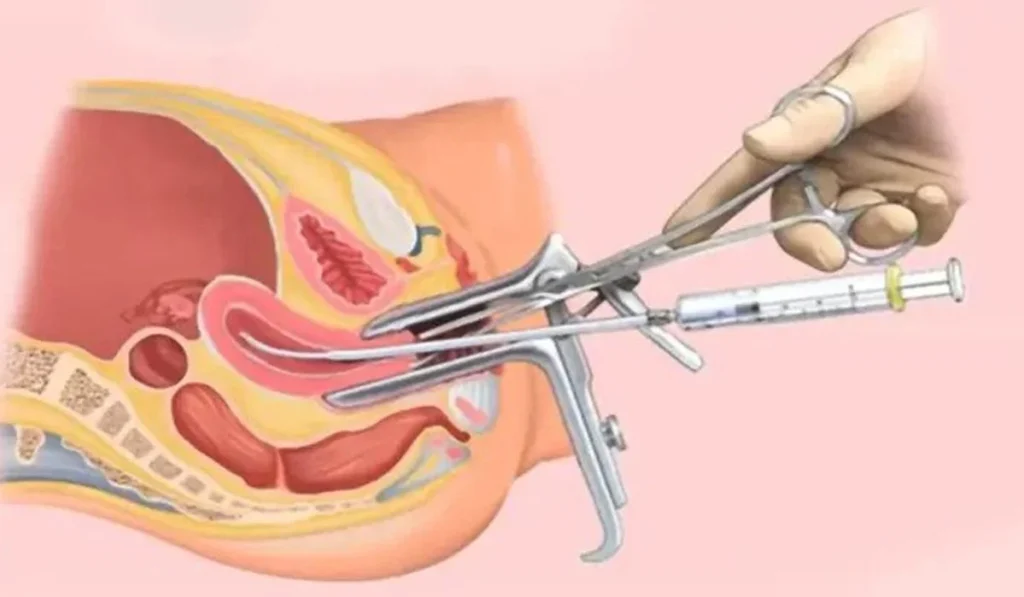
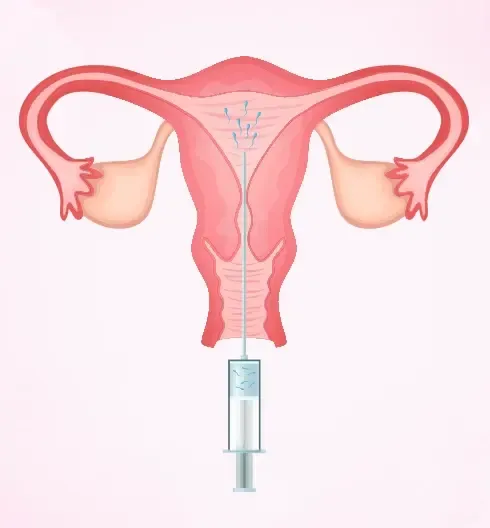
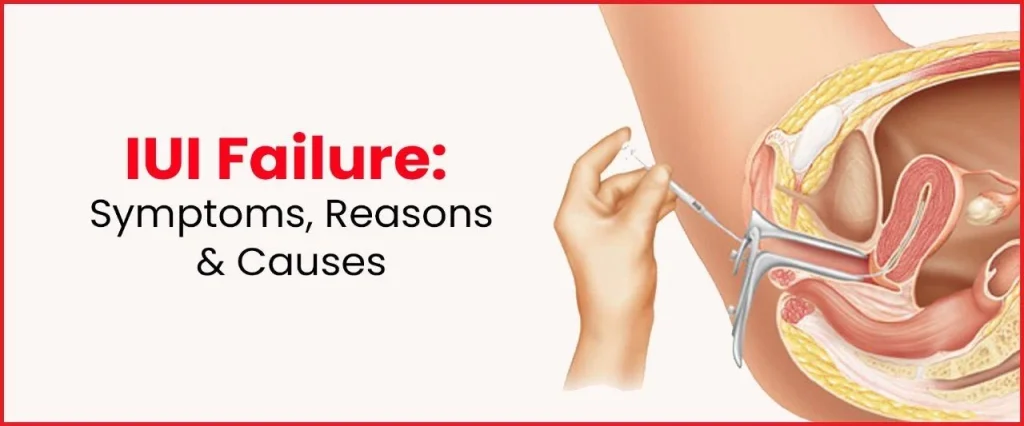
    illustration of an intrauterine insemination procedure with medical instruments and anatomical details

    Same-Sex Couples and Fertility Options: A Look at Home Insemination and IVF

    IVF (In Vitro Fertilization):

    IVF, also known as assisted reproductive technology (ART), is a more complex and invasive fertility treatment that involves fertilizing an egg with sperm outside of the body and then transferring the embryo into the uterus. This process has been used for decades and has helped many couples, including same-sex couples, to conceive.

    The process of IVF begins with hormone injections to stimulate the ovaries to produce multiple eggs. These eggs are then retrieved through a minor surgical procedure and combined with sperm in a laboratory dish. After fertilization occurs, the resulting embryo is transferred into the uterus, where it will hopefully implant and result in a pregnancy. Any extra embryos can be frozen for future use.

    One of the main advantages of IVF is its high success rate, with a 40% chance of pregnancy for women under 35, and a 30% chance for women between 35-37. This is significantly higher than other fertility treatments. Additionally, IVF allows for the use of donor sperm or eggs, making it a viable option for same-sex couples.

    However, IVF also comes with some disadvantages, including a higher cost compared to other fertility treatments, with an average cost of $12,000-$15,000 per cycle. The process can also be physically and emotionally taxing for both partners, with frequent doctor’s appointments, hormone injections, and the potential for multiple cycles before achieving a successful pregnancy.

    Summary:

    Same-sex couples have more fertility options available to them than ever before, with home insemination and IVF being two popular choices. Home insemination is a more affordable and private option, but with a lower success rate and potential risks. IVF, on the other hand, has a higher success rate but comes with a higher cost and more invasive procedures. It is important for same-sex couples to carefully consider their options and consult with a healthcare provider to determine the best fertility treatment for their individual situation.

  • The Psychological Effects of Home Insemination and IVF for Same-Sex Couples

    Blog Post: The Psychological Effects of Home Insemination and IVF for Same-Sex Couples

    In recent years, there has been a significant increase in the number of same-sex couples who are choosing to start a family. With advancements in reproductive technology, options such as home insemination and in vitro fertilization (IVF) have become more accessible to these couples. While these methods have allowed same-sex couples to have biological children, they also bring about unique psychological effects that are important to understand.

    Home insemination is the process of placing sperm inside the female reproductive tract in order to fertilize an egg. This can be done at home with the use of a donor or through a medical professional. IVF, on the other hand, involves retrieving eggs from the female partner and fertilizing them with sperm in a laboratory setting. These methods offer same-sex couples the opportunity to have children who are genetically related to one or both partners. However, the decision to pursue home insemination or IVF can have a significant impact on the psychological well-being of the couple.

    One of the biggest psychological effects of home insemination and IVF for same-sex couples is the feeling of uncertainty and anxiety. Unlike heterosexual couples, same-sex couples do not have the option of conceiving a child naturally. This means that they have to rely on assisted reproductive technology, which can be a stressful and unpredictable process. The fear of failure or potential complications can cause a great deal of stress and anxiety for same-sex couples, especially when there is a financial investment involved.

    Another psychological effect that same-sex couples may experience is the pressure to choose the “right” donor. Unlike heterosexual couples, same-sex couples have the option to choose a donor who shares similar physical characteristics or personality traits with one partner. This decision can be overwhelming and can lead to feelings of guilt or inadequacy if the child does not turn out as expected. Additionally, the process of choosing a donor can also bring up questions about the child’s identity and sense of belonging in the future.

    The process of home insemination and IVF also involves a great deal of planning and coordination. This may involve scheduling appointments, taking medications, and monitoring fertility cycles. This can be a source of stress and strain on the relationship, as it requires a significant amount of time and effort from both partners. The added pressure of trying to conceive can also put a strain on the couple’s sex life, leading to feelings of frustration or disappointment.

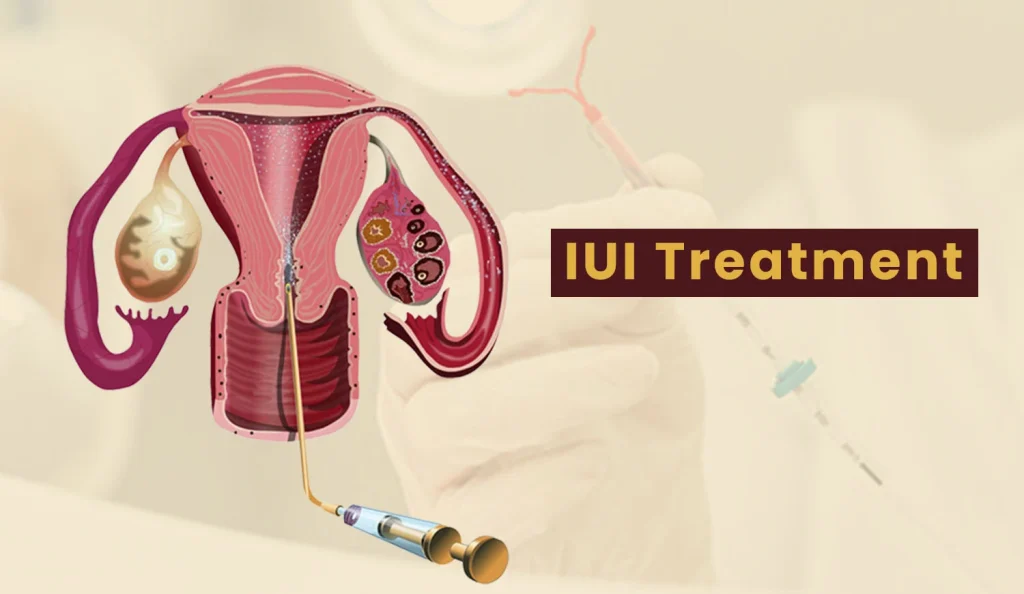
    illustration of the uterus and ovaries with a syringe, labeled "IUI Treatment" in the background

    The Psychological Effects of Home Insemination and IVF for Same-Sex Couples

    For same-sex couples, the decision to have a child through home insemination or IVF also means exposing their relationship and family structure to potential discrimination and stigma. Despite progress in LGBTQ+ rights, there are still many individuals and institutions that may not fully accept or understand same-sex parenting. This can lead to feelings of isolation and fear of judgment, which can have a negative impact on the mental health of the couple.

    However, despite these potential challenges, home insemination and IVF can also bring about positive psychological effects for same-sex couples. The process of planning and working together towards a common goal can strengthen the bond between partners. The opportunity to have a child who is biologically related to one or both partners can also bring a sense of fulfillment and a deeper connection to the family.

    Furthermore, same-sex couples who have gone through the process of home insemination or IVF often report feeling a stronger sense of resilience and empowerment. The decision to start a family through assisted reproductive technology requires a great deal of courage and determination, and the success of these methods can boost the couple’s confidence and self-esteem.

    In conclusion, the decision to pursue home insemination or IVF for same-sex couples is a complex and personal one that can have a range of psychological effects. While it can bring about feelings of uncertainty and stress, it can also strengthen the bond between partners and provide a sense of fulfillment and empowerment. It is important for same-sex couples considering these methods to have open and honest communication with each other and to seek support from healthcare professionals and the LGBTQ+ community.

    Summary:

    Home insemination and IVF are reproductive options that have become more accessible to same-sex couples in recent years. While these methods offer the opportunity to have biological children, they also bring about unique psychological effects. These include feelings of uncertainty and anxiety, pressure to choose the “right” donor, strain on the relationship, and potential discrimination and stigma. However, they can also strengthen the bond between partners and provide a sense of resilience and empowerment. It is important for same-sex couples to have open communication and seek support from healthcare professionals and the LGBTQ+ community.

  • Same-Sex Couples and Biological Parenthood: A Look at Home Insemination and IVF

    Blog Post:

    Same-sex couples have long faced challenges when it comes to starting a family. In recent years, however, advancements in reproductive technology have opened up new possibilities for biological parenthood for same-sex couples. Home insemination and in vitro fertilization (IVF) are two popular options that provide same-sex couples with the opportunity to have a biological child. In this blog post, we will explore the process of home insemination and IVF, and discuss the considerations and benefits for same-sex couples looking to start a family.

    Home Insemination:

    Home insemination, also known as at-home insemination, is a method in which sperm is placed into the vagina or cervix in order to achieve pregnancy. This can be done using a syringe, turkey baster, or other similar device. For same-sex female couples, home insemination involves using donor sperm to fertilize one partner’s egg. This process can be done at home, without the need for medical intervention.

    One of the main benefits of home insemination is the privacy and comfort it provides for same-sex couples. Many couples prefer to have control over the process and be able to do it in the comfort of their own home. Home insemination also tends to be less expensive than other methods of assisted reproduction, making it a more accessible option for many couples.

    However, home insemination also has its limitations. It is a less controlled and less reliable method compared to other assisted reproduction techniques. The success rate of home insemination depends on factors such as timing, sperm quality, and the fertility of the partner carrying the pregnancy. Additionally, there are legal and emotional considerations to be taken into account when using donor sperm for home insemination. It is important for same-sex couples to consult with a fertility specialist and a lawyer before proceeding with home insemination.

    IVF:

    illustration of a uterus with a syringe, representing intrauterine insemination procedure

    Same-Sex Couples and Biological Parenthood: A Look at Home Insemination and IVF

    In vitro fertilization, or IVF, is a more complex assisted reproduction technique that involves retrieving eggs from the ovaries and fertilizing them with sperm in a laboratory setting. The resulting embryo is then transferred into the uterus for implantation. IVF is a common option for same-sex couples who want to have a biological child, as it allows for both partners to be genetically related to the child.

    The IVF process begins with ovarian stimulation, in which fertility medications are used to help the ovaries produce multiple eggs. The eggs are then retrieved and fertilized with sperm in a laboratory, and the resulting embryos are monitored for a few days before being transferred into the uterus. Any remaining embryos can be frozen for future use. The success rate of IVF varies depending on factors such as age, health, and the quality of the embryos.

    One of the main advantages of IVF is the ability to screen embryos for genetic disorders and select the healthiest ones for implantation. This can reduce the risk of passing on genetic diseases to the child. IVF also allows for both partners to have a biological connection to the child, which can be a meaningful and important factor for many same-sex couples.

    However, IVF also comes with its own set of challenges. The process can be physically and emotionally demanding, and it can also be quite expensive, with one cycle costing thousands of dollars. There is also the possibility of multiple births, which can increase the risk of complications for the mother and the babies. It is important for same-sex couples to carefully consider all aspects of IVF and consult with a fertility specialist before moving forward.

    Conclusion:

    Home insemination and IVF are two popular options for same-sex couples looking to have a biological child. Both methods have their own unique benefits and challenges, and it is important for couples to carefully consider their options and seek professional guidance before making a decision. With advancements in reproductive technology, biological parenthood is now more attainable for same-sex couples, providing them with the opportunity to start a family and create a loving home for their child.

    Summary:

    Same-sex couples have faced challenges when it comes to starting a family, but advancements in reproductive technology have opened up new possibilities for biological parenthood. Home insemination, using donor sperm to fertilize one partner’s egg, can be done at home and is a more affordable option. However, it is less reliable and has legal and emotional considerations. IVF, a more complex process involving retrieving eggs, fertilizing them with sperm, and transferring the embryo into the uterus, allows for both partners to have a biological connection to the child and screen for genetic disorders. However, it can be physically and emotionally demanding and expensive. Same-sex couples should carefully consider their options and seek professional guidance before making a decision.

  • The Future of Home Insemination and IVF for Same-Sex Couples

    The Future of Home Insemination and IVF for Same-Sex Couples

    In recent years, there has been a significant shift in societal attitudes towards same-sex relationships and families. With the legalization of same-sex marriage in many countries and increased visibility of LGBTQ+ individuals in media and politics, the traditional definition of family has expanded to include same-sex couples. However, the process of starting a family for same-sex couples can still be challenging, particularly when it comes to reproduction. In the past, adoption and surrogacy were the only options available for same-sex couples who wanted to have children. However, advancements in reproductive technology have opened up new possibilities, such as home insemination and IVF, for same-sex couples to start a family. In this blog post, we will explore the future of home insemination and IVF for same-sex couples and how it is changing the landscape of modern families.

    Home insemination, also known as at-home insemination, is a method of reproduction where sperm is inserted into the cervix or uterus of a female partner in hopes of achieving pregnancy. This method has been used by heterosexual couples trying to conceive for many years, but it has gained popularity among same-sex couples in recent years. The process involves obtaining sperm from a sperm bank or a known donor, and then using a syringe or insemination kit to insert the sperm into the female partner’s reproductive system. Home insemination can be done in the comfort and privacy of one’s own home, making it a more appealing option for same-sex couples who may face discrimination or discomfort in clinical settings.

    One of the main advantages of home insemination is that it is a more affordable option compared to clinical insemination or IVF. In traditional clinical insemination, sperm is injected directly into the uterus using a catheter, and the procedure is usually done in a fertility clinic. This can be a costly process, especially for same-sex couples who may need multiple attempts to achieve pregnancy. Home insemination, on the other hand, can be done at a fraction of the cost, making it a more accessible option for same-sex couples who may face financial barriers.

    However, home insemination does have its limitations. It is not a guaranteed method of conception, and success rates may vary. The quality and viability of the sperm used, as well as the timing of insemination, can greatly impact the chances of pregnancy. Additionally, there is a lack of medical supervision and monitoring during the process, which can be a concern for some individuals. It is essential for same-sex couples considering home insemination to thoroughly research and understand the process before embarking on their journey towards parenthood.

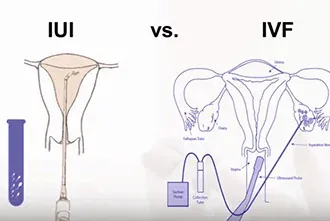
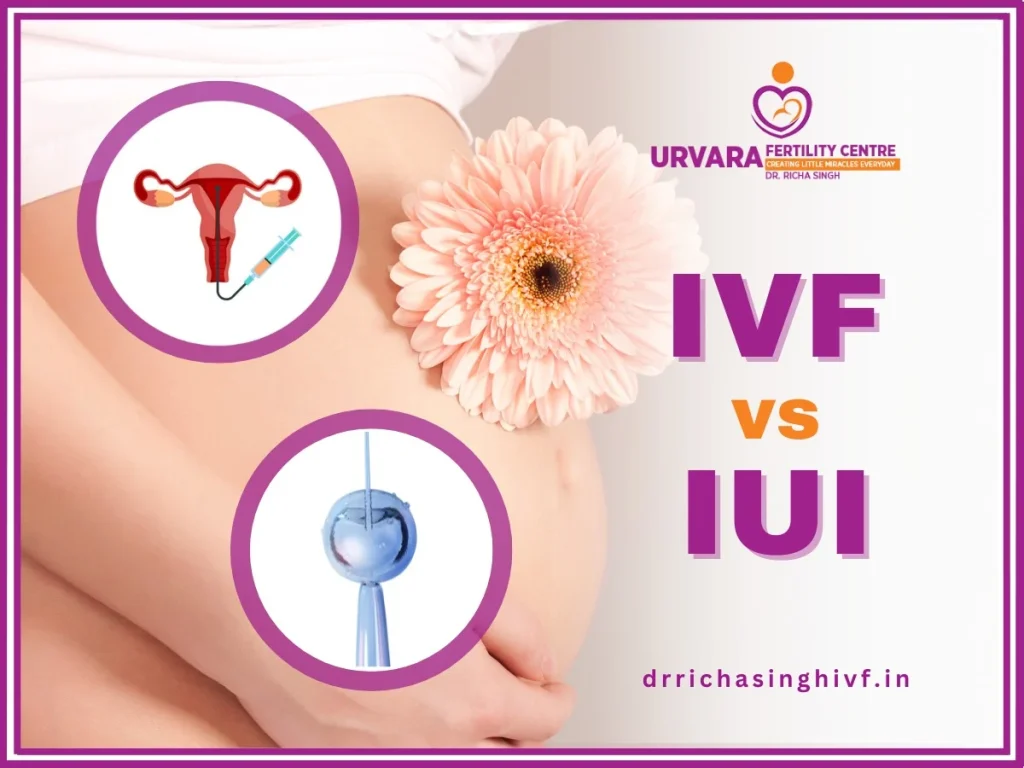
    Comparison of IUI and IVF treatments with diagrams of reproductive anatomy.

    The Future of Home Insemination and IVF for Same-Sex Couples

    Another option available for same-sex couples is in vitro fertilization (IVF). IVF involves retrieving eggs from the female partner’s ovaries and fertilizing them with sperm in a laboratory. The resulting embryos are then transferred into the uterus, where they have the potential to implant and result in a pregnancy. In recent years, IVF has become a more popular option for same-sex couples, particularly for male couples who may not have a female partner to carry a pregnancy.

    IVF has a higher success rate compared to home insemination, making it a more reliable option for those struggling to conceive. It also allows for genetic testing of embryos, which can help identify any potential genetic disorders or chromosomal abnormalities. This can be particularly important for same-sex couples, as they may have limited genetic diversity in their family history. Additionally, IVF allows for the use of a gestational surrogate, where the embryo is carried by a third-party individual. This can be a viable option for same-sex male couples who do not have a female partner to carry the pregnancy.

    One of the most significant advancements in reproductive technology is the use of donor eggs and sperm from LGBTQ+ individuals. In the past, same-sex couples had limited options when it came to choosing a sperm or egg donor, as most donors were heterosexual individuals. However, with the increasing visibility and acceptance of LGBTQ+ individuals in society, sperm and egg banks are now offering a more diverse range of donors, including those from the LGBTQ+ community. This allows same-sex couples to have a more personalized and meaningful experience when it comes to starting a family.

    As with any advancements in technology, there are also ethical considerations to be taken into account. One of the main concerns is the commodification of human gametes and the potential exploitation of donors. In some cases, donors may be compensated for their sperm or eggs, which raises questions about the ethics of buying and selling human reproductive material. Additionally, there are concerns about the potential impact on the children conceived through donor eggs or sperm, particularly when it comes to the disclosure of donor information and the child’s right to know their genetic background.

    In conclusion, the future of home insemination and IVF for same-sex couples is bright and full of possibilities. Advancements in reproductive technology have opened up new avenues for same-sex couples to start a family, and the growing acceptance and visibility of LGBTQ+ individuals have made it a more inclusive and personalized experience. However, it is essential to consider the ethical implications of these advancements and ensure that the rights and well-being of all parties involved are respected and protected. With continued progress and support, the future of home insemination and IVF for same-sex couples will continue to evolve and provide more options for individuals and couples to fulfill their dream of starting a family.

    SEO metadata:

  • The Debate on Disclosure: Should Donor-Conceived Children Know Their Biological Father?

    The use of assisted reproductive technology has become increasingly common in today’s society, resulting in a growing number of donor-conceived children. These children are conceived through the use of donated sperm, eggs, or embryos, and often have little to no information about their biological parents. This raises a significant debate on whether donor-conceived children should have the right to know and have a relationship with their biological father.

    On one hand, many argue that it is a child’s fundamental right to know their genetic origins and have a relationship with their biological father. The argument is based on the belief that it is essential for a child’s identity and well-being to know where they come from and have a complete understanding of their family history. This can also help them better understand and potentially address any hereditary health concerns.

    Furthermore, proponents of disclosure argue that keeping secrets from children can have negative psychological effects. When children are not told the truth about their origins, it can lead to feelings of confusion, betrayal, and a lack of trust. As they grow older and discover the truth on their own, it can cause significant emotional distress and harm the relationship with their parents.

    On the other hand, there are those who believe that donor-conceived children do not have the right to know their biological father. They argue that the donor’s role in the child’s life was solely to provide genetic material and that the intended parents are the only ones who should have a relationship with the child. Additionally, some argue that revealing the truth to the child can disrupt the family dynamic and potentially harm the child’s relationship with their non-biological parent.

    Religious and ethical considerations also play a significant role in the debate on disclosure. Some religious groups believe that creating a child through assisted reproductive technology is against the natural order of procreation and goes against their beliefs. Therefore, they may argue against disclosure to prevent the child from learning the truth and questioning their beliefs.

    Illustration of a uterus with a syringe indicating an intrauterine insemination procedure.

    The Debate on Disclosure: Should Donor-Conceived Children Know Their Biological Father?

    Another factor to consider is the legal aspect of disclosure. Laws regarding disclosure vary greatly from country to country and even within different states or provinces. In some places, donors have the right to remain anonymous, and the intended parents have no legal obligation to disclose the child’s origins. In other areas, donors are required to provide identifying information, and children have the right to access this information once they reach a certain age.

    In recent years, there has been a shift towards more openness and transparency in donor-conception. Many countries have implemented laws that allow donor-conceived children to access their genetic information and potentially have a relationship with their biological father. This has led to the creation of online platforms and registries that connect donors, donor-conceived children, and their families.

    Despite the ongoing debate on disclosure, there is a growing consensus that it is essential to have open and honest communication within families. While some may argue that it is not necessary for the child to know their biological father, it is crucial for parents to have these discussions and come to a decision together. It is also essential for parents to prepare for potential questions and have age-appropriate conversations with their children about their origins.

    In conclusion, the debate on disclosure of donor-conceived children’s biological father is a complex one with valid arguments on both sides. While it is crucial to respect the privacy and rights of all parties involved, the well-being and best interests of the child should remain the top priority. Ultimately, it is up to each family to determine what is best for them, but open and honest communication is key in navigating this sensitive topic.

    Summary: The use of assisted reproductive technology has led to a debate on whether donor-conceived children should know and have a relationship with their biological father. While some argue it is a child’s right to know their genetic origins, others believe it is not necessary. Factors such as legal, ethical, and religious considerations play a significant role in the discussion. However, the importance of open and honest communication within families is crucial in navigating this sensitive topic.

  • The Evolution of Sperm Donation: From Known Donors to Sperm Banks

    Blog Post Title: The Evolution of Sperm Donation: From Known Donors to Sperm Banks

    Summary:

    Sperm donation, the process of providing sperm to help individuals or couples conceive a child, has a long history dating back to ancient civilizations. However, the methods and attitudes towards sperm donation have undergone a significant evolution over the years.

    In the past, sperm donation was often a known and personal arrangement between the donor and the recipient. However, with advancements in medical technology and changing societal attitudes, the concept of sperm banks emerged, providing a more organized and regulated approach to sperm donation.

    This blog post will delve into the evolution of sperm donation, from known donors to sperm banks, exploring the reasons behind the changes and the implications for both donors and recipients.

    The Early Days of Sperm Donation:

    The earliest recorded instances of sperm donation can be traced back to ancient civilizations such as the Greeks, Romans, and Egyptians. In these societies, it was common for a man to donate his sperm to a woman in need, either through sexual intercourse or by other means. However, the practice was often shrouded in secrecy and carried out discreetly.

    In the 1800s, artificial insemination techniques were developed, giving rise to the first sperm banks. However, these early banks were primarily used for animal husbandry, and it was not until the mid-20th century that sperm banks were established for human use.

    Known Donors and the Rise of Sperm Banks:

    Before the establishment of sperm banks, the primary method of sperm donation was through known donors. This involved a personal arrangement between the donor and the recipient, with no involvement of a third party. Often, the donor was a close friend or family member of the recipient, and the donation was done through sexual intercourse.

    However, with the rise of sperm banks, the process became more formalized and regulated. The donor’s identity was kept anonymous, and the donation was done through artificial insemination. This shift was driven by the need to protect both the donor’s and the recipient’s privacy and to ensure the child’s well-being.

    Advancements in Medical Technology:

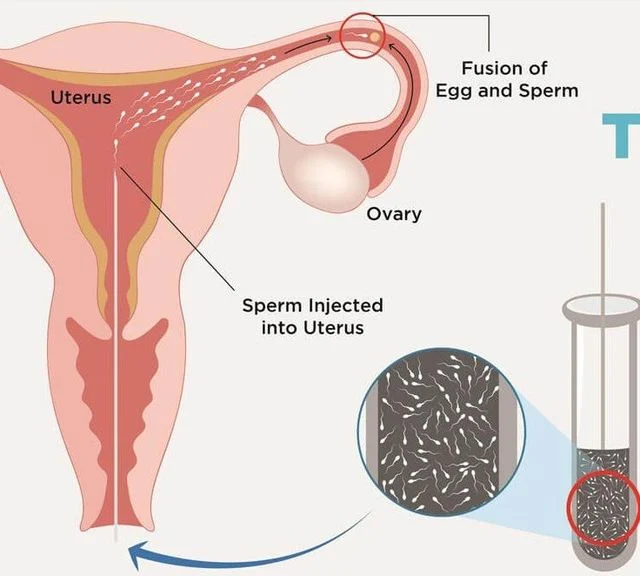
    Diagram illustrating the IUI process, showing sperm injection into the uterus and egg fertilization.

    The Evolution of Sperm Donation: From Known Donors to Sperm Banks

    The emergence of sperm banks was also fueled by advancements in medical technology. In the 1950s, the development of cryopreservation techniques allowed sperm to be frozen and stored for later use. This allowed sperm banks to store and distribute donor sperm on a larger scale, making it more accessible to those in need.

    Furthermore, the introduction of DNA testing in the 1980s made it possible to determine the genetic profile of sperm donors, ensuring that potential genetic diseases or disorders could be identified and screened.

    Changing Attitudes and Legal Regulations:

    The rise of sperm banks was also influenced by changing societal attitudes towards family structures and parenthood. With the rise of single-parent households, same-sex couples, and individuals choosing to have children through alternative means, the demand for donor sperm increased.

    At the same time, legal regulations surrounding sperm donation were also evolving. In the 1970s, laws were passed to protect the confidentiality of sperm donors, ensuring their anonymity. This was done to prevent potential donors from being held responsible for any legal or financial obligations towards the children conceived through their donation.

    The Role of Sperm Banks Today:

    Today, sperm banks play a crucial role in the process of sperm donation. They act as intermediaries between donors and recipients, providing thorough screening and testing to ensure the safety and well-being of both parties involved. Sperm banks also offer a wide range of options for recipients, such as choosing the physical characteristics, educational background, and medical history of the donor.

    Sperm banks also offer the option of open or known donations, where the donor’s identity can be revealed to the child when they reach a certain age, giving them the opportunity to connect with their biological father if they wish.

    Conclusion:

    The evolution of sperm donation, from known donors to sperm banks, has been driven by a combination of factors such as advancements in medical technology, changing societal attitudes, and legal regulations. While the concept of sperm donation may still be met with some controversy and ethical debates, it has undoubtedly provided a viable option for individuals and couples struggling with fertility issues.

    In the future, with the continued development of reproductive technology and the changing social landscape, it is likely that the methods and attitudes towards sperm donation will continue to evolve.

    SEO metadata:

  • The Psychological Effects of Using Sperm Banks vs Known Donors

    In today’s world, there are various methods available for individuals and couples to conceive a child, including sperm donation. Within the realm of sperm donation, there are two main options – using a sperm bank or using a known donor. While both options have their benefits and drawbacks, it is important to understand the psychological effects that may arise from each choice.

    Sperm banks, also known as fertility clinics, are facilities that collect, store and distribute donor sperm for use in assisted reproductive technologies. These banks have strict regulations and protocols to ensure the safety and quality of the sperm. On the other hand, known donors are individuals who donate sperm directly to the recipient, usually a friend or acquaintance, without the involvement of a sperm bank.

    One of the major psychological impacts of using a sperm bank is the loss of genetic connection to the child. For many individuals, the desire to have a child with their own genetic material is strong. When using a sperm bank, this connection is lost, and some may feel a sense of grief or loss over not being able to pass on their genes. This can also lead to questions and concerns about the child’s identity and whether they will feel a sense of belonging in the family.

    In contrast, using a known donor allows for a genetic connection to the child. This can alleviate the feelings of loss and grief mentioned above. However, it can also bring about its own set of psychological challenges. For example, the involvement of a known donor may complicate family dynamics and relationships. In cases where the donor is a friend or acquaintance, there may be blurred boundaries and expectations, which can lead to tension and conflicts.

    Illustration of a uterus with a syringe indicating an intrauterine insemination procedure.

    The Psychological Effects of Using Sperm Banks vs Known Donors

    Another psychological effect to consider is the potential impact on the child. Children conceived through sperm donation may experience feelings of curiosity and a desire to know their biological father. This can lead to questions about their identity and feelings of being different from their peers. On the other hand, children conceived through a known donor may have to navigate the complexities of having multiple parental figures in their life.

    In addition to the effects on the individuals involved, the choice between sperm banks and known donors can also have an impact on the relationship between the recipient and their partner. In cases where a partner is infertile or has a low sperm count, using donor sperm can cause feelings of inadequacy and insecurity. On the other hand, involving a known donor can lead to feelings of jealousy and insecurity within the relationship, particularly if there is a close connection between the donor and the recipient.

    It is also important to consider the legal and ethical implications of using sperm banks versus known donors. Sperm banks have strict protocols and regulations in place to protect the rights of both the donor and the recipient. This can provide a sense of security for all parties involved. In contrast, using a known donor may leave the recipient and the child vulnerable to potential legal and ethical issues, such as custody battles or access to medical information.

    Ultimately, the decision between using a sperm bank or a known donor is a personal one and should be carefully considered. Both options have their own set of psychological effects that need to be taken into account. It is important for individuals and couples to have open and honest discussions about their desires, concerns and expectations before making a decision.

    In conclusion, the use of sperm banks versus known donors for conception can have significant psychological effects on all parties involved. These effects can range from the loss of genetic connection and identity concerns to potential legal and ethical issues. It is crucial for individuals and couples to thoroughly consider these factors and have open communication before making a decision. Seeking the guidance of a therapist or counselor can also be beneficial in navigating the psychological impacts of using sperm banks or known donors.

  • Navigating the World of Sperm Donation: Sperm Banks vs Known Donors

    Navigating the World of Sperm Donation: Sperm Banks vs Known Donors

    Sperm donation has become a popular option for individuals and couples who are unable to conceive through traditional means. With advancements in reproductive technology, there are now various options available for those seeking sperm donation. However, navigating the world of sperm donation can be overwhelming, with the decision of using a sperm bank or a known donor being one of the most significant ones. In this blog post, we will explore the differences between sperm banks and known donors and provide some guidance for those considering sperm donation.

    What is Sperm Donation?

    Sperm donation involves the process of using donated sperm to help a person or couple conceive a child. The donated sperm is used in artificial insemination or in vitro fertilization (IVF) procedures, and it can come from either a sperm bank or a known donor.

    Sperm Banks

    Sperm banks are facilities that collect, store, and distribute donated sperm. They have strict screening processes for donors to ensure that only healthy and genetically viable sperm is used for fertilization. The donor’s identity is kept confidential, and the sperm is usually frozen and stored for future use.

    Pros of Sperm Banks

    1. Safety and Reliability: Sperm banks have stringent screening processes in place to ensure the safety and quality of the donated sperm. This includes testing for infectious diseases, genetic disorders, and physical characteristics. This provides peace of mind to the recipient, knowing that the sperm they are receiving is healthy and safe.

    2. Anonymity: Sperm banks provide anonymity to donors, which means that the recipient will not know the donor’s identity. This can be crucial for some individuals or couples who prefer not to have any contact with the donor or have concerns about future legal issues.

    3. Wider Selection: Sperm banks have a larger pool of donors, which means that recipients have a wider selection to choose from. Donors are also usually available from different ethnicities, races, and physical characteristics, giving recipients the opportunity to find a donor that matches their preferences.

    Cons of Sperm Banks

    1. Cost: Sperm banks can be expensive, with the cost of one vial of sperm ranging from $500 to $1000. This can be a significant financial burden for those who require multiple vials for successful insemination.

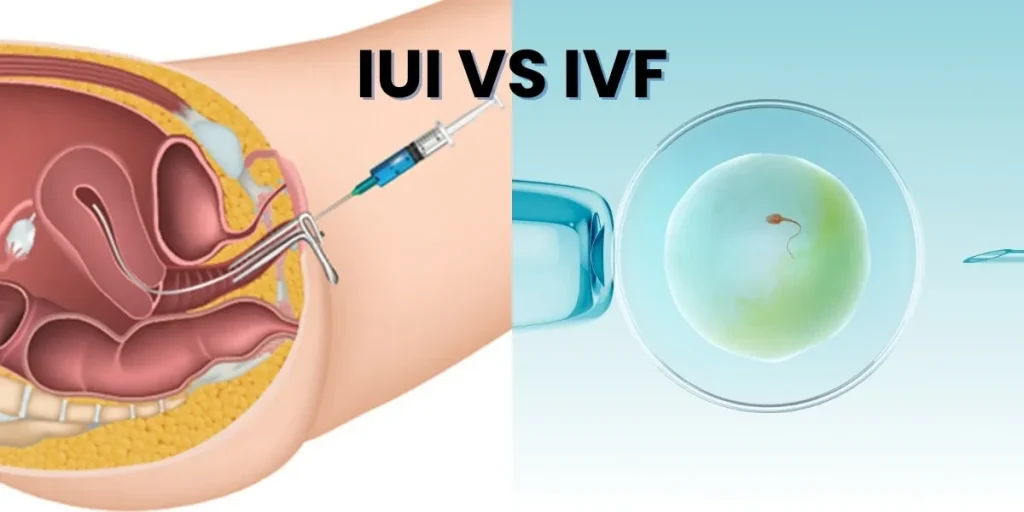
    comparison of IUI and IVF fertility treatments with illustrations of procedures and a petri dish with an egg and sperm

    Navigating the World of Sperm Donation: Sperm Banks vs Known Donors

    2. Limited Information: While sperm banks provide some information about the donor’s physical characteristics, medical history, and education, it is usually limited. This can be a disadvantage for recipients who would like more in-depth information about the donor.

    Known Donors

    Known donors are individuals who donate their sperm directly to the recipient, usually someone they know or someone they have connected with through a sperm donation website. The process of using a known donor is less formal and regulated than using a sperm bank.

    Pros of Known Donors

    1. Relationship with Donor: The use of a known donor allows for a more personal connection between the donor and the recipient. This can be beneficial for those who would like their child to have a relationship with their biological father or for those who prefer a more intimate experience.

    2. Cost-effective: Known donors do not charge for their sperm, making it a more cost-effective option compared to sperm banks. This can be a significant advantage for those on a tight budget.

    Cons of Known Donors

    1. Potential Legal Issues: One of the most significant disadvantages of using a known donor is the potential for legal issues to arise. As the donor is known, there is a possibility for them to claim parental rights in the future, which can create complications in terms of custody and financial responsibilities.

    2. Lack of Regulation: Unlike sperm banks, known donors are not regulated, which means that they do not undergo the same screening processes. This can lead to uncertainty about the quality and safety of the donated sperm.

    3. Emotional Complications: Using a known donor can create emotional complexities, especially if the donor is a friend or family member. This can also cause conflicts and strain in relationships if expectations are not clearly communicated and agreed upon.

    Summing Up

    Sperm donation can be a viable option for those struggling with fertility. While both sperm banks and known donors have their pros and cons, it ultimately comes down to personal preferences and circumstances. Sperm banks offer a safer and more regulated option, while known donors provide a more personal and cost-effective approach. It is essential to carefully consider all factors and seek professional advice before making a decision.

    In summary, navigating the world of sperm donation can be overwhelming, but understanding the differences between sperm banks and known donors can help with the decision-making process. Consider the pros and cons of each option, and seek professional guidance to make an informed decision.

  • Intrauterine Insemination vs In Vitro Fertilization: A LGBTQ+ Perspective

    Intrauterine Insemination vs In Vitro Fertilization: A LGBTQ+ Perspective

    For many LGBTQ+ individuals and couples, starting a family can be a complex and emotional journey. With advances in reproductive technology, there are now various options available for LGBTQ+ individuals and couples who wish to conceive a child. Two of the most common methods are intrauterine insemination (IUI) and in vitro fertilization (IVF). In this blog post, we will explore the differences between IUI and IVF and how they can benefit LGBTQ+ individuals and couples in their quest to become parents.

    What is Intrauterine Insemination (IUI)?

    IUI, also known as artificial insemination, is a fertility treatment that involves placing washed and concentrated sperm directly into the uterus, bypassing the cervix. This procedure is typically done during ovulation, and it can be performed with either the sperm of a partner or a donor. IUI is a simpler and less invasive procedure compared to IVF and is often the first choice for LGBTQ+ individuals and couples who are trying to conceive.

    Advantages of IUI for LGBTQ+ Individuals and Couples

    One of the main advantages of IUI for LGBTQ+ individuals and couples is that it allows for the use of donor sperm. This means that same-sex female couples or single women can have a child with the help of a sperm donor. For same-sex male couples, IUI can also be an option if one partner has viable sperm. Additionally, IUI is less expensive and less invasive than IVF, making it a more accessible option for many LGBTQ+ individuals and couples.

    What is In Vitro Fertilization (IVF)?

    illustration of IUI procedure with text on symptoms, reasons, and causes of IUI failure

    Intrauterine Insemination vs In Vitro Fertilization: A LGBTQ+ Perspective

    IVF involves retrieving eggs from the ovaries and fertilizing them with sperm in a laboratory setting. The resulting embryos are then transferred into the uterus, where they can implant and develop into a pregnancy. This procedure is more complex and expensive than IUI and is typically recommended for individuals or couples who have been unsuccessful with other fertility treatments.

    Advantages of IVF for LGBTQ+ Individuals and Couples

    For LGBTQ+ individuals and couples, IVF offers several advantages. First, it allows for the use of a surrogate, which can be a viable option for same-sex male couples or single men who wish to have a biological child. Additionally, IVF can also be used in conjunction with donor eggs or sperm, making it a viable option for same-sex female couples or single women. IVF also has a higher success rate compared to IUI, making it a more reliable option for those who have struggled with fertility issues.

    Factors to Consider for LGBTQ+ Individuals and Couples

    When deciding between IUI and IVF, there are several factors that LGBTQ+ individuals and couples should consider. One important factor is the cost. While IUI is generally less expensive than IVF, it may not be covered by insurance, and the cost of sperm or egg donors can also add up. IVF, on the other hand, can be more expensive, but some insurance plans may cover a portion of the cost. It is important to research and compare the costs of each option before making a decision.

    Another factor to consider is the success rate. While IVF has a higher success rate compared to IUI, it also involves more invasive procedures and potential side effects. It is essential to discuss these risks with a fertility specialist and carefully weigh them against the potential benefits.

    Lastly, LGBTQ+ individuals and couples should also consider the emotional and psychological impact of each procedure. Both IUI and IVF can be emotionally taxing, and it is crucial to have a strong support system and open communication with a healthcare provider throughout the process.

    In conclusion, both IUI and IVF can be viable options for LGBTQ+ individuals and couples who wish to start a family. Each procedure has its own advantages and considerations, and it is important to consult with a fertility specialist to determine the best option for each unique situation. With the help of modern reproductive technology, LGBTQ+ individuals and couples can fulfill their dreams of becoming parents and creating a loving, diverse family.

  • Egg Donation vs Egg Freezing: A Debate on Ethics

    Egg Donation vs Egg Freezing: A Debate on Ethics

    Egg donation and egg freezing are two medical procedures that have gained popularity in recent years. Both procedures involve the extraction and preservation of a woman’s eggs for later use. However, these procedures have sparked a debate on ethics, as they raise questions about the implications of reproductive technology and the commodification of human eggs. In this blog post, we will explore the arguments for and against egg donation and egg freezing, and discuss the ethical considerations surrounding these procedures.

    The process of egg donation involves a woman donating her eggs to an infertile couple or individual who are unable to conceive on their own. The donated eggs are then fertilized with sperm and implanted into the recipient’s uterus. This procedure offers hope to couples struggling with infertility and allows them to experience the joy of parenthood. However, there are ethical concerns regarding the compensation given to egg donors.

    One argument against egg donation is that it turns human eggs into a commodity. Critics argue that paying women for their eggs reduces them to mere “egg factories” and commodifies their bodies. This argument is rooted in the belief that women should not be financially incentivized to undergo medical procedures that could potentially put their health at risk. Furthermore, critics argue that the high compensation given to egg donors creates a power dynamic where women from lower socio-economic backgrounds may feel pressured to donate their eggs for financial gain.

    On the other hand, proponents of egg donation argue that it is a form of reproductive autonomy and a way for women to exercise control over their bodies. They argue that women should have the right to make decisions about their reproductive health and that compensation for egg donation is a way to recognize the time, effort, and discomfort that comes with the procedure. Additionally, some argue that the compensation given to egg donors is not significantly higher than the compensation given for other medical procedures, such as blood or organ donation.

    Another concern with egg donation is the potential health risks involved. The process of extracting eggs can be physically and emotionally taxing for the donor. The use of hormones to stimulate egg production can lead to side effects such as bloating, mood swings, and in rare cases, ovarian hyperstimulation syndrome. Critics argue that these risks are not worth the potential benefits, and that women should not be subjected to medical procedures for the benefit of others.

    In contrast, egg freezing is a procedure where a woman’s eggs are extracted and cryopreserved for future use. This allows women to preserve their fertility and have the option to have children at a later time when they may not be ready or able to conceive naturally. The procedure is often marketed to career-driven women who want to delay motherhood in order to focus on their careers.

    IVF vs IUI comparison with illustrations of reproductive processes and a flower on a pregnant belly.

    Egg Donation vs Egg Freezing: A Debate on Ethics

    One of the main ethical concerns with egg freezing is the pressure it puts on women to conform to societal expectations of motherhood. Women are often told that their biological clock is ticking and that they should prioritize having children at a young age. Egg freezing, therefore, perpetuates the notion that a woman’s worth is tied to her ability to reproduce and that delaying motherhood is somehow unnatural. Critics argue that this pressure is harmful to women and reinforces gender stereotypes.

    Proponents of egg freezing argue that it offers women more reproductive choices and allows them to plan their lives according to their own timeline. It also provides a sense of security for women who may not have found a suitable partner or are not ready to have children at the present moment. Egg freezing can also be beneficial for women who have medical conditions that may affect their fertility, such as cancer. By freezing their eggs, these women can still have the option to have biological children in the future.

    However, similar to egg donation, there are also concerns about the potential health risks of egg freezing. The long-term effects of cryopreservation on human eggs are not yet fully understood, and there is a lack of long-term studies on the potential health risks for both the donor and the child conceived from frozen eggs.

    In addition to the ethical concerns surrounding egg donation and egg freezing, there are also practical considerations to take into account. Both procedures can be expensive, with egg donation costing upwards of $10,000 and egg freezing costing around $10,000-$15,000, not including annual storage fees. These costs may make these procedures inaccessible to those from lower socio-economic backgrounds, further perpetuating the inequalities in reproductive healthcare.

    In conclusion, the debate on ethics surrounding egg donation and egg freezing is a complex one. While these procedures offer hope and options for individuals and couples struggling with infertility, they also raise significant ethical concerns. The commodification of human eggs, potential health risks, and societal pressures all need to be carefully considered when discussing these procedures. Ultimately, the decision to undergo egg donation or egg freezing is a personal one, and it is important for individuals to weigh the ethical implications before making a decision.

    Summary:

    Egg donation and egg freezing are two medical procedures that involve the extraction and preservation of a woman’s eggs for later use. While these procedures offer hope and options for individuals and couples struggling with infertility, they also raise ethical concerns such as the commodification of human eggs, potential health risks, and societal pressures. Critics argue that these procedures reduce women to mere “egg factories” and perpetuate harmful gender stereotypes, while proponents argue that they offer reproductive autonomy and choices for women. Ultimately, the decision to undergo egg donation or egg freezing is a personal one, and it is important to carefully consider the ethical implications before making a decision.