Navigating the World of Sperm Donation: Sperm Banks vs Known Donors
Sperm donation has become a popular option for individuals and couples who are unable to conceive through traditional means. With advancements in reproductive technology, there are now various options available for those seeking sperm donation. However, navigating the world of sperm donation can be overwhelming, with the decision of using a sperm bank or a known donor being one of the most significant ones. In this blog post, we will explore the differences between sperm banks and known donors and provide some guidance for those considering sperm donation.
What is Sperm Donation?
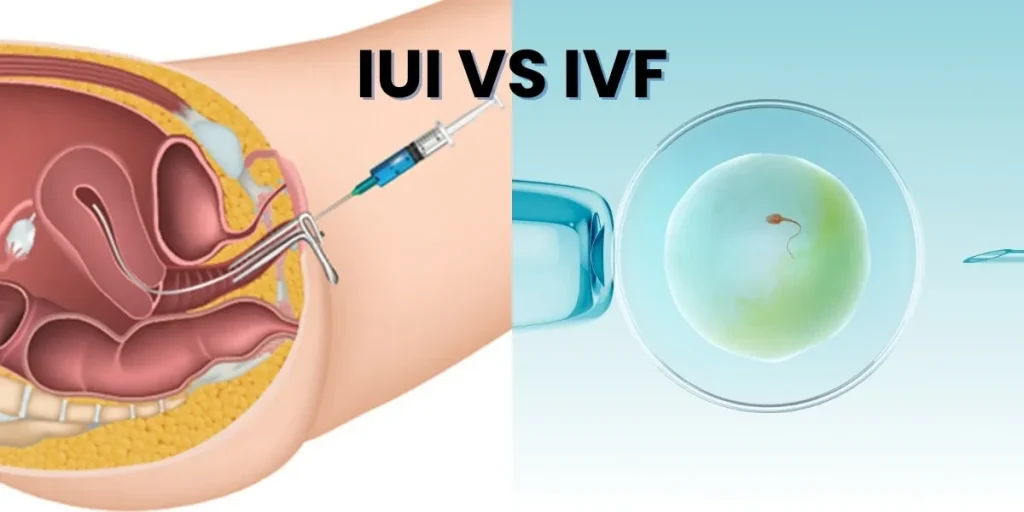
Sperm donation involves the process of using donated sperm to help a person or couple conceive a child. The donated sperm is used in artificial insemination or in vitro fertilization (IVF) procedures, and it can come from either a sperm bank or a known donor.
Sperm Banks
Sperm banks are facilities that collect, store, and distribute donated sperm. They have strict screening processes for donors to ensure that only healthy and genetically viable sperm is used for fertilization. The donor’s identity is kept confidential, and the sperm is usually frozen and stored for future use.
Pros of Sperm Banks
1. Safety and Reliability: Sperm banks have stringent screening processes in place to ensure the safety and quality of the donated sperm. This includes testing for infectious diseases, genetic disorders, and physical characteristics. This provides peace of mind to the recipient, knowing that the sperm they are receiving is healthy and safe.
2. Anonymity: Sperm banks provide anonymity to donors, which means that the recipient will not know the donor’s identity. This can be crucial for some individuals or couples who prefer not to have any contact with the donor or have concerns about future legal issues.
3. Wider Selection: Sperm banks have a larger pool of donors, which means that recipients have a wider selection to choose from. Donors are also usually available from different ethnicities, races, and physical characteristics, giving recipients the opportunity to find a donor that matches their preferences.
Cons of Sperm Banks
1. Cost: Sperm banks can be expensive, with the cost of one vial of sperm ranging from $500 to $1000. This can be a significant financial burden for those who require multiple vials for successful insemination.
Navigating the World of Sperm Donation: Sperm Banks vs Known Donors
2. Limited Information: While sperm banks provide some information about the donor’s physical characteristics, medical history, and education, it is usually limited. This can be a disadvantage for recipients who would like more in-depth information about the donor.
Known Donors
Known donors are individuals who donate their sperm directly to the recipient, usually someone they know or someone they have connected with through a sperm donation website. The process of using a known donor is less formal and regulated than using a sperm bank.
Pros of Known Donors
1. Relationship with Donor: The use of a known donor allows for a more personal connection between the donor and the recipient. This can be beneficial for those who would like their child to have a relationship with their biological father or for those who prefer a more intimate experience.
2. Cost-effective: Known donors do not charge for their sperm, making it a more cost-effective option compared to sperm banks. This can be a significant advantage for those on a tight budget.
Cons of Known Donors
1. Potential Legal Issues: One of the most significant disadvantages of using a known donor is the potential for legal issues to arise. As the donor is known, there is a possibility for them to claim parental rights in the future, which can create complications in terms of custody and financial responsibilities.
2. Lack of Regulation: Unlike sperm banks, known donors are not regulated, which means that they do not undergo the same screening processes. This can lead to uncertainty about the quality and safety of the donated sperm.
3. Emotional Complications: Using a known donor can create emotional complexities, especially if the donor is a friend or family member. This can also cause conflicts and strain in relationships if expectations are not clearly communicated and agreed upon.
Summing Up
Sperm donation can be a viable option for those struggling with fertility. While both sperm banks and known donors have their pros and cons, it ultimately comes down to personal preferences and circumstances. Sperm banks offer a safer and more regulated option, while known donors provide a more personal and cost-effective approach. It is essential to carefully consider all factors and seek professional advice before making a decision.
In summary, navigating the world of sperm donation can be overwhelming, but understanding the differences between sperm banks and known donors can help with the decision-making process. Consider the pros and cons of each option, and seek professional guidance to make an informed decision.