Tag: medical insemination

  • Breaking Down the Differences: At-Home vs. Medical Insemination Supplies

    Breaking Down the Differences: At-Home vs. Medical Insemination Supplies

    Insemination is a method of assisted reproduction that involves the placement of sperm into a woman’s reproductive tract to facilitate fertilization. This technique has been used for decades to help couples struggling with infertility or same-sex couples who want to start a family. With the advancement of technology, there are now two options for insemination: at-home or medical. While they both have the same goal, there are significant differences between the two, especially when it comes to the supplies needed. In this blog post, we will break down the differences between at-home and medical insemination supplies and discuss which option may be the best for you.

    At-Home Insemination Supplies:

    At-home insemination, also known as self-insemination, involves the use of a kit that can be purchased online or in stores. The kit typically includes a syringe, a collection cup, and a step-by-step guide on how to perform the insemination. Some kits may also include ovulation predictor kits and pregnancy tests. These supplies are relatively inexpensive, ranging from $30 to $100, making it a more affordable option for couples who are trying to conceive.

    The syringe is the most crucial supply in an at-home insemination kit. It is usually a sterile plastic syringe with a rounded tip, which helps to minimize discomfort during the procedure. The collection cup is used to collect the sperm, either from a donor or the male partner, and then transferred into the syringe for insertion. The step-by-step guide helps to ensure that the insemination is performed correctly, increasing the chances of success.

    One significant advantage of at-home insemination supplies is that they can be used in the comfort and privacy of one’s home. This can be especially beneficial for couples who may feel more comfortable in a familiar setting or for those who have busy schedules and cannot make it to a medical facility for insemination. However, it is essential to note that at-home insemination does not offer the same level of medical supervision and expertise as a medical insemination.

    Medical Insemination Supplies:

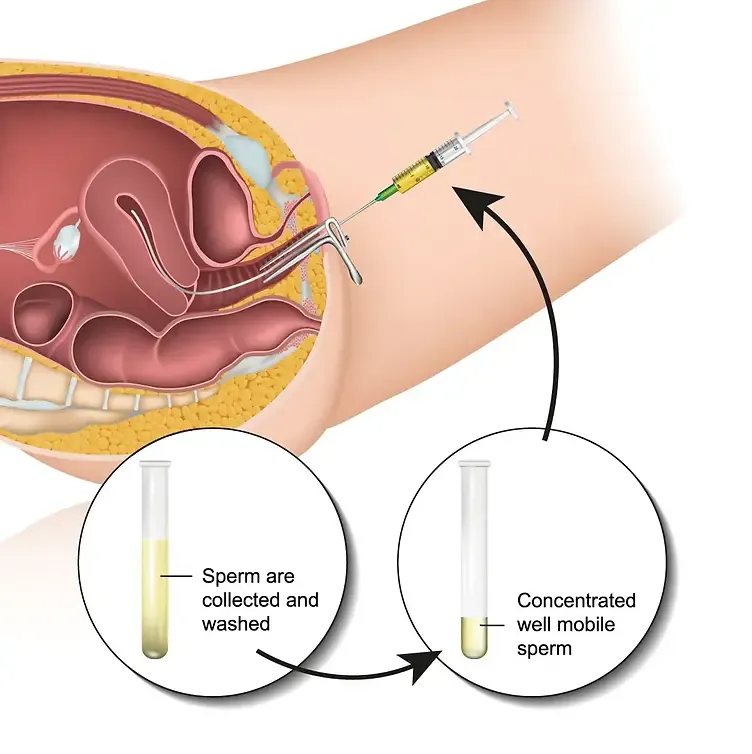
    Medical insemination, also known as intrauterine insemination (IUI), is a procedure performed in a medical facility by a fertility specialist. It involves the placement of washed and concentrated sperm directly into the uterus, making it a more targeted approach compared to at-home insemination. The supplies needed for this procedure are more advanced and require specialized equipment, making it a more expensive option.
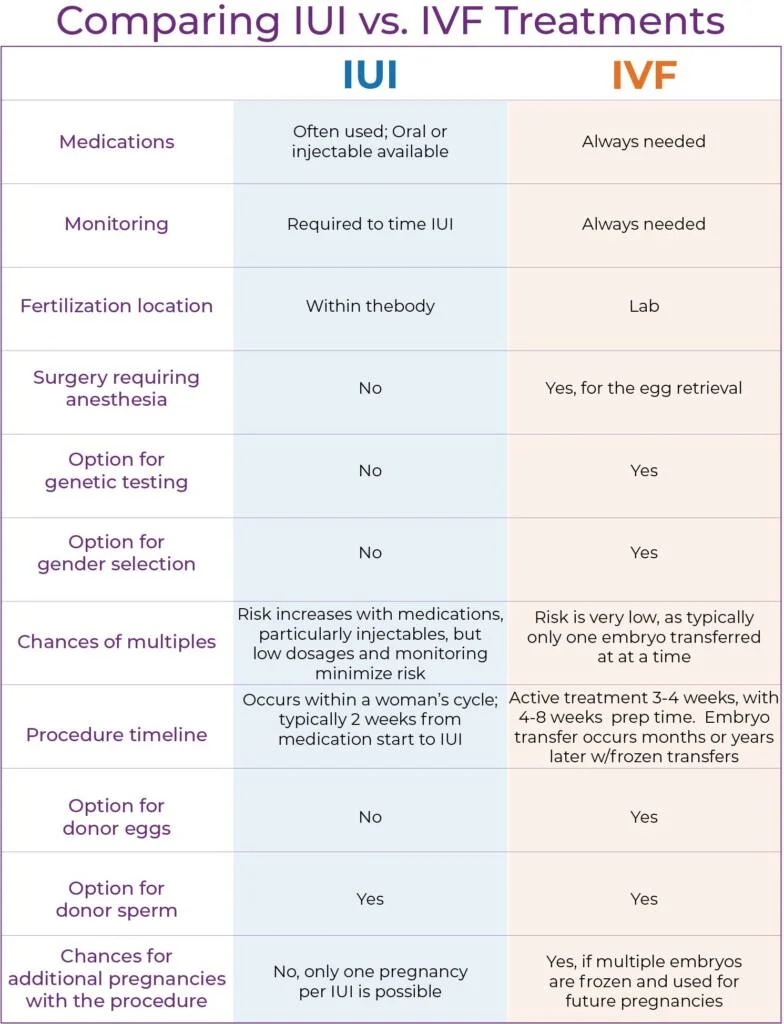
    Comparison chart of IUI and IVF treatments, detailing medications, monitoring, procedures, and success rates.

    Breaking Down the Differences: At-Home vs. Medical Insemination Supplies

    The primary supply used in medical insemination is a catheter, which is a thin, flexible tube that is inserted into the uterus to deliver the sperm. The catheter is attached to a syringe that contains the washed sperm. The sperm is typically washed and concentrated in a laboratory, ensuring that only the healthiest and most active sperm are used for the procedure. Other supplies used in medical insemination may include ultrasound equipment to monitor the procedure and fertility medications to stimulate ovulation.

    One significant advantage of medical insemination supplies is the level of medical supervision and expertise involved. The procedure is performed by a fertility specialist, who can monitor the woman’s cycle and determine the best time for insemination. This can increase the chances of conception significantly. Additionally, medical insemination can also be combined with other fertility treatments, such as artificial insemination, to further improve the chances of success.

    Which Option is Best for You?

    When it comes to choosing between at-home and medical insemination supplies, there is no one-size-fits-all answer. The decision ultimately depends on your personal preferences, budget, and medical history. At-home insemination may be a good option for couples who are comfortable with the DIY approach and have no underlying fertility issues. It is also a more affordable option compared to medical insemination.

    On the other hand, medical insemination may be a better choice for couples who have been struggling with infertility or have underlying medical conditions that could affect their chances of conception. The specialized equipment and expertise involved in this procedure may increase the chances of success for these couples. Additionally, medical insemination also offers the benefit of medical supervision and monitoring, which can be reassuring for some couples.

    In conclusion, both at-home and medical insemination supplies have their advantages and disadvantages. It is essential to weigh these factors carefully and consult with a fertility specialist to determine the best option for you. Whether you choose at-home or medical insemination, remember to stay positive and have patience, as success may not happen overnight.

    Summary:

    Insemination is a method of assisted reproduction that involves the placement of sperm into a woman’s reproductive tract to facilitate fertilization. There are two options for insemination: at-home and medical. At-home insemination involves the use of a kit that can be purchased online or in stores, which typically includes a syringe, a collection cup, and a step-by-step guide. On the other hand, medical insemination is a procedure performed in a medical facility by a fertility specialist and involves the use of specialized equipment, such as a catheter and ultrasound equipment. The decision between at-home and medical insemination ultimately depends on personal preferences, budget, and medical history.

  • Medical Insemination Supplies: Are They Worth the Money?

    Medical insemination, also known as artificial insemination, is a method of fertility treatment that involves placing sperm into a woman’s reproductive tract in order to facilitate pregnancy. This process can be done using various methods, but one common factor in all of them is the use of medical insemination supplies. These supplies range from basic items like syringes and catheters to more advanced equipment such as ultrasound machines and sperm processing kits. The question that arises is whether these supplies are worth the money, considering the high costs involved in fertility treatments. In this blog post, we will explore the different types of medical insemination supplies and their importance in fertility treatment, as well as discuss whether they are worth the investment.

    Firstly, let’s delve into the different types of medical insemination supplies. The most basic and essential supplies are the syringes and catheters used to transfer the sperm into the woman’s reproductive tract. These are relatively inexpensive and can be purchased from most medical supply stores. However, it is important to note that these supplies need to be sterile and of high quality in order to prevent any infections or complications during the insemination process.

    Another important supply is the sperm processing kit, which is used to prepare the sperm for insemination. This involves separating the healthy and motile sperm from the rest of the semen, as well as washing and preparing them for transfer. These kits can be quite expensive, but they are crucial in ensuring the success of the insemination process. They also reduce the risk of any potential contaminants or abnormalities in the sperm.

    In addition to these basic supplies, there are also more advanced medical insemination supplies that are used in certain types of fertility treatments. These include ultrasound machines, which are used to monitor the development of the follicles in the woman’s ovaries and determine the best time for insemination. These machines are expensive, but they provide crucial information for the success of the treatment.

    Another advanced supply is the sperm analysis kit, which is used to analyze the quality and quantity of the sperm. This is particularly important for couples who are struggling with male fertility issues. The kit allows for a thorough examination of the sperm, which can help the doctors determine the best course of treatment.

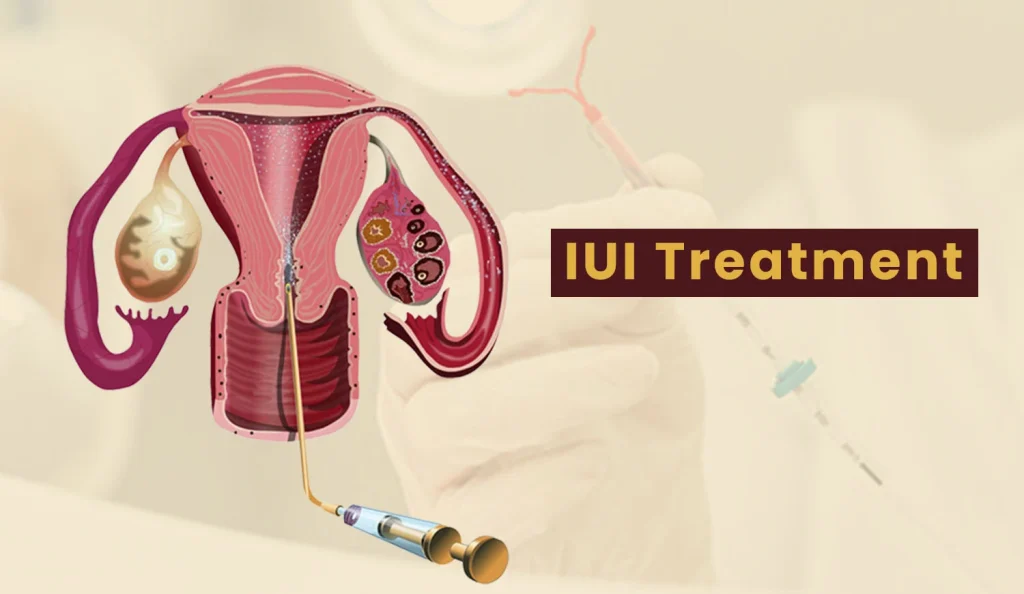
    illustration of the uterus and ovaries with a syringe, labeled "IUI Treatment" in the background

    Medical Insemination Supplies: Are They Worth the Money?

    Now that we have discussed the different types of medical insemination supplies, let’s explore their importance in fertility treatment. These supplies play a crucial role in ensuring the success of the insemination process. The use of sterile and high-quality supplies reduces the risk of infections and complications, which can greatly affect the chances of pregnancy. The sperm processing kit is particularly important in this regard, as it ensures that only the healthiest and most viable sperm are used for insemination.

    Moreover, the advanced supplies such as ultrasound machines and sperm analysis kits provide vital information for the doctors to make informed decisions about the treatment. They allow for a more personalized and targeted approach, which can greatly improve the chances of success. Without these supplies, doctors would have to rely solely on physical examinations and subjective assessments, which may not be as accurate.

    However, it is worth noting that the use of medical insemination supplies does not guarantee success in fertility treatments. There are many other factors that can affect the outcome, such as the woman’s age, overall health, and underlying medical conditions. Fertility treatments can also be emotionally and financially draining, and it is important to have realistic expectations and be prepared for any potential challenges.

    So, are medical insemination supplies worth the money? The answer to this question ultimately depends on individual circumstances. For couples who have been struggling with fertility issues and are determined to conceive, these supplies are essential in increasing the chances of success. The investment in these supplies can also be seen as a small price to pay for the potential of starting a family.

    In summary, medical insemination supplies are crucial in fertility treatments and play a significant role in increasing the chances of success. From basic supplies like syringes and catheters to more advanced equipment like ultrasound machines and sperm processing kits, these supplies are essential for a safe and effective insemination process. While they may come with a high price tag, they are worth the investment for couples who are determined to start a family. However, it is important to remember that these supplies do not guarantee success and other factors should also be considered in fertility treatments.

  • Medical Insemination Supplies: What You Need to Know

    Medical insemination, also known as artificial insemination, is a fertility treatment that involves placing sperm directly into a woman’s reproductive tract. This procedure is commonly used by couples who are struggling with infertility or same-sex couples who want to start a family. If you are considering medical insemination, there are important supplies that you need to know about. In this blog post, we will discuss the different types of medical insemination supplies, their functions, and what you need to consider when purchasing them.

    Types of Medical Insemination Supplies

    1. Sperm Collection Kits

    The first step in medical insemination is to collect the sperm. Sperm collection kits are designed to make this process easy and hygienic. These kits usually include a sterile cup, collection tube, and sometimes a condom. The man will need to ejaculate into the cup, and the sperm will then be transferred to the collection tube. It is important to follow the instructions carefully to ensure the sperm is not contaminated.

    2. Speculum

    A speculum is a medical tool that is used to hold open the walls of the vagina during insemination. This allows for easier access to the cervix, where the sperm will be inserted. Speculums come in different sizes and shapes, so it is important to choose one that is comfortable for the woman and fits properly.

    3. Syringe

    Once the sperm has been collected and the speculum is in place, a syringe is used to inject the sperm into the cervix. This is a delicate process that requires precision and a steady hand. Syringes come in different sizes, and it is important to choose one that can hold the desired amount of sperm.

    4. Catheter

    A catheter is a thin, flexible tube that is used to deliver the sperm into the cervix. It is important to choose a catheter that is long enough to reach the cervix and has a curved tip for easier insertion. Some catheters also have a balloon at the end to prevent the sperm from leaking out.

    5. Lubricant

    During medical insemination, it is important to use a sperm-friendly lubricant to make the process more comfortable. Regular lubricants can be harmful to sperm, so it is important to choose one that is specifically designed for this purpose. These lubricants usually have a pH level that is similar to the cervical mucus, making it easier for the sperm to survive.

    6. Ovulation Predictor Kits

    illustration of intrauterine insemination procedure with a syringe and catheter in the uterus.

    Medical Insemination Supplies: What You Need to Know

    Timing is crucial when it comes to medical insemination. Ovulation predictor kits (OPKs) can help determine the best time for insemination by detecting the surge of luteinizing hormone (LH) in a woman’s urine. This surge indicates that ovulation is about to occur, and insemination should be done within the next 24-36 hours.

    7. Pregnancy Tests

    After insemination, it is important to wait for at least two weeks before taking a pregnancy test. Home pregnancy tests can be used to check for the presence of the pregnancy hormone, human chorionic gonadotropin (hCG), in a woman’s urine. A positive result indicates a successful insemination and possible pregnancy.

    What to Consider When Purchasing Medical Insemination Supplies

    1. Quality and Sterility

    When purchasing medical insemination supplies, it is important to choose products that are of high quality and sterile. This will ensure the safety and effectiveness of the procedure. Look for products that are approved by the Food and Drug Administration (FDA) and have a good reputation in the market.

    2. Compatibility

    It is important to make sure that the different supplies you purchase are compatible with each other. For example, the syringe should fit the catheter, and the catheter should fit the speculum. Incompatible supplies can make the process more difficult and increase the risk of contamination.

    3. Comfort

    Medical insemination can be an uncomfortable and intimate process, so it is important to choose supplies that are comfortable for both partners. This includes choosing a speculum that fits properly and a lubricant that does not cause any discomfort or irritation.

    4. Cost

    The cost of medical insemination supplies can add up, so it is important to consider the price when making your purchases. However, it is also important to prioritize quality and effectiveness over cost. Cheaper supplies may not be as safe or effective, which can ultimately cost you more in the long run.

    In conclusion, medical insemination supplies play a crucial role in the success of this fertility treatment. It is important to choose high-quality, sterile, and compatible supplies that are comfortable and suit your budget. By understanding the different types of supplies and what to consider when purchasing them, you can make informed decisions and increase your chances of a successful insemination.

    SEO metadata:

  • Understanding the Differences: At-Home vs. Medical Insemination Supplies

    Blog Post:

    Deciding to start a family is a big decision and one that often involves a lot of planning and preparation. For same-sex couples or individuals who are unable to conceive naturally, assisted reproduction techniques such as insemination are often considered. Insemination is the process of placing sperm into the female reproductive tract in order to facilitate fertilization. While there are different types of insemination, the two most common methods are at-home insemination and medical insemination. One key factor that differentiates these two methods is the type of supplies used. In this blog post, we will explore the differences between at-home and medical insemination supplies and their implications for those considering this route for starting or expanding their family.

    At-Home Insemination Supplies:

    At-home insemination involves the use of supplies that can be easily obtained without a prescription or medical supervision. These include ovulation predictor kits, pregnancy tests, and most importantly, donor sperm. The most common way to obtain donor sperm for at-home insemination is through a sperm bank, where donors are screened for infectious diseases and genetic disorders. This ensures the safety and health of both the donor and the recipient.

    In addition to donor sperm, individuals or couples using at-home insemination may also need a syringe or turkey baster to insert the sperm into the vagina, and a speculum to hold the cervix open for easier insertion. Other optional supplies may include a soft cup or menstrual cup to hold the sperm near the cervix for a longer period of time. These supplies are relatively inexpensive and can be purchased at a pharmacy or online.

    Medical Insemination Supplies:

    Medical insemination, also known as intrauterine insemination (IUI), requires a doctor’s supervision and a prescription for the necessary supplies. This method involves placing the sperm directly into the uterus, bypassing the cervix and increasing the chances of fertilization. As a result, the supplies needed for medical insemination are more specialized and can only be obtained through a medical facility or pharmacy with a prescription.

    The most crucial supply for medical insemination is the catheter, which is used to deposit the sperm into the uterus. This catheter is designed specifically for this purpose and is not available for purchase over the counter. Other necessary supplies may include a speculum, syringe, and possibly a lab coat or gown for the doctor or nurse performing the procedure. Depending on the clinic or facility, there may also be additional fees for the use of the medical equipment and supplies.

    Implications for Cost and Convenience:

    Illustration of intrauterine insemination (IUI) procedure with syringe and catheter in the uterus.

    Understanding the Differences: At-Home vs. Medical Insemination Supplies

    One of the main differences between at-home and medical insemination supplies is the cost. At-home insemination supplies are generally more affordable and accessible, making it a more attractive option for those on a tighter budget. On the other hand, medical insemination supplies can be more expensive due to the specialized nature of the equipment and the additional fees associated with the medical procedure.

    In terms of convenience, at-home insemination allows for more control and privacy, as the procedure can be done in the comfort of one’s own home. This can be particularly appealing for those who may feel uncomfortable with the idea of a medical professional being involved in such a personal process. However, at-home insemination also requires more planning and preparation, as individuals or couples will need to purchase and have all the necessary supplies on hand.

    Medical insemination, on the other hand, may offer a sense of security and reassurance for some individuals, as it is performed by a medical professional with specialized training and expertise. However, this also means that the procedure can only be done during a specific window of time when the doctor’s office is open, and appointments may need to be scheduled in advance, making it less convenient for some.

    Safety and Effectiveness:

    When it comes to the safety and effectiveness of at-home and medical insemination, it is important to note that both methods have been found to be successful in helping individuals or couples conceive. However, medical insemination may have a slightly higher success rate due to the direct placement of sperm into the uterus.

    In terms of safety, both methods are generally considered safe, as long as proper precautions and hygiene are taken. However, medical insemination may offer a lower risk of infection, as the equipment used is sterile and the procedure is performed by a trained professional.

    Summary:

    In conclusion, at-home and medical insemination are two different methods of assisted reproduction with varying degrees of accessibility, cost, convenience, and safety. At-home insemination involves the use of readily available supplies that can be used in the privacy of one’s own home, while medical insemination requires specialized supplies and medical supervision. While both methods have their own pros and cons, the most important thing to consider is what works best for each individual or couple’s unique situation and needs.

    SEO Metadata:

  • The Emotional Journey of a Sperm Donor in Medical Insemination

    Blog Post: The Emotional Journey of a Sperm Donor in Medical Insemination

    For many individuals and couples struggling with infertility, the use of donated sperm through medical insemination can be a life-changing option. And while the focus is often on the recipient and their journey towards parenthood, the process of sperm donation and the emotional journey of the donor is often overlooked. In this blog post, we will delve into the emotional journey of a sperm donor in medical insemination and explore the challenges, rewards, and impact of this selfless act.

    Understanding the Decision to Become a Sperm Donor

    The decision to become a sperm donor is not one that is made lightly. It requires a great deal of thought and consideration as it involves donating a part of oneself to help others create a family. Many sperm donors are motivated by the desire to help others and make a positive impact on someone’s life. However, this decision can also be driven by personal experiences, such as knowing someone who has struggled with infertility or having a family member who has been a sperm or egg donor.

    Navigating the Screening Process

    The screening process for becoming a sperm donor is extensive and can be emotionally challenging for many individuals. Donors are required to undergo a series of physical and psychological evaluations to ensure they are healthy and fit to donate. These evaluations can bring up feelings of vulnerability and anxiety, as donors must disclose personal information about their medical history and undergo physical exams.

    Additionally, donors must also undergo genetic testing to identify any potential hereditary diseases or conditions that could be passed on to any potential offspring. This can be a daunting process for some donors, as it may reveal information about their own health that they were previously unaware of. The emotional impact of these tests can be significant and may cause some donors to question their decision to donate.

    The Process of Donation

    Once a donor is deemed suitable to donate, they will begin the process of sperm collection. This can be done through a variety of methods, including masturbation into a cup, using a special condom during intercourse, or a surgical procedure to extract sperm directly from the testicles. While the physical process of donation may be straightforward, it can still evoke a range of emotions for the donor.

    For some donors, the act of donating sperm can be similar to the experience of giving blood or donating organs – a noble act to help others in need. However, for others, the process can be emotionally challenging as it involves giving a part of themselves without any guarantee of the outcome. Donors may also feel a sense of detachment from their sperm, as they are not involved in the conception or raising of any potential offspring.

    The Impact on Relationships and Identity

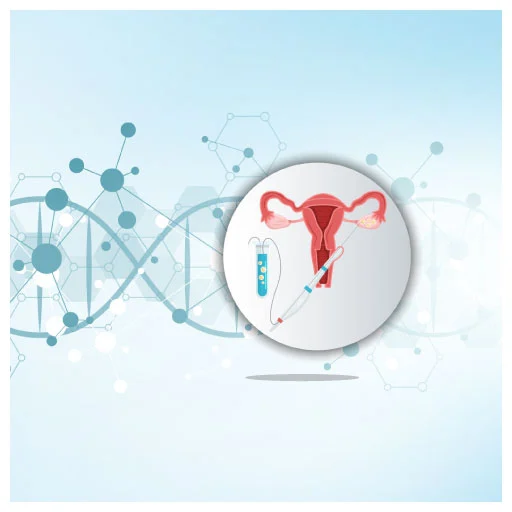
    Illustration of IUI procedure with uterus and syringe against a DNA background.

    The Emotional Journey of a Sperm Donor in Medical Insemination

    The decision to become a sperm donor can also have a significant impact on the donor’s relationships and personal identity. Donors may face judgment or questions from family and friends about their decision to donate. They may also experience feelings of guilt or shame for not being able to create a family in the traditional sense.

    Furthermore, donating sperm can also bring up questions about the donor’s own identity and sense of self. They may wonder about the potential offspring and their role in their lives. Donors may also grapple with the idea of having biological children in the world that they may never meet or have a relationship with.

    Coping with Emotional Challenges

    The emotional journey of a sperm donor in medical insemination can be challenging, but there are ways to cope with these feelings. First and foremost, it is essential for donors to have a strong support system, whether it be a partner, family, or friends who understand and support their decision to donate. Donors may also find comfort in connecting with other donors through support groups or online forums.

    It is also crucial for donors to have open and honest communication with the medical professionals involved in the process. This can help address any concerns or questions that donors may have and provide a better understanding of the entire process.

    The Rewards of Sperm Donation

    Despite the emotional challenges, there are also many rewards that come with being a sperm donor. The most significant reward is the knowledge that the donor has helped someone else achieve their dream of having a family. Many donors also find a sense of fulfillment and purpose in knowing that they have made a positive impact on someone’s life.

    Furthermore, some sperm donors may also have the opportunity to have a relationship with the recipient and their child. This can bring a sense of joy and fulfillment for donors, knowing that they have a biological connection to the child and can be a part of their life in some way.

    In Conclusion

    The emotional journey of a sperm donor in medical insemination can be complex and challenging. It involves navigating through various emotions, from initial considerations to the screening process, the act of donation, and the impact on relationships and identity. However, it is also a journey that can be incredibly rewarding and fulfilling for those who choose to embark on it. Sperm donors play a vital role in helping others achieve their dream of parenthood, and their selfless act deserves recognition and appreciation.

    Summary: The decision to become a sperm donor is a significant one that involves a thorough screening process and emotional challenges. The process of donation and its impact on relationships and identity can also be emotionally challenging for donors. Coping with these challenges and recognizing the rewards of sperm donation is crucial for donors on their emotional journey.

  • Medical Insemination: Breaking Down the Process

    Blog Post: Medical Insemination: Breaking Down the Process

    Medical insemination, also known as artificial insemination, is a common fertility treatment that involves the insertion of sperm into the female reproductive tract in order to achieve pregnancy. This procedure has been used for decades to help couples struggling with infertility, same-sex couples, and single women to conceive a child. In this blog post, we will break down the process of medical insemination and what you can expect if you are considering this option for starting or expanding your family.

    Step 1: Consultation with a Fertility Specialist

    The first step in the medical insemination process is to schedule a consultation with a fertility specialist. During this appointment, you and your partner (if applicable) will discuss your medical history and any potential fertility issues. The specialist may also perform a physical exam and order some tests to determine the quality and quantity of your partner’s sperm or your own ovulation patterns. This information will help the specialist determine if medical insemination is the best option for you and to develop a treatment plan tailored to your specific needs.

    Step 2: Selecting a Donor

    If you are using donor sperm for your medical insemination, you will need to select a donor. You can choose from a sperm bank or use a known donor, such as a friend or family member. If you are using a sperm bank, you will have access to the donor’s physical characteristics, medical history, education, and other personal information. It is important to carefully consider all of these factors when selecting a donor, as they will have a significant impact on your child’s genetic makeup.

    Step 3: Preparing for Insemination

    Once you have selected a donor and have scheduled the insemination, your fertility specialist will provide you with instructions on how to prepare for the procedure. This may include tracking your ovulation cycle, taking certain medications to stimulate ovulation, or refraining from sexual intercourse for a certain period of time before the insemination.

    Step 4: The Insemination Procedure

    On the day of the insemination, you will visit your fertility specialist’s office or clinic. The procedure itself is relatively quick and painless, and it is similar to a regular gynecological exam. The sperm will be inserted into your uterus or cervix using a thin catheter, and you may experience some mild cramping afterwards. Some clinics may offer a sperm washing process, which removes any dead or abnormal sperm and increases the chances of a successful pregnancy.

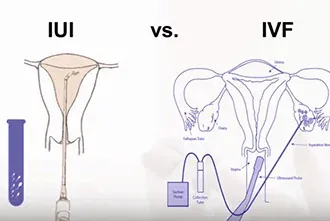
    Comparison of IUI and IVF treatments with diagrams of reproductive anatomy.

    Medical Insemination: Breaking Down the Process

    Step 5: Post-Insemination Care

    After the insemination, your fertility specialist may recommend that you rest for a short period of time before going home. Depending on your specific treatment plan, you may also be prescribed medications to support the implantation of the fertilized egg or to regulate your hormones. It is important to follow all post-insemination care instructions provided by your specialist to increase the chances of a successful pregnancy.

    Step 6: Pregnancy Testing

    About two weeks after the insemination, you will need to take a pregnancy test to determine if the procedure was successful. If the test is positive, congratulations – you are pregnant! Your fertility specialist will then monitor the progress of your pregnancy through regular check-ups and ultrasounds. If the test is negative, you may need to schedule another insemination procedure to try again.

    Benefits of Medical Insemination

    There are several benefits to choosing medical insemination as a fertility treatment. Firstly, it is a less invasive and less expensive option compared to other assisted reproductive techniques like in vitro fertilization (IVF). It also allows same-sex couples and single women to conceive a child without the need for a male partner. Additionally, medical insemination can be used in cases where a male partner has a low sperm count or poor sperm quality.

    Risks and Considerations

    As with any medical procedure, there are some risks and considerations to keep in mind when considering medical insemination. These may include potential side effects from fertility medications, multiple pregnancies (if more than one egg is released), and the potential for the donor to be identified by the child in the future. It is important to thoroughly discuss these risks and considerations with your fertility specialist before undergoing the procedure.

    In conclusion, medical insemination is a safe, effective, and accessible fertility treatment for those looking to start or expand their family. By following the steps outlined above and working closely with a fertility specialist, you can increase your chances of a successful pregnancy and achieve your dream of becoming a parent.

    Summary:

    Medical insemination, also known as artificial insemination, is a common fertility treatment that involves the insertion of sperm into the female reproductive tract to achieve pregnancy. The process involves a consultation with a fertility specialist, selecting a donor, preparing for insemination, the procedure itself, post-insemination care, and pregnancy testing. Medical insemination has several benefits, including being less invasive and less expensive than other fertility treatments, and it can be used by same-sex couples and single women. However, there are also risks and considerations to keep in mind. Working closely with a fertility specialist can increase the chances of a successful pregnancy through medical insemination.

  • The Emotional Rollercoaster of Insemination: DIY vs Medical

    The Emotional Rollercoaster of Insemination: DIY vs Medical

    Insemination, whether done at home or through medical procedures, can be an emotional rollercoaster for individuals or couples who are trying to conceive. It is a journey filled with hope, excitement, disappointment, and uncertainty. Each option – DIY or medical – has its own set of emotional challenges that couples must navigate. Let’s take a closer look at the emotional rollercoaster of insemination and the differences between DIY and medical procedures.

    The DIY Option

    DIY insemination, also known as at-home insemination, involves using a syringe or a menstrual cup to insert semen into the vagina or cervix. This option is often chosen by couples who want to conceive naturally without the intervention of medical procedures. While DIY insemination can be a more affordable and convenient option, it comes with its own set of emotional challenges.

    The Excitement of Trying Something New

    For many couples, DIY insemination can be an exciting new adventure. It can bring a sense of control and empowerment, as they take charge of their own fertility journey. The process of tracking ovulation and timing the insemination can create a sense of closeness and intimacy between partners. This can also be a time of hope and anticipation as they wait to see if the insemination was successful.

    The Disappointment of Negative Results

    Unfortunately, DIY insemination does not always result in a positive pregnancy test. Couples may experience disappointment and frustration when their efforts do not lead to a pregnancy. This can be especially difficult for couples who have been trying for a longer period of time. The emotional toll of multiple negative results can be draining and may even lead to feelings of failure or inadequacy.

    The Fear of Making a Mistake

    Because DIY insemination involves handling semen and using medical equipment, there can be a fear of making a mistake or doing something wrong. This fear can create a sense of anxiety and pressure, making the process more stressful and less enjoyable. Couples may also feel pressure to get everything right in order to increase their chances of success, which can add to the emotional burden of DIY insemination.

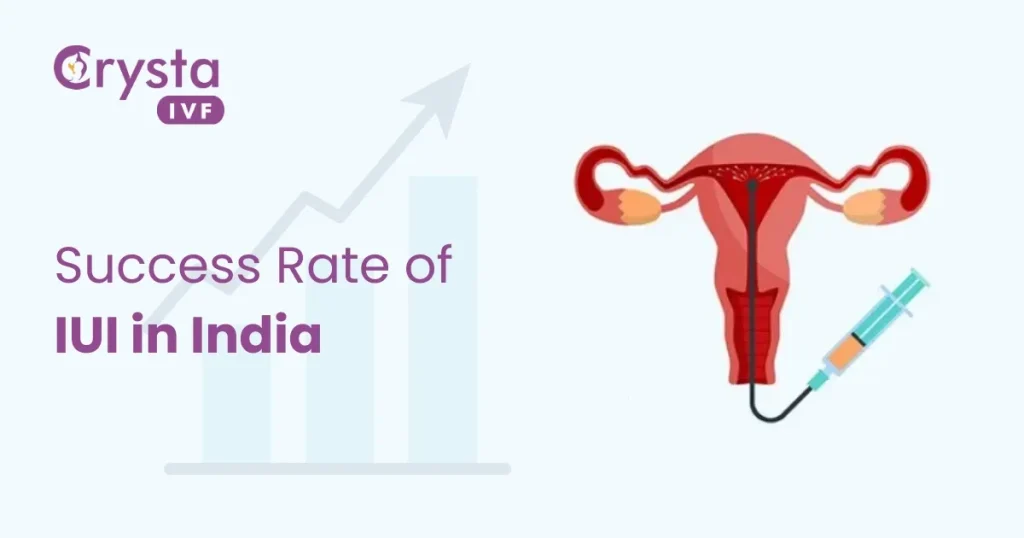
    success rate of IUI in India with a graphic of a uterus and syringe alongside a rising graph

    The Emotional Rollercoaster of Insemination: DIY vs Medical

    The Medical Option

    On the other hand, medical insemination involves procedures such as intrauterine insemination (IUI) or in vitro fertilization (IVF). These procedures are typically performed by a doctor or fertility specialist in a medical setting. While medical insemination can be a more expensive and invasive option, it also has its own emotional challenges.

    The Hope of Medical Intervention

    For couples who have been struggling with infertility, medical insemination can bring a sense of hope. They may feel relieved that they are finally seeking help and taking a more direct approach to their fertility journey. There is also a sense of trust and confidence in the medical professionals who are guiding them through the process.

    The Anxiety of Treatment

    Medical insemination involves multiple appointments, tests, and procedures, which can be overwhelming and anxiety-inducing for many couples. The fear of needles, potential side effects of medications, and the invasiveness of procedures can all add to the emotional burden of treatment. Additionally, the uncertainty of whether or not the treatment will be successful can create a sense of worry and stress.

    The Disappointment of Failed Cycles

    Just like DIY insemination, medical insemination does not always result in a pregnancy. Couples may go through multiple cycles of treatment, each with its own emotional ups and downs. The emotional toll of failed cycles can be significant, and couples may experience feelings of sadness, anger, and frustration.

    The Summary

    Insemination, whether done at home or through medical procedures, can be an emotional rollercoaster for couples trying to conceive. DIY insemination can bring excitement and a sense of control, but also disappointment and fear of making a mistake. Medical insemination offers hope and confidence in medical intervention, but also anxiety and the possibility of failed cycles. Both options have their own set of emotional challenges, and it’s important for couples to be aware of and address these emotions throughout their fertility journey.

  • The Power of Choice: DIY or Medical Insemination

    The Power of Choice: DIY or Medical Insemination

    In today’s modern world, there are many options available for individuals or couples who are struggling with fertility issues. One of the most popular methods is artificial insemination, which involves the introduction of sperm into the female reproductive tract for the purpose of achieving pregnancy. However, within the realm of artificial insemination, there are two main options to consider: DIY (Do-It-Yourself) or medical insemination. Both options have their own unique benefits and considerations, and it’s important for individuals to carefully weigh their choices before making a decision. In this blog post, we will explore the power of choice and the factors to consider when deciding between DIY or medical insemination.

    DIY Insemination:
    DIY insemination, also known as at-home insemination, involves the use of a donor’s sperm that is self-administered by the intended parent(s) at home. This method is often chosen by individuals or couples who want to have more control over the insemination process, as well as those who wish to save time and money by not going to a medical facility. DIY insemination can also be a more intimate and private experience for the couple, as they are able to perform the procedure in the comfort of their own home.

    One of the main benefits of DIY insemination is cost-effectiveness. Medical insemination can be quite expensive, with costs ranging from hundreds to thousands of dollars per cycle. DIY insemination eliminates the need for costly medical procedures and appointments, making it a more affordable option for those on a budget.

    Another advantage of DIY insemination is the ability to choose the sperm donor. With medical insemination, the donor is usually anonymous and selected by the medical facility. However, with DIY insemination, the intended parent(s) have the freedom to choose a donor they know and trust, or they can opt for a known donor from a reputable sperm bank. This allows for a more personal and involved process, as the intended parent(s) can select a donor who shares similar physical or personal characteristics.

    However, there are also some important considerations to keep in mind with DIY insemination. The success rates of at-home insemination are generally lower compared to medical insemination, as the procedure is not as precise and controlled. This can be a major factor for individuals or couples who are facing fertility challenges and may require a higher success rate. Additionally, there is a risk of infection or injury if proper precautions and hygiene practices are not followed during the insemination process.

    Medical Insemination:
    On the other hand, medical insemination involves the use of a medical professional and sterile equipment to introduce sperm into the female reproductive tract. There are two main types of medical insemination: intrauterine insemination (IUI) and in vitro fertilization (IVF). IUI is the more common and less invasive option, where sperm is placed directly into the woman’s uterus during ovulation. IVF, on the other hand, involves fertilizing the egg outside of the body and then implanting it into the uterus.

    Illustration of the IUI process, showing a syringe and catheter in the reproductive system.

    The Power of Choice: DIY or Medical Insemination

    One of the biggest advantages of medical insemination is the higher success rate. With the help of medical professionals and advanced techniques, the chances of achieving pregnancy through medical insemination are significantly higher compared to DIY insemination. This can be a major factor for individuals or couples who have been struggling with fertility issues and need a higher success rate.

    Another benefit of medical insemination is the thorough screening and testing of the sperm donor. Medical facilities have strict protocols in place to ensure the health and quality of the sperm being used, reducing the risk of any potential complications or genetic diseases.

    However, medical insemination also comes with its own set of considerations. The cost can be a major barrier for many individuals or couples, as it is a significantly more expensive option compared to DIY insemination. The process also involves multiple appointments and procedures, which can be time-consuming and may require taking time off work.

    The Power of Choice:
    Ultimately, the decision between DIY or medical insemination comes down to personal preference and individual circumstances. It’s important for individuals to consider factors such as cost, success rates, and personal comfort before making a decision.

    It’s also worth noting that DIY and medical insemination are not mutually exclusive options. Some individuals may choose to try DIY insemination first and then move on to medical insemination if unsuccessful. Others may opt for a combination of both methods, using medical insemination for certain cycles and DIY insemination for others.

    Regardless of the chosen method, the power of choice should not be underestimated. It allows individuals to have control over their fertility journey and make decisions that align with their values and preferences. It’s important to do thorough research and consult with medical professionals before making a decision, and to always prioritize safety and well-being throughout the process.

    Summary:
    The decision between DIY or medical insemination is a personal one that should be carefully considered. DIY insemination offers cost-effectiveness and more control over the process, while medical insemination has a higher success rate and thorough donor screening. It’s important for individuals to weigh the factors and prioritize their preferences before making a decision. The power of choice allows individuals to have control over their fertility journey and make decisions that align with their values and circumstances.

  • Medical Insemination and the Role of Fertility Treatments

    Blog Post Title: Medical Insemination and the Role of Fertility Treatments: Understanding Options for Starting a Family

    Summary:

    Starting a family is a dream for many couples, but unfortunately, not all couples can conceive naturally. In these cases, fertility treatments like medical insemination can offer a ray of hope. Medical insemination, also known as artificial insemination, is a procedure that involves placing sperm directly into a woman’s reproductive tract to facilitate fertilization. This blog post will explore the different types of medical insemination, the process, success rates, and the role of fertility treatments in starting a family.

    The Different Types of Medical Insemination:

    There are two main types of medical insemination: intrauterine insemination (IUI) and intracervical insemination (ICI). Both procedures involve the insertion of sperm into a woman’s reproductive tract, but the location of the insertion differs.

    In IUI, the sperm is placed directly into the uterus, while in ICI, the sperm is inserted into the cervix. IUI is the more commonly used method as it has a higher success rate. However, the choice of which type of medical insemination to use depends on the individual’s specific needs and fertility issues.

    The Process of Medical Insemination:

    The first step in medical insemination is to collect sperm from the male partner or a sperm donor. The sperm is then washed and prepared in the laboratory to remove any non-motile or inactive sperm. This process increases the chances of successful fertilization.

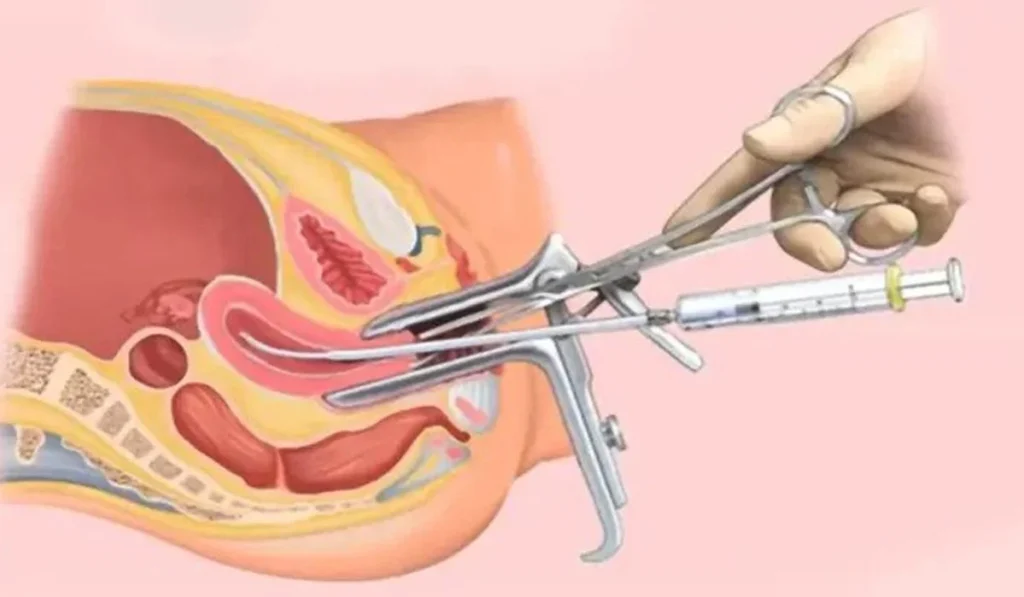
    illustration of an intrauterine insemination procedure with medical instruments and anatomical details

    Medical Insemination and the Role of Fertility Treatments

    Next, the prepared sperm is inserted into the woman’s reproductive tract using a thin, flexible tube. The procedure is relatively painless and does not require anesthesia. After the insertion, the woman is advised to rest for about 10-15 minutes before going about her day.

    Success Rates of Medical Insemination:

    The success rate of medical insemination varies depending on several factors, such as the woman’s age, the cause of infertility, and the type of insemination used. On average, the success rate for IUI is around 10-20% per cycle, while ICI has a success rate of 5-10% per cycle.

    However, the success rate can increase with multiple cycles of insemination and in combination with other fertility treatments such as ovulation induction drugs. It is essential to consult with a fertility specialist to determine the best course of action for each individual’s unique situation.

    The Role of Fertility Treatments:

    Fertility treatments, such as medical insemination, play a crucial role in helping couples start a family. These treatments offer hope and options for those facing fertility challenges. They also provide a safe and effective alternative to more invasive procedures like in vitro fertilization (IVF).

    Besides medical insemination, there are other types of fertility treatments available, such as ovulation induction, fertility drugs, and IVF. The choice of treatment will depend on the cause of infertility and the couple’s preferences.

    Furthermore, fertility treatments also play a significant role in LGBTQ+ family planning. Medical insemination allows same-sex couples or single individuals to conceive and start a family, fulfilling their dreams of parenthood.

    In conclusion, medical insemination is a safe and effective option for couples struggling with infertility. It offers a ray of hope for those who want to start a family and increases the chances of successful fertilization. With advancements in technology and medicine, fertility treatments continue to evolve, providing more options and hope for couples and individuals who dream of becoming parents.

  • The Benefits of Medical Insemination for Same-Sex Couples

    Blog Post Title: The Benefits of Medical Insemination for Same-Sex Couples

    Introduction:
    Same-sex couples have long faced challenges when it comes to starting a family. Traditional methods of conception, such as sexual intercourse or adoption, may not be possible or accessible for same-sex couples. However, with the advancement of medical technology, medical insemination has become a viable option for same-sex couples who want to have children. In this blog post, we will explore the benefits of medical insemination for same-sex couples and how it has revolutionized the way they can start a family.

    What is Medical Insemination?
    Medical insemination, also known as artificial insemination, is a fertility treatment that involves placing sperm directly into a woman’s uterus or cervix using medical instruments. This procedure can be done using a partner’s sperm or donor sperm. For same-sex couples, donor sperm is the most common option.

    Benefits of Medical Insemination for Same-Sex Couples:
    1. Inclusivity:
    Medical insemination allows same-sex couples to have a biological connection to their child, which was not possible before. This helps in creating a sense of inclusivity and a stronger bond between the parents and the child. It also gives same-sex couples the opportunity to experience the joys of pregnancy and childbirth.

    2. No Need for Surrogacy:
    Surrogacy, where a woman carries a child for someone else, is a costly and complicated process. With medical insemination, there is no need for a surrogate as one partner in the same-sex couple can carry the child. This not only saves time and money but also eliminates the emotional complexities involved in surrogacy.

    3. Control over the Pregnancy:
    Medical insemination allows same-sex couples to have more control over the pregnancy. They can decide when to conceive, choose the donor, and be involved in the entire process. This gives them a sense of ownership and empowerment in creating their family.

    Illustration of intrauterine insemination process, showing sperm collection and injection into the uterus.

    The Benefits of Medical Insemination for Same-Sex Couples

    4. Increased Chances of Conception:
    For same-sex couples, the chances of conception through sexual intercourse may be limited or nonexistent. With medical insemination, the sperm is directly placed in the uterus, increasing the chances of conception. This also eliminates the need for tracking ovulation, making the process more convenient.

    5. No Genetic Risks:
    One of the major benefits of using donor sperm for medical insemination is that it eliminates the risk of passing on genetic diseases or disorders. Donor sperm is thoroughly screened and tested, ensuring a healthy and safe pregnancy for the mother and child.

    6. Affordable Option:
    Compared to other fertility treatments, medical insemination is a more affordable option for same-sex couples. It does not involve any complex procedures or medications, making it a more cost-effective choice for those looking to start a family.

    7. Legal Recognition:
    In many countries, same-sex marriage and adoption rights are still not recognized. However, with medical insemination, both partners can be legally recognized as parents of the child. This provides a sense of security and stability for the family, knowing that both parents have equal rights and responsibilities.

    Conclusion:
    Medical insemination has opened up a world of possibilities for same-sex couples who want to have children. It provides them with a safe, affordable, and inclusive option for starting their family. With the advancements in medical technology, this fertility treatment has become more accessible and has given same-sex couples the opportunity to experience the joys of parenthood.

    In summary, medical insemination for same-sex couples offers inclusivity, eliminates the need for surrogacy, gives control over the pregnancy, increases chances of conception, eliminates genetic risks, is an affordable option, and provides legal recognition for both parents. It is a revolutionary option that has helped many same-sex couples fulfill their dream of starting a family.