Breaking Down the Differences: At-Home vs. Medical Insemination Supplies
Insemination is a method of assisted reproduction that involves the placement of sperm into a woman’s reproductive tract to facilitate fertilization. This technique has been used for decades to help couples struggling with infertility or same-sex couples who want to start a family. With the advancement of technology, there are now two options for insemination: at-home or medical. While they both have the same goal, there are significant differences between the two, especially when it comes to the supplies needed. In this blog post, we will break down the differences between at-home and medical insemination supplies and discuss which option may be the best for you.
At-Home Insemination Supplies:
At-home insemination, also known as self-insemination, involves the use of a kit that can be purchased online or in stores. The kit typically includes a syringe, a collection cup, and a step-by-step guide on how to perform the insemination. Some kits may also include ovulation predictor kits and pregnancy tests. These supplies are relatively inexpensive, ranging from $30 to $100, making it a more affordable option for couples who are trying to conceive.
The syringe is the most crucial supply in an at-home insemination kit. It is usually a sterile plastic syringe with a rounded tip, which helps to minimize discomfort during the procedure. The collection cup is used to collect the sperm, either from a donor or the male partner, and then transferred into the syringe for insertion. The step-by-step guide helps to ensure that the insemination is performed correctly, increasing the chances of success.
One significant advantage of at-home insemination supplies is that they can be used in the comfort and privacy of one’s home. This can be especially beneficial for couples who may feel more comfortable in a familiar setting or for those who have busy schedules and cannot make it to a medical facility for insemination. However, it is essential to note that at-home insemination does not offer the same level of medical supervision and expertise as a medical insemination.
Medical Insemination Supplies:
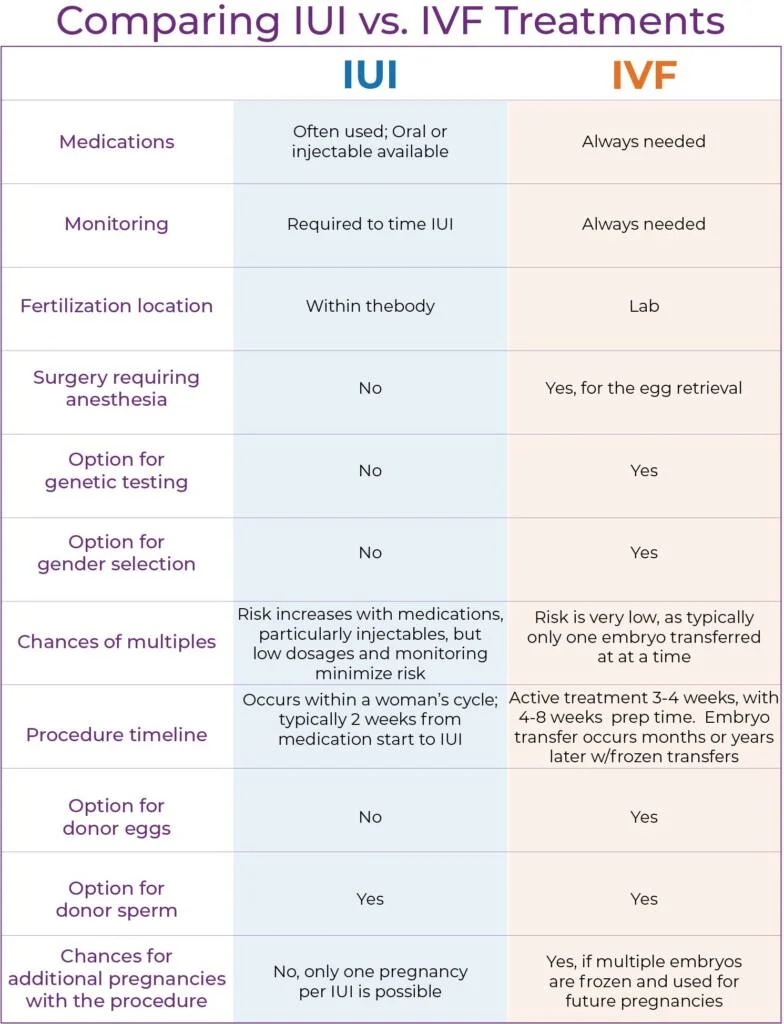
Medical insemination, also known as intrauterine insemination (IUI), is a procedure performed in a medical facility by a fertility specialist. It involves the placement of washed and concentrated sperm directly into the uterus, making it a more targeted approach compared to at-home insemination. The supplies needed for this procedure are more advanced and require specialized equipment, making it a more expensive option.
Breaking Down the Differences: At-Home vs. Medical Insemination Supplies
The primary supply used in medical insemination is a catheter, which is a thin, flexible tube that is inserted into the uterus to deliver the sperm. The catheter is attached to a syringe that contains the washed sperm. The sperm is typically washed and concentrated in a laboratory, ensuring that only the healthiest and most active sperm are used for the procedure. Other supplies used in medical insemination may include ultrasound equipment to monitor the procedure and fertility medications to stimulate ovulation.
One significant advantage of medical insemination supplies is the level of medical supervision and expertise involved. The procedure is performed by a fertility specialist, who can monitor the woman’s cycle and determine the best time for insemination. This can increase the chances of conception significantly. Additionally, medical insemination can also be combined with other fertility treatments, such as artificial insemination, to further improve the chances of success.
Which Option is Best for You?
When it comes to choosing between at-home and medical insemination supplies, there is no one-size-fits-all answer. The decision ultimately depends on your personal preferences, budget, and medical history. At-home insemination may be a good option for couples who are comfortable with the DIY approach and have no underlying fertility issues. It is also a more affordable option compared to medical insemination.
On the other hand, medical insemination may be a better choice for couples who have been struggling with infertility or have underlying medical conditions that could affect their chances of conception. The specialized equipment and expertise involved in this procedure may increase the chances of success for these couples. Additionally, medical insemination also offers the benefit of medical supervision and monitoring, which can be reassuring for some couples.
In conclusion, both at-home and medical insemination supplies have their advantages and disadvantages. It is essential to weigh these factors carefully and consult with a fertility specialist to determine the best option for you. Whether you choose at-home or medical insemination, remember to stay positive and have patience, as success may not happen overnight.
Summary:
Insemination is a method of assisted reproduction that involves the placement of sperm into a woman’s reproductive tract to facilitate fertilization. There are two options for insemination: at-home and medical. At-home insemination involves the use of a kit that can be purchased online or in stores, which typically includes a syringe, a collection cup, and a step-by-step guide. On the other hand, medical insemination is a procedure performed in a medical facility by a fertility specialist and involves the use of specialized equipment, such as a catheter and ultrasound equipment. The decision between at-home and medical insemination ultimately depends on personal preferences, budget, and medical history.