Blog Post: Medical Insemination: Breaking Down the Process
Medical insemination, also known as artificial insemination, is a common fertility treatment that involves the insertion of sperm into the female reproductive tract in order to achieve pregnancy. This procedure has been used for decades to help couples struggling with infertility, same-sex couples, and single women to conceive a child. In this blog post, we will break down the process of medical insemination and what you can expect if you are considering this option for starting or expanding your family.
Step 1: Consultation with a Fertility Specialist
The first step in the medical insemination process is to schedule a consultation with a fertility specialist. During this appointment, you and your partner (if applicable) will discuss your medical history and any potential fertility issues. The specialist may also perform a physical exam and order some tests to determine the quality and quantity of your partner’s sperm or your own ovulation patterns. This information will help the specialist determine if medical insemination is the best option for you and to develop a treatment plan tailored to your specific needs.
Step 2: Selecting a Donor
If you are using donor sperm for your medical insemination, you will need to select a donor. You can choose from a sperm bank or use a known donor, such as a friend or family member. If you are using a sperm bank, you will have access to the donor’s physical characteristics, medical history, education, and other personal information. It is important to carefully consider all of these factors when selecting a donor, as they will have a significant impact on your child’s genetic makeup.
Step 3: Preparing for Insemination
Once you have selected a donor and have scheduled the insemination, your fertility specialist will provide you with instructions on how to prepare for the procedure. This may include tracking your ovulation cycle, taking certain medications to stimulate ovulation, or refraining from sexual intercourse for a certain period of time before the insemination.
Step 4: The Insemination Procedure
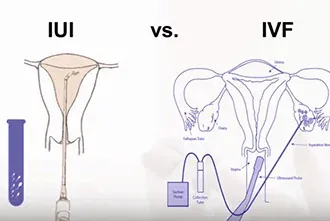
On the day of the insemination, you will visit your fertility specialist’s office or clinic. The procedure itself is relatively quick and painless, and it is similar to a regular gynecological exam. The sperm will be inserted into your uterus or cervix using a thin catheter, and you may experience some mild cramping afterwards. Some clinics may offer a sperm washing process, which removes any dead or abnormal sperm and increases the chances of a successful pregnancy.
Medical Insemination: Breaking Down the Process
Step 5: Post-Insemination Care
After the insemination, your fertility specialist may recommend that you rest for a short period of time before going home. Depending on your specific treatment plan, you may also be prescribed medications to support the implantation of the fertilized egg or to regulate your hormones. It is important to follow all post-insemination care instructions provided by your specialist to increase the chances of a successful pregnancy.
Step 6: Pregnancy Testing
About two weeks after the insemination, you will need to take a pregnancy test to determine if the procedure was successful. If the test is positive, congratulations – you are pregnant! Your fertility specialist will then monitor the progress of your pregnancy through regular check-ups and ultrasounds. If the test is negative, you may need to schedule another insemination procedure to try again.
Benefits of Medical Insemination
There are several benefits to choosing medical insemination as a fertility treatment. Firstly, it is a less invasive and less expensive option compared to other assisted reproductive techniques like in vitro fertilization (IVF). It also allows same-sex couples and single women to conceive a child without the need for a male partner. Additionally, medical insemination can be used in cases where a male partner has a low sperm count or poor sperm quality.
Risks and Considerations
As with any medical procedure, there are some risks and considerations to keep in mind when considering medical insemination. These may include potential side effects from fertility medications, multiple pregnancies (if more than one egg is released), and the potential for the donor to be identified by the child in the future. It is important to thoroughly discuss these risks and considerations with your fertility specialist before undergoing the procedure.
In conclusion, medical insemination is a safe, effective, and accessible fertility treatment for those looking to start or expand their family. By following the steps outlined above and working closely with a fertility specialist, you can increase your chances of a successful pregnancy and achieve your dream of becoming a parent.
Summary:
Medical insemination, also known as artificial insemination, is a common fertility treatment that involves the insertion of sperm into the female reproductive tract to achieve pregnancy. The process involves a consultation with a fertility specialist, selecting a donor, preparing for insemination, the procedure itself, post-insemination care, and pregnancy testing. Medical insemination has several benefits, including being less invasive and less expensive than other fertility treatments, and it can be used by same-sex couples and single women. However, there are also risks and considerations to keep in mind. Working closely with a fertility specialist can increase the chances of a successful pregnancy through medical insemination.