Traditional Surrogacy vs. Gestational Surrogacy: A Medical Perspective
Surrogacy has become a popular option for couples and individuals who are unable to conceive a child on their own. It involves using a third-party to carry a pregnancy and give birth to a child. There are two main types of surrogacy: traditional and gestational. While both methods have the same end goal, they differ in the process and the medical implications for both the surrogate and the intended parents. In this blog post, we will delve into the medical perspective of traditional surrogacy vs. gestational surrogacy and explore the differences between the two.
What is Traditional Surrogacy?
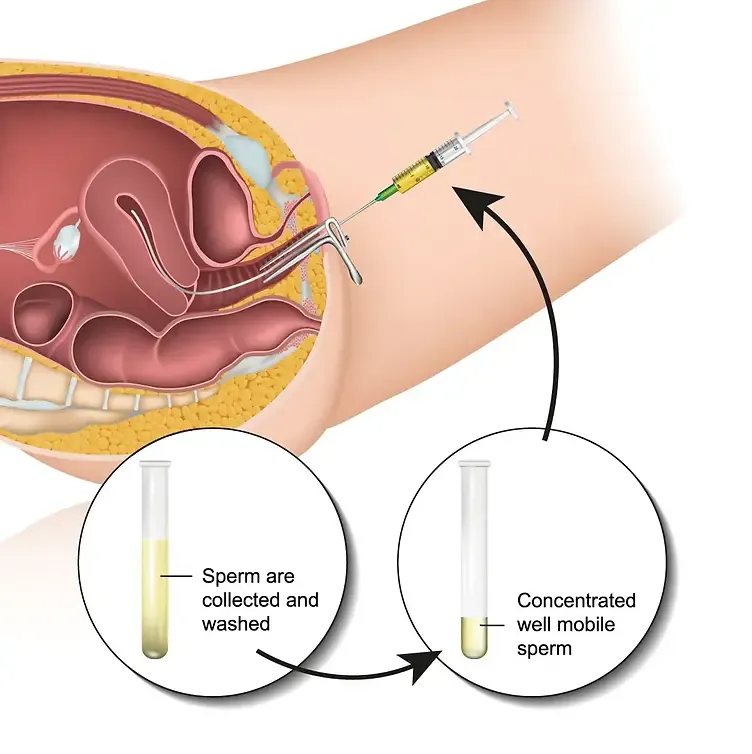
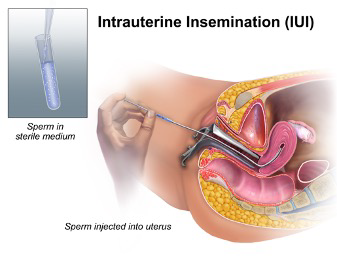
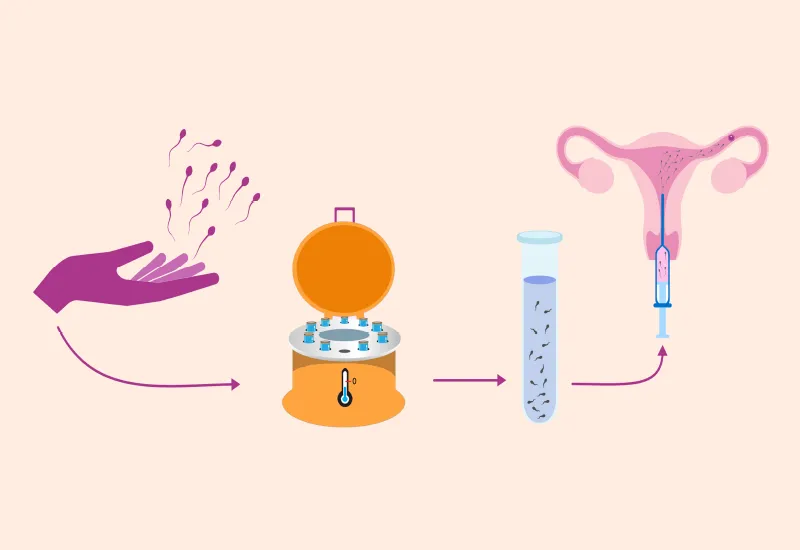
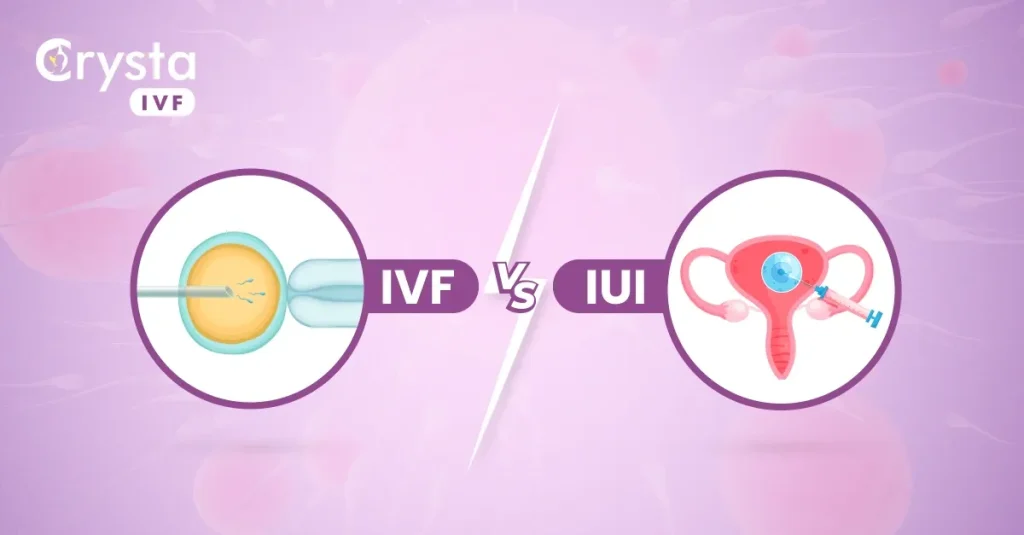
Traditional surrogacy, also known as genetic or partial surrogacy, involves using the surrogate’s own egg to conceive the child. In this method, the surrogate is inseminated with the intended father’s sperm, either through artificial insemination or in vitro fertilization (IVF). The child will be biologically related to the surrogate, and the intended father will be the biological father.
What is Gestational Surrogacy?
Gestational surrogacy, also known as full surrogacy, involves using a donor egg and the intended father’s sperm to conceive the child. The fertilized embryo is then transferred to the surrogate’s uterus through IVF. In this method, the surrogate has no genetic connection to the child, and the child will be biologically related to the intended father and the egg donor.
Medical Implications of Traditional Surrogacy
One of the main concerns with traditional surrogacy is the potential for emotional and legal complications. Since the surrogate is genetically related to the child, there is a higher chance for her to develop an emotional attachment to the baby. This can lead to disputes over custody and visitation rights after the birth. In addition, the surrogate may also experience grief and emotional distress after giving up the child.
From a medical perspective, traditional surrogacy also carries a higher risk for the surrogate. Insemination with the intended father’s sperm can increase the chances of sexually transmitted infections (STIs) being transmitted to the surrogate. It also exposes the surrogate to the potential of being a carrier of genetic disorders or diseases that can be passed on to the child.

Traditional Surrogacy vs. Gestational Surrogacy: A Medical Perspective
Medical Implications of Gestational Surrogacy
In gestational surrogacy, the surrogate has no genetic connection to the child, which eliminates the risk of emotional attachment and legal complications. However, there are still medical implications to consider. The process of IVF can be physically and emotionally demanding for the surrogate, and there is a risk of multiple pregnancies if more than one embryo is transferred. This can increase the chances of complications during pregnancy and delivery.
Gestational surrogacy also involves the use of donor eggs, which adds another layer of medical considerations. The egg donor must undergo extensive medical and genetic testing to ensure the safety and health of the child. There is also the possibility of the child having a genetic connection to the donor, which may raise ethical concerns for some intended parents.
Benefits of Gestational Surrogacy
Despite the potential medical implications, gestational surrogacy offers many benefits. It allows both intended parents to have a biological connection to the child, which can be important for some individuals and couples. It also eliminates the risk of emotional attachment and legal complications that are commonly associated with traditional surrogacy.
Furthermore, gestational surrogacy has a higher success rate compared to traditional surrogacy. The use of IVF and donor eggs can increase the chances of a successful pregnancy, especially for individuals or couples who have struggled with fertility issues. This method also allows for the selection of a healthy and suitable donor, which can improve the overall health of the child.
Conclusion
In conclusion, traditional surrogacy and gestational surrogacy have their own unique medical implications and considerations. Traditional surrogacy may have a higher risk for the surrogate and potential legal and emotional complications, while gestational surrogacy involves the use of donor eggs and a higher chance of success. It is important for individuals or couples considering surrogacy to thoroughly research and understand the medical aspects of both methods before making a decision.
Summary: Surrogacy is a popular option for individuals and couples unable to conceive on their own. There are two types of surrogacy: traditional and gestational. Traditional surrogacy uses the surrogate’s own egg, while gestational surrogacy involves using a donor egg. Traditional surrogacy has a higher risk for emotional and legal complications, as well as medical implications for the surrogate. On the other hand, gestational surrogacy offers benefits such as a higher success rate and no genetic connection to the surrogate. It is important to consider all medical aspects before deciding on a surrogacy method.