The Future of Surrogacy: Traditional vs. Gestational
Surrogacy has been a controversial topic for decades, with a lot of debate surrounding the ethical, moral, and legal implications of the practice. However, with advancements in medical technology and changing societal attitudes, surrogacy has become a more accepted and common option for couples and individuals who are unable to conceive or carry a pregnancy to term. As the demand for surrogacy increases, the future of this practice is constantly evolving and raising new questions about the types of surrogacy available: traditional vs. gestational. In this blog post, we will explore the differences between these two types of surrogacy and how they may shape the future of the industry.
Traditional Surrogacy: A Brief Overview
Traditional surrogacy, also known as genetic or partial surrogacy, has been around for centuries. This type of surrogacy involves using the surrogate’s own eggs to create an embryo, which is then implanted into her uterus to carry to term. This means that the surrogate is genetically related to the child she is carrying, which can create a unique and complex dynamic for all parties involved. In traditional surrogacy, the surrogate is inseminated with sperm from the intended father or a sperm donor, and the resulting child is then legally considered to be the biological child of the surrogate.
Gestational Surrogacy: A Modern Alternative
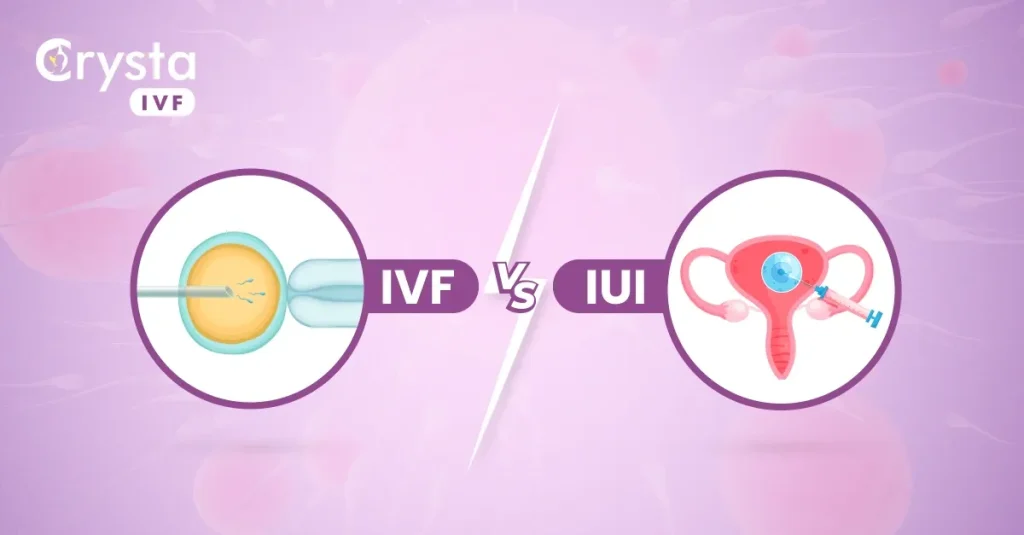
Gestational surrogacy, on the other hand, is a more recent development in the world of surrogacy. This type of surrogacy involves using in vitro fertilization (IVF) to create an embryo with the intended parents’ genetic material, or with the help of a sperm or egg donor. The embryo is then implanted into the surrogate’s uterus, who carries the pregnancy to term but is not genetically related to the child. Gestational surrogacy has become the preferred option for many couples and individuals due to its ability to eliminate genetic ties between the surrogate and the child, making the legal and emotional aspects of the process simpler and more straightforward.
Legal and Ethical Considerations
One of the biggest challenges surrounding surrogacy is the legal and ethical implications of the practice. In traditional surrogacy, the surrogate has a biological connection to the child, which can lead to complicated legal battles over custody and parental rights. This has been a major deterrent for many intended parents, as they fear losing custody of their child to the surrogate.
On the other hand, gestational surrogacy has addressed many of these concerns by removing the genetic ties between the surrogate and the child. This has greatly simplified the legal process and has made it easier for intended parents to establish their legal rights as the child’s parents from the beginning of the surrogacy journey. However, this does not mean that gestational surrogacy is completely free of legal and ethical considerations.
One of the main ethical concerns with gestational surrogacy is the potential exploitation of the surrogate. Critics argue that the financial compensation offered to surrogates may coerce them into carrying a pregnancy against their will or putting their health at risk. This has led to calls for stricter regulations and oversight in the surrogacy industry to protect the rights and well-being of surrogates.
The Future of Surrogacy: Traditional vs. Gestational
The Role of Technology
The future of surrogacy is heavily reliant on advancements in medical technology. As technology continues to evolve, it is likely that the process of surrogacy will become more streamlined and accessible. This could mean more affordable options for intended parents and improved success rates for surrogacy pregnancies.
One of the most significant technological advancements in the world of surrogacy has been the development of preimplantation genetic testing (PGT). This technology allows for the screening of embryos for genetic disorders before they are implanted, reducing the risk of passing on genetic conditions to the child. This has been a game-changer for gestational surrogacy, as it allows intended parents to have more control over the genetic makeup of their child.
Another technology that has the potential to shape the future of surrogacy is the use of artificial wombs. This technology is still in its early stages, but it could revolutionize the surrogacy process by removing the need for a surrogate to carry the pregnancy. This would also eliminate the potential risks and ethical concerns associated with traditional and gestational surrogacy, as the pregnancy would take place entirely outside of a woman’s body.
The Changing Attitudes towards Surrogacy
Another factor that will influence the future of surrogacy is the changing societal attitudes towards the practice. In the past, surrogacy was often seen as a taboo or controversial topic, but as more people become aware of the struggles faced by individuals and couples trying to conceive, there has been a shift towards a more accepting and understanding attitude.
This change in attitude has been reflected in the laws and regulations surrounding surrogacy. Many countries and states have started to legalize and regulate surrogacy, making it more accessible and transparent for intended parents. As more people become aware of the options available through surrogacy, it is likely that the demand for this practice will continue to grow.
The Future of Surrogacy: A Combination of Traditional and Gestational
While gestational surrogacy is currently the preferred option for many intended parents, the future of surrogacy may see a combination of both traditional and gestational surrogacy. With the advancement of technology, it is possible to create an embryo with the genetic material of both intended parents and a surrogate, eliminating the genetic ties between the surrogate and the child. This could provide a solution for couples who are unable to have a child through traditional means but still want to have a genetic connection to their child.
However, this raises new ethical and legal questions that will need to be addressed. As the demand for surrogacy continues to grow, it is essential to ensure that the rights and well-being of all parties involved are protected.
In conclusion, the future of surrogacy is constantly evolving, and the advancements in technology, changing societal attitudes, and legal and ethical considerations will continue to shape the industry. With a combination of traditional and gestational surrogacy and the use of technology, it is possible that surrogacy will become a more accessible and accepted option for individuals and couples looking to start a family.