Tag: frozen sperm

  • The Ethics of Using Frozen Donor Sperm vs Fresh Donor Sperm

    The Ethics of Using Frozen Donor Sperm vs Fresh Donor Sperm: A Comprehensive Comparison

    In recent years, the use of assisted reproductive technology (ART) has become increasingly popular as more and more people struggle with infertility. One of the options available to those seeking to conceive through ART is the use of donor sperm. However, within this option, there is the decision of whether to use frozen donor sperm or fresh donor sperm. While both options have their pros and cons, the ethical implications of using one over the other must be carefully considered. In this blog post, we will explore the ethics of using frozen donor sperm versus fresh donor sperm and help you understand the factors to consider when making this important decision.

    The Process of Using Donor Sperm

    Before delving into the ethics of using frozen and fresh donor sperm, it is important to understand the process of using donor sperm. Donor sperm is typically used in cases where the intended parent(s) are unable to conceive using their own sperm, either due to infertility or other medical reasons. Donor sperm can be obtained from a sperm bank or through a known donor, who is usually a friend or family member. Once the sperm is obtained, it is then used through various ART procedures such as intrauterine insemination (IUI) or in vitro fertilization (IVF).

    The Ethics of Using Frozen Donor Sperm

    Frozen donor sperm is sperm that has been cryopreserved (frozen) and stored in a sperm bank for future use. There are several ethical considerations when it comes to using frozen donor sperm. One of the main concerns is the potential lack of informed consent from the donor. In many cases, donors are anonymous and may not have been fully informed about the potential consequences of their donation, such as the number of offspring that may result from their sperm being used. This raises ethical concerns about the rights of the child to know their biological origins and the potential psychological impact of not having access to this information.

    Another ethical concern with using frozen donor sperm is the possibility of genetic defects or diseases being passed down to offspring. While sperm banks do conduct screenings and tests on donors, there is still a small risk of genetic issues being present in the sperm. This raises questions about the responsibility of sperm banks to thoroughly screen and inform potential recipients of any potential risks.

    Additionally, there is the issue of commodification of human sperm. Donor sperm is often seen as a product to be bought and sold, raising concerns about the exploitation of donors and the potential for the creation of a market for human genetic material.
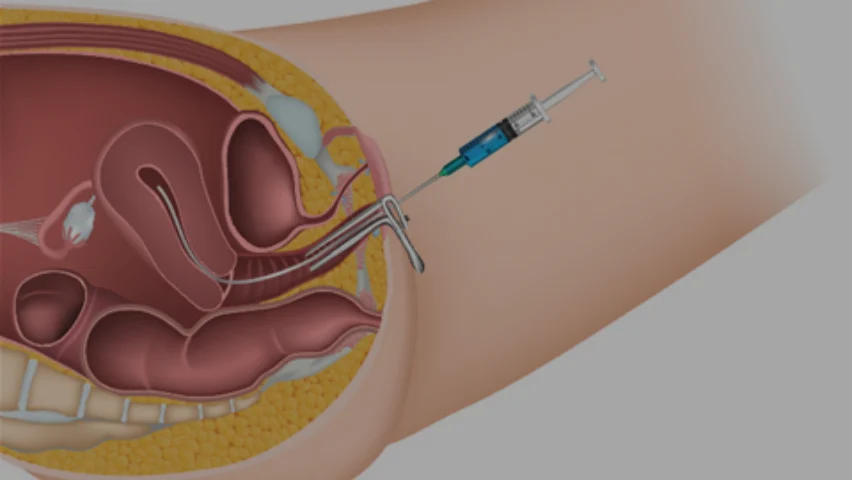
    Illustration of intrauterine insemination (IUI) procedure with syringe and catheter in the uterus.

    The Ethics of Using Frozen Donor Sperm vs Fresh Donor Sperm

    The Ethics of Using Fresh Donor Sperm

    Fresh donor sperm, on the other hand, is sperm that is donated and used immediately without being frozen and stored. One of the main advantages of using fresh donor sperm is the ability to have a known donor, such as a friend or family member. This can provide a sense of genetic connection and may be more appealing to some individuals or couples. However, this can also raise ethical concerns, such as the potential for coercion or pressure on the donor to donate.

    Another ethical consideration when using fresh donor sperm is the potential lack of legal protections for both the donor and the recipient. In cases where the donor is known, there may not be a legally binding agreement in place, leaving both parties vulnerable to potential legal disputes in the future.

    The Importance of Informed Consent

    Regardless of whether frozen or fresh donor sperm is used, informed consent is crucial in ensuring the ethical use of donor sperm. Both donors and recipients must be fully informed about the potential risks and consequences of using donor sperm, including the possibility of genetic diseases, legal implications, and the right of the child to know their biological origins. It is the responsibility of sperm banks and healthcare professionals to provide this information and obtain informed consent from all parties involved.

    Final Thoughts

    In conclusion, the use of donor sperm, whether frozen or fresh, has ethical implications that must be carefully considered. While both options have their advantages and disadvantages, it is important to prioritize the well-being and rights of all parties involved, including the donor, recipient, and potential child. Informed consent, thorough screening and testing, and responsible use of donor sperm are crucial in ensuring the ethical use of this technology.

    Summary:

    The use of donor sperm is a popular option for those struggling with infertility, but the decision of whether to use frozen or fresh donor sperm has ethical implications that must be carefully considered. Using frozen donor sperm raises concerns about informed consent, genetic risks, and commodification. On the other hand, using fresh donor sperm can involve known donors and provide a sense of genetic connection, but also raises concerns about coercion and legal protections. Informed consent and responsible use of donor sperm are crucial in ensuring the ethical use of this technology.

  • Frozen Donor Sperm: A Convenient Choice for Fertility Treatment

    Blog Post Title: Frozen Donor Sperm: A Convenient Choice for Fertility Treatment

    Summary:

    In recent years, the use of frozen donor sperm has become a popular choice for couples and individuals seeking fertility treatment. This method offers convenience, affordability, and a wide range of options for those struggling with infertility. In this blog post, we will explore the benefits of using frozen donor sperm for fertility treatment and address some common concerns.

    Firstly, frozen donor sperm offers a convenient solution for those who are unable to conceive naturally. With a simple process of thawing and insemination, frozen donor sperm can be used in a variety of fertility treatments such as intrauterine insemination (IUI) and in vitro fertilization (IVF). This eliminates the need for donors to be physically present during the treatment process, making it a more accessible option for couples and individuals.

    Another advantage of frozen donor sperm is its affordability. Compared to other fertility treatments that involve donor sperm, such as fresh sperm insemination, using frozen donor sperm can significantly reduce costs. This is because frozen donor sperm can be stored for long periods, allowing individuals to purchase a larger quantity at a lower cost.

    illustration of a uterus with a syringe, representing intrauterine insemination procedure

    Frozen Donor Sperm: A Convenient Choice for Fertility Treatment

    Furthermore, using frozen donor sperm provides a wider range of options for individuals and couples struggling with male factor infertility. Frozen donor sperm banks offer a diverse selection of donors, including their physical characteristics, education, and medical history. This allows individuals to select a donor that best fits their preferences and requirements, giving them a sense of control over the process.

    One of the biggest concerns surrounding the use of frozen donor sperm is the success rates. However, studies have shown that there is no significant difference in pregnancy rates between frozen and fresh donor sperm. In fact, frozen donor sperm may have a higher success rate in some cases due to the rigorous screening and testing procedures that donors undergo.

    Another concern is the potential health risks associated with using frozen donor sperm. However, frozen donor sperm goes through a strict screening process, including testing for genetic and infectious diseases, to ensure the safety of the recipients and the resulting child. In addition, the storage process of frozen sperm involves freezing the sperm at a very low temperature, which eliminates the risk of bacterial or viral contamination.

    Aside from being a convenient and affordable option, using frozen donor sperm also offers a certain level of anonymity. Unlike fresh donor sperm, where the donor may be known to the recipients, frozen donor sperm allows for a more private and confidential experience. This can be beneficial for those who prefer not to have a personal connection with the donor.

    In conclusion, frozen donor sperm has become a preferred choice for fertility treatment due to its many benefits. It offers convenience, affordability, a wide range of options, and a sense of control for individuals and couples struggling with infertility. With strict screening procedures and high success rates, frozen donor sperm provides a safe and effective solution for those seeking to start a family.

  • At-Home Insemination with Frozen Sperm: Tips and Considerations

    At-Home Insemination with Frozen Sperm: Tips and Considerations

    At-home insemination with frozen sperm has become a popular option for individuals and couples looking to start a family. Whether it’s due to fertility issues, same-sex couples, or single individuals wanting to become parents, at-home insemination can provide a more affordable and convenient alternative to other fertility treatments. However, it’s important to understand the process and considerations before embarking on this journey. In this blog post, we will discuss the tips and considerations for at-home insemination with frozen sperm, including the steps involved, potential risks, and how to increase the chances of success.

    Before we dive into the details, it’s essential to understand the basics of at-home insemination with frozen sperm. This process involves using a donor’s frozen sperm sample to fertilize the egg, either through artificial insemination or intrauterine insemination (IUI). The frozen sperm is typically obtained from a sperm bank and can be shipped directly to your home. The process can be done in the comfort of your own home, eliminating the need for frequent visits to a fertility clinic.

    Now, let’s look at some tips and considerations to keep in mind when considering at-home insemination with frozen sperm:

    1. Choose a Reliable Sperm Bank

    The first and most crucial step in at-home insemination is choosing a reliable sperm bank. It’s essential to do thorough research and choose a reputable bank that follows strict screening processes and adheres to FDA regulations. This will ensure that the sperm sample is of high quality and free from any potential health risks.

    2. Know Your Fertility Window

    Timing is crucial when it comes to insemination. It’s essential to track your ovulation cycle and know your most fertile days. This will increase the chances of successful fertilization. There are various methods for tracking ovulation, including ovulation predictor kits, basal body temperature monitoring, and tracking changes in cervical mucus.

    3. Prepare the Sperm Sample Properly

    Once the sperm sample arrives, it’s crucial to follow the instructions provided by the sperm bank for thawing and preparing the sample. Typically, the sample should be thawed in warm water and then allowed to rest for a few minutes before use. It’s essential to handle the sample with care and avoid exposing it to extreme temperatures or excessive movements.

    4. Consider Using a Speculum

    Using a speculum during the insemination process can make it easier to deposit the sperm sample near the cervix. This can increase the chances of successful fertilization and reduce the risk of leakage. A speculum can be purchased from a pharmacy or obtained from a healthcare provider.

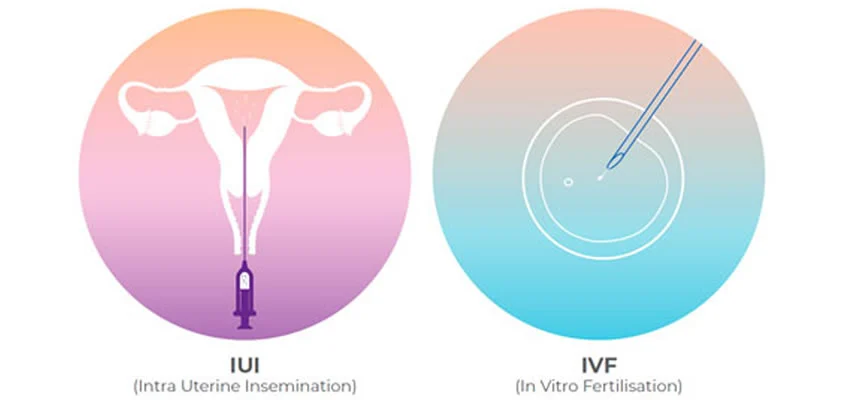
    comparison of IUI and IVF procedures illustrated with simple graphics and labels

    At-Home Insemination with Frozen Sperm: Tips and Considerations

    5. Have Patience and Stay Positive

    At-home insemination with frozen sperm may not result in a pregnancy on the first try, and that’s okay. It’s essential to have patience and not get discouraged. It may take a few attempts before achieving success, and it’s crucial to stay positive and keep trying.

    Now, let’s look at some considerations to keep in mind before embarking on at-home insemination with frozen sperm:

    1. Understand the Legal Implications

    It’s essential to understand the legal implications of at-home insemination with a donor’s sperm. In some states, the donor may have legal rights and obligations towards the child. It’s important to consult with a lawyer and have a legal agreement in place before proceeding with the insemination process.

    2. Be Prepared for Emotional Challenges

    Insemination, whether done at home or in a clinic, can be an emotional journey. It’s essential to have a support system in place and be prepared for any potential challenges, such as unsuccessful attempts or feelings of isolation.

    3. Consider the Risks

    At-home insemination with frozen sperm does carry some risks, including the potential for infections or allergic reactions. It’s crucial to consult with a healthcare provider and follow all safety measures to minimize these risks.

    4. Be Financially Prepared

    While at-home insemination may be a more affordable option compared to other fertility treatments, it’s still essential to be financially prepared. This includes the cost of purchasing the sperm sample, any necessary equipment or supplies, and potential medical expenses.

    In summary, at-home insemination with frozen sperm can be a viable option for individuals and couples looking to start a family. It’s essential to choose a reliable sperm bank, track ovulation, properly prepare the sperm sample, and have patience throughout the process. However, it’s also crucial to consider the legal implications, emotional challenges, and potential risks before embarking on this journey. With proper planning and preparation, at-home insemination with frozen sperm can be a successful and rewarding experience.