Tag: fertility testing

  • The Mental Toll of Fertility Testing: How Men and Women Cope Differently

    Summary:

    Fertility testing can be a physically and emotionally draining experience for both men and women. However, it is often overlooked how men and women cope differently with the mental toll of fertility testing. While women may experience more visible emotions, men may struggle with feelings of inadequacy and lack of control. In this blog post, we will explore the different ways in which men and women cope with fertility testing and offer tips on how to support your partner during this challenging time.

    Women and Fertility Testing:

    For women, fertility testing can be a rollercoaster of emotions. It often starts with feelings of frustration and disappointment when trying to conceive naturally. The process of fertility testing, which can include blood tests, ultrasounds, and invasive procedures, can be physically uncomfortable and emotionally draining. Women may also feel a sense of guilt or shame if they are unable to conceive, as society often places pressure on women to be mothers.

    During the testing process, women may experience heightened emotions, including sadness, anger, and anxiety. These emotions can be compounded by the hormonal changes that occur during fertility treatments. The constant waiting for test results and uncertainty about the future can also take a toll on a woman’s mental health.

    How Women Cope:

    Women often cope with the mental toll of fertility testing by seeking support from friends and family, joining online support groups, or seeking therapy. Talking about their feelings and sharing their struggles can help women feel less alone and more understood. Some women also find comfort in engaging in self-care activities, such as exercise, meditation, or journaling, to help manage their emotions.

    Additionally, women may cope by taking control of their fertility journey. This can include researching and educating themselves about their options, advocating for their needs with their doctor, and making lifestyle changes to improve their chances of conception. By taking an active role in their fertility journey, women may feel a sense of empowerment and regain a sense of control over their bodies.

    How to Support Your Partner:

    If your partner is going through fertility testing, it is essential to be supportive and understanding. Here are some tips on how to support your partner during this challenging time:

    1. Communicate openly and honestly: Be open to listening to your partner’s feelings and concerns, and communicate your own. This will help you both feel heard and understood.

    2. Educate yourself: Take the time to research and understand the fertility testing process, so you can better support your partner and provide reassurance.

    3. Be patient and understanding: Fertility testing can be a long and difficult process, and your partner may experience a range of emotions. Be patient and understanding, and offer your love and support throughout.

    4. Encourage self-care: Encourage your partner to engage in activities that help them relax and cope with their emotions, such as exercise, meditation, or therapy.

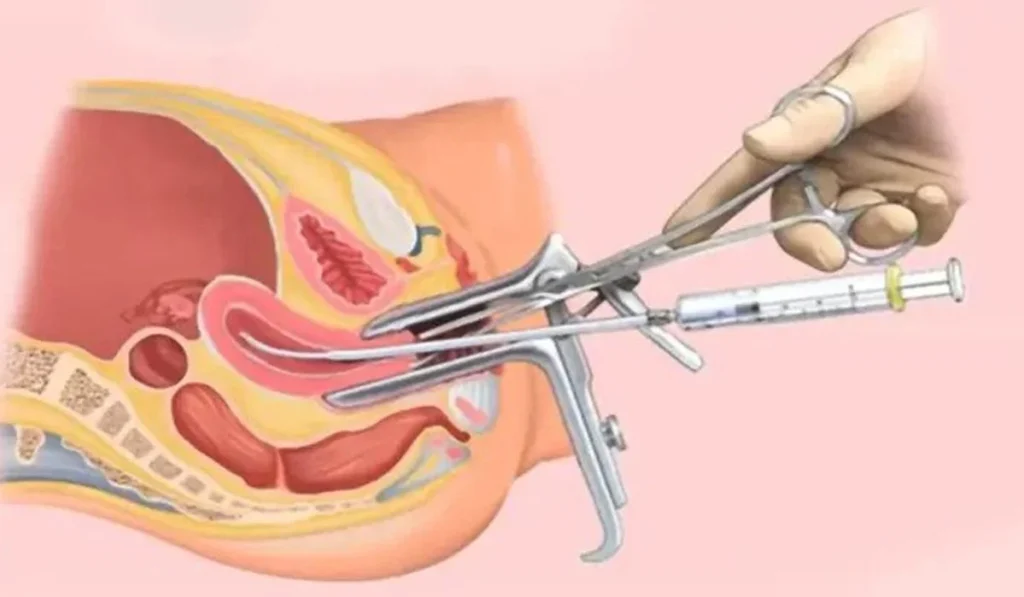
    Illustration of intrauterine insemination (IUI) procedure with syringe and catheter in the uterus.

    The Mental Toll of Fertility Testing: How Men and Women Cope Differently

    5. Be a team: Remember that you and your partner are in this together. Be a source of strength and support for each other, and make decisions about your fertility journey together.

    Men and Fertility Testing:

    While women may exhibit more visible emotions, men also experience a mental toll during fertility testing. For men, the process of fertility testing can bring up feelings of inadequacy and a loss of control. Unlike women, men do not have a physical reminder of their fertility struggles, which can make it challenging to process and cope with their emotions.

    Men may also struggle with feeling like they are not doing enough to help their partner conceive. This can lead to a sense of guilt and disappointment, especially if their partner is going through invasive procedures or taking medication, while they feel like they are just sitting on the sidelines.

    How Men Cope:

    Men may cope with the mental toll of fertility testing by retreating into themselves. They may not feel comfortable sharing their feelings with others and may prefer to deal with their emotions privately. This can make it challenging for their partners to know how to support them.

    Men may also cope by focusing on the practical aspects of fertility testing, such as researching treatment options and managing finances. This may help them feel like they are taking an active role in the process and provide a sense of control.

    How to Support Your Partner:

    If your partner is struggling with the mental toll of fertility testing, here are some ways you can support them:

    1. Create a safe space for communication: Let your partner know that you are always available to listen and talk about their feelings. Be patient and understanding, and avoid judgment or criticism.

    2. Encourage self-care: Encourage your partner to engage in activities that help them relax and cope with their emotions. This could be going for a walk, playing a sport, or engaging in a hobby.

    3. Share the burden: Let your partner know that they are not alone in this journey. Share the responsibility of researching and making decisions about treatment options.

    4. Validate their feelings: It is essential to validate your partner’s emotions and let them know that it is okay to feel overwhelmed, sad, or frustrated. This can help them feel heard and understood.

    5. Seek outside support: If your partner is struggling, encourage them to seek therapy or join a support group for men dealing with fertility issues. This can provide a safe and supportive space for them to share their feelings.

    In conclusion, fertility testing can take a significant toll on both men and women, but they may cope and express their emotions differently. It is crucial for partners to support and understand each other’s coping mechanisms and provide a safe and understanding space for communication. With love, patience, and understanding, couples can navigate the mental toll of fertility testing together and come out stronger on the other side.

  • Male Fertility Tests vs Female Fertility Tests: Which One is More Reliable?

    In today’s world, many couples are facing difficulties in conceiving and starting a family. This has led to an increase in the demand for fertility tests to determine any underlying issues that may be preventing pregnancy. However, when it comes to fertility tests, there is often a debate on which one is more reliable – male fertility tests or female fertility tests. In this blog post, we will explore the differences between these two types of tests and determine which one is more accurate and dependable.

    Firstly, let’s understand what male and female fertility tests are. Male fertility tests are used to evaluate the sperm quality and quantity of a man, while female fertility tests are used to assess a woman’s reproductive health, including her menstrual cycle, ovulation, and egg quality. Both types of tests are crucial in determining the fertility potential of a couple and can help identify any potential issues that may be hindering their chances of conception.

    When it comes to reliability, it is essential to note that both male and female fertility tests have their limitations. However, several factors make male fertility tests slightly more reliable than female fertility tests. One of the main reasons for this is the simplicity and non-invasive nature of male fertility tests. These tests typically involve a simple semen analysis, where the man provides a sample of his semen, which is then examined under a microscope for sperm count, motility, and morphology. This process is relatively quick and painless, making it easier for men to undergo the test.

    On the other hand, female fertility tests can be more invasive and time-consuming. These tests may include blood work, ultrasounds, and other procedures that can be uncomfortable for women. Additionally, the results of female fertility tests can vary depending on the time of the menstrual cycle, making it challenging to pinpoint the exact cause of infertility. This can lead to multiple tests being required at different times, which can be emotionally and physically draining for women.

    Another factor that makes male fertility tests more reliable is the stability of sperm. Sperm is produced continuously throughout a man’s life, and it takes approximately three months for new sperm to form fully. This means that the results of a male fertility test are relatively stable and can accurately reflect a man’s fertility potential. On the other hand, female fertility tests, such as ovarian reserve testing, can fluctuate depending on the woman’s age and other factors, making it more challenging to determine her true fertility potential.

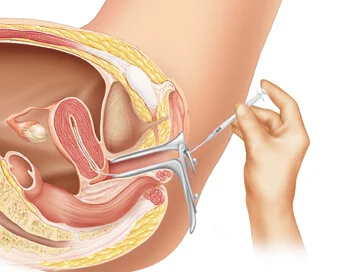
    illustration of intrauterine insemination procedure with a hand holding a speculum and syringe near the uterus

    Male Fertility Tests vs Female Fertility Tests: Which One is More Reliable?

    Moreover, male fertility tests are more cost-effective compared to female fertility tests. As mentioned earlier, male fertility tests generally involve a simple semen analysis, which is relatively inexpensive compared to the various tests and procedures required for female fertility testing. This makes male fertility tests a more accessible option for couples who are struggling with infertility and may not have the financial means to undergo extensive testing.

    However, this does not mean that male fertility tests are always more reliable than female fertility tests. There are certain instances where female fertility tests may be more accurate and provide more information. For example, if a woman has a history of irregular periods or has been diagnosed with conditions such as polycystic ovary syndrome (PCOS), female fertility tests may be more beneficial in determining the cause of infertility.

    Additionally, there are certain fertility issues that can only be diagnosed through female fertility tests, such as blocked fallopian tubes or endometriosis. These conditions can significantly impact a woman’s fertility and can only be detected through procedures such as a hysterosalpingogram (HSG) or laparoscopy.

    In conclusion, both male and female fertility tests have their strengths and limitations, making it difficult to determine which one is more reliable. However, in most cases, male fertility tests tend to be more accurate and accessible, making them a better option for couples struggling with infertility. It is essential for both partners to undergo fertility testing to get a complete picture of their reproductive health and determine the best course of action for conception.

    In summary, while both male and female fertility tests are essential in determining fertility potential, male fertility tests tend to be more reliable due to their simplicity, stability, and cost-effectiveness. However, in certain cases, female fertility tests may provide more accurate information, especially for women with underlying reproductive health issues. It is crucial for couples facing infertility to consult with a healthcare provider and undergo both male and female fertility tests to get a comprehensive understanding of their fertility potential.

  • Fertility Testing on a Budget: Tips for Men and Women

    Blog Post:

    Fertility is an important aspect of our health and well-being, and for many people, starting a family is a major goal in life. However, for some couples, conceiving a child can be a challenging and expensive journey. Fertility testing is a crucial step in understanding and addressing any potential fertility issues, but it can also be a costly process. In this blog post, we will discuss some tips for men and women on how to get fertility testing on a budget.

    First, it is important to understand the different types of fertility testing available. For women, fertility testing usually involves a combination of blood tests, ultrasounds, and hormonal evaluations. For men, testing typically includes a semen analysis to check the quality and quantity of sperm. These tests can help identify any underlying medical conditions that may be affecting fertility.

    Now, let’s dive into some tips for getting fertility testing on a budget.

    1. Research low-cost fertility clinics or programs

    One way to save money on fertility testing is to research low-cost clinics or programs. Many clinics offer discounted services or payment plans for individuals or couples who are struggling with fertility. Some clinics also participate in fertility assistance programs, which offer discounted rates for services like in vitro fertilization (IVF) or intrauterine insemination (IUI). Additionally, some universities and medical schools may offer discounted services for fertility testing as part of their training programs.

    2. Consider at-home fertility testing kits

    Another cost-effective option for fertility testing is at-home testing kits. These kits allow you to collect samples in the comfort of your own home and send them to a lab for analysis. They are often cheaper than traditional tests done in a doctor’s office and can provide useful information about hormone levels and sperm count. However, it is important to note that not all at-home testing kits are FDA-approved, so make sure to do your research and choose a reputable brand.

    3. Talk to your insurance provider

    Comparison of IUI and IVF with illustrations of each procedure.

    Fertility Testing on a Budget: Tips for Men and Women

    If you have health insurance, it is worth checking if fertility testing is covered under your plan. While many insurance plans do not cover fertility treatments, some may cover diagnostic testing. It is important to review your plan and speak to your insurance provider to understand what is covered and what is not.

    4. Utilize free fertility testing events

    Some clinics and organizations offer free fertility testing events, especially during National Infertility Awareness Week (NIAW) in April. These events often include free consultations, screenings, and information about fertility treatments. Keep an eye out for these events in your local area and take advantage of the opportunity to get tested for free.

    5. Look into government-funded programs

    In some countries, including the United States, there are government-funded programs that provide financial assistance for fertility treatments. For example, the National Infertility Support and Information Group (NISIG) in Ireland offers a grant program for individuals and couples struggling with infertility. Research government-funded programs in your country to see if you qualify for financial assistance for fertility testing.

    6. Discuss payment plans with your doctor

    If you are unable to find a low-cost clinic or program, it is worth discussing payment plans with your doctor. Many fertility clinics understand the financial strain that fertility treatments can have and may offer payment plans to help ease the burden. It is important to have an open and honest conversation with your doctor about your financial situation and see if there are any options available to make the testing more affordable.

    7. Consider fertility apps and online resources

    In recent years, there has been an increase in the number of fertility apps and online resources available to individuals and couples trying to conceive. These apps and resources offer information, tracking tools, and even virtual consultations with fertility specialists. While they may not be a replacement for traditional fertility testing, they can provide helpful insights and may be a more affordable option for some.

    In summary, fertility testing is an important step in understanding and addressing any potential fertility issues, but it can also be a costly process. However, there are several ways to get fertility testing on a budget, including researching low-cost clinics or programs, considering at-home testing kits, talking to your insurance provider, utilizing free fertility testing events, looking into government-funded programs, discussing payment plans with your doctor, and utilizing fertility apps and online resources.

  • Beyond the Basics: Lesser-Known Facts About Fertility Testing for Men and Women

    Blog Post Title: Beyond the Basics: Lesser-Known Facts About Fertility Testing for Men and Women

    Summary:

    Fertility testing is an essential step for couples who are trying to conceive. While most people are familiar with the basics of fertility testing, there are some lesser-known facts that are worth exploring. In this blog post, we will discuss some important aspects of fertility testing for both men and women, including the different types of tests available, the importance of timing, and the impact of lifestyle factors on fertility. By understanding these lesser-known facts, couples can be better informed about their fertility and make more informed decisions.

    Types of Fertility Testing:

    When it comes to fertility testing, most people are familiar with the basic tests such as blood tests, semen analysis, and ultrasound. However, there are other types of tests that are less commonly known but can provide valuable information about fertility. These include genetic testing, hysterosalpingography, and laparoscopy. Genetic testing can identify any genetic disorders or chromosomal abnormalities that may affect fertility. Hysterosalpingography is a test that uses X-rays to evaluate the structure of the uterus and fallopian tubes, while laparoscopy is a surgical procedure that allows doctors to examine the reproductive organs for any potential issues.

    Timing is Key:

    Timing is crucial when it comes to fertility testing. For women, the most accurate time to test for fertility is during the first half of the menstrual cycle, around day three to five. This is when hormone levels are at their baseline, providing the most accurate results. For men, semen analysis should be done after a period of abstinence of two to five days to get the most accurate results. Additionally, timing is also essential for genetic testing, as some conditions may only be detectable during certain stages of pregnancy or before conception.

    Impact of Lifestyle Factors:

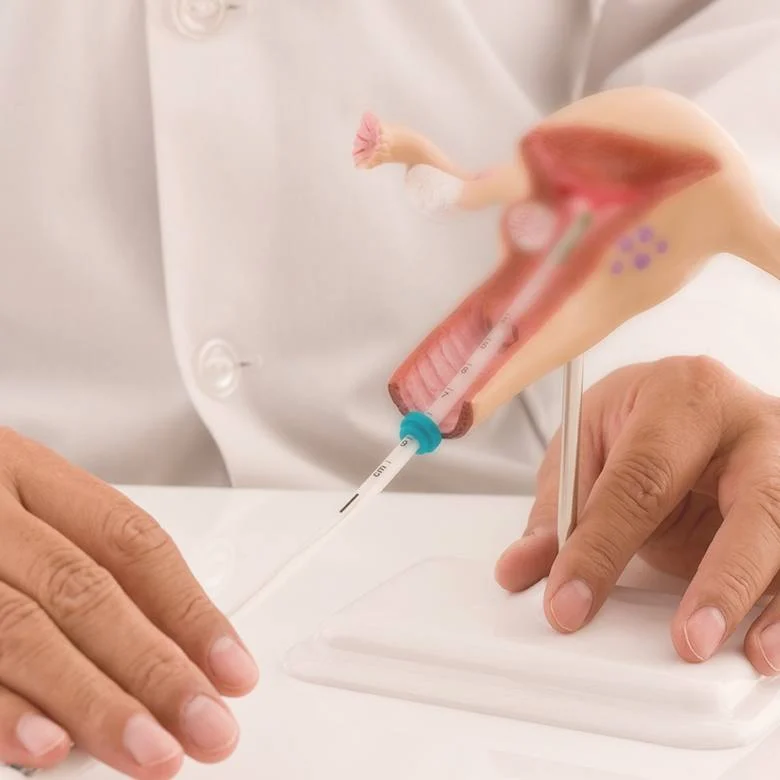
    model of the female reproductive system with a hand demonstrating intrauterine insemination technique

    Beyond the Basics: Lesser-Known Facts About Fertility Testing for Men and Women

    While genetics and underlying health conditions can play a significant role in fertility, lifestyle factors can also have a significant impact. For women, factors such as smoking, excessive alcohol consumption, and being under or overweight can affect fertility. For men, lifestyle factors such as smoking, excessive alcohol consumption, and exposure to environmental toxins can also affect fertility. It is essential for both partners to maintain a healthy lifestyle to improve their chances of conceiving.

    The Role of Age:

    One of the most critical factors in fertility is age, with both men and women experiencing a decline in fertility as they get older. Women are born with a finite number of eggs, and as they age, the quality and quantity of these eggs decrease, making it more challenging to conceive. For men, sperm quality also declines with age, making it more difficult to fertilize an egg. It is crucial for couples to be aware of the impact of age on fertility and plan accordingly.

    The Emotional Aspect of Fertility Testing:

    Fertility testing can be a stressful and emotional experience for couples. It can bring up feelings of disappointment, frustration, and anxiety. It is essential for couples to communicate openly and support each other throughout the process. Seeking professional counseling or joining a support group can also help couples navigate the emotional aspect of fertility testing.

    The Cost of Fertility Testing:

    Fertility testing can be costly, and it is essential for couples to understand the financial implications. While some basic tests may be covered by insurance, others may not be, and the cost can add up quickly. It is crucial for couples to research and understand their insurance coverage, as well as explore other options such as fertility clinics that offer payment plans or discounts.

    In conclusion, fertility testing is a crucial step for couples who are trying to conceive. It is essential to understand the different types of tests available, the importance of timing, and the impact of lifestyle factors on fertility. Age and the emotional aspect of fertility testing should also be considered, as well as the financial implications. By being informed about these lesser-known facts, couples can navigate the process of fertility testing with more knowledge and confidence.

  • Male Fertility Testing: What Every Man Needs to Know

    Blog Post: Male Fertility Testing: What Every Man Needs to Know

    When it comes to fertility, most people tend to think of women as the ones who need to worry about it. However, fertility issues can also affect men, and it is important for them to understand the importance of male fertility testing. In this blog post, we will discuss everything that men need to know about male fertility testing, from the reasons to get tested to the different types of tests available.

    Why Get Tested?

    The first question that may come to mind is why men should even consider getting tested for fertility. The answer is simple: male fertility issues can significantly impact a couple’s ability to conceive. In fact, in about 20% of infertile couples, the cause is solely attributed to the male partner. By getting tested, men can identify any potential issues and take necessary steps to improve their fertility or explore alternative options for starting a family.

    Common Causes of Male Infertility

    Before diving into the different types of tests, it is important to understand the common causes of male infertility. These may include:

    1. Low sperm count: This is the most common cause of male infertility. A low sperm count refers to having fewer than 15 million sperm per milliliter of semen.

    2. Abnormal sperm function: Even if a man has a normal sperm count, their sperm may have difficulty reaching or fertilizing an egg.

    3. Structural problems: Structural issues in the male reproductive organs, such as blockages or damage to the tubes that carry sperm, can also cause infertility.

    4. Hormonal imbalances: Hormonal imbalances, such as low testosterone levels, can affect sperm production and quality.

    illustration of a uterus with a syringe, representing intrauterine insemination procedure

    Male Fertility Testing: What Every Man Needs to Know

    Types of Male Fertility Tests

    Now that we have covered the reasons to get tested and the common causes of male infertility, let’s take a look at the different types of male fertility tests available.

    1. Semen Analysis: This is the most common and initial test recommended for men. It involves collecting a semen sample and analyzing it for sperm count, motility, and morphology (shape). It can also detect any infections or hormonal imbalances.

    2. Hormonal Tests: As mentioned earlier, hormonal imbalances can play a significant role in male infertility. Hormonal tests, such as blood tests, can measure levels of testosterone, luteinizing hormone (LH), follicle-stimulating hormone (FSH), and prolactin.

    3. Genetic Tests: In some cases, male infertility may be caused by genetic abnormalities. Genetic tests can identify any chromosomal abnormalities or genetic disorders that may be impacting fertility.

    4. Scrotal Ultrasound: This test is used to detect any structural issues in the male reproductive organs, such as blockages or varicoceles (enlarged veins in the scrotum).

    5. Post-Ejaculation Urine Analysis: This test is used to check for retrograde ejaculation, a condition in which semen travels backwards into the bladder instead of exiting the penis during ejaculation.

    When to Get Tested?

    Experts recommend that men should consider getting tested for fertility if they have been trying to conceive for at least a year without success. However, if there are any known risk factors, such as a history of sexually transmitted infections, previous surgeries or injuries to the reproductive organs, or a family history of infertility, it is best to get tested as soon as possible.

    Summary:

    Male fertility testing is crucial for couples struggling to conceive. While most people tend to think of fertility as a women’s issue, male infertility is a common cause of difficulty in conceiving. The most common causes of male infertility include low sperm count, abnormal sperm function, structural problems, and hormonal imbalances. There are various types of male fertility tests available, including semen analysis, hormonal tests, genetic tests, scrotal ultrasound, and post-ejaculation urine analysis. Men should consider getting tested if they have been trying to conceive for at least a year without success or if there are any known risk factors.

  • The Emotional Side of Fertility Testing: How Men and Women Cope Differently

    In today’s society, fertility testing has become a common practice for couples who are struggling to conceive. While the physical aspects of fertility testing are well-known and discussed, the emotional impact of this process is often overlooked. Both men and women experience a rollercoaster of emotions during fertility testing, but they may cope with these feelings in different ways. In this blog post, we will explore the emotional side of fertility testing and how men and women cope differently.

    The Emotional Toll of Fertility Testing
    Fertility testing can be a long and stressful process, filled with hope, disappointment, and uncertainty. For many couples, it is the first time they are faced with the reality that having a child may not come as easily as they had hoped. This can be a devastating realization, and it often takes a toll on the emotional health of both men and women.

    Women often experience a range of emotions during fertility testing, including anxiety, guilt, and depression. They may feel like they are failing as a woman or partner because they are unable to get pregnant. This can lead to feelings of shame and isolation, especially if friends and family members around them are easily conceiving. Women may also feel angry and resentful towards their bodies, as they feel like they are not functioning as they should be.

    On the other hand, men may experience a different set of emotions during fertility testing. They may also feel anxious and guilty, but they may also struggle with feelings of inadequacy. Men are often taught that their role in a relationship is to provide and protect, and when they are unable to do so in terms of fertility, it can be a blow to their self-esteem. They may also feel powerless and frustrated, as they have little control over the situation.

    Coping Mechanisms
    Both men and women cope with the emotional toll of fertility testing in different ways. Women are more likely to seek emotional support and talk about their feelings with friends and family. They may also turn to online support groups or seek counseling to process their emotions. This is often seen as a healthier coping mechanism, as it allows women to express their feelings and work through them.

    diagram illustrating intrauterine insemination (IUI) procedure with uterus, sperm, and catheter labeled

    The Emotional Side of Fertility Testing: How Men and Women Cope Differently

    On the other hand, men are more likely to internalize their emotions and may not feel comfortable talking about their struggles with others. This can lead to feelings of isolation and can make it more difficult for them to process their emotions. As a result, men may turn to unhealthy coping mechanisms such as excessive drinking, overworking, or avoiding the topic altogether.

    The Role of Communication in Coping
    One of the most important factors in coping with the emotional side of fertility testing is communication between partners. Open and honest communication can help alleviate feelings of isolation and can bring couples closer together. However, many couples struggle with communicating about their emotions, as they may not know how to express themselves or fear burdening their partner with their feelings.

    It is important for couples to create a safe and supportive space for each other to share their emotions. This can include setting aside dedicated time to talk, actively listening without judgment, and being understanding of each other’s coping mechanisms. Seeking couples counseling can also be beneficial in improving communication and coping as a team.

    Dealing with Disappointment and Uncertainty
    One of the hardest parts of fertility testing is dealing with disappointment and uncertainty. Each cycle of testing brings a wave of emotions, and if the results are not what the couple had hoped for, it can be devastating. Women may blame themselves for not being able to conceive, while men may feel helpless and frustrated.

    It is important for couples to give themselves time to grieve and process their emotions. This can involve taking a break from fertility testing and focusing on self-care. It is also important to acknowledge that fertility testing is not a guarantee and that there is always a level of uncertainty. Learning to accept this and focus on the present can help couples cope with the emotional toll of fertility testing.

    In conclusion, fertility testing can take a significant emotional toll on both men and women. They may experience a range of emotions such as anxiety, guilt, and frustration, and may cope with these feelings in different ways. Open communication, seeking support, and taking breaks to focus on self-care can help couples navigate the emotional side of fertility testing together. And while the journey may be difficult, it is important to remember that there is always hope and support available for those struggling with fertility.

  • The Future of Fertility Testing: Advancements for Men and Women

    The Future of Fertility Testing: Advancements for Men and Women

    In today’s society, family planning and fertility have become increasingly important topics, with many couples delaying parenthood for various reasons. As a result, there has been a growing interest in fertility testing to assess the chances of successful conception and to identify any potential issues. While traditional fertility testing methods have primarily focused on women, advancements in technology and medicine have now made it possible to also evaluate male fertility accurately. In this blog post, we will explore the future of fertility testing and the advancements that have been made for both men and women.

    The Importance of Fertility Testing

    Fertility testing is crucial for couples who are trying to conceive. It helps identify any underlying issues that may be causing infertility and allows couples to make informed decisions about their family planning. In the past, women have been the primary focus of fertility testing, with methods such as blood tests, ultrasound, and laparoscopy used to evaluate their reproductive health. However, recent advancements have made it possible to assess male fertility accurately, which is equally important in the conception process.

    Advancements in Fertility Testing for Women

    Traditionally, fertility testing for women has focused on evaluating their ovarian reserve, which is a measure of the quantity and quality of their eggs. However, this method does not provide information about the health of the eggs and their ability to be fertilized. Recent advancements in fertility testing have now made it possible to assess the health of the eggs, which can help identify any potential issues that may affect conception.

    One of the most significant advancements in fertility testing for women is the development of the Anti-Mullerian Hormone (AMH) test. This test measures the levels of AMH in a woman’s blood, which is a hormone produced by the cells in the ovary. High levels of AMH indicate a good ovarian reserve, while low levels may suggest a decline in fertility. This test is more accurate and reliable than traditional methods and can provide valuable information for women who are trying to conceive.

    Another promising advancement in fertility testing for women is the development of non-invasive methods such as the Ovarian Assessment Report (OAR) test. This test uses a woman’s age, AMH levels, and antral follicle count to predict the chances of successful conception. It also provides an overview of the woman’s reproductive health, which can help identify any potential issues that may affect fertility.

    IVF vs IUI comparison with illustrations of reproductive processes and a flower on a pregnant belly.

    The Future of Fertility Testing: Advancements for Men and Women

    Advancements in Fertility Testing for Men

    Until recently, male fertility testing has been limited to a semen analysis, which evaluates the quantity and quality of sperm. However, this method does not provide information about the sperm’s ability to fertilize an egg, which is crucial for conception. Fortunately, advancements in fertility testing have made it possible to evaluate male fertility more accurately.

    One of the most significant advancements in male fertility testing is the development of the Sperm DNA Fragmentation (SDF) test. This test measures the amount of DNA damage in sperm, which can affect their ability to fertilize an egg. High levels of DNA fragmentation can lead to male infertility, and this test can help identify any potential issues that may affect conception.

    Another promising advancement in male fertility testing is the development of the Cap-ScoreTM test. This test evaluates the sperm’s ability to capacitate, which is a necessary step for fertilization. It also provides information about the sperm’s response to the female reproductive tract, which can help identify any potential issues that may affect conception.

    The Future of Fertility Testing

    As technology and medicine continue to advance, the future of fertility testing looks promising. One of the most exciting developments is the use of artificial intelligence (AI) in fertility testing. AI can analyze vast amounts of data and provide accurate predictions about a woman’s or man’s fertility. It can also identify patterns and trends that may affect fertility, allowing for early detection and treatment of potential issues.

    Another exciting development is the use of fertility tracking apps and devices. These apps and devices use algorithms and data to track a woman’s menstrual cycle, ovulation, and other fertility-related information. They can also provide personalized recommendations and predictions about the best time to conceive, making it easier for couples to plan and monitor their fertility.

    Summary

    Fertility testing is crucial for couples who are trying to conceive, and recent advancements have made it possible to evaluate both male and female fertility accurately. For women, advancements in testing methods such as the AMH test and OAR test provide valuable information about ovarian reserve and egg health. For men, advancements such as the SDF test and Cap-ScoreTM test can identify potential issues with sperm quality and function. The future of fertility testing looks promising with the use of AI and fertility tracking apps and devices, which can provide personalized recommendations and predictions for couples trying to conceive.

  • The Cost of Fertility Testing: Is There a Difference Between Male and Female Tests?

    Blog Post:

    Fertility testing has become a common practice for couples who are struggling to conceive. It involves a series of tests to determine the health and functioning of the reproductive system. However, many people are unaware of the cost associated with these tests and if there is a difference between male and female fertility tests.

    The Cost of Fertility Testing:

    Fertility testing can be expensive, with costs ranging from hundreds to thousands of dollars. The price can vary depending on the type of test, location, and healthcare provider. In general, female fertility testing tends to be more expensive than male fertility testing. This is because female fertility tests require more invasive procedures and specialized equipment.

    Female Fertility Tests:

    The most common female fertility tests include blood tests, ultrasound, and hysterosalpingogram (HSG). Blood tests can measure hormone levels and ovarian function, while ultrasound can provide a visual image of the reproductive organs. HSG is a procedure where dye is inserted into the uterus and fallopian tubes to check for any blockages or abnormalities.

    These tests can range in cost from $200 to $1000 per test, depending on the location and healthcare provider. In addition, if further testing or treatments are needed, the costs can add up quickly.

    Male Fertility Tests:

    Male fertility tests, on the other hand, are less invasive and generally less expensive. The most common male fertility test is a semen analysis, which involves examining a sample of semen for sperm count, motility, and morphology. This test can range from $100 to $300, and can sometimes be covered by insurance.

    However, if further testing is needed, such as a hormone level check or a testicular ultrasound, the costs can increase. These tests can range from $200 to $500 or more.

    IVF vs IUI comparison graphic highlighting reproductive methods for aspiring parents.

    The Cost of Fertility Testing: Is There a Difference Between Male and Female Tests?

    Is There a Difference in the Tests?

    While female fertility tests are generally more expensive, they are also more comprehensive. Female fertility testing can provide a more in-depth look at the reproductive system and any potential issues that may be hindering conception. On the other hand, male fertility tests mainly focus on sperm health and may not detect underlying issues with the reproductive system.

    It is also important to note that the cost of fertility testing may vary depending on the location and healthcare provider. In some cases, fertility clinics may offer discounted packages for couples who need multiple tests or treatments. It is always best to consult with a healthcare provider and discuss any potential costs before undergoing fertility testing.

    Other Factors to Consider:

    Aside from the cost of the tests themselves, there are other factors to consider when it comes to fertility testing. These include the emotional and psychological toll it can take on couples, as well as the time and effort involved in the testing process.

    Fertility testing can be a stressful and emotional experience, as couples may uncover underlying issues that can be difficult to process. In addition, the testing process can be time-consuming and may require multiple appointments, which can be challenging for couples who are already dealing with the stress of trying to conceive.

    Conclusion:

    In conclusion, fertility testing can be a costly and emotionally taxing process. While female fertility tests tend to be more expensive, they also provide a more comprehensive look at the reproductive system. Male fertility tests, on the other hand, may be less expensive but may not detect all potential issues with fertility. It is important for couples to carefully consider the costs and potential outcomes of fertility testing before making a decision.

    Summary:

    Fertility testing can be a costly and emotional process for couples struggling to conceive. Female fertility tests are generally more expensive due to their complexity, while male fertility tests tend to be less expensive but may not provide a comprehensive look at the reproductive system. Other factors to consider include the emotional toll and time commitment involved in the testing process. It is important to carefully weigh the costs and potential outcomes before undergoing fertility testing.

  • Breaking Down Barriers: Why Men Shouldn’t Be Afraid of Fertility Testing

    Summary:

    The topic of fertility testing can often be a sensitive and daunting one, especially for men. However, breaking down the barriers and having open discussions about this topic is essential for both men’s and women’s reproductive health. In this blog post, we will explore the reasons why men shouldn’t be afraid of fertility testing, the benefits of early testing, and how to overcome the stigma surrounding this issue.

    Firstly, it’s important to understand that fertility issues are not just a women’s problem. In fact, male infertility is the cause of around 30% of all infertility cases. This means that men play a crucial role in the conception process and should be equally involved in fertility testing. By ignoring this fact and not getting tested, men are not only risking their own reproductive health but also hindering their chances of starting a family.

    One of the main reasons men may be afraid of fertility testing is the fear of being judged or labeled as “less manly” if any issues are found. This stigma surrounding male infertility needs to be broken down. The truth is, infertility is not a reflection of one’s masculinity or worth as a person. It is a medical condition that can affect anyone, regardless of their gender. By getting tested and addressing any potential issues, men can take a proactive step towards improving their reproductive health.

    Another common barrier that men face when it comes to fertility testing is the misconception that it is a complicated and invasive process. However, the reality is that most fertility tests for men are simple and non-invasive. A basic semen analysis, which is the most common test for male infertility, involves providing a sperm sample through masturbation. This sample is then analyzed for sperm count, motility, and morphology. This procedure is painless and can be done at a fertility clinic or even in the comfort of one’s home.

    illustration of a uterus with a syringe, representing intrauterine insemination procedure

    Breaking Down Barriers: Why Men Shouldn't Be Afraid of Fertility Testing

    Moreover, early fertility testing can have significant benefits for men. By identifying any potential issues early on, men can take the necessary steps to improve their fertility and increase their chances of conception. This can include making lifestyle changes such as quitting smoking, reducing alcohol consumption, and maintaining a healthy weight. In some cases, medical treatments or procedures may also be recommended to address specific issues.

    Furthermore, fertility testing can also provide men with peace of mind. Many couples struggle with the uncertainty of not knowing the cause of their infertility. By getting tested, men can have a better understanding of their reproductive health and take control of their future family planning. This can also help alleviate any stress or anxiety that may arise from the unknown.

    In addition to the benefits for individuals, fertility testing can also have a positive impact on relationships. Going through this process together can strengthen the bond between partners, as they work towards a common goal. It can also open up important discussions about family planning and future goals, helping to build a strong foundation for a healthy and happy relationship.

    To overcome the barriers and stigma surrounding male fertility testing, it’s crucial to promote open and honest communication about this topic. Men should be encouraged to talk to their partners, friends, and healthcare providers about their reproductive health. By normalizing these conversations, we can break the taboo surrounding male fertility and create a more supportive and understanding environment for men to seek help and get tested.

    In conclusion, fertility testing is not something men should be afraid of. It is a vital part of reproductive health and can have significant benefits for both individuals and relationships. By breaking down the barriers and stigma surrounding this topic, we can encourage more men to take control of their reproductive health and improve their chances of starting a family.

    SEO metadata:

  • The Science Behind Fertility Testing: Uncovering the Differences for Men and Women

    Summary:

    Fertility is a topic that is often associated with women, but the reality is that both men and women play important roles in the process of conception. With advancements in science and technology, fertility testing has become more accessible and accurate for both men and women. However, there are significant differences in the types of tests and procedures used to determine fertility in each gender. In this blog post, we will dive into the science behind fertility testing and uncover the key differences for men and women.

    The Basics of Fertility:

    Before delving into the specifics of fertility testing, it is important to understand the basics of fertility. In both men and women, fertility is determined by the ability to produce healthy, viable sperm or eggs. For women, fertility also includes the ability to carry a pregnancy to full term. Fertility is affected by a variety of factors, including age, genetics, lifestyle choices, and underlying medical conditions.

    Fertility Testing for Women:

    For women, fertility testing often begins with a physical exam and a review of medical history. This can help identify any underlying conditions that may be affecting fertility, such as hormonal imbalances or structural issues in the reproductive organs. The most common fertility test for women is the ovarian reserve test, which measures the quantity and quality of a woman’s remaining eggs. Other tests may include hormone level testing, ultrasound imaging, and a hysterosalpingogram (HSG) to check for any blockages in the fallopian tubes.

    Fertility Testing for Men:

    For men, fertility testing typically begins with a semen analysis, which measures the quantity and quality of sperm. Other tests may include hormone level testing and ultrasound imaging to check for any structural issues in the reproductive organs. In some cases, genetic testing may also be recommended to identify any underlying genetic conditions that may affect fertility.

    illustration of an intrauterine insemination procedure with medical instruments and anatomical details

    The Science Behind Fertility Testing: Uncovering the Differences for Men and Women

    Key Differences in Fertility Testing:

    One of the key differences between fertility testing for men and women is the focus on egg and sperm quality. In women, the quantity and quality of remaining eggs is a major factor in fertility, while in men, the quantity and quality of sperm is crucial. Additionally, fertility testing for women often involves more invasive procedures, such as ultrasounds and HSGs, while for men, a simple semen analysis is usually sufficient.

    Another major difference is the age factor. For women, fertility declines significantly after the age of 35, while men generally have a longer window of fertility. This means that fertility testing may be recommended earlier for women compared to men.

    The Role of Genetics:

    Genetics play a significant role in fertility for both men and women. In women, genetic mutations or disorders can affect the quality and quantity of eggs, making it more difficult to conceive. In men, genetic conditions can affect sperm production and quality. This is why genetic testing may be recommended for both men and women during fertility testing.

    The Advancements in Fertility Testing:

    Thanks to advancements in science and technology, fertility testing has become more accurate and accessible for both men and women. For example, ovarian reserve testing has become more precise and reliable, allowing doctors to better predict a woman’s chances of conceiving. In men, advancements in semen analysis techniques have improved the accuracy of sperm testing. Additionally, genetic testing has become more advanced, allowing doctors to identify specific genetic conditions that may impact fertility.

    In Conclusion:

    Fertility testing is an important step for couples trying to conceive. Understanding the science behind fertility testing and the key differences between men and women can help couples make informed decisions about their fertility journey. With advancements in technology and the increasing understanding of genetics, fertility testing has become more accurate and accessible, giving hope to couples who are struggling to conceive.