Tag: costs

  • Making Sense of the Costs: Fertility Treatments and Adoption Compared

    Making Sense of the Costs: Fertility Treatments and Adoption Compared

    When it comes to starting a family, there are many different paths that people can take. For some, the journey to parenthood may involve fertility treatments, while for others, adoption may be the chosen route. However, both options come with their own set of financial costs that can be overwhelming and confusing for many. In this blog post, we will explore the costs associated with fertility treatments and adoption, and compare them to help individuals and couples make informed decisions about starting their family.

    The Cost of Fertility Treatments
    Fertility treatments are medical procedures that aim to help individuals or couples conceive a child. These treatments can range from simple interventions such as fertility drugs to more complex procedures like in vitro fertilization (IVF). The costs of these treatments can vary significantly depending on several factors, including the type of treatment, the clinic or doctor chosen, and the location.

    The most commonly used fertility treatment is medication to stimulate ovulation, which can cost anywhere from $50 to $1000 per cycle. This is often the first step that couples take when trying to conceive. However, if this is unsuccessful, they may need to consider more advanced treatments such as intrauterine insemination (IUI) or IVF. The cost of an IUI cycle can range from $500 to $4000, while the average cost of a single IVF cycle is around $12,000. However, these costs do not include additional expenses such as medication, genetic testing, and embryo storage, which can add thousands of dollars to the total bill.

    Furthermore, the success rates of fertility treatments can also impact the overall cost. As these treatments are not always successful on the first try, many couples may need to undergo multiple cycles, leading to increased expenses. According to the Society for Assisted Reproductive Technology, the average success rate for IVF is around 48% for women under 35, but this drops to 20% for women over 40. This means that older women may need to undergo more cycles, leading to higher costs.

    The Cost of Adoption
    Adoption is another option for individuals or couples who are unable to conceive naturally. The costs associated with adoption can vary greatly depending on the type of adoption, whether it is domestic or international, and whether it is through a private agency or a public agency. On average, the cost of a domestic adoption through an agency can range from $20,000 to $40,000, while international adoptions can cost upwards of $50,000.

    However, it is essential to note that these costs are not just for the adoption itself but also cover expenses such as home studies, legal fees, agency fees, and travel expenses. Public agency adoptions, which involve adopting a child from the foster care system, are often less expensive, with fees ranging from $0 to $2,500.

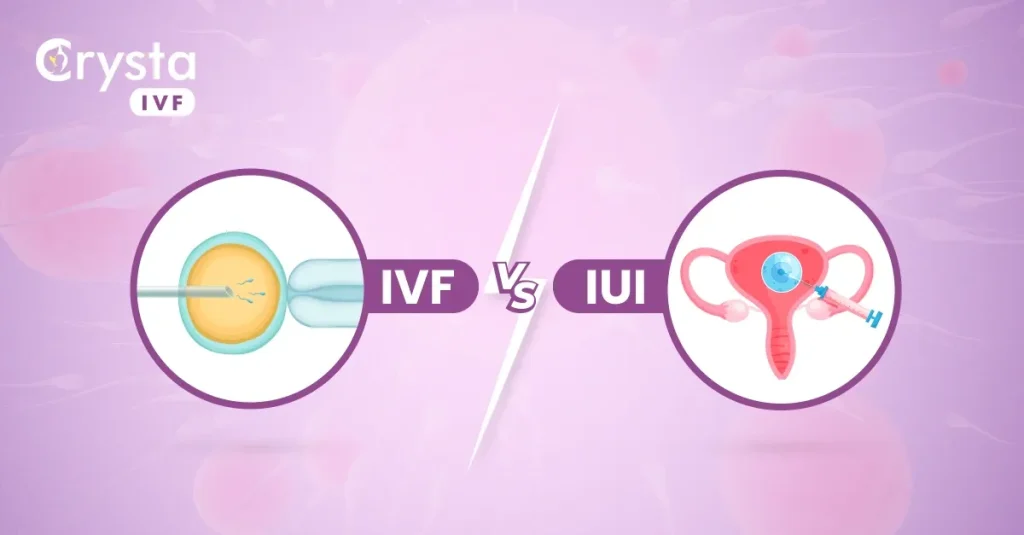
    Comparison of IUI and IVF, illustrating procedures and definitions for each fertility treatment.

    Making Sense of the Costs: Fertility Treatments and Adoption Compared

    Additionally, there are other costs associated with adoption, such as post-placement expenses, which can include counseling, therapy, and medical expenses for the child. These costs can add up quickly and should be factored into the overall cost of adoption.

    Comparing the Costs
    When comparing the costs of fertility treatments and adoption, it is essential to consider the success rates of both options. While fertility treatments may have a higher upfront cost, the success rates are often higher than adoption. This means that individuals or couples may need to undergo multiple cycles of treatment, leading to increased expenses.

    On the other hand, adoption may have a lower upfront cost, but there is no guarantee of success. Many factors, such as the age of the child and the type of adoption, can impact the success of adoption. Furthermore, the process of adoption can be lengthy, and the emotional toll can also add to the overall cost.

    Another factor to consider is insurance coverage. While most insurance plans do not cover fertility treatments, some may offer coverage for diagnostic tests or medications. On the other hand, some insurance plans may cover some of the costs associated with adoption, such as home studies or legal fees. It is essential to check with your insurance provider to understand what expenses may be covered.

    Making the Best Decision
    When it comes to starting a family, there is no one-size-fits-all solution. The decision to pursue fertility treatments or adoption is a personal one that should be made after careful consideration of all factors, including the financial costs. It is essential to research and understand the costs associated with both options and seek advice from medical professionals and adoption agencies to make an informed decision.

    In the end, the most important thing is to choose the path that feels right for you and your family. Whether it is fertility treatments or adoption, the ultimate goal is to have a happy and healthy family, and the costs should not be the deciding factor.

    In summary, the costs associated with fertility treatments and adoption can be significant and vary depending on several factors. While fertility treatments may have a higher upfront cost, the success rates may be higher than adoption. On the other hand, adoption may have a lower upfront cost, but there is no guarantee of success, and the process can be emotionally taxing. It is essential to research and understand the costs and seek professional advice to make the best decision for starting a family.
  • Is Adoption More Affordable Than Fertility Treatments? A Comprehensive Comparison

    Summary:

    Adoption and fertility treatments are two options for couples struggling with infertility who still want to start a family. While both paths can lead to the same result, there are significant differences in terms of cost. In this blog post, we will compare the costs of adoption and fertility treatments and explore the various factors that can affect the overall affordability. We will also delve into the emotional and psychological impact of both options and provide resources for couples to consider when making this important decision. By the end of this post, you will have a better understanding of which option may be more affordable for you and your family.

    Adoption Costs:

    Adoption is the legal process of permanently transferring parental rights and responsibilities from one family to another. There are three main types of adoption: domestic, international, and foster care. Each type has its own unique costs and requirements.

    Domestic adoption, where a child is adopted from within the country, typically has the highest costs. The average cost of a domestic adoption can range from $20,000 to $40,000. This includes expenses such as agency fees, legal fees, birth mother expenses, and home study fees.

    International adoption, where a child is adopted from another country, can also be expensive. The average cost can range from $25,000 to $50,000. This includes expenses such as agency fees, travel expenses, and foreign country fees.

    Foster care adoption, where a child in the foster care system is adopted, is generally the most affordable option. The average cost can range from $2,000 to $5,000. This includes expenses such as home study fees and legal fees.

    Fertility Treatment Costs:

    Fertility treatments are medical procedures that are used to help couples conceive a child. There are various types of fertility treatments, such as in vitro fertilization (IVF), intrauterine insemination (IUI), and fertility drugs. The costs of these treatments can vary depending on the type of treatment, the number of cycles needed, and any additional procedures or medications required.

    The average cost of one cycle of IVF can range from $12,000 to $15,000. This does not include additional costs such as medications, which can add another $3,000 to $5,000 to the total cost.

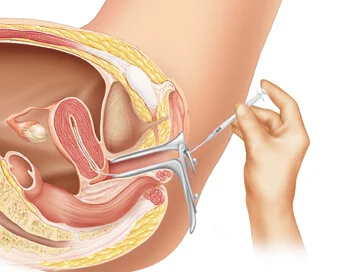
    IUI, which involves placing sperm directly into the uterus, is a less expensive option with an average cost of $500 to $4,000 per cycle. However, multiple cycles may be needed for success.

    Fertility drugs, which are used to stimulate ovulation, can range from $50 to $5,000 per cycle, depending on the type of medication and dosage needed.

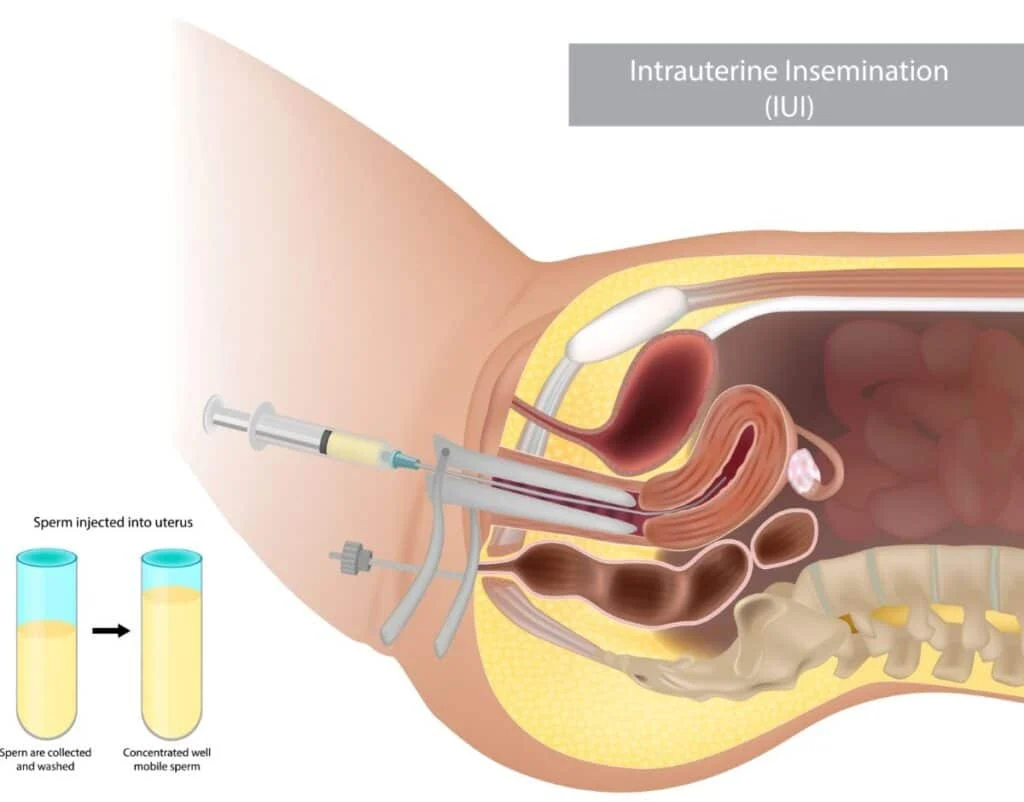
    illustration of intrauterine insemination procedure with a hand holding a speculum and syringe near the uterus

    Is Adoption More Affordable Than Fertility Treatments? A Comprehensive Comparison

    Factors Affecting Cost:

    There are several factors that can affect the overall cost of adoption and fertility treatments. One of the biggest factors is the type of adoption or treatment chosen. As mentioned earlier, domestic adoption and IVF tend to have higher costs compared to foster care adoption and IUI.

    The location can also play a significant role in cost. Adoption costs can vary depending on the state and country, while fertility treatment costs can differ between clinics. It is essential to research and compare costs in different locations to find the most affordable option for your specific situation.

    Another factor to consider is the age of the child or the woman undergoing fertility treatments. Older children and women may require more extensive medical care, which can increase costs. Additionally, women over the age of 35 may need to use more expensive fertility treatments, such as IVF, due to a decline in fertility.

    Emotional and Psychological Impact:

    The decision to pursue adoption or fertility treatments can be emotionally and psychologically taxing for couples. Adoption can be a lengthy process, and the uncertainty of being matched with a child can be stressful. On the other hand, fertility treatments can also take a toll on a couple’s emotional well-being, with the added pressure of undergoing medical procedures and the possibility of not being successful.

    It is crucial for couples to consider the emotional and psychological impact of both options and to seek support from professionals or support groups throughout the process.

    Resources for Couples:

    There are many resources available for couples who are considering adoption or fertility treatments. These resources can provide guidance, support, and financial assistance.

    For adoption, there are grants, loans, and tax credits available to help offset the costs. Organizations such as the National Adoption Foundation and the Dave Thomas Foundation for Adoption offer financial assistance for families looking to adopt.

    For fertility treatments, some insurance plans may cover some of the costs. It is essential to research and understand your insurance coverage and consider speaking with a financial advisor to explore other options such as loans or grants.

    Conclusion:

    In conclusion, the cost of adoption and fertility treatments can vary significantly depending on various factors. While foster care adoption and IUI may be more affordable options, they are not suitable for every couple. It is crucial for couples to carefully consider their financial situation, emotional readiness, and personal preferences when deciding between adoption and fertility treatments. Seeking support from professionals and utilizing available resources can also make the process more manageable. Ultimately, the most affordable option for starting a family will depend on each couple’s unique circumstances.

  • An Honest Comparison: Intrauterine Insemination vs Sperm Washing

    Blog Post Title: An Honest Comparison: Intrauterine Insemination vs Sperm Washing

    In the world of fertility treatments, there are various options available for couples struggling to conceive. Two common methods are intrauterine insemination (IUI) and sperm washing. While they may seem similar, there are distinct differences between the two procedures. In this blog post, we will provide an honest comparison between IUI and sperm washing, including their processes, success rates, risks, and costs.

    Process:

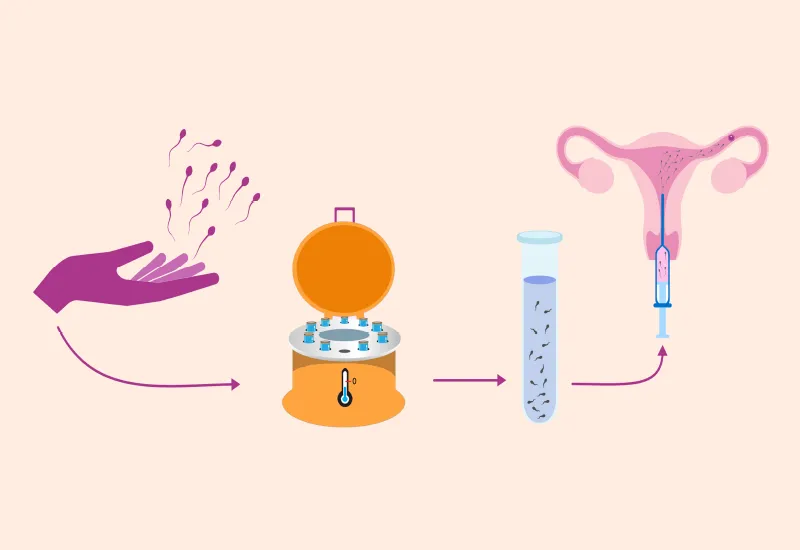
    Intrauterine insemination, also known as artificial insemination, involves placing specially prepared sperm directly into a woman’s uterus during her ovulation period. This method bypasses the cervix and increases the chances of fertilization by bringing the sperm closer to the egg. The process starts with a semen sample being collected and washed to remove any impurities. Then, the sperm is inserted into the uterus using a thin catheter.

    On the other hand, sperm washing is a process that involves separating healthy sperm from the semen’s rest, which contains viruses and bacteria. This process is essential for couples where the male partner has a sexually transmitted disease or genetic condition that could be passed on to the baby. The washed sperm is then used for either intrauterine insemination or in vitro fertilization (IVF).

    Success Rates:

    When it comes to success rates, there are several factors to consider, including the age of the woman, the quality of sperm, and any underlying fertility issues. Generally, IUI has a success rate of 10-20% per cycle, while sperm washing has a higher success rate of 20-30% per cycle. However, these numbers can vary depending on individual circumstances.

    Risks:

    illustration of the IUI process, showing sperm collection, preparation, and insertion into the uterus

    An Honest Comparison: Intrauterine Insemination vs Sperm Washing

    Both IUI and sperm washing are relatively safe procedures with minimal risks. The most common risk associated with IUI is multiple pregnancies due to the stimulation of ovulation. This can be managed by carefully monitoring the number of follicles produced and adjusting the dosage of fertility drugs. On the other hand, sperm washing carries a small risk of infection, but this can be minimized by using sterile techniques and properly screening the sperm donor.

    Costs:

    In terms of costs, IUI is generally more affordable than sperm washing. The average cost of an IUI cycle is around $500-$1000, while sperm washing can cost up to $1000-$3000 per cycle. These costs can increase significantly if additional fertility treatments, such as IVF, are needed.

    Which one is right for you?

    The decision between IUI and sperm washing ultimately depends on the individual’s unique situation and preferences. If a couple is struggling with infertility due to male factor issues, sperm washing may be the better option as it helps to remove any potential barriers to fertilization. However, if a couple is experiencing unexplained infertility or has a female partner with ovulation disorders, IUI may be a suitable and less invasive option.

    It is crucial to consult with a fertility specialist to determine the best course of action. They can evaluate your medical history, perform necessary tests and provide guidance on the most suitable treatment plan for your specific needs.

    In conclusion, both IUI and sperm washing are viable options for couples seeking fertility treatments. While IUI is a more straightforward and less expensive procedure, sperm washing can be a necessary step for couples with male factor infertility. Ultimately, the decision should be based on individual circumstances and discussed with a medical professional.

    SEO Metadata:

  • Fertility Preservation for Cancer Patients: What You Need to Know

    Title: Fertility Preservation for Cancer Patients: What You Need to Know

    Introduction:

    Cancer treatment can have a significant impact on a person’s fertility, especially for young patients who have not started or completed their family planning. The good news is that advancements in medical technology have made it possible for cancer patients to preserve their fertility before undergoing treatment. In this blog post, we will discuss the importance of fertility preservation for cancer patients, the options available, and what you need to know before making a decision.

    Why is Fertility Preservation Important for Cancer Patients?

    Cancer treatment, such as chemotherapy, radiation, and surgery, can damage reproductive organs and affect hormone levels, leading to infertility. For young cancer patients, this can be devastating as they may not have had the chance to start a family. However, with fertility preservation, patients can have hope for their future family planning.

    Options for Fertility Preservation:

    1. Cryopreservation of Eggs, Sperm, or Embryos:

    Cryopreservation is the process of freezing and storing eggs, sperm, or embryos for future use. For male cancer patients, sperm can be collected through masturbation or testicular biopsy. For female patients, eggs can be retrieved through a procedure called ovarian stimulation and then frozen. Embryos can also be created using the patient’s eggs and sperm and frozen for future use.

    2. Ovarian Tissue Freezing:

    For female patients who do not have time to undergo ovarian stimulation, or for those who cannot delay cancer treatment, ovarian tissue freezing may be an option. This involves removing a piece of ovarian tissue and freezing it for later use. The tissue can be transplanted back into the patient’s body after they have completed their cancer treatment, allowing them to conceive naturally.

    3. Gonadal Shielding:

    For patients who need radiation therapy in the pelvic area, gonadal shielding can help protect the reproductive organs from radiation damage. This involves placing a lead shield over the pelvic area during radiation treatment, minimizing the exposure of reproductive organs to radiation.

    Comparison of IUI and IVF, illustrating procedures and definitions for each fertility treatment.

    Fertility Preservation for Cancer Patients: What You Need to Know

    Things to Consider Before Making a Decision:

    1. Timing is crucial:

    Fertility preservation should be done before starting cancer treatment, as some treatments can affect fertility immediately. It is essential to discuss fertility preservation options with your doctor as soon as possible to make an informed decision.

    2. Costs:

    Fertility preservation can be expensive, and most insurance companies do not cover the cost. Patients should discuss the costs with their doctor and explore financial assistance options, such as grants and fertility preservation loans.

    3. Success rates:

    The success rates of fertility preservation vary depending on the patient’s age, type of cancer, and the chosen method. It is essential to discuss the potential success rates with your doctor and understand the risks involved.

    4. Emotional impact:

    Undergoing cancer treatment is emotionally challenging, and the added stress of fertility preservation can be overwhelming. It is crucial to have a support system in place and to seek counseling if needed.

    Conclusion:

    Fertility preservation is vital for cancer patients who want to have children in the future. It provides hope and options for patients who may have thought that their cancer treatment would leave them unable to conceive. By discussing fertility preservation with your doctor and understanding the options available, you can make an informed decision about your future family planning.

    Summary:

    Fertility preservation is crucial for cancer patients as cancer treatment can damage reproductive organs and affect fertility. The options available for fertility preservation include cryopreservation of eggs, sperm, or embryos, ovarian tissue freezing, and gonadal shielding. Before making a decision, patients should consider the timing, costs, success rates, and emotional impact of fertility preservation. By discussing with their doctor and understanding the options, cancer patients can have hope for their future family planning.

  • The Financial Burden: How to Afford Male and Female Infertility Treatments

    Summary:

    Infertility is a difficult and emotional journey for many couples, and the financial burden of treatments can add even more stress. In this blog post, we will discuss the high costs associated with male and female infertility treatments and provide tips on how to afford them.

    Firstly, we will dive into the reasons why infertility treatments are so expensive. From initial diagnostic tests to medications and procedures, the costs can quickly add up. We will also explore the lack of insurance coverage for infertility treatments, leaving many couples to pay out of pocket.

    Next, we will discuss the different options for financing infertility treatments. From personal loans to fertility grants, there are various resources available to help ease the financial burden. We will also provide tips on how to save money and budget for treatments.

    Illustration of a uterus with a syringe indicating an intrauterine insemination procedure.

    The Financial Burden: How to Afford Male and Female Infertility Treatments

    In addition, we will address the emotional toll that the financial aspect of infertility can have on couples. The pressure to afford treatments can cause strain on relationships and add to the already stressful process of trying to conceive. We will offer advice on how to cope with these emotions and communicate effectively with your partner.

    Furthermore, we will explore the specific costs and financial considerations for male and female infertility treatments. This includes procedures such as IVF, IUI, and sperm and egg donation. We will also discuss the impact of multiple rounds of treatments on the overall cost.

    Lastly, we will touch on the importance of seeking support from friends, family, and support groups during this challenging time. Having a strong support system can provide emotional and sometimes even financial support.

    In conclusion, while the financial burden of infertility treatments may seem overwhelming, there are resources and strategies available to help make them more affordable. With proper planning, budgeting, and support, couples can navigate this difficult journey and hopefully achieve their dream of starting a family.

  • Breaking Down the Myths: Fertility Supplements vs Medical Treatments

    Blog Post Title: Breaking Down the Myths: Fertility Supplements vs Medical Treatments

    Introduction:
    Fertility is a topic that is often surrounded by myths and misconceptions. With the rise of alternative medicine and natural remedies, many people turn to fertility supplements as a way to boost their chances of conceiving. However, there are also medical treatments available for infertility that have been proven effective. In this blog post, we will break down the myths surrounding fertility supplements and compare them to medical treatments, so you can make an informed decision about what is best for your fertility journey.

    Myth 1: Fertility Supplements are All-Natural and Safe
    One of the main attractions of fertility supplements is that they are often marketed as all-natural and safe. Many people believe that because they are made from natural ingredients, they have no side effects and are a better option than medical treatments. However, this is not always the case. Fertility supplements can still have side effects, and they are not regulated by the FDA, meaning their safety and effectiveness are not guaranteed. It is important to do thorough research and consult with a healthcare professional before taking any supplements.

    Myth 2: Fertility Supplements are the Same as Prescription Medications
    Another common myth is that fertility supplements are just as effective as prescription medications in treating infertility. While some supplements may have similar ingredients to medications, they are not regulated or tested in the same way. Prescription medications have gone through rigorous clinical trials to prove their effectiveness, while supplements have not. In some cases, supplements may even interfere with prescription medications, making them less effective.

    Myth 3: Fertility Supplements Can Cure Infertility
    Many people believe that fertility supplements can cure infertility and help them conceive naturally. However, this is not always the case. Fertility supplements may help boost fertility in some cases, but they cannot cure underlying medical conditions that may be causing infertility. For those with serious fertility issues, medical treatments may be necessary to address the root cause of infertility.

    Comparison of IVF and IUI procedures with illustrations of each method.

    Breaking Down the Myths: Fertility Supplements vs Medical Treatments

    Myth 4: Medical Treatments are Invasive and Dangerous
    On the other hand, some people may fear medical treatments for infertility because they believe they are invasive and dangerous. While some treatments, such as in vitro fertilization (IVF), may have more risks and side effects, they are also highly effective in treating infertility. It is important to discuss any concerns with a healthcare professional and weigh the potential risks against the potential benefits.

    Myth 5: Medical Treatments are Expensive
    Another common myth is that medical treatments for infertility are extremely expensive and not accessible to everyone. While some treatments, such as IVF, can be costly, there are also more affordable options available. Many insurance plans cover some infertility treatments, and there are also financial assistance programs available. It is important to research and explore all options before assuming that medical treatments are out of reach.

    Myth 6: Fertility Supplements and Medical Treatments Cannot Be Used Together
    Some people believe that fertility supplements and medical treatments cannot be used together, and that one must choose between the two. However, this is not always the case. In some cases, supplements may be used in conjunction with medical treatments to boost their effectiveness. However, it is crucial to discuss this with a healthcare professional to avoid any potential interactions or negative effects.

    Conclusion:
    In conclusion, while fertility supplements may have their benefits, they should not be seen as a replacement for medical treatments for infertility. It is important to do thorough research, consult with a healthcare professional, and consider all options before making a decision. Medical treatments have been proven effective in treating infertility and should not be dismissed due to myths and misconceptions.

    Summary:
    Fertility supplements are often marketed as all-natural and safe, but they can still have side effects and are not regulated by the FDA. They are not the same as prescription medications and cannot cure infertility. Medical treatments, while they may have risks and costs, are highly effective and accessible. It is possible to use supplements and medical treatments together, but it is important to consult with a healthcare professional.

  • IVF for Same-Sex Couples: The Ultimate Guide

    Blog Post Title: IVF for Same-Sex Couples: The Ultimate Guide

    Introduction:
    In recent years, advancements in reproductive technology have made it possible for same-sex couples to have children through in vitro fertilization (IVF). This has opened up a world of possibilities for LGBTQ+ couples who wish to start a family. However, navigating the world of IVF can be overwhelming, especially for those who are new to the process. In this blog post, we will provide a comprehensive guide to IVF for same-sex couples, covering everything from the basics of IVF to the legal and ethical considerations to keep in mind.

    Understanding IVF:
    IVF is a type of assisted reproductive technology (ART) that involves fertilizing an egg with sperm outside the body before transferring the embryo to the uterus. The process typically involves several steps, including ovarian stimulation, egg retrieval, fertilization, and embryo transfer. While IVF was initially developed to help heterosexual couples struggling with infertility, it has since become a popular option for same-sex couples to conceive.

    Finding a Clinic:
    The first step in the IVF process for same-sex couples is finding a reputable fertility clinic. It is crucial to choose a clinic that has experience working with LGBTQ+ couples and a supportive and inclusive environment. You can ask for recommendations from your doctor, friends, or LGBTQ+ support groups. Additionally, it is essential to research the clinic’s success rates and any specific services they offer for same-sex couples.

    Choosing a Donor:
    One of the significant decisions that same-sex couples will need to make when undergoing IVF is choosing a donor. Depending on the couple’s preferences, they can opt for a known donor, such as a friend or family member, or an anonymous donor through a sperm bank. It is crucial to consider factors such as physical characteristics, medical history, and the donor’s willingness to have contact with the child in the future. Some clinics also offer the option of using a donor egg, which can be fertilized with one partner’s sperm or a donor’s sperm.

    Legal Considerations:
    When it comes to IVF for same-sex couples, there are several legal considerations to keep in mind. The laws and regulations surrounding IVF can vary from state to state and country to country. It is crucial to consult with a lawyer who specializes in reproductive law to ensure that your rights as parents are protected. In some cases, a second-parent adoption may be necessary to establish legal parenthood for the non-biological parent.

    Diagram illustrating intrauterine insemination (IUI) procedure with sperm injection into the uterus.

    IVF for Same-Sex Couples: The Ultimate Guide

    Ethical Considerations:
    While IVF has opened up possibilities for same-sex couples to have children, it is essential to consider the ethical implications of the process. Some may argue that IVF goes against natural conception and may have religious or moral objections to the process. However, it is crucial to remember that every couple has the right to make their own reproductive choices.

    The Emotional Journey:
    Undergoing IVF can be an emotional rollercoaster for many same-sex couples. The process can be physically and emotionally demanding, and it is essential to have a strong support system in place. Many clinics offer counseling services to help couples navigate the emotional challenges of IVF. It is also crucial to communicate openly with your partner and seek out support from friends or LGBTQ+ support groups.

    Costs and Insurance Coverage:
    IVF can be a costly process, and it is essential to consider the financial implications before embarking on the journey. The costs can vary depending on the clinic, the type of treatment, and any additional services required. It is crucial to research the costs and insurance coverage options beforehand and create a budget plan. Some insurance companies may offer coverage for fertility treatments, so it is essential to inquire about your policy’s specifics.

    Alternative Options:
    While IVF may be the most common option for same-sex couples looking to conceive, there are alternative options available. For male-male couples, surrogacy may be an option, where a surrogate carries the embryo to term. Adoption is also a popular option for same-sex couples looking to start a family.

    Conclusion:
    IVF has opened up a world of possibilities for same-sex couples who wish to have children. However, navigating the process can be challenging, and it is essential to have a thorough understanding of the basics, legal and ethical considerations, and alternative options. With the right support and resources, IVF can be a successful and rewarding journey for same-sex couples.

    Summary:
    In this blog post, we discussed IVF for same-sex couples, covering everything from the basics of the process to legal and ethical considerations. We first explained what IVF is and how it works and then discussed the importance of finding a reputable clinic and choosing a donor. We also highlighted the legal and ethical considerations to keep in mind, such as consulting with a reproductive lawyer and considering the emotional journey. Additionally, we touched upon the costs and insurance coverage of IVF and alternative options available for same-sex couples. With this comprehensive guide, we hope to provide valuable information and resources for same-sex couples considering IVF as a way to start a family.

  • Fertility Drugs vs. Natural Methods: The Financial Burden

    Blog Post: Fertility Drugs vs. Natural Methods: The Financial Burden

    When it comes to trying to conceive, many couples face challenges and obstacles along the way. For some, it may take months or even years to get pregnant. As a result, many turn to fertility treatments, such as fertility drugs and assisted reproductive technology, to increase their chances of conception. However, these methods can come with a hefty price tag, leaving couples to wonder if the financial burden is worth it. In this blog post, we will explore the costs associated with fertility drugs and natural methods, and weigh the pros and cons of each.

    The Cost of Fertility Drugs

    Fertility drugs, also known as ovulation induction drugs, are often prescribed to women who are having trouble ovulating. These drugs work by stimulating the ovaries to produce more eggs, increasing the chances of conception. The most commonly prescribed fertility drug is clomiphene citrate, also known as Clomid. This drug has been on the market for over 50 years and is relatively affordable, with a cost of around $50 to $100 per cycle.

    However, other fertility drugs, such as gonadotropins, can be much more expensive, with costs ranging from $1,500 to $5,000 per cycle. These drugs are often used for more complex fertility issues and require close monitoring and injections, which can add to the overall cost. Additionally, most insurance plans do not cover the cost of fertility drugs, leaving couples to foot the bill themselves.

    The High Price of Assisted Reproductive Technology

    For couples who have been trying to conceive for an extended period of time without success, assisted reproductive technology (ART) may be the next step. ART includes procedures such as in vitro fertilization (IVF), intracytoplasmic sperm injection (ICSI), and intrauterine insemination (IUI). These procedures involve retrieving eggs, fertilizing them in a lab, and then transferring the embryo back into the uterus.

    The average cost of a single IVF cycle is around $12,000, not including additional expenses such as medications, diagnostic testing, and embryo storage. While some insurance plans may cover a portion of the cost of ART, it is still a significant financial burden for many couples. Furthermore, the success rates of these procedures can vary, with IVF having a success rate of around 30% for women under 35 and decreasing with age.

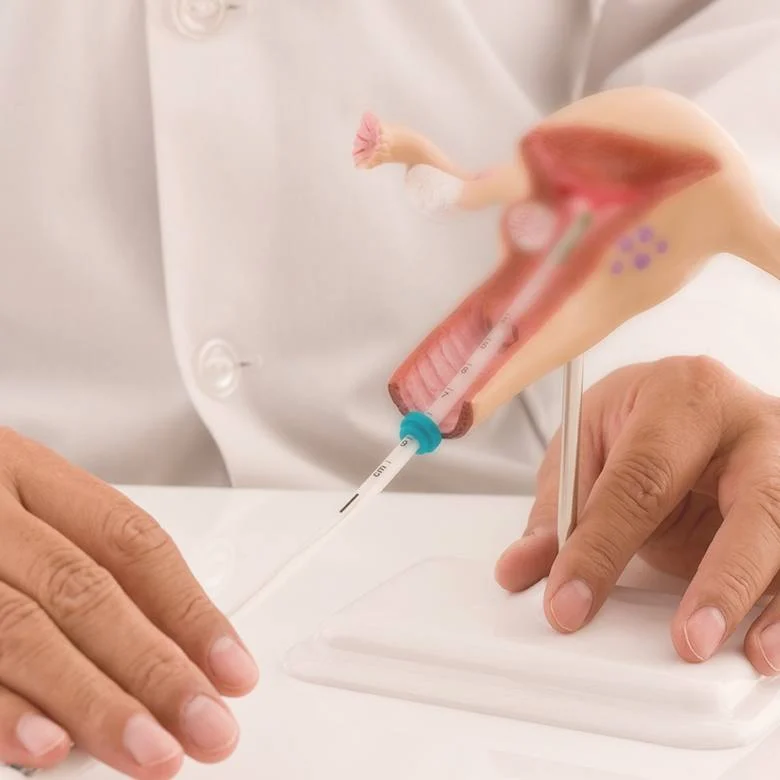
    model of the female reproductive system with a hand demonstrating intrauterine insemination technique

    Fertility Drugs vs. Natural Methods: The Financial Burden

    The Hidden Costs of Fertility Drugs and ART

    Aside from the direct costs of fertility drugs and ART procedures, there are also hidden costs that couples may not consider. For example, the emotional toll of undergoing fertility treatments can be significant, leading to stress, anxiety, and even depression. This can also result in additional expenses, such as therapy or counseling, to cope with the emotional strain.

    Furthermore, the time and energy spent on fertility treatments can also take a toll on a couple’s relationship. Many couples may have to take time off work for appointments and procedures, which can result in a loss of income. This can also put a strain on the relationship, as the focus shifts from building a family to the financial and emotional burden of fertility treatments.

    The Financial Benefits of Natural Methods

    While fertility drugs and ART may be the go-to options for many couples struggling to conceive, there are also natural methods that can be just as effective. These methods include tracking ovulation through methods such as basal body temperature charting, cervical mucus monitoring, and ovulation predictor kits. By carefully tracking ovulation, couples can time intercourse to increase their chances of conception.

    One of the major benefits of natural methods is the cost savings. These methods require little to no financial investment, aside from purchasing ovulation predictor kits, which can range from $20 to $50. Additionally, natural methods do not come with the emotional and physical side effects that fertility drugs and ART can have.

    Summary:

    In conclusion, the decision to use fertility drugs or natural methods to conceive ultimately comes down to personal preference and individual circumstances. While fertility drugs and ART may offer a higher success rate for some couples, the financial burden and hidden costs can be overwhelming. On the other hand, natural methods may take longer to achieve pregnancy, but they can also be more affordable and have fewer side effects. It is essential for couples to carefully consider all factors, including the financial impact, before deciding on the best approach for them.

  • Breaking Down the Costs: Sperm Banks vs Known Donors

    Blog Post: Breaking Down the Costs: Sperm Banks vs Known Donors

    Choosing to have a child through artificial insemination is a big decision and comes with a lot of important considerations. One of the biggest factors to think about is whether to use a sperm bank or a known donor. While there are pros and cons to each option, one of the most pressing concerns for many prospective parents is the cost. In this blog post, we will break down the costs associated with sperm banks and known donors to help you make an informed decision.

    Sperm Banks:

    Sperm banks are facilities that collect and store donated sperm for the purpose of artificial insemination. Using a sperm bank can offer a wide selection of donors, thorough screening processes, and legal protections for both the donor and the recipient. However, all of these benefits come at a cost.

    Initial Fees: The first cost associated with using a sperm bank is the initial fees. This typically includes registration fees, background checks, and initial consultations. These fees can range from a few hundred to a few thousand dollars.

    Donor Fees: The biggest expense when using a sperm bank is the donor fees. Sperm banks charge for each vial of sperm, with prices ranging from $500 to $1000 per vial. On average, it takes about 2-3 vials to achieve pregnancy, meaning total donor fees can range from $1000 to $3000.

    Shipping and Storage: If you are not located near a sperm bank, you will also need to factor in the cost of shipping the vials to your location. This can add an additional $100-$200 per shipment. In addition, most sperm banks charge an annual storage fee for keeping the vials in their facility, typically ranging from $100-$500 per year.

    Medical Expenses: It’s important to note that these costs only cover the sperm itself. You will also need to factor in the cost of medical procedures, such as intrauterine insemination (IUI) or in vitro fertilization (IVF), which can range from $500 to $10,000 per cycle.

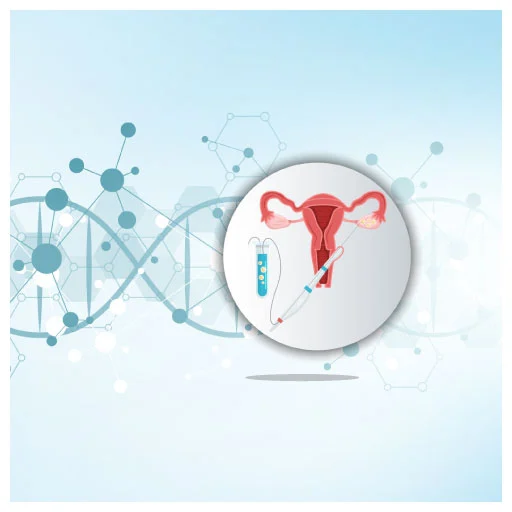
    Illustration of IUI procedure with uterus and syringe against a DNA background.

    Breaking Down the Costs: Sperm Banks vs Known Donors

    Known Donors:

    Known donors are individuals that you personally know and have chosen to donate their sperm for your use. This option can offer a more personal connection to the donor and may be a more cost-effective option. However, there are some important costs to consider.

    Legal Fees: One of the biggest costs associated with using a known donor is the legal fees. It’s important to have a legal agreement in place to protect both the donor and the recipient. This typically requires the services of a lawyer, which can range from $1000 to $3000.

    Medical Expenses: As with using a sperm bank, you will still need to factor in the cost of medical procedures when using a known donor. This can include fertility testing, IUI or IVF, and any additional medical treatments.

    Other Expenses: It’s important to also consider other potential expenses when using a known donor. This may include travel expenses if the donor is not local, as well as any compensation or expenses you may choose to provide for the donor.

    Summary:

    In summary, choosing between a sperm bank and a known donor comes with its own set of costs to consider. Sperm banks offer the convenience of a wide selection of donors and thorough screening processes, but can be quite costly. On the other hand, using a known donor can be more affordable, but requires legal fees and other potential expenses. It’s important to carefully weigh these costs and consider all of your options before making a decision.

    In general, the total cost of using a sperm bank can average around $10,000-$15,000 per cycle, while using a known donor can range from $5,000 to $10,000 per cycle. It’s important to keep in mind that these costs can vary depending on factors such as location, medical procedures, and any additional expenses.

    In the end, the decision between using a sperm bank or a known donor will ultimately depend on your personal preferences and financial situation. It’s important to carefully consider all of the costs and weigh them against the benefits of each option. No matter which path you choose, the most important thing is to ensure that you are making the best decision for you and your future family.

  • Intrauterine Insemination vs In Vitro Fertilization: A Medical Perspective

    Intrauterine Insemination vs In Vitro Fertilization: A Medical Perspective

    Infertility is a common issue faced by many couples trying to conceive. Fortunately, advancements in modern medicine have made it possible for these couples to still have a chance at starting a family. Two popular methods used to treat infertility are Intrauterine Insemination (IUI) and In Vitro Fertilization (IVF). While both methods have been successful in helping couples achieve pregnancy, they differ in their approach and success rates. In this blog post, we will explore the medical perspective of IUI and IVF to help you understand the differences between the two and make an informed decision on which method may be best for you.

    What is Intrauterine Insemination (IUI)?

    IUI, also known as artificial insemination, is a fertility treatment that involves placing sperm directly into the uterus to increase the chances of fertilization. The procedure is usually performed during a woman’s ovulation cycle, and it is a less invasive and less expensive option compared to IVF.

    The process of IUI typically begins with a series of fertility medications to stimulate the ovaries to produce more eggs. The woman’s partner or a donor’s sperm is then collected and washed to separate the sperm from the seminal fluid. The washed sperm is then placed into the uterus using a thin catheter, which is inserted through the cervix. This procedure is relatively quick and painless, and the woman can resume normal activities immediately after.

    What is In Vitro Fertilization (IVF)?

    IVF is a more complex and invasive procedure compared to IUI. It involves retrieving eggs from a woman’s ovaries and fertilizing them with sperm in a laboratory. The fertilized eggs, or embryos, are then transferred back into the woman’s uterus, where they can hopefully implant and result in pregnancy.

    The process of IVF starts with the woman taking fertility medications to stimulate the ovaries to produce multiple eggs. Once the eggs are mature, they are retrieved through a minor surgical procedure. The eggs are then fertilized with sperm in a laboratory, and the resulting embryos are monitored for a few days before being transferred into the uterus. Any extra embryos can be frozen for future use. The entire process can take several weeks and may involve multiple cycles to achieve a successful pregnancy.

    Success Rates

    Illustration of the IUI process, showing a syringe and catheter in the reproductive system.

    Intrauterine Insemination vs In Vitro Fertilization: A Medical Perspective

    One of the most significant differences between IUI and IVF is their success rates. The success of IUI depends on various factors, such as the age and fertility of the woman, the quality of the sperm, and any underlying medical conditions. On average, the success rate of IUI is around 10-20%, with some studies reporting higher success rates up to 30%.

    On the other hand, IVF has a higher success rate, with an average of 30-40% per cycle. However, the success rate of IVF also depends on several factors, such as the age of the woman, the quality of the eggs and sperm, and the expertise of the fertility clinic. The success rate also decreases with each subsequent cycle.

    Risks and Complications

    Like any medical procedure, both IUI and IVF carry potential risks and complications. The risks associated with IUI are minimal, and they include cramping, infection, and a small chance of multiple pregnancies. However, the risks of IVF are more significant and can include ovarian hyperstimulation syndrome, ectopic pregnancy, and multiple pregnancies. The use of fertility medications in IVF can also increase the risk of developing blood clots and ovarian cancer.

    Costs

    The cost of fertility treatments is a significant factor to consider when deciding between IUI and IVF. IUI is generally less expensive compared to IVF, with an average cost of $500-$1000 per cycle. IVF, on the other hand, can cost anywhere from $12,000-$15,000 per cycle, with additional expenses for medications and any necessary procedures. The cost of IVF can be a significant barrier for many couples, and it is essential to consider this when deciding on a fertility treatment.

    Which Option is Right for You?

    Ultimately, the decision between IUI and IVF will depend on various factors, including the cause of infertility, the age of the woman, and financial considerations. If the cause of infertility is due to issues with ovulation or cervical mucus, IUI may be a suitable option. However, if the cause is more severe, such as blocked fallopian tubes or low sperm count, IVF may be the better option. Consulting with a fertility specialist is crucial in determining the best course of action for your specific situation.

    Summary:

    Infertility can be a challenging issue to face, but medical advancements have made it possible for couples to have a chance at starting a family. Intrauterine Insemination (IUI) and In Vitro Fertilization (IVF) are two popular methods used to treat infertility. IUI involves placing sperm directly into the uterus, while IVF involves retrieving and fertilizing eggs in a laboratory before transferring them into the uterus. The success rates, risks, and costs of these procedures differ, and the decision between the two will depend on various factors. Consulting with a fertility specialist is crucial in determining the best option for your specific situation.