Tag: age and fertility

  • The Impact of Age: Intrauterine Insemination vs In Vitro Fertilization

    Summary:

    The Impact of Age: Intrauterine Insemination vs In Vitro Fertilization

    As women age, their fertility declines and they may face challenges when trying to conceive. Intrauterine insemination (IUI) and in vitro fertilization (IVF) are two commonly used fertility treatments that can help individuals or couples overcome fertility issues. However, the success rates of these procedures can be affected by age. In this blog post, we will explore the impact of age on the success rates of IUI and IVF, and discuss the factors that contribute to these differences.

    Firstly, we will discuss IUI, which involves placing washed and concentrated sperm directly into the uterus during a woman’s ovulation period. This procedure is often recommended for couples with unexplained infertility or mild male factor infertility. In terms of age, women under the age of 35 have a success rate of 10-20% per cycle, while those over 35 have a success rate of 10% or less. This is due to a decline in egg quality and quantity as women age, which can result in lower chances of fertilization and implantation.
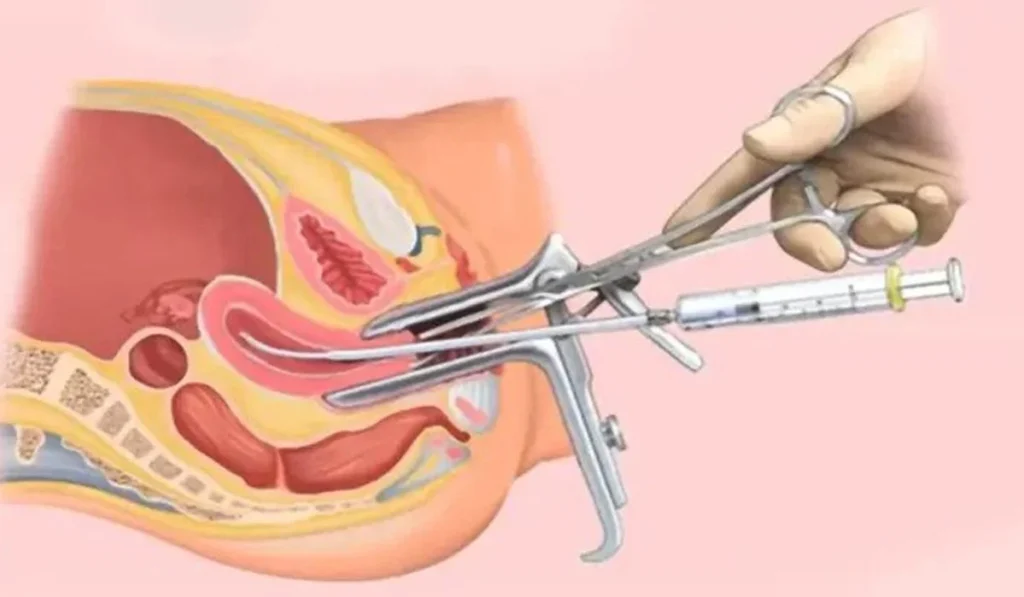
    illustration of an intrauterine insemination procedure with medical instruments and anatomical details

    The Impact of Age: Intrauterine Insemination vs In Vitro Fertilization

    On the other hand, IVF involves retrieving eggs from a woman’s ovaries, fertilizing them with sperm in a laboratory, and then transferring the resulting embryo(s) into the uterus. This procedure is typically recommended for couples with more severe fertility issues, such as blocked fallopian tubes or advanced maternal age. The success rates of IVF are also affected by age, with women under 35 having a success rate of 40-50%, while those over 40 have a success rate of 10% or less. This is because older women may have a lower ovarian reserve and a higher risk of chromosomal abnormalities in their eggs.

    Apart from age, there are other factors that can impact the success rates of IUI and IVF. For IUI, the quality of the sperm used is crucial, as it plays a significant role in fertilization. For IVF, the quality of the eggs retrieved and the embryo(s) formed also play a crucial role in the success of the procedure. Additionally, lifestyle factors such as smoking, alcohol consumption, and obesity can also affect the success rates of both IUI and IVF.

    Moreover, the number of cycles attempted also plays a crucial role in the success rates of these procedures. For IUI, multiple cycles may be needed to achieve a successful pregnancy, especially for older women. On the other hand, IVF success rates tend to decrease with each attempt, but the chances of success can be significantly increased with the use of frozen embryo transfers.

    In addition to the impact of age on success rates, there are also significant cost differences between IUI and IVF. IUI is a more affordable option, with a single cycle costing around $500-$1000. However, as multiple cycles may be needed, the overall cost can add up. IVF, on the other hand, is a more expensive option, with a single cycle costing around $12,000-$15,000. However, the chances of success with IVF are higher, and it may be a more cost-effective option in the long run, especially for older women who may require multiple IUI cycles.

    In conclusion, age plays a significant role in the success rates of both IUI and IVF. Women over the age of 35 may face challenges when trying to conceive with these procedures, and may require more attempts to achieve a successful pregnancy. However, with advancements in technology and techniques, the success rates of both IUI and IVF have improved significantly over the years, giving hope to many individuals and couples struggling with fertility issues.

  • The Importance of Timing: Intrauterine Insemination vs In Vitro Fertilization

    Timing is everything when it comes to starting a family. For couples struggling with infertility, the decision of when to seek fertility treatments can be crucial. Two common options for assisted reproductive technologies are intrauterine insemination (IUI) and in vitro fertilization (IVF). Both procedures involve the fertilization of eggs outside of the body, but the timing and process differ. In this blog post, we will discuss the importance of timing when considering IUI vs IVF and how it can impact the success of these treatments.

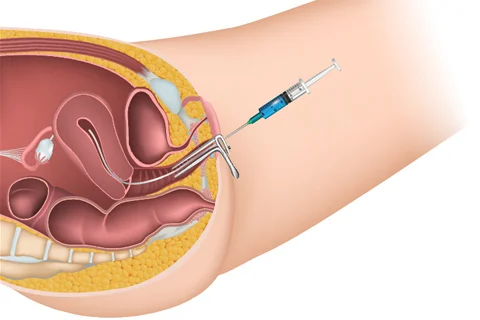
    Intrauterine insemination, also known as artificial insemination, is a relatively simple procedure that involves placing washed and concentrated sperm directly into the uterus at the time of ovulation. This procedure can be done with or without the use of fertility drugs to stimulate ovulation. In contrast, in vitro fertilization is a more complex process that involves harvesting eggs from the ovaries, fertilizing them with sperm in a laboratory, and then transferring the resulting embryo(s) back into the uterus.

    One of the key differences between IUI and IVF is the timing of the procedures. IUI is typically done around the time of ovulation, which can be tracked through methods such as ovulation predictor kits or ultrasound monitoring. This means that the timing of IUI is critical, as the sperm needs to be present in the uterus at the same time as the egg. On the other hand, IVF involves retrieving eggs from the ovaries and fertilizing them in a laboratory. This allows for more control over the timing of the procedure, as the eggs can be retrieved and fertilized at a specific time.

    This difference in timing can be significant for couples undergoing fertility treatments. For those with ovulation issues, IUI may be a more suitable option as it can help overcome sperm mobility issues and increase the chances of fertilization. However, for couples with more complex infertility issues, such as blocked fallopian tubes or severe male factor infertility, IVF may be a more effective treatment as it bypasses any potential obstacles in the reproductive system.

    illustration of intrauterine insemination procedure with a syringe and catheter in the uterus.

    The Importance of Timing: Intrauterine Insemination vs In Vitro Fertilization

    Another important factor to consider when it comes to timing is the age of the female partner. As women age, their ovarian reserve (the number and quality of eggs remaining in the ovaries) decreases, which can affect the success rates of both IUI and IVF. In general, IVF tends to have higher success rates in older women compared to IUI, as it allows for the selection of the best quality eggs for fertilization. Therefore, for couples with advanced maternal age, the timing of starting fertility treatments can play a crucial role in their chances of success.

    The timing of fertility treatments can also be impacted by other factors, such as the cause of infertility and the couple’s individual medical history. For example, if a woman has a history of irregular or absent ovulation, it may take longer to achieve a successful IUI cycle, and IVF may be a more effective option. Additionally, if a couple has been trying to conceive for a long time without success, it may be recommended to start with IVF rather than IUI to increase the chances of pregnancy.

    In addition to the timing of the procedures themselves, the timing of pregnancy can also be a consideration for couples undergoing fertility treatments. With IUI, there is a higher chance of multiple pregnancies as several eggs may be released during ovulation. This can lead to higher-order multiple pregnancies (triplets or more), which can have increased risks for both the mother and babies. With IVF, the number of embryos transferred can be controlled, reducing the chances of multiple pregnancies. This can be an important factor for couples who may want to space out their pregnancies or have concerns about the risks associated with multiple pregnancies.

    In summary, the timing of fertility treatments can greatly impact the success rates and outcomes for couples struggling with infertility. Each individual’s situation is unique, and it is important to work closely with a fertility specialist to determine the best treatment option and timing for their specific needs.

  • The Impact of Age on Fertility: How At-Home Testing Can Help Women Plan Ahead

    Blog Post Title: The Impact of Age on Fertility: How At-Home Testing Can Help Women Plan Ahead

    Summary:

    As women, we are often told that we have a biological clock and that we should start thinking about our fertility and family planning at a certain age. While this may seem like an arbitrary societal pressure, there is actually scientific evidence behind it. As women age, their fertility declines, making it more difficult to conceive and carry a healthy pregnancy. However, with the advancement of technology, at-home fertility testing has become more accessible and can help women plan for their future fertility.

    In this blog post, we will explore the impact of age on fertility and how at-home testing can be a useful tool for women who are planning to start a family.

    The Science Behind Fertility and Age:

    Women are born with a finite number of eggs, and as they age, the quality and quantity of these eggs decrease. This is due to a natural decline in the number of eggs and the increase in chromosomal abnormalities. By the time a woman reaches her mid-30s, her fertility starts to decline significantly. This decline continues as she enters her 40s and can lead to difficulty conceiving, higher risk of miscarriage, and other pregnancy complications.

    At-Home Fertility Testing:

    Traditionally, fertility testing involved a visit to a fertility clinic and undergoing various tests, such as blood work and ultrasounds. However, with the rise of at-home testing kits, women can now get a better understanding of their fertility from the comfort of their own home.

    At-home fertility testing kits typically involve taking a sample of urine or saliva and sending it to a lab for analysis. These tests can measure hormone levels, such as follicle-stimulating hormone (FSH) and anti-Müllerian hormone (AMH), which are indicators of ovarian reserve and egg quality. The results from these tests can give women a better idea of their current fertility status and help them make informed decisions about their family planning.

    Benefits of At-Home Fertility Testing:

    1. Convenience and Privacy:

    Cost breakdown for IUI components, including requirements, impacts, and alternatives.

    The Impact of Age on Fertility: How At-Home Testing Can Help Women Plan Ahead

    One of the most significant advantages of at-home fertility testing is the convenience and privacy it offers. Women no longer have to schedule appointments and take time off work to visit a fertility clinic. They can simply order a test kit online and take the test in the comfort and privacy of their own home.

    2. Cost-effective:

    At-home fertility testing is also more cost-effective than traditional testing methods. Fertility clinics can be expensive, and the cost can add up, especially if multiple tests are required. At-home tests are usually more affordable, making them accessible to a wider range of women.

    3. Early Detection of Potential Issues:

    By testing their fertility at home, women can detect any potential issues early on. This can give them more time to make lifestyle changes or seek medical advice before trying to conceive. It can also help them plan for alternative options, such as egg freezing, if necessary.

    4. Empowerment and Control:

    At-home fertility testing puts the power and control back into the hands of women. It allows them to take charge of their fertility and make informed decisions about their reproductive health. This can be especially empowering for women who may have been told that they are running out of time to have a baby.

    5. Better Family Planning:

    Having a better understanding of their fertility can also help women plan their family more effectively. By knowing their current fertility status, women can make decisions about when to start trying to conceive and how many children they want to have. This can also help reduce the stress and pressure of trying to conceive later in life when fertility is declining.

    Conclusion:

    The impact of age on fertility is a reality that all women should be aware of. With the advancement of at-home fertility testing, women can now take control of their reproductive health and make more informed decisions about their family planning. These tests provide valuable information that can help women plan ahead and take the necessary steps to preserve their fertility if needed.

    With the convenience, affordability, and empowerment that at-home fertility testing offers, it is a useful tool for women who are planning to start a family. It is never too early to start thinking about fertility, and at-home testing can provide the knowledge and guidance needed to make the best choices for one’s reproductive health.

  • Egg Donation vs Egg Freezing: The Role of Age

    Egg donation and egg freezing are two options available for women who want to preserve their fertility. Both procedures involve the extraction and storage of a woman’s eggs for future use. However, the role of age plays a significant factor in determining the success of these procedures. In this blog post, we will explore the differences between egg donation and egg freezing and the impact of age on each option.

    Egg Donation:

    Egg donation is a process where a woman donates her eggs to another woman who is unable to produce viable eggs for pregnancy. The donated eggs are fertilized with the sperm of the recipient’s partner or a donor and transferred to the recipient’s uterus. This option is usually chosen by women who have fertility issues, advanced maternal age, or genetic conditions that may affect their ability to conceive.

    The success rate of egg donation is high, with a live birth rate of over 50% per cycle. This is because the eggs used for donation are typically from younger and healthier donors, resulting in higher quality embryos. Age is not a significant factor for the recipient, as long as she is healthy and able to carry a pregnancy to term.

    However, for the donor, age plays a crucial role. Most egg donation agencies have a cut-off age of 35 for donors, as the quality and quantity of eggs decline significantly after this age. This is because a woman is born with all the eggs she will ever have, and as she ages, the number of eggs decreases, and the remaining eggs may have genetic abnormalities, making them unsuitable for donation.

    Egg Freezing:

    Egg freezing, also known as oocyte cryopreservation, is a process where a woman’s eggs are extracted and preserved for future use. This option is usually chosen by women who want to delay pregnancy for personal or medical reasons. The eggs are extracted, frozen, and stored until the woman is ready to use them for pregnancy.

    The success rate of egg freezing is highly dependent on the age at which the eggs are frozen. The younger the woman is when she freezes her eggs, the higher the chances of success. This is because younger eggs have a higher chance of survival during the freezing and thawing process and are less likely to have genetic abnormalities.

    Ideally, women should freeze their eggs before the age of 35 to have the best chance of success. After this age, the quality and quantity of eggs decline, making it more challenging to produce viable embryos. However, even with younger eggs, the success rate of egg freezing is not guaranteed, and it may take multiple cycles of egg retrieval and thawing to achieve a successful pregnancy.

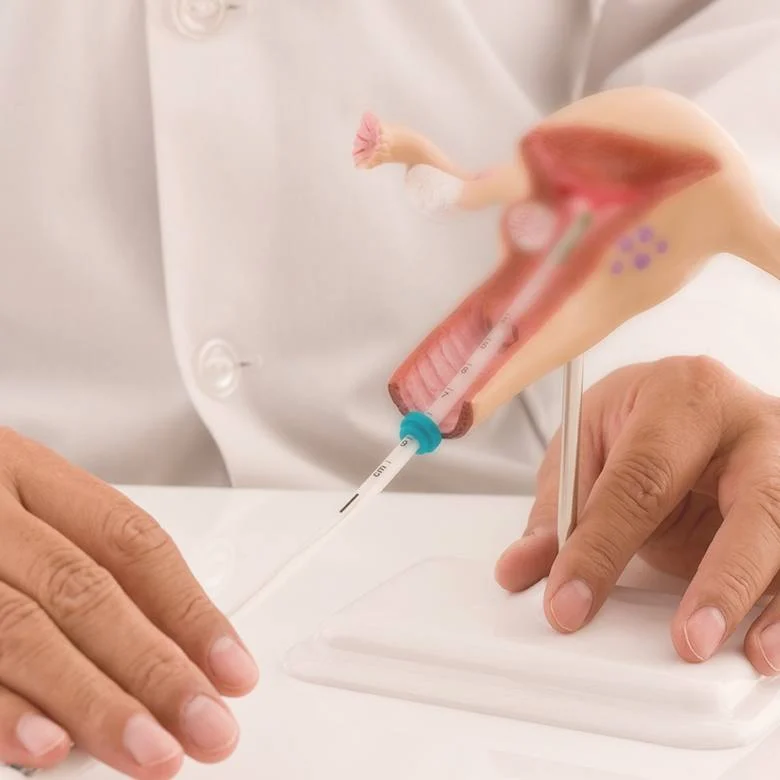
    model of the female reproductive system with a hand demonstrating intrauterine insemination technique

    Egg Donation vs Egg Freezing: The Role of Age

    Age is also a crucial factor for women who want to use their frozen eggs for pregnancy. Women over the age of 35 may face challenges with conceiving and carrying a pregnancy to term, even with the use of frozen eggs. This is because the quality of their eggs may have declined, and they may be more prone to pregnancy complications.

    The Role of Age:

    The success rates of both egg donation and egg freezing are heavily influenced by age. As mentioned earlier, the quality and quantity of a woman’s eggs decline significantly after the age of 35. This means that women who choose to delay pregnancy until their late 30s or 40s may face difficulties with conceiving, even with the help of assisted reproductive technology.

    Moreover, age also plays a role in the overall health and fertility of a woman. As a woman ages, she may be more prone to medical conditions that can affect her ability to conceive and carry a pregnancy. This includes conditions like endometriosis, uterine fibroids, and polycystic ovary syndrome (PCOS). These conditions may require medical intervention, making it more challenging for women to conceive naturally or with the use of assisted reproductive technology.

    Furthermore, age also affects the quality of a woman’s eggs, which can impact the success of both egg donation and egg freezing. As a woman ages, the chances of producing viable embryos decrease, making it more challenging to achieve a successful pregnancy.

    Summary:

    Egg donation and egg freezing are two options available for women who want to preserve their fertility. Egg donation involves the donation of eggs to another woman, while egg freezing involves the extraction and storage of a woman’s eggs for future use. Both procedures have high success rates, but age plays a significant role in determining the success of each option.

    For egg donation, age is a crucial factor for the donor, as the quality and quantity of eggs decline significantly after the age of 35. For egg freezing, the success rate is highly dependent on the age at which the eggs are frozen, with younger eggs having a higher chance of success. However, even with younger eggs, age can still impact the success of using frozen eggs for pregnancy.

    Overall, age is a critical factor in fertility and can greatly impact a woman’s options for preserving her fertility. Women who are considering egg donation or egg freezing should be aware of the role of age and make informed decisions based on their individual circumstances.