Tag: Success Rates

  • Making an Informed Decision: Understanding Fertility Supplements and Medical Treatments

    Title: Making an Informed Decision: Understanding Fertility Supplements and Medical Treatments

    Introduction

    Fertility is a topic that is surrounded by countless myths and misconceptions. For couples struggling to conceive, it can be overwhelming to navigate through the sea of information available. One of the most common ways to boost fertility is by taking supplements or undergoing medical treatments. However, with so many options available, it is crucial to make an informed decision. In this blog post, we will delve into the world of fertility supplements and medical treatments, understanding their effectiveness, safety, and factors to consider before making a decision.

    What are Fertility Supplements?

    Fertility supplements are natural or herbal products that claim to improve fertility in both men and women. These supplements typically contain a combination of vitamins, minerals, and herbal extracts. Some popular fertility supplements include Coenzyme Q10, Omega-3 fatty acids, and Vitex agnus-castus (chasteberry).

    Do Fertility Supplements Work?

    Many couples turn to fertility supplements as a natural and cost-effective option to improve their chances of conception. However, there is limited scientific evidence to support the effectiveness of these supplements. Some studies have shown a slight increase in fertility rates, but the results are inconclusive and vary from person to person. It is essential to consult with a doctor before taking any fertility supplements, as they may interact with other medications or have adverse effects.

    Are Fertility Supplements Safe?

    Fertility supplements are not regulated by the FDA, which means their safety and effectiveness are not guaranteed. Some supplements may contain harmful ingredients or interact with prescription medications, leading to adverse side effects. It is crucial to do thorough research and consult with a healthcare provider before starting any fertility supplement regimen.

    Factors to Consider Before Taking Fertility Supplements

    Before taking any fertility supplement, it is essential to consider the following factors:

    1. Underlying Medical Conditions: Certain fertility supplements may not be suitable for individuals with underlying medical conditions such as diabetes, high blood pressure, or thyroid disorders. It is crucial to consult with a doctor and disclose any pre-existing conditions before starting a supplement regimen.

    2. Quality and Source: With the lack of FDA regulation, it is crucial to research the quality and source of the fertility supplement before purchasing. Look for supplements that have been tested and certified by third-party organizations to ensure their safety and effectiveness.

    3. Dosage: It is crucial to follow the recommended dosage for fertility supplements, as excessive intake may lead to adverse side effects. Consult with a healthcare provider to determine the appropriate dosage for your specific needs.

    4. Allergies: Some fertility supplements may contain ingredients that can trigger allergies. It is vital to read the label carefully and consult with a healthcare provider if you have any known allergies.
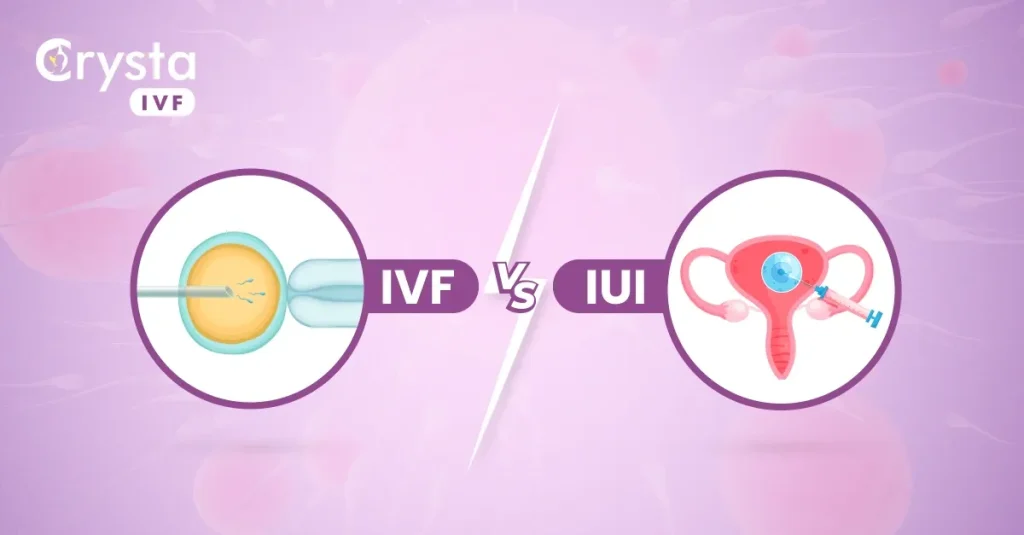
    comparison of IUI and IVF procedures illustrated with simple graphics and labels

    Making an Informed Decision: Understanding Fertility Supplements and Medical Treatments

    Medical Treatments for Fertility

    In addition to fertility supplements, there are various medical treatments available for couples struggling to conceive. These treatments are typically recommended after a thorough fertility evaluation by a doctor.

    1. Fertility Drugs: Fertility drugs are prescribed to stimulate ovulation in women or improve sperm production in men. These drugs can be taken orally or injected and should only be used under the supervision of a healthcare provider.

    2. Assisted Reproductive Technology (ART): ART involves various techniques, such as in vitro fertilization (IVF), to help couples conceive. This treatment is typically recommended for individuals with underlying medical conditions that affect fertility, such as blocked fallopian tubes or low sperm count.

    3. Surgery: In some cases, surgery may be recommended to address issues that affect fertility, such as blocked fallopian tubes or endometriosis.

    Factors to Consider Before Undergoing Medical Treatment for Fertility

    Before deciding to undergo medical treatment for fertility, it is crucial to consider the following factors:

    1. Fertility Evaluation: Before undergoing any medical treatment, it is essential to undergo a thorough fertility evaluation to determine the cause of infertility. This will help determine the most suitable treatment option for your specific needs.

    2. Cost: Medical treatments for fertility can be expensive, and insurance coverage may vary. It is crucial to discuss the cost and payment options with your healthcare provider before making a decision.

    3. Success Rates: The success rates of fertility treatments can vary depending on the individual’s age, underlying medical conditions, and other factors. It is essential to discuss the success rates with your healthcare provider to set realistic expectations.

    4. Side Effects: Like any medication, fertility drugs and treatments may have side effects. It is crucial to discuss potential side effects with your healthcare provider and monitor your body’s response during treatment.

    Conclusion

    When it comes to fertility, there is no one-size-fits-all solution. Every individual’s body is different, and what works for one person may not work for another. It is essential to understand the effectiveness, safety, and factors to consider before making a decision about fertility supplements or medical treatments. Consulting with a healthcare provider and doing thorough research can help couples make an informed decision and increase their chances of success.

    Summary:

    Fertility is a topic surrounded by myths and misconceptions, and many couples turn to supplements or medical treatments to boost their chances of conceiving. However, it is essential to make an informed decision before starting any regimen. Fertility supplements, while popular, have limited scientific evidence to support their effectiveness and are not regulated by the FDA. It is crucial to consider factors such as underlying medical conditions, dosage, and allergies before taking supplements. Medical treatments for fertility, such as fertility drugs and ART, are recommended after a thorough evaluation by a doctor. Factors to consider for medical treatments include cost, success rates, and potential side effects. Consulting with a healthcare provider and doing thorough research can help couples make an informed decision and increase their chances of conceiving.
  • Making the Decision: Artificial Insemination vs Natural Conception

    Artificial insemination and natural conception are two methods of achieving pregnancy, but they differ greatly in terms of process, success rates, and cost. Making the decision between these two options is a personal and often complex one, as it involves factors such as medical history, financial considerations, and personal beliefs. In this blog post, we will explore the differences between artificial insemination and natural conception, and help you make an informed decision.

    What is Artificial Insemination?
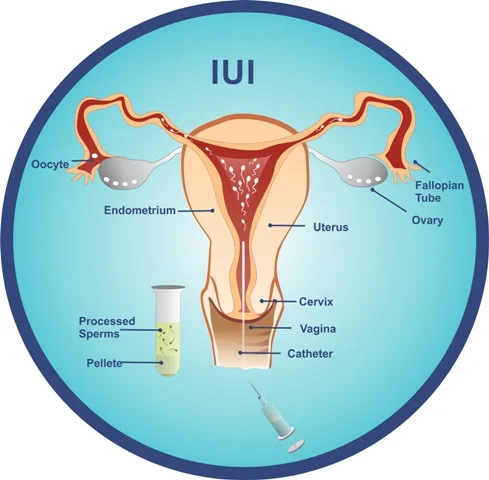
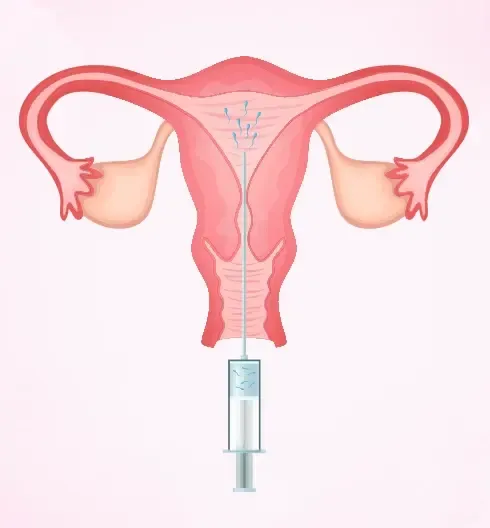
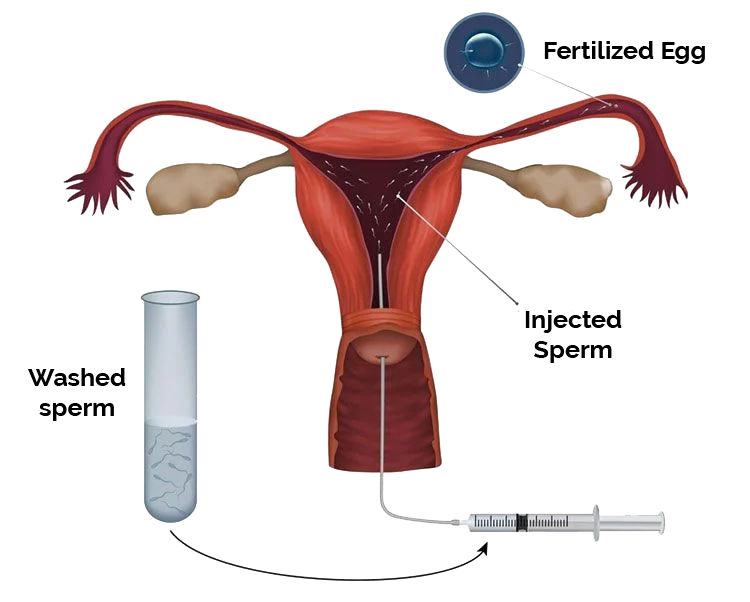
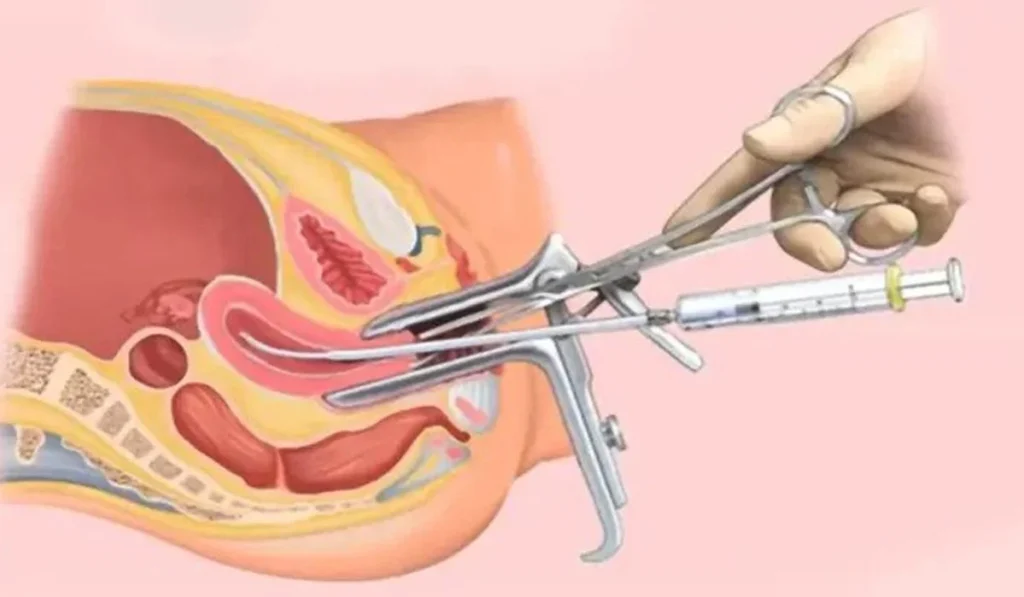
    Artificial insemination (AI), also known as intrauterine insemination (IUI), is a fertility treatment where sperm is placed directly into a woman’s uterus through a catheter. This process bypasses the need for sperm to travel through the cervix and into the uterus, making it easier for the sperm to reach the egg.

    The Process of Artificial Insemination
    The process of AI involves several steps. First, the woman’s menstrual cycle is closely monitored to determine the best time for insemination. The sperm is then washed and prepared in a laboratory to remove any harmful substances and increase its motility. During the insemination procedure, a thin catheter is used to insert the sperm into the uterus, which takes only a few minutes and is generally painless.

    Factors That Affect the Success Rate of Artificial Insemination
    The success rate of artificial insemination varies depending on several factors. These include the quality of the sperm used, the woman’s age, and the presence of any underlying fertility issues. Generally, the success rate of AI ranges from 10-20%, which may increase with multiple attempts.

    What is Natural Conception?
    Natural conception, also known as sexual intercourse, is the traditional and most common way of achieving pregnancy. It involves the natural process of sperm being ejaculated into the woman’s vagina and traveling through the cervix and into the uterus to fertilize the egg.

    The Process of Natural Conception
    The process of natural conception is relatively simple. It involves having sexual intercourse during the woman’s fertile window, which is usually around the time of ovulation. Ovulation is when the ovary releases an egg, and it is the most optimal time for fertilization to occur. The sperm then travels to the fallopian tubes to fertilize the egg, and if successful, the fertilized egg implants itself in the uterus, leading to pregnancy.

    Factors That Affect the Success Rate of Natural Conception
    The success rate of natural conception can also be affected by various factors, such as the quality of the sperm and the woman’s age. Generally, the success rate of natural conception is around 20-25% per menstrual cycle, and it may decrease with age.

    illustration of an intrauterine insemination procedure with medical instruments and anatomical details

    Making the Decision: Artificial Insemination vs Natural Conception

    Factors to Consider When Choosing Between Artificial Insemination and Natural Conception
    When deciding between artificial insemination and natural conception, there are several factors to consider. These include:

    1. Medical History: If you or your partner have any underlying fertility issues, AI may be a better option as it increases the chances of the sperm reaching the egg.

    2. Age: As women age, their fertility decreases, making it more challenging to conceive naturally. In this case, AI may be a better option to increase the chances of pregnancy.

    3. Cost: Artificial insemination can be a more affordable option compared to other fertility treatments, such as in vitro fertilization (IVF). However, it may still be more expensive than trying to conceive naturally.

    4. Time: AI can be a quicker process compared to trying to conceive naturally, as it eliminates the need for sperm to travel through the cervix. This may be beneficial for couples who are eager to start a family.

    5. Personal Beliefs: Some couples may have personal or religious beliefs that may affect their decision. For example, some may not feel comfortable with the idea of using medical procedures to achieve pregnancy and may opt for natural conception.

    In summary, making the decision between artificial insemination and natural conception is a personal one that should be made after considering all the factors. While AI may increase the chances of pregnancy for couples with underlying fertility issues or advanced maternal age, natural conception may be a more affordable and less invasive option for others. It is important to consult with a medical professional and consider all the factors before making a decision.

  • A Look into the Success Rates: Artificial Insemination vs Natural Conception

    Blog Post:

    In the world of fertility, there are various methods for couples to conceive a child. Two common methods are artificial insemination and natural conception. Both have their own success rates and benefits, but which one is more effective? In this blog post, we will take a closer look at the success rates of artificial insemination and natural conception, as well as the pros and cons of each method.

    Artificial Insemination:

    Artificial insemination, also known as intrauterine insemination (IUI), is a fertility treatment that involves placing sperm directly into a woman’s uterus to increase the chances of fertilization. This method is often used for couples with male infertility, unexplained infertility, or when a woman is using donor sperm.

    The success rate of artificial insemination varies depending on several factors such as the woman’s age, the quality of the sperm, and the reason for infertility. On average, the success rate of artificial insemination is around 10-20% per cycle. This means that out of 100 couples undergoing artificial insemination, 10-20 will conceive a child.

    One of the main advantages of artificial insemination is that it is a less invasive and less expensive option compared to other fertility treatments such as in vitro fertilization (IVF). It also allows couples to use donor sperm if needed, making it a viable option for same-sex couples or single women.

    However, there are also some drawbacks to artificial insemination. It does not address any underlying fertility issues, and it may not be effective for couples with severe male infertility or other infertility factors.

    Natural Conception:

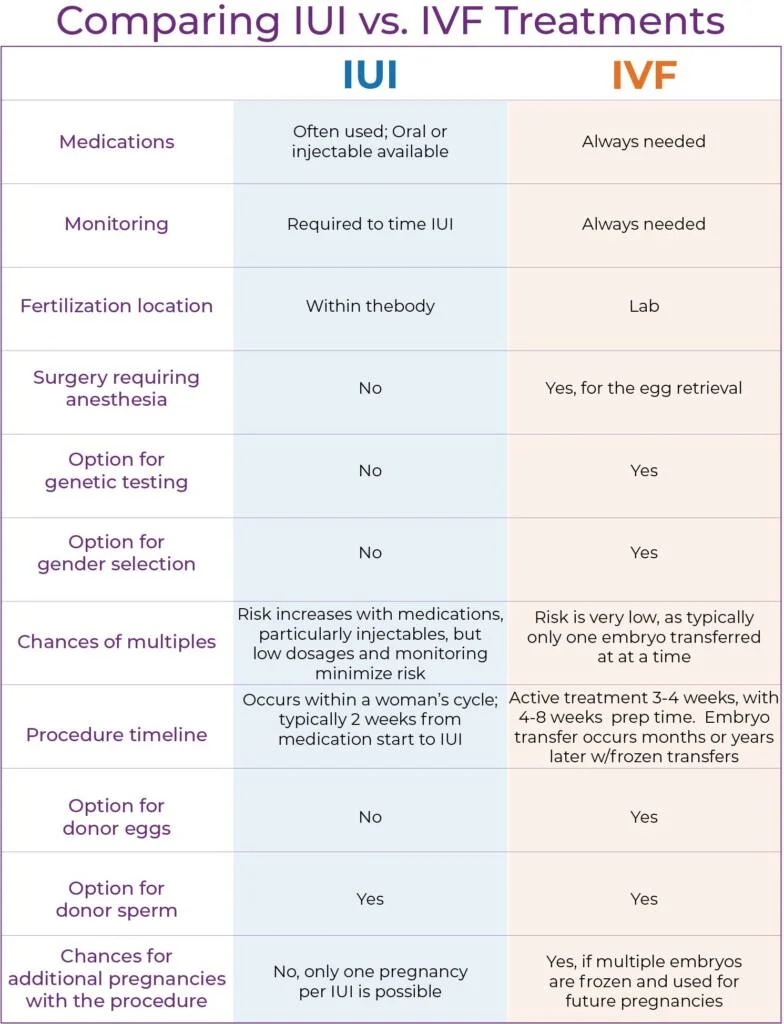
    Comparison chart of IUI and IVF treatments, detailing medications, monitoring, procedures, and success rates.

    A Look into the Success Rates: Artificial Insemination vs Natural Conception

    Natural conception, also known as sexual intercourse, is the most common way for couples to conceive a child. During ovulation, an egg is released from the ovary and travels through the fallopian tube, where it can be fertilized by sperm. This method is often preferred by couples who do not have any known fertility issues.

    The success rate of natural conception is highly dependent on several factors, such as the woman’s age and overall health, the quality of the sperm, and the timing of intercourse. On average, the success rate of natural conception is around 25% per cycle for couples in their twenties and decreases as the woman gets older.

    One of the main advantages of natural conception is that it allows couples to conceive a child without any medical intervention. It is also a more intimate and natural way of conceiving a child. However, it may not be an option for couples with fertility issues or for those who are unable to have regular intercourse.

    Comparing Artificial Insemination and Natural Conception:

    When comparing the success rates of artificial insemination and natural conception, it is essential to consider the specific circumstances of each couple. For couples with no known fertility issues, natural conception may be the best option, as it has a higher success rate and does not involve any medical intervention.

    However, for couples with male infertility or other fertility issues, artificial insemination may be a better choice. It can help increase the chances of fertilization and is a less invasive and less expensive option compared to other fertility treatments.

    It is also worth noting that these two methods can be used together. In some cases, couples may undergo artificial insemination to increase their chances of conception, while also trying to conceive through natural intercourse.

    In conclusion, the success rates of artificial insemination and natural conception can vary greatly depending on the individual circumstances of each couple. It is essential to consult with a fertility specialist to determine the best option for your specific situation.

    SEO Metadata:

  • The Cost of Fertility: Artificial Insemination vs Natural Conception

    The Cost of Fertility: Artificial Insemination vs Natural Conception

    For many couples, starting a family is a dream that they hope to see come true. However, for some, conceiving a child naturally may not be an option. This can lead to the consideration of artificial insemination, a fertility treatment that has become increasingly popular in recent years. While there are many factors to consider when deciding between artificial insemination and natural conception, one of the biggest considerations is the cost. In this blog post, we will explore the cost of fertility through the lens of artificial insemination versus natural conception, and help you to make an informed decision about which option is best for you and your family.

    The Cost of Artificial Insemination

    Artificial insemination, also known as intrauterine insemination (IUI), is a fertility treatment that involves placing sperm directly into a woman’s uterus to increase the chances of fertilization. This procedure can be done with the sperm of a partner or a donor, and is often used by couples who are struggling with male factor infertility, unexplained infertility, or same-sex couples.

    The cost of artificial insemination can vary greatly depending on a number of factors, such as the clinic you choose, the type of insemination (partner or donor), and any additional procedures that may be needed. On average, a single cycle of IUI can cost anywhere from $500 to $4,000. This cost does not include any medications or additional testing that may be required, which can add up to an additional $1,000 to $5,000 per cycle.

    One of the main advantages of artificial insemination is that it is typically less expensive than other fertility treatments, such as in vitro fertilization (IVF). However, the success rates of artificial insemination are also lower, which means that couples may need to undergo multiple cycles in order to achieve a successful pregnancy. This can significantly increase the overall cost of the treatment.

    The Cost of Natural Conception

    diagram illustrating intrauterine insemination (IUI) with labeled reproductive anatomy and procedures

    The Cost of Fertility: Artificial Insemination vs Natural Conception

    In contrast to artificial insemination, natural conception involves trying to conceive a child through sexual intercourse without any medical intervention. While this may seem like the most cost-effective option, there are still a number of factors that can contribute to the cost of natural conception.

    First, there is the cost of fertility testing to determine if there are any underlying issues that may be hindering natural conception. This can include testing for ovulation, sperm count, and hormone levels. These tests can range from a few hundred dollars to a few thousand dollars, depending on the complexity of the testing.

    Additionally, the cost of natural conception can be impacted by the use of fertility medications. These medications can help to regulate ovulation and increase the chances of conception, but they come at a cost. Depending on the type of medication and the length of treatment, couples can expect to spend anywhere from a few hundred dollars to a few thousand dollars on fertility medications.

    Other factors that can contribute to the cost of natural conception include lifestyle changes, such as diet and exercise, and alternative therapies, such as acupuncture or herbal supplements. While these options may not have a direct cost, they can still add up over time and impact the overall cost of trying to conceive naturally.

    Making the Decision

    When it comes to choosing between artificial insemination and natural conception, it is important to consider both the financial and emotional costs. While artificial insemination may have a higher upfront cost, the success rates may make it a more cost-effective option in the long run. On the other hand, natural conception may have a lower upfront cost, but the emotional toll of trying to conceive month after month can also take its toll.

    Ultimately, the decision between artificial insemination and natural conception is a personal one and should be made in consultation with a trusted healthcare provider. It is important to weigh the financial costs along with the emotional and physical costs of each option in order to make the best decision for you and your family.

    In conclusion, the cost of fertility can be a significant factor when deciding between artificial insemination and natural conception. While artificial insemination may have a higher upfront cost, the success rates and potential for fewer cycles can make it a more cost-effective option in the long run. However, the decision ultimately depends on individual circumstances and should be made in consultation with a healthcare professional.

  • From Nature to Lab: Understanding Artificial Insemination vs Natural Conception

    From Nature to Lab: Understanding Artificial Insemination vs Natural Conception

    Conceiving a child is often seen as a natural and effortless process, but for some couples, it can be a complicated and emotionally taxing journey. In today’s society, there are various methods of conception available, one of which is artificial insemination. While natural conception has been the traditional way of conceiving, artificial insemination has gained popularity in recent years. In this blog post, we will delve into the differences between artificial insemination and natural conception, their processes, and the advantages and disadvantages of each method.

    Natural conception is the process of fertilization where sperm from a male partner meets an egg from a female partner within the woman’s reproductive system. This process typically happens during sexual intercourse, where the sperm is released into the vagina and travels through the cervix and into the fallopian tubes where fertilization occurs. This method is considered the most natural way of conceiving and has been the primary means of reproduction for humans since the beginning of time.

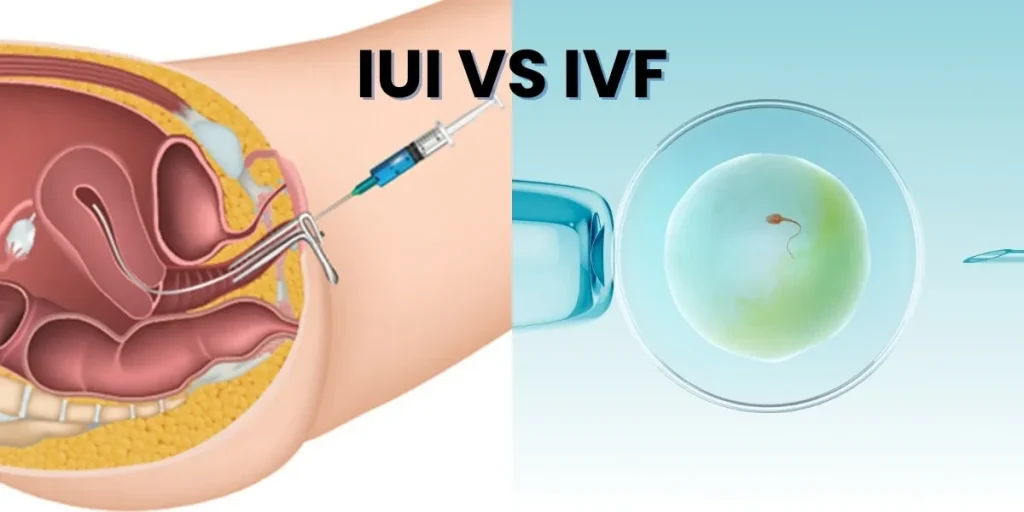
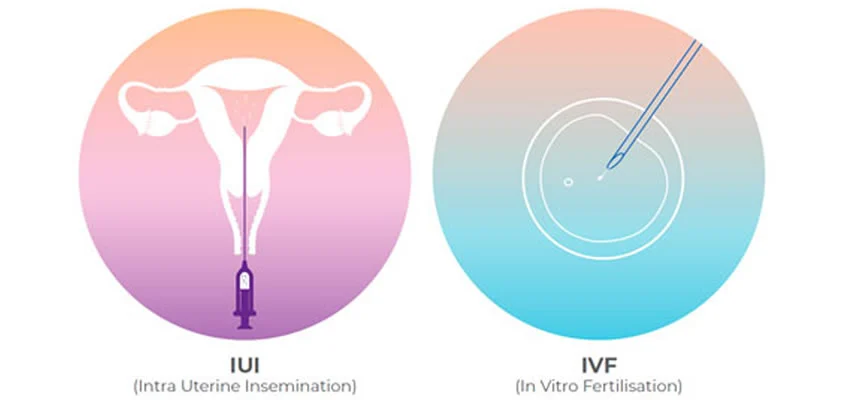
    On the other hand, artificial insemination is a method of conception that involves the introduction of sperm into a woman’s reproductive system through medical procedures. There are two main types of artificial insemination: intrauterine insemination (IUI) and in vitro fertilization (IVF). Intrauterine insemination involves placing washed and concentrated sperm directly into the woman’s uterus, while in vitro fertilization is a more complex procedure where the egg is fertilized by sperm in a laboratory setting and then implanted into the woman’s uterus.

    One of the primary reasons for choosing artificial insemination over natural conception is when a couple struggles with fertility issues. Artificial insemination can help these couples by increasing their chances of conception. Intrauterine insemination, in particular, is often used when a woman has difficulty getting pregnant due to factors such as endometriosis, irregular ovulation, or a low sperm count in the male partner. This method allows for the sperm to be placed closer to the egg, increasing the chances of fertilization.

    Another advantage of artificial insemination is that it can be used for same-sex couples or single individuals who wish to have a child. With the help of a sperm donor, these individuals or couples can still experience the joy of parenthood. This method also allows for genetic testing to be done on the sperm and egg before fertilization, reducing the chances of passing on any hereditary diseases to the child.

    However, artificial insemination also comes with its own set of disadvantages. The success rate of this method is comparatively lower than natural conception, and it may require multiple attempts before achieving a successful pregnancy. It can also be a costly process, especially if in vitro fertilization is needed, which can involve extensive medical procedures and laboratory work.

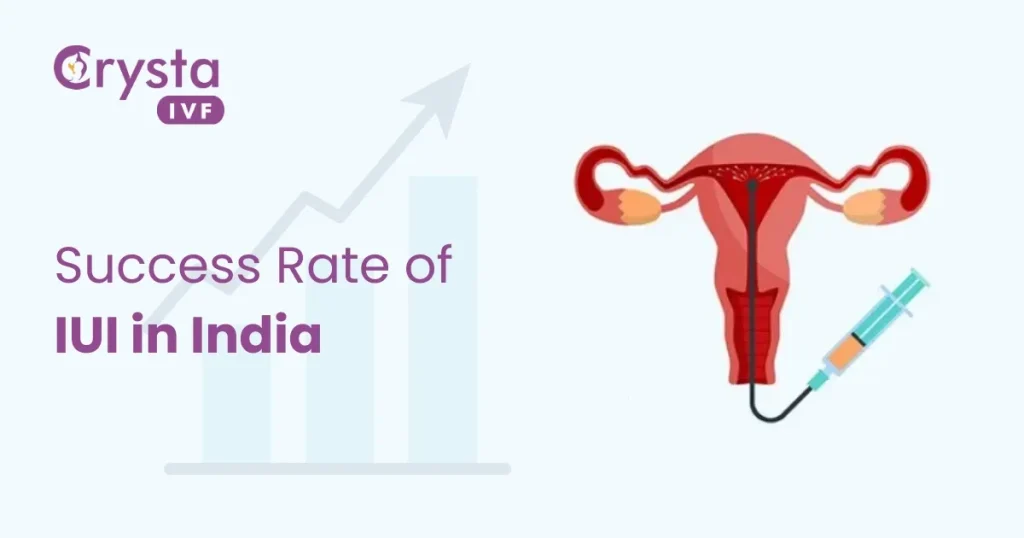
    success rate of IUI in India with a graphic of a uterus and syringe alongside a rising graph

    From Nature to Lab: Understanding Artificial Insemination vs Natural Conception

    On the other hand, natural conception has a higher success rate, with approximately one in four couples conceiving within the first month of trying. It also allows for a more intimate and natural experience for the couple, as the process is entirely done within the privacy of their own home.

    Natural conception also has the advantage of being a more affordable option. While there may be some initial costs involved, such as prenatal vitamins and ovulation kits, it does not require the extensive medical procedures and laboratory work that artificial insemination does.

    Moreover, many couples prefer natural conception as it allows for a more natural and emotional bond between the parents and the child. The process of trying to conceive and the anticipation of finding out if a pregnancy has occurred can bring couples closer and create a stronger emotional connection between them and their child.

    It is also essential to consider the emotional impact of both methods on the couple. Artificial insemination can be a stressful and emotionally taxing process, especially if it does not result in a successful pregnancy. It can also be a difficult decision for couples to make, as it involves using medical procedures to conceive rather than the natural way.

    In contrast, natural conception can also bring emotional challenges, especially for couples who struggle with fertility issues. The disappointment and sadness that come with unsuccessful attempts can take a toll on the couple’s emotional well-being and their relationship.

    In conclusion, both artificial insemination and natural conception have their own sets of advantages and disadvantages. The decision of which method to choose ultimately depends on the couple’s individual circumstances and preferences. For those struggling with fertility issues, artificial insemination may offer a better chance of conception, while natural conception may be a more affordable and intimate option for others. It is essential to carefully consider all factors and consult with a medical professional before deciding on a method of conception.

    In summary, this blog post explored the differences between artificial insemination and natural conception. While both methods have the same end goal of achieving pregnancy, they differ in their processes, success rates, and emotional impact on couples. The decision of which method to choose is a personal one and should be made after careful consideration and consultation with a medical professional.

  • The Pros and Cons of Artificial Insemination and Natural Conception

    Blog Post Title: Artificial Insemination vs. Natural Conception: Pros and Cons

    Introduction:
    The process of conception is a crucial step in starting a family. In today’s world, there are various methods available for conception, including artificial insemination and natural conception. While both methods have the goal of achieving pregnancy, there are significant differences between them. In this blog post, we will discuss the pros and cons of artificial insemination and natural conception, so you can make an informed decision about which method is right for you.

    Artificial Insemination:
    Artificial insemination, also known as intrauterine insemination (IUI), is a fertility treatment that involves placing sperm directly into the uterus. This method is often recommended for couples who are struggling with infertility. Here are the pros and cons of artificial insemination:

    Pros:
    1. Increased chances of conception: Artificial insemination is a highly targeted method of conception, which increases the chances of sperm reaching the egg and fertilizing it. This is particularly beneficial for couples who have been trying to conceive for a long time.

    2. Less invasive: Artificial insemination is a relatively simple and non-invasive procedure compared to other fertility treatments such as in vitro fertilization (IVF). It does not require any surgery, and there is minimal discomfort during the procedure.

    3. Can use donor sperm: Artificial insemination allows the use of donor sperm for couples who are unable to conceive due to male factor infertility. This gives couples more options and increases their chances of having a baby.

    4. Cost-effective: Compared to other fertility treatments, artificial insemination is relatively affordable. This makes it a viable option for couples who cannot afford more expensive treatments.

    Cons:
    1. Success rates vary: The success rates of artificial insemination can vary, and it is not a guarantee of pregnancy. Factors such as age, fertility issues, and the quality of sperm can affect the success of the procedure.

    2. Requires multiple attempts: In some cases, couples may need to undergo several cycles of artificial insemination to achieve pregnancy. This can be emotionally and financially draining for some couples.

    3. Risk of multiple pregnancies: Artificial insemination increases the chances of multiple pregnancies, which can lead to complications during pregnancy and delivery. This is something that couples should discuss with their doctor before undergoing the procedure.

    comparison of IUI and IVF fertility treatments with illustrations of procedures and a petri dish with an egg and sperm

    The Pros and Cons of Artificial Insemination and Natural Conception

    Natural Conception:
    Natural conception, also known as sexual intercourse, is the most common and traditional method of conception. It involves the union of sperm and egg through sexual intercourse. Here are the pros and cons of natural conception:

    Pros:
    1. No medical intervention: Natural conception does not involve any medical procedures or interventions, making it a more natural and intuitive way of conceiving a child.

    2. Bonding experience: Sexual intercourse is a bonding experience for couples and can strengthen their relationship. The process of trying to conceive naturally can also bring couples closer and create a sense of intimacy.

    3. No cost: Unlike fertility treatments, natural conception does not cost anything, making it a more affordable option for couples.

    4. Higher success rate: For couples with no underlying fertility issues, natural conception has a higher success rate compared to artificial insemination or other fertility treatments.

    Cons:
    1. Requires timing and planning: Unlike artificial insemination, natural conception requires careful timing and planning to increase the chances of conception. This can add pressure and stress to couples, especially if they have been trying to conceive for a while.

    2. Age-related fertility decline: As women age, their fertility decreases, making it more challenging to conceive naturally. This can be a significant concern for couples who are trying to conceive later in life.

    3. Limited options for same-sex couples: Natural conception is not an option for same-sex couples, which can be a barrier for them in starting a family.

    Conclusion:
    Both artificial insemination and natural conception have their pros and cons, and the choice ultimately depends on the individual needs and circumstances of the couple. While artificial insemination may have a higher success rate and offer more options for couples struggling with infertility, natural conception provides a more natural and intimate experience for couples. It is essential to consult with a fertility specialist to discuss the best option for your specific situation.

    In summary, artificial insemination and natural conception have their own set of advantages and disadvantages. Couples should carefully consider their options and consult with a fertility specialist to determine the best method for them. Ultimately, the goal is to achieve a healthy pregnancy and start a family, and whichever method helps you achieve that is the right one for you.

  • IUI vs Timed Intercourse: Exploring the Options for Couples with Recurrent Pregnancy Loss

    Blog Post Title: IUI vs Timed Intercourse: Exploring the Options for Couples with Recurrent Pregnancy Loss

    Summary:

    Recurrent pregnancy loss, also known as recurrent miscarriage, is a heartbreaking experience for many couples. It is defined as three or more consecutive pregnancy losses before 20 weeks of gestation. While there can be various underlying causes for this, it can be a difficult journey for couples who are trying to conceive and carry a pregnancy to term.

    One of the options available for couples with recurrent pregnancy loss is intrauterine insemination (IUI) and timed intercourse. These procedures involve timing intercourse with ovulation and using fertility treatments to increase the chances of conception. In this blog post, we will explore the differences between IUI and timed intercourse and discuss which option may be more suitable for couples facing recurrent pregnancy loss.

    IUI, also known as artificial insemination, involves placing washed and concentrated sperm directly into the uterus during ovulation. This procedure can be done with or without fertility drugs, depending on the individual’s fertility needs. On the other hand, timed intercourse involves tracking ovulation and having intercourse during the most fertile days of a woman’s cycle. This can also be combined with fertility treatments such as ovulation induction or hormonal injections to stimulate ovulation.

    Illustration of a uterus with a syringe indicating an intrauterine insemination procedure.

    IUI vs Timed Intercourse: Exploring the Options for Couples with Recurrent Pregnancy Loss

    One of the main differences between IUI and timed intercourse is the level of medical intervention involved. IUI requires a medical professional to perform the procedure, while timed intercourse can be done at home. This may make timed intercourse a more convenient and less invasive option for some couples. However, IUI may be a better choice for couples who have difficulty with timed intercourse due to work schedules or other factors.

    Another factor to consider is the success rates of each procedure. According to the American Society for Reproductive Medicine, the success rates of IUI range from 10-20% per cycle, while timed intercourse has a success rate of about 5-10% per cycle. However, these success rates may vary depending on factors such as age, underlying fertility issues, and the use of fertility treatments.

    For couples with recurrent pregnancy loss, it is essential to determine the underlying cause and address it before undergoing IUI or timed intercourse. Some common causes of recurrent pregnancy loss include genetic factors, hormone imbalances, and structural issues with the uterus. By identifying and treating these underlying causes, the chances of a successful pregnancy can significantly increase.

    Another important consideration for couples with recurrent pregnancy loss is the emotional toll of these procedures. Going through fertility treatments and experiencing multiple miscarriages can be emotionally and mentally draining. It is crucial for couples to have support from loved ones and to seek counseling if needed.

    In addition to IUI and timed intercourse, other options are available for couples with recurrent pregnancy loss, such as in vitro fertilization (IVF) and surrogacy. These procedures may be more invasive and expensive but can have higher success rates for couples facing recurrent pregnancy loss. It is essential to discuss all available options with a fertility specialist and make an informed decision based on individual circumstances.

    In conclusion, IUI and timed intercourse are two options available for couples with recurrent pregnancy loss. Both procedures involve timing intercourse with ovulation and using fertility treatments to increase the chances of conception. However, factors such as medical intervention, success rates, underlying causes, and emotional toll should be considered when deciding which option is best for an individual couple. It is crucial for couples to seek support and guidance from a fertility specialist to determine the most suitable option for them.

  • Intrauterine Insemination vs Timed Intercourse: A Look at the Success Rates for Couples with Unexplained Infertility

    Title: Intrauterine Insemination vs Timed Intercourse: A Look at the Success Rates for Couples with Unexplained Infertility

    Introduction:
    Infertility is a common issue that affects 1 in 8 couples worldwide. When a couple has been trying to conceive for a year or more without success, they are diagnosed with infertility. Unexplained infertility is a term used when no specific cause can be identified for a couple’s inability to conceive. In such cases, fertility treatments like intrauterine insemination (IUI) and timed intercourse are often recommended. In this blog post, we will delve into the success rates of these two methods for couples with unexplained infertility.

    What is Intrauterine Insemination?
    Intrauterine insemination (IUI) is a fertility treatment where a concentrated amount of sperm is placed directly into the woman’s uterus during the time of ovulation. This procedure is often recommended for couples with unexplained infertility or those with mild male factor infertility. The goal of IUI is to increase the number of sperm that reach the fallopian tubes and therefore increase the chances of fertilization.

    What is Timed Intercourse?
    Timed intercourse is a method where a couple is advised to have sex during the most fertile days of the woman’s menstrual cycle. This is usually determined by tracking the woman’s basal body temperature, cervical mucus changes, and using ovulation predictor kits. Timed intercourse is often recommended as a first-line treatment for couples with unexplained infertility.

    Success Rates of IUI vs Timed Intercourse:
    Both IUI and timed intercourse have been shown to increase the chances of pregnancy for couples with unexplained infertility. However, the success rates for each method may vary.

    According to a study published in the Journal of Human Reproductive Sciences, the success rate for IUI in couples with unexplained infertility was found to be around 10-15%. This means that out of 100 couples undergoing IUI, 10-15 of them will conceive. On the other hand, timed intercourse has a success rate of around 20%. This shows that timed intercourse has a slightly higher success rate compared to IUI for couples with unexplained infertility.

    diagram of the female reproductive system with an IUI syringe and test tube for artificial insemination

    Intrauterine Insemination vs Timed Intercourse: A Look at the Success Rates for Couples with Unexplained Infertility

    Factors Affecting Success Rates:
    Several factors can affect the success rates of IUI and timed intercourse for couples with unexplained infertility. These include the age of the woman, the quality of the sperm, and the number of treatment cycles.

    Age: As a woman gets older, her fertility decreases, and the chances of conceiving through IUI or timed intercourse also decrease. According to a study published in the Journal of Reproductive Medicine, the success rate of IUI for women under 35 years was 14.3%, while for women over 35 years, it was only 6.7%.

    Sperm Quality: The quality of the sperm used in IUI can also affect the success rates. If the male partner has a low sperm count or poor sperm motility, the chances of fertilization and pregnancy decrease. In such cases, timed intercourse may be a better option as it relies on natural conception rather than the quality of the sperm.

    Number of Treatment Cycles: The success rates for both IUI and timed intercourse increase with the number of treatment cycles. It is recommended to undergo at least three to six cycles of IUI or timed intercourse before considering other fertility treatments.

    Which Method is Right for You?
    When deciding between IUI and timed intercourse, it is essential to consider various factors such as age, sperm quality, and your doctor’s recommendations. Both methods have similar success rates, but timed intercourse may be a more cost-effective and less invasive option for couples with unexplained infertility. However, IUI may be a better option for couples with male factor infertility.

    Conclusion:
    Unexplained infertility can be a frustrating and emotional journey for couples trying to conceive. However, with the help of fertility treatments like IUI and timed intercourse, the chances of pregnancy can be increased. Both methods have similar success rates, but it is essential to consult with a fertility specialist to determine which method is best for you.

    Summary:
    Intrauterine insemination (IUI) and timed intercourse are two fertility treatments often recommended for couples with unexplained infertility. IUI involves placing concentrated sperm directly into the uterus during ovulation, while timed intercourse relies on natural conception during the most fertile days of the menstrual cycle. Both methods have a success rate of around 10-20%, with timed intercourse having slightly higher success rates. Factors such as age, sperm quality, and the number of treatment cycles can affect the success rates for both methods. It is crucial to consult with a fertility specialist to determine which method is best for you.

  • A Look at the Success Rates: Intrauterine Insemination vs Timed Intercourse for Couples with Male Factor Infertility

    Blog Post:

    Infertility is a common issue that many couples face when trying to conceive. It affects approximately 1 in 8 couples, and male factor infertility accounts for about 30% of all infertility cases. With advancements in reproductive technology, there are various treatment options available to help couples overcome male factor infertility. In this blog post, we will take a closer look at two popular treatments – intrauterine insemination (IUI) and timed intercourse – and compare their success rates for couples struggling with male factor infertility.

    What is Intrauterine Insemination?

    Intrauterine insemination, also known as artificial insemination, is a fertility treatment where sperm is placed directly into the woman’s uterus during the time of ovulation. This procedure involves washing and preparing sperm to increase its quality and then inserting it into the uterine cavity using a thin catheter. This process helps to bypass any potential barriers that may prevent the sperm from reaching the egg naturally.

    What is Timed Intercourse?

    Timed intercourse, also known as timed sexual intercourse, is a fertility treatment where couples are advised to have sex during the woman’s fertile window, which is the five days leading up to and including ovulation. This method relies on the woman’s natural cycle and does not involve any medical intervention.

    Success Rates of Intrauterine Insemination vs Timed Intercourse

    When it comes to the success rates of fertility treatments, it is essential to consider various factors, such as age, cause of infertility, and previous fertility history. In general, the success rates of IUI and timed intercourse for couples with male factor infertility vary and depend on the individual case.

    Intrauterine insemination has an overall success rate of around 10-20% per cycle. However, this rate can increase to 25% for couples with unexplained infertility. It is also essential to note that the success rates decrease with age, and the highest success rates are seen in women under the age of 35.

    On the other hand, timed intercourse has a slightly lower success rate of 10-15% per cycle. This method relies heavily on the timing of intercourse, and if the timing is not precise, the chances of conception decrease significantly. However, timed intercourse also has a higher success rate for couples with unexplained infertility, with a success rate of 20-25% per cycle.

    Comparison of IVF and IUI procedures with illustrations of each method.

    A Look at the Success Rates: Intrauterine Insemination vs Timed Intercourse for Couples with Male Factor Infertility

    Factors Affecting Success Rates

    As mentioned earlier, there are several factors that can affect the success rates of both IUI and timed intercourse. Age is one of the most significant factors, with women over the age of 35 having a lower chance of success with either method. Other factors that can impact the success rates include the cause of male factor infertility, the number of sperm used during IUI, and the timing of intercourse during the fertile window.

    Comparing the Two Methods

    Both IUI and timed intercourse are popular fertility treatments for couples with male factor infertility, but they have their differences. In general, IUI is a more invasive procedure that requires medical intervention, while timed intercourse relies on the woman’s natural cycle. Also, IUI can be more expensive than timed intercourse, as it involves the use of fertility drugs and medical procedures.

    One major advantage of IUI is that the sperm is placed directly into the uterus, increasing the chances of fertilization. However, this also means that the success rates can be affected by the quality of the sperm used. On the other hand, timed intercourse relies on the natural ability of the sperm to reach the egg, which can be a disadvantage for couples with low sperm count or poor sperm quality.

    Which Method is Right for You?

    Deciding between IUI and timed intercourse can be a challenging decision for couples struggling with male factor infertility. It is essential to consult with a fertility specialist to determine the best course of treatment based on your individual case. Factors such as age, cause of infertility, and previous fertility history should be considered when making this decision.

    In conclusion, both IUI and timed intercourse can be effective treatment options for couples with male factor infertility. However, the success rates can vary depending on individual factors. It is crucial to consult with a fertility specialist to determine the best treatment plan for your unique situation.

    Summary:

    Infertility is a common issue for couples, with male factor infertility accounting for about 30% of all cases. Two popular treatments for male factor infertility are intrauterine insemination (IUI) and timed intercourse. IUI involves placing prepared sperm directly into the uterus, while timed intercourse relies on the woman’s natural cycle. Both methods have success rates of 10-20% per cycle, with higher success rates for couples with unexplained infertility. Factors such as age, cause of infertility, and previous fertility history can affect the success rates of both methods. It is essential to consult with a fertility specialist to determine the best treatment plan for individual cases.

  • IUI vs Timed Intercourse: Exploring the Differences in Cost, Time, and Effort

    In the world of fertility treatments, there are many options available for couples struggling to conceive. Two common methods are Intrauterine Insemination (IUI) and Timed Intercourse. Both of these procedures involve placing sperm directly into the uterus, but there are some key differences between them that can affect the cost, time commitment, and effort required. In this blog post, we will explore these differences and help you decide which method may be best for you and your partner.

    Cost:
    One of the first things that couples may consider when deciding between IUI and Timed Intercourse is the cost. Generally, Timed Intercourse is the more affordable option of the two. This is because it does not involve any medical procedures or medications. Timed Intercourse relies solely on timing intercourse during the woman’s ovulation window, which can be determined through ovulation predictor kits or monitoring basal body temperature. On the other hand, IUI involves a series of medical procedures, including ultrasounds, blood work, and sperm preparation, which can significantly increase the cost. Additionally, IUI often requires the use of fertility medications to stimulate egg production, which can add to the overall cost.

    Time:
    Time is another factor to consider when choosing between IUI and Timed Intercourse. Timed Intercourse can be done at home, and the couple can determine the timing based on the woman’s cycle. This can save a lot of time, as there is no need for frequent doctor visits or medical procedures. However, this method does require careful planning and tracking of ovulation, which can be time-consuming and stressful for some couples. On the other hand, IUI involves multiple doctor visits, ultrasounds, and blood work, which can take up a significant amount of time. Additionally, the couple may need to coordinate their schedules with the doctor’s office for the actual procedure, which can be challenging for some individuals.

    Cost breakdown for IUI components, including requirements, impacts, and alternatives.

    IUI vs Timed Intercourse: Exploring the Differences in Cost, Time, and Effort

    Effort:
    The level of effort required for IUI and Timed Intercourse can also differ. Timed Intercourse can be less physically demanding, as it does not involve any medical procedures. However, it does require careful tracking of ovulation and timing intercourse during the woman’s fertile window, which can be mentally and emotionally draining for some couples. On the other hand, IUI requires multiple medical procedures and frequent doctor visits, which can be physically and emotionally taxing. The process of sperm preparation and insertion can also be uncomfortable for some women, adding to the overall effort required for IUI.

    Success Rates:
    When it comes to fertility treatments, success rates are a crucial factor for couples to consider. Timed Intercourse relies heavily on accurate ovulation tracking and timing, which can be challenging for some couples to achieve. This can lead to a lower success rate compared to IUI. With IUI, the sperm is directly placed into the uterus, increasing the chances of fertilization. Additionally, the use of fertility medications can help stimulate egg production, increasing the success rate even further. However, it is worth noting that the success rates for both IUI and Timed Intercourse can vary depending on individual factors such as age, overall health, and underlying fertility issues.

    In summary, IUI and Timed Intercourse are two common fertility treatments that involve placing sperm directly into the uterus. Timed Intercourse is the more affordable option and can be done at home, but it requires careful tracking and timing. On the other hand, IUI involves multiple medical procedures and medications, making it more costly and time-consuming. The level of effort required can also differ between the two methods. Ultimately, the success rates may also vary, making it essential for couples to discuss with their doctor and choose the best option for their individual situation.