Tag: Ovulation

  • Understanding the Differences: At-Home vs Medical Fertility Testing

    In today’s world, many couples are waiting longer to start a family or are facing difficulties when trying to conceive. As a result, fertility testing has become a popular topic and an important tool in family planning. However, there are different options when it comes to fertility testing, specifically at-home and medical testing. In this blog post, we will discuss the differences between these two types of testing, their benefits and limitations, and help you understand which option may be the best for you.

    At-Home Fertility Testing:
    At-home fertility testing involves using a kit that can be purchased over-the-counter or online. These kits usually test for ovulation and can also provide information about hormone levels and overall reproductive health. They are easy to use and can be done in the comfort of your own home. The process usually involves collecting a sample, either urine or saliva, and following the instructions provided in the kit.

    Benefits:
    One of the major benefits of at-home fertility testing is convenience. As mentioned earlier, it can be done in the privacy of your own home, without having to schedule appointments or visit a medical facility. This can be particularly appealing for couples who are trying to conceive but have busy schedules or live in remote areas.

    Another benefit is cost. At-home fertility testing kits are generally more affordable than medical testing, making it a more accessible option for couples who may not have insurance coverage or the financial means to undergo medical testing.

    Limitations:
    While at-home fertility testing may seem like a convenient and cost-effective option, it does have some limitations. The accuracy of these tests can vary, and they may not be able to provide a complete picture of your reproductive health. For example, at-home tests may not be able to detect certain underlying issues that could be causing infertility, such as blocked fallopian tubes or low sperm count. Additionally, some at-home kits may not be regulated by the FDA, which could impact their reliability.

    Medical Fertility Testing:
    Medical fertility testing involves visiting a healthcare professional, usually a fertility specialist, to undergo a series of tests and evaluations. These tests may include blood work, ultrasounds, and other diagnostic procedures to assess your reproductive health and identify any potential issues that may be affecting your fertility.

    Benefits:
    The biggest benefit of medical fertility testing is the expertise and guidance of a healthcare professional. Fertility specialists have extensive training and experience in diagnosing and treating infertility, and they can provide personalized recommendations based on your specific situation. They may also be able to detect underlying issues that at-home tests may miss, providing a more comprehensive evaluation of your reproductive health.
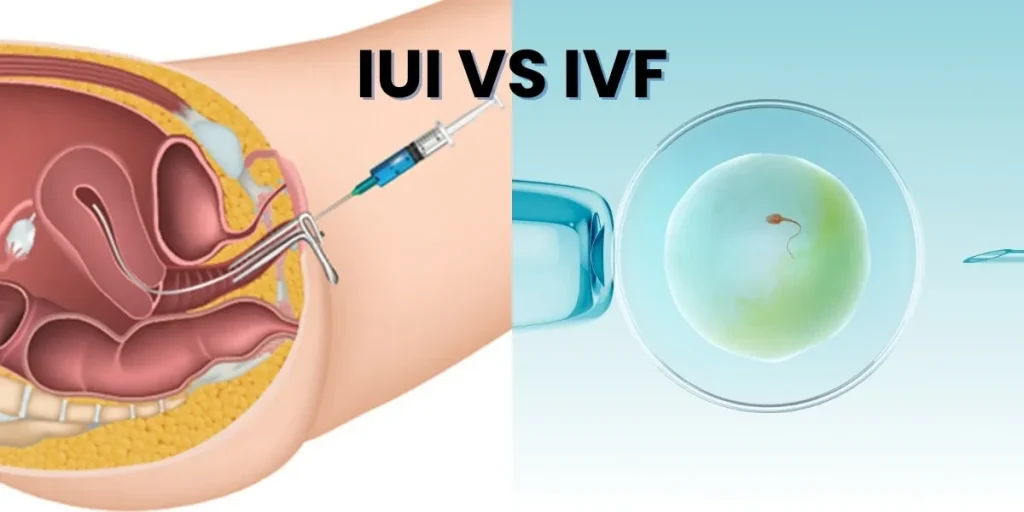
    comparison of IUI and IVF fertility treatments with illustrations of procedures and a petri dish with an egg and sperm

    Understanding the Differences: At-Home vs Medical Fertility Testing

    Medical testing also allows for more accurate and reliable results. The tests and procedures used are often more advanced and have been extensively researched and regulated, ensuring their accuracy and reliability.

    Limitations:
    The main limitation of medical fertility testing is the cost. These tests and procedures can be expensive, and they may not be covered by insurance. This can be a barrier for couples who are already struggling with the emotional and financial stress of infertility.

    Another limitation is the inconvenience and time commitment. Medical fertility testing involves multiple appointments and procedures, which can be time-consuming and may require taking time off work or rearranging schedules.

    Which Option is Right for You?
    When it comes to choosing between at-home and medical fertility testing, there is no one-size-fits-all answer. It ultimately depends on your personal preferences and situation. If you are looking for a convenient and cost-effective way to track your ovulation and get a general idea of your reproductive health, at-home testing may be a good option for you. However, if you are experiencing difficulty conceiving and want a more comprehensive evaluation of your fertility, medical testing may be the better choice.

    In some cases, a combination of both options may be beneficial. For example, using at-home tests to track ovulation and then consulting with a fertility specialist for a more thorough evaluation.

    In conclusion, understanding the differences between at-home and medical fertility testing is important in order to make an informed decision about which option is right for you. While at-home testing offers convenience and affordability, medical testing provides accuracy and expertise. Consider your personal needs and preferences and consult with a healthcare professional to determine the best course of action for your reproductive health journey.

    Summary:
    Fertility testing has become an important tool in family planning, but there are differences between at-home and medical testing. At-home testing offers convenience and affordability, while medical testing provides accuracy and expertise. At-home tests may not be able to detect underlying issues, while medical testing involves multiple appointments and can be costly. The best option depends on personal preferences and situation, and a combination of both may be beneficial.
  • Natural Supplements to Enhance Fertility Without Injections

    Blog Post: Natural Supplements to Enhance Fertility Without Injections

    Infertility affects millions of people around the world, and many couples struggle with conceiving a child. While there are various medical interventions available, such as fertility injections, they can be expensive and come with potential risks. Fortunately, there are natural supplements that can help enhance fertility without the need for injections. In this blog post, we will discuss the top natural supplements that have been shown to improve fertility and increase the chances of conception.

    1. Maca Root
    Maca root is a popular natural supplement that has been used for centuries to improve fertility. It is a plant native to Peru and is believed to balance hormones in both men and women, which can help with fertility issues. Maca root is also rich in antioxidants, vitamins, and minerals, making it a great overall supplement for reproductive health. Studies have shown that maca root can improve sperm quality and quantity in men and regulate ovulation in women.

    2. Vitex
    Vitex, also known as chasteberry, is a herb that has been traditionally used to treat reproductive issues in women. It works by balancing hormones, specifically increasing levels of progesterone and decreasing levels of estrogen. This can help regulate ovulation and improve the chances of conceiving. Vitex has also been shown to improve symptoms of polycystic ovary syndrome (PCOS), a common cause of infertility in women.

    3. CoQ10
    Coenzyme Q10, or CoQ10, is an antioxidant that plays a vital role in energy production and cell growth. It is found in every cell of the body and is essential for reproductive health. CoQ10 has been shown to improve sperm quality and motility in men, as well as egg quality in women. It can also help protect the eggs and sperm from damage caused by free radicals.

    4. Omega-3 Fatty Acids
    Omega-3 fatty acids, found in fish oil and flaxseed oil, are essential for reproductive health. They help regulate hormones, improve blood flow to the reproductive organs, and reduce inflammation. Studies have shown that omega-3 fatty acids can improve sperm quality and increase the chances of ovulation in women. They have also been linked to a lower risk of miscarriage and preterm birth.

    5. Zinc
    Zinc is an essential mineral that plays a crucial role in fertility. It is involved in the production of hormones and is necessary for sperm development and maturation. Low levels of zinc have been linked to infertility in both men and women. Studies have shown that zinc supplementation can improve sperm quality and increase sperm count in men. In women, zinc can help regulate the menstrual cycle and improve egg quality.

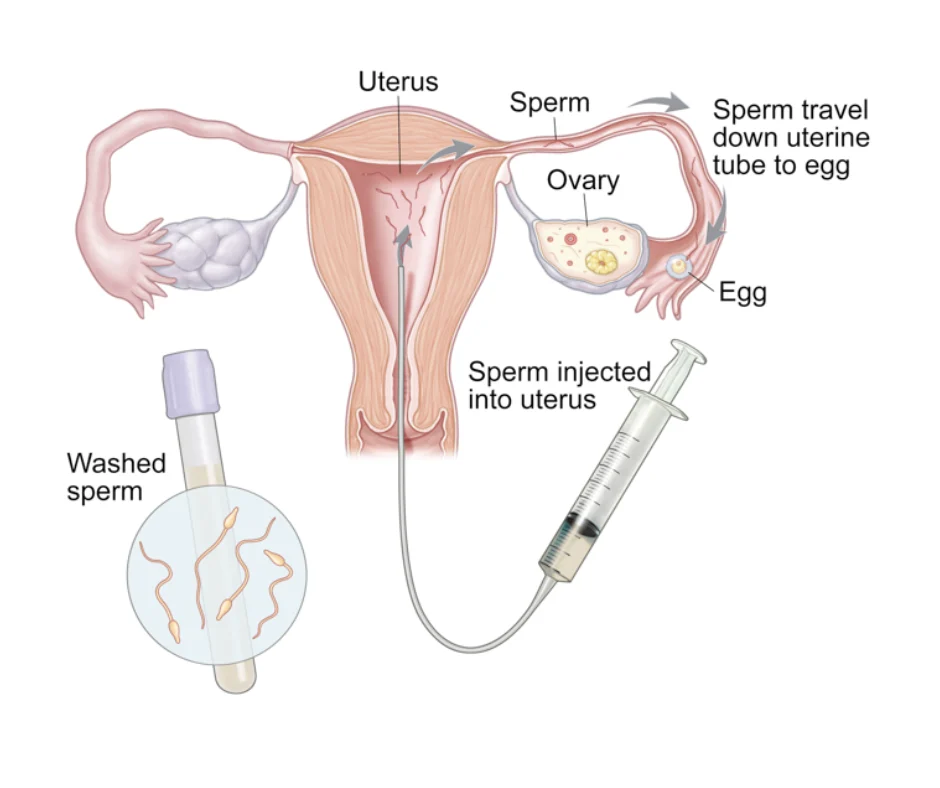
    diagram illustrating intrauterine insemination process, showing sperm injection into the uterus and egg fertilization pathway

    Natural Supplements to Enhance Fertility Without Injections

    6. Vitamin D
    Vitamin D deficiency has been linked to infertility in both men and women. It plays a role in regulating hormones and is essential for the development of healthy sperm and eggs. Studies have shown that vitamin D supplementation can improve sperm quality and increase the chances of conception in both men and women. It can also help improve the success rates of fertility treatments.

    7. L-arginine
    L-arginine is an amino acid that is essential for sperm production and maturation. It also helps improve blood flow to the reproductive organs, which can enhance fertility. Studies have shown that l-arginine supplementation can improve sperm motility and increase the chances of conception. It has also been linked to better outcomes in fertility treatments.

    8. Ashwagandha
    Ashwagandha is an adaptogenic herb that has been used in Ayurvedic medicine for centuries. It helps the body adapt to stress and has been shown to regulate hormones and improve reproductive health. Studies have shown that ashwagandha can improve sperm quality and motility in men. In women, it can help regulate the menstrual cycle and improve ovulation.

    9. N-acetyl-cysteine (NAC)
    NAC is an antioxidant that helps the body produce glutathione, a powerful antioxidant that protects the eggs and sperm from damage. It has been shown to improve sperm quality and increase the chances of conception. NAC can also help with conditions such as PCOS and endometriosis, which can cause infertility.

    10. Ginseng
    Ginseng is a popular herb that has been used in traditional Chinese medicine for its many health benefits. It has been shown to improve sperm quality and increase testosterone levels in men. In women, ginseng can help regulate the menstrual cycle and improve ovulation.

    In conclusion, there are many natural supplements that can help enhance fertility without the need for injections. These supplements work by balancing hormones, improving blood flow, and protecting the eggs and sperm from damage. However, it is essential to consult with a healthcare professional before adding any supplements to your routine, especially if you are currently undergoing fertility treatments. With the right combination of natural supplements, you can increase your chances of conceiving and start your journey towards parenthood.

    Summary: Infertility is a common issue that affects many couples, and while there are medical interventions available, they can be expensive and risky. Fortunately, there are natural supplements that can help enhance fertility without injections. These include maca root, vitex, CoQ10, omega-3 fatty acids, zinc, vitamin D, L-arginine, ashwagandha, NAC, and ginseng. These supplements work by balancing hormones, improving blood flow, and protecting the eggs and sperm from damage. It is important to consult with a healthcare professional before adding any supplements to your routine.

  • Hormone Injections vs Natural Fertility Boosters: What the Research Says

    Blog Post:

    Hormone injections and natural fertility boosters are two popular methods for increasing fertility in individuals struggling to conceive. While hormone injections involve the use of synthetic hormones to stimulate ovulation, natural fertility boosters typically rely on lifestyle changes and herbal supplements to improve overall reproductive health. But which method is more effective? In this blog post, we will explore the research surrounding hormone injections and natural fertility boosters to determine which option may be the best choice for those hoping to start a family.

    Hormone Injections: The Pros and Cons

    Hormone injections, also known as ovulation induction, involve the use of medications such as Clomid or gonadotropins to stimulate the ovaries to produce multiple eggs. This method is often used in cases of ovulation disorders, polycystic ovary syndrome (PCOS), or unexplained infertility. The use of hormone injections has been found to increase the chances of ovulation and pregnancy, making it a popular choice for couples struggling to conceive.

    One of the main advantages of hormone injections is that they can be tailored to an individual’s specific needs. The dosage and timing of injections can be adjusted based on the person’s hormone levels and response, making it a more personalized treatment approach. Additionally, hormone injections are often covered by insurance, making it a more affordable option for some couples.

    However, there are also downsides to using hormone injections. The use of synthetic hormones can lead to side effects such as bloating, headaches, and mood swings. In some cases, the overstimulation of the ovaries can result in a condition called ovarian hyperstimulation syndrome (OHSS), which can be serious and require medical intervention. Furthermore, hormone injections do not address the underlying causes of fertility issues and may only provide temporary relief.

    Natural Fertility Boosters: The Pros and Cons

    On the other hand, natural fertility boosters focus on improving overall reproductive health through lifestyle changes and herbal supplements. This method aims to promote a healthy hormonal balance, regulate ovulation, and improve egg quality. Some common natural fertility boosters include acupuncture, yoga, and herbal supplements like maca root and chasteberry.

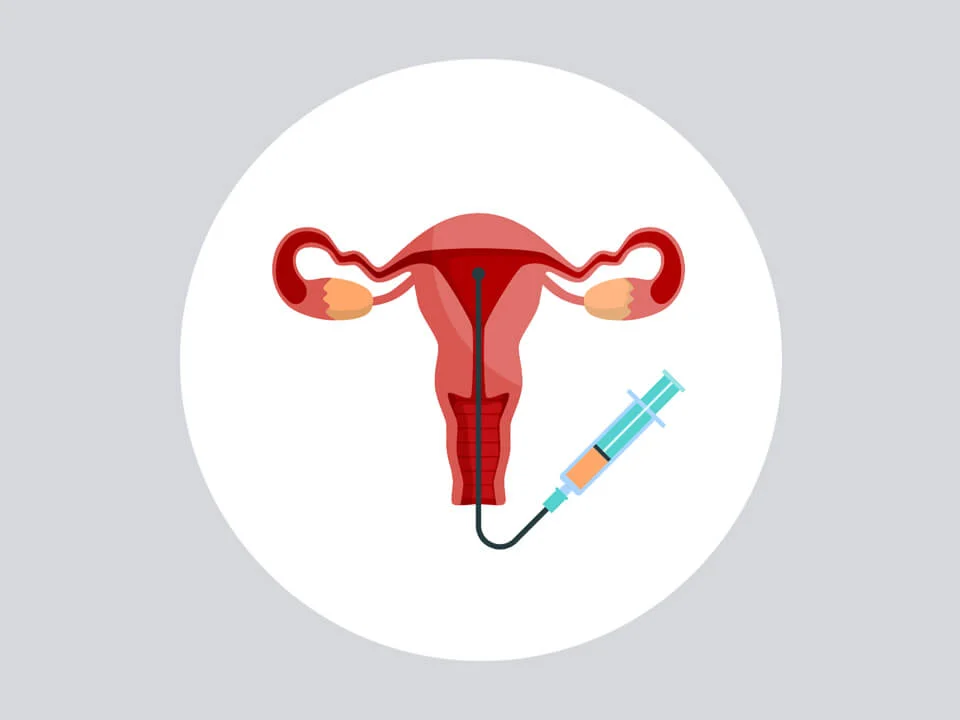
    Illustration of a uterus with a syringe, representing intrauterine insemination (IUI) procedure.

    Hormone Injections vs Natural Fertility Boosters: What the Research Says

    One of the main benefits of natural fertility boosters is that they have little to no side effects. Lifestyle changes such as improving diet and reducing stress can have a positive impact on reproductive health without any negative consequences. Additionally, natural fertility boosters address the root causes of fertility issues and can lead to long-term improvements in overall health and fertility.

    However, the effectiveness of natural fertility boosters is not as well-researched as hormone injections. While some studies have shown promising results, there is still a lack of concrete evidence to support the use of these methods. Furthermore, natural fertility boosters may not be suitable for individuals with more severe fertility issues that require medical intervention.

    What the Research Says

    A 2015 study published in the Journal of Assisted Reproduction and Genetics compared the effectiveness of hormone injections and natural fertility boosters in women with PCOS. The results showed that hormone injections were more effective in inducing ovulation, with a pregnancy rate of 25.5% compared to 13.4% in the natural fertility booster group. However, the study also found that the natural fertility booster group had a lower incidence of OHSS and a higher live birth rate.

    Another study published in the Journal of Alternative and Complementary Medicine examined the effects of acupuncture on fertility. The results showed that acupuncture can improve ovarian function and increase the chances of pregnancy in women undergoing in vitro fertilization (IVF). However, more research is needed to determine the effectiveness of acupuncture as a natural fertility booster.

    In summary, while hormone injections may have a higher success rate in inducing ovulation and achieving pregnancy, they come with potential side effects and do not address the underlying causes of fertility issues. Natural fertility boosters, on the other hand, may be a safer and more holistic approach, but more research is needed to fully understand their effectiveness. Ultimately, the best approach may vary for each individual and should be discussed with a medical professional.

    Summary:

    Hormone injections and natural fertility boosters are two common methods for increasing fertility in individuals struggling to conceive. Hormone injections involve the use of synthetic hormones to stimulate ovulation, while natural fertility boosters focus on lifestyle changes and herbal supplements. While hormone injections may have a higher success rate, they come with potential side effects and do not address the root causes of fertility issues. On the other hand, natural fertility boosters may be a safer and more holistic approach, but more research is needed to fully understand their effectiveness. Ultimately, the best approach may vary for each individual and should be discussed with a medical professional.

  • Key Differences Between Hormone Injections and Natural Fertility Boosters

    Blog Post Title: Key Differences Between Hormone Injections and Natural Fertility Boosters

    Introduction:
    Infertility is a common issue faced by many couples around the world. It can be a frustrating and emotionally draining experience, and couples often turn to different fertility treatments to increase their chances of conception. Two popular options are hormone injections and natural fertility boosters. Both methods have their own benefits and drawbacks, and it’s important to understand the key differences between them before making a decision.

    What are Hormone Injections?
    Hormone injections, also known as fertility drugs, are medications that are designed to stimulate ovulation in women. They work by increasing the levels of follicle-stimulating hormone (FSH) and luteinizing hormone (LH) in the body, which helps to mature and release eggs from the ovaries. These injections are often used in conjunction with other fertility treatments, such as intrauterine insemination (IUI) or in vitro fertilization (IVF).

    Pros of Hormone Injections:
    1. Increased chances of conception: Hormone injections are highly effective in stimulating ovulation, which can increase the chances of conception for women who have irregular or absent ovulation.
    2. Controlled cycle: The use of hormone injections allows doctors to closely monitor the ovulation cycle, ensuring that the eggs are released at the right time for fertilization to occur.
    3. Short treatment duration: Hormone injections are usually taken for a short period of time, typically around 5-10 days, making it a convenient option for couples trying to conceive.
    4. Can be used for specific fertility issues: Hormone injections can be prescribed to address specific fertility issues, such as polycystic ovary syndrome (PCOS) or luteal phase defect.

    Cons of Hormone Injections:
    1. Side effects: As with any medication, hormone injections can have side effects such as headaches, mood swings, bloating, and breast tenderness.
    2. Multiple pregnancies: Hormone injections can increase the chances of multiple pregnancies, which can be risky for both the mother and the babies.
    3. Expensive: Hormone injections can be costly, especially when used in conjunction with other fertility treatments.
    4. Requires medical supervision: Hormone injections need to be prescribed and administered by a doctor, which means regular visits to the clinic and additional costs.

    comparison of IUI and IVF fertility treatments with illustrations of procedures and a petri dish with an egg and sperm

    Key Differences Between Hormone Injections and Natural Fertility Boosters

    What are Natural Fertility Boosters?
    Natural fertility boosters are supplements or lifestyle changes that are believed to improve fertility. These can include dietary changes, herbal remedies, acupuncture, and stress reduction techniques. Unlike hormone injections, natural fertility boosters do not involve the use of medication or medical procedures.

    Pros of Natural Fertility Boosters:
    1. Can be used by both men and women: Natural fertility boosters can be used by both men and women to improve their chances of conception.
    2. No side effects: Since natural fertility boosters are made from natural ingredients, they do not have any harmful side effects.
    3. Cost-effective: Natural fertility boosters are generally more affordable than hormone injections and other fertility treatments.
    4. Can improve overall health: Many natural fertility boosters focus on improving overall health, which can have a positive impact on fertility.

    Cons of Natural Fertility Boosters:
    1. Limited scientific evidence: While many people swear by the effectiveness of natural fertility boosters, there is limited scientific evidence to support their claims.
    2. May not work for everyone: As with any treatment, what works for one person may not work for another. Natural fertility boosters may not be effective for everyone trying to conceive.
    3. Takes longer to see results: Unlike hormone injections, which have a more immediate effect, natural fertility boosters may take longer to show results.
    4. Difficult to regulate dosage: Since natural fertility boosters are not prescribed by doctors, it can be difficult to regulate the dosage and ensure that the right amount is being taken.

    Key Differences Between Hormone Injections and Natural Fertility Boosters:
    1. Method of administration: Hormone injections are administered as medication, while natural fertility boosters are taken as supplements or involve lifestyle changes.
    2. Effectiveness: Hormone injections have been proven to be highly effective in stimulating ovulation, while the effectiveness of natural fertility boosters is still debatable.
    3. Cost: Hormone injections can be more expensive than natural fertility boosters, as they require medical supervision and may be used in conjunction with other treatments.
    4. Side effects: Hormone injections can have side effects, while natural fertility boosters are generally considered safe and have no harmful side effects.
    5. Medical supervision: Hormone injections require a doctor’s prescription and regular monitoring, while natural fertility boosters can be taken without medical supervision.

    Conclusion:
    Both hormone injections and natural fertility boosters have their own set of benefits and drawbacks. While hormone injections are highly effective and can be prescribed for specific fertility issues, they can be expensive and have potential side effects. On the other hand, natural fertility boosters may be more affordable and have no side effects, but their effectiveness is still debated and they may not work for everyone. It’s important to consult with a doctor and weigh the pros and cons of each option before deciding on a fertility treatment plan.

    Summary:
    Infertility is a common issue faced by many couples and two popular treatment options are hormone injections and natural fertility boosters. Hormone injections are medications that stimulate ovulation and have a high success rate, but can be costly and have side effects. Natural fertility boosters involve supplements or lifestyle changes and are generally more affordable and have no side effects, but their effectiveness is still debated. The key differences between the two include method of administration, effectiveness, cost, side effects, and need for medical supervision.

  • The Truth About Hormone Injections and Their Impact on Fertility

    Blog Post:

    Hormone injections have become a common treatment for various health conditions, including fertility issues. However, there is a lot of misinformation surrounding these injections and their impact on fertility. In this blog post, we will delve into the truth about hormone injections and their effects on fertility.

    First, let’s understand what hormone injections are and why they are used. Hormone injections are synthetic versions of natural hormones that are injected into the body to regulate or replace hormones that are not functioning properly. They are commonly used to treat conditions such as menopause, endometriosis, and fertility issues.

    When it comes to fertility, hormone injections are often prescribed to help stimulate ovulation in women who are struggling to conceive. These injections contain hormones such as follicle-stimulating hormone (FSH) and luteinizing hormone (LH) which help the ovaries produce and release mature eggs. This can increase the chances of conception for women who have irregular or absent ovulation.

    But what are the potential side effects of these hormone injections on fertility? Many people believe that hormone injections can cause permanent damage to the reproductive system, making it difficult to conceive in the future. However, this is not entirely true.

    Studies have shown that hormone injections do not cause long-term damage to fertility. In fact, they can even improve fertility in some cases. For example, in women with polycystic ovary syndrome (PCOS), hormone injections can help regulate ovulation and improve fertility. In these cases, the injections are actually beneficial for fertility.

    However, it is important to note that hormone injections can have temporary side effects that may affect fertility. These include bloating, breast tenderness, and mood swings. In rare cases, ovarian hyperstimulation syndrome (OHSS) can occur, which can lead to enlarged ovaries and fluid buildup in the abdomen. This can affect fertility temporarily, but it usually resolves on its own within a few weeks.

    Illustration of the IUI process, showing a syringe and catheter in the reproductive system.

    The Truth About Hormone Injections and Their Impact on Fertility

    Another concern regarding hormone injections and fertility is the increased risk of multiple pregnancies. As these injections stimulate the ovaries to produce multiple eggs, there is a higher chance of conceiving twins or even triplets. While this may seem like a desirable outcome for some, it can also increase the risk of complications during pregnancy and delivery.

    So, are there any alternatives to hormone injections for fertility treatment? Yes, there are other options such as oral medications and natural treatments. However, these may not be as effective for certain fertility issues. It is important to consult with a fertility specialist to determine the best treatment plan for your specific situation.

    In addition to fertility issues, hormone injections have also been used for gender transitioning. This involves injecting hormones of the opposite sex to align the body with the individual’s gender identity. However, this can also have an impact on fertility. For transgender men, hormone injections can lead to a decrease in fertility, while for transgender women, they can cause a temporary increase in fertility.

    It’s also worth mentioning that hormone injections should only be used under the supervision of a qualified healthcare provider. They can cause serious complications if not administered correctly or in the wrong doses. It is important to follow the recommended dosage and schedule provided by your doctor.

    In conclusion, hormone injections can be a useful tool for treating fertility issues, but they should not be feared as a permanent threat to fertility. While they may have temporary side effects and an increased risk of multiple pregnancies, they do not cause permanent damage to fertility. It is important to discuss any concerns or questions with a fertility specialist before starting hormone injections. With proper medical guidance, hormone injections can be a safe and effective treatment for fertility issues.

    Summary:

    Hormone injections are synthetic versions of natural hormones that are used to regulate or replace hormones that are not functioning properly in the body. They are commonly used to treat fertility issues by stimulating ovulation. While there are temporary side effects and an increased risk of multiple pregnancies, hormone injections do not cause permanent damage to fertility. They can even improve fertility in some cases. It is important to consult with a fertility specialist before starting hormone injections and to follow the recommended dosage and schedule.

  • DIY Fertility Treatments: A Guide for Single Women

    Blog Post Title: DIY Fertility Treatments: A Guide for Single Women

    Summary:

    Fertility treatments can be expensive and inaccessible for single women. However, with the rise of DIY treatments, many single women are now able to take control of their fertility and increase their chances of conceiving. In this blog post, we will discuss the different DIY fertility treatments available for single women, their effectiveness, safety, and cost. We will also provide tips and advice on how to navigate the process of DIY fertility treatments.

    Firstly, it is important to understand that fertility treatments come in different forms and methods. The most common DIY fertility treatment is tracking ovulation. This involves monitoring your menstrual cycle and identifying the days when you are most fertile. This can be done through various methods such as tracking basal body temperature, cervical mucus, or using ovulation predictor kits. This method is free and can be easily done at home, however, it requires consistency and patience.

    Another popular DIY fertility treatment is using fertility supplements. These supplements contain vitamins, minerals, and herbs that are believed to improve fertility. Some of the most commonly used supplements are folic acid, vitamin D, and CoQ10. While these supplements may have some benefits, it is important to consult with a healthcare professional before taking them, as they may interact with other medications or have side effects.

    Acupuncture is another DIY fertility treatment that has gained popularity in recent years. It involves the insertion of thin needles into specific points on the body to improve blood flow and balance hormones. While there is limited scientific evidence to support its effectiveness, many women swear by its benefits. If you decide to try acupuncture, make sure to seek a licensed and experienced practitioner.

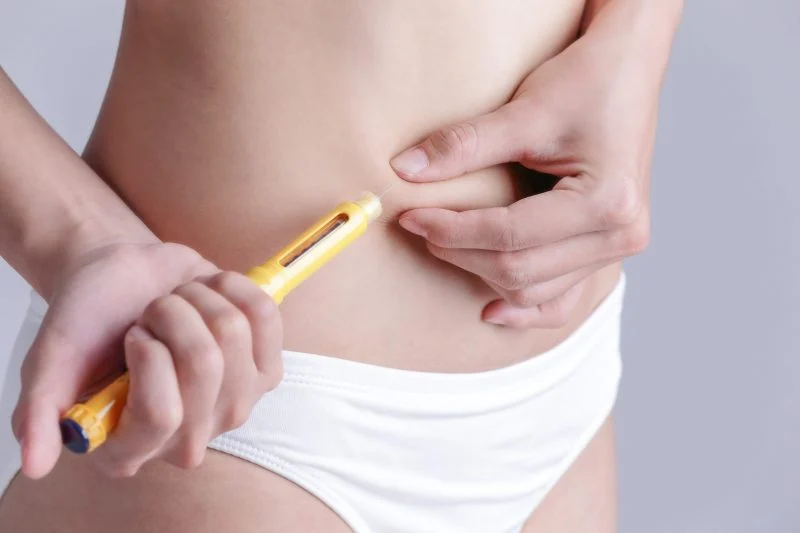
    A person administering an injection into their abdomen with a yellow pen-like device.

    DIY Fertility Treatments: A Guide for Single Women

    In addition to these methods, there are also natural remedies that are believed to improve fertility. These include herbal teas, essential oils, and dietary changes. While these remedies may have some benefits, it is important to research and consult with a healthcare professional before trying them, as they may not be suitable for everyone.

    Aside from DIY treatments, single women can also consider alternative options such as sperm donation or intrauterine insemination (IUI). These methods can be done at home with the help of a sperm donor or a fertility clinic. However, it is important to carefully research and consider the risks and legalities involved in these options before proceeding.

    When it comes to the safety and effectiveness of DIY fertility treatments, it is important to keep in mind that every woman’s body is different and what may work for some may not work for others. It is also crucial to consult with a healthcare professional before trying any DIY fertility treatment, as they can provide personalized advice and monitor your progress.

    As for the cost, DIY fertility treatments can range from being free to a few hundred dollars. Tracking ovulation and using fertility supplements are the most cost-effective options, while acupuncture and natural remedies may require a larger investment. Alternative options such as sperm donation or IUI can be more expensive, but they also have a higher success rate.

    Navigating the process of DIY fertility treatments can be overwhelming for single women, but there are some tips that can make it easier. Firstly, it is important to do your research and educate yourself about the different options available. Secondly, make sure to track your progress and stay consistent with your chosen method. Lastly, do not hesitate to seek support and advice from other women who have gone through similar experiences.

    In conclusion, DIY fertility treatments can be a viable option for single women who are looking to increase their chances of conceiving. While these treatments may not guarantee success, they can provide a sense of control and empowerment in the journey towards motherhood. It is important to approach DIY fertility treatments with caution and to always seek professional guidance to ensure safety and effectiveness.

  • The Rise of DIY Fertility: Why More Women are Turning to At-Home Solutions

    Blog post:

    In recent years, there has been a noticeable rise in women turning to at-home fertility solutions to help them conceive. With advancements in technology and more information readily available, women are taking matters into their own hands and exploring DIY fertility methods. From tracking their menstrual cycles to using at-home ovulation kits, women are finding empowerment and control in their fertility journey. In this blog post, we will explore the reasons behind the rise of DIY fertility and the various methods women are using to increase their chances of conception.

    The desire to have a child is a natural and primal instinct for many women. However, the traditional route of seeking medical assistance for fertility issues can be costly, time-consuming, and emotionally draining. In recent years, there has been a growing trend of women seeking alternative and more affordable options to help them conceive. This has led to the rise of DIY fertility, where women are taking charge of their fertility journey and using various methods to increase their chances of getting pregnant.

    One of the main reasons for the rise of DIY fertility is the increasing accessibility of information and technology. With the internet at our fingertips, women have access to an abundance of information about fertility, ovulation, and conception. This has allowed them to educate themselves and become more aware of their bodies and their fertility window. From tracking their menstrual cycles to using fertility apps and online forums, women are using technology to their advantage in their fertility journey.

    Another factor contributing to the rise of DIY fertility is the high cost of traditional fertility treatments. In vitro fertilization (IVF) and other assisted reproductive technologies can cost thousands of dollars, making it out of reach for many couples. This has led women to explore more affordable options, such as at-home insemination kits and natural fertility supplements. These methods not only save money but also give women a sense of control and autonomy over their bodies and their fertility journey.

    The rise of DIY fertility is also linked to the increasing age of women trying to conceive. As more women delay motherhood for various reasons, such as career goals or financial stability, their fertility may decline. This has led to an increase in the number of women seeking fertility solutions in their late 30s and early 40s. With age being a crucial factor in fertility, women are turning to DIY methods to increase their chances of getting pregnant before it’s too late.

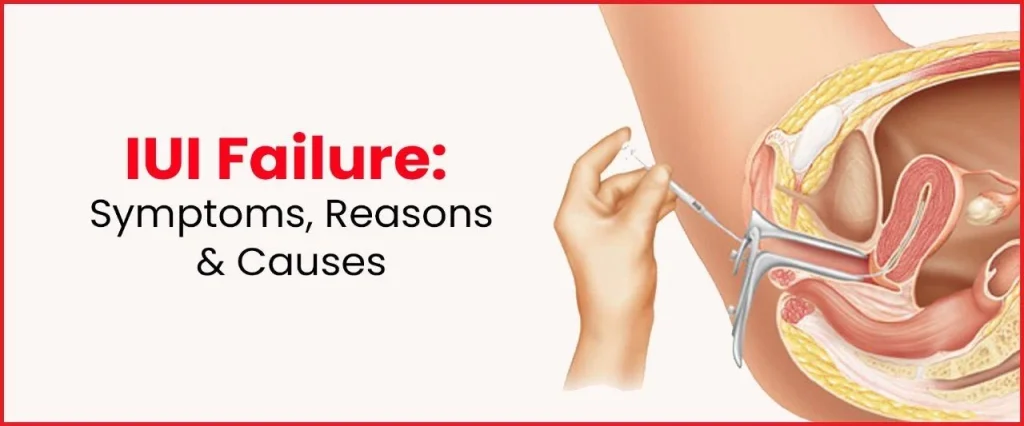
    illustration of IUI procedure with text on symptoms, reasons, and causes of IUI failure

    The Rise of DIY Fertility: Why More Women are Turning to At-Home Solutions

    One of the most popular methods of DIY fertility is tracking ovulation. Ovulation is the process of releasing an egg from the ovary, and it is the most crucial time for conception. By tracking their ovulation, women can determine their most fertile days and plan intercourse accordingly. This can be done by using ovulation predictor kits, checking basal body temperature, or monitoring cervical mucus changes. These methods are relatively simple and can be done at home, giving women more control over their fertility.

    Another common DIY fertility method is using at-home insemination kits. These kits provide everything needed for insemination, including sperm, a syringe, and instructions. They can be used by single women or same-sex couples who want to conceive without traditional medical assistance. While the success rates of at-home insemination may not be as high as those of IVF, it is a more affordable and intimate option for many women.

    Natural fertility supplements and herbs are also gaining popularity among women trying to conceive. These supplements claim to boost fertility by balancing hormones, improving egg quality, and increasing sperm count. While the effectiveness of these supplements is still debated, many women have reported success in using them. However, it is essential to consult with a healthcare provider before taking any supplements to ensure they are safe and suitable for individual needs.

    The rise of DIY fertility has also brought about some concerns and criticisms. Some argue that without proper medical guidance, DIY methods may not be as effective and could even be harmful. It is crucial for women to be well-informed and seek medical advice when needed to ensure a safe and healthy fertility journey. Additionally, some believe that the pressure to conceive using DIY methods may cause unnecessary stress and anxiety for women. It is essential to remember that every woman’s fertility journey is unique, and there is no one-size-fits-all solution.

    In conclusion, the rise of DIY fertility is a result of various factors, including increased access to information and technology, the high cost of traditional fertility treatments, and the increasing age of women trying to conceive. Women are taking control of their fertility journey and exploring alternative and more affordable options to help them conceive. While there are some concerns surrounding DIY fertility, it is ultimately empowering women and giving them a sense of autonomy in their reproductive choices.

    Summary:

    The rise of DIY fertility is a growing trend where women are taking charge of their fertility journey and using various methods to increase their chances of getting pregnant. Factors such as increased access to information and technology, the high cost of traditional fertility treatments, and the increasing age of women trying to conceive have contributed to this trend. Women are using methods like tracking ovulation, at-home insemination kits, and natural fertility supplements to increase their chances of conception. However, it is essential for women to seek medical advice and remember that every fertility journey is unique.

  • DIY Fertility Treatments: A Comprehensive Guide

    Blog Post Title: DIY Fertility Treatments: A Comprehensive Guide

    Are you and your partner struggling to conceive? The journey to starting a family can be emotionally and physically taxing, especially when faced with fertility challenges. However, many couples are turning to DIY fertility treatments as a more affordable and accessible alternative to traditional medical interventions. In this comprehensive guide, we will explore the various DIY fertility treatments available, their effectiveness, and safety precautions to consider.

    Understanding Fertility and Common Causes of Infertility

    Before diving into DIY fertility treatments, it’s essential to understand the basics of fertility and the common causes of infertility. Fertility is the ability to conceive and carry a pregnancy to full term. For women, ovulation and having regular menstrual cycles are crucial for fertility, while men need to have healthy sperm production and function.

    Infertility is defined as the inability to conceive after one year of trying for couples under 35 years old, and six months for those over 35. It’s estimated that one in eight couples struggle with infertility, with female factors accounting for 35% of cases, male factors for 30%, and unexplained causes for the remaining 35%.

    Some of the most common causes of infertility in women include hormonal imbalances, ovulation disorders, blocked fallopian tubes, and endometriosis. In men, infertility can be caused by low sperm count, poor sperm motility, or structural problems in the reproductive organs.

    DIY Fertility Treatments

    1. Tracking Ovulation

    Tracking ovulation is a crucial step in increasing the chances of conception. Ovulation is the release of an egg from the ovary, which occurs once a month in women with regular menstrual cycles. By tracking ovulation, you can determine your most fertile days and time intercourse accordingly.

    One method of tracking ovulation is by using an ovulation predictor kit (OPK) that detects the surge in luteinizing hormone (LH) before ovulation. Another popular method is tracking basal body temperature (BBT) by taking your temperature every morning before getting out of bed. A BBT rise of 0.4 to 1.0 degrees Fahrenheit indicates ovulation has occurred.

    2. Lifestyle Changes

    Making healthy lifestyle changes can positively impact fertility. This includes maintaining a healthy weight, exercising regularly, and quitting smoking and excessive alcohol consumption. Being overweight or underweight can affect hormone levels and ovulation, while smoking and excessive alcohol use can decrease sperm quality and quantity.

    3. Diet and Supplements

    Illustration of intrauterine insemination (IUI) procedure, showing sperm injection into the uterus.

    DIY Fertility Treatments: A Comprehensive Guide

    Certain foods and supplements have been linked to improved fertility. A diet rich in fruits, vegetables, whole grains, and lean protein can provide essential nutrients for reproductive health. Some supplements, such as folic acid, vitamin D, and CoQ10, have also been found to improve fertility in both men and women.

    4. Acupuncture

    Acupuncture is an ancient Chinese practice that involves inserting thin needles into specific points in the body to promote balance and healing. Studies have shown that acupuncture can help regulate menstrual cycles and improve ovulation in women with fertility issues. It can also increase sperm production and improve sperm quality in men.

    5. Herbal Remedies

    Some herbs have been traditionally used to boost fertility, such as chasteberry, maca root, and evening primrose oil. These herbs are believed to regulate hormones, improve ovulation, and increase libido. However, it’s crucial to consult with a healthcare professional before trying any herbal remedies, as they may interact with certain medications or have adverse effects.

    6. Castor Oil Packs

    Castor oil packs are a DIY fertility treatment that involves applying a cloth soaked in warm castor oil to the lower abdomen. This treatment is believed to improve circulation to the reproductive organs, reduce inflammation, and promote healing. However, there is limited research on the effectiveness of castor oil packs for fertility, and it’s essential to use caution and avoid using them during ovulation or pregnancy.

    7. Yoga and Meditation

    Stress can negatively impact fertility by disrupting hormone levels and ovulation. Yoga and meditation are effective ways to reduce stress and promote relaxation. Certain yoga poses, such as the butterfly pose and the legs-up-the-wall pose, are believed to improve blood flow to the reproductive organs and balance hormones. Meditation and deep breathing exercises can also help manage stress and improve overall well-being.

    Safety Precautions to Consider

    While DIY fertility treatments may seem like a convenient and affordable option, it’s crucial to take the necessary safety precautions. Before trying any of these treatments, it’s essential to consult with a healthcare professional, especially if you have any pre-existing medical conditions or are taking any medications.

    It’s also essential to remember that these treatments are not a substitute for medical advice or treatment. If you have been trying to conceive for a year or more without success, it’s best to seek the help of a fertility specialist.

    In addition, it’s crucial to be aware of potential risks and side effects associated with these treatments. For example, using certain herbs or supplements may interfere with prescribed medications, and acupuncture may cause bruising or bleeding. It’s essential to research and understand the potential risks before trying any DIY fertility treatments.

    In summary, DIY fertility treatments can be an accessible and affordable option for couples struggling with infertility. However, it’s essential to understand the basics of fertility and consult with a healthcare professional before trying any of these treatments. Maintaining a healthy lifestyle, tracking ovulation, and trying natural remedies may increase your chances of conceiving, but it’s vital to seek medical help if you have been unsuccessful after a year of trying.

  • The Importance of Timing: Understanding Ovulation with Artificial Insemination and IVF

    Timing is everything when it comes to achieving a successful pregnancy. For couples struggling with fertility issues, understanding ovulation and utilizing assisted reproductive technologies such as artificial insemination and in vitro fertilization (IVF) can greatly increase their chances of conception. In this blog post, we will explore the importance of timing in the process of ovulation and how it relates to artificial insemination and IVF.

    Ovulation is a key factor in the reproductive process, as it is the release of a mature egg from the ovary. This typically occurs once a month in women with regular menstrual cycles, but can vary for each individual. Understanding when ovulation occurs is crucial for couples trying to conceive, as it is the only time during a woman’s cycle when pregnancy can occur.

    Tracking Ovulation: The Basics
    There are a few different methods for tracking ovulation, including tracking changes in cervical mucus, basal body temperature, and using ovulation predictor kits. These methods can help pinpoint the most fertile time in a woman’s cycle, as ovulation typically occurs within 24-48 hours after a surge in luteinizing hormone (LH) is detected.

    However, for couples using assisted reproductive technologies such as artificial insemination or IVF, timing becomes even more critical. Let’s take a closer look at how understanding ovulation can greatly impact the success of these procedures.

    Artificial Insemination: The Role of Timing
    Artificial insemination (AI), also known as intrauterine insemination (IUI), is a procedure in which sperm is placed directly into a woman’s uterus. This can be done using the partner’s sperm or donor sperm, and can be timed to coincide with ovulation.

    Timing is crucial for artificial insemination, as the sperm must be in the fallopian tubes at the time of ovulation in order to fertilize the egg. This means that the insemination must be performed shortly before or during ovulation. The success rate for AI greatly increases when it is timed correctly with ovulation.

    In some cases, medications such as clomiphene citrate or human chorionic gonadotropin (hCG) may be used to stimulate ovulation and increase the chances of success with AI. The use of these medications allows for more control over the timing of ovulation, making it easier to plan for the insemination procedure.

    IVF: The Importance of Synchronization
    In vitro fertilization (IVF) is a more complex assisted reproductive technology that involves the fertilization of eggs and sperm in a laboratory setting, followed by the transfer of resulting embryos into the uterus. Timing is crucial for IVF, as the eggs must be retrieved and fertilized at the optimal time in order for the procedure to be successful.

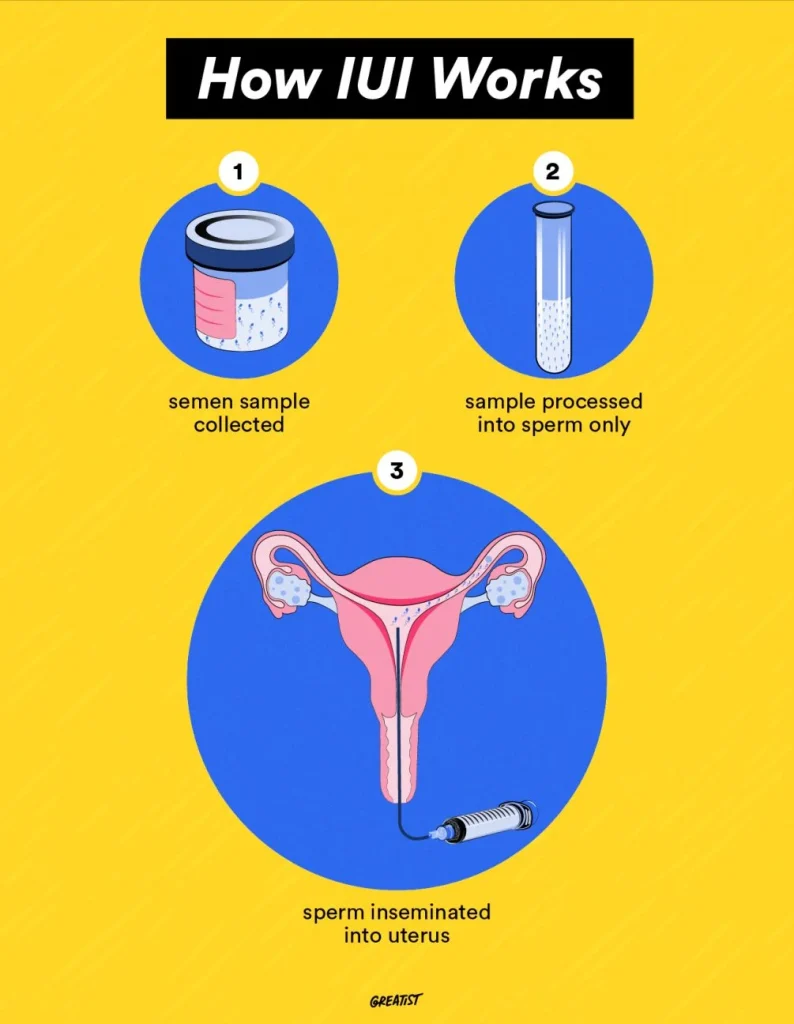
    illustration explaining the steps of intrauterine insemination (IUI) process on a bright yellow background

    The Importance of Timing: Understanding Ovulation with Artificial Insemination and IVF

    In order to retrieve eggs, a woman must undergo ovarian stimulation, which involves taking medications to stimulate the ovaries to produce multiple eggs. This process must be carefully timed with the woman’s natural cycle or with the use of medications, in order to achieve the best results.

    Once the eggs are retrieved, they are fertilized in the laboratory and allowed to develop for a few days before being transferred into the uterus. The timing of this transfer is also crucial, as it needs to coincide with the optimal time for implantation in the uterine lining.

    Understanding ovulation and timing is especially important for women with irregular menstrual cycles, as it can be more difficult to predict when ovulation will occur. In these cases, hormonal monitoring and ultrasound may be used to track ovulation and determine the best time for the IVF procedure.

    The Role of Technology
    Advances in technology have greatly improved the success rates of artificial insemination and IVF. Ovulation predictor kits, fertility tracking apps, and other tools can help women accurately track their ovulation and increase their chances of conception.

    In addition, many fertility clinics now offer time-lapse imaging, which allows for more precise monitoring of embryo development during IVF. This technology can help doctors select the healthiest embryos for transfer, increasing the chances of a successful pregnancy.

    The Emotional Impact
    Understanding the importance of timing in assisted reproductive technologies can not only increase the chances of success, but also help alleviate some of the stress and emotional strain that comes with struggling to conceive. By knowing when ovulation is likely to occur, couples can plan and prepare for the necessary procedures, making the process more manageable.

    In addition, having a better understanding of their fertility and the role of timing can give couples a sense of control and empowerment during a difficult journey.

    In conclusion, timing is crucial when it comes to understanding ovulation and utilizing assisted reproductive technologies such as artificial insemination and IVF. By tracking ovulation and working closely with medical professionals, couples can greatly increase their chances of achieving a successful pregnancy. And with advancements in technology and a better understanding of the role of timing, the journey to parenthood may become a little easier for those struggling with fertility issues.

    SEO metadata: