In today’s world, many couples are waiting longer to start a family or are facing difficulties when trying to conceive. As a result, fertility testing has become a popular topic and an important tool in family planning. However, there are different options when it comes to fertility testing, specifically at-home and medical testing. In this blog post, we will discuss the differences between these two types of testing, their benefits and limitations, and help you understand which option may be the best for you.
At-Home Fertility Testing:
At-home fertility testing involves using a kit that can be purchased over-the-counter or online. These kits usually test for ovulation and can also provide information about hormone levels and overall reproductive health. They are easy to use and can be done in the comfort of your own home. The process usually involves collecting a sample, either urine or saliva, and following the instructions provided in the kit.
Benefits:
One of the major benefits of at-home fertility testing is convenience. As mentioned earlier, it can be done in the privacy of your own home, without having to schedule appointments or visit a medical facility. This can be particularly appealing for couples who are trying to conceive but have busy schedules or live in remote areas.
Another benefit is cost. At-home fertility testing kits are generally more affordable than medical testing, making it a more accessible option for couples who may not have insurance coverage or the financial means to undergo medical testing.
Limitations:
While at-home fertility testing may seem like a convenient and cost-effective option, it does have some limitations. The accuracy of these tests can vary, and they may not be able to provide a complete picture of your reproductive health. For example, at-home tests may not be able to detect certain underlying issues that could be causing infertility, such as blocked fallopian tubes or low sperm count. Additionally, some at-home kits may not be regulated by the FDA, which could impact their reliability.
Medical Fertility Testing:
Medical fertility testing involves visiting a healthcare professional, usually a fertility specialist, to undergo a series of tests and evaluations. These tests may include blood work, ultrasounds, and other diagnostic procedures to assess your reproductive health and identify any potential issues that may be affecting your fertility.
Benefits:
The biggest benefit of medical fertility testing is the expertise and guidance of a healthcare professional. Fertility specialists have extensive training and experience in diagnosing and treating infertility, and they can provide personalized recommendations based on your specific situation. They may also be able to detect underlying issues that at-home tests may miss, providing a more comprehensive evaluation of your reproductive health.
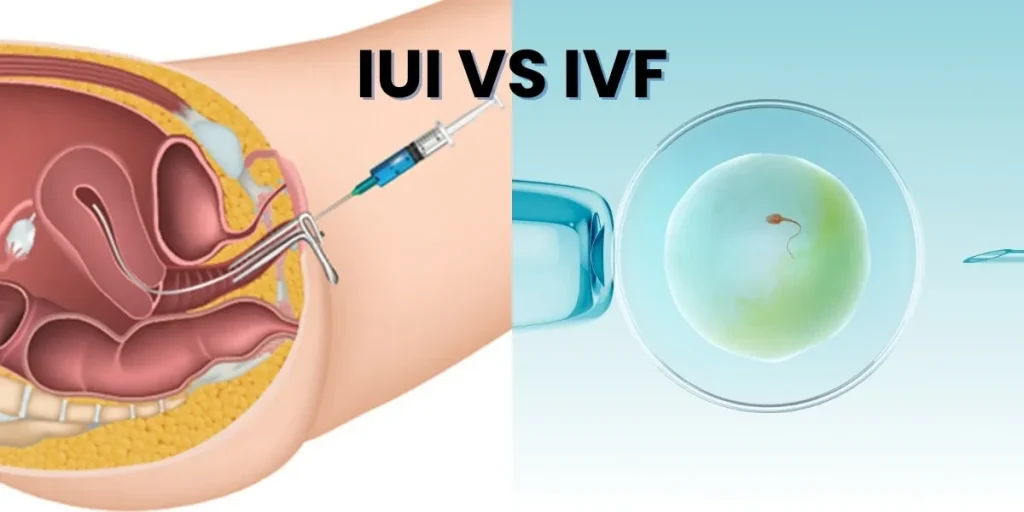
Understanding the Differences: At-Home vs Medical Fertility Testing
Medical testing also allows for more accurate and reliable results. The tests and procedures used are often more advanced and have been extensively researched and regulated, ensuring their accuracy and reliability.
Limitations:
The main limitation of medical fertility testing is the cost. These tests and procedures can be expensive, and they may not be covered by insurance. This can be a barrier for couples who are already struggling with the emotional and financial stress of infertility.
Another limitation is the inconvenience and time commitment. Medical fertility testing involves multiple appointments and procedures, which can be time-consuming and may require taking time off work or rearranging schedules.
Which Option is Right for You?
When it comes to choosing between at-home and medical fertility testing, there is no one-size-fits-all answer. It ultimately depends on your personal preferences and situation. If you are looking for a convenient and cost-effective way to track your ovulation and get a general idea of your reproductive health, at-home testing may be a good option for you. However, if you are experiencing difficulty conceiving and want a more comprehensive evaluation of your fertility, medical testing may be the better choice.
In some cases, a combination of both options may be beneficial. For example, using at-home tests to track ovulation and then consulting with a fertility specialist for a more thorough evaluation.
In conclusion, understanding the differences between at-home and medical fertility testing is important in order to make an informed decision about which option is right for you. While at-home testing offers convenience and affordability, medical testing provides accuracy and expertise. Consider your personal needs and preferences and consult with a healthcare professional to determine the best course of action for your reproductive health journey.
Summary:
Fertility testing has become an important tool in family planning, but there are differences between at-home and medical testing. At-home testing offers convenience and affordability, while medical testing provides accuracy and expertise. At-home tests may not be able to detect underlying issues, while medical testing involves multiple appointments and can be costly. The best option depends on personal preferences and situation, and a combination of both may be beneficial.