Tag: Conception

  • Fertility Medications vs Surgical Procedures: Which is More Invasive?

    Blog Post:

    When it comes to fertility treatments, there are two main options available: fertility medications and surgical procedures. Both of these methods aim to help couples who are struggling with fertility issues to conceive a child. However, many people wonder which of these options is more invasive and which may be the better choice for them. In this blog post, we will explore the differences between fertility medications and surgical procedures and discuss which may be the more invasive option.

    Fertility Medications:

    Fertility medications, also known as fertility drugs, are medications that are used to stimulate ovulation in women. These drugs work by regulating hormone levels in the body, which can help to induce the release of eggs from the ovaries. This can be beneficial for women who are not ovulating regularly or who have irregular ovulation cycles. Fertility medications come in various forms, including pills, injections, and nasal sprays. They can also be used in combination with other fertility treatments, such as intrauterine insemination (IUI) or in vitro fertilization (IVF).

    One of the main advantages of fertility medications is that they are non-invasive. They are typically taken orally or through injections, which means that there is no need for any surgical procedures. This can be a relief for many individuals who may be hesitant to undergo surgery or who may not be eligible for certain surgical procedures due to medical conditions. Fertility medications are also relatively affordable compared to surgical procedures, making them a more accessible option for many couples.

    However, fertility medications do have some drawbacks. They can have side effects, including bloating, mood swings, and hot flashes. In some cases, these side effects can be severe and may require medical attention. Additionally, fertility medications may not be effective for everyone, and it can take several cycles of treatment before results are seen. This can be emotionally and financially taxing for couples who are already dealing with the stress of infertility.

    Surgical Procedures:
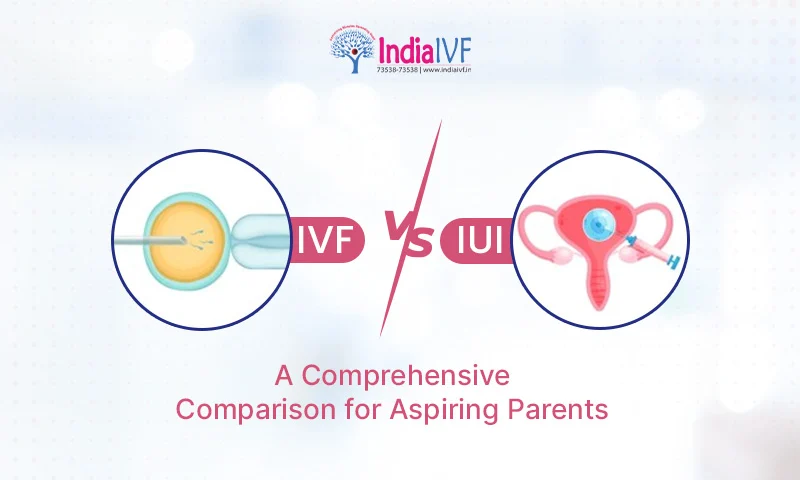
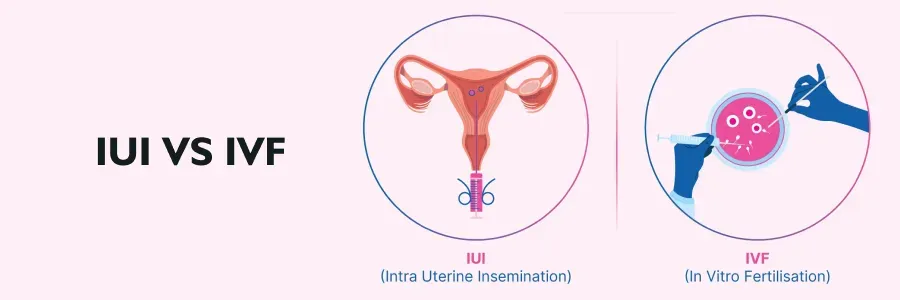
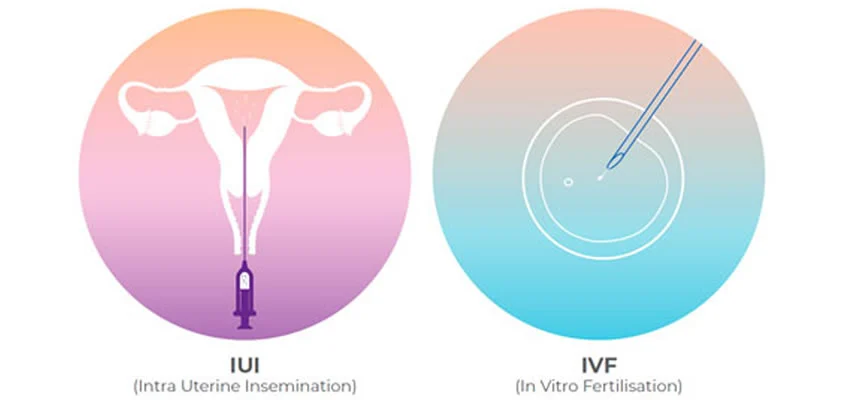
    IVF vs IUI comparison graphic highlighting reproductive methods for aspiring parents.

    Fertility Medications vs Surgical Procedures: Which is More Invasive?

    Surgical procedures for fertility treatments include procedures such as laparoscopy, hysteroscopy, and in vitro fertilization (IVF). These procedures are typically recommended for couples who have more complex fertility issues, such as blocked fallopian tubes, endometriosis, or male factor infertility. Surgical procedures aim to correct these issues and improve the chances of conception.

    One of the main advantages of surgical procedures is that they can address specific fertility issues directly. For example, laparoscopy can be used to remove scar tissue, while IVF can bypass blocked fallopian tubes. This targeted approach can be more effective for certain fertility problems compared to fertility medications. Additionally, surgical procedures may be a one-time treatment, which can be more convenient and less time-consuming compared to fertility medications, which may require multiple cycles.

    However, surgical procedures are more invasive compared to fertility medications. They require anesthesia and involve incisions, which can increase the risk of complications. Recovery time may also be longer, and there may be some discomfort during the healing process. Surgical procedures are also more expensive compared to fertility medications, and they may not be covered by insurance.

    Which is More Invasive?

    So, which option is more invasive? The answer is that it depends on the individual situation. Fertility medications may be the less invasive option, but they may not be effective for everyone. Surgical procedures can be more invasive, but they may offer a more targeted and long-term solution for certain fertility issues.

    It is essential to consult with a fertility specialist to determine which option is the best for your specific situation. They will be able to assess your medical history, perform necessary tests, and recommend the most suitable treatment plan for you and your partner. It is also crucial to consider other factors, such as the cost, success rates, and potential side effects, before making a decision.

    In summary, both fertility medications and surgical procedures have their advantages and disadvantages. Fertility medications are non-invasive and relatively affordable, but they may not be effective for everyone and can have side effects. Surgical procedures can address specific fertility issues and may offer a more long-term solution, but they are more invasive and expensive. Ultimately, the best option will depend on the individual’s situation, and it is crucial to consult with a fertility specialist before making a decision.

    SEO Metadata:
  • Choosing the Best Fertility Treatment: Medications or Surgery?

    Choosing the Best Fertility Treatment: Medications or Surgery?

    Infertility is a common struggle that affects many couples around the world. According to the World Health Organization, approximately 15% of couples experience fertility issues. Fortunately, there are various fertility treatments available to help these couples achieve their dream of starting a family. However, with so many options available, it can be overwhelming to decide which treatment is best for you. In this blog post, we will discuss the two main types of fertility treatments – medications and surgery – and help you determine which one may be the best choice for you.

    Medications for Fertility Treatment

    Medications are often the first line of treatment for fertility issues. These medications work by stimulating ovulation or increasing sperm count, improving the chances of conception. The most commonly used medications for fertility treatment include:

    1. Clomiphene Citrate: This medication is typically prescribed to women who are not ovulating regularly. It works by stimulating the release of hormones that trigger ovulation. This medication is taken orally and has relatively few side effects.

    2. Gonadotropins: This is a hormone therapy that involves injecting follicle-stimulating hormone (FSH) and luteinizing hormone (LH) to stimulate ovulation. This treatment is often used in combination with intrauterine insemination (IUI).

    3. Metformin: This medication is commonly used to treat polycystic ovary syndrome (PCOS), which is a common cause of infertility in women. Metformin helps regulate insulin levels, which can improve ovulation in women with PCOS.

    4. Bromocriptine: This medication is used to treat high levels of prolactin, a hormone that can interfere with ovulation. Bromocriptine works by blocking the production of prolactin, thus improving ovulation.

    Surgery for Fertility Treatment

    Surgery is another option for treating fertility issues. It involves correcting physical abnormalities or removing blockages that may be preventing pregnancy. Some common surgical procedures for fertility treatment include:

    1. Laparoscopy: This is a minimally invasive surgery that involves making small incisions in the abdomen to access the reproductive organs. It is used to diagnose and treat conditions such as endometriosis, fibroids, and ovarian cysts.

    2. Hysteroscopy: This procedure involves inserting a thin, lighted tube through the vagina and cervix to examine the inside of the uterus. It can be used to diagnose and treat uterine abnormalities that may be causing infertility.

    3. Tubal Surgery: This surgery involves repairing or unblocking the fallopian tubes, which can improve the chances of conception for women with blocked tubes.

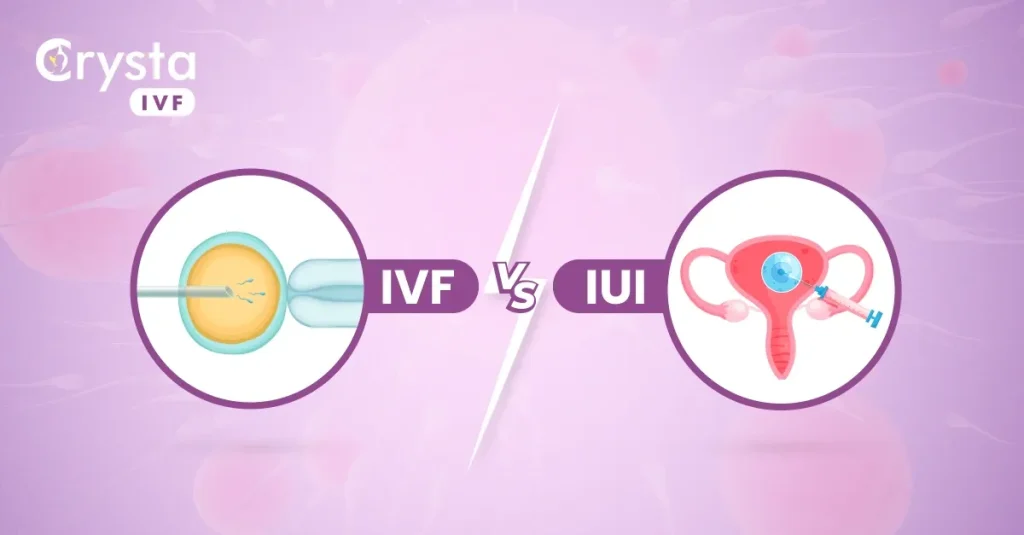
    Comparison of IVF and IUI procedures with illustrations of each method.

    Choosing the Best Fertility Treatment: Medications or Surgery?

    4. Varicocele Repair: Varicocele is a condition in which the veins in the scrotum become enlarged, leading to decreased sperm production. Varicocele repair is a surgery that can improve sperm count and quality.

    Choosing the Right Treatment for You

    Now that we have discussed the different types of fertility treatments available, let’s look at some factors to consider when deciding between medications and surgery.

    1. Underlying Causes of Infertility

    The first step in determining the right treatment for you is to identify the underlying cause of your infertility. In some cases, medications may be sufficient, while in others, surgery may be necessary.

    2. Cost and Insurance Coverage

    Fertility treatments can be expensive, and the cost can vary depending on the type of treatment and your location. In general, medications are less costly than surgery. However, some insurance plans may cover certain fertility treatments, so it is essential to check with your provider.

    3. Age and Time Constraints

    For women who are over 35 and have been trying to conceive for more than a year, surgery may be a more suitable option. This is because as women age, the success rates of fertility treatments decrease, and surgery can provide a faster solution.

    4. Risks and Side Effects

    Like any medical procedure, both medications and surgery carry some risks and potential side effects. It is essential to discuss these with your doctor and weigh the potential risks and benefits before making a decision.

    Summary:

    Infertility is a common struggle for many couples, and there are various fertility treatments available to help them conceive. Medications and surgery are the two main types of fertility treatments used to improve the chances of pregnancy. Medications work by stimulating ovulation or increasing sperm count, while surgery involves correcting physical abnormalities or removing blockages. When deciding between the two, factors such as the underlying cause of infertility, cost, age, and potential risks and side effects should be considered.

  • Holistic Fertility: A Personalized Approach to Conception

    Holistic Fertility: A Personalized Approach to Conception

    For many women, the journey to becoming a mother is filled with excitement, anticipation, and hope. However, for some, it can be a long and frustrating road, fraught with disappointment and heartbreak. Infertility affects approximately 12% of women in the United States, and the traditional approach to fertility treatment often involves invasive procedures, hormone injections, and a one-size-fits-all approach. This can leave many women feeling like they have lost control of their bodies and their fertility. That’s where holistic fertility comes in – a personalized approach to conception that focuses on treating the whole person, rather than just the symptoms of infertility.

    What is Holistic Fertility?

    Holistic fertility is a natural and integrative approach to fertility treatment that looks at the mind, body, and spirit as a whole. It takes into account the physical, emotional, and spiritual well-being of the individual and seeks to identify and address any imbalances that may be affecting fertility. This approach is based on the belief that fertility is not just a physical function, but also a reflection of a person’s overall health and well-being.

    One of the key principles of holistic fertility is that each person is unique, and therefore, their fertility journey should be personalized to their specific needs. This means that there is no one-size-fits-all solution when it comes to fertility treatment. Instead, a holistic fertility practitioner will take the time to understand the individual’s health history, lifestyle, and any underlying issues that may be impacting their fertility.

    The Role of Nutrition in Holistic Fertility

    One of the key components of holistic fertility is nutrition. The food we eat plays a vital role in our overall health, and this is especially true when it comes to fertility. A diet rich in whole, unprocessed foods can help to regulate hormones, improve egg and sperm quality, and support a healthy menstrual cycle. On the other hand, a diet filled with processed foods, sugar, and unhealthy fats can disrupt hormone balance and negatively impact fertility.

    A holistic fertility practitioner will work with their clients to create a personalized nutrition plan that is tailored to their specific needs. This may involve incorporating more nutrient-dense foods, such as leafy greens, healthy fats, and lean proteins, into their diet and eliminating or reducing foods that may be contributing to hormonal imbalances.

    The Importance of Stress Management

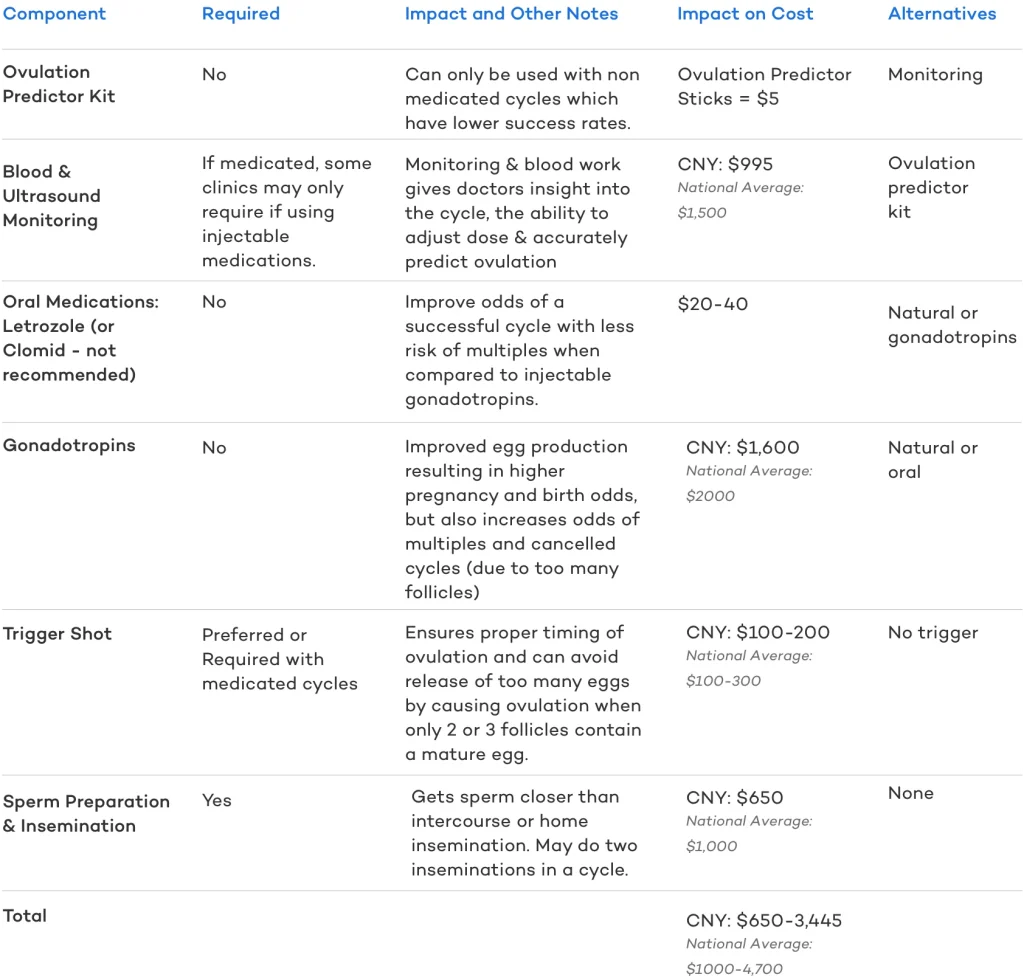
    Cost breakdown for IUI components, including requirements, impacts, and alternatives.

    Holistic Fertility: A Personalized Approach to Conception

    Stress is a common factor in many women’s lives, and it can have a significant impact on fertility. When we are stressed, our bodies produce high levels of cortisol, which can disrupt hormone balance and interfere with ovulation. Additionally, stress can also lead to unhealthy coping mechanisms, such as overeating, smoking, or excessive alcohol consumption, which can further impact fertility.

    Holistic fertility practitioners understand the importance of managing stress and will work with their clients to find healthy ways to cope and reduce stress levels. This may include practices such as meditation, yoga, acupuncture, or counseling. By addressing stress and finding ways to manage it effectively, women can improve their chances of conceiving naturally.

    The Role of Alternative Therapies in Holistic Fertility

    In addition to nutrition and stress management, holistic fertility also incorporates alternative therapies to support fertility. These may include acupuncture, herbal remedies, and supplements, all of which aim to improve overall health and address any underlying issues that may be impacting fertility.

    Acupuncture, in particular, has gained popularity in recent years as a complementary therapy for fertility. It is believed to help improve blood flow to the reproductive organs, regulate hormone levels, and reduce stress and anxiety. Many women have reported success with using acupuncture as part of their holistic fertility treatment.

    The Benefits of a Personalized Approach to Fertility

    One of the most significant benefits of a holistic approach to fertility is that it is personalized to the individual. By addressing each person’s unique needs and underlying issues, a holistic fertility practitioner can create a treatment plan that is tailored to their specific needs. This can increase the chances of success and also help women feel more in control of their fertility journey.

    Additionally, by focusing on the whole person, holistic fertility can also improve overall health and well-being. By incorporating healthy habits and addressing any imbalances, women can not only improve their chances of conceiving but also enhance their overall quality of life.

    In conclusion, holistic fertility is a personalized and natural approach to fertility treatment that focuses on treating the whole person, rather than just the symptoms of infertility. By incorporating nutrition, stress management, and alternative therapies, this approach can improve overall health and increase the chances of conception. For women struggling with fertility, a holistic approach may offer new hope and a more empowering way to take control of their fertility journey.

    SEO metadata:

  • Holistic Fertility Diets: Nourishing Your Body for Conception

    Blog Post Title: Holistic Fertility Diets: Nourishing Your Body for Conception

    Summary:

    Fertility is a natural process that is influenced by various factors, including diet and overall health. Many couples struggling with infertility often turn to costly medical treatments without realizing that a simple change in their diet could make a significant difference. A holistic approach to fertility is gaining popularity, focusing on nourishing the body to optimize fertility and increase the chances of conception. In this blog post, we will discuss the importance of a holistic fertility diet and how it can support your journey towards parenthood.

    Firstly, let’s understand what a holistic fertility diet is. It is a way of eating that focuses on nourishing the body with whole, nutrient-dense foods to support reproductive health. This diet aims to balance hormones, reduce inflammation, and provide the body with the necessary nutrients to support a healthy pregnancy. Unlike restrictive diets, a holistic fertility diet encourages a variety of whole foods, including fruits, vegetables, whole grains, healthy fats, and lean proteins.

    One of the key benefits of a holistic fertility diet is its ability to balance hormones. Hormonal imbalances can greatly impact fertility, leading to irregular ovulation and menstrual cycles. A diet rich in whole foods, specifically healthy fats and lean proteins, can help regulate hormones and improve fertility. Foods like avocados, olive oil, salmon, and nuts are excellent sources of healthy fats that support hormone production.

    test tube with sperm in blue liquid, promoting IUI success rate and factors influencing fertility.

    Holistic Fertility Diets: Nourishing Your Body for Conception

    Inflammation is another factor that can affect fertility. Chronic inflammation in the body can lead to conditions like endometriosis and PCOS, which can interfere with ovulation and conception. A holistic fertility diet is rich in anti-inflammatory foods, such as leafy greens, berries, and turmeric, which can help reduce inflammation in the body. By reducing inflammation, the body can better focus on the reproductive process.

    The quality and quantity of nutrients in our diet play a crucial role in fertility. A holistic fertility diet emphasizes the consumption of whole, nutrient-dense foods, which provide essential vitamins and minerals to support reproductive health. For example, vitamin D is crucial for fertility as it helps regulate ovulation and improve egg quality. Foods like eggs, fatty fish, and fortified dairy products are good sources of vitamin D. Other important nutrients for fertility include iron, folate, and zinc, which are found in foods like leafy greens, legumes, and lean meats.

    In addition to nourishing the body with whole foods, a holistic fertility diet also focuses on eliminating or reducing processed foods and toxins from the diet. Processed foods, such as refined sugars and trans fats, can lead to inflammation and hormonal imbalances, which can negatively impact fertility. Similarly, exposure to toxins from environmental pollutants and chemicals in household products can also harm reproductive health. By avoiding these harmful substances and opting for natural, whole foods, a holistic fertility diet can support the body’s natural detoxification process and promote overall health.

    It’s also important to mention that a holistic fertility diet is not just about what you eat, but also how you eat. Eating mindfully, chewing food thoroughly, and taking time to enjoy meals can all play a role in improving digestion and nutrient absorption. Stress and anxiety can also affect fertility, so incorporating relaxation techniques like meditation and yoga into your daily routine can be beneficial.

    In conclusion, a holistic fertility diet is a natural, safe, and effective approach to improving fertility and increasing the chances of conception. By focusing on whole, nutrient-dense foods, reducing inflammation, and eliminating toxins, this diet supports reproductive health and balances hormones. Along with a healthy diet, it’s essential to maintain a healthy weight, exercise regularly, and manage stress levels to optimize fertility. With patience, persistence, and a holistic approach, you can nourish your body for conception and start your journey towards parenthood.

  • Holistic Fertility: A Whole-Person Approach to Conception

    Blog Post: Holistic Fertility: A Whole-Person Approach to Conception

    When it comes to trying to conceive, many individuals and couples turn to traditional methods such as tracking ovulation and taking fertility medications. While these methods can be effective for some, they often only address the physical aspect of fertility and overlook the importance of a holistic approach. Holistic fertility takes into account the whole person – mind, body, and spirit – and aims to create a balanced and fertile environment for conception to occur. In this blog post, we will explore what holistic fertility is, its benefits, and how to incorporate it into your fertility journey.

    What is Holistic Fertility?

    Holistic fertility is a natural and integrated approach to conception that focuses on the physical, emotional, and spiritual aspects of fertility. It views fertility as a reflection of overall health and seeks to create balance and harmony within the body to optimize the chances of conception. This approach takes into account not just the reproductive system, but also the entire body and mind as a whole.

    Benefits of Holistic Fertility

    1. Addresses Underlying Issues: Instead of just treating the symptoms of fertility problems, holistic fertility looks at the root cause of the issue and aims to address it. This can include imbalances in hormones, nutritional deficiencies, stress, and emotional blockages.

    2. Improves Overall Health: By taking a whole-person approach, holistic fertility not only focuses on fertility but also on improving overall health. This can lead to benefits such as increased energy levels, better sleep, and a stronger immune system.

    3. Reduces Stress: Trying to conceive can be a stressful and emotional journey for many individuals and couples. Holistic fertility recognizes the mind-body connection and incorporates techniques such as meditation, acupuncture, and yoga to help reduce stress and promote relaxation.

    Comparison of IUI and IVF with illustrations of each procedure.

    Holistic Fertility: A Whole-Person Approach to Conception

    4. Personalized Approach: Each person’s fertility journey is unique, and a one-size-fits-all approach may not be effective. Holistic fertility takes into account individual factors such as age, medical history, and lifestyle to create a personalized plan that addresses specific needs.

    5. Natural and Non-Invasive: Unlike traditional fertility treatments that can involve medications and invasive procedures, holistic fertility offers natural and non-invasive methods to enhance fertility. This can include dietary changes, supplements, and mind-body practices.

    How to Incorporate Holistic Fertility into Your Journey

    1. Nourish Your Body: Nutrition plays a significant role in fertility, and a well-balanced diet can help create a healthy and fertile environment for conception. Focus on eating whole, nutrient-dense foods and avoid processed and sugary foods. Consider consulting with a nutritionist to create a personalized fertility-friendly meal plan.

    2. Address Emotional Blockages: Negative emotions such as stress, anxiety, and fear can create blockages in the body, making it difficult to conceive. Incorporate practices such as meditation, mindfulness, and journaling to help release these emotions and create a more positive mindset.

    3. Consider Alternative Therapies: Alternative therapies such as acupuncture, herbal medicine, and chiropractic care can help improve fertility by balancing hormones, reducing stress, and promoting overall well-being.

    4. Seek Support: Going through fertility struggles can be overwhelming, and seeking support from others can make a significant difference. Consider joining a support group or seeking therapy to help cope with the emotional aspects of the fertility journey.

    5. Be Patient and Trust the Process: Holistic fertility takes time and patience, and results may not be immediate. Trust in the process and know that by taking a whole-person approach, you are creating a healthy and balanced foundation for conception to occur.

    In conclusion, holistic fertility offers a more comprehensive and natural approach to conception by addressing the physical, emotional, and spiritual aspects of fertility. By incorporating practices such as nutrition, alternative therapies, and stress management, individuals and couples can create a fertile environment for conception to occur. Remember to be patient, trust the process, and seek support when needed. A holistic approach to fertility can not only increase the chances of conception but also lead to improved overall health and well-being.

  • Navigating the World of Fertility: Holistic vs Western Medicine Perspectives

    Navigating the World of Fertility: Holistic vs Western Medicine Perspectives

    Fertility is a topic that affects many couples and individuals all over the world. With the rise of infertility rates, more and more people are seeking out treatments and solutions to help them conceive. However, when it comes to fertility, there are two main perspectives – holistic and western medicine. Both of these approaches have their own unique philosophies and methods, leaving many individuals confused about which path to take. In this blog post, we will explore the differences between holistic and western medicine perspectives on fertility and provide insights on how to navigate this complex world.

    Holistic Medicine Perspective

    Holistic medicine, also known as alternative or complementary medicine, takes a more natural and holistic approach to treating fertility issues. It focuses on the overall health and well-being of an individual, taking into account their mind, body, and spirit. Holistic medicine practitioners believe that the body has the ability to heal itself and that by addressing the root cause of an issue, one can achieve optimal health.

    When it comes to fertility, holistic medicine believes that the body needs to be in balance for conception to occur. This means addressing any underlying health issues, such as hormonal imbalances, stress, or nutritional deficiencies. Holistic practitioners use a variety of natural methods to help individuals improve their fertility, such as acupuncture, herbal remedies, and lifestyle changes.

    One of the main advantages of holistic medicine is its focus on individualized treatment. Holistic practitioners take the time to understand each person’s unique health history and tailor their treatments accordingly. This personalized approach can be beneficial for those who have been unsuccessful with traditional western medicine methods.

    Western Medicine Perspective

    On the other hand, western medicine, also known as conventional medicine, follows a more scientific and evidence-based approach to treating fertility issues. It relies on medical interventions such as medications, surgeries, and assisted reproductive technologies (ART) to help individuals conceive. Western medicine practitioners focus on treating the specific symptoms or conditions that may be causing infertility.

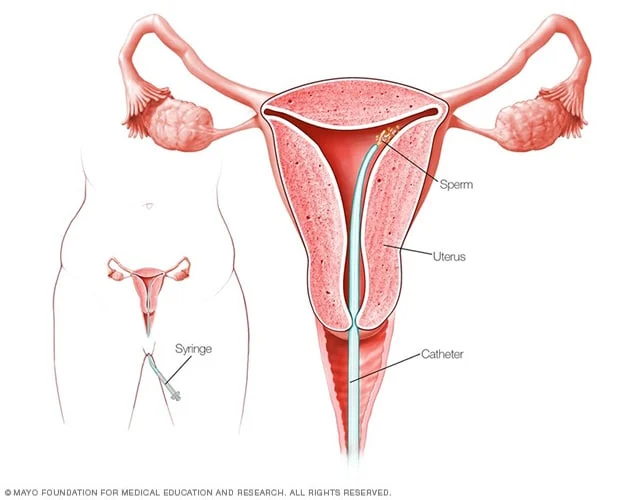
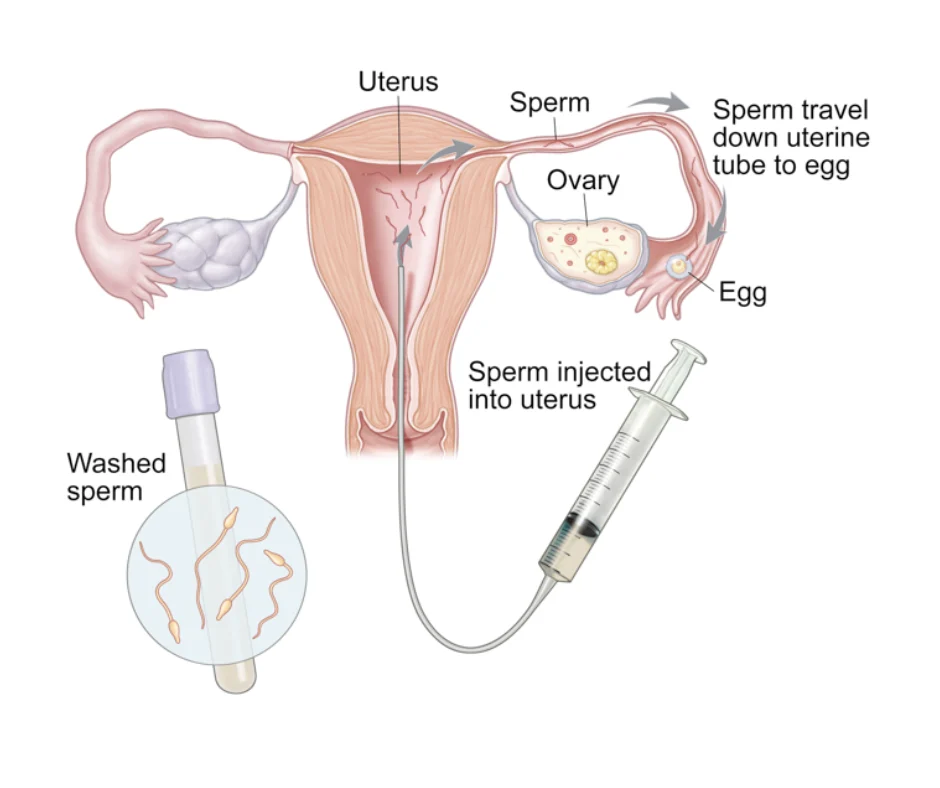
    diagram illustrating intrauterine insemination (IUI) procedure with uterus, sperm, and catheter labeled

    Navigating the World of Fertility: Holistic vs Western Medicine Perspectives

    Western medicine approaches fertility from a more mechanical perspective, treating the body as separate parts rather than a whole. It also tends to focus on the physical aspects of fertility, often overlooking the emotional and psychological factors that may play a role.

    One of the main benefits of western medicine is its ability to provide quick and effective solutions. With advancements in technology and medical procedures, couples can now have a higher chance of conceiving through ART, such as in vitro fertilization (IVF) and intrauterine insemination (IUI). However, these treatments can be expensive and may not always address the underlying cause of infertility.

    Navigating the World of Fertility

    When it comes to fertility, there is no one-size-fits-all solution. Each person’s body is unique, and what may work for one individual may not work for another. The key to navigating the world of fertility is to find a balance between the holistic and western medicine approaches.

    It is essential to first understand the root cause of your fertility issues. If you have been diagnosed with a specific medical condition, such as endometriosis or polycystic ovary syndrome (PCOS), then western medicine may be the best approach. However, if your infertility is unexplained or has been attributed to stress or hormonal imbalances, then a holistic approach may be more beneficial.

    It is also crucial to keep an open mind and be willing to try different methods. Combining holistic practices, such as acupuncture and herbal remedies, with western medicine treatments, can provide a more well-rounded approach to fertility. It is also important to consult with both a holistic practitioner and a western medicine doctor to ensure that you are receiving the best care possible.

    Additionally, taking care of your overall health and well-being is crucial for fertility. This includes eating a nutritious diet, exercising regularly, and managing stress levels. Both holistic and western medicine practitioners agree that a healthy lifestyle can greatly impact fertility.

    In the end, it is not about choosing one perspective over the other but finding a balance between the two. By incorporating both holistic and western medicine approaches, individuals can improve their chances of conceiving and achieve optimal health.

    In summary, navigating the world of fertility can be overwhelming, especially when faced with the two main perspectives – holistic and western medicine. Both approaches have their own unique philosophies and methods, and it is essential to find a balance between the two. By understanding the root cause of your fertility issues, consulting with both holistic and western medicine practitioners, and taking care of your overall health, you can find the best approach for your individual needs. Remember, fertility is a journey, and it is important to be patient, open-minded, and willing to try different methods.

  • Fertility Boosting Herbs: A Holistic Approach to Conception

    Blog Post:

    Fertility is a natural and essential aspect of human life, but for many couples, it can be a challenge to conceive. In today’s fast-paced world, stress, environmental toxins, and unhealthy habits can all contribute to fertility issues. While modern medicine offers many treatments for infertility, there is a growing interest in natural and holistic approaches to boosting fertility. In this blog post, we will explore the benefits of using fertility boosting herbs as a holistic approach to conception.

    What are Fertility Boosting Herbs?

    Fertility boosting herbs are natural plants and botanicals that have been used for centuries to enhance fertility. These herbs work by balancing hormones, improving reproductive health, and increasing overall wellness. They are an excellent alternative to conventional fertility treatments, as they are generally safe, affordable, and have minimal side effects.

    Important Herbs for Boosting Fertility

    1. Maca Root

    Maca root is a popular herb that has been used for centuries in South America to enhance fertility. It is a rich source of vitamins, minerals, and antioxidants, making it a powerful superfood for reproductive health. Maca root helps to balance hormones, improve libido, and increase sperm count in men. It also regulates the menstrual cycle and supports egg health in women, making it an essential fertility herb for both partners.

    2. Red Raspberry Leaf

    Red raspberry leaf is a potent herb for boosting fertility in women. It is rich in vitamins, minerals, and antioxidants that help to strengthen the uterus and improve overall reproductive health. This herb is especially beneficial for women with irregular menstrual cycles and can help regulate ovulation. It is also known to reduce the risk of miscarriage and improve the chances of conception.

    3. Tribulus

    Tribulus is a herb that has been used in traditional medicine to boost male fertility. It is known for its ability to improve sperm count, motility, and quality. It also helps to balance hormones, improve libido, and enhance overall sexual health in men. Tribulus is an excellent herb for couples struggling with male factor infertility.

    4. Shatavari

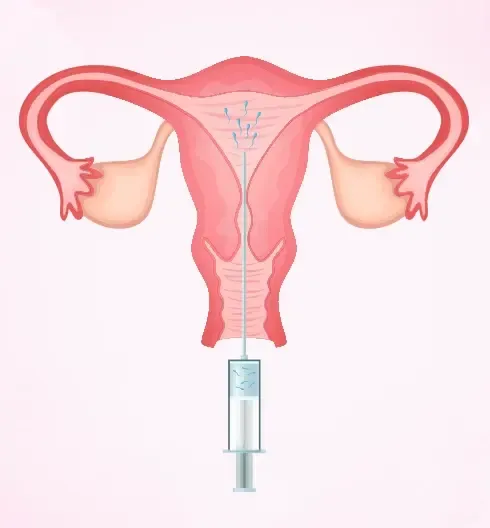
    Illustration of a uterus with a syringe indicating an intrauterine insemination procedure.

    Fertility Boosting Herbs: A Holistic Approach to Conception

    Shatavari is a popular herb in Ayurveda, known for its ability to enhance female fertility. It is an adaptogenic herb that helps to balance hormones, regulate the menstrual cycle, and improve egg health. Shatavari is also beneficial for women with PCOS, as it helps to reduce insulin resistance and promote ovulation. This herb is also known to increase cervical mucus, making it easier for sperm to reach the egg.

    5. Dong Quai

    Dong Quai is a traditional Chinese herb that has been used for centuries to boost fertility. It is rich in nutrients that help to regulate the menstrual cycle, increase blood flow to the uterus, and improve overall reproductive health. Dong Quai is also known to reduce inflammation and stress, which can hinder conception. This herb is especially beneficial for women with endometriosis and other reproductive disorders.

    6. Ashwagandha

    Ashwagandha is a popular adaptogenic herb that has been used in Ayurvedic medicine for thousands of years. It helps to balance hormones, reduce stress, and improve overall health and wellness. Ashwagandha is also known to increase sperm count and motility, making it an essential herb for male fertility. It is also beneficial for women, as it helps to regulate ovulation and improve egg quality.

    7. Vitex

    Vitex, also known as chaste tree berry, is a herb that has been used for centuries to enhance female fertility. It helps to regulate the menstrual cycle, balance hormones, and improve the chances of conception. Vitex is especially beneficial for women with hormonal imbalances, such as PCOS and irregular periods. It also helps to reduce PMS symptoms and improve overall reproductive health.

    Incorporating Fertility Boosting Herbs into Your Routine

    Now that we have explored some of the essential herbs for boosting fertility, you may be wondering how to incorporate them into your routine. One of the easiest ways is by taking them in supplement form. There are many fertility supplements on the market that contain a blend of these herbs, making it convenient to get all the benefits in one pill. You can also consume these herbs in their natural form, such as adding maca powder to smoothies or drinking red raspberry leaf tea.

    It is essential to note that while fertility boosting herbs are generally safe, it is always best to consult with a healthcare professional before adding any new supplements to your routine. They can help you determine the right dosage and ensure that these herbs do not interact with any medications you may be taking.

    Summary:

    Fertility boosting herbs offer a natural and holistic approach to improving fertility. They work by balancing hormones, improving reproductive health, and increasing overall wellness. Some of the important herbs for boosting fertility include maca root, red raspberry leaf, tribulus, shatavari, dong quai, ashwagandha, and vitex. These herbs can be incorporated into one’s routine through supplements or consuming them in their natural form. It is essential to consult with a healthcare professional before adding any new supplements to your routine.

  • At-Home Insemination: A Holistic Approach to Conception

    Blog Post: At-Home Insemination: A Holistic Approach to Conception

    Conception and fertility are topics that have been surrounded by various myths and misconceptions for centuries. With the advancement of technology, there are now several options available for couples who are struggling to conceive. One such option is at-home insemination, which has gained popularity in recent years due to its convenience and affordability. But what exactly is at-home insemination and how does it differ from traditional methods? In this blog post, we will explore the concept of at-home insemination and how it can be a holistic approach to conception.

    What is At-Home Insemination?

    At-home insemination, also known as artificial insemination, is the process of inserting sperm into the cervix or uterus to facilitate pregnancy. This can be done using a variety of methods, including using a syringe or a softcatheter, and can be performed at home without the assistance of a medical professional. At-home insemination is often used by same-sex couples, single women, or couples who are struggling with infertility.

    How is it Different from Traditional Insemination?

    The main difference between at-home insemination and traditional insemination is the location where the procedure takes place. Traditional insemination is typically performed in a medical setting, such as a fertility clinic or a doctor’s office, and is usually done by a medical professional. At-home insemination, on the other hand, is done in the comfort of one’s own home and can be self-administered.

    Another difference is the cost. Traditional insemination can be expensive, with the average cost ranging from $300 to $1000 per cycle. At-home insemination, on the other hand, is relatively inexpensive, with the cost of supplies ranging from $20 to $50 per cycle.

    Why Choose At-Home Insemination?

    There are several reasons why couples may choose at-home insemination over traditional methods. One of the main reasons is the convenience and privacy it offers. Many couples may feel more comfortable and relaxed in their own home, rather than in a clinical setting. At-home insemination also gives couples more control over the process, as they can choose the timing and frequency of insemination.

    Another reason for choosing at-home insemination is the cost. As mentioned earlier, traditional insemination can be expensive, and for some couples, it may not be a viable option. At-home insemination is a more affordable alternative, making it accessible to a wider range of couples.

    diagram illustrating intrauterine insemination process, showing sperm injection into the uterus and egg fertilization pathway

    At-Home Insemination: A Holistic Approach to Conception

    A Holistic Approach to Conception

    At-home insemination can be seen as a more holistic approach to conception, as it focuses on the natural process of pregnancy. Unlike traditional methods, which often involve fertility drugs or invasive procedures, at-home insemination relies solely on the natural process of fertilization.

    Additionally, at-home insemination allows couples to use natural methods to track ovulation and determine the best time for insemination. This includes using ovulation predictor kits, tracking basal body temperature, and monitoring cervical mucus. By using these methods, couples can increase their chances of successful insemination.

    Holistic methods also play a role in preparing for at-home insemination. This includes maintaining a healthy diet and lifestyle, reducing stress, and using natural supplements to improve fertility. By focusing on overall health and well-being, couples can increase their chances of conception and have a more positive experience with at-home insemination.

    Things to Consider

    While at-home insemination can be a viable option for many couples, there are some important things to consider before deciding to try it. First, it is essential to understand that at-home insemination does not guarantee pregnancy, and it may take several cycles before success is achieved. It is also important to follow proper hygiene and safety measures when performing the procedure at home to reduce the risk of infection.

    Moreover, it is crucial to have a support system in place, whether it is a partner, friend, or support group. Trying to conceive can be emotionally taxing, and having someone to talk to and share the experience with can be beneficial.

    In Conclusion

    At-home insemination is a holistic approach to conception that offers couples more control, convenience, and affordability. By focusing on the natural process of pregnancy, it can be a less invasive option for couples who are struggling to conceive. However, it is essential to weigh the pros and cons and consider all factors before deciding to try at-home insemination.

    Summary:

    At-home insemination, also known as artificial insemination, is the process of inserting sperm into the cervix or uterus to facilitate pregnancy and can be done at home without the assistance of a medical professional. It differs from traditional insemination in terms of location and cost, making it a more convenient and affordable option for many couples. At-home insemination is a holistic approach to conception, as it focuses on the natural process of pregnancy and allows couples to use natural methods to track ovulation. However, it is important to consider all factors and have a support system in place before deciding to try at-home insemination.

  • At-Home Insemination: A Journey of Empowerment and Independence

    Blog Post Title: At-Home Insemination: A Journey of Empowerment and Independence

    At-home insemination is a process that allows individuals or couples to conceive a child in the comfort of their own home, without the need for medical professionals or expensive fertility treatments. While the idea of insemination at home may seem daunting at first, it can be a journey of empowerment and independence for those who choose this path. In this blog post, we will explore the process of at-home insemination, its benefits, and how it can be a powerful tool for individuals and couples looking to start a family.

    The journey of at-home insemination begins with a decision to take control of one’s fertility journey. For many people, the idea of starting a family can be overwhelming, especially when faced with the high costs and invasive procedures of traditional fertility treatments. At-home insemination offers a more natural and affordable alternative, allowing individuals to take charge of their own fertility and conception process.

    The first step in at-home insemination is choosing a donor. This can be a known donor, such as a friend or family member, or an anonymous donor from a sperm bank. With the help of online resources and support groups, individuals can find reputable sperm banks and donors who meet their specific criteria and preferences. This allows for a more personalized and intimate experience, as opposed to traditional fertility treatments where the donor is chosen by a medical professional.

    Once a donor has been chosen, the next step is preparing for insemination. This process involves tracking ovulation and timing the insemination accordingly. This can be done through various methods such as ovulation predictor kits, basal body temperature tracking, or monitoring cervical mucus. By taking a more natural approach, individuals can better understand their own body and fertility cycle, leading to a more informed and empowered decision-making process.

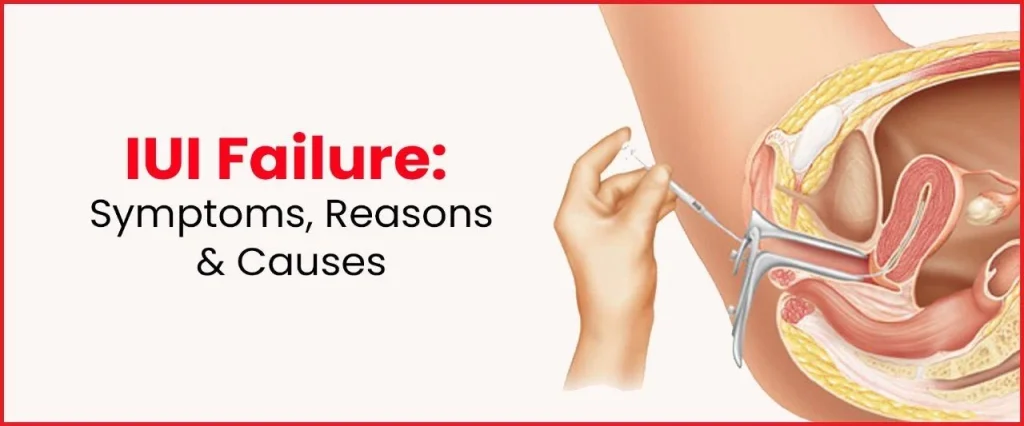
    illustration of IUI procedure with text on symptoms, reasons, and causes of IUI failure

    At-Home Insemination: A Journey of Empowerment and Independence

    When it comes time for insemination, the process is relatively simple and can be done in the comfort of one’s own home. Using a sterile syringe or insemination kit, the sperm is inserted into the vagina near the cervix. This process can be done alone or with the help of a partner, making it a more intimate and bonding experience for couples. Unlike traditional fertility treatments, at-home insemination does not require multiple trips to a medical facility, allowing for more privacy and convenience.

    One of the most significant benefits of at-home insemination is the sense of empowerment and independence it provides. For many individuals and couples, the ability to take control of their fertility journey can be a powerful and freeing experience. It allows individuals to make their own decisions and removes the pressure and judgment that can come with traditional fertility treatments. At-home insemination also offers a more natural and holistic approach to conception, which can be appealing to those looking to avoid invasive procedures and medications.

    Additionally, at-home insemination can be a more affordable option for those struggling with the high costs of traditional fertility treatments. It eliminates the need for costly medical procedures and allows individuals to save money by preparing and administering the insemination themselves. This can be especially beneficial for same-sex couples or single individuals who may not have access to insurance coverage for fertility treatments.

    While at-home insemination may not be the right choice for everyone, it can be a powerful tool for those looking to start a family on their own terms. It offers a sense of empowerment and independence that is often lacking in traditional fertility treatments, and it allows individuals to take a more natural and personalized approach to conception. As society continues to evolve and embrace diverse family structures, at-home insemination is becoming a more accepted and accessible option for individuals and couples looking to start a family.

    In conclusion, at-home insemination can be a journey of empowerment and independence for those who choose this path. It offers a more natural and affordable alternative to traditional fertility treatments, allowing individuals to take control of their own fertility journey and make informed decisions. By providing a more intimate and personalized experience, at-home insemination can be a powerful tool for individuals and couples looking to start a family on their own terms.

  • At-Home Insemination and the Risks of Sexually Transmitted Infections

    Blog Post:

    At-home insemination is a method used by many couples or individuals who are trying to conceive without undergoing expensive and invasive procedures like intrauterine insemination (IUI) or in vitro fertilization (IVF). This process involves using a syringe or a needleless syringe to deposit semen into the vagina or cervix, bypassing the need for sexual intercourse. While this method may seem like a convenient and affordable option for conception, there are risks involved, especially when it comes to sexually transmitted infections (STIs).

    STIs are infections that are primarily transmitted through sexual contact, including vaginal, anal, or oral sex. Common STIs include chlamydia, gonorrhea, syphilis, herpes, and human papillomavirus (HPV). According to the Centers for Disease Control and Prevention (CDC), there are approximately 20 million new STI cases each year in the United States. These infections can have serious health consequences, including infertility, pelvic inflammatory disease, and even cancer.

    When it comes to at-home insemination, the risk of STIs is often overlooked or ignored. Many people assume that since there is no sexual intercourse involved, there is no risk of contracting an STI. However, this is not entirely true. While at-home insemination does not involve genital-to-genital contact, it can still lead to STI transmission through the semen of the donor. This is because some STIs can be present in the semen even if there are no visible symptoms.

    One of the main concerns with at-home insemination is that the donor’s STI status is often unknown. Unlike sperm donors used in fertility clinics, at-home insemination donors are typically known or anonymous individuals who may not have undergone thorough STI testing. This increases the risk of STI transmission, as there is no guarantee that the donor is free of infections.

    Another factor that increases the risk of STIs with at-home insemination is the lack of proper screening and preparation. In fertility clinics, donors undergo rigorous screening processes to ensure they are free of any infections. They also go through semen preparation, which involves washing and filtering the semen to remove any potential STIs. In at-home insemination, there is no such preparation, and the semen is directly deposited into the vagina or cervix, increasing the chances of STI transmission.

    comparison of IUI and IVF procedures illustrated with simple graphics and labels

    At-Home Insemination and the Risks of Sexually Transmitted Infections

    Furthermore, at-home insemination does not provide the same level of protection against STIs as sexual intercourse. During intercourse, the vagina produces natural lubrication, which can help prevent STI transmission. In at-home insemination, the semen is deposited directly into the vagina, bypassing this natural barrier. This makes it easier for STIs to enter the body and cause infections.

    It is also essential to note that at-home insemination is not a foolproof method of conception. In fact, the success rates of at-home insemination are significantly lower than other assisted reproductive techniques. This means that couples or individuals who choose this method may have to attempt it multiple times, increasing their risk of exposure to STIs with each attempt.

    So, what can be done to reduce the risk of STIs with at-home insemination? The first step is to ensure that the donor undergoes thorough STI testing before donating semen. This includes testing for both common and uncommon STIs, as some infections may not show any visible symptoms. It is also crucial to discuss the risks and concerns with the donor before proceeding with the insemination process.

    Additionally, it is advisable to perform at-home insemination using a sterile syringe or needleless syringe. This can help reduce the risk of contamination and STI transmission. The use of lubricants and spermicides should also be avoided, as they can cause irritation and increase the risk of STI transmission.

    Finally, it is essential to follow up with STI testing after at-home insemination. This is especially crucial if the couple or individual does not get pregnant after multiple attempts, as it could be a sign of an underlying STI. STI testing should also be done regularly, even if there are no visible symptoms, to ensure early detection and treatment.

    In summary, while at-home insemination may seem like a convenient and affordable option for conception, it is essential to be aware of the risks involved, especially when it comes to STIs. Proper screening and preparation, along with safe practices during the insemination process, can help reduce the chances of STI transmission. It is crucial to have open and honest communication with the donor and to follow up with regular STI testing to protect your health and the health of your potential child.