Tag: mental health

  • Navigating Fertility: Choosing Between Coaches and Counselors

    Blog Post: Navigating Fertility: Choosing Between Coaches and Counselors

    Fertility struggles can be a difficult and emotional journey for many couples. Whether you are just starting to try to conceive or have been struggling for some time, it is important to have support and guidance along the way. This is where the question of choosing between coaches and counselors arises. Both professionals can offer valuable support and guidance, but it is important to understand the differences between the two and determine which one is the best fit for you and your partner.

    Coaches and counselors both have their own unique approaches to helping individuals and couples navigate fertility issues. Coaches typically focus on helping clients set and achieve specific goals, while counselors focus on addressing and resolving emotional and psychological issues. Here are some key points to consider when deciding between the two:

    1. Understanding the Role of a Fertility Coach

    Fertility coaches are trained professionals who work with individuals and couples to help them achieve their fertility goals. They often have a background in health or wellness coaching and specialize in fertility-related issues. These coaches provide guidance, support, and accountability to help clients make positive changes in their lives and reach their desired outcomes.

    Fertility coaches can help you develop a personalized plan to optimize your fertility, including lifestyle changes, dietary recommendations, and stress management techniques. They can also help you understand the various fertility treatments available and guide you through the decision-making process.

    2. The Benefits of Working with a Fertility Coach

    One of the main benefits of working with a fertility coach is the personalized support and guidance they offer. They can help you identify and address any underlying issues that may be affecting your fertility, such as stress, diet, or lifestyle habits. They also provide a non-judgmental space for you to share your feelings and concerns, which can be incredibly beneficial when going through such a challenging time.

    Fertility coaches also offer practical tools and techniques to help you manage your emotions and stay focused on your goals. They can also help you navigate the often overwhelming world of fertility treatments and make informed decisions about your care.

    3. Understanding the Role of a Fertility Counselor
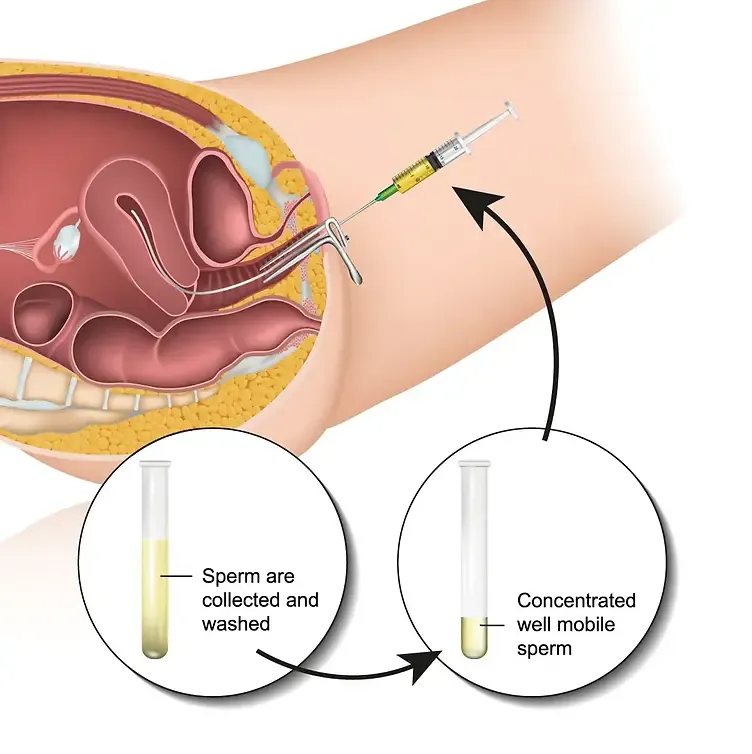
    Illustration of intrauterine insemination process, showing sperm collection and injection into the uterus.

    Navigating Fertility: Choosing Between Coaches and Counselors

    Fertility counselors are trained therapists who specialize in helping individuals and couples navigate the emotional and psychological aspects of fertility struggles. They are licensed mental health professionals and can provide a safe and confidential space for clients to express their feelings and work through any issues that may be impacting their fertility journey.

    Fertility counselors can help you address any underlying emotional issues that may be affecting your fertility, such as anxiety, depression, or trauma. They can also offer coping mechanisms and strategies to help you manage the stress and emotional toll of fertility struggles.

    4. The Benefits of Working with a Fertility Counselor

    One of the main benefits of working with a fertility counselor is the opportunity to address and work through any emotional issues that may be impacting your fertility. Fertility struggles can be incredibly emotional and can often bring up past traumas or unresolved issues. A fertility counselor can help you process these emotions in a healthy and productive way.

    Fertility counselors also provide a safe and supportive space for you to express your feelings and concerns without fear of judgment. They can offer a fresh perspective and help you develop coping mechanisms to manage the stress and challenges of fertility struggles.

    5. Choosing the Right Fit for You

    When it comes to choosing between a fertility coach and a fertility counselor, there is no right or wrong answer. It ultimately comes down to what feels like the best fit for you and your partner. If you are looking for practical guidance and support in achieving your fertility goals, a fertility coach may be the best option for you. If you are struggling with emotional issues that may be impacting your fertility, a fertility counselor may be a better fit.

    It is also important to consider your personal preferences and needs. Some people may prefer the structured approach of a fertility coach, while others may feel more comfortable opening up to a therapist in a counseling setting. It is important to do your research and potentially meet with both professionals to see who you feel most comfortable with.

    Summary:

    Fertility struggles can be a challenging and emotional journey, and having support and guidance along the way is crucial. When deciding between coaches and counselors, it is important to understand the differences between the two. Fertility coaches focus on helping clients achieve their fertility goals, while counselors address and resolve emotional and psychological issues. Both offer unique benefits and it ultimately comes down to personal preference and needs. It may also be beneficial to meet with both professionals to determine which one is the best fit for you and your partner.
  • The Psychological Toll: Coping with Disappointing At-Home Insemination Success Rates

    Summary:

    At-home insemination has become a popular method for individuals and couples trying to conceive. While it offers convenience and privacy, it also comes with its own set of challenges, especially when it comes to success rates. The disappointment of a failed insemination can take a toll on one’s mental health, leading to feelings of stress, anxiety, and even depression. In this blog post, we will discuss the psychological toll of coping with disappointing at-home insemination success rates and offer tips on how to manage these emotions.

    Introduction:

    For many people, starting a family is a dream come true. However, for some, this dream can be difficult to achieve, leading them to explore alternative methods of conception, such as at-home insemination. At-home insemination involves using a syringe or a cervical cap to deposit semen into the vagina, aiming to bring sperm closer to the cervix and increase the chances of fertilization. While this method may seem simple, the reality is that it can be emotionally challenging, especially when the success rates are not as high as one would hope.

    The Psychological Impact of Disappointing Success Rates:

    When couples or individuals decide to try at-home insemination, they often have high hopes and expectations. However, the reality is that the success rates for at-home insemination are not as high as those of other fertility treatments, such as intrauterine insemination (IUI) or in vitro fertilization (IVF). According to a study published in the Journal of Assisted Reproduction and Genetics, the success rate for at-home insemination is around 10-15% per cycle, compared to 20% for IUI and 30% for IVF.

    These statistics can be disheartening for those trying to conceive through at-home insemination, leading to feelings of disappointment, frustration, and even guilt. Many people may blame themselves for the failed insemination, thinking that they did something wrong or that their body is not capable of carrying a child. These negative thoughts can take a toll on one’s mental health, leading to increased stress and anxiety.

    Managing Emotions:

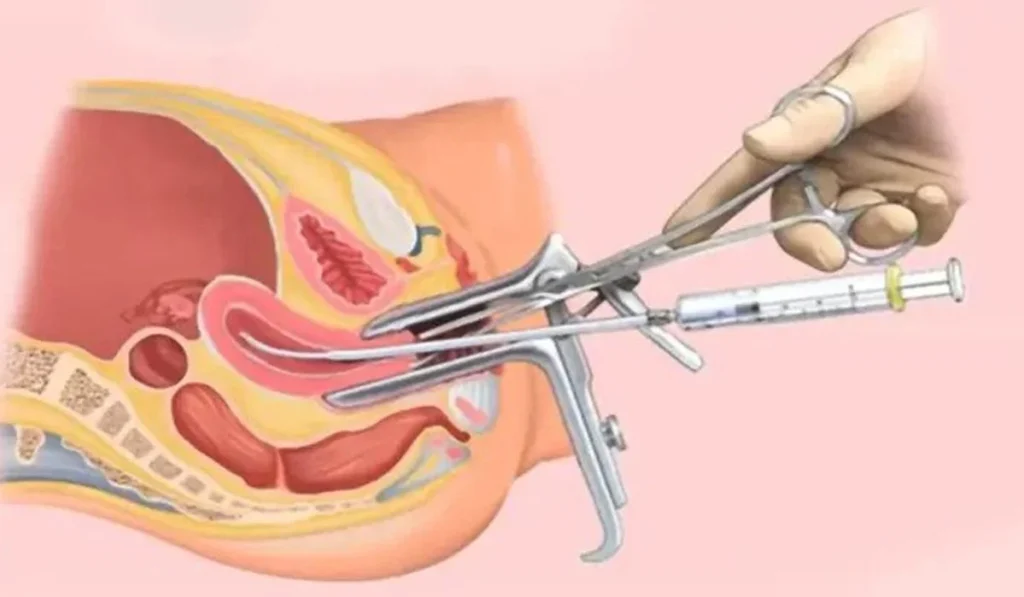
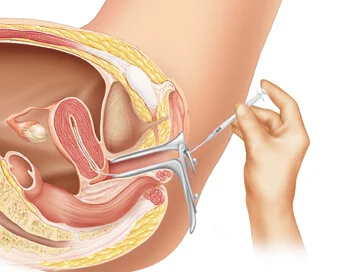
    illustration of intrauterine insemination procedure with a hand holding a speculum and syringe near the uterus

    The Psychological Toll: Coping with Disappointing At-Home Insemination Success Rates

    Dealing with the disappointment of a failed at-home insemination can be challenging, but it is essential to find healthy ways to cope with these emotions. Here are some tips to help you manage the psychological toll of disappointing success rates:

    1. Acknowledge Your Feelings: It is normal to feel a range of emotions, including sadness, anger, and disappointment, after a failed insemination. It is crucial to acknowledge and accept these feelings rather than pushing them away.

    2. Seek Support: It is essential to have a support system during this time. Speak to your partner, family, or close friends about how you are feeling. You can also join online support groups or seek professional counseling to help you cope with your emotions.

    3. Practice Self-Care: Taking care of your physical and emotional well-being is crucial during this time. Engage in activities that you enjoy, such as exercise, reading, or spending time in nature. Also, make sure to get enough rest and eat a healthy diet.

    4. Focus on the Present: It is easy to get caught up in negative thoughts and worry about the future. Instead, try to focus on the present and take things one day at a time. This can help reduce feelings of anxiety and overwhelm.

    5. Consider Alternatives: If at-home insemination is not working for you, it may be time to consider alternative options, such as IUI or IVF. Speak to your doctor about the best course of action for your specific situation.

    Conclusion:

    Trying to conceive through at-home insemination can be a rollercoaster of emotions, especially when the success rates are not as high as one would hope. It is essential to acknowledge and manage these emotions in a healthy way to avoid them taking a toll on your mental health. Seek support, practice self-care, and consider alternative options if needed. Remember, everyone’s journey is unique, and with perseverance and patience, your dream of starting a family can become a reality.

  • The Mental and Emotional Impact of Fertility Testing: A Comparison Between Men and Women

    Becoming a parent is a deeply personal and emotional journey for many individuals. For some, it may come easily, while for others, it may involve a long and challenging process. Fertility testing has become a popular option for those struggling to conceive, as it can provide important insights into an individual’s reproductive health. However, this process can also have a significant mental and emotional impact on both men and women. In this blog post, we will explore the mental and emotional effects of fertility testing and compare the experiences of men and women.

    Fertility testing is a complex and often overwhelming process that involves various medical procedures, appointments, and waiting periods. For women, this may include blood tests, ultrasounds, and invasive procedures such as hysterosalpingograms (HSG) or laparoscopies. These tests can be physically uncomfortable and may cause anxiety or fear, especially for those who have experienced trauma or have a fear of medical procedures.

    On the other hand, men may undergo semen analysis, which involves collecting a semen sample and testing it for sperm count, motility, and morphology. While this may seem less invasive compared to the procedures women go through, it can still be a stressful and uncomfortable experience for men. They may feel pressure to produce a “good” sample and worry about the results, which can affect their self-esteem and cause feelings of inadequacy.

    One of the most significant mental and emotional impacts of fertility testing is the uncertainty and fear it can bring. Many individuals who undergo fertility testing are already struggling with infertility, which can be a source of immense emotional pain. Fertility testing can exacerbate these feelings as it often involves waiting for results and facing the possibility of bad news. This uncertainty can also lead to feelings of helplessness and loss of control, which can be challenging to cope with.

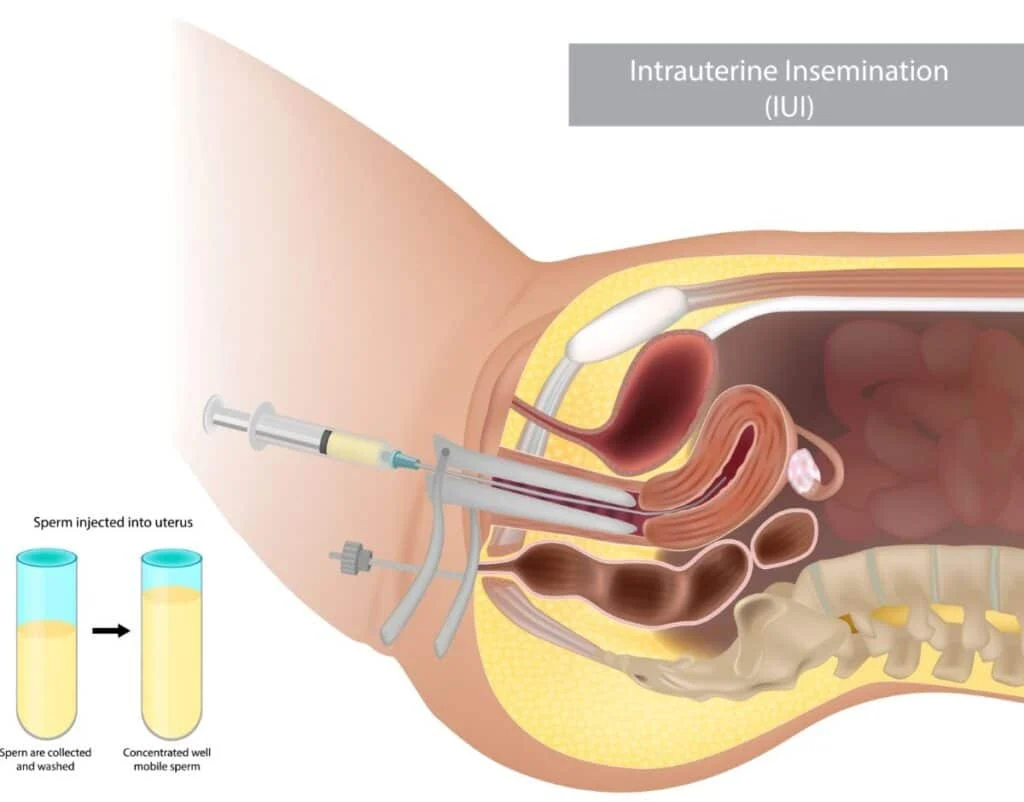
    Diagram illustrating intrauterine insemination (IUI) procedure with sperm injection into the uterus.

    The Mental and Emotional Impact of Fertility Testing: A Comparison Between Men and Women

    The emotional impact of fertility testing can also vary depending on the results. For women, a diagnosis of infertility can feel like a personal failure or a loss of their identity as a woman. They may experience feelings of guilt, shame, and grief, and struggle with the pressure of societal expectations to have children. On the other hand, men may also feel inadequate or less masculine if they receive unfavorable results. They may also feel pressure to “fix” the issue and provide a solution, which can be emotionally taxing.

    Another common emotional impact of fertility testing is the strain it can put on relationships. Going through fertility testing can be a lonely and isolating experience, and individuals may find it challenging to communicate their feelings to their partner. This can lead to misunderstandings, conflicts, and a breakdown in communication, which can have a detrimental effect on the relationship. Furthermore, fertility testing can also cause strain in relationships with family and friends, as individuals may feel uncomfortable discussing their struggles with others.

    Moreover, fertility testing can also have a significant financial impact, which can add to the emotional burden. Many fertility treatments and procedures are not covered by insurance, and the costs can quickly add up. This can cause stress, anxiety, and even guilt for individuals and couples who may be unable to afford the necessary treatments. The financial strain can also lead to difficult decisions and sacrifices, such as delaying or giving up on fertility treatments altogether.

    It is essential to recognize that the mental and emotional impact of fertility testing is not limited to those struggling with infertility. Individuals who undergo fertility testing may also experience a range of emotions, such as anxiety, stress, and fear, even if they are not dealing with infertility. This is because fertility testing can bring up thoughts and concerns about one’s future and plans for starting a family, which can be overwhelming and emotionally taxing.

    In conclusion, fertility testing can have a significant mental and emotional impact on both men and women. It can bring up a range of emotions, from fear and uncertainty to guilt and shame. The strain it can put on relationships and the financial burden it can cause can add to the emotional toll. It is crucial for individuals and couples going through fertility testing to seek support and communicate openly with their partners, friends, and family. It is also essential for society to be more understanding and supportive of those struggling with infertility and the emotional toll that fertility testing can bring.

  • The Importance of Mental Health: IUI vs DI

    Summary:

    Mental health is a crucial aspect of overall well-being, yet it is often overlooked and stigmatized in our society. In recent years, there has been an increase in awareness and discussions surrounding mental health, leading to more options for treatment and support. Two commonly used methods for addressing mental health concerns are IUI (Intrauterine Insemination) and DI (Donor Insemination). Both methods have their own advantages and disadvantages, and it is essential to understand the differences between the two to make an informed decision.

    IUI is a fertility treatment that involves inserting sperm directly into a woman’s uterus to increase the chances of pregnancy. This method is often used by couples who are struggling with infertility due to factors such as low sperm count or endometriosis. While IUI primarily focuses on the physical aspect of conception, it can also have a significant impact on mental health. The process of trying to conceive can take a toll on a person’s mental well-being, especially if it is not successful. The constant pressure, disappointment, and uncertainty can lead to anxiety, depression, and other mental health issues. Therefore, it is crucial for individuals undergoing IUI to prioritize their mental health and seek support if needed.

    On the other hand, DI involves using donated sperm from a sperm bank to fertilize the woman’s egg. This method is often used by single individuals or same-sex couples who want to have a child. DI eliminates the physical aspect of conception, but it can also bring about different mental health challenges. For individuals who are using DI to become parents, there may be feelings of disappointment, loss, and grief associated with not being able to conceive naturally. Additionally, there may be concerns about the child’s genetic background and the challenges of explaining the conception process to them in the future. It is essential for individuals using DI to address these concerns and work through any emotional challenges that may arise.

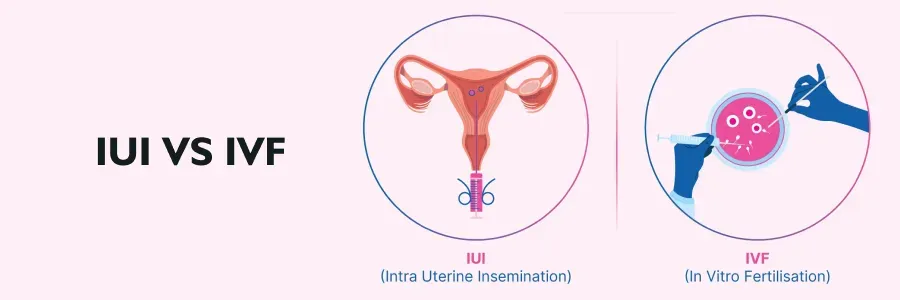
    Comparison of IUI and IVF with illustrations of each procedure.

    The Importance of Mental Health: IUI vs DI

    Both IUI and DI can be emotionally and mentally taxing, and it is crucial for individuals to prioritize their mental health throughout the process. Seeking therapy or support groups can be beneficial in managing stress, anxiety, and other mental health concerns. Additionally, talking openly and honestly with a partner or a trusted friend can also help in processing and coping with the emotions that come with fertility treatments.

    In addition to seeking support, it is also essential to take care of one’s physical health. Eating well, exercising regularly, and getting enough rest can all contribute to improving mental well-being. Engaging in relaxation techniques such as yoga, meditation, or mindfulness can also be helpful in managing stress and anxiety.

    It is also crucial to acknowledge that mental health challenges can affect individuals differently and that there is no one-size-fits-all solution. It is essential for individuals to advocate for themselves and work with their healthcare providers to develop a personalized treatment plan that addresses both physical and mental health concerns.

    In conclusion, the journey to parenthood through IUI or DI can be both physically and emotionally challenging. It is essential for individuals to prioritize their mental health throughout the process and seek support when needed. By understanding the differences between IUI and DI and addressing mental health concerns, individuals can make informed decisions and work towards achieving their goal of starting a family.

  • The Role of Counseling in Fertility Clinics vs Hospitals

    The journey towards parenthood can be a challenging and emotional one, especially for individuals and couples struggling with infertility. As technology and medical advancements have made assisted reproductive technology (ART) more accessible, the role of counseling in fertility clinics versus hospitals has become a topic of interest.

    In this blog post, we will explore the importance of counseling in both fertility clinics and hospitals for individuals and couples undergoing infertility treatment. We will discuss the differences between counseling in these two settings and how it can benefit patients emotionally, mentally, and physically.

    The Role of Counseling in Fertility Clinics:

    Fertility clinics specialize in treating patients struggling with infertility and offer a range of services, including counseling. The primary goal of counseling in fertility clinics is to provide emotional support and guidance to individuals and couples undergoing infertility treatment. Infertility can take a toll on one’s mental and emotional health, and counseling can help patients navigate through the various challenges they may face.

    One of the main differences between counseling in fertility clinics and hospitals is the focus on the emotional and psychological well-being of patients. Fertility clinics have specialized counselors who are trained to understand the unique challenges of infertility and the various treatment options available. They can provide patients with the necessary emotional support and coping strategies to help them navigate through the ups and downs of infertility treatment.

    Counseling in fertility clinics also plays a crucial role in preparing patients for the emotional and psychological aspects of ART. Patients may experience a range of emotions, including anxiety, fear, and stress, as they undergo treatment. Counselors can help patients manage these emotions and provide them with tools to cope with the physical and emotional demands of treatment.

    Additionally, counseling in fertility clinics can also help patients make informed decisions regarding their treatment. Infertility treatment can be overwhelming, and patients may feel pressured to make decisions quickly. Counselors can provide patients with a safe and supportive space to discuss their options and make choices that align with their values and preferences.

    The Role of Counseling in Hospitals:

    While counseling may not be the primary focus of hospitals, it plays an essential role in the overall treatment of patients undergoing infertility treatment. Hospitals typically provide more complex and invasive fertility treatments, such as in-vitro fertilization (IVF) or intrauterine insemination (IUI). These procedures can be physically and emotionally taxing for patients, making counseling a crucial aspect of their treatment.

    Illustration of intrauterine insemination process, showing sperm collection and injection into the uterus.

    The Role of Counseling in Fertility Clinics vs Hospitals

    In hospitals, counselors may work closely with doctors and other medical professionals to provide patients with comprehensive care. They can offer emotional support and guidance during and after procedures, helping patients manage any stress or anxiety they may experience. Counselors in hospitals also play a crucial role in identifying any mental health concerns that may arise during treatment and providing patients with the necessary support or referrals.

    Additionally, counseling in hospitals can also help patients cope with the emotional impact of unsuccessful treatments. While fertility clinics may have a higher success rate, not all treatments are successful, and patients may need support to process and grieve these losses. Counselors in hospitals can offer patients a safe space to express their emotions and provide them with tools to cope with their feelings.

    The Benefits of Counseling in Fertility Clinics and Hospitals:

    Counseling in both fertility clinics and hospitals can provide patients with a range of benefits, including emotional support, improved mental health, and better decision-making. Infertility can be a stressful and isolating experience, and counseling can offer patients a safe space to express their emotions and feel heard.

    Counseling can also help patients manage any mental health concerns, such as depression or anxiety, that may arise during treatment. These conditions can have a significant impact on a patient’s overall well-being and may even affect the success of their treatment. With the support of a counselor, patients can learn healthy coping strategies and improve their mental health.

    Moreover, counseling can also improve communication and relationships between couples. Infertility can put a strain on even the strongest of relationships, and counseling can help couples navigate through the challenges and communicate effectively. It can also help individuals and couples make informed decisions about their treatment and ensure that they are on the same page.

    Conclusion:

    In conclusion, counseling plays a crucial role in both fertility clinics and hospitals for individuals and couples undergoing infertility treatment. Fertility clinics tend to focus more on the emotional and psychological well-being of patients, while hospitals provide patients with comprehensive care that includes counseling. Regardless of the setting, counseling can offer patients the necessary emotional support, improve their mental health, and help them make informed decisions about their treatment. With the help of counseling, individuals and couples can navigate through the challenges of infertility and improve their chances of success.

    SEO metadata:

  • Fertility Nutrition and Mental Health: How Diet Can Impact Your Mood and Fertility

    Fertility Nutrition and Mental Health: How Diet Can Impact Your Mood and Fertility

    Fertility is a topic that is often discussed in terms of physical health, such as hormones and reproductive organs. However, what is often overlooked is the role that nutrition plays in both fertility and mental health. The food we eat not only affects our physical health, but it also has a significant impact on our mental and emotional well-being. In this blog post, we will delve into the connection between fertility, nutrition, and mental health, and how making simple changes to your diet can improve both your mood and your chances of conceiving.

    The Link Between Nutrition and Fertility

    When it comes to fertility, nutrition is crucial. Our bodies need a balanced and healthy diet to function optimally, and this is especially true when trying to conceive. Certain vitamins and minerals are essential for reproductive health, such as folate, zinc, and iron. These nutrients help regulate hormone levels, support egg and sperm production, and promote a healthy menstrual cycle.

    Studies have shown that women who follow a Mediterranean-style diet, rich in whole grains, fruits, vegetables, and healthy fats, have a higher chance of conceiving compared to those who consume a diet high in processed foods and unhealthy fats. This is because the Mediterranean diet is packed with essential vitamins and minerals that support reproductive health. Additionally, a healthy diet can also help with weight management, which is crucial for fertility. Being under or overweight can disrupt hormonal balance and make it harder to conceive.

    How Nutrition Affects Mental Health

    The food we eat not only impacts our physical health, but it also has a significant influence on our mental and emotional well-being. Our brains need a constant supply of nutrients to function correctly, and a poor diet can lead to imbalances in neurotransmitters, which are responsible for regulating our mood. For example, a deficiency in omega-3 fatty acids has been linked to depression and anxiety.

    Moreover, our gut health has a significant impact on our mental health. The gut is often referred to as the “second brain” because it contains millions of nerve cells that communicate with the brain. Therefore, the food we eat can affect our gut microbiome, which can impact our mood and overall mental health. Eating a diet high in processed foods and sugar can lead to inflammation in the gut, which has been linked to depression and other mental health disorders.

    The Connection Between Nutrition, Mental Health, and Fertility

    It may come as no surprise that there is a strong link between nutrition, mental health, and fertility. When we are stressed or anxious, our bodies produce high levels of the hormone cortisol, which can interfere with ovulation and sperm production. Additionally, poor nutrition can lead to inflammation in the body, which can cause damage to reproductive organs and interfere with the body’s ability to conceive.

    Furthermore, mental health disorders, such as depression and anxiety, can also affect fertility. Women with these conditions may have irregular menstrual cycles or experience hormonal imbalances that make it harder to conceive. Therefore, addressing mental health through nutrition can also improve fertility outcomes.

    What to Eat for Better Fertility and Mental Health

    Comparison of IUI and IVF with illustrations of each procedure.

    Fertility Nutrition and Mental Health: How Diet Can Impact Your Mood and Fertility

    Now that we understand the connection between nutrition, mental health, and fertility, let’s explore some specific foods that can improve both.

    1. Leafy Greens

    Leafy greens, such as spinach, kale, and arugula, are rich in folate, a B vitamin essential for reproductive health. Folate helps with egg and sperm production and can reduce the risk of birth defects. Additionally, leafy greens are packed with antioxidants, which can help reduce inflammation in the body and promote a healthy gut.

    2. Healthy Fats

    Healthy fats, such as avocados, nuts, and olive oil, are essential for reproductive health and mental well-being. These fats contain omega-3 fatty acids, which have been linked to improved fertility, reduced inflammation, and improved mood. Incorporating these healthy fats into your diet can also help with weight management, which is crucial for fertility.

    3. Whole Grains

    Whole grains, such as quinoa, brown rice, and oats, are rich in fiber, which is essential for hormonal balance. These foods also have a low glycemic index, meaning they don’t cause a spike in blood sugar levels, which can disrupt ovulation and sperm production. Moreover, whole grains are packed with essential vitamins and minerals that support reproductive health and overall well-being.

    4. Fermented Foods

    Fermented foods, such as sauerkraut, kimchi, and yogurt, contain probiotics, which are beneficial bacteria that support gut health. By promoting a healthy gut microbiome, these foods can also improve mental health and fertility outcomes. Additionally, fermented foods are rich in B vitamins, which are crucial for reproductive health.

    5. Colorful Fruits and Vegetables

    Fruits and vegetables of all colors are packed with essential vitamins, minerals, and antioxidants that support fertility and mental health. For example, berries are rich in antioxidants that can help reduce inflammation and support a healthy gut. Brightly colored vegetables, such as sweet potatoes and bell peppers, are rich in vitamin C, which can improve egg quality and reduce the risk of ovulatory infertility.

    In summary, fertility, nutrition, and mental health are all interconnected. The food we eat plays a significant role in our reproductive health and emotional well-being. By incorporating a variety of nutrient-dense foods into our diets, we can support our bodies’ overall health and increase our chances of conceiving. Additionally, paying attention to our mental health and addressing any imbalances through nutrition can also improve fertility outcomes. Remember, a healthy body and mind are crucial for starting a family.

  • The Fertility Mindset: How Nutrition Can Support Your Mental and Emotional Well-Being

    Blog Post Title: The Fertility Mindset: How Nutrition Can Support Your Mental and Emotional Well-Being

    Summary:

    The journey to starting a family can be a rollercoaster of emotions, both physically and mentally. And while many focus on the physical aspects of fertility, it’s also crucial to pay attention to our mental and emotional well-being. Nutrition plays a vital role in supporting our overall health, including our mental and emotional state. In this blog post, we will discuss how nutrition can support your fertility mindset and improve your chances of conceiving.

    The Fertility Mindset: Understanding the Connection between Nutrition and Mental Health

    When it comes to fertility, there is often a lot of focus on the physical aspects, such as reproductive health and hormonal balance. However, our mental and emotional state can also have a significant impact on our fertility journey. Studies have shown that stress, anxiety, and depression can affect fertility by disrupting hormone levels and ovulation. Thus, it’s essential to prioritize our mental health while trying to conceive.

    Nutrition plays a crucial role in supporting our mental and emotional well-being. Our brains need specific nutrients to function correctly, and deficiencies can lead to mood disorders and mental health problems. For example, Omega-3 fatty acids found in fish and nuts have been linked to improved mood and reduced symptoms of depression and anxiety. By consuming a well-balanced and nutrient-rich diet, we can support our mental health and maintain a positive fertility mindset.

    The Impact of Stress on Fertility and How Nutrition Can Help

    Stress is a common factor in our everyday lives, and when trying to conceive, it can be heightened. High levels of stress can negatively impact fertility by disrupting the hormonal balance and causing irregular ovulation. Additionally, stress can also affect sperm quality and quantity in men. Therefore, finding ways to manage stress is crucial for couples trying to conceive.

    Proper nutrition can play a significant role in managing stress and promoting relaxation. Foods rich in magnesium, such as leafy greens, avocados, and dark chocolate, can help reduce stress and promote calmness. Vitamin B complex, found in whole grains, can also support our nervous system and help us manage stress levels. By incorporating these nutrients into our diet, we can improve our ability to cope with stress and maintain a positive fertility mindset.

    doctor discussing treatment with a patient in a medical office, featuring an ultrasound machine in the background

    The Fertility Mindset: How Nutrition Can Support Your Mental and Emotional Well-Being

    The Gut-Brain Connection: How a Healthy Gut Can Improve Your Mental and Emotional Well-Being

    The gut and the brain are closely connected, and the health of one can significantly impact the other. The gut is home to trillions of bacteria that play a crucial role in our overall health, including our mental and emotional well-being. Studies have shown that imbalances in gut bacteria can lead to mood disorders, such as anxiety and depression. Therefore, it’s vital to support our gut health to maintain a healthy mind.

    Eating a diet rich in prebiotic and probiotic foods can help maintain a healthy balance of gut bacteria. Prebiotic foods, such as onions, garlic, and oats, provide nutrients to feed the good bacteria in our gut. Probiotic foods, such as yogurt, kimchi, and sauerkraut, contain live bacteria that can help replenish and maintain a healthy gut microbiome. By supporting our gut health, we can improve our mental and emotional well-being and increase our chances of conceiving.

    The Role of Antioxidants in Fertility and Mental Health

    Antioxidants are essential for our overall health, as they protect our cells from damage caused by free radicals. However, they can also play a crucial role in fertility and mental health. Oxidative stress, caused by an imbalance of free radicals and antioxidants in the body, has been linked to infertility and mental health disorders. Therefore, consuming a diet rich in antioxidants can help protect our reproductive health and support our mental well-being.

    Foods rich in antioxidants include berries, dark leafy greens, and nuts. These foods are also rich in other essential vitamins and minerals that support our fertility, such as folate and zinc. By incorporating these foods into our diet, we can improve our chances of conceiving while also supporting our mental and emotional well-being.

    The Power of Mindful Eating for a Positive Fertility Mindset

    In addition to consuming a balanced and nutrient-rich diet, practicing mindful eating can also support our fertility mindset. Mindful eating involves paying attention to our thoughts and emotions while eating, as well as the physical sensations and taste of our food. By slowing down and savoring our meals, we can improve our relationship with food and reduce stress and emotional eating.

    In Conclusion

    When it comes to fertility, we often focus on the physical aspects and overlook the importance of our mental and emotional well-being. However, our mental health plays a crucial role in our fertility journey, and nutrition can be a powerful tool in supporting it. By consuming a balanced and nutrient-rich diet, we can improve our mental and emotional well-being, manage stress, and increase our chances of conceiving. Additionally, incorporating mindful eating practices can further support our fertility mindset.

  • The Human Touch: Exploring the Emotional Aspects of Traditional Fertility Tracking Methods

    Summary:

    Fertility is a natural and essential aspect of human life, yet it is often surrounded by taboo and misconceptions. In recent years, there has been a rise in interest and use of traditional fertility tracking methods, which involve tracking physical signs and symptoms of a woman’s menstrual cycle to determine the most fertile days for conception. While these methods may seem outdated in a world filled with advanced technology and medical interventions, they offer a unique aspect that cannot be replicated – the human touch. In this blog post, we will explore the emotional aspects of traditional fertility tracking methods and how they can enhance the fertility journey.

    Firstly, traditional fertility tracking methods require a deep understanding of one’s body and its natural rhythms. This involves paying close attention to physical changes such as cervical mucus, basal body temperature, and cervical position. This heightened awareness of one’s body can lead to a greater sense of connection and empowerment, as women become more in tune with their bodies. In contrast, modern medical interventions often focus on treating fertility as a problem to be solved, rather than a natural process to be embraced.

    Moreover, the use of traditional fertility tracking methods can also foster a sense of intimacy and connection between partners. Instead of relying solely on technology or medical professionals, couples can work together to track and interpret fertility signs. This process can deepen the bond between partners and create a more supportive and understanding environment for conception. Additionally, it allows for open and honest communication about fertility and can strengthen the emotional aspect of the relationship.

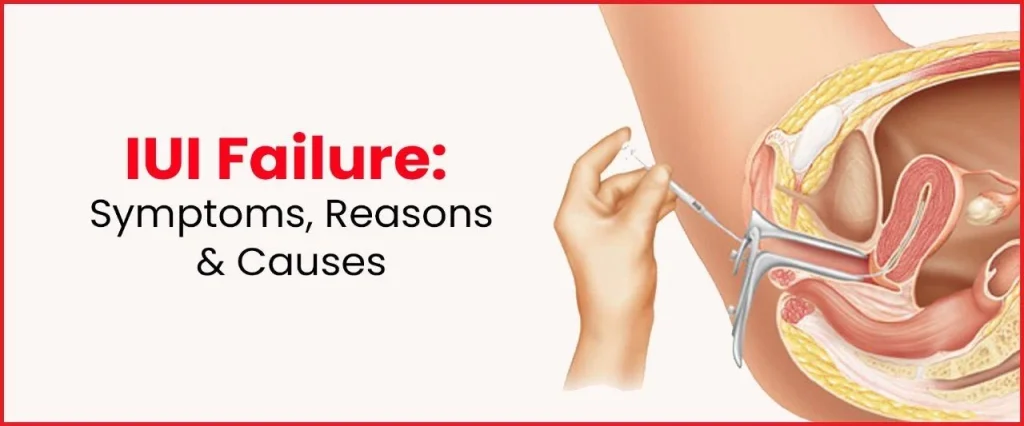
    illustration of IUI procedure with text on symptoms, reasons, and causes of IUI failure

    The Human Touch: Exploring the Emotional Aspects of Traditional Fertility Tracking Methods

    Another emotional benefit of traditional fertility tracking methods is the feeling of control and ownership over one’s fertility journey. In a world where many aspects of our lives are out of our control, tracking fertility signs and understanding one’s body can provide a sense of agency and empowerment. This can be especially beneficial for women who may feel helpless or frustrated when trying to conceive. Traditional methods also offer a more personalized approach to fertility, as each woman’s body and cycle is unique, unlike the one-size-fits-all approach of medical interventions.

    Furthermore, traditional fertility tracking methods can also have a positive impact on mental health. The journey to conception can be emotionally taxing, and modern methods can often add to the stress and pressure. In contrast, traditional methods encourage a more natural and relaxed approach to fertility. By focusing on the present moment and embracing the natural rhythms of the body, women can reduce stress and anxiety, which can have a positive impact on their mental health.

    It is also worth mentioning that traditional fertility tracking methods have been used for centuries by women from various cultures and backgrounds. This long-standing tradition creates a sense of connection and belonging to a community of women who have shared similar experiences and challenges. This support system can be invaluable for women who may feel isolated or misunderstood in their fertility journey.

    In conclusion, while modern technology and medical interventions have their benefits, traditional fertility tracking methods offer a unique and valuable aspect – the human touch. By fostering a deeper connection with one’s body, strengthening relationships, and providing a sense of control and support, these methods can enhance the emotional aspect of the fertility journey. It is essential to recognize and embrace the benefits of traditional methods and not dismiss them as outdated or ineffective.

  • The Emotional Impact of Failed Cycles: Intrauterine Insemination vs Low-Tech IVF

    Blog title: The Emotional Toll of Failed Fertility Treatments: IUI vs Low-Tech IVF

    Introduction:
    Struggling with infertility can be a difficult and emotional journey for couples. The hope and anticipation of starting a family can quickly turn into disappointment and heartbreak when fertility treatments fail. In this blog post, we will explore the emotional impact of two common fertility treatments, Intrauterine Insemination (IUI) and Low-Tech IVF, and how failed cycles can affect couples.

    Understanding IUI and Low-Tech IVF:
    Intrauterine Insemination (IUI) is a fertility treatment where sperm is inserted directly into the uterus using a catheter. This procedure is typically used for couples with mild fertility issues or unexplained infertility. On the other hand, Low-Tech IVF is a slightly more complex procedure that involves using fertility medications to stimulate egg production, followed by the retrieval of eggs and the fertilization of the eggs with sperm in a lab. The embryos are then transferred into the uterus. Both IUI and Low-Tech IVF have a relatively lower success rate compared to other fertility treatments, which can take a toll on couples emotionally.

    The Emotional Rollercoaster of Failed Cycles:
    For couples undergoing fertility treatments, each cycle brings a rollercoaster of emotions. The process of IUI and Low-Tech IVF involves multiple steps, starting from taking medication to monitoring hormone levels and egg development, to the actual procedure. With each step, couples eagerly anticipate the outcome, hoping that this will be the cycle that brings them a positive pregnancy test. However, when the cycle fails, it can be devastating for the couple, and the emotional impact can be overwhelming.

    Feelings of Disappointment and Grief:
    The most common emotion experienced by couples after a failed cycle is disappointment. The build-up of hope and anticipation is suddenly shattered, leaving couples feeling lost and heartbroken. For some, the disappointment can quickly turn into grief, as they mourn the loss of a potential pregnancy and the dream of starting a family. This can be especially difficult for couples who have been struggling with infertility for an extended period, as each failed cycle can feel like another setback in their journey to parenthood.

    illustration of a uterus with a syringe, representing intrauterine insemination procedure

    The Emotional Impact of Failed Cycles: Intrauterine Insemination vs Low-Tech IVF

    Frustration and Self-Blame:
    When a fertility treatment fails, couples often find themselves questioning what went wrong. This can lead to feelings of frustration and self-blame. They may wonder if they did something wrong or if there was something they could have done differently to make the cycle successful. This can be particularly challenging for women who may feel like their body has failed them. The constant cycle of hope, disappointment, and self-blame can take a toll on a couple’s mental health and strain their relationship.

    Financial Burden:
    Fertility treatments can also come with a significant financial burden. Each failed cycle means more money spent, and for some couples, this can cause added stress and anxiety. The financial strain can also limit the number of cycles a couple can afford, reducing their chances of success. This added pressure can make the emotional toll of failed cycles even more challenging to cope with.

    Coping with Failed Cycles:
    It is essential for couples to find ways to cope with the emotional impact of failed cycles. One way is to seek support from family, friends, or a support group. Talking about their feelings and experiences with others who understand can be therapeutic for couples. It is also crucial for couples to communicate openly with each other and support each other through the ups and downs of the fertility journey.

    Seeking professional counseling can also be beneficial for couples struggling with the emotional toll of failed cycles. A therapist can provide a safe space for couples to process their emotions and develop coping strategies to manage their feelings. Additionally, couples can also explore other options, such as taking a break from treatment or trying a different fertility treatment, to alleviate some of the stress and pressure.

    Conclusion:
    In conclusion, the journey of fertility treatments, particularly IUI and Low-Tech IVF, can be emotionally taxing for couples. The disappointment, grief, self-blame, and financial burden of failed cycles can take a toll on their mental health and relationships. It is crucial for couples to find ways to cope and seek support during this challenging time. With the right support and coping strategies, couples can navigate the emotional impact of failed cycles and continue on their journey towards parenthood.

    Summary:
    Struggling with infertility can be emotionally taxing, and the disappointment of failed fertility treatments can be overwhelming. In this blog post, we explored the emotional impact of two common fertility treatments, Intrauterine Insemination (IUI) and Low-Tech IVF, and how couples can cope with the emotional toll of failed cycles. The rollercoaster of emotions, feelings of disappointment and grief, frustration and self-blame, and financial burden can take a toll on the mental health and relationships of couples. Seeking support and counseling, as well as exploring different options, can help couples cope with the emotional impact of failed cycles and continue on their journey towards parenthood.

  • The Mind-Body Connection: How Fertility Massage Can Improve Your Mental Health

    The Mind-Body Connection: How Fertility Massage Can Improve Your Mental Health

    The mind and body are intricately connected, and this connection is especially significant when it comes to fertility. The stress and anxiety of trying to conceive can take a toll on both the physical and emotional well-being. Fertility massage is a holistic approach that can not only improve reproductive health but also have a positive impact on mental health. In this blog post, we will explore the mind-body connection and how fertility massage can help improve mental health.

    Understanding the Mind-Body Connection

    The mind-body connection refers to the link between our thoughts, emotions, and physical health. It is a two-way street, where our mental state can affect our physical well-being, and vice versa. When it comes to fertility, the stress, anxiety, and negative thoughts associated with trying to conceive can have a significant impact on the body. Studies have shown that stress can disrupt hormone levels, ovulation, and even lead to infertility. Additionally, women struggling with fertility issues often experience feelings of guilt, shame, and low self-esteem, which can further exacerbate the problem.

    How Fertility Massage Can Improve Mental Health

    Fertility massage is a specialized form of massage therapy that focuses on the reproductive organs and their surrounding muscles and tissues. It combines various massage techniques, such as deep tissue massage, acupressure, and reflexology, to help improve blood flow, release tension, and promote overall reproductive health. However, fertility massage does not just have physical benefits; it can also have a positive impact on mental health through the following ways:

    1. Reduces Stress and Anxiety

    Fertility massage is a deeply relaxing experience that can help alleviate stress and anxiety. The gentle, rhythmic strokes used in fertility massage can help calm the nervous system, reduce cortisol levels, and promote the production of feel-good hormones like serotonin and dopamine. This can help reduce feelings of stress and anxiety, making it easier to cope with the emotional rollercoaster of trying to conceive.

    illustration of an intrauterine insemination procedure with medical instruments and anatomical details

    The Mind-Body Connection: How Fertility Massage Can Improve Your Mental Health

    2. Increases Mindfulness and Relaxation

    Fertility massage involves focusing on the present moment and connecting with one’s body. This can help increase mindfulness and promote a sense of relaxation. By being more present and aware, women can let go of negative thoughts and emotions, and instead, focus on the present moment and the positive aspects of their fertility journey.

    3. Releases Emotional Trauma

    Many women struggling with infertility have experienced traumatic events, such as miscarriages or failed IVF treatments. The emotional impact of these events can be long-lasting and may affect their mental health. Fertility massage can help release these emotions and trauma by providing a safe and nurturing space for women to express themselves and let go of negative feelings.

    4. Boosts Self-Confidence and Empowerment

    The journey to conception can be a challenging and overwhelming one, often leaving women feeling powerless and out of control. Fertility massage can help boost self-confidence and empower women by giving them a sense of control over their bodies and the ability to connect with their reproductive organs. This can help them feel more confident and positive about their fertility journey.

    5. Promotes a Positive Outlook

    The mind and body are closely connected, and when one is in a state of relaxation, the other follows suit. By promoting relaxation and reducing stress and anxiety, fertility massage can help improve mood and promote a more positive outlook. This can be especially helpful for women struggling with fertility issues, as it can help them stay optimistic and motivated on their journey to conception.

    In conclusion, the mind-body connection is a crucial factor to consider when it comes to fertility. Fertility massage is a holistic approach that can not only improve reproductive health but also have a positive impact on mental health. By reducing stress and anxiety, increasing mindfulness and relaxation, releasing emotional trauma, boosting self-confidence and empowerment, and promoting a positive outlook, fertility massage can help women on their journey to conception.