The journey towards parenthood can be a challenging and emotional one, especially for individuals and couples struggling with infertility. As technology and medical advancements have made assisted reproductive technology (ART) more accessible, the role of counseling in fertility clinics versus hospitals has become a topic of interest.
In this blog post, we will explore the importance of counseling in both fertility clinics and hospitals for individuals and couples undergoing infertility treatment. We will discuss the differences between counseling in these two settings and how it can benefit patients emotionally, mentally, and physically.
The Role of Counseling in Fertility Clinics:
Fertility clinics specialize in treating patients struggling with infertility and offer a range of services, including counseling. The primary goal of counseling in fertility clinics is to provide emotional support and guidance to individuals and couples undergoing infertility treatment. Infertility can take a toll on one’s mental and emotional health, and counseling can help patients navigate through the various challenges they may face.
One of the main differences between counseling in fertility clinics and hospitals is the focus on the emotional and psychological well-being of patients. Fertility clinics have specialized counselors who are trained to understand the unique challenges of infertility and the various treatment options available. They can provide patients with the necessary emotional support and coping strategies to help them navigate through the ups and downs of infertility treatment.
Counseling in fertility clinics also plays a crucial role in preparing patients for the emotional and psychological aspects of ART. Patients may experience a range of emotions, including anxiety, fear, and stress, as they undergo treatment. Counselors can help patients manage these emotions and provide them with tools to cope with the physical and emotional demands of treatment.
Additionally, counseling in fertility clinics can also help patients make informed decisions regarding their treatment. Infertility treatment can be overwhelming, and patients may feel pressured to make decisions quickly. Counselors can provide patients with a safe and supportive space to discuss their options and make choices that align with their values and preferences.
The Role of Counseling in Hospitals:
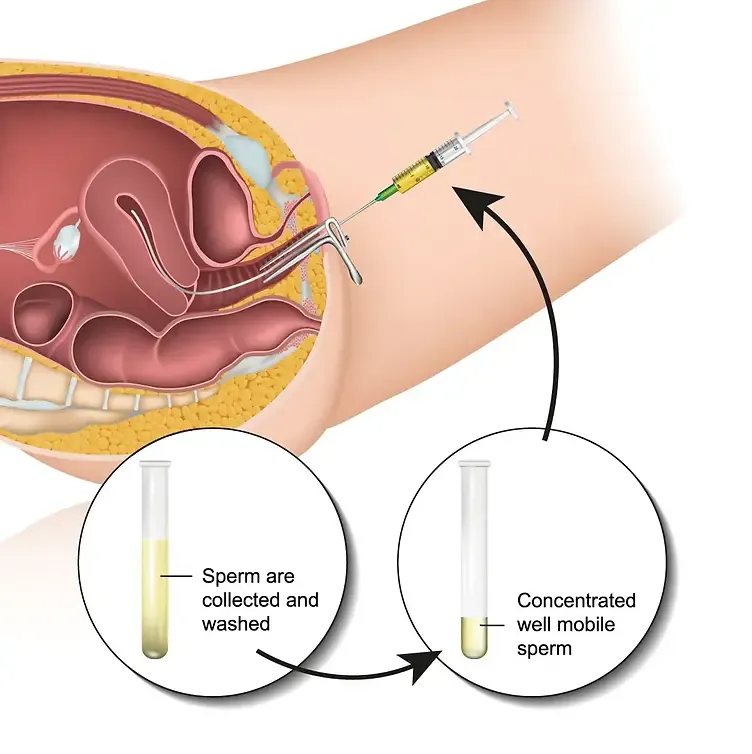
While counseling may not be the primary focus of hospitals, it plays an essential role in the overall treatment of patients undergoing infertility treatment. Hospitals typically provide more complex and invasive fertility treatments, such as in-vitro fertilization (IVF) or intrauterine insemination (IUI). These procedures can be physically and emotionally taxing for patients, making counseling a crucial aspect of their treatment.
The Role of Counseling in Fertility Clinics vs Hospitals
In hospitals, counselors may work closely with doctors and other medical professionals to provide patients with comprehensive care. They can offer emotional support and guidance during and after procedures, helping patients manage any stress or anxiety they may experience. Counselors in hospitals also play a crucial role in identifying any mental health concerns that may arise during treatment and providing patients with the necessary support or referrals.
Additionally, counseling in hospitals can also help patients cope with the emotional impact of unsuccessful treatments. While fertility clinics may have a higher success rate, not all treatments are successful, and patients may need support to process and grieve these losses. Counselors in hospitals can offer patients a safe space to express their emotions and provide them with tools to cope with their feelings.
The Benefits of Counseling in Fertility Clinics and Hospitals:
Counseling in both fertility clinics and hospitals can provide patients with a range of benefits, including emotional support, improved mental health, and better decision-making. Infertility can be a stressful and isolating experience, and counseling can offer patients a safe space to express their emotions and feel heard.
Counseling can also help patients manage any mental health concerns, such as depression or anxiety, that may arise during treatment. These conditions can have a significant impact on a patient’s overall well-being and may even affect the success of their treatment. With the support of a counselor, patients can learn healthy coping strategies and improve their mental health.
Moreover, counseling can also improve communication and relationships between couples. Infertility can put a strain on even the strongest of relationships, and counseling can help couples navigate through the challenges and communicate effectively. It can also help individuals and couples make informed decisions about their treatment and ensure that they are on the same page.
Conclusion:
In conclusion, counseling plays a crucial role in both fertility clinics and hospitals for individuals and couples undergoing infertility treatment. Fertility clinics tend to focus more on the emotional and psychological well-being of patients, while hospitals provide patients with comprehensive care that includes counseling. Regardless of the setting, counseling can offer patients the necessary emotional support, improve their mental health, and help them make informed decisions about their treatment. With the help of counseling, individuals and couples can navigate through the challenges of infertility and improve their chances of success.
SEO metadata: