Tag: male fertility

  • Fertility Testing 101: Understanding the Differences Between Men and Women

    Blog Post: Fertility Testing 101: Understanding the Differences Between Men and Women

    Fertility is a topic that affects both men and women, yet the discussions and information surrounding it often focus solely on the female experience. However, it is important to understand that fertility is a shared responsibility between both partners. In order to fully understand the intricacies of fertility, it is crucial to explore the differences between men and women when it comes to fertility testing.

    Men and women have different reproductive systems and therefore, require different methods of testing in order to assess their fertility. In this blog post, we will discuss the different types of fertility testing available for men and women, as well as the key differences between them.

    Female Fertility Testing:

    1. Ovulation Testing:

    Ovulation is the process in which a mature egg is released from the ovary and is ready for fertilization. In order to determine a woman’s fertility, it is important to understand her ovulation cycle. This can be done through ovulation testing, which involves tracking hormone levels in the body through methods such as blood tests, urine tests, or at-home ovulation predictor kits.

    2. Hysterosalpingogram (HSG):

    An HSG is a procedure that uses X-rays and a special dye to evaluate the condition of a woman’s uterus and fallopian tubes. This test can help determine if there are any blockages or abnormalities that may be affecting fertility.

    3. Ovarian Reserve Testing:

    A woman’s ovarian reserve refers to the number of eggs she has remaining in her ovaries. As a woman ages, her ovarian reserve decreases, which can affect her fertility. Ovarian reserve testing involves blood tests and ultrasound scans to assess the quality and quantity of a woman’s eggs.

    4. Follicle Stimulating Hormone (FSH) Testing:

    FSH is a hormone that helps to regulate a woman’s menstrual cycle and is also responsible for the development and maturation of eggs in the ovaries. FSH testing involves a blood test to measure the levels of this hormone, which can indicate the quality of a woman’s eggs and her overall fertility.

    Male Fertility Testing:

    1. Semen Analysis:

    Semen analysis is the most commonly used fertility test for men. It involves examining a sample of semen for sperm count, motility (movement), and morphology (shape and size). This test can give an indication of a man’s fertility and the quality of his sperm.
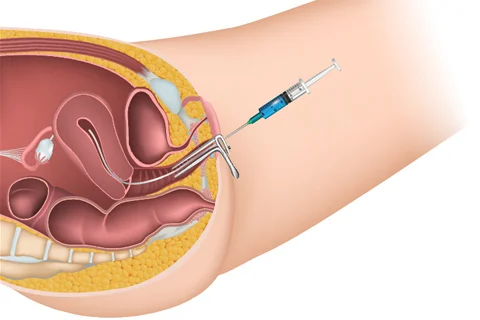
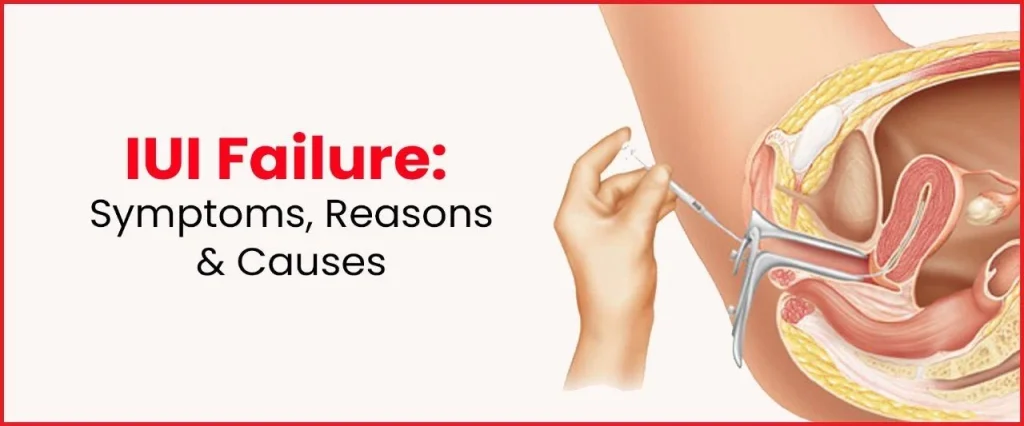
    illustration of intrauterine insemination procedure with a syringe and catheter in the uterus.

    Fertility Testing 101: Understanding the Differences Between Men and Women

    2. Hormone Testing:

    Similar to women, men also have hormones that play a crucial role in their reproductive health. Hormone testing for men involves a blood test to measure levels of testosterone, follicle-stimulating hormone (FSH), and luteinizing hormone (LH). These hormones can affect sperm production and therefore, can be an indicator of male fertility.

    3. Ultrasound:

    In some cases, an ultrasound may be used to evaluate the male reproductive organs. This can help identify any structural abnormalities or blockages that may be affecting fertility.

    4. Genetic Testing:

    Some men may undergo genetic testing to determine if they carry any genetic conditions that may affect their fertility. This is especially important for couples who have a family history of genetic disorders.

    Key Differences Between Male and Female Fertility Testing:

    1. Accessibility:

    The first major difference between male and female fertility testing is accessibility. Women have a wide range of tests available to them, from at-home ovulation predictor kits to more invasive procedures like HSGs. On the other hand, most male fertility testing involves a semen analysis, which can be done at a clinic or at home.

    2. Cost:

    The cost of fertility testing can vary greatly between men and women. Female fertility testing often involves more procedures and tests, which can add up in terms of cost. On the other hand, male fertility testing is usually limited to a semen analysis, which is a more affordable option.

    3. Timing:

    Timing is also a key difference between male and female fertility testing. Women need to track their ovulation cycle and time their tests accordingly, whereas men can undergo semen analysis at any time.

    4. Emotional Impact:

    Fertility testing can be an emotionally charged experience for both men and women. However, women may feel a greater emotional impact as they are often the ones undergoing more invasive procedures. This can also be compounded by the societal pressure and expectations surrounding a woman’s ability to conceive.

    In summary, fertility testing for both men and women is an important step in understanding one’s reproductive health and potential for conception. While there are some key differences between the testing methods for men and women, it is crucial for both partners to undergo testing in order to fully understand their fertility. By understanding these differences, individuals and couples can make informed decisions about their reproductive health and take steps towards building their family.
  • Fertility Nutrition for Men: Essential Nutrients for Optimal Sperm Production

    Blog Post:

    Fertility is a topic that is often associated with women, but it is just as important for men. In fact, studies have shown that male fertility issues contribute to about 40% of infertility cases. Therefore, it is crucial for men to pay attention to their overall health and nutrition in order to maintain optimal sperm production. In this blog post, we will discuss essential nutrients that are important for male fertility and how to incorporate them into your diet.

    1. Zinc

    Zinc is a mineral that plays a key role in male reproductive health. It is essential for sperm production and maintaining healthy testosterone levels. Studies have shown that men with low levels of zinc are more likely to have sperm abnormalities and reduced sperm count. Therefore, it is important for men to consume enough zinc in their diet.

    Foods rich in zinc include oysters, beef, chicken, pumpkin seeds, and cashews. If you are not getting enough zinc through your diet, you can also consider taking a zinc supplement. The recommended daily intake for men is 11 mg, but it is important not to exceed 40 mg per day as high levels of zinc can be harmful.

    2. Folate

    Folate, also known as vitamin B9, is an essential nutrient for both men and women when it comes to fertility. It has been found to improve sperm quality and reduce the risk of chromosomal abnormalities in sperm. Folate also helps in the production of DNA, which is important for healthy sperm formation.

    Leafy greens, legumes, and avocado are all good sources of folate. It is recommended for men to consume 400-600 mcg of folate daily. You can also consider taking a folate supplement, especially if you are planning to conceive.

    3. Selenium

    Selenium is another important mineral for male fertility. It is a powerful antioxidant that helps to protect sperm from damage caused by free radicals. It has also been found to improve sperm motility and reduce the risk of DNA damage in sperm.

    Foods rich in selenium include Brazil nuts, tuna, eggs, and whole wheat bread. The recommended daily intake for men is 55 mcg, but it is important not to exceed 400 mcg per day as high levels of selenium can be toxic.

    4. Vitamin C

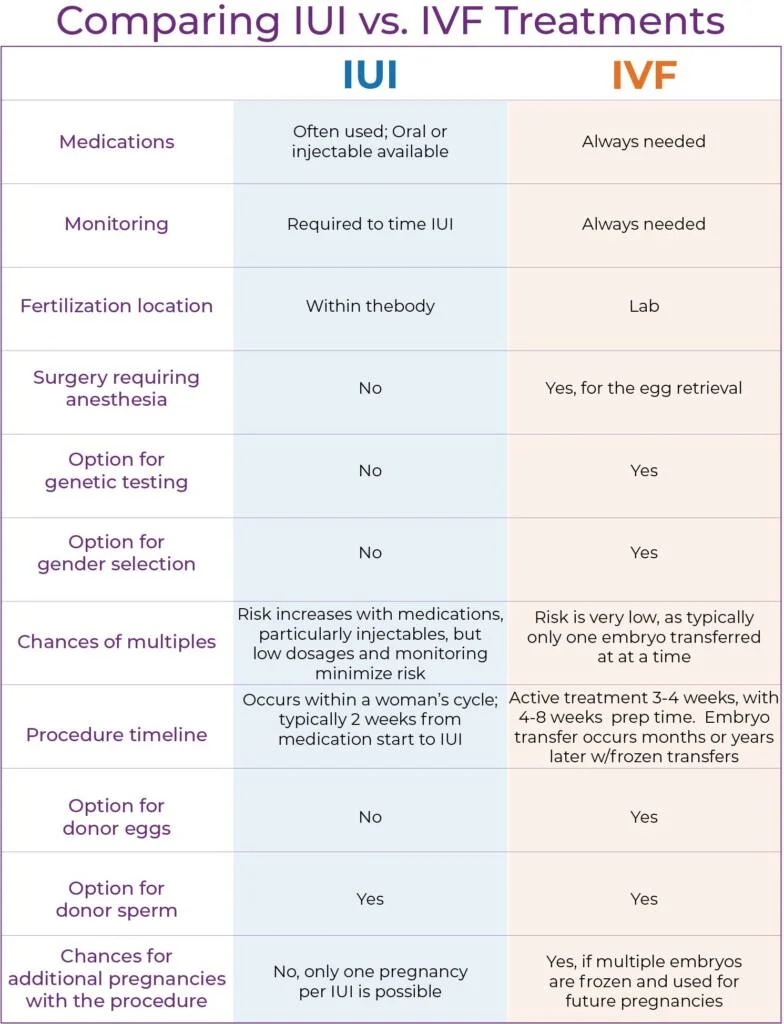
    Comparison chart of IUI and IVF treatments, detailing medications, monitoring, procedures, and success rates.

    Fertility Nutrition for Men: Essential Nutrients for Optimal Sperm Production

    Vitamin C is a well-known antioxidant that plays a crucial role in male fertility. It helps to protect sperm from oxidative stress, which can damage sperm DNA. Studies have also shown that vitamin C can improve sperm quality and motility.

    Citrus fruits, berries, and leafy greens are all good sources of vitamin C. The recommended daily intake for men is 90 mg, but it is safe to consume up to 2000 mg per day. However, it is always best to get your daily dose from whole foods rather than supplements.

    5. Omega-3 Fatty Acids

    Omega-3 fatty acids are essential for overall health, including male fertility. They help to regulate hormone levels and improve sperm quality. Studies have also shown that omega-3s can increase sperm count and motility.

    Fatty fish like salmon and sardines, as well as chia seeds and walnuts, are all good sources of omega-3 fatty acids. The recommended daily intake for men is 1.6 g, but it is safe to consume up to 3 g per day.

    6. Vitamin D

    Vitamin D is known as the “sunshine vitamin” as it is produced in the body when the skin is exposed to sunlight. It is essential for male fertility as it helps to maintain healthy testosterone levels. Low levels of vitamin D have been linked to reduced sperm count and motility.

    Foods rich in vitamin D include fatty fish, egg yolks, and fortified dairy products. The recommended daily intake for men is 600-800 IU, but you can also consider getting some sun exposure or taking a vitamin D supplement.

    7. Lycopene

    Lycopene is a powerful antioxidant found in red fruits and vegetables such as tomatoes, watermelon, and red bell peppers. It has been found to improve sperm quality and protect against DNA damage in sperm.

    Incorporating these foods into your diet can help to improve male fertility. It is also important to note that maintaining a healthy weight, exercising regularly, and reducing stress can also have a positive impact on sperm production.

    In summary, male fertility is influenced by a variety of factors, including nutrition. Consuming a diet rich in essential nutrients like zinc, folate, selenium, vitamin C, omega-3 fatty acids, vitamin D, and lycopene can help to improve sperm quality and count. It is also important to maintain a healthy lifestyle to support overall reproductive health.

  • Fertility Nutrition for Men: Key Nutrients for Sperm Health and Count

    Blog Post Title: Fertility Nutrition for Men: Key Nutrients for Sperm Health and Count

    Summary:

    When it comes to fertility and conception, both men and women play an equally important role. While many factors can affect male fertility, including genetics and lifestyle choices, one crucial aspect that often gets overlooked is nutrition. What a man eats can significantly impact his sperm health and count. In this blog post, we will discuss the key nutrients that are essential for male fertility and how to incorporate them into your diet.

    1. Zinc: Zinc is a mineral that plays a vital role in sperm production and overall male reproductive health. It helps in the production of testosterone, a hormone responsible for sperm production. Studies have shown that men who are deficient in zinc have lower sperm counts and lower testosterone levels. Foods rich in zinc include oysters, beef, chicken, pumpkin seeds, and cashews.

    2. Vitamin C: Vitamin C is a powerful antioxidant that helps protect sperm cells from damage. It also plays a crucial role in the formation and development of sperm. Studies have shown that men with low levels of vitamin C have a higher risk of sperm abnormalities. Citrus fruits, kiwis, strawberries, and bell peppers are excellent sources of vitamin C.

    3. Vitamin D: Vitamin D deficiency has been linked to male infertility, as it plays a crucial role in sperm motility and testosterone levels. Sun exposure is the primary source of vitamin D, but it can also be found in fatty fish, egg yolks, and fortified foods. If you live in an area with limited sun exposure, consider taking a vitamin D supplement.

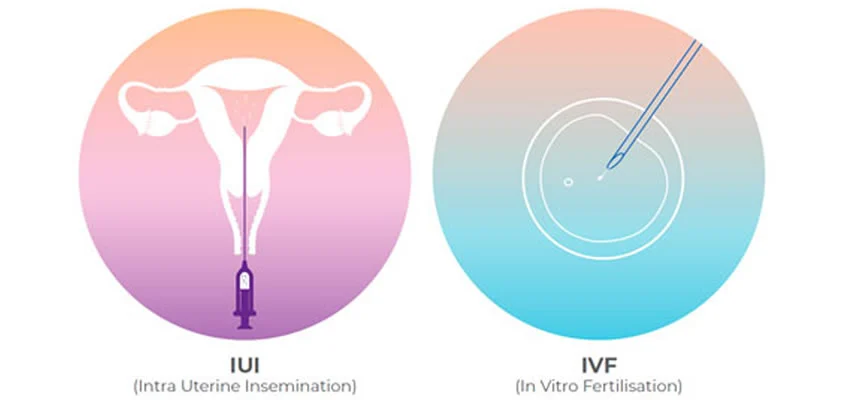
    comparison of IUI and IVF procedures illustrated with simple graphics and labels

    Fertility Nutrition for Men: Key Nutrients for Sperm Health and Count

    4. Omega-3 Fatty Acids: Omega-3 fatty acids are essential for sperm membrane integrity and sperm motility. They also have anti-inflammatory properties, which can help improve overall sperm quality. Fatty fish, such as salmon and sardines, are excellent sources of omega-3 fatty acids. If you’re not a fan of seafood, you can also get it from flaxseeds, chia seeds, and walnuts.

    5. Lycopene: Lycopene is a powerful antioxidant found in red fruits and vegetables, such as tomatoes, watermelon, and papaya. It has been shown to improve sperm quality and count, making it a crucial nutrient for male fertility. Cooking tomatoes can increase the absorption of lycopene, so enjoy a bowl of tomato soup or a homemade pasta sauce.

    6. Selenium: Selenium is a mineral that plays a crucial role in sperm motility and DNA integrity. Studies have shown that men with low levels of selenium have a higher risk of sperm abnormalities. Good sources of selenium include Brazil nuts, tuna, and sunflower seeds.

    7. B vitamins: B vitamins, particularly folate, B12, and B6, are essential for sperm production and DNA synthesis. Studies have shown that men with low levels of B vitamins have lower sperm counts and higher rates of sperm abnormalities. Green leafy vegetables, legumes, eggs, and fortified cereals are excellent sources of B vitamins.

    8. Coenzyme Q10: Coenzyme Q10 is an antioxidant that helps protect sperm cells from damage. It also plays a crucial role in sperm motility and energy production. Research has shown that men with low levels of coenzyme Q10 have lower sperm counts and decreased sperm motility. Good dietary sources of coenzyme Q10 include beef, chicken, and fatty fish.

    In addition to these key nutrients, it’s essential to maintain a healthy and balanced diet to support overall reproductive health. Avoid processed and high-fat foods and focus on whole, nutrient-dense foods. If you have any specific dietary restrictions or concerns, consult with a healthcare professional or a registered dietitian.

    In conclusion, nutrition plays a crucial role in male fertility, and incorporating these key nutrients into your diet can help improve sperm health and count. Remember to also maintain a healthy lifestyle by exercising regularly, managing stress, and avoiding harmful habits such as smoking and excessive alcohol consumption.

  • Fertility Nutrition for Men: How Diet Can Affect Male Fertility

    Blog Post:

    Fertility is often thought of as a concern for women, but it is equally important for men. In fact, about one-third of infertility cases are due to male factors, such as low sperm count or poor sperm quality. While there are many potential causes for male infertility, one aspect that is often overlooked is nutrition. Yes, what a man eats can have a significant impact on his fertility. In this blog post, we will explore the importance of nutrition for male fertility and how diet can affect sperm health.

    The Link Between Diet and Male Fertility

    The old saying “You are what you eat” holds true when it comes to fertility. The food that a man consumes can directly affect his reproductive health. This is because the body requires a variety of nutrients to produce healthy sperm. These nutrients can come from a well-balanced diet or supplements, but it is essential to understand which foods are beneficial and which ones can be harmful.

    Nutrients That Boost Male Fertility

    1. Zinc

    Zinc is a critical mineral for male fertility as it is involved in the production of testosterone and sperm. It also helps in improving sperm motility, which is essential for fertilization. Foods rich in zinc include oysters, beef, pumpkin seeds, and lentils.

    2. Vitamin C

    Vitamin C is a powerful antioxidant that helps protect sperm from oxidative stress, which can damage the DNA of sperm. Studies have shown that men with higher levels of vitamin C in their diet have better sperm quality. Foods high in vitamin C include citrus fruits, bell peppers, and dark leafy greens.

    3. Omega-3 Fatty Acids

    Omega-3 fatty acids are essential for sperm production and function. They also have anti-inflammatory properties that can help improve sperm quality. Fish, such as salmon and sardines, and plant-based sources like flaxseeds and chia seeds are excellent sources of omega-3 fatty acids.

    4. Folate

    Folate, also known as vitamin B9, is crucial for sperm production and DNA synthesis. It is also essential for the development of the embryo and can help prevent birth defects. Foods rich in folate include leafy greens, legumes, and fortified grains.

    5. Selenium

    Selenium is a mineral that plays a role in sperm movement and protects sperm from oxidative damage. It can be found in foods like Brazil nuts, tuna, and eggs.

    Harmful Foods for Male Fertility

    1. Processed Foods

    Processed foods are often high in trans fats, which have been linked to decreased sperm count and quality. They can also increase inflammation in the body, which can affect sperm production. It is best to limit or avoid processed foods and opt for whole, unprocessed foods instead.

    2. Soy

    test tube with sperm in blue liquid, promoting IUI success rate and factors influencing fertility.

    Fertility Nutrition for Men: How Diet Can Affect Male Fertility

    Soy products contain phytoestrogens, which are plant compounds that mimic estrogen in the body. High levels of estrogen can disrupt the hormonal balance in men, leading to decreased sperm production and quality.

    3. Alcohol

    Excessive alcohol consumption can have a negative impact on male fertility. It can decrease testosterone levels and affect sperm production. It is recommended to limit alcohol intake to no more than one drink per day.

    4. Caffeine

    While moderate caffeine consumption is generally considered safe, excessive amounts can have adverse effects on male fertility. Studies have shown that high caffeine intake can decrease sperm count and motility.

    5. High-Mercury Fish

    Some fish, such as swordfish, shark, and king mackerel, are known to have high levels of mercury, which can be harmful to sperm. It is best to avoid these types of fish or limit their consumption.

    The Importance of a Balanced Diet

    While specific nutrients play a crucial role in male fertility, it is essential to maintain a well-balanced diet overall. A healthy diet should include a variety of fruits, vegetables, whole grains, lean protein, and healthy fats. Eating a diverse range of foods ensures that the body gets all the necessary nutrients for optimal sperm production and function.

    Supplements for Male Fertility

    In addition to a healthy diet, certain supplements can also help improve male fertility. These include:

    1. Coenzyme Q10 (CoQ10)

    CoQ10 is a potent antioxidant that can help improve sperm health and motility.

    2. L-carnitine

    L-carnitine is an amino acid that is involved in sperm metabolism and can improve sperm motility.

    3. Multivitamins

    A high-quality multivitamin can help fill any nutrient gaps in the diet and support overall reproductive health.

    In summary, male fertility is influenced by many factors, including nutrition. By incorporating a variety of nutrient-rich foods into the diet and limiting or avoiding harmful foods, men can improve their sperm quality and increase their chances of successfully conceiving with their partner. It is also essential to maintain a healthy lifestyle, including regular exercise, managing stress, and avoiding harmful habits like smoking and drug use.

    SEO metadata:

  • Sperm Analysis and Semen Analysis: How Do They Affect Male Aging?

    Sperm Analysis and Semen Analysis: How Do They Affect Male Aging?

    As men age, they may experience changes in their reproductive system that can affect their overall health and fertility. One important aspect of this is sperm analysis and semen analysis, which are medical tests used to evaluate the quality and quantity of sperm in a man’s semen. In this blog post, we will explore how these tests can impact male aging and why they are important for men to consider as they get older.

    Understanding Sperm Analysis and Semen Analysis

    Sperm analysis, also known as sperm count, is a test that measures the number of sperm present in a semen sample. This test is crucial in determining male fertility, as a low sperm count can make it difficult for a man to impregnate his partner. On the other hand, a high sperm count does not necessarily guarantee fertility, as other factors such as sperm motility and morphology (shape) also play a role in successful fertilization.

    Semen analysis, on the other hand, is a broader test that evaluates not only the sperm count but also other aspects of semen, such as pH levels, fructose levels, and the presence of any infections. This test can provide a more comprehensive picture of a man’s reproductive health and potential fertility.

    How Do Sperm Analysis and Semen Analysis Change with Age?

    Sperm count and semen quality can change as a man gets older. According to a study published in the Journal of Human Reproductive Sciences, sperm count decreases by about 1-2% per year in men over the age of 30. This decline is due to a decrease in the production and function of testosterone, which is important for sperm production.

    Additionally, the quality of sperm can also be affected by age. As men age, they may experience an increase in sperm DNA damage, which can lead to a higher risk of birth defects and miscarriages. This damage can also affect the success of fertility treatments, such as in vitro fertilization (IVF).

    Why is Sperm Analysis and Semen Analysis Important for Male Aging?

    As mentioned earlier, sperm analysis and semen analysis are crucial in determining male fertility. However, there are other important reasons why these tests should not be overlooked as men age.

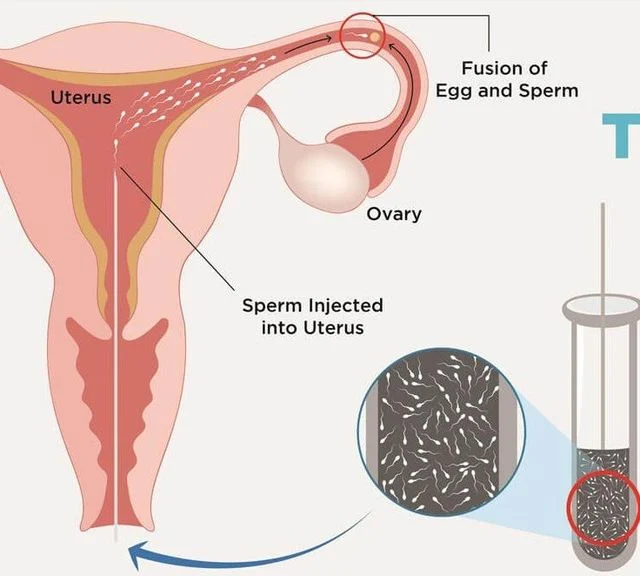
    Diagram illustrating the IUI process, showing sperm injection into the uterus and egg fertilization.

    Sperm Analysis and Semen Analysis: How Do They Affect Male Aging?

    Firstly, these tests can serve as an indicator of overall health. Changes in sperm count or semen quality can be a sign of underlying health issues such as hormonal imbalances, infections, or chronic diseases. By catching these issues early on, men can take proactive steps to address them and improve their overall health.

    Secondly, sperm analysis and semen analysis can provide valuable information for men who are planning to start a family later in life. By knowing their sperm count and semen quality, men can better understand their chances of conceiving and plan accordingly.

    Lastly, these tests can also serve as a wake-up call for men who may have unhealthy lifestyle habits. Factors such as smoking, excessive alcohol consumption, and poor diet can all contribute to decreased sperm count and quality. By identifying these issues through sperm analysis and semen analysis, men can make necessary lifestyle changes to improve their reproductive health and overall well-being.

    What Can Men Do to Maintain Healthy Sperm and Semen Quality as They Age?

    While sperm count and semen quality may decrease with age, there are steps men can take to maintain healthy levels. These include:

    1. Maintaining a healthy lifestyle: Regular exercise, a balanced diet, and avoiding unhealthy habits such as smoking and excessive alcohol consumption can all contribute to healthier sperm and semen.

    2. Managing stress: Chronic stress can affect testosterone levels and sperm production. Finding ways to manage stress, such as through exercise, meditation, or therapy, can help improve reproductive health.

    3. Getting regular check-ups and screenings: As mentioned earlier, sperm analysis and semen analysis can provide insight into overall health. Men should schedule regular check-ups and screenings to catch any potential issues early on.

    4. Considering supplements: Certain supplements, such as zinc and folic acid, have been shown to improve sperm count and quality. However, it is important to consult with a healthcare provider before adding any supplements to your routine.

    5. Seeking fertility treatment if needed: If a couple is struggling to conceive, seeking the help of a fertility specialist can improve their chances of success. Fertility treatments such as IVF can bypass any potential issues with sperm and increase the chances of pregnancy.

    In summary, sperm analysis and semen analysis are important tests for men to consider as they age. Not only do they provide valuable information about fertility, but they can also serve as indicators of overall health. By being proactive and taking care of their reproductive health, men can increase their chances of maintaining healthy sperm and semen as they get older.

  • Sperm Analysis vs Semen Analysis: Which is More Reliable for Predicting Pregnancy?

    Blog post summary:

    When it comes to predicting pregnancy, there are two types of tests commonly used: sperm analysis and semen analysis. Both of these tests examine the quality and quantity of sperm in a man’s ejaculate, but they differ in their methods and accuracy. In this blog post, we will take a closer look at sperm analysis vs semen analysis and determine which one is more reliable for predicting pregnancy.

    Sperm analysis, also known as a sperm count, measures the number of sperm present in a semen sample. This test is often the initial step in diagnosing male infertility and can also be used to assess the efficacy of a vasectomy. During a sperm analysis, a sample of semen is collected and examined under a microscope to determine the sperm count, shape, and movement. The World Health Organization has established guidelines for what constitutes a normal sperm count, with at least 15 million sperm per milliliter considered normal.

    On the other hand, semen analysis looks at the overall composition of semen, including sperm count, volume, pH level, and fructose levels. This test is typically used to assess the overall health and fertility of a man’s reproductive system. A semen analysis may also be used to detect any underlying medical conditions that may be affecting fertility.

    Comparison of IUI and IVF with illustrations of each procedure.

    Sperm Analysis vs Semen Analysis: Which is More Reliable for Predicting Pregnancy?

    Both sperm analysis and semen analysis have their merits and limitations. Sperm analysis provides a specific count of sperm, which is essential for determining male fertility. However, it does not take into account the overall quality of the sperm, such as its shape and movement. On the other hand, semen analysis provides a more comprehensive view of sperm quality, but it is not as accurate in determining the exact number of sperm present.

    So, which one is more reliable for predicting pregnancy? The answer is that both tests are necessary for a complete assessment of male fertility. While sperm analysis may be more accurate in determining the number of sperm present, semen analysis provides valuable information about the overall health of the sperm, which can greatly impact fertility.

    Moreover, both tests can also be affected by external factors, such as stress, illness, or lifestyle habits. For this reason, it is best to have multiple tests done over a period of time to get a more accurate picture of male fertility.

    In conclusion, sperm analysis and semen analysis are both essential tools for predicting pregnancy and assessing male fertility. While sperm analysis may provide a more specific sperm count, semen analysis offers a more comprehensive view of sperm quality. Both tests should be used together to get the most accurate prediction of pregnancy.

  • Sperm Analysis and Semen Analysis: The Role of Diet and Nutrition

    Blog Post Title: Sperm Analysis and Semen Analysis: The Role of Diet and Nutrition

    Sperm analysis and semen analysis are important tests used to assess male fertility and reproductive health. These tests help to evaluate the quantity, quality, and movement of sperm, as well as the overall health of the semen. While there are many factors that can affect these tests, one important factor that often gets overlooked is diet and nutrition. In this blog post, we will explore the role of diet and nutrition in sperm and semen health, and how making small changes to your diet can have a significant impact on your fertility.

    Understanding Sperm Analysis and Semen Analysis

    Before diving into the connection between diet and sperm/semen health, it’s important to understand what these tests measure and why they are important.

    Sperm analysis, also known as a semen analysis, is a laboratory test that evaluates the quantity and quality of sperm in a semen sample. This test is typically done to assess male fertility and to diagnose any potential issues that may be causing infertility. During a sperm analysis, the sample is evaluated for sperm count, sperm motility (movement), and sperm morphology (shape).

    On the other hand, semen analysis is a broader test that not only evaluates sperm but also looks at other components of semen such as fructose, pH level, and white blood cells. This test helps to assess the overall health of the semen and can provide clues about potential underlying health issues.

    Diet and Nutrition: The Impact on Sperm and Semen Health

    Numerous studies have shown a link between diet and male fertility. A balanced and nutritious diet is essential for overall health, including reproductive health. When it comes to sperm and semen health, there are several key nutrients that have been found to play a crucial role.

    1. Antioxidants

    Antioxidants are substances that protect cells from oxidative stress, a process that can damage cells and tissues. In the case of sperm and semen, oxidative stress can lead to DNA damage and impaired sperm function. Therefore, antioxidants are crucial for maintaining the health of sperm and semen.

    Some of the most important antioxidants for male fertility include vitamins C and E, beta-carotene, and selenium. These can be found in a variety of foods such as fruits, vegetables, nuts, and seeds. Foods rich in antioxidants include berries, citrus fruits, leafy greens, and almonds.

    2. Zinc

    Zinc is an essential mineral that plays a crucial role in male reproductive health. It is involved in sperm production, sperm motility, and testosterone production. Studies have shown that low levels of zinc can lead to reduced sperm count and motility, as well as erectile dysfunction.

    illustration of IUI procedure with text on symptoms, reasons, and causes of IUI failure

    Sperm Analysis and Semen Analysis: The Role of Diet and Nutrition

    Foods high in zinc include oysters, beef, poultry, beans, and nuts. It is important to note that excessive zinc intake can also have negative effects, so it’s best to consult with a healthcare professional before taking any supplements.

    3. Omega-3 Fatty Acids

    Omega-3 fatty acids are a type of healthy fat that has been linked to numerous health benefits. When it comes to male fertility, these fats have been found to improve sperm count, motility, and morphology. They also have anti-inflammatory properties that can protect against oxidative stress.

    Some of the best sources of omega-3 fatty acids include fatty fish like salmon and sardines, as well as flaxseeds, chia seeds, and walnuts.

    4. Vitamin D

    Vitamin D is another important nutrient for male reproductive health. It has been found to improve sperm motility and increase testosterone levels. Low levels of vitamin D have also been linked to erectile dysfunction and other fertility issues.

    The best source of vitamin D is sunlight, but it can also be found in fatty fish, egg yolks, and fortified dairy products.

    5. Lycopene

    Lycopene is a powerful antioxidant found in red fruits and vegetables such as tomatoes, watermelon, and red peppers. Studies have shown that lycopene can improve sperm count, motility, and morphology.

    Summary:

    Sperm analysis and semen analysis are important tests used to assess male fertility and reproductive health. These tests measure the quantity, quality, and movement of sperm, as well as the overall health of the semen. While there are many factors that can affect these tests, one important factor that often gets overlooked is diet and nutrition.

    A balanced and nutritious diet is essential for overall health, including reproductive health. Some key nutrients that have been found to play a crucial role in sperm and semen health include antioxidants, zinc, omega-3 fatty acids, vitamin D, and lycopene.

    By including foods rich in these nutrients in your diet, you can improve your sperm and semen health and increase your chances of conception. However, it’s important to consult with a healthcare professional before making any drastic changes to your diet or taking supplements.

    In conclusion, diet and nutrition can have a significant impact on sperm and semen health. By making small changes to your diet and incorporating more nutrient-rich foods, you can improve your overall reproductive health and increase your chances of becoming a father.

  • Sperm Analysis vs Semen Analysis: Which is More Helpful for Male Fertility Treatment?

    Blog Post:

    When it comes to diagnosing male fertility issues and determining the best course of treatment, sperm analysis and semen analysis are two common procedures that are often used. While these terms are sometimes used interchangeably, they are actually two different tests with distinct purposes. In this blog post, we will delve into the differences between sperm analysis and semen analysis, and discuss which one is more helpful for male fertility treatment.

    Sperm Analysis:
    Sperm analysis, also known as a semen analysis, is a common test used to evaluate the quality and quantity of sperm in a man’s ejaculate. This test is typically the first step in diagnosing male fertility issues, as it provides important information about sperm count, motility, and morphology (shape and size). A sperm analysis is usually recommended for men who have been trying to conceive for at least a year without success, or for those who have risk factors for male infertility such as illness, injury, or certain lifestyle habits.

    The Procedure:
    During a sperm analysis, a man will be asked to provide a semen sample through masturbation or by using a special condom during intercourse. The sample is then sent to a laboratory where it is analyzed under a microscope. The technician will examine the sample for the number of sperm present, their movement (motility), and their shape and size (morphology). The results are typically available within a few days.

    Interpreting the Results:
    The results of a sperm analysis are measured against the World Health Organization’s (WHO) standards for normal sperm parameters. According to the current WHO guidelines, a man is considered to have a normal sperm count if he has at least 15 million sperm per milliliter of semen. Motility should be at least 40%, meaning that at least 40% of the sperm are moving in a forward direction. And at least 4% of the sperm should have a normal shape and size. If any of these parameters fall below the normal range, it may indicate a potential fertility issue.

    Limitations of Sperm Analysis:
    While sperm analysis is a useful tool for evaluating semen quality, it does have its limitations. For one, it does not provide any information about the function of the sperm, which is also an important factor in fertility. Additionally, a man’s sperm can fluctuate in quality and quantity over time, which means that a single sperm analysis may not accurately reflect his overall fertility potential. Therefore, it is recommended to have at least two sperm analyses done, a few weeks apart, to get a more accurate picture.

    Comparison of IUI and IVF treatments with diagrams of reproductive anatomy.

    Sperm Analysis vs Semen Analysis: Which is More Helpful for Male Fertility Treatment?

    Semen Analysis:
    Semen analysis is a more comprehensive test that not only evaluates sperm quality, but also looks at the other components of semen such as fructose, pH levels, and white blood cell count. This test is typically recommended for men who have had abnormal sperm analysis results or for those who are undergoing assisted reproductive techniques, such as in vitro fertilization (IVF).

    The Procedure:
    The procedure for a semen analysis is similar to that of a sperm analysis, where a man provides a semen sample that is then sent to a lab for analysis. However, in addition to evaluating sperm parameters, the lab technician will also look at the other components of semen, such as the amount of fructose present, which is an indicator of sperm health, and the pH level, which can affect sperm motility.

    Interpreting the Results:
    The results of a semen analysis are based on the WHO guidelines, but with more parameters taken into consideration. For example, the normal range for fructose is 13-94 mg/dL, and a low level could indicate a blockage in the reproductive tract. A pH level between 7.2-8.0 is considered normal, and a high level could indicate a problem with the prostate gland. Additionally, a high white blood cell count in the semen could indicate an infection or inflammation.

    Which is More Helpful for Male Fertility Treatment?
    Both sperm analysis and semen analysis provide valuable information about a man’s fertility potential, but they serve different purposes. Sperm analysis is more focused on evaluating sperm quality, while semen analysis looks at a broader range of factors. Therefore, the more helpful test for male fertility treatment would depend on the specific needs of the individual. For example, if a man has a low sperm count, a sperm analysis would be more useful in determining the best course of treatment. However, if a man has a normal sperm count but is experiencing recurrent infections, a semen analysis would be more beneficial in identifying the underlying cause.

    In conclusion, sperm analysis and semen analysis are both important tools in diagnosing male fertility issues and determining the most effective treatment. While they may seem similar, they serve different purposes and should not be used interchangeably. It is important to consult with a fertility specialist to determine which test is best suited for each individual.

    Summary:
    Sperm analysis and semen analysis are two different tests used to evaluate male fertility issues. Sperm analysis focuses on the quality and quantity of sperm, while semen analysis looks at a broader range of factors including fructose levels, pH levels, and white blood cell count. Both tests have their limitations and their usefulness depends on the specific needs of the individual. It is important to consult with a fertility specialist to determine which test is best suited for each case.

  • Sperm Analysis and Semen Analysis: How Do They Affect Male Reproductive Health?

    Blog Post:

    The ability to reproduce is a fundamental part of human life. However, for many couples, conceiving a child can be a difficult and frustrating process. In fact, one in six couples in the United States struggle with infertility. While there are many factors that can contribute to infertility, one of the most important factors is male reproductive health. This is where sperm analysis and semen analysis come into play. These tests are used to evaluate the quality and quantity of sperm in a man’s semen, and they can provide valuable information about male reproductive health. In this blog post, we will delve into the details of sperm analysis and semen analysis, and how they affect male reproductive health.

    What is Sperm Analysis?

    Sperm analysis, also known as a sperm count, is a test that measures the number and quality of sperm in a man’s semen. The test is typically performed in a laboratory and involves examining a sample of semen under a microscope. A normal sperm count is considered to be between 15 million and 200 million sperm per milliliter of semen. If a man’s sperm count falls below this range, it can indicate a problem with his fertility.

    In addition to the number of sperm, sperm analysis also looks at the shape and movement of the sperm. Sperm with abnormal shapes or poor motility (movement) may have difficulty fertilizing an egg, leading to fertility issues. The test also checks for the presence of other substances, such as white blood cells, which can indicate an infection or inflammation in the reproductive system.

    What is Semen Analysis?

    Semen analysis is a broader test that evaluates the overall health of a man’s semen. It not only looks at sperm count, but also checks for the presence of other substances, including fructose, which is a nutrient that helps sperm survive in the female reproductive tract. Semen analysis also looks at the pH level of the semen, as well as the volume and viscosity (thickness) of the semen.

    Why are Sperm Analysis and Semen Analysis Important?

    Sperm analysis and semen analysis are important because they provide valuable information about a man’s reproductive health. If there is a problem with the quantity or quality of sperm, it can greatly affect a man’s ability to impregnate his partner. These tests can help identify potential fertility issues and allow for early intervention and treatment.

    In addition, sperm analysis and semen analysis can also provide insight into overall health. For example, a low sperm count or abnormal sperm can be a sign of an underlying health condition, such as hormonal imbalances or genetic disorders. In some cases, these tests may even detect early signs of testicular cancer.

    What Factors Can Affect Sperm Analysis and Semen Analysis?

    illustration of intrauterine insemination procedure with a syringe and catheter in the uterus.

    Sperm Analysis and Semen Analysis: How Do They Affect Male Reproductive Health?

    There are several factors that can affect the results of sperm analysis and semen analysis. These include:

    1. Lifestyle Habits: Certain lifestyle habits, such as smoking, excessive alcohol consumption, and drug use, can have a negative impact on sperm count and quality.

    2. Age: As men age, their sperm count and quality may decrease. This is due to a decline in testosterone levels and the natural aging process.

    3. Medical Conditions: Medical conditions such as infections, hormonal imbalances, and genetic disorders can all affect sperm count and quality.

    4. Medications: Certain medications, including chemotherapy drugs and steroids, can interfere with sperm production and affect sperm quality.

    5. Environmental Factors: Exposure to toxins and chemicals, such as pesticides and radiation, can damage sperm and affect fertility.

    The Importance of Seeking Professional Help

    If you and your partner are struggling to conceive, it is important to seek professional help. A doctor can perform sperm analysis and semen analysis, as well as other tests, to identify any potential issues. They can also provide recommendations for treatment, which may include lifestyle changes, medication, or assisted reproductive techniques.

    Additionally, if you have any concerns about your reproductive health, it is important to speak with a healthcare professional. They can provide guidance and support and help you understand the results of your sperm analysis and semen analysis.

    Summary:

    Sperm analysis and semen analysis are important tests for evaluating male reproductive health. Sperm analysis measures the number and quality of sperm, while semen analysis looks at other factors such as pH level and volume of semen. These tests can provide valuable information about fertility and overall health. Factors such as lifestyle habits, age, and medical conditions can affect the results of these tests. Seeking professional help is crucial for identifying any potential issues and receiving appropriate treatment.

  • The Link Between Sperm Analysis, Semen Analysis, and Male Sexual Dysfunction

    The Link Between Sperm Analysis, Semen Analysis, and Male Sexual Dysfunction

    Sperm analysis and semen analysis are two medical tests that are often used to evaluate male fertility. While they may sound similar, they actually measure different aspects of male reproductive health. However, there is a growing body of research that suggests a link between these tests and male sexual dysfunction. In this blog post, we will explore the connection between sperm analysis, semen analysis, and male sexual dysfunction.

    What is Sperm Analysis?

    Sperm analysis, also known as a semen analysis, is a test that measures the quantity and quality of sperm in a man’s semen. This test is typically performed if a couple is having trouble conceiving or if a man is experiencing symptoms of low sperm count or poor sperm quality. During a sperm analysis, a sample of semen is collected and analyzed in a laboratory. The results of this test can provide valuable information about a man’s fertility and reproductive health.

    What is Semen Analysis?

    Semen analysis, on the other hand, is a broader test that evaluates the overall composition and health of semen. In addition to measuring sperm count and quality, semen analysis also looks at the volume, pH level, and presence of other substances such as white blood cells and fructose. This test is often used to diagnose conditions such as infections, hormonal imbalances, and ejaculatory duct obstruction.

    The Connection Between Sperm Analysis, Semen Analysis, and Male Sexual Dysfunction

    While sperm analysis and semen analysis are primarily used to assess male fertility, there is a growing body of evidence that suggests a link between these tests and male sexual dysfunction. Sexual dysfunction refers to a range of issues that can affect a man’s ability to have and enjoy sex. This includes conditions such as erectile dysfunction, premature ejaculation, and low libido.

    One study published in the Journal of Sexual Medicine found that men with abnormal sperm parameters were five times more likely to experience sexual dysfunction compared to men with normal sperm parameters. Another study found that men with ejaculatory dysfunction had significantly lower sperm motility and a higher percentage of abnormal sperm compared to men without this condition.

    diagram illustrating intrauterine insemination (IUI) with labeled reproductive anatomy and procedures

    The Link Between Sperm Analysis, Semen Analysis, and Male Sexual Dysfunction

    A possible explanation for this link is the role of hormones in both fertility and sexual function. Testosterone, the primary male sex hormone, plays a crucial role in sperm production and sexual desire. An imbalance in testosterone levels can lead to both fertility issues and sexual dysfunction. Additionally, conditions such as inflammation of the prostate or testicles, which can affect sperm production, have also been linked to sexual dysfunction.

    It is also important to note that sexual dysfunction can have a psychological component. Men who are experiencing fertility issues may feel anxious or stressed about their ability to father a child, which can impact their sexual performance and desire.

    Treatment Options

    If a man is experiencing both fertility issues and sexual dysfunction, it is essential to consult with a healthcare professional to determine the underlying cause. Depending on the diagnosis, treatment options may include lifestyle changes, medication, or therapy.

    For example, if hormonal imbalances are the cause, hormone replacement therapy may be prescribed. If inflammation is the issue, antibiotics or anti-inflammatory medications may be recommended. In cases where psychological factors are involved, therapy or counseling may be helpful.

    In some cases, addressing fertility issues may also improve sexual function. For example, if a man is experiencing erectile dysfunction due to low sperm count, treatments such as intrauterine insemination or in vitro fertilization may increase the chances of conception and alleviate stress and anxiety.

    In conclusion, while sperm analysis and semen analysis are primarily used to evaluate male fertility, there is a growing body of evidence that suggests a link between these tests and male sexual dysfunction. Hormonal imbalances, inflammation, and psychological factors can all play a role in both fertility and sexual function. If you are experiencing symptoms of sexual dysfunction, it is essential to consult with a healthcare professional to determine the underlying cause and develop an appropriate treatment plan.

    Summary:

    Sperm analysis and semen analysis are two medical tests used to evaluate male fertility. However, recent research suggests a link between these tests and male sexual dysfunction. This link may be due to hormonal imbalances, inflammation, or psychological factors. Treatment options may include lifestyle changes, medication, or therapy. It is essential to consult with a healthcare professional for an accurate diagnosis and treatment plan.