Traditional Surrogacy vs. Gestational Surrogacy: Differences in Emotional Support
Surrogacy is a wonderful option for those who are unable to carry a child of their own. It involves a woman carrying a baby for someone else, either through traditional or gestational surrogacy. While both methods have their own set of procedures and legalities, one aspect that often gets overlooked is the emotional support provided to the surrogate during the surrogacy journey. In this blog post, we will explore the differences in emotional support between traditional surrogacy and gestational surrogacy.
Traditional Surrogacy:
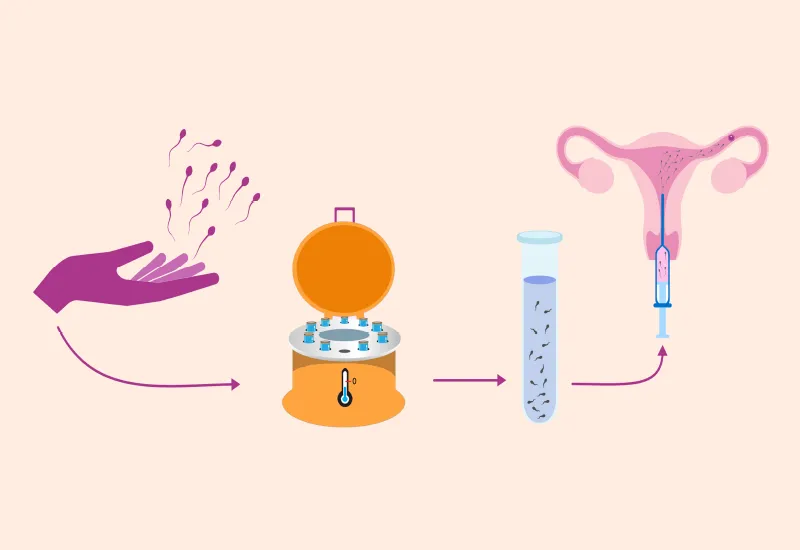
Traditional surrogacy, also known as genetic surrogacy, is when the surrogate uses her own eggs to become pregnant. This means that the baby is biologically related to the surrogate. In traditional surrogacy, the surrogate is also the biological mother of the child, which can lead to a more complex emotional journey.
Emotional Support for the Surrogate:
In traditional surrogacy, the surrogate is not only carrying a child for someone else but is also giving up the child she has carried for nine months. This can create a significant emotional bond between the surrogate and the baby. It is essential for the surrogate to receive proper emotional support throughout the process to ensure her well-being.
One of the main sources of emotional support for traditional surrogates is the intended parents. Building a strong relationship with the intended parents can provide the surrogate with a sense of security and reassurance. Regular communication, whether through phone calls, emails, or in-person meetings, can help the surrogate feel connected and involved in the pregnancy.
Another vital source of emotional support for traditional surrogates is a support group. Connecting with other surrogates who have gone through or are currently going through the same experience can provide a sense of camaraderie and understanding. These support groups can also offer practical advice and tips for dealing with the emotional challenges of traditional surrogacy.
Finally, having a counselor or therapist who specializes in surrogacy can be immensely beneficial for the surrogate. They can provide a safe and non-judgmental space for the surrogate to express her feelings and concerns. A therapist can also help the surrogate navigate the complex emotions that come with traditional surrogacy, such as attachment and grief.

Traditional Surrogacy vs. Gestational Surrogacy: Differences in Emotional Support
Gestational Surrogacy:
Gestational surrogacy, also known as host surrogacy, is when the surrogate carries a child that is not biologically related to her. In this method, the intended parents’ sperm and egg are used, or a donor’s egg is used, to create an embryo that is then transferred to the surrogate’s uterus. The surrogate has no genetic connection to the child, making the emotional journey slightly different from traditional surrogacy.
Emotional Support for the Surrogate:
Unlike traditional surrogacy, gestational surrogacy does not involve the surrogate giving up a child she is genetically related to. This can make the emotional journey less complicated for the surrogate. However, it is still crucial for the surrogate to receive adequate emotional support throughout the process.
One of the main sources of emotional support for gestational surrogates is the intended parents. Similar to traditional surrogacy, building a strong relationship with the intended parents can help the surrogate feel connected and involved in the pregnancy. However, in gestational surrogacy, the relationship between the surrogate and the intended parents may be more focused on the pregnancy itself, rather than the genetics of the child.
Support groups can also be beneficial for gestational surrogates. It can provide a sense of community and support from others who have gone through or are going through the same experience. These support groups can also offer practical advice and tips for dealing with the emotional challenges of gestational surrogacy, such as managing expectations and boundaries with the intended parents.
Having a counselor or therapist who specializes in surrogacy can also be helpful for gestational surrogates. They can provide a safe space for the surrogate to discuss any worries or concerns she may have. A therapist can also help the surrogate navigate the unique emotions that come with gestational surrogacy, such as detachment and the fear of bonding with the baby.
Summary:
In summary, while traditional and gestational surrogacy both involve a woman carrying a child for someone else, the emotional support needed for each method can vary. Traditional surrogacy can be more complex emotionally, as the surrogate is also the biological mother of the child. In contrast, gestational surrogacy can be less complicated as the surrogate has no genetic connection to the child. However, both methods require proper emotional support from the intended parents, support groups, and therapists to ensure the well-being of the surrogate throughout the surrogacy journey.