Tag: egg freezing

  • The Impact of Egg Donation and Egg Freezing on Women’s Health

    The Impact of Egg Donation and Egg Freezing on Women’s Health

    Egg donation and egg freezing are two procedures that have become increasingly popular in recent years, especially among women who are looking to delay starting a family. While both of these options have their benefits, they also come with their own set of potential risks and impacts on women’s health. In this blog post, we will delve into the world of egg donation and egg freezing, exploring their effects on women’s physical, mental, and emotional well-being.

    Egg Donation:

    Egg donation is the process of retrieving eggs from a donor and using them to help another woman or couple conceive a child. This process is often used by couples struggling with infertility, same-sex couples, or single women who want to have a child. While egg donation can be a life-changing opportunity for those who are unable to conceive on their own, it also has its own set of implications for women’s health.

    One of the main concerns with egg donation is the effect it can have on a woman’s hormones. In order to retrieve eggs, the donor must undergo a series of hormone injections to stimulate the production of multiple eggs. These hormones can cause a range of side effects, such as mood swings, headaches, bloating, and abdominal discomfort. In rare cases, they can also lead to more serious complications such as ovarian hyperstimulation syndrome (OHSS). This condition occurs when the ovaries become swollen and painful, and can even result in hospitalization.

    In addition to the physical impact, egg donation can also have emotional consequences for women. The process of undergoing hormone injections, egg retrieval, and the knowledge that their eggs will be used to help others can be emotionally taxing. Many donors report feeling a sense of loss or grief after the procedure, as well as concerns about the well-being of the child that may be born from their eggs.

    Furthermore, egg donation can also have long-term effects on a woman’s fertility. While it is possible for donors to still conceive naturally after the procedure, there is a risk of reduced ovarian reserve, meaning the number of eggs a woman has available for future pregnancies may be decreased. This is a crucial factor to consider for women who may still want to have biological children in the future.

    Egg Freezing:

    Egg freezing, also known as oocyte cryopreservation, is a process where a woman’s eggs are retrieved, frozen, and stored for future use. This option has become increasingly popular for women who want to delay starting a family for various reasons, such as focusing on their careers or not yet finding the right partner. While it allows women to preserve their fertility, egg freezing also has its own set of implications for women’s health.
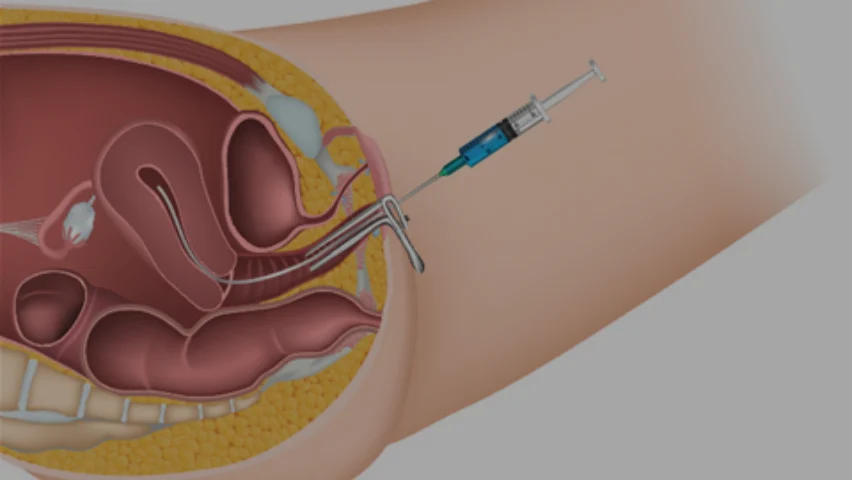
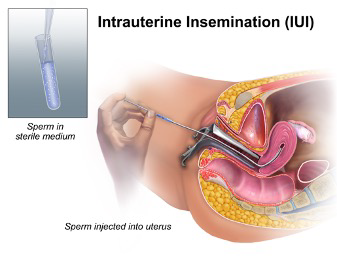
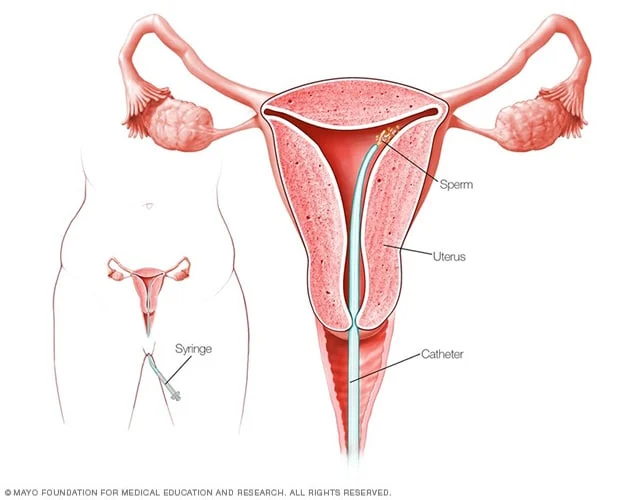
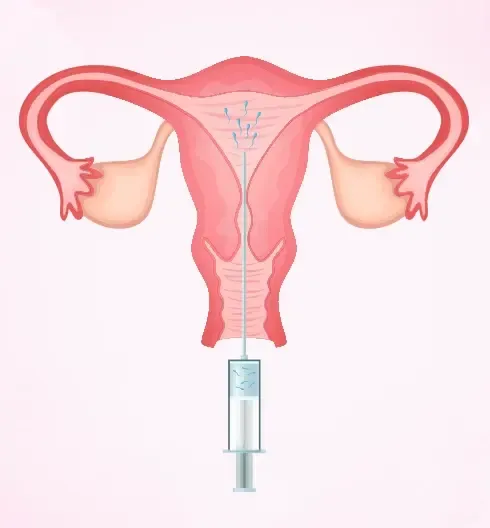
    Illustration of intrauterine insemination (IUI) procedure with syringe and catheter in the uterus.

    The Impact of Egg Donation and Egg Freezing on Women's Health

    The process of egg freezing involves the same hormone injections as egg donation, which can have similar physical and emotional effects. However, the main concern with egg freezing is the potential long-term effects on a woman’s health. The procedure itself is relatively new, and there is limited research on the potential risks associated with it. Some studies have suggested that the hormones used in the process may increase the risk of certain health conditions, such as breast and uterine cancer. Additionally, the process of retrieving eggs can also lead to complications such as bleeding, infection, and damage to surrounding organs.

    Another important consideration with egg freezing is the success rate. While it is a viable option for preserving fertility, there is no guarantee that the frozen eggs will result in a successful pregnancy in the future. This can lead to disappointment and emotional distress for women who have undergone the procedure. Additionally, the cost of egg freezing can be a barrier for many women, as it is not typically covered by insurance and can be quite expensive.

    The Importance of Informed Consent and Ongoing Support:

    Both egg donation and egg freezing are complex procedures that have the potential to impact a woman’s physical, mental, and emotional well-being. As with any medical procedure, it is crucial for women to fully understand the risks and potential effects before making a decision. This is why informed consent is essential in both egg donation and egg freezing.

    Informed consent means that individuals are fully informed about the details, risks, and benefits of a medical procedure, and are able to make an informed decision about whether or not to proceed. In the case of egg donation and egg freezing, this means providing donors and patients with thorough information about the procedures, potential side effects, and long-term implications. This allows women to make an informed decision about their own health and fertility.

    In addition to informed consent, ongoing support is also crucial for women who have undergone egg donation or egg freezing. These procedures can have a significant impact on a woman’s mental and emotional well-being, and it is important for them to have access to resources and support systems to help them navigate any challenges that may arise. This can include counseling, support groups, and access to information about their fertility and reproductive health.

    In conclusion, egg donation and egg freezing are two procedures that have the potential to greatly impact women’s health and fertility. While they offer opportunities for women to have a child or preserve their fertility, there are also potential risks and implications that must be carefully considered. Informed consent and ongoing support are essential for women to make informed decisions about their health and well-being.

    Summary:

    Egg donation and egg freezing are two procedures that have become popular among women for various reasons. While they offer benefits such as helping couples struggling with infertility or preserving fertility, they also come with potential risks and impacts on women’s health. The hormone injections used in these procedures can cause physical side effects and emotional distress. In addition, there are long-term implications on fertility and potential risks such as cancer. Informed consent and ongoing support are crucial for women to make informed decisions and navigate any challenges that may arise.
  • Egg Donation vs Egg Freezing: A Look at Success Rates

    Blog Post Title: Egg Donation vs Egg Freezing: A Look at Success Rates

    Egg donation and egg freezing are two popular options for women who are looking to preserve their fertility or help others achieve their dream of having a child. While both procedures involve the retrieval of a woman’s eggs, they serve different purposes and have different success rates. In this blog post, we will take a closer look at the success rates of egg donation and egg freezing, and the factors that can affect their outcomes.

    Egg Donation: A Brief Overview

    Egg donation is a process where a woman (known as the donor) donates her eggs to another woman (known as the recipient) who is unable to produce her own eggs or has poor egg quality. The donor’s eggs are retrieved and fertilized with the recipient’s partner’s sperm, or with donor sperm, in a laboratory. The resulting embryos are then transferred to the recipient’s uterus for implantation.

    Success Rates of Egg Donation

    The success rates of egg donation can vary depending on various factors such as the age of the donor, the quality of the eggs, and the experience of the fertility clinic. According to the Society for Assisted Reproductive Technology (SART), the success rates for egg donation in 2018 were as follows:

    – For women under 35, the live birth success rate per cycle was 56.5%
    – For women aged 35-37, the live birth success rate per cycle was 46.9%
    – For women aged 38-40, the live birth success rate per cycle was 36.8%
    – For women aged 41-42, the live birth success rate per cycle was 27.7%
    – For women over 42, the live birth success rate per cycle was 15.3%

    As the statistics show, age is a significant factor in the success of egg donation. Women under 35 have a higher chance of success compared to older women. This is because a woman’s egg quality decreases with age, making it more challenging to achieve a successful pregnancy.

    Factors That Can Affect the Success of Egg Donation

    Apart from age, there are other factors that can affect the success of egg donation. These include:

    – The quality of the eggs: The quality of the eggs retrieved from the donor is crucial for the success of egg donation. If the eggs are of poor quality, the chances of a successful pregnancy may decrease.
    – The recipient’s uterus: The condition of the recipient’s uterus plays a significant role in the success of egg donation. If the uterus is not suitable for implantation, the chances of a successful pregnancy may decrease.
    – The experience of the fertility clinic: The experience and expertise of the fertility clinic can also impact the success rates of egg donation. It is essential to choose a reputable clinic with a high success rate to increase the chances of a successful pregnancy.

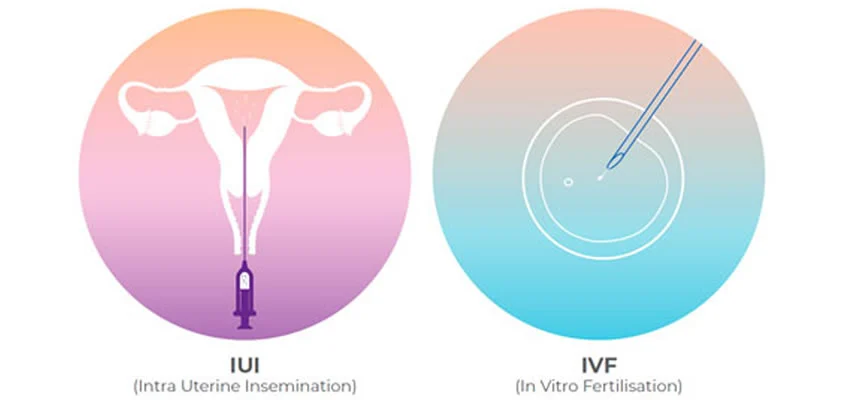
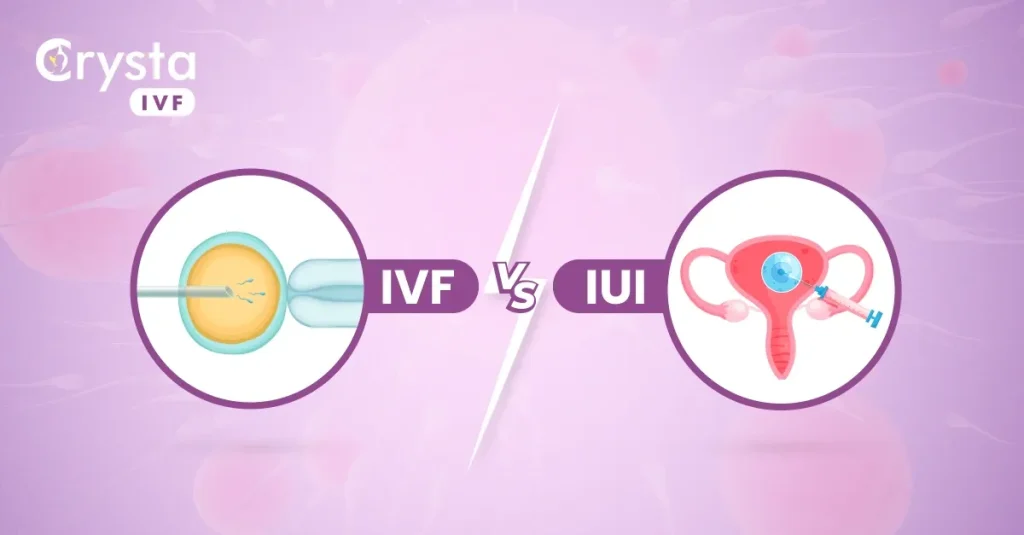
    Comparison of IVF and IUI procedures with illustrations of each method.

    Egg Donation vs Egg Freezing: A Look at Success Rates

    Egg Freezing: A Brief Overview

    Egg freezing, also known as oocyte cryopreservation, is a process where a woman’s eggs are retrieved and frozen for future use. This allows women to preserve their fertility for later use, especially if they are not ready to start a family yet or are facing medical treatments that may affect their fertility.

    Success Rates of Egg Freezing

    The success rates of egg freezing can also vary depending on various factors, including the age of the woman, the quality of the eggs, and the technique used for freezing. According to the American Society for Reproductive Medicine (ASRM), the success rates for egg freezing are as follows:

    – For women under 35, the live birth success rate per egg thawed is 61-82%
    – For women aged 35-37, the live birth success rate per egg thawed is 55-79%
    – For women aged 38-40, the live birth success rate per egg thawed is 44-66%
    – For women aged 41-42, the live birth success rate per egg thawed is 23-42%
    – For women over 42, the live birth success rate per egg thawed is 13-25%

    As with egg donation, age is a significant factor in the success of egg freezing. Women under 35 have a higher chance of success compared to older women.

    Factors That Can Affect the Success of Egg Freezing

    Apart from age, there are other factors that can affect the success of egg freezing. These include:

    – The quality of the eggs: The quality of the eggs retrieved and frozen is crucial for the success of egg freezing. If the eggs are of poor quality, the chances of a successful pregnancy may decrease.
    – The technique used for freezing: The method used to freeze the eggs can also impact the success rates of egg freezing. The most common technique is vitrification, which has higher success rates compared to slow freezing.
    – The number of eggs frozen: The more eggs a woman has frozen, the higher the chances of success. It is recommended to freeze at least 15-20 eggs for a good chance of pregnancy.

    Conclusion

    Both egg donation and egg freezing are viable options for women looking to preserve their fertility or help others achieve their dream of having a child. However, as shown by the success rates, there are several factors that can affect the outcomes of these procedures. Age, egg quality, and the experience of the fertility clinic are some of the crucial factors that can impact the success rates of egg donation and egg freezing.

    In summary, while both egg donation and egg freezing have their own set of risks and benefits, they have proven to be effective options for women in different stages of their lives. It is essential to consult with a fertility specialist to determine the best option for your specific situation, and to choose a reputable clinic with a high success rate for the best chances of success.

  • Egg Donation and Egg Freezing: What to Expect During the Process

    Egg donation and egg freezing are two medical procedures that have gained popularity in recent years. These procedures involve the harvesting and preservation of a woman’s eggs, which can then be used for fertility treatments or future use. While both procedures have the same goal of preserving fertility, they differ in terms of the process and expectations. In this blog post, we will discuss what to expect during the process of egg donation and egg freezing.

    Egg Donation:

    Egg donation is a process where a woman (known as the donor) donates her eggs to another woman (known as the recipient) who is unable to produce eggs or has poor egg quality. This process is often used in cases of female infertility or same-sex couples who want to have a child. Egg donation can also be done for research purposes or as a form of surrogacy.

    The first step in the egg donation process is to find a suitable donor. This can be done through a fertility clinic or an egg donation agency. The donor will be required to go through a series of medical and psychological screenings to ensure that she is physically and mentally fit to undergo the procedure. These screenings are important as they help to reduce the risk of genetic diseases or psychological issues being passed on to the child.

    Once a suitable donor is found, she will be given fertility medication to stimulate the production of multiple eggs. This medication will be in the form of injections that the donor will have to administer herself for about 10-12 days. During this time, the donor will have to visit the fertility clinic for regular check-ups and ultrasounds to monitor the growth and development of the eggs. This can be a physically and emotionally demanding process, but it is necessary to ensure the best chances of success.

    Once the eggs have reached the desired size, the donor will be given a trigger shot to help with the final maturation of the eggs. Approximately 36 hours after the trigger shot, the eggs will be retrieved through a minor surgical procedure called transvaginal ultrasound aspiration. The donor will be given local anesthesia to reduce any discomfort during the procedure, which typically takes about 20-30 minutes.

    After the retrieval, the eggs will be fertilized with the recipient’s partner’s sperm in a laboratory. The resulting embryos will be closely monitored for a few days before one or two are transferred into the recipient’s uterus. Any excess embryos can be frozen for future use. The recipient will then have to wait for about two weeks to find out if the procedure was successful and if she is pregnant.

    Egg Freezing:

    Egg freezing, also known as oocyte cryopreservation, is a procedure where a woman’s eggs are retrieved and frozen for future use. This process is often chosen by women who want to delay pregnancy for personal or medical reasons. It can also be used for women undergoing medical treatments that may affect their fertility, such as chemotherapy.

    Illustration of intrauterine insemination (IUI) procedure with syringe and catheter in the uterus.

    Egg Donation and Egg Freezing: What to Expect During the Process

    The process of egg freezing is similar to egg donation, with the main difference being that the eggs are retrieved for the woman’s own use rather than for someone else. The woman will still have to go through the same medical and psychological screenings, as well as the fertility medication injections and regular check-ups. The only difference is that she will not have to undergo the egg retrieval procedure until she is ready to use the frozen eggs.

    When the woman is ready to use the frozen eggs, they will be thawed and fertilized with sperm in a laboratory. The resulting embryos will then be transferred into the woman’s uterus. This process may require multiple cycles of egg retrieval and fertilization, depending on the number of eggs that were frozen and the success of the procedure.

    What to Expect During the Process:

    Both egg donation and egg freezing can be physically and emotionally demanding processes. The fertility medication injections can cause side effects such as bloating, mood swings, and discomfort. It is important for donors and women undergoing egg freezing to have a strong support system during this time.

    The egg retrieval procedure itself is minimally invasive, but some women may experience cramping and spotting afterward. It is recommended to take it easy for a few days after the procedure and avoid strenuous activities. In some cases, donors may experience a condition called ovarian hyperstimulation syndrome (OHSS), which can cause abdominal pain, bloating, and nausea. This is a rare but possible complication that should be monitored closely by the fertility clinic.

    Emotionally, both egg donation and egg freezing can also be challenging. Donors may have mixed feelings about giving their eggs to someone else, while women undergoing egg freezing may feel pressure about their future fertility and the success of the procedure. It is important to seek support from loved ones or a therapist if needed.

    In terms of success rates, both procedures have a similar success rate of around 40-50%. However, the chances of success may vary depending on factors such as the age and health of the donor or woman undergoing egg freezing, the quality of the eggs, and the fertility clinic’s expertise.

    In conclusion, egg donation and egg freezing are two procedures that can help women preserve their fertility for future use. While the process may be physically and emotionally demanding, it can offer hope for those struggling with infertility or wanting to delay pregnancy. It is important to have a clear understanding of the process and expectations before embarking on either procedure.

    Summary: Egg donation and egg freezing are two procedures that involve the harvesting and preservation of a woman’s eggs for future use. Egg donation is when a woman donates her eggs to another woman for fertility treatments, while egg freezing is for a woman’s own use. Both procedures involve medical and psychological screenings, fertility medication injections, and an egg retrieval procedure. Emotionally, it can be challenging, and the success rates may vary depending on several factors. Having a strong support system and seeking professional help if needed can make the process smoother.

  • The Importance of Support in Egg Donation and Egg Freezing

    Support is a crucial aspect of any medical procedure, and this is especially true for egg donation and egg freezing. These procedures can be physically, emotionally, and financially challenging, making support from family, friends, and medical professionals essential. In this blog post, we will explore the importance of support in egg donation and egg freezing, and how it can positively impact the overall experience for both donors and recipients.

    Egg donation and egg freezing are two medical procedures that have become increasingly popular in recent years. Egg donation involves the retrieval of eggs from a healthy donor to be used for in vitro fertilization (IVF) to help a couple or individual conceive a child. Egg freezing, on the other hand, is a process in which a woman’s eggs are extracted and preserved for future use. Both procedures have their own unique set of challenges, and having a strong support system in place can make a significant difference in the outcome.

    One of the most critical aspects of support in egg donation and egg freezing is the emotional support provided by loved ones. These procedures can be emotionally taxing, as they involve making important decisions about fertility and potential parenthood. Having someone to talk to and lean on during this time can make a world of difference. Friends and family can offer a listening ear, provide comfort and reassurance, and help donors and recipients navigate the rollercoaster of emotions that often come with these procedures.

    It is also essential for donors and recipients to have support from medical professionals. Egg donation and egg freezing require multiple doctor’s appointments, medical procedures, and medications. Having a knowledgeable and caring medical team to guide and support donors and recipients through these processes is crucial. They can provide information, answer questions, and offer emotional support throughout the entire journey. This support can help alleviate any fears or concerns and make donors and recipients feel more at ease.

    Illustration of a uterus with a syringe indicating an intrauterine insemination procedure.

    The Importance of Support in Egg Donation and Egg Freezing

    Another vital aspect of support in egg donation and egg freezing is financial support. These procedures can be expensive, and many individuals and couples may not have the financial means to cover the costs on their own. Having financial support from friends and family can ease the financial burden and make the process more manageable. Additionally, there are resources available, such as grants and loans, to help cover the costs of egg donation and egg freezing. Having a strong support system can help donors and recipients explore their financial options and make the best decision for their situation.

    It is also crucial for donors and recipients to receive support from each other. In egg donation, the donor and recipient may have a unique relationship, and having a positive and supportive connection can make the experience more meaningful. The recipient may feel grateful and indebted to the donor, while the donor may feel proud and fulfilled by their contribution. Building a supportive relationship can help both parties navigate any challenges that may arise during the process.

    In egg freezing, women who choose to freeze their eggs may face criticism or judgment from others. Having a supportive community of other women who have gone through or are currently going through the same process can be incredibly beneficial. They can offer advice, share their experiences, and provide emotional support to help women feel less alone in their decision to freeze their eggs.

    In addition to emotional and financial support, there are also legal and ethical considerations that require support and guidance. Egg donation and egg freezing involve complex legal agreements and ethical considerations, and having a knowledgeable support system in place can help donors and recipients make informed decisions. This support can come from lawyers, counselors, and other professionals who specialize in reproductive law and ethics.

    In summary, the importance of support in egg donation and egg freezing cannot be overstated. These procedures can be physically, emotionally, and financially demanding, and having a strong support system in place can make a significant difference in the overall experience. From emotional support from loved ones and medical professionals to financial support and support from other donors and recipients, having a strong support system can help make the journey smoother and more manageable.

  • Egg Donation vs Egg Freezing: The Legal Side of Things

    Blog Post:

    Egg donation and egg freezing are two options available to women who may want to preserve their fertility for various reasons. While both procedures involve the extraction of a woman’s eggs, there are significant legal differences between the two. In this blog post, we will examine the legal aspects of egg donation and egg freezing, and the implications that these procedures may have on the parties involved.

    Egg Donation:

    Egg donation is the process where a woman donates her eggs to another woman who is unable to produce viable eggs for fertility treatment. This procedure is commonly used by women who are struggling with infertility, same-sex couples, and single individuals who want to become parents. The egg donation process involves the retrieval of eggs from the donor’s ovaries through a minimally invasive surgical procedure, followed by fertilization with the recipient’s partner’s sperm or a donor’s sperm. The resulting embryos are then transferred into the recipient’s uterus for implantation.

    Legal Considerations:

    Egg donation is a highly regulated process, and there are legal considerations that must be taken into account by all parties involved. The first is the issue of consent. In most countries, egg donors must provide informed consent before the procedure can take place. This means that they must fully understand the risks and implications of the procedure, and willingly agree to it. This consent must be given in writing and is usually required to be notarized.

    Another legal consideration is the issue of compensation. In many countries, it is illegal to pay for egg donation. However, donors may receive compensation for their time, discomfort, and expenses related to the procedure. The amount of compensation varies from country to country, with some countries allowing only reimbursement for expenses, while others allow a fixed fee for the donation. The legality of compensation for egg donation is a complex issue and varies greatly around the world.

    Another important legal aspect of egg donation is the issue of parental rights. In cases where the donor’s eggs are fertilized with the recipient’s partner’s sperm, the donor has no legal rights or responsibilities towards the resulting child. However, in cases where the donor’s eggs are fertilized with the sperm of a donor, the legal rights and responsibilities may vary depending on the laws of the country. In some countries, the donor may have no legal rights or responsibilities, while in others, they may be required to assume parental responsibilities.

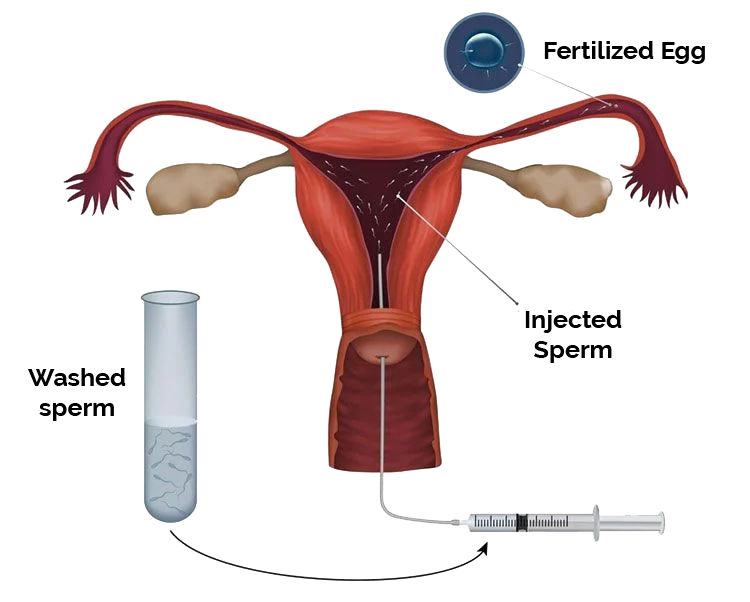
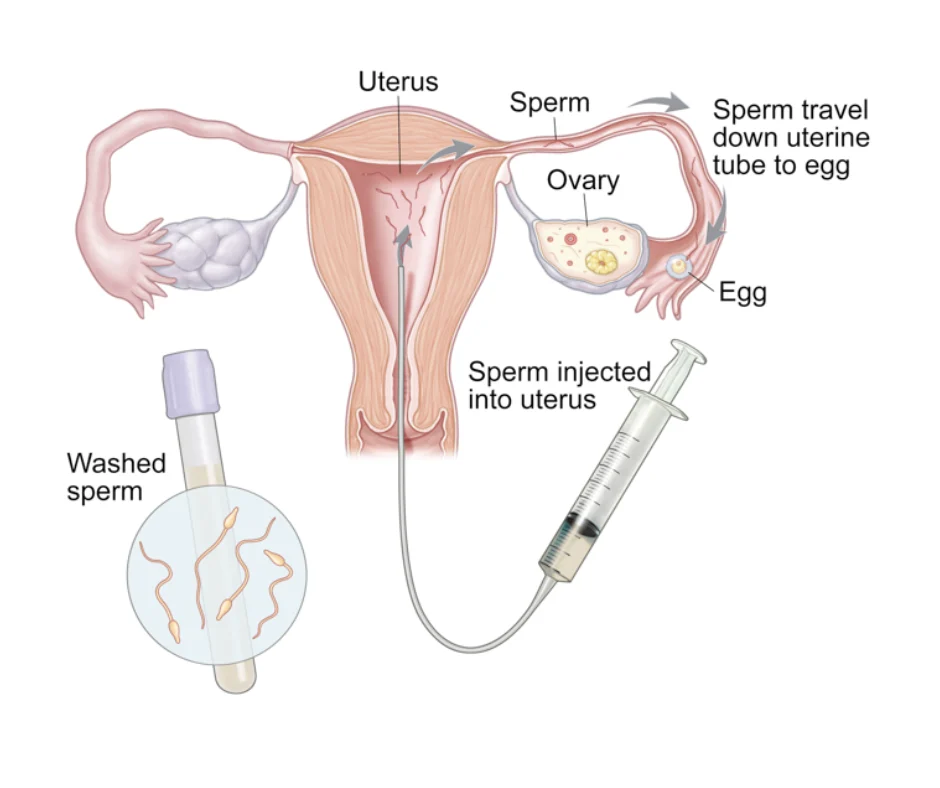
    diagram of the female reproductive system with an IUI syringe and test tube for artificial insemination

    Egg Donation vs Egg Freezing: The Legal Side of Things

    Egg Freezing:

    Egg freezing, also known as oocyte cryopreservation, is the process of extracting, freezing, and storing a woman’s eggs for future use. This procedure is often chosen by women who want to delay starting a family due to personal or medical reasons. The eggs are retrieved through the same process as in egg donation and are then frozen and stored until the woman is ready to use them. When ready, the eggs are thawed, fertilized, and transferred into the woman’s uterus for implantation.

    Legal Considerations:

    Egg freezing is a relatively new procedure, and there are ongoing discussions and debates about the legal implications of the process. One of the main concerns is the issue of ownership. In cases where the eggs are frozen for personal use, the woman is considered the owner of the eggs, and she can decide what to do with them. However, in cases where the eggs are donated for research or to another woman, the issue of ownership becomes more complex.

    Another legal consideration is the issue of informed consent. As with egg donation, women who undergo egg freezing must provide informed consent. However, this consent may need to be updated periodically, as the woman’s circumstances may change, and she may decide to use or discard the frozen eggs.

    Another important legal aspect of egg freezing is the issue of storage and disposal of the frozen eggs. The length of time that the eggs can be stored varies from country to country, with some allowing indefinite storage, while others have a limit of 10 years. The disposal of frozen eggs is also a controversial topic, with some countries allowing them to be donated for research, while others require them to be destroyed.

    Summary:

    Egg donation and egg freezing are two options available to women who want to preserve their fertility. While both procedures involve the extraction of a woman’s eggs, there are significant legal differences between the two. Egg donation is a highly regulated process that requires informed consent and may involve compensation for the donor. The issue of parental rights is also a consideration. On the other hand, egg freezing is a relatively new procedure, and the legal implications are still being debated. The main concerns are ownership, informed consent, and storage and disposal of the eggs.

    In conclusion, egg donation and egg freezing are complex procedures with significant legal considerations. It is crucial for all parties involved to understand the legal implications and seek legal advice before proceeding with either procedure.

  • Egg Donation and Egg Freezing: A Cultural Perspective

    Blog Post: Egg Donation and Egg Freezing: A Cultural Perspective

    Egg donation and egg freezing are two reproductive technologies that have gained significant attention in recent years. While these techniques have long been used by infertile couples, they have also become a popular choice for women who wish to delay childbearing for various reasons. In this blog post, we will explore the cultural perspective surrounding egg donation and egg freezing, and how it impacts the use of these procedures.

    Egg Donation: A Cultural Perspective
    Egg donation is the process of retrieving eggs from a donor and fertilizing them with sperm in a laboratory. These embryos are then transferred to the recipient’s uterus, who carries the pregnancy and gives birth. In many cultures, the idea of using a donor’s eggs to conceive a child is still considered taboo. This is because of the belief that a child must be biologically related to both parents to be considered a part of the family.

    In some cultures, there is also a stigma attached to infertility, making it difficult for couples to openly discuss their struggles with conception. As a result, many couples turn to egg donation as a last resort, often keeping it a secret from their families and friends. This secrecy can create a sense of shame and isolation, causing additional emotional stress for the couple.

    However, in recent years, there has been a shift in cultural attitudes towards egg donation. With advancements in reproductive technology and more open discussions about infertility, many couples are now more open to the idea of using a donor’s eggs to conceive a child. This acceptance has also been fueled by the increasing number of high-profile celebrities who have been open about their use of egg donation to start a family.

    Egg Freezing: A Cultural Perspective
    Egg freezing is the process of extracting a woman’s eggs and storing them for future use. This technique has become increasingly popular among women who wish to delay childbearing for various reasons, such as focusing on their careers or not having found the right partner yet. However, the cultural perspective surrounding egg freezing is still relatively new and evolving.

    Illustration of intrauterine insemination (IUI) procedure, showing sperm injection into the uterus.

    Egg Donation and Egg Freezing: A Cultural Perspective

    In some cultures, there is pressure on women to get married and have children at a young age, and egg freezing is seen as a way to defer this societal expectation. This pressure can make women feel guilty about their decision to freeze their eggs, as it goes against traditional cultural norms. Moreover, there is a lack of awareness and education about the process, leading to misconceptions and negative attitudes towards egg freezing.

    On the other hand, in more progressive cultures, there is a growing acceptance and even encouragement for women to freeze their eggs. This is seen as a way for women to take control of their reproductive health and have the freedom to decide when they want to have children. In these cultures, egg freezing is also seen as a way to empower women and promote gender equality.

    Challenges and Opportunities
    Despite the changing cultural attitudes towards egg donation and egg freezing, there are still challenges that need to be addressed. One of the biggest challenges is the lack of access and affordability of these procedures, especially in developing countries. In many cultures, infertility treatments are not covered by insurance, making it difficult for couples to afford them.

    Another challenge is the lack of regulation and oversight in some countries where egg donation and egg freezing are not well-established practices. This can lead to exploitation of donors and recipients, and unethical practices. It is crucial to have proper regulations in place to protect the interests of all parties involved.

    However, with these challenges also come opportunities for progress. By normalizing and increasing awareness about egg donation and egg freezing, we can break down the cultural barriers and eliminate the stigma and shame associated with these procedures. Moreover, advancements in technology and research can make these treatments more accessible and affordable, providing hope for couples struggling with infertility.

    In conclusion, egg donation and egg freezing are reproductive technologies that are deeply intertwined with cultural beliefs and attitudes. While there are still challenges and cultural stigmas surrounding these procedures, there is also a growing acceptance and understanding of their benefits. By addressing these challenges and promoting education and awareness, we can create a more inclusive and supportive culture for those who choose to use these techniques to start or expand their families.

    Summary:
    Egg donation and egg freezing are two reproductive technologies that have gained popularity in recent years. These procedures are deeply intertwined with cultural beliefs and attitudes, which can impact their use and acceptance. While there are still challenges and stigmas associated with these treatments, there is also a growing acceptance and understanding of their benefits. By addressing these challenges and promoting education and awareness, we can create a more inclusive and supportive culture for those who choose to use these techniques to start or expand their families.

  • The Role of Technology in Egg Donation and Egg Freezing

    The Role of Technology in Egg Donation and Egg Freezing

    Technology has played a significant role in shaping the field of reproductive medicine, particularly in the areas of egg donation and egg freezing. These advancements have made it possible for more individuals and couples to achieve their dream of starting a family. In this blog post, we will explore the various ways in which technology has impacted and continues to impact the processes of egg donation and egg freezing.

    Egg Donation

    Egg donation is a process where a woman donates her eggs to be used by another individual or couple who are unable to conceive using their own eggs. This process has been made possible and more efficient through the use of technology.

    One of the major technological advancements in egg donation is the use of electronic medical records (EMRs). EMRs have revolutionized the way medical information is stored and shared, making it easier for egg donors and recipients to access their medical records from anywhere in the world. This has significantly reduced the time and effort involved in coordinating the process between donors, recipients, and medical professionals.

    Another technological advancement that has greatly improved the egg donation process is the use of advanced imaging techniques. Ultrasound and 3D imaging have made it possible for doctors to accurately monitor the growth and development of eggs in the donor’s ovaries. This allows for precise timing for the retrieval of the eggs, increasing the chances of a successful fertilization.

    In recent years, the use of virtual consultations and telemedicine has also become a game-changer in the field of egg donation. These technologies allow donors and recipients to communicate with their doctors and medical professionals remotely, reducing the need for in-person appointments and saving time and resources.

    Egg Freezing

    Egg freezing, also known as oocyte cryopreservation, is the process of extracting and freezing a woman’s eggs for future use. This technology has opened up new possibilities for women who want to delay starting a family for various reasons, such as career advancement or medical reasons.

    One of the most significant technological advancements in egg freezing is the development of vitrification, a fast-freezing technique that prevents the formation of ice crystals, thus preserving the quality of the eggs. This method has significantly improved the success rates of egg freezing and has made it possible for women to preserve their fertility for longer periods.

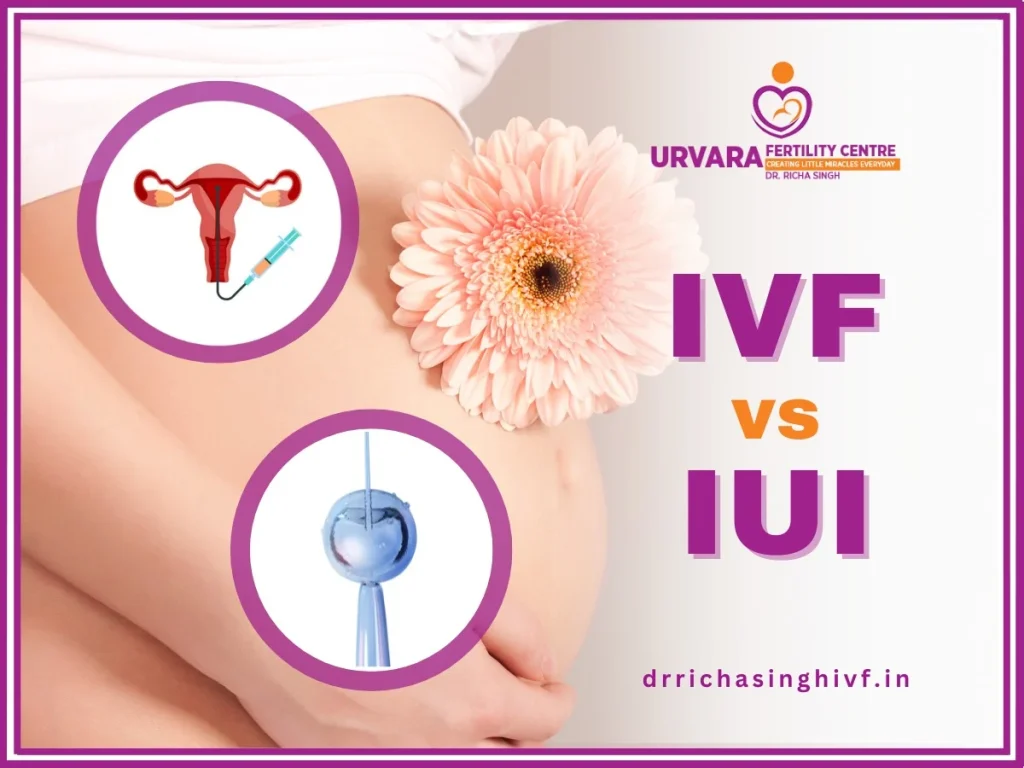
    IVF vs IUI comparison with illustrations of reproductive processes and a flower on a pregnant belly.

    The Role of Technology in Egg Donation and Egg Freezing

    The use of robotic technology has also made the egg freezing process more efficient and less invasive. With the help of robots, doctors can precisely and safely retrieve the eggs from the ovaries, reducing the risk of complications and increasing the chances of success.

    The Role of Artificial Intelligence (AI)

    Artificial Intelligence (AI) has also started to play a significant role in the field of egg donation and egg freezing. AI algorithms can be used to analyze and predict the success rates of egg freezing, taking into account various factors such as the woman’s age, hormone levels, and the quality of the eggs. This information can help doctors and patients make informed decisions about whether egg freezing is a viable option for them.

    AI is also being used to improve the selection process for egg donors. With the help of facial recognition software and genetic testing, AI algorithms can match donors with recipients who share similar physical and genetic traits, increasing the chances of a successful match.

    The Future of Technology in Egg Donation and Egg Freezing

    As technology continues to advance, there is no doubt that it will play an even more significant role in the field of reproductive medicine. Some emerging technologies, such as in vitro maturation (IVM) and mitochondrial replacement therapy, have the potential to further improve the processes of egg donation and egg freezing.

    IVM is a process that involves maturing eggs in a laboratory instead of inside the woman’s body. This method could eliminate the need for hormone injections and reduce the risk of ovarian hyperstimulation syndrome (OHSS), making the egg donation and egg freezing process safer and more accessible.

    Mitochondrial replacement therapy involves replacing the faulty mitochondria in a woman’s eggs with healthy ones from a donor. This technology could help women with certain genetic conditions to have healthy biological children, reducing the risk of passing on genetic disorders.

    In conclusion, technology has been a game-changer in the field of egg donation and egg freezing. From electronic medical records to vitrification and AI, these advancements have made these processes more efficient, accessible, and successful. As technology continues to advance, we can only expect more breakthroughs that will further improve the outcomes of egg donation and egg freezing and help more people achieve their dream of starting a family.

    Summary:

    Technology has played a significant role in shaping the field of reproductive medicine, particularly in the areas of egg donation and egg freezing. Advancements such as electronic medical records, advanced imaging techniques, vitrification, robotic technology, and artificial intelligence have made these processes more efficient, accessible, and successful. Emerging technologies like in vitro maturation and mitochondrial replacement therapy have the potential to further improve the outcomes of egg donation and egg freezing in the future.

  • Egg Donation vs Egg Freezing: Breaking Down the Myths

    Blog Post Title: Egg Donation vs Egg Freezing: Breaking Down the Myths

    Egg donation and egg freezing are two fertility treatments that are often confused with one another. While both involve eggs, they serve different purposes and have different processes. Unfortunately, there are many myths surrounding these two procedures that can cause confusion and misunderstandings. In this blog post, we will break down the myths and provide a clear understanding of the differences between egg donation and egg freezing.

    Myth 1: Egg donation and egg freezing are the same thing.

    Fact: Egg donation and egg freezing are two distinct fertility treatments. Egg donation is a process where a woman donates her eggs to another individual or couple who are unable to conceive naturally. These donated eggs are then fertilized with sperm and transferred to the intended mother’s uterus. On the other hand, egg freezing is a process where a woman’s eggs are retrieved, frozen, and stored for future use when she is ready to conceive.

    Myth 2: Egg donation and egg freezing are only for older women.

    Fact: While both egg donation and egg freezing can benefit older women, they are not limited to this age group. Egg donation is often used by women who have premature ovarian failure or other fertility issues that prevent them from producing healthy eggs. On the other hand, egg freezing is recommended for women who are in their 20s or early 30s and want to preserve their fertility for future use.

    Myth 3: Egg donation and egg freezing are only for women who are infertile.

    Fact: While egg donation can help women who are unable to conceive naturally, it is also used for same-sex couples or single individuals who want to have a child. Egg freezing, on the other hand, can be used by anyone who wants to preserve their fertility for the future, regardless of their current fertility status.

    Myth 4: Egg donation and egg freezing are risky procedures.

    Fact: Both egg donation and egg freezing are safe procedures that are performed under the supervision of a fertility specialist. While there are potential risks involved, such as ovarian hyperstimulation syndrome, these are rare and can be managed with proper medical care.

    comparison of IUI and IVF procedures illustrated with simple graphics and labels

    Egg Donation vs Egg Freezing: Breaking Down the Myths

    Myth 5: Egg donation and egg freezing are only for wealthy individuals.

    Fact: While both procedures can be costly, there are options available for financial assistance, such as insurance coverage and financing plans. Additionally, many fertility clinics offer discounted or free services for those who qualify. It is essential to discuss the financial aspect of these procedures with a fertility specialist to find the best option for you.

    Myth 6: The process for egg donation and egg freezing is the same.

    Fact: The process for egg donation and egg freezing differ significantly. Egg donation involves a more involved process, including fertility medications, egg retrieval, and embryo transfer. On the other hand, egg freezing only requires fertility medications and egg retrieval. Additionally, the timeline for egg donation is much more time-sensitive, while egg freezing allows for more flexibility in timing.

    Myth 7: The genetic child of an egg donor will not be related to the intended mother.

    Fact: While the egg donor provides the genetic material, the embryo is transferred to the intended mother’s uterus, and she carries the pregnancy. This means that the genetic child will be biologically related to the intended mother and will share her genes.

    Myth 8: Egg donation and egg freezing are not regulated.

    Fact: Both egg donation and egg freezing are heavily regulated by the FDA and the American Society for Reproductive Medicine. These regulations ensure that the procedures are safe and ethical for all parties involved.

    In conclusion, there are many myths surrounding egg donation and egg freezing that can cause confusion and misunderstandings. It is essential to educate oneself and seek guidance from a fertility specialist to understand the differences between these two procedures and determine which one is the best option for you. With advancements in technology and medical science, more individuals and couples are now able to fulfill their dreams of parenthood through egg donation and egg freezing.

    Summary:

    Egg donation and egg freezing are two distinct fertility treatments that are often confused with one another. While egg donation involves a woman donating her eggs to another individual or couple for fertilization, egg freezing is a process where a woman’s eggs are retrieved, frozen, and stored for future use. There are many myths surrounding these procedures, including their purpose, risks, and accessibility. However, with proper education and guidance from a fertility specialist, individuals and couples can have a clear understanding of the differences between egg donation and egg freezing and determine which option is best for their unique situation.

  • The Science Behind Egg Donation and Egg Freezing

    Blog Post:

    Egg donation and egg freezing are two important processes in the field of reproductive medicine, allowing women to have a biological child even if they are unable to conceive naturally. These procedures have gained popularity in recent years, but there is still a lot of misunderstanding and misinformation surrounding them. In this blog post, we will dive into the science behind egg donation and egg freezing to better understand how they work and why they are important options for women.

    What is Egg Donation?

    Egg donation is a process where a woman donates her eggs to be used by another woman who is unable to produce her own eggs. This can be due to various reasons such as premature menopause, genetic disorders, or previous cancer treatment. The donated eggs are fertilized with sperm, either from the recipient’s partner or a donor, and then transferred to the recipient’s uterus. The recipient then carries the pregnancy and gives birth to the baby.

    The Science Behind Egg Donation:

    The first step in egg donation is to stimulate the donor’s ovaries to produce multiple eggs. This is done through hormone injections, which mimic the natural hormones produced by the body during a menstrual cycle. The goal is to stimulate the ovaries to produce more eggs than usual, as only one egg is released during a natural cycle. This process is closely monitored through blood tests and ultrasounds to ensure the donor’s safety.

    Once the eggs are mature, they are retrieved through a minor surgical procedure called egg retrieval. This is done under sedation, and a thin needle is used to extract the eggs from the ovaries. The retrieved eggs are then fertilized in a laboratory, and the resulting embryos are monitored for a few days before being transferred to the recipient’s uterus.

    Why is Egg Donation Important?

    Egg donation provides an opportunity for women who are unable to conceive with their own eggs to have a biological child. It also allows same-sex couples and single individuals to have a child genetically related to one of the partners. This process has a high success rate, with the American Society for Reproductive Medicine reporting a 55-60% live birth rate per embryo transfer.

    What is Egg Freezing?

    diagram illustrating intrauterine insemination process, showing sperm injection into the uterus and egg fertilization pathway

    The Science Behind Egg Donation and Egg Freezing

    Egg freezing, also known as oocyte cryopreservation, is a process where a woman’s eggs are harvested and frozen for future use. This is done through the same process as egg donation, with the only difference being that the eggs are not donated to another woman. Instead, they are stored for the woman’s own future use.

    The Science Behind Egg Freezing:

    Egg freezing involves the same steps as egg donation, with the added step of freezing the retrieved eggs. The eggs are frozen using a process called vitrification, which involves rapidly cooling the eggs to prevent the formation of ice crystals, which can damage the eggs. The frozen eggs can then be stored for an extended period and used when the woman is ready to conceive.

    Why is Egg Freezing Important?

    Egg freezing has gained popularity in recent years, especially among women who want to delay childbearing for personal or professional reasons. This process allows women to preserve their fertility and have a better chance of conceiving later in life when their natural fertility may have declined. It is also an option for women undergoing medical treatments that may affect their fertility.

    The Science Behind Egg Donation and Egg Freezing:

    Both egg donation and egg freezing rely on the process of stimulating the ovaries to produce multiple eggs, followed by egg retrieval and fertilization in a laboratory. The main difference between the two procedures lies in the use of the retrieved eggs. In egg donation, the eggs are donated to another woman for fertilization and pregnancy, whereas in egg freezing, the eggs are stored for the woman’s own future use.

    Both procedures require careful monitoring and precise techniques to ensure the safety of the donor and the success of the process. They also offer hope for women who may have thought they were unable to have a biological child. However, it is important to note that these procedures may not be suitable for everyone and should be discussed with a fertility specialist.

    In conclusion, the science behind egg donation and egg freezing is complex and involves various steps and techniques. These procedures have provided a ray of hope for women who may have thought they were unable to have a biological child. With advancements in technology and research, these options are becoming more accessible and have the potential to change the lives of many individuals and families.

    Summary:

    Egg donation and egg freezing are two important procedures in reproductive medicine that allow women to have a biological child. Egg donation involves a woman donating her eggs to be used by another woman, while egg freezing involves preserving a woman’s eggs for her own future use. Both procedures require the stimulation of the ovaries, egg retrieval, and fertilization in a laboratory. They offer hope for women who may have thought they were unable to have a biological child and have a high success rate. However, they may not be suitable for everyone and should be discussed with a fertility specialist.

  • Egg Donation and Egg Freezing: A Family Planning Solution

    Blog Post Title: Egg Donation and Egg Freezing: A Family Planning Solution

    In today’s society, more and more individuals and couples are turning to assisted reproductive technologies (ART) for family planning, including egg donation and egg freezing. These procedures offer hope and options for those struggling with infertility, as well as those who wish to delay starting a family. In this blog post, we will explore the process of egg donation and egg freezing, their benefits and risks, and how they can be a solution for family planning.

    Egg Donation:

    Egg donation is a process in which a woman (known as the donor) provides her eggs to another person or couple (known as the recipient) to use for assisted reproduction. This can be done through in vitro fertilization (IVF) or intrauterine insemination (IUI). The donor’s eggs are retrieved through a minor surgical procedure, and then fertilized with the recipient’s partner’s sperm or donor sperm. The resulting embryos are then transferred to the recipient’s uterus.

    There are many reasons why someone may choose to become an egg donor. They may have a desire to help others, or they may have a personal connection to infertility. In most cases, egg donors are young, healthy women who have undergone extensive medical and psychological screenings to ensure they are suitable candidates. The process of egg donation can be emotionally and physically demanding, but it can also be incredibly rewarding for both the donor and the recipient.

    Egg donation offers a solution for individuals and couples struggling with infertility. For those who are unable to use their own eggs, egg donation provides a chance to experience pregnancy and childbirth. It also allows same-sex couples and single individuals to have a biological child. Additionally, egg donation can be a viable option for those with genetic disorders or inherited diseases, as the donated eggs can come from a healthy donor.

    However, there are also potential risks associated with egg donation. The hormonal medications used to stimulate egg production can cause side effects such as headaches, bloating, and mood changes. There is also a small risk of ovarian hyperstimulation syndrome (OHSS), a condition in which the ovaries become enlarged and painful. In rare cases, the egg retrieval procedure can lead to infection or damage to surrounding organs. It is important for both the donor and the recipient to fully understand and consider these risks before proceeding with egg donation.

    Egg Freezing:

    diagram illustrating intrauterine insemination (IUI) procedure with uterus, sperm, and catheter labeled

    Egg Donation and Egg Freezing: A Family Planning Solution

    Egg freezing, also known as oocyte cryopreservation, is a process in which a woman’s eggs are harvested and frozen for future use. This is typically done for women who wish to delay starting a family for various reasons, such as focusing on their career or not having a partner at the time. The eggs are retrieved through the same procedure as in egg donation, and then stored in a cryopreservation facility. When the woman is ready to use her eggs, they are thawed and fertilized through IVF.

    The process of egg freezing has been around since the 1980s, but it has gained popularity in recent years due to advancements in technology and the increasing number of women choosing to delay motherhood. One of the main benefits of egg freezing is that it allows women to preserve their fertility and have the option to have biological children later in life. This can be especially beneficial for women who have medical conditions that may affect their fertility, such as cancer.

    Egg freezing also offers a solution for women who may not be ready to start a family, but still want to have biological children in the future. It can provide peace of mind and alleviate the pressure of finding a partner and starting a family within a certain timeframe. However, it is important to note that the success rates of egg freezing are not guaranteed, and there is a possibility that the eggs may not survive the freezing and thawing process.

    In addition to the cost of the egg retrieval and storage, there are also potential risks and side effects associated with egg freezing. The hormonal medications used to stimulate egg production can have similar side effects as in egg donation, and there is a risk of complications during the egg retrieval procedure. It is crucial for women considering egg freezing to carefully weigh the benefits and risks and consult with a fertility specialist.

    Conclusion:

    Egg donation and egg freezing offer solutions for individuals and couples looking to start a family. Both procedures have their own unique benefits and risks, and it is important for individuals to carefully consider their options and consult with a fertility specialist before making a decision. These procedures provide hope and options for those struggling with infertility, allowing them to experience the joys of parenthood. With continued advancements in technology, egg donation and egg freezing will continue to be a valuable tool for family planning.

    Summary:

    Egg donation and egg freezing are two assisted reproductive technologies that offer solutions for family planning. Egg donation involves a woman providing her eggs to another person or couple for assisted reproduction, while egg freezing allows women to preserve their eggs for future use. Both procedures have benefits and risks, and it is important to carefully weigh these factors and consult with a fertility specialist before making a decision.