Tag: Surrogacy

  • Traditional Surrogacy vs. Gestational Surrogacy: Cultural Perspectives

    Traditional Surrogacy vs. Gestational Surrogacy: Cultural Perspectives

    Surrogacy has become a popular option for couples and individuals who are unable to conceive or carry a child on their own. It involves a woman carrying a pregnancy for someone else, with the intention of giving the child to the intended parents after birth. However, there are two types of surrogacy – traditional surrogacy and gestational surrogacy – and they have different cultural perspectives.

    Traditional surrogacy is when the surrogate mother is the genetic mother of the child. This means that the surrogate’s egg is fertilized with the intended father’s sperm, either through artificial insemination or in vitro fertilization (IVF). On the other hand, gestational surrogacy is when the surrogate mother has no genetic connection to the child she is carrying. The embryo is created using the eggs and sperm of the intended parents or donors and then transferred to the surrogate’s uterus.

    Both traditional and gestational surrogacy have their own cultural implications and perspectives. In this blog post, we will explore the cultural differences between these two types of surrogacy and how they are viewed in various parts of the world.

    Traditional Surrogacy: A Cultural Perspective

    In many cultures, traditional surrogacy is frowned upon due to its genetic connection between the surrogate and the child. In some cultures, there is a belief that the surrogate mother will always have a maternal bond with the child, which may create confusion and conflict within the family. In India, for example, traditional surrogacy is illegal for this reason.

    In traditional surrogacy, the surrogate is not just a carrier for the child, but also the biological mother. This can lead to complex emotional and psychological issues, not just for the surrogate, but also for the child and the intended parents. In some cultures, this is seen as a violation of the natural order of things, where the biological mother should also be the one raising the child.

    Another cultural perspective on traditional surrogacy is the issue of compensation. In some cultures, it is seen as a form of exploitation, where the surrogate may be financially desperate and is forced to carry a child for someone else. This has led to the banning of commercial surrogacy in countries like Thailand and Cambodia.

    Gestational Surrogacy: A Cultural Perspective

    Unlike traditional surrogacy, gestational surrogacy does not involve a genetic connection between the surrogate and the child. This has made it more acceptable in many cultures, as it is seen as a purely altruistic act of carrying a child for someone else.
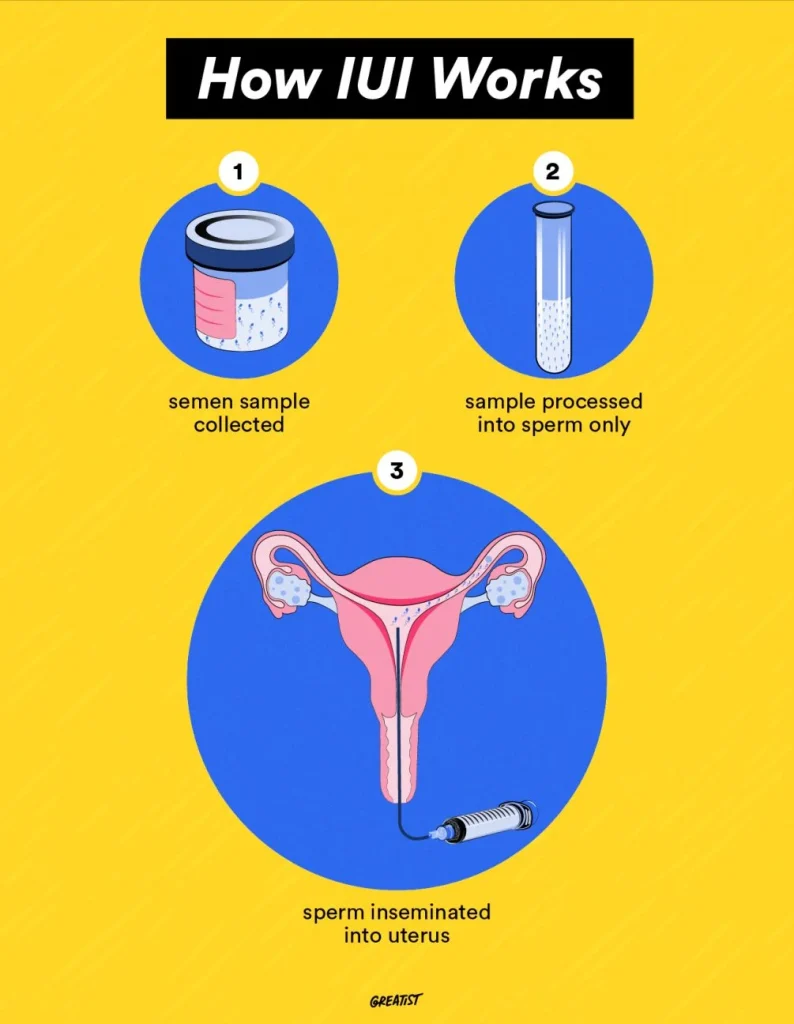
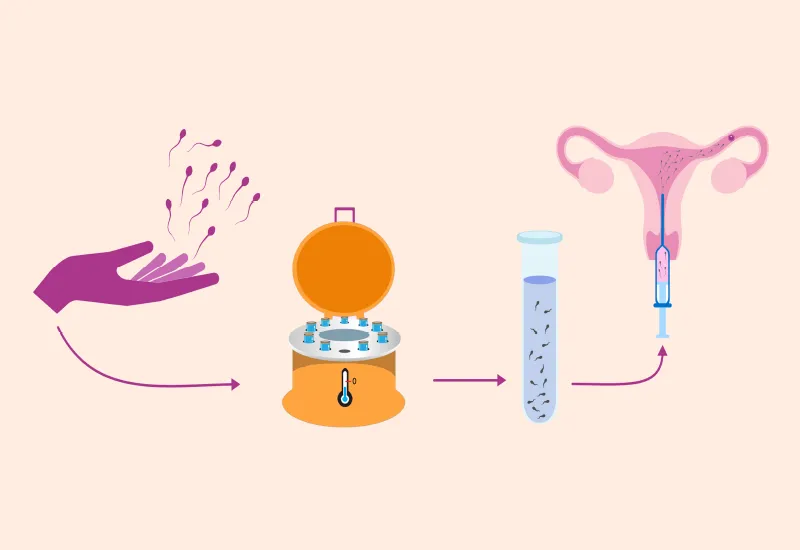
    illustration explaining the steps of intrauterine insemination (IUI) process on a bright yellow background

    Traditional Surrogacy vs. Gestational Surrogacy: Cultural Perspectives

    In some cultures, gestational surrogacy is viewed as a way to help those who are struggling with infertility. It is seen as a selfless act of giving the gift of parenthood to someone who otherwise would not be able to experience it. This is especially true in countries like the United States, where gestational surrogacy is legal and widely accepted.

    However, there are also cultural perspectives that view gestational surrogacy as a controversial practice. In some countries, the idea of carrying someone else’s child is seen as a violation of cultural and religious beliefs. For example, in Japan, there is a strong emphasis on blood relations and the idea of a child being biologically connected to their parents. This has led to the banning of surrogacy in Japan, except for cases where the surrogate is a family member.

    In countries where gestational surrogacy is legal, there are also cultural debates surrounding the issue of compensation. While the intended parents may see it as a fair exchange for the surrogate’s time, effort, and potential health risks, others view it as a form of “baby-selling” or exploitation of the surrogate’s body.

    The Role of Culture in Surrogacy Arrangements

    Culture plays a significant role in the acceptance or rejection of surrogacy arrangements. In countries where traditional surrogacy is illegal or frowned upon, gestational surrogacy may be seen as the more acceptable option. In contrast, in countries where gestational surrogacy is not allowed, traditional surrogacy may be the only option for those who want to have a child through surrogacy.

    In some cultures, the acceptance or rejection of surrogacy is also tied to gender roles and expectations. In patriarchal societies, the idea of a woman carrying another family’s child may be seen as a threat to the traditional family structure. On the other hand, in matriarchal societies, surrogacy may be seen as a way for women to exercise their reproductive rights and support other women in need.

    Additionally, cultural beliefs and values surrounding family, parenthood, and motherhood also influence the acceptance or rejection of surrogacy. In some cultures, the concept of “blood ties” is highly valued, and the idea of a child not being biologically related to their parents may be seen as unnatural. This can lead to a negative view of both traditional and gestational surrogacy.

    Summary

    Surrogacy is a complex and controversial topic that is viewed differently across cultures. Traditional surrogacy, where the surrogate is also the biological mother, is often frowned upon due to the complex emotional and psychological implications. In contrast, gestational surrogacy, where the surrogate has no genetic connection to the child, is seen as a more acceptable option in many cultures. However, there are also cultural perspectives that view surrogacy as a violation of traditional family structures, a form of exploitation, or a threat to cultural and religious beliefs.

    In conclusion, the cultural perspectives surrounding traditional and gestational surrogacy vary greatly and play a significant role in the acceptance or rejection of surrogacy arrangements in different parts of the world.


  • The Impact of Technology on Traditional and Gestational Surrogacy

    Blog Post: The Impact of Technology on Traditional and Gestational Surrogacy

    Surrogacy is a complex and often misunderstood form of assisted reproduction, where a woman carries a pregnancy for another individual or couple. It has become an increasingly popular option for those struggling with infertility or same-sex couples who are unable to conceive naturally. However, the advancements in technology have greatly impacted the traditional and gestational surrogacy process, raising ethical, legal, and social concerns.

    Traditional surrogacy involves the surrogate mother using her own egg to conceive the child, making her the biological mother. The sperm is typically provided by the intended father or a sperm donor. This type of surrogacy has been around for centuries, but it was not until the late 20th century that technology played a significant role in the process. With the development of in vitro fertilization (IVF), it became possible to fertilize the surrogate’s egg with the intended father’s sperm in a lab and then transfer the embryo into the surrogate’s uterus.

    However, traditional surrogacy has faced criticism due to the genetic connection between the surrogate and the child, raising concerns about the emotional and legal implications for all parties involved. With the advancement of technology, gestational surrogacy has become a more popular and preferred option.

    Gestational surrogacy involves the use of IVF to create an embryo using the intended parents’ or donors’ genetic material, which is then transferred to the surrogate’s uterus. This method removes the genetic connection between the surrogate and the child, making it a more appealing option for many. The use of technology has also allowed for the selection of healthy embryos, reducing the risk of genetic disorders and increasing the chances of a successful pregnancy.

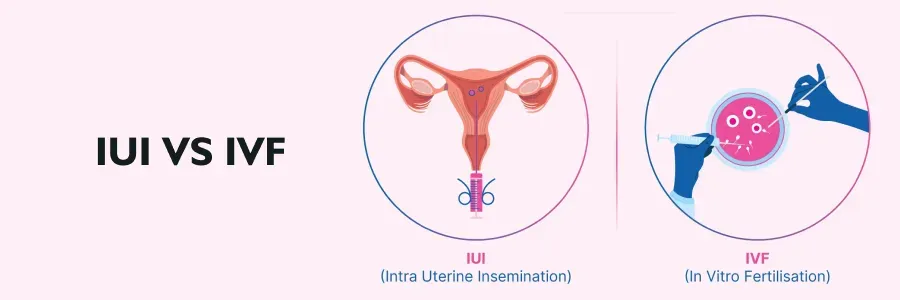
    Comparison of IUI and IVF, illustrating procedures and definitions for each fertility treatment.

    The Impact of Technology on Traditional and Gestational Surrogacy

    One of the most significant impacts of technology on surrogacy is the ability to screen for genetic disorders and select embryos with desired traits. This has sparked debates about the ethical implications of such practices, with concerns about the potential for designer babies and discrimination based on genetic traits. Additionally, the costs associated with these technologies have made gestational surrogacy inaccessible for many, raising concerns about the exploitation of surrogates from low-income backgrounds.

    Technology has also played a crucial role in the legal aspects of surrogacy. With the use of electronic contracts and online matching agencies, the process has become more streamlined and efficient. However, it has also raised concerns about the lack of regulation and potential for exploitation of both surrogates and intended parents. The legal framework around surrogacy varies greatly from country to country, with some banning it altogether, while others have strict regulations in place. The use of technology has made it easier for individuals to seek surrogacy services abroad, but this has also led to issues with citizenship and parental rights.

    The impact of technology on traditional and gestational surrogacy has also extended to the emotional and psychological well-being of all parties involved. With the use of social media and online support groups, surrogates and intended parents can connect and share their experiences. This has allowed for a greater sense of community and support, but it has also raised concerns about the potential for exploitation and privacy invasion.

    In conclusion, technology has greatly impacted surrogacy, making it a more accessible and successful option for those struggling with infertility. However, it has also raised ethical, legal, and social concerns that need to be addressed. As technology continues to advance, it is essential to have proper regulations in place to ensure the protection of all parties involved in the surrogacy process.

    Summary: Technology has greatly impacted traditional and gestational surrogacy, making it a more accessible and successful option for those struggling with infertility. However, it has also raised ethical, legal, and social concerns about genetic selection, exploitation, and privacy invasion. As technology continues to advance, it is crucial to have proper regulations in place to address these issues and protect all parties involved.

  • Exploring the Emotional Bond in Traditional and Gestational Surrogacy

    Exploring the Emotional Bond in Traditional and Gestational Surrogacy

    Surrogacy is a method of assisted reproduction in which a woman carries and gives birth to a baby for another couple or individual. There are two types of surrogacy – traditional surrogacy and gestational surrogacy. In traditional surrogacy, the surrogate mother is the biological mother of the child as her own egg is used in the process. On the other hand, gestational surrogacy involves the use of IVF technology, where the embryo is created using the intended parents’ egg and sperm, or through the use of a donor egg or sperm. While both types of surrogacy can help people achieve their dream of having a child, they also involve unique emotional bonds between the surrogate and the intended parents. In this blog post, we will explore the emotional bond in traditional and gestational surrogacy and how it affects all parties involved.

    Traditional Surrogacy and Emotional Bond

    In traditional surrogacy, the surrogate mother is genetically related to the child she carries. This can create a strong emotional bond between the surrogate and the child, as well as the intended parents. The traditional surrogacy process involves artificial insemination, where the surrogate mother’s egg is fertilized with the intended father’s sperm. This intimate involvement in the conception of the child can lead to a deep connection between the surrogate and the child, similar to that of a biological mother and child.

    The emotional bond in traditional surrogacy can also be strengthened by the surrogate’s physical and emotional connection to the pregnancy. As the child grows inside her, the surrogate may feel a strong sense of responsibility and love for the baby. This can result in a unique and special bond between the surrogate and the child, making the idea of giving the baby to the intended parents after birth a difficult decision.

    On the other hand, the intended parents may also develop a strong emotional bond with the surrogate mother. They may feel immense gratitude and appreciation towards her for carrying their child, and may also view her as an important part of their family. This bond can be further strengthened through regular communication and involvement in the pregnancy, such as attending doctor’s appointments and ultrasounds.

    Gestational Surrogacy and Emotional Bond

    In gestational surrogacy, the surrogate mother has no genetic connection to the child as the embryo is created using the intended parents’ egg and sperm or through the use of a donor. This can make it easier for the surrogate to separate herself emotionally from the pregnancy and the child. However, this does not mean that there is no emotional bond between the surrogate and the child.

    The gestational surrogacy process involves a detailed legal agreement between the surrogate and the intended parents, outlining the expectations and responsibilities of both parties. This can help establish boundaries and clarify the emotional connection between the surrogate and the child. However, it is not uncommon for the surrogate to feel some emotional attachment to the baby she carries, especially if she has been involved in the pregnancy for a long time.

    The intended parents in gestational surrogacy may also develop a strong emotional bond with the surrogate mother. They may see her as a selfless and generous woman who is helping them fulfill their dream of having a child. The intended parents may also feel a sense of responsibility towards the surrogate, as she is carrying their child and taking care of herself for the sake of their baby.

    Illustration of a uterus with a syringe indicating an intrauterine insemination procedure.

    Exploring the Emotional Bond in Traditional and Gestational Surrogacy

    The Role of Communication in Building Emotional Bonds

    In both types of surrogacy, communication plays a crucial role in building and maintaining the emotional bond between all parties involved. Open and honest communication between the surrogate and the intended parents can help establish boundaries, clarify expectations, and address any concerns or issues that may arise during the surrogacy journey.

    Regular communication between the surrogate and the intended parents can also help build a sense of trust and understanding, leading to a stronger emotional connection. This can involve sharing updates and milestones throughout the pregnancy, as well as discussing any emotional challenges or changes that may occur.

    Challenges in the Emotional Bond

    While surrogacy can bring immense joy and fulfillment to all parties involved, it is not without its challenges. The emotional bond between the surrogate and the intended parents can sometimes lead to conflicting emotions and difficult decisions. For example, the surrogate may struggle with the idea of giving up the baby she has carried for nine months, while the intended parents may experience feelings of guilt or anxiety about not being able to carry their own child.

    It is important for all parties to acknowledge and address these challenges, and seek support and guidance when needed. This can include seeking professional counseling or joining support groups specifically for surrogacy. With open communication and a strong support system, the emotional bond in surrogacy can be a positive and rewarding experience for everyone involved.

    In Conclusion

    Surrogacy is a complex and emotional journey, and the emotional bond between the surrogate and the intended parents is a crucial aspect of the process. Whether it is traditional or gestational surrogacy, the emotional bond can be a source of joy, but also bring challenges and difficult decisions. However, with open communication, trust, and support, this bond can ultimately lead to a positive and fulfilling surrogacy journey for all involved.

    Summary:

    Surrogacy involves a woman carrying and giving birth to a baby for another couple or individual. There are two types of surrogacy – traditional and gestational. In traditional surrogacy, the surrogate is genetically related to the child, leading to a strong emotional bond between the surrogate, the child, and the intended parents. In gestational surrogacy, the surrogate has no genetic connection to the child, but can still develop an emotional bond. Communication plays a crucial role in building and maintaining the emotional bond between all parties involved, but there can also be challenges and difficult decisions along the way. With open communication and support, the emotional bond in surrogacy can be a positive and fulfilling experience.

  • The Importance of Support: Traditional vs. Gestational Surrogacy

    Support is a crucial aspect of any surrogacy journey, whether it is through traditional or gestational surrogacy. While both types of surrogacy may have their own unique processes and benefits, the need for support remains constant. In this blog post, we will explore the importance of support in both traditional and gestational surrogacy and how it can impact the overall experience.

    Traditional surrogacy involves the surrogate mother using her own egg to conceive the child, while gestational surrogacy involves the use of in vitro fertilization (IVF) to transfer a fertilized embryo into the surrogate’s uterus. Both processes have their own set of challenges and can be emotionally, physically, and mentally taxing for all parties involved. This is where support plays a crucial role.

    Emotional Support
    One of the biggest challenges in any surrogacy journey is the emotional toll it can take on the surrogate and intended parents. For traditional surrogacy, the surrogate mother may have a difficult time separating herself from the emotional attachment she may develop with the child she is carrying. On the other hand, gestational surrogacy can also bring about emotional challenges as the intended parents may feel disconnected from the pregnancy and the baby until birth. This is where a support system can provide comfort and understanding, helping to alleviate any feelings of guilt or anxiety.

    Support can come in many forms, whether it is through a therapist, support group, or even a close friend or family member. Having someone to confide in and share the ups and downs of the surrogacy journey can make a world of difference for both the surrogate and intended parents.

    Physical Support
    The physical toll of surrogacy should not be underestimated. For traditional surrogates, the pregnancy and childbirth process can be physically demanding, especially if they have not experienced a pregnancy before. Gestational surrogates may also experience physical challenges as they undergo IVF treatments and hormone injections.

    Having a support system in place can make the physical demands of surrogacy more manageable. This can include help with household chores, childcare, or even just someone to accompany the surrogate to doctor’s appointments or provide transportation. With the physical strain of surrogacy reduced, the surrogate can focus on the well-being of the baby and her own health.

    Illustration of a uterus with a syringe indicating an intrauterine insemination procedure.

    The Importance of Support: Traditional vs. Gestational Surrogacy

    Mental Support
    The mental well-being of both the surrogate and intended parents is just as important as their physical health. Surrogacy can bring about a range of emotions, from excitement and joy to fear and anxiety. Having a support system that understands the complexities of surrogacy can help alleviate any stress or worries.

    In traditional surrogacy, the surrogate may need mental support as she deals with the emotional weight of carrying a child that is genetically related to her. For gestational surrogates, the intended parents may also need support as they navigate the complexities of the surrogacy process and prepare for the arrival of their baby.

    Legal Support
    In both traditional and gestational surrogacy, there are legal considerations that must be addressed. Having a knowledgeable and supportive legal team can make all the difference in ensuring a smooth and successful surrogacy journey. They can provide guidance on the legal aspects of the process, including contracts, parental rights, and potential issues that may arise.

    Additionally, a supportive legal team can help alleviate any fears or concerns about the legal process, allowing the surrogate and intended parents to focus on the more important aspects of their journey.

    The Power of Support in Surrogacy
    While surrogacy can be a beautiful and life-changing experience, it is not without its challenges. The importance of support cannot be overstated in helping surrogates and intended parents navigate these challenges and provide a positive and nurturing environment for the baby.

    A strong support system can make the surrogacy journey more manageable and ultimately lead to a successful and fulfilling experience. Whether it is through emotional, physical, mental, or legal support, having a knowledgeable and understanding support system can make all the difference in the world.

    In summary, support is a crucial aspect of both traditional and gestational surrogacy. It can provide emotional, physical, mental, and legal support to surrogates and intended parents, helping them navigate the challenges of the surrogacy journey and create a positive and nurturing environment for the baby.

  • Traditional Surrogacy vs. Gestational Surrogacy: Differences in Parental Rights

    Traditional Surrogacy vs. Gestational Surrogacy: Differences in Parental Rights

    Surrogacy is a method of assisted reproduction where a woman carries and gives birth to a child for another person or couple. It has become increasingly popular in recent years, as more and more people struggle with infertility or same-sex couples seek to start a family. There are two types of surrogacy: traditional surrogacy and gestational surrogacy. While both involve a surrogate carrying a child for someone else, there are significant differences in terms of parental rights. In this blog post, we will explore the differences between traditional surrogacy and gestational surrogacy in terms of parental rights.

    Traditional Surrogacy

    Traditional surrogacy, also known as genetic or partial surrogacy, involves the surrogate mother being genetically related to the child she carries. In this method, the surrogate’s egg is fertilized with the intended father’s sperm through artificial insemination. This means that the surrogate is not only carrying the child but is also the biological mother.

    One of the main differences in parental rights with traditional surrogacy is that the surrogate has a biological relationship with the child. This can create complicated legal and emotional situations, as the surrogate may develop a bond with the child during pregnancy. In some cases, the surrogate may even decide to keep the child after birth, leading to a lengthy legal battle for custody.

    In traditional surrogacy, the intended parents may have to go through a formal adoption process in order to establish their parental rights. This can be a lengthy and expensive process, and there is no guarantee that the surrogate will agree to give up the child.

    Gestational Surrogacy

    Gestational surrogacy, also known as full surrogacy, is a more common and preferred method of surrogacy. In this method, the surrogate is not genetically related to the child she carries. The embryo is created through in vitro fertilization (IVF) using the eggs and sperm of the intended parents or donors. The embryo is then transferred to the surrogate’s uterus, and she carries the pregnancy to term.

    In gestational surrogacy, the intended parents have a genetic relationship with the child and are considered the legal parents from the moment of conception. This means that they do not have to go through a lengthy adoption process, and their parental rights are protected by a surrogacy contract.

    One of the main advantages of gestational surrogacy is that the intended parents have more control over the pregnancy and the child’s genetic makeup. They can choose a surrogate who shares their values and beliefs, and they can also have a say in the prenatal care and delivery process.

    Comparison of IUI and IVF with illustrations of each procedure.

    Traditional Surrogacy vs. Gestational Surrogacy: Differences in Parental Rights

    Another significant difference in parental rights with gestational surrogacy is that the surrogate has no legal claim to the child. This reduces the risk of custody battles and allows the intended parents to establish their parental rights without any legal obstacles.

    Legal Considerations

    In both traditional and gestational surrogacy, the legal framework varies from state to state and country to country. Some jurisdictions do not allow surrogacy at all, while others have specific laws and regulations in place to protect the rights of all parties involved.

    In traditional surrogacy, the legal process can be more complicated, as the surrogate is the biological mother of the child. This means that she may have legal rights to the child, and the intended parents may have to go through an adoption process to establish their parental rights.

    On the other hand, gestational surrogacy is generally more legally secure, as the intended parents are the legal parents from the moment of conception. However, it is still essential to have a detailed and legally binding surrogacy contract in place to avoid any potential legal issues and protect the rights of all parties involved.

    Emotional Considerations

    Surrogacy is a complex and emotional process for all parties involved. In traditional surrogacy, the surrogate may have a difficult time giving up the child, as she is genetically related to the child. This can lead to emotional challenges and even legal battles for custody.

    In gestational surrogacy, the emotional bond between the surrogate and the child may be less intense, as she is not genetically related to the child. However, the surrogate may still develop a bond with the child during pregnancy, and it is essential to have open communication and clear boundaries in place to avoid any emotional conflicts.

    Summary:

    Surrogacy is a method of assisted reproduction where a woman carries and gives birth to a child for another person or couple. There are two types of surrogacy: traditional surrogacy and gestational surrogacy. Traditional surrogacy involves the surrogate being genetically related to the child, while gestational surrogacy does not. This creates significant differences in terms of parental rights, as the intended parents may have to go through a formal adoption process with traditional surrogacy, while their parental rights are protected from the moment of conception in gestational surrogacy. It is essential to have a detailed and legally binding surrogacy contract in place to protect the rights of all parties involved, and clear communication and boundaries are crucial to avoid any emotional conflicts.

  • Making an Informed Choice: Traditional vs. Gestational Surrogacy

    Traditional vs. Gestational Surrogacy: Making an Informed Choice

    Surrogacy has become an increasingly popular method for couples and individuals who are unable to conceive naturally. It involves a woman carrying a child for someone else, usually for monetary compensation. However, there are two types of surrogacy – traditional and gestational. While both methods have the same end goal, there are significant differences between the two. In this blog post, we will discuss the pros and cons of traditional and gestational surrogacy, and how to make an informed choice between the two.

    Traditional Surrogacy

    Traditional surrogacy, also known as genetic or partial surrogacy, involves the use of the surrogate’s egg to conceive the child. This means that the surrogate is genetically related to the child she is carrying. In traditional surrogacy, the surrogate is artificially inseminated with the intended father’s sperm or donor sperm. The child is then carried to term by the surrogate and given to the intended parents after birth.

    Pros of Traditional Surrogacy

    One of the main advantages of traditional surrogacy is the cost. Since the surrogate is using her own eggs, there is no need for expensive fertility treatments such as IVF. This makes traditional surrogacy a more affordable option for couples and individuals who are struggling with infertility.

    Another advantage of traditional surrogacy is the emotional connection between the surrogate and the child. Since the surrogate is genetically related to the child, there is a strong bond that can develop between them during the pregnancy. This can be a positive experience for both the surrogate and the intended parents.

    Cons of Traditional Surrogacy

    One of the main concerns with traditional surrogacy is the legal and emotional complexities that can arise. Since the surrogate is genetically related to the child, there is a chance that she may decide to keep the child after birth. This can lead to a lengthy and expensive legal battle for the intended parents.

    Another disadvantage of traditional surrogacy is the potential for emotional attachment between the surrogate and the child. This can lead to conflicting emotions and concerns for the surrogate, who may struggle with giving up the child after birth.

    Gestational Surrogacy

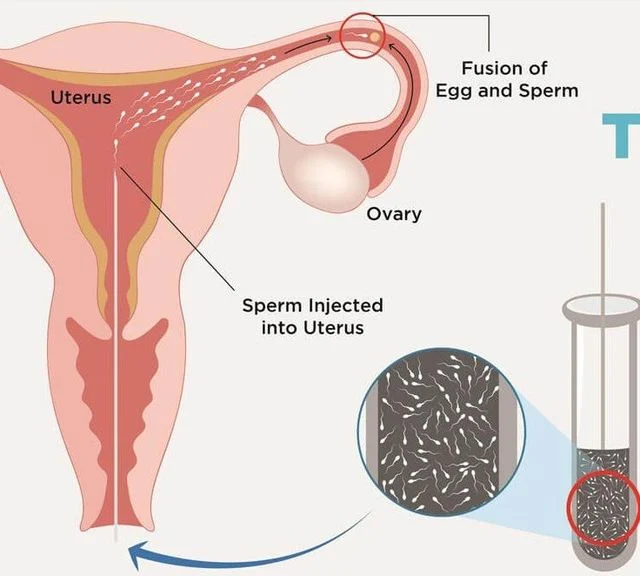
    Illustration of intrauterine insemination (IUI) procedure, showing sperm injection into the uterus.

    Making an Informed Choice: Traditional vs. Gestational Surrogacy

    Gestational surrogacy, also known as full surrogacy, involves the use of a surrogate who is not genetically related to the child she is carrying. In gestational surrogacy, the surrogate is implanted with an embryo created through IVF using the eggs and sperm of the intended parents or donors. The surrogate then carries the child to term and gives birth.

    Pros of Gestational Surrogacy

    One of the main advantages of gestational surrogacy is the legal security it provides for the intended parents. Since the surrogate has no genetic relation to the child, there is no risk of her trying to keep the child after birth. This can provide peace of mind for the intended parents and eliminate the need for a lengthy legal battle.

    Another advantage of gestational surrogacy is the ability to use the intended mother’s eggs. This allows for a genetic connection between the intended mother and the child, which may be important for some couples and individuals.

    Cons of Gestational Surrogacy

    The main disadvantage of gestational surrogacy is the cost. IVF and other fertility treatments involved in gestational surrogacy can be expensive, making it a less affordable option for many couples and individuals.

    Another concern with gestational surrogacy is the lack of a genetic connection between the surrogate and the child. This may lead to a less emotional bond between the surrogate and the child, which can be a disadvantage for some.

    Making an Informed Choice

    When considering surrogacy, it is important to weigh the pros and cons of both traditional and gestational surrogacy to make an informed decision. Factors such as cost, legal security, and emotional connection should be carefully considered before choosing the type of surrogacy that is right for you.

    It is also crucial to work with a reputable and experienced surrogacy agency or lawyer to ensure a smooth and legally binding process. They can provide guidance and support throughout the entire surrogacy journey, from finding a suitable surrogate to the legal contracts and agreements.

    In conclusion, traditional and gestational surrogacy both have their own benefits and challenges. It is important to carefully consider all factors and consult with professionals before making a decision. With the right preparation and support, surrogacy can be a viable option for couples and individuals looking to start or expand their family.

  • Breaking the Stigma: Traditional vs. Gestational Surrogacy

    Breaking the Stigma: Traditional vs. Gestational Surrogacy

    Surrogacy is a method of assisted reproduction where a woman carries and gives birth to a child for another person or couple. While it has been around for centuries, it has only recently gained more attention and acceptance in society. However, there are still many misconceptions and stigmas surrounding surrogacy, particularly when it comes to traditional surrogacy versus gestational surrogacy. In this blog post, we will explore the differences between these two types of surrogacy and break the stigma surrounding them.

    Traditional Surrogacy

    Traditional surrogacy, also known as genetic or partial surrogacy, is when the surrogate mother uses her own egg to become pregnant. This egg is fertilized with the intended father’s sperm through intrauterine insemination (IUI) or in-vitro fertilization (IVF). As a result, the surrogate mother is both the biological and gestational mother of the child.

    One of the main stigmas surrounding traditional surrogacy is the perceived lack of control over the genetic makeup of the child. Since the surrogate mother is using her own egg, there is a possibility that she may have a genetic connection to the child. This can lead to concerns about the surrogate mother wanting to keep the child or having a difficult time giving the child up after birth. However, it is important to note that all parties involved in the surrogacy process sign a legal contract outlining their rights and responsibilities, and the intended parents have full legal custody of the child.

    Another stigma surrounding traditional surrogacy is the potential for emotional attachment between the surrogate mother and the child. This is often fueled by the belief that the surrogate mother is “giving up” her own child. However, most surrogate mothers enter into the process with a clear understanding that the child is not biologically theirs and that they are helping another family create a family. In fact, many surrogate mothers have their own children and are excited to help others experience the joy of parenthood.

    Gestational Surrogacy

    illustration of the IUI process, showing sperm collection, preparation, and insertion into the uterus

    Breaking the Stigma: Traditional vs. Gestational Surrogacy

    Gestational surrogacy, also known as full surrogacy, is when the surrogate mother carries the pregnancy but is not genetically related to the child. In this process, the intended parents’ egg and sperm are fertilized in a laboratory through IVF, and the resulting embryo is then transferred to the surrogate mother’s uterus.

    One of the main stigmas surrounding gestational surrogacy is the perceived lack of emotional connection between the surrogate mother and the child. Since the surrogate mother is not genetically related to the child, some may believe that she may not bond with the child as she would with her own biological child. However, many gestational surrogate mothers have reported feeling a strong emotional connection to the child throughout the pregnancy, as they carry and nurture the child for nine months.

    Another stigma surrounding gestational surrogacy is the belief that it is only for the wealthy. With the high costs of IVF and surrogacy, many may assume that only the wealthy can afford this option. However, there are various financial options and resources available, such as surrogacy agencies and grants, to make gestational surrogacy more accessible to those who may not have the financial means to pursue it.

    Breaking the Stigma

    Both traditional and gestational surrogacy have their own unique processes and challenges, but they both serve the same purpose – to help create families. As with any family-building option, there are risks and challenges involved, but the end result is often worth it for the intended parents. It is important to understand that surrogacy is a selfless act and not a means for financial gain. Surrogate mothers are motivated by the desire to help others and to make a positive impact in someone’s life.

    In recent years, there has been a shift in public perception of surrogacy, with more people understanding and accepting it as a viable option for building families. However, there is still a long way to go in breaking the stigma surrounding traditional and gestational surrogacy. By educating ourselves and others about the process and the motivations behind it, we can help break down these stigmas and support those who choose surrogacy as their path to parenthood.

    In summary, traditional and gestational surrogacy are two different methods of assisted reproduction that have their own unique processes and challenges. Traditional surrogacy involves the surrogate mother using her own egg, while gestational surrogacy involves the use of the intended parents’ egg and sperm. Both types of surrogacy are viable options for those who cannot carry a child on their own, and it is important to break the stigmas surrounding them and support those who choose surrogacy as their path to parenthood.

  • The Role of Genetics in Traditional and Gestational Surrogacy

    Genetics play a significant role in both traditional and gestational surrogacy, as they can influence the physical characteristics and health of the child. In traditional surrogacy, the surrogate mother’s eggs are used, while in gestational surrogacy, the intended parents’ eggs and sperm are used. The genetic makeup of the child will vary depending on the type of surrogacy, and this can have implications for legal and social relationships.

    In traditional surrogacy, the surrogate mother’s eggs are fertilized with the intended father’s sperm through artificial insemination. This means that the child will have genetic links to both the surrogate mother and the intended father. This can result in a more complex legal and social situation, as the surrogate mother may have parental rights over the child. In some cases, the intended parents may have to go through a legal process to establish their parental rights.

    One of the main concerns with traditional surrogacy is the potential for the surrogate mother to develop an emotional attachment to the child. This can complicate the relationship between the surrogate mother and the intended parents, and may also lead to conflicts over custody and visitation rights. It is important for all parties involved to have clear expectations and boundaries set before entering into a traditional surrogacy arrangement.

    On the other hand, gestational surrogacy involves the use of the intended parents’ eggs and sperm to create an embryo, which is then implanted into the surrogate mother’s uterus. In this type of surrogacy, the child will have no genetic links to the surrogate mother, as she is only carrying the pregnancy. This can make the legal and social relationships more straightforward, as the intended parents are the biological parents of the child.

    One of the major advantages of gestational surrogacy is the ability to use the intended mother’s eggs, which allows for a genetic connection between the mother and the child. This can be especially important for couples struggling with infertility, as they may have a strong desire to have a child who is genetically related to them. It also eliminates the risk of the surrogate mother developing an emotional attachment to the child, as she is not genetically related.

    success rate of IUI in India with a graphic of a uterus and syringe alongside a rising graph

    The Role of Genetics in Traditional and Gestational Surrogacy

    However, gestational surrogacy is a more complex and expensive process, as it involves in-vitro fertilization (IVF) and requires the use of a fertility clinic. The intended parents will also have to go through a legal process to establish their parental rights, as the surrogate mother is the legal mother of the child until this is done.

    Aside from legal and social considerations, genetics also play a crucial role in the physical characteristics and health of the child in both traditional and gestational surrogacy. The genetic makeup of the surrogate mother can influence the physical features of the child, such as eye color, hair color, and height. In traditional surrogacy, the child may also inherit certain genetic traits, such as diseases or predispositions, from the surrogate mother.

    In gestational surrogacy, the child’s genetic makeup will depend on the eggs and sperm of the intended parents. This can be advantageous for couples who have a family history of certain genetic diseases, as they can use genetic screening to ensure that the child does not inherit these conditions. However, it is also important to note that genetic screening is not foolproof and there is always a risk of passing on genetic conditions.

    In addition to physical characteristics and health, genetics can also play a role in the emotional and psychological development of the child. Some studies have shown that genetic factors can influence personality traits, behaviors, and mental health. This means that the child’s genetic makeup can have an impact on their overall well-being.

    In conclusion, genetics play a crucial role in both traditional and gestational surrogacy. They can affect legal and social relationships, physical characteristics and health, as well as emotional and psychological development of the child. It is important for intended parents and surrogate mothers to understand and consider these factors when making the decision to pursue surrogacy. Clear communication and a thorough understanding of the genetic implications can help ensure a successful and fulfilling surrogacy journey for all parties involved.

  • Navigating the Surrogacy Journey: Traditional vs. Gestational

    Blog Post Title: Navigating the Surrogacy Journey: Traditional vs. Gestational

    Surrogacy has become a popular option for couples who are struggling with infertility or for those who are unable to carry a pregnancy to term. It is a process where a woman carries and gives birth to a child for another individual or couple, known as the intended parents. There are two main types of surrogacy: traditional and gestational. While both types involve a surrogate carrying the pregnancy, they differ in terms of the biological relationship between the surrogate and the child. In this blog post, we will explore the differences between traditional and gestational surrogacy and the considerations one should take when navigating the surrogacy journey.

    Traditional Surrogacy:

    Traditional surrogacy, also known as genetic or partial surrogacy, involves the surrogate using her own eggs to become pregnant. This means that the surrogate is also the biological mother of the child. The process usually involves the intended father’s sperm being inseminated into the surrogate’s uterus through artificial insemination. This method is typically less expensive than gestational surrogacy as it does not require the use of fertility treatments.

    One of the benefits of traditional surrogacy is that it allows for a genetic connection between the surrogate and the child. This can be appealing for couples who are looking for a more personal connection with the surrogate and want to have a child who is biologically related to them. Another benefit is that the process can often be completed without the use of fertility drugs, making it a more natural option for both the surrogate and the intended mother.

    However, there are also potential drawbacks to traditional surrogacy. Since the surrogate is using her own eggs, there is a higher risk of the surrogate becoming emotionally attached to the child. This can lead to legal complications if the surrogate decides to keep the child after birth. Additionally, there may be concerns about the surrogate’s health and lifestyle choices during the pregnancy, as these factors can affect the health of the child.

    Gestational Surrogacy:

    Diagram illustrating the IUI process, showing sperm injection into the uterus and egg fertilization.

    Navigating the Surrogacy Journey: Traditional vs. Gestational

    Gestational surrogacy, also known as full surrogacy, involves the use of in vitro fertilization (IVF) to create an embryo with the intended parents’ genetic material. The embryo is then transferred to the surrogate’s uterus, who carries the pregnancy to term. In this type of surrogacy, the surrogate has no genetic connection to the child, making it a more straightforward legal process.

    One of the main benefits of gestational surrogacy is that it allows for a greater level of control over the pregnancy. Since the intended parents’ genetic material is used, they can ensure that the child is biologically related to them. This also eliminates the risk of the surrogate developing an emotional attachment to the child. Additionally, gestational surrogacy allows for the use of fertility treatments, making it a viable option for individuals or couples struggling with infertility.

    However, there are also potential drawbacks to gestational surrogacy. The process can be more expensive due to the use of fertility treatments and the legal fees involved. It also requires more medical intervention and monitoring, which can be physically and emotionally taxing for both the surrogate and the intended mother. There may also be concerns about the legal rights of the surrogate and the intended parents, especially in cases where the surrogate is carrying multiple embryos.

    Considerations for Navigating the Surrogacy Journey:

    Before embarking on the surrogacy journey, it is essential to carefully consider the type of surrogacy that is best suited for you and your partner. It is crucial to have open and honest communication with your partner and the surrogate about expectations, boundaries, and potential risks. Seeking guidance from a surrogacy agency or a legal professional can also help navigate the process and ensure all parties are aware of their rights and responsibilities.

    It is also essential to carefully screen and choose a surrogate, regardless of the type of surrogacy. A surrogate should undergo medical and psychological evaluations to ensure they are physically and mentally prepared for the journey. It is also vital to establish a strong relationship and open communication between the surrogate and the intended parents to ensure a smooth and positive experience for all involved.

    Summary:

    Surrogacy is a viable option for couples struggling with infertility or those unable to carry a pregnancy to term. There are two main types of surrogacy: traditional and gestational. Traditional surrogacy involves the surrogate using her own eggs, while gestational surrogacy uses IVF to create an embryo with the intended parents’ genetic material. Both types have their benefits and drawbacks, and it is essential to carefully consider which option is best for you and your partner. Careful screening and open communication are critical in navigating the surrogacy journey successfully.

  • Traditional Surrogacy vs. Gestational Surrogacy: The Medical Process

    Traditional Surrogacy vs. Gestational Surrogacy: The Medical Process

    Surrogacy, the practice of a woman carrying and delivering a baby for another individual or couple, has become an increasingly popular option for those struggling to conceive on their own. However, there are two main types of surrogacy: traditional surrogacy and gestational surrogacy. While both options involve a surrogate carrying a baby, the medical processes used in each are quite different. In this blog post, we will explore the medical processes involved in traditional surrogacy and gestational surrogacy, and discuss the pros and cons of each.

    Traditional Surrogacy:

    Traditional surrogacy, also known as genetic surrogacy, involves the surrogate using her own egg to conceive the baby. This is typically done through artificial insemination, where the sperm of the intended father or a donor is injected into the surrogate’s uterus. This process allows the surrogate to be biologically related to the child she carries.

    The medical process of traditional surrogacy begins with the surrogate undergoing a series of tests to ensure she is healthy and able to carry a pregnancy. Once cleared, she will begin taking fertility drugs to increase the chances of successful ovulation. The intended father or donor will also undergo testing to ensure the quality and viability of their sperm.

    Once the surrogate has ovulated, the sperm will be collected and inserted into her uterus through a catheter. This is typically done in a doctor’s office and is a quick, painless procedure. After the insemination, the surrogate will be closely monitored to track the development of the embryo and determine if the pregnancy is successful.

    Pros of Traditional Surrogacy:

    One of the main benefits of traditional surrogacy is the lower cost. Since the surrogate is using her own egg, there is no need for expensive fertility treatments such as in vitro fertilization (IVF). This can make traditional surrogacy a more affordable option for those who cannot conceive on their own.

    Additionally, traditional surrogacy allows the surrogate to be biologically connected to the baby. This can create a special bond between the surrogate and the child, and some surrogates find the experience to be incredibly rewarding.

    Cons of Traditional Surrogacy:

    Despite the benefits, there are also some potential drawbacks to traditional surrogacy. Since the surrogate is using her own egg, there is a higher chance of legal complications. In some cases, the surrogate may decide to keep the baby after it is born, as she is the biological mother. This can lead to lengthy legal battles and emotional turmoil for all parties involved.

    Cost breakdown for IUI components, including requirements, impacts, and alternatives.

    Traditional Surrogacy vs. Gestational Surrogacy: The Medical Process

    Another concern with traditional surrogacy is the possibility of genetic disorders being passed down from the surrogate to the baby. While thorough testing is done to minimize this risk, it is still a possibility that should be considered.

    Gestational Surrogacy:

    Gestational surrogacy, also known as full surrogacy, involves the use of a surrogate who carries a baby that is not biologically related to her. In this process, the intended parents’ egg and sperm are used to create an embryo through IVF. This embryo is then transferred into the surrogate’s uterus to carry the pregnancy to term.

    The medical process of gestational surrogacy begins with the intended mother or an egg donor undergoing fertility treatments to stimulate the production of multiple eggs. These eggs are then harvested and fertilized with the intended father’s sperm in a laboratory. The resulting embryos are then screened for any genetic disorders and the healthiest ones are selected for transfer into the surrogate’s uterus.

    Pros of Gestational Surrogacy:

    One of the main advantages of gestational surrogacy is the lower risk of legal complications. Since the surrogate is not biologically related to the baby, there is no chance of her trying to keep the child after it is born. This can provide peace of mind for the intended parents and make the process smoother overall.

    Another benefit of gestational surrogacy is the ability to screen embryos for genetic disorders. This can ensure that the baby is born healthy and reduce the risk of any potential medical complications.

    Cons of Gestational Surrogacy:

    The biggest downside to gestational surrogacy is the higher cost. IVF and other fertility treatments can be expensive, making gestational surrogacy a more financially demanding option.

    Another potential drawback is the lack of genetic connection between the surrogate and the baby. Some intended parents may feel like they are missing out on a biological connection with their child, which can lead to emotional challenges.

    In conclusion, both traditional surrogacy and gestational surrogacy have their own unique medical processes and pros and cons. It is important for intended parents to carefully consider their options and consult with a medical professional to determine which type of surrogacy is best for them. No matter which option they choose, the ultimate goal is to have a healthy baby and create a loving family.