Tag: Technology

  • The Role of Technology in Fertility Tracking: From Manual to Digital Methods

    Blog Post:

    The process of tracking fertility has come a long way, from relying on manual methods to the emergence of digital technology. Fertility tracking is crucial for women who are trying to conceive, as well as those who want to understand their menstrual cycle and overall reproductive health. In this blog post, we will explore the evolution of fertility tracking methods and the role of technology in this process.

    Manual Methods of Fertility Tracking

    Before the rise of technology, women used various manual methods to track their fertility. These methods included tracking changes in cervical mucus, basal body temperature, and cervical position. While these methods could provide some insight into a woman’s fertility, they were not always accurate and required a lot of effort and consistency.

    One of the most common manual methods of fertility tracking is tracking changes in cervical mucus. The consistency and appearance of cervical mucus can signify different stages of the menstrual cycle, with the most fertile mucus being clear, thin, and stretchy. However, this method can be subjective and difficult to interpret, leading to inaccurate results.

    Basal body temperature (BBT) tracking is another common manual method. This involves taking your temperature every morning before getting out of bed to detect a slight rise in temperature, which indicates ovulation. However, this method can only confirm ovulation after it has occurred and is not reliable for predicting future ovulation.

    The Role of Technology in Fertility Tracking

    With the advancement of technology, fertility tracking has become much more accessible and accurate. Today, there are various digital methods that use technology to track fertility, making the process more convenient and reliable.

    One of the most popular digital methods is fertility tracking apps. These apps use algorithms and data inputted by the user to predict fertile days and ovulation. They also allow users to track other fertility indicators, such as menstrual flow, symptoms, and sexual activity. These apps can provide a better understanding of a woman’s cycle and help predict future ovulation dates.

    Another significant technological advancement in fertility tracking is the use of wearable devices. These devices, such as fertility trackers and smartwatches, use sensors to detect changes in body temperature, heart rate, and movement patterns to predict ovulation and fertile days. They also sync with fertility tracking apps, providing more accurate and detailed data.

    A person administering an injection into their abdomen with a yellow pen-like device.

    The Role of Technology in Fertility Tracking: From Manual to Digital Methods

    In addition to apps and wearable devices, there are also at-home fertility tracking kits that use technology to detect hormone levels in urine or saliva. These kits can predict ovulation up to a few days in advance, making them more reliable than manual methods.

    Benefits of Digital Fertility Tracking

    The use of technology in fertility tracking has numerous benefits compared to manual methods. Firstly, it offers convenience and ease of use, as users can track their fertility on their smartphones or wearable devices. This eliminates the need for manual tracking and recording, making the process more efficient.

    Digital methods also provide more accurate and reliable results. With the use of algorithms and data analysis, fertility tracking apps and devices can predict ovulation and fertile days with greater precision. This is beneficial for women who are trying to conceive, as it can increase their chances of getting pregnant.

    Moreover, digital fertility tracking allows for a more holistic approach to reproductive health. Apps and devices can track various fertility indicators, providing a better understanding of a woman’s overall reproductive health. This can be helpful for women who are not trying to conceive but want to monitor their menstrual cycle and detect any irregularities.

    Challenges and Limitations

    While technology has greatly improved the process of fertility tracking, it is not without its challenges and limitations. One of the main challenges is the accuracy of data inputted by the user. Fertility tracking apps and devices rely on the user to input data accurately, and any errors can affect the accuracy of the results.

    There is also a lack of regulation and standardization in the fertility tracking industry. With the increasing popularity of fertility tracking apps and devices, there is a need for more oversight and regulation to ensure the accuracy and reliability of these products.

    Summary:

    Fertility tracking has evolved from relying on manual methods to the use of digital technology. Manual methods, such as tracking cervical mucus and basal body temperature, were not always accurate and required a lot of effort. With the rise of technology, fertility tracking has become more accessible, convenient, and accurate. Digital methods, such as fertility tracking apps, wearable devices, and at-home kits, use algorithms and sensors to track fertility indicators and predict ovulation. This has numerous benefits, including increased accuracy, convenience, and a more holistic approach to reproductive health. However, there are also challenges and limitations, such as the accuracy of user inputted data and a lack of regulation in the industry.

  • Revolutionizing Fertility: The Impact of Devices on Traditional Tracking Methods

    Blog Post:

    Revolutionizing Fertility: The Impact of Devices on Traditional Tracking Methods

    Fertility is a topic that has been widely discussed and sought after for centuries. From ancient times to modern science, humans have always been fascinated by the idea of conceiving and bringing new life into the world. However, the road to fertility has not always been easy, and traditional methods of tracking and predicting fertility have had their limitations. But with the advancement of technology, a new era has begun in fertility tracking – one that is revolutionizing the way we approach and understand fertility. In this blog post, we will explore the impact of devices on traditional tracking methods and how they are changing the game for couples trying to conceive.

    Traditional Tracking Methods

    For many years, women have relied on traditional methods such as tracking their menstrual cycles, monitoring their basal body temperature, and checking for cervical mucus changes to determine their fertile window. However, these methods have their drawbacks. They require a lot of time and effort, and the accuracy can be affected by factors such as stress, illness, and irregular cycles. Additionally, these methods do not provide real-time data and can only give a general idea of the fertile window, making it challenging for couples to time intercourse accurately.

    The Rise of Fertility Tracking Devices

    As technology continues to advance, there has been a significant increase in the development of fertility tracking devices. These devices use cutting-edge technology and algorithms to track and analyze fertility data, providing a more accurate and comprehensive picture of a woman’s menstrual cycle. They also eliminate the need for manual tracking, making the process more convenient and less time-consuming.

    One such device is the fertility tracker, which uses a combination of sensors, algorithms, and artificial intelligence to track multiple fertility indicators. These devices can measure and analyze data such as basal body temperature, heart rate, and cervical mucus changes, providing women with a more precise understanding of their fertility window. They can also sync with smartphones, making it easier for women to track their data and receive personalized insights and predictions.

    test tube with sperm in blue liquid, promoting IUI success rate and factors influencing fertility.

    Revolutionizing Fertility: The Impact of Devices on Traditional Tracking Methods

    Another popular device is the ovulation predictor kit (OPK), which measures the levels of luteinizing hormone (LH) in urine to predict ovulation. While traditional OPKs only provide a simple yes or no answer, advanced OPKs now offer a digital display of the LH levels, providing women with a more comprehensive understanding of their fertility and ovulation.

    The Impact of Devices on Traditional Tracking Methods

    The introduction of fertility tracking devices has had a significant impact on traditional tracking methods. These devices have bridged the gap between manual tracking and modern technology, making it easier for women to understand their fertility and take control of their reproductive health. They provide real-time data and accurate predictions, taking the guesswork out of traditional methods and making them more reliable.

    Additionally, these devices can detect subtle changes in fertility indicators that may have gone unnoticed with traditional methods. This information can be crucial for couples struggling with infertility, as it can help identify the root cause and provide solutions. Fertility tracking devices can also be beneficial for women with irregular cycles or conditions such as polycystic ovary syndrome (PCOS), where traditional methods may not be as accurate.

    Furthermore, these devices are not just limited to fertility tracking. They can also provide valuable insights for women who are trying to avoid pregnancy or are simply interested in understanding their menstrual cycles better. They can alert women to potential health issues, such as hormonal imbalances or thyroid problems, that may affect their fertility.

    In conclusion, fertility tracking devices have revolutionized the way we approach and understand fertility. They have made it easier for women to track their cycles and have provided a more accurate and comprehensive picture of their fertility. With the advancements in technology, we can only expect these devices to become even more advanced and offer more benefits in the future.

    Summary:

    Fertility tracking has come a long way from traditional methods such as tracking menstrual cycles and basal body temperature. With the rise of fertility tracking devices, women now have access to more accurate and comprehensive data to understand their fertility. These devices use cutting-edge technology and algorithms to track multiple fertility indicators, providing real-time data and eliminating the need for manual tracking. They have bridged the gap between traditional methods and modern technology, making it easier for women to understand and take control of their reproductive health. These devices have also had a significant impact on identifying and addressing fertility issues, making them a game-changer for couples trying to conceive.

  • Going High-Tech: Advantages and Disadvantages of Fertility Tracking Devices

    Blog Post: Going High-Tech: Advantages and Disadvantages of Fertility Tracking Devices

    In recent years, there has been a rise in the popularity of fertility tracking devices. These high-tech gadgets promise to help women track their menstrual cycles and increase their chances of getting pregnant. With the advancement of technology, these devices have become more accessible and user-friendly, leading many women to turn to them for help with their fertility journey. But like any other technology, these devices come with both advantages and disadvantages. In this blog post, we will explore the benefits and drawbacks of fertility tracking devices and help you decide if they are the right choice for you.

    Advantages of Fertility Tracking Devices:

    1. Accurate Tracking of Menstrual Cycles:

    Fertility tracking devices use advanced technology to accurately track a woman’s menstrual cycle. They can detect subtle changes in body temperature, hormone levels, and other factors that can affect fertility. This information is then used to predict ovulation and determine the most fertile days of the month. This level of accuracy can be especially useful for women with irregular cycles or those who are trying to conceive.

    2. Increased Chances of Conceiving:

    One of the main advantages of fertility tracking devices is that they can increase the chances of conceiving. By accurately predicting ovulation, these devices can help couples time intercourse during the most fertile days of the month, increasing the chances of sperm meeting the egg. This can be particularly helpful for couples who have been struggling with infertility and are looking for a natural way to boost their chances of getting pregnant.

    3. User-Friendly and Convenient:

    Fertility tracking devices are designed to be user-friendly and convenient. They come in various forms, including wearable devices, apps, and fertility monitors. These devices are easy to use and require minimal effort from the user. They also provide real-time data, making it easier for women to track their cycles and make informed decisions about their fertility.

    4. Provides Valuable Insights:

    Apart from predicting ovulation and fertile days, fertility tracking devices also provide valuable insights into a woman’s reproductive health. By tracking various parameters, such as basal body temperature, cervical mucus, and hormone levels, these devices can help identify any underlying issues that may be affecting fertility. This information can be shared with a doctor, making it easier to diagnose and treat any fertility problems.

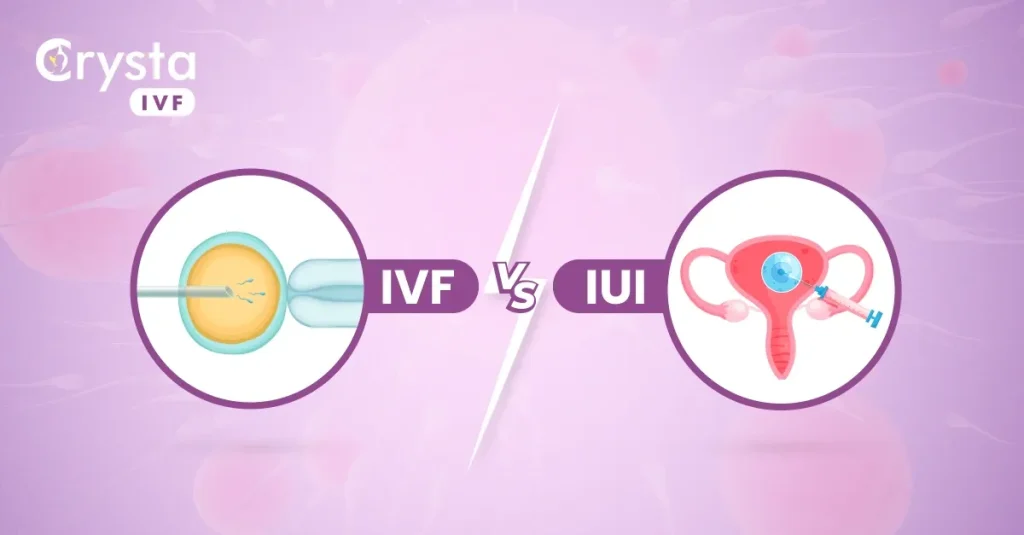
    Comparison of IVF and IUI procedures with illustrations of each method.

    Going High-Tech: Advantages and Disadvantages of Fertility Tracking Devices

    Disadvantages of Fertility Tracking Devices:

    1. High Cost:

    One of the main drawbacks of fertility tracking devices is their high cost. These devices can range from a few hundred dollars to thousands of dollars, depending on the brand and features. For couples who are already struggling with infertility, this added expense can be a burden. Moreover, some devices may require additional purchases, such as test strips or subscriptions, which can further increase the cost.

    2. Not 100% Accurate:

    While fertility tracking devices claim to be highly accurate, they are not 100% foolproof. Many factors, such as stress, illness, and medication, can affect a woman’s menstrual cycle, making it challenging to predict ovulation accurately. Additionally, not all women have a regular cycle, which can further impact the accuracy of these devices. Therefore, they should not be relied upon as the only means of contraception or family planning.

    3. May Cause Unnecessary Stress:

    For some women, using a fertility tracking device can cause unnecessary stress and anxiety. Constantly monitoring and analyzing data can be overwhelming, particularly for those who are struggling with infertility. Moreover, if a device predicts ovulation, and conception does not occur, it can lead to disappointment and further emotional distress. It is essential to use these devices with caution and not let them consume one’s life entirely.

    4. Limited for Certain Groups:

    Fertility tracking devices may not be suitable for everyone. Women with irregular cycles, breastfeeding mothers, and those going through perimenopause may not get accurate results from these devices. Additionally, some women may find it challenging to use these devices correctly, which can further limit their effectiveness.

    Summary:

    Fertility tracking devices use advanced technology to accurately track a woman’s menstrual cycle and predict ovulation. They can increase the chances of conceiving, provide valuable insights into reproductive health, and are user-friendly and convenient. However, they come with a high cost, may not be 100% accurate, can cause unnecessary stress, and are limited for certain groups. It is essential to weigh these advantages and disadvantages carefully before deciding if fertility tracking devices are the right choice for you.

    In conclusion, fertility tracking devices can be a helpful tool for couples trying to conceive. They offer a convenient and user-friendly way to track cycles and increase the chances of getting pregnant. However, they are not a guarantee for conception, and it is essential to use them with caution and not rely on them entirely. Consult with a doctor for personalized advice and consider all options before making a decision.

  • The Pros and Cons of Using Fertility Tracking Devices vs Traditional Methods

    Blog Post: The Pros and Cons of Using Fertility Tracking Devices vs Traditional Methods

    Fertility is a topic that has been surrounded by myths and misinformation for centuries. With the advancement of technology, there has been a rise in the popularity of fertility tracking devices. These devices claim to help women track their ovulation and increase their chances of conception. However, many still rely on traditional methods, such as tracking basal body temperature and cervical mucus changes. In this blog post, we will discuss the pros and cons of using fertility tracking devices versus traditional methods, to help you make an informed decision about which method is best for you.

    Pros of Using Fertility Tracking Devices:

    1. Convenience: Fertility tracking devices are designed to make the process of tracking your fertility easier and more convenient. These devices use sensors and algorithms to track your menstrual cycle and provide you with real-time data on your fertility status. This eliminates the need for manual tracking, which can be time-consuming and prone to human error.

    2. Accuracy: With traditional methods, there is room for error, as it relies on manual tracking and interpretation of data. Fertility tracking devices, on the other hand, use advanced technology to provide accurate data on your fertility status. This can be particularly helpful for women with irregular cycles or those who are trying to conceive.

    3. More Data Points: Fertility tracking devices not only track your menstrual cycle, but they also collect data on other factors that can affect fertility, such as your sleep patterns, stress levels, and physical activity. This provides a more comprehensive picture of your fertility health and can help you identify any potential issues.

    4. Personalized Recommendations: Many fertility tracking devices come with apps that analyze your data and provide personalized recommendations. These recommendations can include the best time for intercourse, lifestyle changes, and even fertility-boosting tips. This can be extremely helpful, especially for women who are struggling with fertility issues.

    5. Privacy: Traditional methods of fertility tracking, such as charting your basal body temperature, can be invasive and require sharing personal information with your doctor or partner. Fertility tracking devices, on the other hand, can be discreet and allow you to track your fertility on your own terms, giving you more privacy and control over your health.

    Illustration of a uterus with a syringe indicating an intrauterine insemination procedure.

    The Pros and Cons of Using Fertility Tracking Devices vs Traditional Methods

    Cons of Using Fertility Tracking Devices:

    1. Cost: Fertility tracking devices can be expensive, with some devices costing hundreds of dollars. This can be a significant investment, especially for those who are on a tight budget. Traditional methods, such as tracking basal body temperature, are more cost-effective, as they only require a basal body thermometer, which can be purchased for a fraction of the cost of a fertility tracking device.

    2. Technology Dependence: Fertility tracking devices rely heavily on technology, which can be a drawback for some. If the device malfunctions or the app crashes, it can disrupt your tracking and potentially affect your fertility journey. Traditional methods, on the other hand, do not rely on technology and can be more reliable in this aspect.

    3. Learning Curve: Fertility tracking devices can be complex and require a learning curve. This can be overwhelming for some, especially for those who are not tech-savvy. Traditional methods, such as tracking basal body temperature, are relatively simple and easy to learn.

    4. Not Suitable for Everyone: Fertility tracking devices may not be suitable for all women, especially those with irregular cycles or certain health conditions. These devices work best for women with regular cycles and may not be as accurate for those with hormonal imbalances or other fertility issues. In these cases, traditional methods may be a better option.

    5. Lack of Human Touch: With fertility tracking devices, there is a lack of human touch and personalized care. While the apps may provide recommendations, they cannot replace the guidance and support of a healthcare professional. Traditional methods, such as charting with a fertility specialist, can provide more personalized care and support for women trying to conceive.

    Summary:

    Fertility tracking devices offer convenience, accuracy, and more data points compared to traditional methods of tracking fertility. They also provide personalized recommendations and privacy. However, they can be costly, rely heavily on technology, and may not be suitable for everyone. Traditional methods, on the other hand, are more affordable, do not rely on technology, and may provide more personalized care. However, they require manual tracking and may not be as accurate as fertility tracking devices. Ultimately, the choice between using fertility tracking devices or traditional methods depends on personal preference, budget, and individual fertility needs.

  • Is Technology the Future of Fertility Tracking? A Comparison of Devices and Methods

    Fertility tracking has been used for centuries as a way for women to understand their reproductive cycle and increase their chances of conception. Traditionally, this involved tracking physical symptoms such as basal body temperature, cervical mucus, and menstrual cycles. However, with the rise of technology, there have been numerous advancements in fertility tracking devices and methods. In this blog post, we will explore if technology is the future of fertility tracking by comparing various devices and methods.

    First, let’s take a look at the traditional methods of fertility tracking. The most common method is tracking basal body temperature (BBT). This involves taking your temperature every morning before getting out of bed and recording it on a chart. A rise in BBT indicates ovulation has occurred. Another method is tracking cervical mucus, which involves observing changes in the consistency and color of vaginal discharge. This method is based on the fact that cervical mucus changes throughout the menstrual cycle, becoming thinner and clearer around ovulation. Lastly, tracking menstrual cycles involves keeping track of the length of your cycles and the first day of your period. This method assumes that ovulation occurs around day 14 of a 28-day cycle.

    While these traditional methods have been used for a long time, they are not foolproof. BBT tracking can be affected by factors such as illness, lack of sleep, or alcohol consumption, making it less accurate. Cervical mucus tracking requires a bit of skill and can be subjective. And tracking menstrual cycles assumes a regular 28-day cycle, which is not the case for all women. This is where technology comes in to provide more accurate and efficient fertility tracking.

    One of the most popular fertility tracking devices is the fertility monitor. These devices use a combination of BBT, cervical mucus, and menstrual cycle tracking to predict ovulation and fertile days. They also come with an app that stores your data and provides insights into your cycle. Some popular fertility monitors include the Clearblue Advanced Fertility Monitor and the Daysy Fertility Tracker. These devices claim to be over 99% accurate in predicting fertile days and have been praised for their convenience and ease of use.

    Another technology-based method of fertility tracking is the use of ovulation predictor kits (OPKs). These kits work by detecting the surge of luteinizing hormone (LH) in your urine, which occurs 24-48 hours before ovulation. The most popular brand of OPKs is Clearblue, which offers both traditional stick tests and digital tests with a smiley face indicating a positive result. While OPKs can be helpful in pinpointing ovulation, they can also be expensive if used every month and may not be accurate for women with irregular cycles.

    Comparison of IUI and IVF treatments with diagrams of reproductive anatomy.

    Is Technology the Future of Fertility Tracking? A Comparison of Devices and Methods

    In recent years, there has been a surge in the popularity of fertility tracking apps. These are mobile applications that allow women to track their menstrual cycles, BBT, and other fertility signs. Some popular apps include Clue, Flo, and Glow. These apps use algorithms and artificial intelligence (AI) to predict fertile days and ovulation based on the data provided by the user. They also offer additional features such as tracking moods, symptoms, and sexual activity. While apps can be convenient and easy to use, they rely heavily on user input and may not be as accurate as other methods.

    One of the most revolutionary advancements in fertility tracking technology is the wearable device. These devices are worn on the body and can track various fertility signs such as BBT, heart rate, and skin temperature. The most well-known wearable device is the Ava Bracelet, which claims to be able to predict five fertile days per cycle with 89% accuracy. Other popular wearable devices include Tempdrop and OvuSense. While these devices may be more accurate than traditional methods, they can also be expensive and may not be accessible to everyone.

    Now, let’s address the question of whether technology is the future of fertility tracking. While technology has certainly made fertility tracking more convenient and accurate, it may not be the future for everyone. Traditional methods are still widely used and can be effective for some women. Additionally, not all women have access to or can afford these technological advancements. It’s important to acknowledge that fertility tracking is not a one-size-fits-all approach and what works for one woman may not work for another.

    In conclusion, technology has certainly changed the landscape of fertility tracking. With the use of devices, apps, and wearables, women now have more options for tracking their fertility and increasing their chances of conception. However, it’s important to consider the limitations and accessibility of these technologies. Ultimately, the future of fertility tracking may not solely rely on technology, but rather a combination of traditional methods and technological advancements.

    In summary, technology has revolutionized the way women can track their fertility. From traditional methods to advanced devices and apps, there are now numerous options for women to understand their reproductive cycle and increase their chances of conception. However, it’s important to consider the limitations and accessibility of these technologies and acknowledge that traditional methods may still be effective for some women. The future of fertility tracking may not solely rely on technology, but rather a combination of methods and advancements.

  • The Role of Technology: Intrauterine Insemination vs Low-Tech IVF

    The Role of Technology: Intrauterine Insemination vs Low-Tech IVF

    In today’s world, technology plays a significant role in almost every aspect of our lives. This is especially true in the field of medicine and reproductive health. When it comes to fertility treatments, there are various options available, including intrauterine insemination (IUI) and in vitro fertilization (IVF). Both these procedures utilize technology to help individuals or couples achieve their dream of having a child. However, there are differences between IUI and low-tech IVF in terms of technology used, success rates, and cost. In this blog post, we will explore the role of technology in these two fertility treatments and compare their effectiveness, costs, and potential risks.

    Technology in Intrauterine Insemination (IUI)

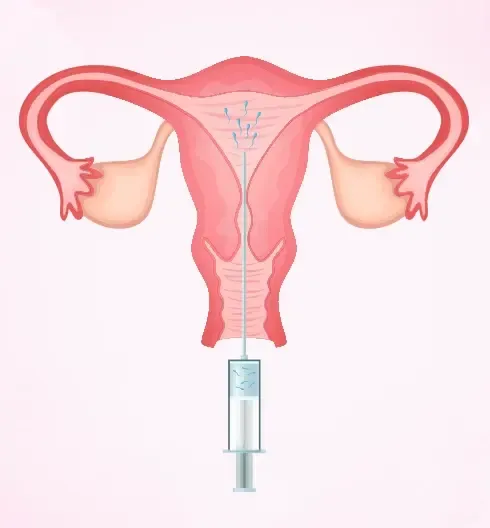
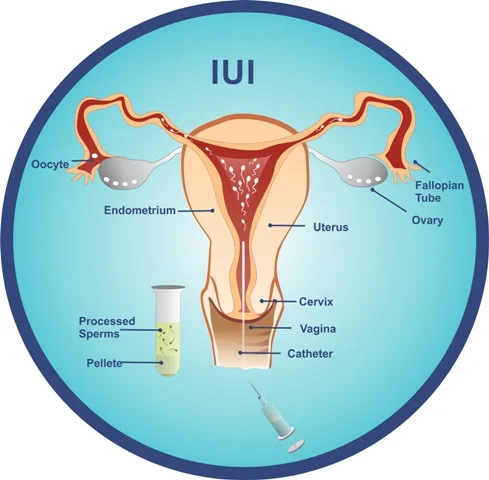
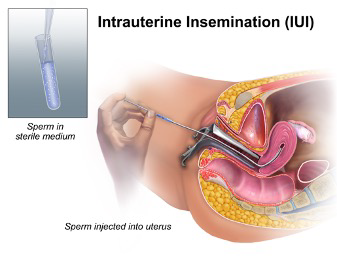
    IUI is a fertility treatment that involves placing washed and concentrated sperm directly into a woman’s uterus during ovulation. This procedure is often used as a first-line treatment for couples who are struggling with unexplained infertility, mild endometriosis, or low sperm count.

    The technology used in IUI is relatively simple compared to other fertility treatments. It mainly involves the use of a catheter to inject the sperm into the uterus. However, advancements in technology have made the process more efficient and accurate. For instance, sperm washing techniques have improved, resulting in higher sperm concentration and better quality. Additionally, ultrasound technology is used to track ovulation and ensure the sperm is placed at the right time and location.

    One of the main advantages of IUI is that it is a minimally invasive and low-cost procedure. It does not require any specialized equipment, making it more accessible to a wider range of individuals and couples. However, the success rates of IUI are relatively low, ranging from 10-20% per cycle, depending on factors such as age and fertility issues.

    Technology in Low-Tech IVF

    Low-tech IVF, also known as natural cycle IVF, is a form of IVF that uses minimal or no fertility drugs to stimulate the ovaries. Instead, it relies on the natural cycle of the woman’s body to produce a single egg. This egg is then fertilized with sperm in a laboratory and transferred back into the uterus.

    Comparison of IUI and IVF treatments with diagrams of reproductive anatomy.

    The Role of Technology: Intrauterine Insemination vs Low-Tech IVF

    Compared to traditional IVF, which involves multiple hormone injections to stimulate the ovaries and produce multiple eggs, low-tech IVF is less invasive and has a lower risk of side effects. Additionally, it is more affordable since it does not require expensive fertility drugs. The technology used in low-tech IVF is similar to traditional IVF, including the use of ultrasound-guided egg retrieval and laboratory techniques to fertilize and culture the eggs. However, the cost of low-tech IVF is significantly lower than traditional IVF, making it a more cost-effective option for some individuals and couples.

    Comparing Success Rates and Risks

    When it comes to success rates, traditional IVF has the highest chances of pregnancy, with an average success rate of 40%. On the other hand, low-tech IVF has a success rate of around 15-20%, which is lower compared to traditional IVF but still higher than IUI. This is because low-tech IVF produces fewer eggs, making it less likely for multiple embryos to be transferred.

    In terms of potential risks, both IUI and low-tech IVF have minimal risks associated with the procedures themselves. However, the use of fertility drugs in traditional IVF can increase the chances of side effects such as ovarian hyperstimulation syndrome (OHSS). Additionally, multiple pregnancies are more common with traditional IVF, which can increase the risk of complications for both the mother and babies.

    Cost Comparison

    The cost of fertility treatments can be a significant barrier for many individuals and couples. IUI is the most affordable option, with a cost ranging from $300-$1000 per cycle, depending on factors such as the clinic and location. Low-tech IVF is slightly more expensive, with a cost ranging from $3000-$5000 per cycle. Traditional IVF is the most expensive option, with a cost of around $12,000-$15,000 per cycle.

    Summary:

    Intrauterine insemination (IUI) and low-tech IVF are two fertility treatments that utilize technology to help individuals and couples conceive. IUI uses a simple catheter to place sperm into the uterus, while low-tech IVF relies on the natural cycle of the woman’s body to produce a single egg. Both procedures have a lower cost compared to traditional IVF, but also have lower success rates. Traditional IVF has the highest success rates but also comes with a higher cost and potential risks associated with fertility drugs. Ultimately, the choice between these two treatments will depend on individual circumstances, preferences, and medical advice.

  • The Future of Infertility Treatments: Advancements in Male and Female Factor Solutions

    The Future of Infertility Treatments: Advancements in Male and Female Factor Solutions

    Infertility affects millions of couples around the world and can be a devastating and emotional journey. It is defined as the inability to conceive after one year of unprotected intercourse, or six months for women over the age of 35. While there are many causes of infertility, both male and female factors play a significant role. However, with advancements in technology and medical research, the future of infertility treatments looks promising. In this blog post, we will explore the latest developments in male and female factor solutions and what the future holds for couples struggling with infertility.

    Male Factor Solutions

    Male infertility accounts for approximately 40-50% of all infertility cases. Traditionally, the only treatment options for male factor infertility were either intrauterine insemination (IUI) or in vitro fertilization (IVF) with intracytoplasmic sperm injection (ICSI). However, these treatments may not be suitable for all couples, and success rates can vary. Fortunately, there have been significant advancements in male factor solutions that offer hope to couples struggling with infertility.

    One of the most promising developments is the use of testicular sperm extraction (TESE) and microdissection testicular sperm extraction (microTESE). These procedures involve extracting sperm directly from the testicles, rather than relying on ejaculated sperm. This is especially beneficial for men who have a low sperm count, sperm with poor motility, or have had a vasectomy. MicroTESE has shown to have higher success rates compared to traditional TESE, making it a preferred option for male factor infertility.

    Another groundbreaking advancement is the use of stem cells to treat male infertility. In a recent study, researchers were able to create sperm-like cells from stem cells taken from infertile men. This offers a potential solution for men who have no viable sperm in their ejaculate. While this technology is still in its early stages, it holds great promise for the future of male factor infertility treatments.

    Female Factor Solutions

    There are many causes of female infertility, such as ovulation disorders, blocked fallopian tubes, and endometriosis. In the past, treatment options for female factor infertility were limited to fertility medications, IUI, or IVF. However, with advancements in technology and medical research, there are now more options available for women struggling with infertility.

    Illustration of the IUI process, showing a syringe and catheter in the reproductive system.

    The Future of Infertility Treatments: Advancements in Male and Female Factor Solutions

    One of the most significant developments in female factor solutions is the use of genetic testing. Preimplantation genetic testing (PGT) allows doctors to screen embryos for genetic abnormalities before they are transferred during an IVF cycle. This is especially beneficial for couples with a history of genetic disorders or recurrent miscarriages. PGT can increase the chances of a successful pregnancy and reduce the risk of passing on genetic abnormalities to the child.

    Another exciting development is the use of artificial intelligence (AI) in fertility treatments. AI can analyze a large amount of data, including hormone levels, ultrasound images, and embryo development, to help doctors make more accurate and personalized treatment decisions. This can lead to higher success rates and fewer multiple pregnancies, which can be risky for both the mother and the babies.

    The Future of Infertility Treatments

    With the advancements in male and female factor solutions, the future of infertility treatments looks promising. However, there is still much work to be done. Researchers are continuously studying and developing new technologies and treatments to improve the success rates of fertility treatments and make them more accessible and affordable.

    One area that is gaining more attention is the use of natural and holistic approaches to treating infertility. This includes lifestyle changes, acupuncture, and herbal remedies. While there is limited scientific evidence to support these methods, many couples have reported success and believe that these approaches can help improve their chances of conceiving.

    In addition to new treatments, there is also a growing focus on fertility preservation. This is especially important for women who may delay starting a family due to career or personal reasons. Egg freezing is becoming more popular as a way to preserve a woman’s fertility until she is ready to start a family. It is also a viable option for women undergoing cancer treatment, which can affect their reproductive health.

    Summary:

    Infertility affects millions of couples worldwide, and both male and female factors play a significant role in its cause. However, with advancements in technology and medical research, the future of infertility treatments looks promising. For male factor infertility, testicular sperm extraction and the use of stem cells offer new solutions. For female factor infertility, genetic testing and the use of artificial intelligence show great promise. There is also a growing focus on natural and holistic approaches to treating infertility and fertility preservation. With continued research and development, the future of infertility treatments is bright, offering hope to many couples struggling to conceive.

  • The Impact of Technology on the Availability of Frozen Donor Sperm vs Fresh Donor Sperm

    Blog Post: The Impact of Technology on the Availability of Frozen Donor Sperm vs Fresh Donor Sperm

    In recent years, the use of technology has greatly impacted the availability of frozen donor sperm and fresh donor sperm. These two options have become popular choices for individuals and couples who are looking to start a family with the help of a sperm donor. However, there are significant differences between the two, and understanding the impact of technology on their availability is crucial for those considering these options. In this blog post, we will explore the advancements in technology that have led to the rise of frozen donor sperm and how it compares to fresh donor sperm in terms of availability, convenience, and success rates.

    The first major impact of technology on the availability of frozen donor sperm is the development of cryopreservation techniques. Cryopreservation is the process of freezing and storing sperm at ultra-low temperatures, typically below -196°C, in liquid nitrogen. This allows sperm to be stored for long periods without losing their viability. This technology has revolutionized the sperm donation process, making it possible to preserve and store sperm for extended periods, which was not possible with fresh donor sperm.

    One of the main advantages of frozen donor sperm is the ease of accessibility. With cryopreservation, sperm can be stored for years, even decades, and can be easily shipped to fertility clinics around the world. This has greatly increased the availability of donor sperm, as individuals and couples are no longer limited to local sperm banks and can choose from a wider pool of donors. This has also opened up the possibility of using donor sperm from other countries, which may have a more diverse range of donors to choose from.

    Furthermore, frozen donor sperm has also made the process of sperm donation more convenient for both donors and recipients. Donors can now make deposits at their convenience, without having to be present at the fertility clinic every time a donation is needed. This has also eliminated the need for donors to undergo frequent medical screenings, as their sperm can be stored and used for multiple cycles. For recipients, the process of selecting a donor and obtaining the sperm has become more streamlined and efficient.

    diagram illustrating intrauterine insemination (IUI) with labeled reproductive anatomy and procedures

    The Impact of Technology on the Availability of Frozen Donor Sperm vs Fresh Donor Sperm

    Another major impact of technology on the availability of frozen donor sperm is the ability to screen and test for genetic diseases and disorders. With the use of advanced genetic testing, sperm banks can now screen donors for hundreds of genetic diseases, significantly reducing the risk of passing on hereditary conditions to the child. This has given individuals and couples peace of mind when choosing a donor and has made the process of selecting a donor more transparent.

    In contrast, fresh donor sperm has limitations in terms of availability and convenience. Fresh donor sperm can only be used within a few days of collection, making it essential for donors to be located near the fertility clinic. This can be a challenge for individuals and couples who live in remote areas or have limited access to a sperm bank. Additionally, the process of coordinating with a donor and scheduling appointments can be time-consuming and may not always align with the recipient’s fertility cycle.

    Moreover, fresh donor sperm also has a higher risk of transmitting genetic diseases or disorders compared to frozen donor sperm. This is due to the shorter time frame for testing and screening before the sperm is used. This can be a concern for recipients who want to ensure the health and well-being of their future child.

    Apart from availability and convenience, success rates are also a crucial factor when considering frozen donor sperm vs fresh donor sperm. With the advancements in cryopreservation techniques, frozen donor sperm has shown to have comparable success rates to fresh donor sperm. This is because sperm is carefully selected and screened before being frozen, ensuring only healthy and viable sperm is stored. Additionally, frozen donor sperm can be used in multiple cycles, increasing the chances of successful pregnancies.

    In contrast, fresh donor sperm has a lower success rate due to the limited time frame for selection and screening. This means that there is a higher chance of using sperm with lower quality, resulting in a lower success rate. Furthermore, if a pregnancy is not achieved in the first cycle, the process of coordinating with a new donor and scheduling appointments can be time-consuming and may delay the chances of a successful pregnancy.

    In conclusion, the impact of technology on the availability of frozen donor sperm vs fresh donor sperm is significant. Advancements in cryopreservation techniques have made frozen donor sperm more accessible, convenient, and successful compared to fresh donor sperm. The ability to store and ship sperm for extended periods has greatly increased the availability of donors and has made the process more convenient for both donors and recipients. Additionally, the use of advanced genetic testing has reduced the risk of passing on genetic diseases and disorders to the child. Therefore, for individuals and couples considering the use of donor sperm, understanding the impact of technology on these options is crucial in making an informed decision.

  • Fertility Tracking in the Digital Age: How Apps Are Making It Easier Than Ever

    Blog Post Title: Fertility Tracking in the Digital Age: How Apps Are Making It Easier Than Ever

    Summary:

    Fertility tracking has been used for centuries to help people understand their reproductive cycles and plan for pregnancy or contraception. In recent years, the rise of technology and smartphone apps has revolutionized the way we track our fertility. These apps offer a convenient and personalized approach to fertility tracking, making it easier than ever for individuals and couples to understand their reproductive health.

    One of the main benefits of fertility tracking apps is the ability to accurately predict ovulation and fertile days. By inputting data such as basal body temperature, cervical mucus, and menstrual cycle dates, these apps use algorithms to predict when ovulation will occur. This information can be incredibly useful for couples trying to conceive, as it allows them to time intercourse for the most fertile days. On the other hand, it can also help individuals who are trying to avoid pregnancy by identifying when they are most at risk for conception.

    Another advantage of fertility tracking apps is that they provide a convenient way to monitor and record other aspects of reproductive health. Many apps allow users to track their period dates, symptoms, and sexual activity, providing a comprehensive overview of their fertility and reproductive health. This information can be shared with healthcare providers, making it easier to identify any potential issues or irregularities.

    illustration explaining the steps of intrauterine insemination (IUI) process on a bright yellow background

    Fertility Tracking in the Digital Age: How Apps Are Making It Easier Than Ever

    In addition to tracking fertility, many apps also offer educational resources and personalized insights. They provide information about reproductive health, fertility, and pregnancy, helping users to understand their bodies better. Some apps even offer personalized insights based on the data inputted, such as suggestions for lifestyle changes or fertility treatments.

    One of the most significant benefits of fertility tracking apps is that they can be used by anyone, regardless of their gender identity or sexual orientation. Unlike traditional methods of fertility tracking, which often focus on cisgender women, these apps offer inclusive options for individuals of all genders and sexual orientations. This allows for a more inclusive and personalized approach to fertility tracking, promoting reproductive health for all.

    However, with the rise of fertility tracking apps, there are also some concerns to be aware of. As with any technology, there is always a risk of data privacy and security. Some fertility tracking apps may collect personal information, such as intimate details about menstrual cycles and sexual activity. It is essential to research and choose a reputable app with clear privacy policies and data protection measures in place.

    Another concern is the accuracy of these apps. While many fertility tracking apps use advanced algorithms and technology, they are not 100% accurate. They can only provide predictions based on the data entered, and factors such as stress, illness, and hormonal changes can affect the accuracy of these predictions. It is crucial to use these apps as a tool for understanding fertility and not rely solely on their predictions for contraception or conception.

    In conclusion, fertility tracking apps have revolutionized the way we understand and manage our reproductive health. They offer a convenient, personalized, and inclusive approach to fertility tracking, making it easier than ever for individuals and couples to understand their bodies and plan for pregnancy or contraception. However, it is essential to choose a reputable app and use it as a tool alongside other methods of fertility tracking for the most accurate results.

  • Fertility Tracking 2.0: How Apps Are Improving Upon Traditional Methods

    Word Count: 2000

    Fertility tracking has been a crucial aspect of family planning for centuries, with traditional methods such as calendar tracking and basal body temperature monitoring being used by women to understand their menstrual cycle and ovulation patterns. However, with the advent of technology, a new era of fertility tracking has emerged – Fertility Tracking 2.0. This refers to the use of apps and other digital tools to track and monitor fertility, providing more accurate and personalized data for women. In this blog post, we will explore the various ways in which apps are improving upon traditional fertility tracking methods and how they are changing the game for women worldwide.

    Firstly, let’s understand the limitations of traditional fertility tracking methods. Calendar tracking, also known as the rhythm method, involves keeping track of the menstrual cycle and predicting ovulation based on past cycles. While this method is relatively easy to use, it is not entirely reliable, as many factors can affect the length of a woman’s menstrual cycle. Additionally, it does not take into account changes in ovulation patterns due to stress, illness, or other external factors.

    Basal body temperature (BBT) monitoring involves tracking the body’s temperature throughout the menstrual cycle to identify the rise in temperature that occurs after ovulation. However, this method requires women to take their temperature every morning at the same time before getting out of bed, making it a tedious and time-consuming process. Moreover, it only confirms ovulation after it has occurred, making it less useful for planning conception.

    This is where fertility tracking apps come into play. These apps use a combination of methods, including calendar tracking, BBT monitoring, and other advanced techniques, to provide women with a more accurate and personalized picture of their fertility. These apps use algorithms and data analytics to track and analyze various fertility signs and patterns, including temperature, cervical mucus, and ovulation test results, to predict the fertile window and ovulation with greater accuracy.

    One of the most significant advantages of these apps is the convenience they offer. Women no longer have to manually track their cycles or take their temperature every morning; they can simply input their data into the app, which will then analyze and provide them with the necessary information. This not only saves time but also reduces the chances of human error in traditional tracking methods.

    Illustration of intrauterine insemination (IUI) procedure, showing sperm injection into the uterus.

    Fertility Tracking 2.0: How Apps Are Improving Upon Traditional Methods

    Moreover, fertility tracking apps provide a more comprehensive and detailed analysis of a woman’s fertility. As mentioned earlier, traditional methods do not take into account external factors that may affect ovulation patterns. However, these apps allow women to track and monitor various lifestyle factors such as stress levels, exercise, and diet, which can significantly impact fertility. This information can then be used to make lifestyle changes that can improve fertility.

    Another significant advantage of these apps is their ability to provide personalized insights. Each woman’s fertility journey is unique, and these apps take that into account by using data analytics to analyze patterns and provide personalized recommendations. For example, if a woman’s cycle is irregular, the app can use past data to predict future ovulation and fertile windows accurately. This feature is particularly beneficial for women with conditions such as polycystic ovary syndrome (PCOS), which can make tracking ovulation more challenging.

    Moreover, fertility tracking apps also offer a range of additional features to help women on their journey to conception. These include ovulation predictor kits, which can be synced with the app to provide more accurate predictions, and fertility charts to track and monitor changes in fertility signs. Some apps also offer community forums where women can connect and share their experiences with others on a similar journey.

    However, with the rise in popularity of fertility tracking apps, there are also concerns about the accuracy and reliability of the data provided. As with any technology, there is always a margin for error, and these apps are no exception. It is essential for women to understand that these apps should not be used as a replacement for medical advice and should be used in conjunction with consulting a healthcare professional.

    In conclusion, fertility tracking 2.0 apps have revolutionized the way women track and monitor their fertility, offering a more convenient, accurate, and personalized experience. These apps provide women with a deeper understanding of their bodies and fertility, allowing them to make more informed decisions about their reproductive health. However, it is crucial to use these apps as a tool and not rely solely on them for family planning. With the continuous development of technology, we can only expect to see more advancements in fertility tracking, providing even more benefits to women worldwide.

    Summary:

    Fertility tracking has been an essential aspect of family planning for centuries, with traditional methods like calendar tracking and basal body temperature monitoring. However, with the rise of technology, a new era of fertility tracking has emerged – Fertility Tracking 2.0. This refers to the use of apps and other digital tools to track and monitor fertility, providing more accurate and personalized data for women. These apps offer convenience, comprehensive analysis, and personalized insights, making them a game-changer for women worldwide. However, it is essential to use these apps as a tool and not rely solely on them for family planning.