Blog Post: The Pros and Cons of Using Fertility Tracking Devices vs Traditional Methods
Fertility is a topic that has been surrounded by myths and misinformation for centuries. With the advancement of technology, there has been a rise in the popularity of fertility tracking devices. These devices claim to help women track their ovulation and increase their chances of conception. However, many still rely on traditional methods, such as tracking basal body temperature and cervical mucus changes. In this blog post, we will discuss the pros and cons of using fertility tracking devices versus traditional methods, to help you make an informed decision about which method is best for you.
Pros of Using Fertility Tracking Devices:
1. Convenience: Fertility tracking devices are designed to make the process of tracking your fertility easier and more convenient. These devices use sensors and algorithms to track your menstrual cycle and provide you with real-time data on your fertility status. This eliminates the need for manual tracking, which can be time-consuming and prone to human error.
2. Accuracy: With traditional methods, there is room for error, as it relies on manual tracking and interpretation of data. Fertility tracking devices, on the other hand, use advanced technology to provide accurate data on your fertility status. This can be particularly helpful for women with irregular cycles or those who are trying to conceive.
3. More Data Points: Fertility tracking devices not only track your menstrual cycle, but they also collect data on other factors that can affect fertility, such as your sleep patterns, stress levels, and physical activity. This provides a more comprehensive picture of your fertility health and can help you identify any potential issues.
4. Personalized Recommendations: Many fertility tracking devices come with apps that analyze your data and provide personalized recommendations. These recommendations can include the best time for intercourse, lifestyle changes, and even fertility-boosting tips. This can be extremely helpful, especially for women who are struggling with fertility issues.
5. Privacy: Traditional methods of fertility tracking, such as charting your basal body temperature, can be invasive and require sharing personal information with your doctor or partner. Fertility tracking devices, on the other hand, can be discreet and allow you to track your fertility on your own terms, giving you more privacy and control over your health.
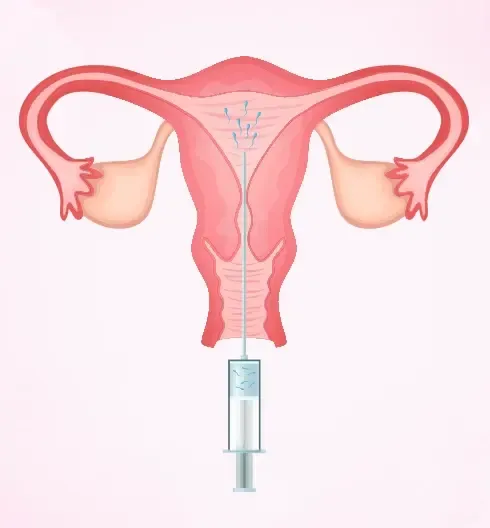
The Pros and Cons of Using Fertility Tracking Devices vs Traditional Methods
Cons of Using Fertility Tracking Devices:
1. Cost: Fertility tracking devices can be expensive, with some devices costing hundreds of dollars. This can be a significant investment, especially for those who are on a tight budget. Traditional methods, such as tracking basal body temperature, are more cost-effective, as they only require a basal body thermometer, which can be purchased for a fraction of the cost of a fertility tracking device.
2. Technology Dependence: Fertility tracking devices rely heavily on technology, which can be a drawback for some. If the device malfunctions or the app crashes, it can disrupt your tracking and potentially affect your fertility journey. Traditional methods, on the other hand, do not rely on technology and can be more reliable in this aspect.
3. Learning Curve: Fertility tracking devices can be complex and require a learning curve. This can be overwhelming for some, especially for those who are not tech-savvy. Traditional methods, such as tracking basal body temperature, are relatively simple and easy to learn.
4. Not Suitable for Everyone: Fertility tracking devices may not be suitable for all women, especially those with irregular cycles or certain health conditions. These devices work best for women with regular cycles and may not be as accurate for those with hormonal imbalances or other fertility issues. In these cases, traditional methods may be a better option.
5. Lack of Human Touch: With fertility tracking devices, there is a lack of human touch and personalized care. While the apps may provide recommendations, they cannot replace the guidance and support of a healthcare professional. Traditional methods, such as charting with a fertility specialist, can provide more personalized care and support for women trying to conceive.
Summary:
Fertility tracking devices offer convenience, accuracy, and more data points compared to traditional methods of tracking fertility. They also provide personalized recommendations and privacy. However, they can be costly, rely heavily on technology, and may not be suitable for everyone. Traditional methods, on the other hand, are more affordable, do not rely on technology, and may provide more personalized care. However, they require manual tracking and may not be as accurate as fertility tracking devices. Ultimately, the choice between using fertility tracking devices or traditional methods depends on personal preference, budget, and individual fertility needs.