Tag: Intrauterine Insemination

  • Preparing for Parenthood: Intrauterine Insemination vs Low-Tech IVF

    Preparing for Parenthood: Intrauterine Insemination vs Low-Tech IVF

    Parenthood is a dream for many individuals or couples, but it may not always come easily. For those struggling with infertility, there are various fertility treatment options available. Two common methods are intrauterine insemination (IUI) and low-tech in vitro fertilization (IVF). Both of these procedures are designed to help individuals or couples conceive a child, but they differ in their processes and success rates. In this blog post, we will discuss the differences between IUI and low-tech IVF, as well as the preparations and considerations for each.

    What is Intrauterine Insemination?

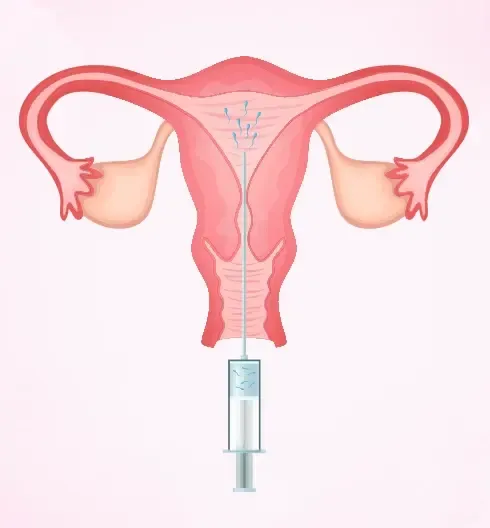
    Intrauterine insemination, also known as artificial insemination, is a fertility treatment that involves placing sperm directly into a woman’s uterus during ovulation. The goal of IUI is to increase the chances of fertilization by bringing the sperm closer to the egg, thus reducing the distance and obstacles the sperm must travel. This procedure is typically recommended for couples with unexplained infertility, mild male factor infertility, or cervical issues.

    Preparing for IUI

    Before undergoing IUI, there are a few preparations that need to be made. Firstly, the woman will be prescribed fertility drugs to stimulate the ovaries and increase the number of eggs produced. These drugs may have some side effects such as bloating, mood swings, or headaches. It is essential to discuss any concerns with your doctor and follow the medication instructions carefully.

    The male partner will also need to provide a semen sample on the day of the procedure. The sample will then be washed and prepared in a laboratory to separate the healthy and active sperm from the semen. This process helps to increase the chances of fertilization.

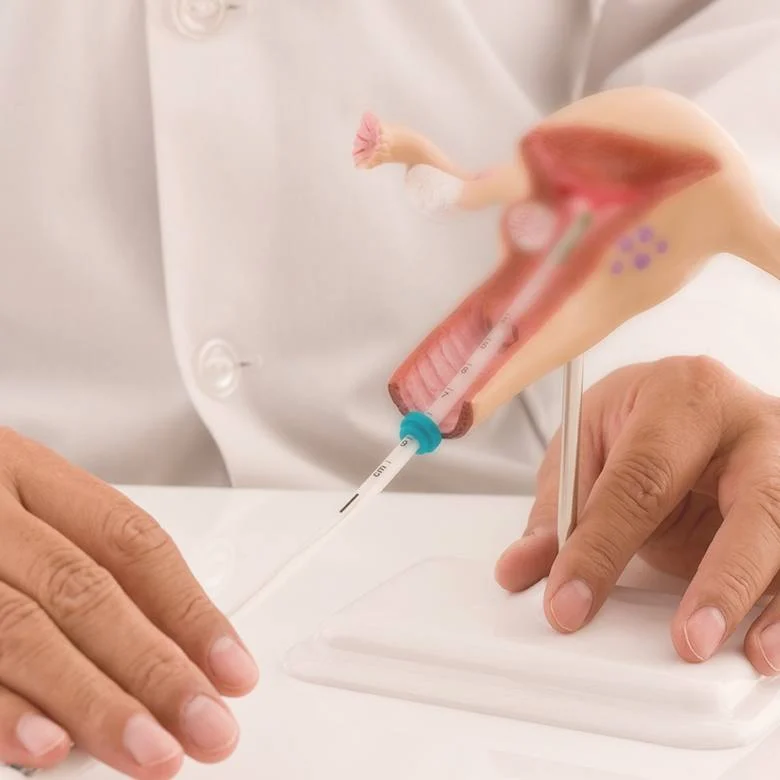
    During the IUI procedure, a thin catheter will be inserted into the woman’s cervix, and the prepared sperm will be injected into the uterus. The procedure is quick and usually painless, with minimal discomfort or side effects. After the procedure, the woman will be asked to rest for a short while before resuming her daily activities.

    Success Rates of IUI

    The success rates of IUI can vary depending on several factors, such as age, underlying fertility issues, and the number of cycles attempted. On average, the success rate for IUI is around 10-20% per cycle. This percentage may increase with multiple cycles or if combined with fertility drugs.

    Illustration of the IUI process, showing a syringe and catheter in the reproductive system.

    Preparing for Parenthood: Intrauterine Insemination vs Low-Tech IVF

    What is Low-Tech IVF?

    Low-tech IVF, also known as natural cycle IVF, is a type of IVF that does not use fertility drugs to stimulate the ovaries. Instead, it relies on the natural ovulation process of the woman. This method is typically recommended for women who do not respond well to fertility drugs or those who want to avoid the potential side effects.

    Preparing for Low-Tech IVF

    The preparation for low-tech IVF is similar to that of traditional IVF, with a few differences. As there are no fertility drugs involved, the woman’s natural ovulation cycle will be monitored closely through blood tests and ultrasounds. This monitoring will help determine the best time for the egg retrieval procedure.

    The egg retrieval procedure for low-tech IVF is the same as traditional IVF. A needle is inserted into the ovaries to collect the mature eggs. The eggs are then fertilized with the sperm in a laboratory, and the resulting embryos are transferred into the woman’s uterus a few days later.

    Success Rates of Low-Tech IVF

    The success rates of low-tech IVF are similar to those of traditional IVF. On average, the success rate is around 30-40% per cycle, but this can vary depending on factors such as age and fertility issues. Low-tech IVF may be a better option for some couples as it is less invasive and has a lower risk of multiple pregnancies.

    Which Option is Best?

    Deciding between IUI and low-tech IVF can be challenging, and it is best to discuss your options with a fertility specialist. In general, IUI is recommended for couples with mild fertility issues, while low-tech IVF may be a better option for those with more severe infertility. It is also essential to consider the cost and potential side effects of each procedure.

    In conclusion, both IUI and low-tech IVF are viable options for couples struggling with infertility. Each method has its own unique process, preparation, and success rates. It is crucial to consult with a fertility specialist to determine the best option for you and your partner. With the advancements in reproductive technology, the dream of parenthood is becoming a reality for more and more couples every day.
  • The Role of Hormones: Intrauterine Insemination vs Low-Tech IVF

    Blog Post Title: The Role of Hormones: Intrauterine Insemination vs Low-Tech IVF

    Hormones play a significant role in a woman’s reproductive system, and when it comes to fertility treatments, they are crucial in achieving a successful pregnancy. Intrauterine insemination (IUI) and low-tech in vitro fertilization (IVF) are two commonly used fertility treatments that involve the use of hormones. While both procedures have the same goal of helping couples conceive, they differ in terms of hormone use and their approach. In this blog post, we will explore the role of hormones in these two fertility treatments and understand the differences between them.

    What are Hormones?

    Before diving into the specifics of IUI and low-tech IVF, it is essential to understand the role of hormones in the reproductive system. Hormones are chemical messengers that regulate various functions in the body. In women, hormones control the menstrual cycle and are responsible for ovulation, pregnancy, and childbirth. The primary hormones involved in fertility treatments are follicle-stimulating hormone (FSH), luteinizing hormone (LH), and human chorionic gonadotropin (hCG).

    Intrauterine Insemination (IUI)

    IUI is a fertility treatment that involves injecting washed and concentrated sperm directly into the uterus during ovulation. This procedure is often recommended for couples with unexplained infertility or mild male factor infertility. In IUI, the use of hormones is minimal, and the focus is on timing the insemination to coincide with ovulation.

    Hormonal Stimulation in IUI

    In some cases, ovulation may not occur naturally, and that is when hormonal stimulation comes into play. The woman is given a low dose of FSH to stimulate the ovaries to produce mature eggs. This process is closely monitored through ultrasounds and blood tests, and when the eggs are mature, an hCG injection is given to trigger ovulation. The timing of the hCG injection is critical, as the eggs need to be retrieved within 36 hours of the injection.

    The Role of Hormones in IUI

    The use of hormones in IUI is mainly to stimulate ovulation and ensure that the eggs are mature and ready for fertilization. The goal is to produce one or two good quality eggs, as too many eggs can lead to multiple pregnancies, which can be risky for both the mother and the babies. The use of hormones in IUI is minimal compared to other fertility treatments, making it a safer and more cost-effective option.

    Illustration of a uterus with a syringe indicating an intrauterine insemination procedure.

    The Role of Hormones: Intrauterine Insemination vs Low-Tech IVF

    Low-Tech In Vitro Fertilization (IVF)

    Low-tech IVF is a simplified version of traditional IVF, where the woman’s natural cycle is used, and minimal medications are given. In this procedure, the woman’s eggs are retrieved and fertilized with sperm in a laboratory, and the resulting embryos are transferred back into the uterus. Low-tech IVF is often recommended for couples with unexplained infertility or mild fertility issues.

    Hormonal Stimulation in Low-Tech IVF

    Unlike traditional IVF, where high doses of hormones are given to stimulate the ovaries and produce multiple eggs, low-tech IVF focuses on natural ovulation. The woman is given a low dose of FSH to help mature one or two eggs, and an hCG injection is given to trigger ovulation. The eggs are retrieved within 36 hours, and the fertilization process is the same as traditional IVF.

    The Role of Hormones in Low-Tech IVF

    Hormones play a more significant role in low-tech IVF compared to IUI. The use of FSH helps to produce a few mature eggs, while the hCG injection is crucial in triggering ovulation. The goal of low-tech IVF is to produce a small number of good quality embryos, which are then transferred back into the uterus. The use of minimal hormones makes it a safer option than traditional IVF and reduces the risk of multiple pregnancies.

    The Differences between IUI and Low-Tech IVF

    The main difference between IUI and low-tech IVF is the level of hormone use. IUI focuses on timing the insemination to coincide with ovulation, while low-tech IVF involves retrieving eggs and fertilizing them in a laboratory. Another significant difference is the cost, as IUI is a more affordable option compared to low-tech IVF. Additionally, IUI is less invasive and has a lower risk of multiple pregnancies compared to low-tech IVF.

    Summary

    In summary, hormones play a crucial role in both intrauterine insemination and low-tech IVF. In IUI, hormones are primarily used to stimulate ovulation, while low-tech IVF involves more hormonal stimulation to produce a small number of good quality eggs. Both procedures have their advantages and are suitable for couples with different fertility issues. It is essential to consult with a fertility specialist to determine the best treatment option for your specific case.

  • The Impact of Age on Fertility Treatments: Intrauterine Insemination vs Low-Tech IVF

    Blog Post: The Impact of Age on Fertility Treatments: Intrauterine Insemination vs Low-Tech IVF

    The journey towards parenthood can be a challenging one for many couples, especially when faced with fertility issues. As women age, their fertility declines, making it more difficult to conceive naturally. In such cases, fertility treatments become a viable option for couples looking to start a family. However, not all fertility treatments are created equal, and age can play a significant role in the success of these treatments. In this blog post, we will explore how age impacts two common fertility treatments: intrauterine insemination (IUI) and low-tech in vitro fertilization (IVF).

    The Biological Clock and Fertility

    Before diving into the impact of age on fertility treatments, it is essential to understand the concept of the biological clock. Women are born with a finite number of eggs, and as they age, the quantity and quality of these eggs decline. This means that the chances of conceiving naturally decrease with age, and the risk of chromosomal abnormalities increases. For women over the age of 35, the chances of getting pregnant each month are around 20%, and this decreases to just 5% for women over the age of 40.

    Impact of Age on Intrauterine Insemination (IUI)

    IUI is a fertility treatment that involves placing sperm directly into a woman’s uterus during ovulation. It is often used for couples with unexplained infertility, mild male factor infertility, or cervical issues. The success rates of IUI vary depending on a woman’s age. For women under the age of 35, the success rate is around 10-20% per cycle. However, for women over 40, the success rate drops to just 1-5% per cycle.

    One of the reasons for the decline in success rates with IUI as women age is due to the quality of their eggs. As a woman gets older, the quality of her eggs decreases, making it more difficult for fertilization to occur. Additionally, older women are more likely to have underlying fertility issues, such as endometriosis or blocked fallopian tubes, which can also impact the success of IUI.

    Impact of Age on Low-Tech IVF

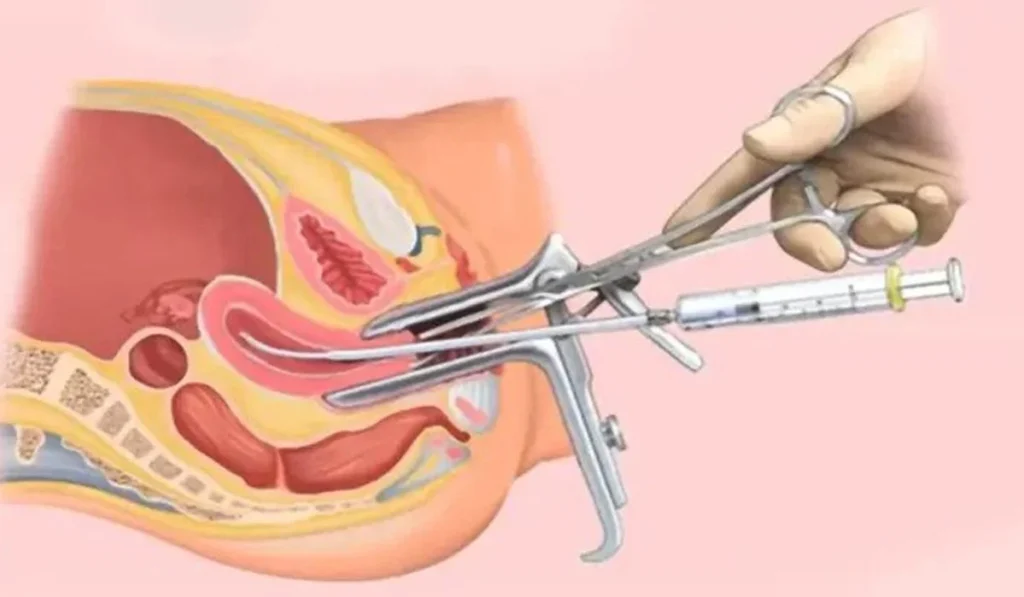
    model of the female reproductive system with a hand demonstrating intrauterine insemination technique

    The Impact of Age on Fertility Treatments: Intrauterine Insemination vs Low-Tech IVF

    Low-tech IVF, also known as mild stimulation IVF or mini-IVF, is a less invasive and less costly form of traditional IVF. It involves using fewer fertility drugs to stimulate the ovaries and retrieve a smaller number of eggs. This method is often recommended for women with low ovarian reserve or for those who have had unsuccessful IUI cycles.

    For women under 35, low-tech IVF has a success rate of around 25-30% per cycle. However, as women age, the success rates decrease significantly. For women over the age of 40, the success rate drops to just 5-10% per cycle. The decline in success rates with low-tech IVF is due to the same factors as IUI, including the quality and quantity of eggs.

    Which Fertility Treatment is Best for Different Age Groups?

    The decision between IUI and low-tech IVF for couples struggling with fertility can be a difficult one, especially when considering the impact of age. For women under 35, both IUI and low-tech IVF have similar success rates, with the added benefit of being less invasive and less costly. For women over 40, the chances of success are significantly higher with low-tech IVF. However, the success rates are still relatively low, and many couples may opt for traditional IVF, which has a higher success rate but is also more invasive and expensive.

    It is crucial to consult with a fertility specialist when deciding on a fertility treatment, as they can assess each individual’s unique situation and recommend the best course of action.

    Conclusion

    Age plays a significant role in the success of fertility treatments, and as women age, their chances of conceiving decreases. IUI and low-tech IVF are two common fertility treatments that can help couples struggling with fertility issues. However, the success rates of these treatments decline with age, and it is essential to consult with a fertility specialist to determine the best course of action.

    In summary, as women age, the success rates of both IUI and low-tech IVF decrease significantly. For women under 35, both treatments have similar success rates, while for women over 40, low-tech IVF may be a more suitable option. Overall, the impact of age on fertility treatments highlights the importance of seeking medical advice and exploring all available options when trying to conceive.

  • The Emotional Side of Fertility Treatments: Intrauterine Insemination vs Low-Tech IVF

    Summary:

    Fertility treatments, specifically intrauterine insemination (IUI) and low-tech in vitro fertilization (IVF), can be emotionally taxing for couples struggling to conceive. In this blog post, we will discuss the emotional side of these fertility treatments and compare the experiences of IUI and low-tech IVF. Both treatments involve similar procedures, but the emotional impact can vary greatly.

    IUI is a less invasive and more affordable fertility treatment option compared to IVF. However, the success rates are lower, which can lead to disappointment and frustration for couples. The emotional rollercoaster of hope and disappointment during IUI can take a toll on the mental health of couples. On the other hand, low-tech IVF may have higher success rates, but the process can be physically and emotionally demanding. The constant monitoring and injections can cause stress and anxiety for couples, and the financial burden of IVF can add to the emotional strain.

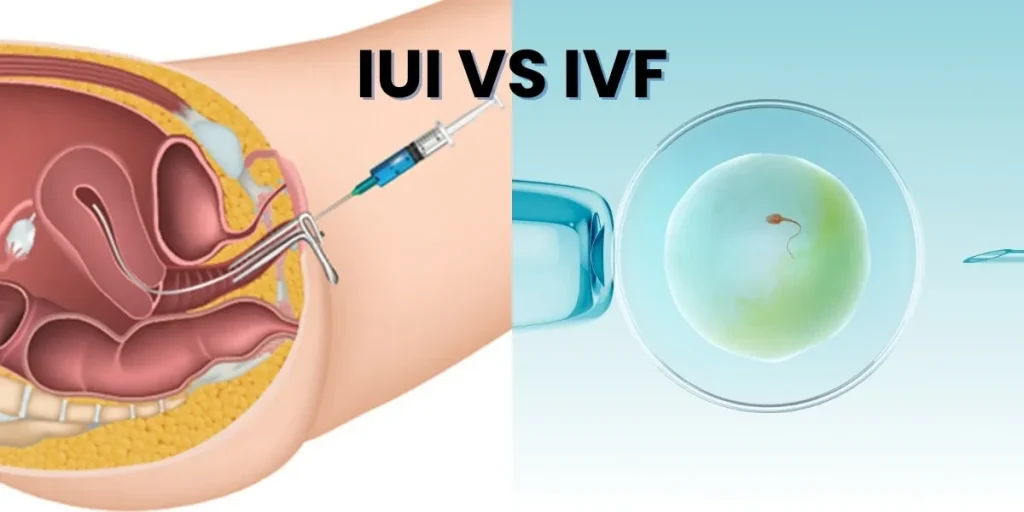
    comparison of IUI and IVF fertility treatments with illustrations of procedures and a petri dish with an egg and sperm

    The Emotional Side of Fertility Treatments: Intrauterine Insemination vs Low-Tech IVF

    The emotional impact of fertility treatments also extends beyond the couple, involving their support system of family and friends. The pressure from well-meaning loved ones and the fear of judgment from society can add to the already existing emotional burden. It is essential for couples to have a strong support system and communicate openly with their loved ones during this challenging journey.

    Furthermore, fertility treatments can also bring up unresolved emotions and past traumas for couples. The pressure to conceive can cause strain on the relationship, and unresolved issues can resurface. It is crucial for couples to seek therapy or counseling to address these emotions and strengthen their bond.

    In conclusion, the emotional side of fertility treatments is often overlooked, but it is a crucial aspect of the journey for couples. The experience of IUI and low-tech IVF can differ greatly, but both have their own emotional challenges. It is essential for couples to communicate openly with each other, seek support from their loved ones, and address any unresolved emotions with therapy or counseling.

  • Navigating the World of Fertility Treatments: Intrauterine Insemination vs Low-Tech IVF

    Summary:

    Navigating the world of fertility treatments can be overwhelming and confusing for couples who are struggling to conceive. While there are various options available, two common treatments are intrauterine insemination (IUI) and low-tech in vitro fertilization (IVF). Both procedures involve assisting the sperm in reaching the egg, but there are key differences that couples should consider when choosing which treatment is right for them.

    Intrauterine Insemination (IUI):
    IUI is a simple and non-invasive procedure that involves placing washed and prepared sperm directly into the uterus during the woman’s ovulation period. This can be done with either the partner’s sperm or donor sperm. The success rates for IUI vary depending on factors such as age and underlying fertility issues, but it is generally considered to be less effective than IVF.

    Pros:
    – Non-invasive and relatively painless
    – Less expensive compared to IVF
    – Can be done at a doctor’s office without the need for anesthesia
    – Can use partner’s sperm or donor sperm

    Cons:
    – Lower success rates compared to IVF
    – Does not address underlying fertility issues
    – May require multiple rounds for success
    – Limited control over the number of embryos produced, which can lead to multiple pregnancies

    illustration of an intrauterine insemination procedure with medical instruments and anatomical details

    Navigating the World of Fertility Treatments: Intrauterine Insemination vs Low-Tech IVF

    Low-Tech IVF:
    Low-tech IVF, also known as natural cycle IVF, involves collecting a woman’s naturally produced egg and combining it with sperm in a laboratory. This process does not involve stimulating the ovaries with hormones, unlike traditional IVF. The fertilized egg is then transferred back into the uterus. This approach is less invasive and less expensive than traditional IVF, but it also has a lower success rate.

    Pros:
    – Less invasive and less expensive compared to traditional IVF
    – Avoids the risk of multiple pregnancies
    – Can be a good option for women with certain medical conditions, such as PCOS
    – Can use partner’s sperm or donor sperm

    Cons:
    – Lower success rates compared to traditional IVF
    – Requires careful monitoring of ovulation and timing of the procedure
    – May require multiple rounds for success
    – Does not address underlying fertility issues

    Making the Decision:
    When deciding between IUI and low-tech IVF, couples should consider factors such as age, overall health, and underlying fertility issues. IUI may be a good option for younger couples with no underlying fertility issues, while low-tech IVF may be a better choice for women with certain medical conditions. It is essential to consult with a fertility specialist to determine which treatment would be most suitable based on individual circumstances.

    In conclusion, both IUI and low-tech IVF are viable options for couples struggling with infertility. While IUI is a less invasive and less expensive option, it may not be as effective as low-tech IVF. Couples should carefully consider their options and consult with a fertility specialist to determine the best course of action for their specific situation.

  • Understanding the Science: Intrauterine Insemination vs Low-Tech IVF

    In today’s world, there are many options available for couples who are struggling to conceive. Two popular options are intrauterine insemination (IUI) and low-tech IVF. These procedures are often confused with each other, but they are actually quite different. Understanding the science behind each method is important for couples to make an informed decision about which one is right for them. In this blog post, we will break down the key differences between intrauterine insemination and low-tech IVF, and help you better understand the science behind each one.

    To begin, let’s define each procedure. Intrauterine insemination, also known as artificial insemination, involves placing sperm directly into a woman’s uterus during ovulation, in order to increase the chances of fertilization. This is typically done using a thin, flexible catheter, and is a relatively simple and non-invasive procedure. On the other hand, low-tech IVF involves stimulating a woman’s ovaries to produce multiple eggs, which are then retrieved and fertilized with sperm in a lab. The resulting embryos are then transferred back into the woman’s uterus for implantation.

    One of the main differences between these two procedures is the level of intervention. IUI is considered a low-tech method, as it only involves the placement of sperm into the uterus, without any manipulation of the eggs. Low-tech IVF, on the other hand, involves stimulating the ovaries and retrieving the eggs, which requires more medical intervention.

    Another key difference between the two procedures is the success rates. IUI is generally less successful than low-tech IVF, with success rates ranging from 10-20% per cycle. This is because the sperm still have to travel through the cervix and into the fallopian tubes, where fertilization takes place. However, IUI can be a good option for couples with mild fertility issues, such as low sperm count or cervical mucus problems.

    Low-tech IVF, on the other hand, has a higher success rate, with an average of 30-40% per cycle. This is due to the fact that the eggs are retrieved and fertilized in a lab, and the resulting embryos are carefully selected for transfer. This method is often recommended for couples with more severe fertility issues, such as blocked fallopian tubes or advanced maternal age.

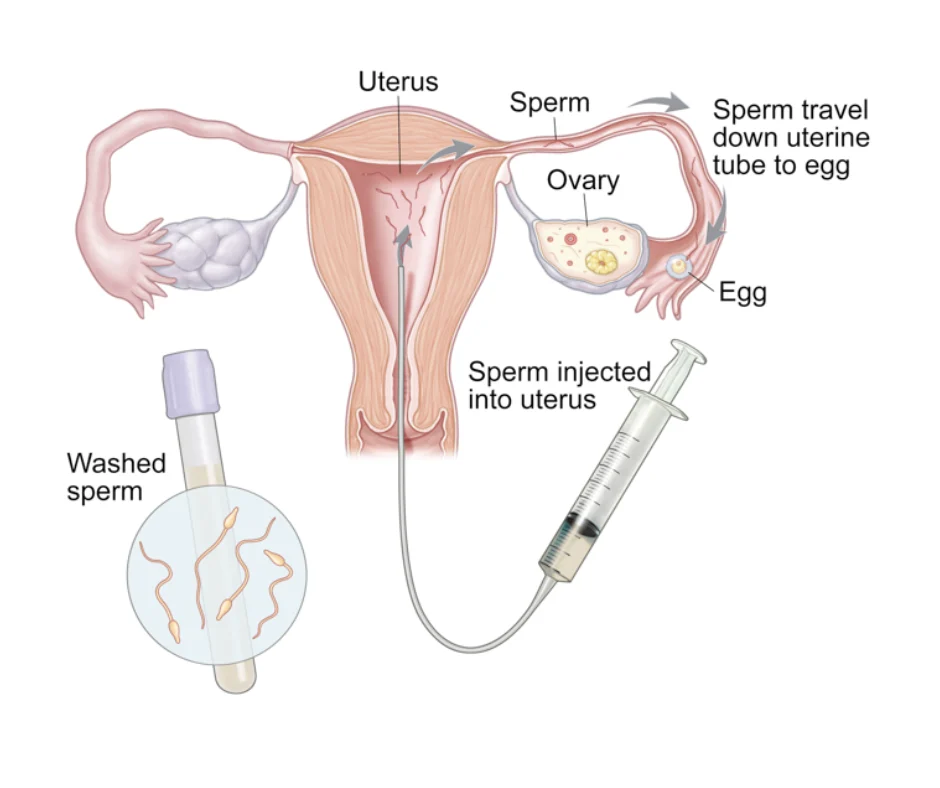
    diagram illustrating intrauterine insemination process, showing sperm injection into the uterus and egg fertilization pathway

    Understanding the Science: Intrauterine Insemination vs Low-Tech IVF

    Cost is also a factor to consider when choosing between IUI and low-tech IVF. IUI is typically less expensive than low-tech IVF, as it involves fewer steps and less medication. However, the success rates for IUI may mean that couples need to undergo multiple cycles, which can add up in cost. Low-tech IVF, on the other hand, may have a higher upfront cost, but the higher success rates may lead to fewer cycles needed.

    Another important factor to consider is the potential risks and side effects of each procedure. IUI is a relatively simple and non-invasive procedure, with minimal side effects. However, there is a risk of multiple pregnancies, which can be a concern for some couples. Low-tech IVF involves more medical intervention and the use of fertility drugs, which can lead to potential side effects such as bloating, mood swings, and ovarian hyperstimulation syndrome (OHSS). There is also a risk of multiple pregnancies with low-tech IVF, although this can be managed by transferring fewer embryos.

    In terms of timing, IUI and low-tech IVF have different timelines. IUI is typically done during a woman’s natural cycle, with ovulation induced using medication. This means that the procedure can be done relatively quickly, within a few weeks. Low-tech IVF, on the other hand, involves stimulating the ovaries and retrieving the eggs, which can take several weeks. This is followed by fertilization and embryo development, and then the transfer of the embryos back into the uterus. The entire process can take up to a month or longer.

    Finally, it’s important to consider the emotional and psychological impact of these procedures. Struggling with infertility can be emotionally and mentally taxing for couples, and it’s important to choose a procedure that is right for their individual needs. IUI may be a good option for couples who want to start with a less invasive and less expensive option, while low-tech IVF may be a better choice for those with more severe fertility issues who are willing to undergo more medical intervention.

    In summary, the key differences between intrauterine insemination and low-tech IVF are the level of intervention, success rates, cost, potential risks and side effects, timing, and emotional impact. IUI is a simpler and less expensive procedure, but has lower success rates and may require multiple cycles. Low-tech IVF involves more medical intervention and has a higher upfront cost, but also has higher success rates and may lead to fewer cycles needed. Ultimately, the decision between these two procedures should be based on the individual needs and preferences of each couple, and it’s important to consult with a fertility specialist to determine the best course of action.

  • Home Insemination vs Clinical Insemination: Legal Considerations for Intrauterine Insemination

    Home insemination and clinical insemination, also known as intrauterine insemination (IUI), are two methods of assisted reproduction that can help individuals or couples conceive a child. While both methods involve the introduction of sperm into the uterus, they differ in terms of where the insemination takes place. Home insemination is done in the comfort of one’s own home, while clinical insemination is performed in a medical setting. While both methods have their own benefits and challenges, there are also important legal considerations to take into account when choosing between home insemination and clinical insemination.

    Home insemination involves using a syringe or a special device called an insemination kit to deposit sperm into the vagina or cervix, with the goal of reaching the uterus and potentially fertilizing an egg. This method can be done by individuals or couples, and can be a more affordable and private option compared to clinical insemination. However, there are several legal factors to consider when choosing to do home insemination.

    Firstly, it is important to note that home insemination is not regulated by any governing body, unlike clinical insemination which is typically performed in a medical setting under the supervision of a doctor. This lack of regulation means that individuals or couples who choose to do home insemination are responsible for ensuring the safety and legality of the process. This includes obtaining consent from all parties involved, ensuring the use of safe and sterile equipment, and following any relevant laws or regulations in their area.

    Another legal consideration with home insemination is the issue of parentage. In cases where a sperm donor is used, there may be questions about the legal rights and responsibilities of the donor and the intended parent(s). This can vary depending on the laws of the specific jurisdiction, but it is important to discuss and document these issues beforehand to avoid potential legal disputes in the future.

    On the other hand, clinical insemination is a more regulated and monitored process. It is typically done in a fertility clinic or a doctor’s office, with the help of a medical professional. This method involves using washed and prepared sperm, which is then inserted directly into the uterus using a thin catheter. The use of medical equipment and the involvement of a doctor make clinical insemination a more expensive option compared to home insemination. However, there are also important legal considerations to keep in mind when choosing this method.

    comparison of IUI and IVF fertility treatments with illustrations of procedures and a petri dish with an egg and sperm

    Home Insemination vs Clinical Insemination: Legal Considerations for Intrauterine Insemination

    One of the main legal considerations with clinical insemination is the issue of consent. Before undergoing any fertility treatments, individuals or couples must give informed consent, which includes understanding the potential risks, success rates, and costs associated with the procedure. Additionally, there may be specific requirements for certain groups of individuals, such as single parents or same-sex couples, which may require legal documentation or approval before undergoing clinical insemination.

    Another legal factor to consider with clinical insemination is the use of a sperm donor. In most cases, sperm donors are required to undergo medical and genetic screenings, as well as sign consent forms, before their sperm can be used for insemination. This is to ensure the health and safety of the potential child and to protect the legal rights of all parties involved. It is important for individuals or couples considering clinical insemination to understand and follow the legal requirements and guidelines for using a sperm donor.

    In addition to these legal considerations, it is also important to note that both home insemination and clinical insemination may have implications for the rights and responsibilities of the resulting child. For example, in some cases, the sperm donor may have legal rights and obligations towards the child, even if they are not the intended parent. It is crucial to understand and discuss these potential implications with a legal professional before undergoing any fertility treatments.

    In conclusion, both home insemination and clinical insemination are viable options for individuals or couples looking to conceive a child. However, there are important legal considerations to keep in mind when choosing between these methods. Whether it is ensuring the safety and legality of the process, understanding the legal rights and responsibilities of all parties involved, or following the necessary regulations and guidelines, it is crucial to consult with a legal professional and thoroughly understand the legal implications of both home insemination and clinical insemination.

    In summary, when it comes to intrauterine insemination, there are important legal considerations to take into account. Home insemination may offer a more affordable and private option, but it is not regulated and requires individuals or couples to take responsibility for ensuring the safety and legality of the process. Clinical insemination, on the other hand, is a more regulated and monitored process, but it can be more expensive and involves specific legal requirements and guidelines. Ultimately, it is important to consult with legal professionals and thoroughly understand the legal implications of both options before making a decision.

  • The Importance of Support: Intrauterine Insemination vs Intracervical Insemination

    Support plays a crucial role in any aspect of life, and this is especially true when it comes to fertility treatments. The journey towards parenthood can be emotionally and physically draining, and having the right support system can make all the difference. In this blog post, we will discuss the importance of support in the two most common types of fertility treatments – Intrauterine Insemination (IUI) and Intracervical Insemination (ICI). We will delve into how support can impact the success rates and overall experience of these procedures.

    Intrauterine Insemination (IUI) and Intracervical Insemination (ICI) are both forms of assisted reproductive technology that help couples struggling with fertility to conceive. These procedures involve the placement of washed and concentrated sperm into the uterus or cervix during the woman’s ovulation period. While the main goal of both treatments is the same, there are some key differences between the two.

    Intrauterine Insemination (IUI) is a more common and widely used procedure. It involves the insertion of a thin, flexible catheter through the cervix and into the uterus, where the washed sperm is deposited. This procedure is usually done in a doctor’s office and does not require anesthesia. On the other hand, Intracervical Insemination (ICI) is a less invasive procedure that can be done at home. The semen is collected and placed into a syringe or a soft cup, which is then inserted into the cervix to deposit the sperm.

    Now that we have a basic understanding of these procedures, let’s discuss the role of support in each of them.

    Emotional Support:
    Fertility treatments can be a rollercoaster of emotions for couples. They may experience feelings of frustration, disappointment, and anxiety throughout the process. This is where emotional support plays a vital role. Having someone to talk to and lean on during these tough times can make all the difference. Intrauterine Insemination (IUI) requires multiple visits to the doctor’s office and can be physically and emotionally draining. Having a partner, family member, or friend to accompany the woman to these appointments can provide a sense of comfort and support. Similarly, Intracervical Insemination (ICI) can also be emotionally taxing, especially when done at home. Having a partner or a close friend by your side during the procedure can help ease any anxiety or stress.

    A person administering an injection into their abdomen with a yellow pen-like device.

    The Importance of Support: Intrauterine Insemination vs Intracervical Insemination

    Physical Support:
    Fertility treatments can also take a toll on the body, and physical support is crucial during this time. Intrauterine Insemination (IUI) may cause some discomfort or cramping during and after the procedure. Having someone to drive the woman back home after the appointment or help with any household chores can be incredibly helpful. Similarly, Intracervical Insemination (ICI) may require the use of certain positions or techniques to increase the chances of success. Having a partner or a support person to assist with these can make the process less stressful.

    Partner Support:
    Going through fertility treatments can be a challenging time for both partners. It is essential to have open communication and support from each other throughout the journey. Intrauterine Insemination (IUI) may involve the use of fertility drugs, which can cause mood swings, headaches, and other side effects. Having a supportive partner who understands and is patient can make a significant difference. Similarly, Intracervical Insemination (ICI) may require the partner to collect and deposit the semen, which can be a daunting task. Having a partner who is willing to take on this responsibility can help alleviate any stress or anxiety.

    Support from Medical Professionals:
    Aside from emotional and physical support, it is essential to have a supportive and knowledgeable medical team during fertility treatments. Intrauterine Insemination (IUI) is usually done under the supervision of a fertility specialist who can guide the couple through the process and answer any questions or concerns they may have. Similarly, Intracervical Insemination (ICI) may require the couple to consult with a doctor beforehand to ensure they are suitable candidates for the procedure. Having a good relationship with the medical professionals can provide a sense of comfort and support during this vulnerable time.

    In summary, support is crucial in both Intrauterine Insemination (IUI) and Intracervical Insemination (ICI). It can help alleviate stress and anxiety, provide physical and emotional comfort, and improve the overall experience of these procedures. Whether it is from a partner, family member, friend, or medical professional, having a strong support system can make the journey towards parenthood a little less daunting.

    In conclusion, fertility treatments can be a challenging and emotional experience for couples. Intrauterine Insemination (IUI) and Intracervical Insemination (ICI) are two common forms of assisted reproductive technology that can help overcome fertility struggles. However, the importance of support cannot be underestimated in these procedures. Whether it is emotional, physical, or partner support, having a strong support system can make all the difference in the success and overall experience of these treatments.

    SEO metadata:

  • The Future of Fertility Treatment: Intrauterine Insemination vs Intracervical Insemination

    Summary:

    The future of fertility treatment is constantly evolving and providing new options for individuals and couples struggling to conceive. Two popular methods of assisted reproduction are intrauterine insemination (IUI) and intracervical insemination (ICI). While both procedures involve the placement of sperm into the female reproductive tract, there are key differences between the two. In this blog post, we will discuss the process, success rates, risks, and potential future advancements of IUI and ICI. By understanding the differences between these treatments, individuals and couples can make an informed decision about which option may be best for their unique situation.

    Intrauterine Insemination (IUI):

    IUI, also known as artificial insemination, is a procedure in which concentrated and washed sperm is placed directly into the uterus through a thin catheter. This process bypasses the cervix and increases the chances of the sperm reaching the fallopian tubes and fertilizing an egg. IUI is typically performed around the time of ovulation and can be done with the use of fertility medications to stimulate the ovaries and increase the number of available eggs.

    One of the main advantages of IUI is that it is a relatively simple and non-invasive procedure. It can be performed in a doctor’s office and does not require anesthesia or a hospital stay. Additionally, IUI can be a more affordable option compared to other fertility treatments such as in vitro fertilization (IVF). Success rates for IUI vary depending on factors such as age, underlying fertility issues, and the use of fertility medications. On average, the success rate of IUI is around 10-20% per cycle.

    However, there are some potential risks associated with IUI. The use of fertility medications can increase the risk of multiple pregnancies, which can lead to complications for both the mother and babies. Additionally, there is a small risk of infection or damage to the reproductive organs during the procedure. While these risks are low, they are important to consider when making a decision about fertility treatment.

    Intracervical Insemination (ICI):

    test tube with sperm in blue liquid, promoting IUI success rate and factors influencing fertility.

    The Future of Fertility Treatment: Intrauterine Insemination vs Intracervical Insemination

    Intracervical insemination is a similar procedure to IUI, but the sperm is placed in the cervix rather than the uterus. This method is often referred to as the “turkey baster” method because it can be done at home using a syringe or soft cup. Like IUI, ICI can also be done with or without the use of fertility medications.

    One major advantage of ICI is the convenience and privacy it offers. It can be done at home, eliminating the need for frequent visits to the doctor’s office. This also makes it a more affordable option compared to IUI or IVF. However, success rates for ICI are lower compared to IUI, with an average success rate of 5-10% per cycle. This is because the sperm has a longer journey to reach the fallopian tubes and fertilize an egg, and there is less control over the placement of the sperm compared to IUI.

    Future Advancements:

    As technology and research continue to advance, there may be new and improved methods of assisted reproduction in the future. One potential advancement is the use of intrauterine insemination with donor sperm, which has shown promising results in increasing success rates for same-sex female couples and single mothers by choice. Additionally, there is ongoing research into methods of enhancing sperm quality and improving the chances of fertilization through IUI or ICI.

    Another potential advancement is the use of artificial intelligence (AI) in fertility treatment. AI may be used to analyze and predict the best time for IUI or ICI, based on factors such as hormone levels and ovulation patterns. This could potentially increase the success rates of these procedures and reduce the need for multiple cycles.

    Conclusion:

    In conclusion, both IUI and ICI offer options for individuals and couples seeking fertility treatment. While IUI may have higher success rates, it also carries more risks and can be more expensive. ICI, on the other hand, offers convenience and privacy but has lower success rates. As technology advances, there may be new and improved methods of assisted reproduction, providing hope for those struggling with infertility. Ultimately, it is important to consult with a fertility specialist and consider personal factors when deciding between IUI and ICI.

  • The Role of Ovulation: Intrauterine Insemination vs Intracervical Insemination

    Blog Post: The Role of Ovulation: Intrauterine Insemination vs Intracervical Insemination

    Ovulation is a crucial part of the female reproductive cycle, as it is the process by which an egg is released from the ovary and can potentially be fertilized by sperm. For couples struggling with fertility, ovulation plays an even more important role in their journey to conceive. Intrauterine insemination (IUI) and intracervical insemination (ICI) are two commonly used methods of assisted reproductive techniques that utilize ovulation to help increase the chances of pregnancy. In this blog post, we will explore the role of ovulation in these two procedures and compare the effectiveness of IUI and ICI in achieving pregnancy.

    Intrauterine insemination, also known as artificial insemination, involves placing washed and concentrated sperm directly into the uterus, bypassing the cervix. This is usually done around the time of ovulation, as it increases the chances of the sperm reaching the egg and fertilizing it. The procedure itself is relatively simple and can be done in a doctor’s office. It is often used in cases of male factor infertility, where the sperm may have difficulty reaching the egg naturally. IUI can also be used in cases of unexplained infertility or for single women or same-sex couples using donor sperm.

    On the other hand, intracervical insemination involves placing the sperm in the cervix, near the entrance of the uterus. This method is less invasive than IUI, as it does not require a catheter to be inserted into the uterus. It is usually performed at home, with the help of a special syringe designed for this purpose. ICI is often preferred by couples who want to try a more natural approach to insemination, as it mimics the act of intercourse. However, it is important to note that the success rates of ICI are generally lower than IUI.

    Both IUI and ICI rely on the timing of ovulation for their success. In a natural cycle, ovulation usually occurs around day 14 of a 28-day menstrual cycle. However, this can vary from person to person and can even vary from cycle to cycle. Therefore, it is crucial for couples undergoing IUI or ICI to track their ovulation using methods such as ovulation predictor kits or monitoring changes in their cervical mucus. This will help determine the best time to perform the insemination, increasing the chances of pregnancy.

    Illustration of IUI procedure with uterus and syringe against a DNA background.

    The Role of Ovulation: Intrauterine Insemination vs Intracervical Insemination

    In terms of effectiveness, studies have shown that IUI has a higher success rate compared to ICI. This is because IUI places the sperm directly into the uterus, bypassing any potential barriers in the cervix. Additionally, IUI also allows for a higher concentration of sperm to be placed in the uterus, increasing the chances of fertilization. However, ICI can still be a viable option for couples with no underlying fertility issues, as it has been shown to have success rates of up to 15-20% per cycle.

    It is also important to note that both IUI and ICI can be combined with fertility medications, such as clomiphene or follicle-stimulating hormone, to further enhance the chances of pregnancy. These medications can help stimulate the ovaries to produce more eggs, increasing the chances of one being fertilized.

    Aside from the differences in procedure and success rates, there are also variations in cost and convenience between IUI and ICI. IUI is usually more expensive, as it requires a doctor’s visit and can only be performed in a medical setting. ICI, on the other hand, can be done at home and is often more affordable. However, it is important to discuss the costs and logistics with a healthcare professional to determine the best option for each individual couple.

    In conclusion, both IUI and ICI are effective methods of assisted reproductive techniques that utilize ovulation to increase the chances of pregnancy. IUI is more invasive but has a higher success rate, while ICI is less invasive but has lower success rates. It is important for couples to consult with a healthcare professional to determine the best option for their specific situation. Additionally, tracking ovulation is crucial for the success of both procedures, and fertility medications can be used to further enhance the chances of pregnancy.

    Summary: Ovulation plays a crucial role in assisted reproductive techniques such as intrauterine insemination (IUI) and intracervical insemination (ICI). IUI involves placing washed and concentrated sperm directly into the uterus, while ICI involves placing sperm near the cervix. Both procedures rely on tracking ovulation for their success, and IUI has a higher success rate compared to ICI. Factors such as cost and convenience should also be considered when choosing between the two methods.