Tag: women’s health

  • At-Home Fertility Testing: An Empowering Option for Women

    At-Home Fertility Testing: An Empowering Option for Women

    In today’s world, women are increasingly taking charge of their own health and wellness. With the rise of at-home testing options, this includes monitoring and understanding their fertility. At-home fertility testing has become a popular choice for women who want to have more control over their reproductive health and family planning. In this blog post, we will explore the benefits and limitations of at-home fertility testing, as well as how it can empower women to make informed decisions about their fertility.

    The Need for At-Home Fertility Testing
    Traditionally, fertility testing has been a cumbersome and expensive process that involved multiple appointments with a doctor and laboratory tests. This posed a significant barrier for many women, especially those in rural or remote areas or those with busy schedules. Additionally, the stigma surrounding fertility issues often prevented women from seeking help or asking questions.

    This is where at-home fertility testing comes in. With the convenience of being able to test in the privacy of their own homes, women can now take control of their fertility journey without the added stress and expense of multiple doctor visits. It also allows for women to test at their own pace and comfort level, without feeling rushed or pressured.

    Types of At-Home Fertility Tests
    There are several different types of at-home fertility tests available on the market. These include ovulation predictor kits, fertility hormone level tests, and sperm count tests for men. Each test serves a different purpose and can provide valuable information about a person’s fertility.

    Ovulation predictor kits (OPKs) are used to detect the surge of luteinizing hormone (LH) that occurs right before ovulation. This can help women determine the most fertile days of their cycle and increase their chances of conceiving. These tests typically involve peeing on a stick or using a digital monitor to measure LH levels in urine.

    Fertility hormone level tests, such as the Proov test, measure the levels of hormones like progesterone and estradiol in a woman’s urine. These hormones play a crucial role in ovulation and can indicate if a woman is ovulating and if her hormone levels are in the optimal range for fertility.
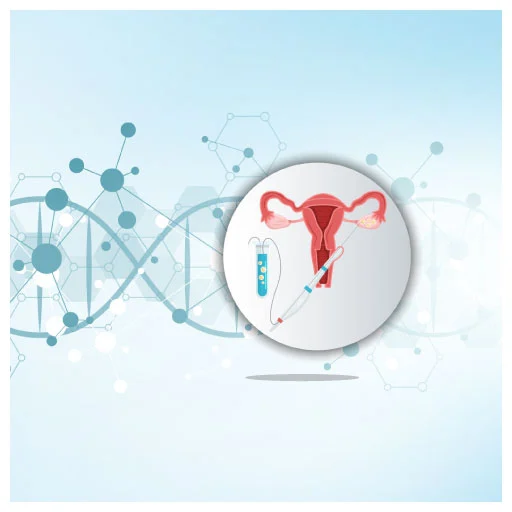
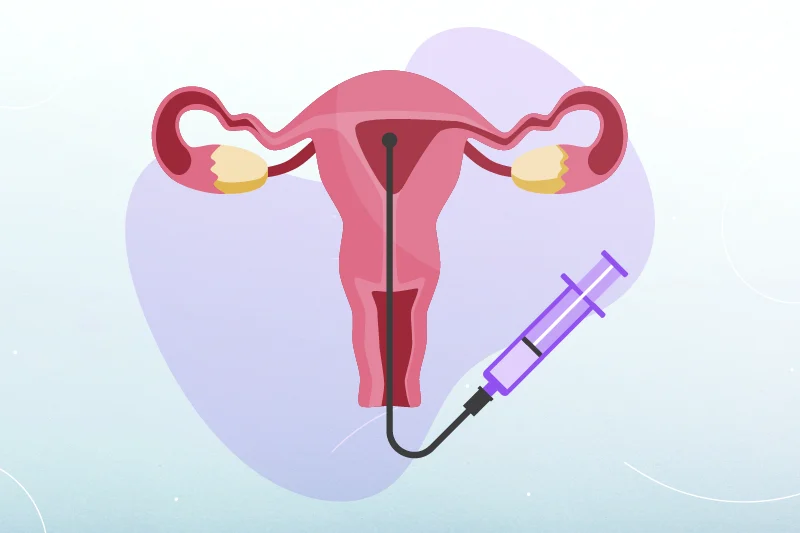
    Illustration of IUI procedure with uterus and syringe against a DNA background.

    At-Home Fertility Testing: An Empowering Option for Women

    Sperm count tests, such as the SpermCheck Fertility Test, are designed for men to determine their sperm count and overall sperm health. These tests can be useful for couples who are struggling to conceive and want to rule out any potential male fertility issues.

    Benefits of At-Home Fertility Testing
    One of the main benefits of at-home fertility testing is convenience. As mentioned earlier, women can test in the comfort of their own homes, at their own pace, and without the added pressure of multiple doctor appointments. This can be particularly helpful for women who have busy schedules or live in areas with limited access to fertility clinics.

    At-home fertility testing also allows for more privacy and control over the process. Many women may feel uncomfortable discussing their fertility with a doctor or in a public setting, and at-home testing eliminates this barrier. It also allows for women to track their fertility over time and provide valuable information to their healthcare providers if needed.

    Empowering Women to Understand their Fertility
    Perhaps the most significant advantage of at-home fertility testing is the empowerment it provides for women. By having access to their fertility information, women can better understand their bodies and make informed decisions about their reproductive health. This includes knowing their most fertile days, identifying any potential issues, and seeking help if needed.

    At-home fertility testing can also help women feel more in control of their fertility journey. For many women, fertility can feel like an unknown and uncontrollable aspect of their lives. By having the tools to track and monitor their fertility, women can feel more confident and proactive in their family planning decisions.

    Limitations of At-Home Fertility Testing
    While at-home fertility testing offers many benefits, it is essential to recognize its limitations. These tests are not a replacement for medical advice and should not be used to diagnose or treat any fertility issues. If a woman has concerns about her fertility, it is always recommended to consult with a healthcare provider.

    Additionally, at-home fertility tests may not be as accurate as laboratory tests. False positives and false negatives can occur, leading to confusion and unnecessary stress. It is crucial to follow the instructions carefully and understand the limitations of each test.

    In summary, at-home fertility testing is a game-changer for women who want to take control of their reproductive health. It offers convenience, privacy, and empowerment to understand and track their fertility. However, it is essential to use these tests in conjunction with medical advice and understand their limitations.
  • Taking Control of Your Fertility: The Benefits of At-Home Testing

    Blog Post Title: Taking Control of Your Fertility: The Benefits of At-Home Testing

    Summary:

    Fertility is a topic that is often not discussed openly, yet it is a crucial aspect of a woman’s health and well-being. While many women rely on traditional methods of fertility testing, such as visiting a doctor or fertility clinic, there is now an option for at-home fertility testing that is gaining popularity. In this blog post, we will explore the benefits of at-home fertility testing and how it can empower women to take control of their fertility.

    Firstly, at-home fertility testing provides convenience and privacy. Many women may feel uncomfortable discussing their fertility with a doctor or may not have the time or resources to make an appointment. With at-home testing, women can easily collect their samples in the comfort of their own home and send them off for analysis without having to schedule appointments or take time off work. This option also eliminates the need for invasive procedures, making it a more discreet and convenient option for women.

    Another benefit of at-home fertility testing is the cost-effectiveness. Traditional methods of fertility testing, such as in-clinic tests and blood work, can be expensive and may not be covered by insurance. At-home tests, on the other hand, are usually more affordable and can provide similar results. This makes it a more accessible option for women who may not have the financial means to undergo traditional fertility testing.

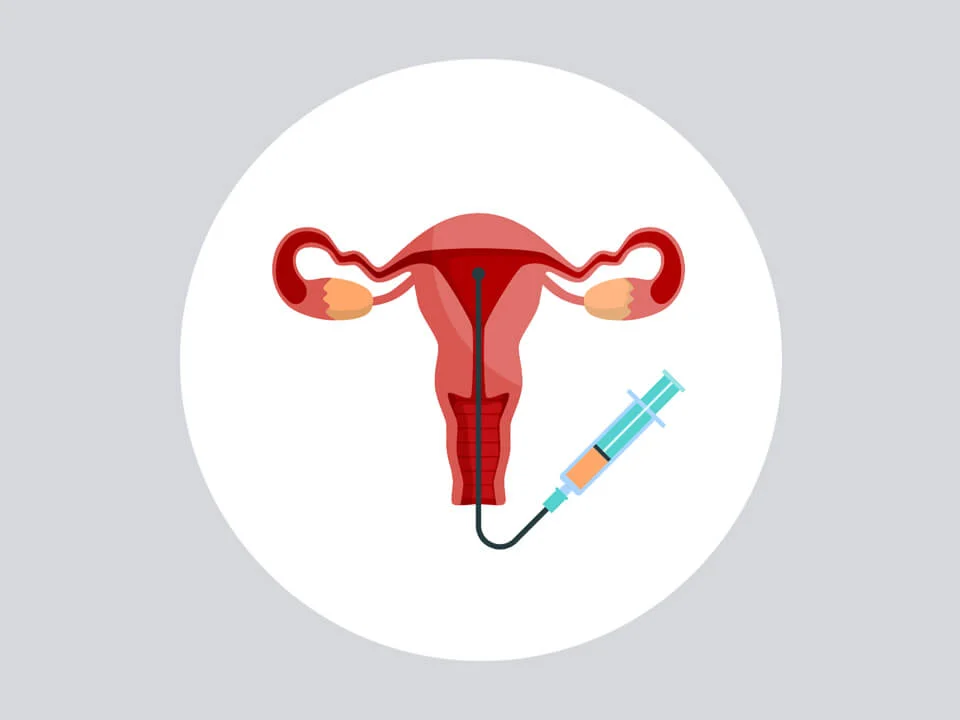
    Illustration of the uterus with a syringe, depicting the intrauterine insemination procedure.

    Taking Control of Your Fertility: The Benefits of At-Home Testing

    At-home fertility testing also allows for early detection and monitoring. Many women may not be aware of potential fertility issues until they start trying to conceive. With at-home testing, women can track their fertility hormones and detect any irregularities early on, giving them ample time to seek treatment and improve their chances of conception. This also allows women to monitor their fertility on a regular basis, giving them a better understanding of their reproductive health.

    Moreover, at-home fertility testing provides women with valuable information and education about their fertility. Many at-home testing kits come with personalized reports and recommendations based on the results, giving women a better understanding of their reproductive health and what steps they can take to improve it. This information can also help women make more informed decisions when it comes to family planning and fertility treatments.

    In addition to these benefits, at-home fertility testing also offers a less stressful experience for women. Traditional fertility testing can be a nerve-wracking and emotional experience, especially for women who may be struggling with fertility issues. At-home testing allows women to take control of the process and eliminates the added stress of visiting a doctor or clinic. This can be particularly beneficial for women who may have anxiety or fear surrounding fertility testing.

    It is important to note that at-home fertility testing should not replace medical advice or treatment. It is still recommended for women to consult with a doctor if they have concerns about their fertility. However, at-home testing can complement traditional methods and provide women with more information and insight into their fertility.

    In conclusion, at-home fertility testing offers numerous benefits for women, including convenience, cost-effectiveness, early detection and monitoring, education, and a less stressful experience. It empowers women to take control of their fertility and make informed decisions about their reproductive health. As at-home testing continues to improve and become more accessible, it is a valuable tool for women who want to be proactive about their fertility.

  • Egg Donation vs Egg Freezing: A Personal Account

    Blog Post Title: Egg Donation vs Egg Freezing: A Personal Account

    Egg donation and egg freezing are two options available for women who want to preserve their fertility or help others achieve their dream of parenthood. As a woman in my late twenties, I have started to consider these options, and it has been a rollercoaster of emotions and decision-making. In this blog post, I will share my personal account of exploring egg donation and egg freezing, including the pros and cons, the process, and my final decision.

    First, let’s start with egg donation. Egg donation involves retrieving eggs from a woman’s ovaries and fertilizing them with sperm in a lab. The resulting embryos are then transferred to the intended mother’s uterus, or they can be frozen for future use. As someone who has always wanted to have children, the idea of helping someone else become a parent through egg donation was incredibly appealing to me.

    One of the main pros of egg donation is the sense of fulfillment and purpose it can bring. Knowing that I could potentially help someone else start a family was a powerful motivator for me. Additionally, the compensation for egg donation can be significant, making it an attractive option for those in need of financial resources.

    However, there are also cons to consider. The process of egg donation can be physically and emotionally demanding. The use of fertility drugs to stimulate the ovaries can cause discomfort and side effects, and the egg retrieval procedure itself carries the risk of complications. Furthermore, there may be difficult emotions to navigate, such as the potential connection with the child conceived from your donated eggs.

    Next, let’s discuss egg freezing. Egg freezing, also known as oocyte cryopreservation, involves retrieving and freezing a woman’s eggs for future use. This option is appealing to many women who want to delay pregnancy for personal or medical reasons. As someone who is currently focused on my career and not ready to start a family, egg freezing seemed like a good option for me.

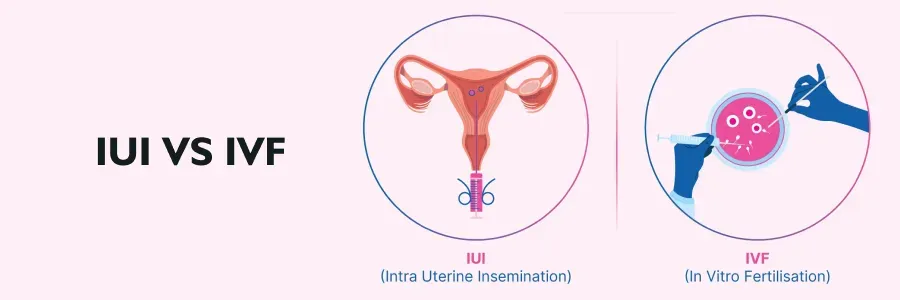
    Comparison of IUI and IVF with illustrations of each procedure.

    Egg Donation vs Egg Freezing: A Personal Account

    The main pro of egg freezing is the ability to preserve your fertility. It can offer peace of mind for women who want to delay pregnancy for various reasons, such as not finding the right partner or focusing on their career. Another advantage is that the eggs can be frozen at a younger age, increasing the chances of success in the future.

    However, there are also cons to consider. Egg freezing can be expensive, and there is no guarantee that the frozen eggs will result in a viable pregnancy in the future. It also requires multiple rounds of hormone injections and egg retrieval procedures, which can be physically and emotionally taxing.

    After weighing the pros and cons of both options, I decided to move forward with egg freezing. It was a difficult decision, but ultimately I felt it was the best choice for my current situation. I am still young and have time to potentially use my frozen eggs in the future, and I am not quite ready to start a family just yet.

    The process of egg freezing was both empowering and overwhelming. I had to undergo multiple rounds of hormone injections and frequent monitoring appointments. It was emotionally draining, but I was determined to see it through. The egg retrieval procedure itself was quick and relatively painless, and I was relieved to have it done.

    Now, my frozen eggs are safely stored, and I have the option to use them in the future if I choose. It has given me a sense of security and control over my fertility, and I am grateful for that.

    In conclusion, the decision between egg donation and egg freezing is a personal one that should be carefully considered. Both options have their pros and cons, and it’s essential to weigh them based on your own priorities and circumstances. For me, egg freezing was the best choice, but for others, egg donation may be the right path. No matter what option you choose, it’s important to do thorough research, consult with medical professionals and loved ones, and listen to your own instincts.

    In the end, I am glad I explored both egg donation and egg freezing. It gave me a better understanding of these options and allowed me to make an informed decision about my fertility. I hope that sharing my personal account can help others who may be facing a similar decision and provide some insight into the process and emotions involved.

  • Navigating the Social Stigma of Egg Donation and Egg Freezing

    Navigating the Social Stigma of Egg Donation and Egg Freezing: Breaking the Taboo and Empowering Women

    Egg donation and egg freezing are two medical procedures that have gained popularity in recent years, providing women with the opportunity to control their fertility and family planning. While these procedures have numerous benefits, they also come with a social stigma that can make it difficult for women to openly discuss their choices. In this blog post, we will explore the social stigma surrounding egg donation and egg freezing and how women can navigate and break through it.

    Understanding the Stigma

    The social stigma surrounding egg donation and egg freezing stems from the traditional societal expectations placed on women to bear children. Women who choose to undergo these procedures are often judged and labeled as “selfish” or “unnatural.” This stigma is perpetuated by the lack of education and understanding about these procedures, leading to misconceptions and negative attitudes towards women who choose to use them.

    Navigating the Stigma of Egg Donation

    Egg donation is a process where a woman donates her eggs to help another woman or couple struggling with infertility. While this is a selfless act, egg donors are often looked down upon for “selling” their eggs or for having a “non-traditional” way of starting a family. This can lead to feelings of shame and guilt for the donor, making it difficult for them to openly talk about their decision.

    To navigate the stigma of egg donation, it is important for donors to educate themselves about the process and be confident in their decision. They can also seek support from other donors or join communities where they can openly discuss their experiences. It is also crucial for society to recognize and appreciate the selfless act of egg donation and break the taboo surrounding it.

    test tube with sperm in blue liquid, promoting IUI success rate and factors influencing fertility.

    Navigating the Social Stigma of Egg Donation and Egg Freezing

    Breaking the Taboo of Egg Freezing

    Egg freezing is a procedure where a woman’s eggs are harvested and frozen for later use. It is primarily used by women who want to delay pregnancy due to personal or professional reasons. However, this procedure is often met with skepticism and judgment, with many questioning a woman’s motives for freezing her eggs.

    To break the taboo of egg freezing, it is important for women to understand that it is a personal choice and should not be judged or questioned by others. Women should also educate themselves about the process and the options it provides them. By having open and honest conversations about egg freezing, we can break the stigma and empower women to take control of their fertility.

    Empowering Women Through Education and Support

    The key to navigating and breaking the social stigma surrounding egg donation and egg freezing is education and support. Women should have access to accurate information about these procedures and be able to openly discuss their choices without fear of judgment. Support groups and communities can provide a safe space for women to share their experiences and find strength in each other.

    It is also important for society to shift its perspective and recognize that these procedures are a way for women to have control over their bodies and their futures. By breaking the taboo and empowering women, we can create a more inclusive and understanding society.

    In conclusion, egg donation and egg freezing are two medical procedures that have the power to empower women and give them control over their fertility. However, the social stigma surrounding these procedures can make it difficult for women to openly discuss their choices. By educating ourselves, providing support, and breaking the taboo, we can create a society that embraces and celebrates women’s choices when it comes to their fertility.

  • The Impact of Egg Donation and Egg Freezing on Women’s Health

    The Impact of Egg Donation and Egg Freezing on Women’s Health

    Egg donation and egg freezing are two procedures that have become increasingly popular in recent years, especially among women who are looking to delay starting a family. While both of these options have their benefits, they also come with their own set of potential risks and impacts on women’s health. In this blog post, we will delve into the world of egg donation and egg freezing, exploring their effects on women’s physical, mental, and emotional well-being.

    Egg Donation:

    Egg donation is the process of retrieving eggs from a donor and using them to help another woman or couple conceive a child. This process is often used by couples struggling with infertility, same-sex couples, or single women who want to have a child. While egg donation can be a life-changing opportunity for those who are unable to conceive on their own, it also has its own set of implications for women’s health.

    One of the main concerns with egg donation is the effect it can have on a woman’s hormones. In order to retrieve eggs, the donor must undergo a series of hormone injections to stimulate the production of multiple eggs. These hormones can cause a range of side effects, such as mood swings, headaches, bloating, and abdominal discomfort. In rare cases, they can also lead to more serious complications such as ovarian hyperstimulation syndrome (OHSS). This condition occurs when the ovaries become swollen and painful, and can even result in hospitalization.

    In addition to the physical impact, egg donation can also have emotional consequences for women. The process of undergoing hormone injections, egg retrieval, and the knowledge that their eggs will be used to help others can be emotionally taxing. Many donors report feeling a sense of loss or grief after the procedure, as well as concerns about the well-being of the child that may be born from their eggs.

    Furthermore, egg donation can also have long-term effects on a woman’s fertility. While it is possible for donors to still conceive naturally after the procedure, there is a risk of reduced ovarian reserve, meaning the number of eggs a woman has available for future pregnancies may be decreased. This is a crucial factor to consider for women who may still want to have biological children in the future.

    Egg Freezing:

    Egg freezing, also known as oocyte cryopreservation, is a process where a woman’s eggs are retrieved, frozen, and stored for future use. This option has become increasingly popular for women who want to delay starting a family for various reasons, such as focusing on their careers or not yet finding the right partner. While it allows women to preserve their fertility, egg freezing also has its own set of implications for women’s health.

    Illustration of intrauterine insemination (IUI) procedure with syringe and catheter in the uterus.

    The Impact of Egg Donation and Egg Freezing on Women's Health

    The process of egg freezing involves the same hormone injections as egg donation, which can have similar physical and emotional effects. However, the main concern with egg freezing is the potential long-term effects on a woman’s health. The procedure itself is relatively new, and there is limited research on the potential risks associated with it. Some studies have suggested that the hormones used in the process may increase the risk of certain health conditions, such as breast and uterine cancer. Additionally, the process of retrieving eggs can also lead to complications such as bleeding, infection, and damage to surrounding organs.

    Another important consideration with egg freezing is the success rate. While it is a viable option for preserving fertility, there is no guarantee that the frozen eggs will result in a successful pregnancy in the future. This can lead to disappointment and emotional distress for women who have undergone the procedure. Additionally, the cost of egg freezing can be a barrier for many women, as it is not typically covered by insurance and can be quite expensive.

    The Importance of Informed Consent and Ongoing Support:

    Both egg donation and egg freezing are complex procedures that have the potential to impact a woman’s physical, mental, and emotional well-being. As with any medical procedure, it is crucial for women to fully understand the risks and potential effects before making a decision. This is why informed consent is essential in both egg donation and egg freezing.

    Informed consent means that individuals are fully informed about the details, risks, and benefits of a medical procedure, and are able to make an informed decision about whether or not to proceed. In the case of egg donation and egg freezing, this means providing donors and patients with thorough information about the procedures, potential side effects, and long-term implications. This allows women to make an informed decision about their own health and fertility.

    In addition to informed consent, ongoing support is also crucial for women who have undergone egg donation or egg freezing. These procedures can have a significant impact on a woman’s mental and emotional well-being, and it is important for them to have access to resources and support systems to help them navigate any challenges that may arise. This can include counseling, support groups, and access to information about their fertility and reproductive health.

    In conclusion, egg donation and egg freezing are two procedures that have the potential to greatly impact women’s health and fertility. While they offer opportunities for women to have a child or preserve their fertility, there are also potential risks and implications that must be carefully considered. Informed consent and ongoing support are essential for women to make informed decisions about their health and well-being.

    Summary:

    Egg donation and egg freezing are two procedures that have become popular among women for various reasons. While they offer benefits such as helping couples struggling with infertility or preserving fertility, they also come with potential risks and impacts on women’s health. The hormone injections used in these procedures can cause physical side effects and emotional distress. In addition, there are long-term implications on fertility and potential risks such as cancer. Informed consent and ongoing support are crucial for women to make informed decisions and navigate any challenges that may arise.

  • Egg Donation vs Egg Freezing: A Look at Success Rates

    Blog Post Title: Egg Donation vs Egg Freezing: A Look at Success Rates

    Egg donation and egg freezing are two popular options for women who are looking to preserve their fertility or help others achieve their dream of having a child. While both procedures involve the retrieval of a woman’s eggs, they serve different purposes and have different success rates. In this blog post, we will take a closer look at the success rates of egg donation and egg freezing, and the factors that can affect their outcomes.

    Egg Donation: A Brief Overview

    Egg donation is a process where a woman (known as the donor) donates her eggs to another woman (known as the recipient) who is unable to produce her own eggs or has poor egg quality. The donor’s eggs are retrieved and fertilized with the recipient’s partner’s sperm, or with donor sperm, in a laboratory. The resulting embryos are then transferred to the recipient’s uterus for implantation.

    Success Rates of Egg Donation

    The success rates of egg donation can vary depending on various factors such as the age of the donor, the quality of the eggs, and the experience of the fertility clinic. According to the Society for Assisted Reproductive Technology (SART), the success rates for egg donation in 2018 were as follows:

    – For women under 35, the live birth success rate per cycle was 56.5%
    – For women aged 35-37, the live birth success rate per cycle was 46.9%
    – For women aged 38-40, the live birth success rate per cycle was 36.8%
    – For women aged 41-42, the live birth success rate per cycle was 27.7%
    – For women over 42, the live birth success rate per cycle was 15.3%

    As the statistics show, age is a significant factor in the success of egg donation. Women under 35 have a higher chance of success compared to older women. This is because a woman’s egg quality decreases with age, making it more challenging to achieve a successful pregnancy.

    Factors That Can Affect the Success of Egg Donation

    Apart from age, there are other factors that can affect the success of egg donation. These include:

    – The quality of the eggs: The quality of the eggs retrieved from the donor is crucial for the success of egg donation. If the eggs are of poor quality, the chances of a successful pregnancy may decrease.
    – The recipient’s uterus: The condition of the recipient’s uterus plays a significant role in the success of egg donation. If the uterus is not suitable for implantation, the chances of a successful pregnancy may decrease.
    – The experience of the fertility clinic: The experience and expertise of the fertility clinic can also impact the success rates of egg donation. It is essential to choose a reputable clinic with a high success rate to increase the chances of a successful pregnancy.

    Comparison of IVF and IUI procedures with illustrations of each method.

    Egg Donation vs Egg Freezing: A Look at Success Rates

    Egg Freezing: A Brief Overview

    Egg freezing, also known as oocyte cryopreservation, is a process where a woman’s eggs are retrieved and frozen for future use. This allows women to preserve their fertility for later use, especially if they are not ready to start a family yet or are facing medical treatments that may affect their fertility.

    Success Rates of Egg Freezing

    The success rates of egg freezing can also vary depending on various factors, including the age of the woman, the quality of the eggs, and the technique used for freezing. According to the American Society for Reproductive Medicine (ASRM), the success rates for egg freezing are as follows:

    – For women under 35, the live birth success rate per egg thawed is 61-82%
    – For women aged 35-37, the live birth success rate per egg thawed is 55-79%
    – For women aged 38-40, the live birth success rate per egg thawed is 44-66%
    – For women aged 41-42, the live birth success rate per egg thawed is 23-42%
    – For women over 42, the live birth success rate per egg thawed is 13-25%

    As with egg donation, age is a significant factor in the success of egg freezing. Women under 35 have a higher chance of success compared to older women.

    Factors That Can Affect the Success of Egg Freezing

    Apart from age, there are other factors that can affect the success of egg freezing. These include:

    – The quality of the eggs: The quality of the eggs retrieved and frozen is crucial for the success of egg freezing. If the eggs are of poor quality, the chances of a successful pregnancy may decrease.
    – The technique used for freezing: The method used to freeze the eggs can also impact the success rates of egg freezing. The most common technique is vitrification, which has higher success rates compared to slow freezing.
    – The number of eggs frozen: The more eggs a woman has frozen, the higher the chances of success. It is recommended to freeze at least 15-20 eggs for a good chance of pregnancy.

    Conclusion

    Both egg donation and egg freezing are viable options for women looking to preserve their fertility or help others achieve their dream of having a child. However, as shown by the success rates, there are several factors that can affect the outcomes of these procedures. Age, egg quality, and the experience of the fertility clinic are some of the crucial factors that can impact the success rates of egg donation and egg freezing.

    In summary, while both egg donation and egg freezing have their own set of risks and benefits, they have proven to be effective options for women in different stages of their lives. It is essential to consult with a fertility specialist to determine the best option for your specific situation, and to choose a reputable clinic with a high success rate for the best chances of success.

  • The Science Behind Egg Donation and Egg Freezing

    Blog Post:

    Egg donation and egg freezing are two important processes in the field of reproductive medicine, allowing women to have a biological child even if they are unable to conceive naturally. These procedures have gained popularity in recent years, but there is still a lot of misunderstanding and misinformation surrounding them. In this blog post, we will dive into the science behind egg donation and egg freezing to better understand how they work and why they are important options for women.

    What is Egg Donation?

    Egg donation is a process where a woman donates her eggs to be used by another woman who is unable to produce her own eggs. This can be due to various reasons such as premature menopause, genetic disorders, or previous cancer treatment. The donated eggs are fertilized with sperm, either from the recipient’s partner or a donor, and then transferred to the recipient’s uterus. The recipient then carries the pregnancy and gives birth to the baby.

    The Science Behind Egg Donation:

    The first step in egg donation is to stimulate the donor’s ovaries to produce multiple eggs. This is done through hormone injections, which mimic the natural hormones produced by the body during a menstrual cycle. The goal is to stimulate the ovaries to produce more eggs than usual, as only one egg is released during a natural cycle. This process is closely monitored through blood tests and ultrasounds to ensure the donor’s safety.

    Once the eggs are mature, they are retrieved through a minor surgical procedure called egg retrieval. This is done under sedation, and a thin needle is used to extract the eggs from the ovaries. The retrieved eggs are then fertilized in a laboratory, and the resulting embryos are monitored for a few days before being transferred to the recipient’s uterus.

    Why is Egg Donation Important?

    Egg donation provides an opportunity for women who are unable to conceive with their own eggs to have a biological child. It also allows same-sex couples and single individuals to have a child genetically related to one of the partners. This process has a high success rate, with the American Society for Reproductive Medicine reporting a 55-60% live birth rate per embryo transfer.

    What is Egg Freezing?

    diagram illustrating intrauterine insemination process, showing sperm injection into the uterus and egg fertilization pathway

    The Science Behind Egg Donation and Egg Freezing

    Egg freezing, also known as oocyte cryopreservation, is a process where a woman’s eggs are harvested and frozen for future use. This is done through the same process as egg donation, with the only difference being that the eggs are not donated to another woman. Instead, they are stored for the woman’s own future use.

    The Science Behind Egg Freezing:

    Egg freezing involves the same steps as egg donation, with the added step of freezing the retrieved eggs. The eggs are frozen using a process called vitrification, which involves rapidly cooling the eggs to prevent the formation of ice crystals, which can damage the eggs. The frozen eggs can then be stored for an extended period and used when the woman is ready to conceive.

    Why is Egg Freezing Important?

    Egg freezing has gained popularity in recent years, especially among women who want to delay childbearing for personal or professional reasons. This process allows women to preserve their fertility and have a better chance of conceiving later in life when their natural fertility may have declined. It is also an option for women undergoing medical treatments that may affect their fertility.

    The Science Behind Egg Donation and Egg Freezing:

    Both egg donation and egg freezing rely on the process of stimulating the ovaries to produce multiple eggs, followed by egg retrieval and fertilization in a laboratory. The main difference between the two procedures lies in the use of the retrieved eggs. In egg donation, the eggs are donated to another woman for fertilization and pregnancy, whereas in egg freezing, the eggs are stored for the woman’s own future use.

    Both procedures require careful monitoring and precise techniques to ensure the safety of the donor and the success of the process. They also offer hope for women who may have thought they were unable to have a biological child. However, it is important to note that these procedures may not be suitable for everyone and should be discussed with a fertility specialist.

    In conclusion, the science behind egg donation and egg freezing is complex and involves various steps and techniques. These procedures have provided a ray of hope for women who may have thought they were unable to have a biological child. With advancements in technology and research, these options are becoming more accessible and have the potential to change the lives of many individuals and families.

    Summary:

    Egg donation and egg freezing are two important procedures in reproductive medicine that allow women to have a biological child. Egg donation involves a woman donating her eggs to be used by another woman, while egg freezing involves preserving a woman’s eggs for her own future use. Both procedures require the stimulation of the ovaries, egg retrieval, and fertilization in a laboratory. They offer hope for women who may have thought they were unable to have a biological child and have a high success rate. However, they may not be suitable for everyone and should be discussed with a fertility specialist.

  • Egg Donation vs Egg Freezing: How to Prepare Yourself

    Egg Donation vs Egg Freezing: How to Prepare Yourself

    Egg donation and egg freezing are two popular fertility options for women who are looking to preserve their fertility or help others achieve their dream of having a child. While they are both viable options, they differ in their purpose and procedure. Egg donation involves retrieving a woman’s eggs and donating them to another person or couple for fertilization and pregnancy. On the other hand, egg freezing is the process of preserving a woman’s eggs for future use, either for her own fertility or for donation. In this blog post, we will discuss the differences between egg donation and egg freezing, and how to prepare yourself for either procedure.

    Egg Donation: What to Expect

    Egg donation is a selfless act that allows women to help others who are struggling with infertility. It involves retrieving eggs from a woman’s ovaries and donating them to be fertilized and implanted into another person’s uterus. This process is typically done through in vitro fertilization (IVF), where the donated eggs are combined with sperm in a lab to create embryos, which are then transferred to the recipient’s uterus for pregnancy.

    Before undergoing egg donation, there are some important steps to take to ensure that you are prepared both physically and emotionally. First, it is essential to find a reputable fertility clinic or agency that specializes in egg donation. Make sure to research their success rates, patient reviews, and any potential risks involved. It is also important to meet with a fertility specialist to discuss any potential medical risks or complications that may arise from the procedure.

    Another important aspect of egg donation is the legal aspect. It is crucial to have a clear understanding of the legal implications of egg donation, including your rights and responsibilities as a donor. This may include signing a legal contract with the recipient and discussing any potential financial compensation for your time and efforts.

    Once you have chosen a fertility clinic and have a clear understanding of the legalities involved, the next step is to undergo a series of medical tests. These tests are necessary to ensure that you are physically and mentally prepared for the egg retrieval process. They may include blood work, ultrasounds, and a psychological evaluation to assess your overall health and well-being.

    Preparing yourself for egg donation also means taking care of your body leading up to the procedure. This includes maintaining a healthy diet, getting enough sleep, and avoiding alcohol, smoking, and drugs. These lifestyle factors can affect your fertility and the quality of your eggs, so it is essential to prioritize your health during this time.

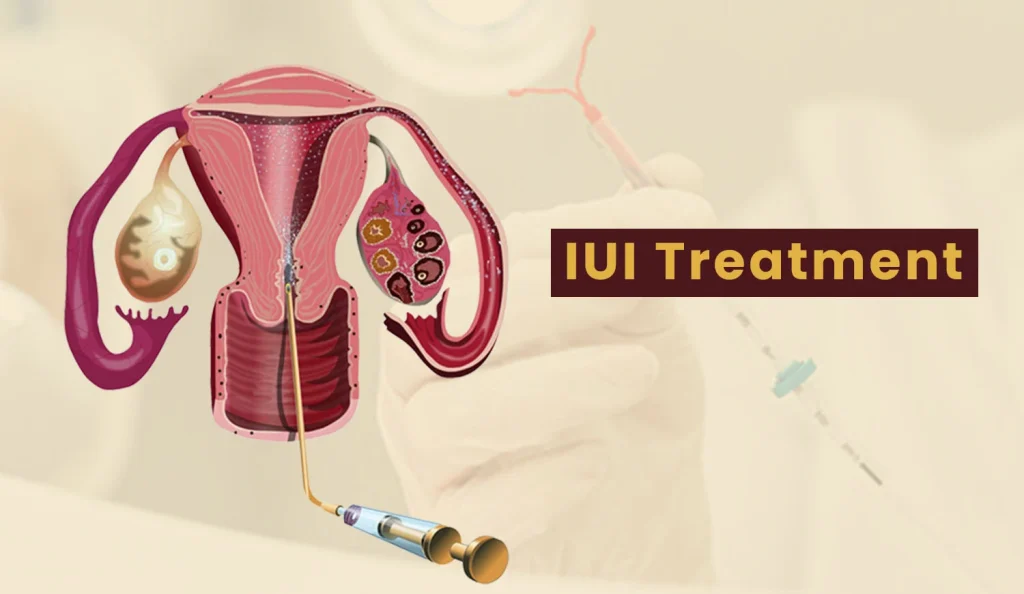
    illustration of the uterus and ovaries with a syringe, labeled "IUI Treatment" in the background

    Egg Donation vs Egg Freezing: How to Prepare Yourself

    Egg Freezing: What to Expect

    Egg freezing, also known as oocyte cryopreservation, is a procedure that allows women to preserve their fertility for future use. This may be for personal reasons, such as wanting to delay starting a family, or for medical reasons, such as undergoing cancer treatment that may affect fertility. The process involves retrieving a woman’s eggs and freezing them for later use.

    Before undergoing egg freezing, it is important to meet with a fertility specialist to discuss your options and determine if this is the right choice for you. Similar to egg donation, you will also need to undergo medical tests to ensure that you are physically and mentally prepared for the procedure.

    One of the most critical steps in preparing for egg freezing is determining the best time to freeze your eggs. This is typically done during your reproductive prime, which is in your 20s or early 30s, when your eggs are of the highest quality. However, it is also possible to freeze eggs at a later age, although the success rates may vary.

    Another important consideration is the cost of egg freezing. This is not usually covered by insurance, so it is essential to budget and plan accordingly. Some fertility clinics offer financing options, and there are also grants and other financial assistance programs available.

    Preparing yourself for egg freezing may also involve making lifestyle changes leading up to the procedure. This can include following a healthy diet, exercising regularly, and avoiding substances that can affect fertility. It is also important to mentally prepare yourself for the potential emotional challenges that may come with the process, such as feelings of sadness or disappointment if the eggs do not result in a successful pregnancy.

    Summarizing the Blog Post

    In summary, egg donation and egg freezing are two viable options for women looking to preserve their fertility or help others achieve their dream of having a child. Egg donation involves donating eggs to another person or couple for fertilization and pregnancy, while egg freezing involves preserving a woman’s eggs for future use. To prepare for either procedure, it is essential to find a reputable fertility clinic, undergo necessary medical tests, understand the legal implications, and take care of your physical and mental well-being. It is also important to consider factors such as timing, cost, and potential lifestyle changes. By being well-informed and prepared, women can make the best decision for their fertility journey.

  • Egg Donation vs Egg Freezing: A Personal Choice

    Egg Donation vs Egg Freezing: A Personal Choice

    Egg donation and egg freezing are two options available to women who want to preserve their fertility. While both processes involve eggs, they serve different purposes and have their own unique considerations. Deciding between egg donation and egg freezing can be a complex and personal decision for women. In this blog post, we will explore the differences between egg donation and egg freezing, and discuss how to make the best choice for your personal situation.

    Egg Donation: What Is It and Why Do Women Choose It?

    Egg donation is the process of retrieving eggs from a donor and fertilizing them with sperm in a laboratory. The resulting embryos are then transferred to the intended parent or a gestational carrier for pregnancy and childbirth. This process is often used by women who are unable to conceive with their own eggs due to various reasons such as age, genetic disorders, or medical conditions.

    One of the main benefits of egg donation is the ability to have a biological child when a woman’s own eggs are not viable. This can be a deeply emotional and fulfilling experience for women who have always dreamed of having a child but were unable to do so without the help of a donor. Additionally, egg donation allows for genetic testing of the embryos, which can help reduce the risk of passing on certain genetic disorders to the child.

    Another reason women may choose egg donation is to avoid passing on genetic disorders that run in their family. By using donated eggs, they can have a child without worrying about the potential health implications of their own genetic makeup.

    Egg Freezing: What Is It and Why Do Women Choose It?

    Egg freezing, also known as oocyte cryopreservation, is the process of retrieving a woman’s eggs and freezing them for future use. This method is typically used by women who want to preserve their fertility for various reasons, such as delaying childbearing due to career or personal reasons, or medical treatments that may affect their fertility.

    One of the biggest benefits of egg freezing is that it allows women to have control over their reproductive timeline. By freezing their eggs at a younger age, women can increase their chances of having a healthy pregnancy later in life. This can be especially important for women who may face fertility challenges due to age or medical reasons.

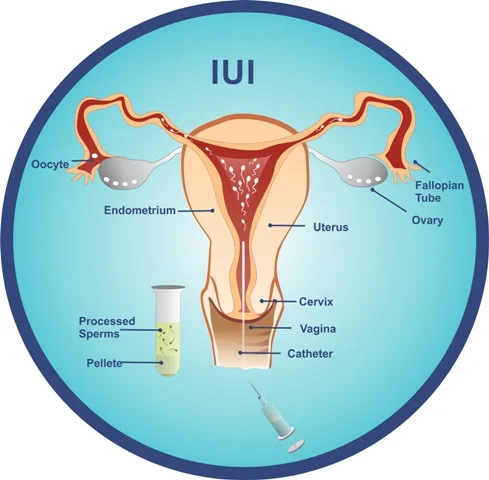
    diagram illustrating intrauterine insemination (IUI) with labeled reproductive anatomy and procedures

    Egg Donation vs Egg Freezing: A Personal Choice

    Egg freezing also gives women the option to have a biological child when they are ready, without feeling pressured by societal expectations or biological clock. This can be a huge relief for women who want to focus on their careers or personal goals before starting a family.

    Considerations for Egg Donation and Egg Freezing

    Both egg donation and egg freezing have their own unique considerations that women should keep in mind when making a decision. For egg donation, it is important to carefully consider the legal and emotional implications of using a donor’s eggs. Women should also be prepared for potential challenges, such as finding a suitable donor and navigating the process of egg retrieval and embryo transfer.

    On the other hand, egg freezing also has its own set of considerations. The process of egg retrieval can be physically and emotionally taxing, and there is no guarantee that the frozen eggs will result in a successful pregnancy in the future. Women should also be aware of the financial costs and potential risks associated with egg freezing.

    Making the Choice: Factors to Consider

    When deciding between egg donation and egg freezing, there are several factors to consider. Firstly, women should assess their own fertility and the likelihood of success with each option based on their age, medical history, and any fertility issues they may have. They should also consider their personal goals and desires for having a child, as well as their financial and emotional readiness for either process.

    It is also important to consult with a fertility specialist to discuss the potential risks and success rates of each option. They can provide personalized advice and guidance based on a woman’s individual circumstances.

    In the end, the choice between egg donation and egg freezing is a deeply personal one that should be made after careful consideration and consultation with medical professionals. Both options have the potential to help women achieve their dreams of having a child, and the decision ultimately depends on what feels right for each individual.

    Summary:

    Egg donation and egg freezing are two options available to women who want to preserve their fertility. Egg donation involves using a donor’s eggs for pregnancy, while egg freezing allows women to freeze their own eggs for future use. Factors to consider when deciding between the two include fertility, personal goals, and financial and emotional readiness. Consulting with a fertility specialist is important for personalized advice and guidance. In the end, the choice between egg donation and egg freezing is a personal one that should be made after careful consideration.

  • Egg Donation vs Egg Freezing: Making an Informed Decision

    Egg Donation vs Egg Freezing: Making an Informed Decision

    Egg donation and egg freezing are two medical procedures that have revolutionized the way women can plan for their future fertility. These options provide the opportunity for women to have children later in life, whether it’s due to personal or medical reasons. However, these two procedures are often confused with each other, and many women struggle to understand the differences between them and which one may be the right choice for them. In this blog post, we will discuss the differences between egg donation and egg freezing, the pros and cons of each, and how to make an informed decision about which option is best for you.

    Egg Donation: What is it?

    Egg donation is a process in which a fertile woman (known as the donor) provides her eggs to another woman (known as the recipient) who is unable to produce her own eggs. This process is often used by women who are unable to conceive due to various reasons, such as age, genetic disorders, or medical conditions. Egg donation involves a series of medical procedures, including hormonal stimulation, egg retrieval, and fertilization in a lab. Once the eggs are retrieved, they are fertilized with the sperm of either the recipient’s partner or a sperm donor. The resulting embryos are then transferred into the recipient’s uterus in hopes of achieving a successful pregnancy.

    Egg Freezing: What is it?

    Egg freezing, also known as oocyte cryopreservation, is a process in which a woman’s eggs are retrieved, frozen, and stored for future use. This option is often chosen by women who want to preserve their fertility for various reasons, such as delaying pregnancy for career or personal reasons, or undergoing medical treatments that may affect their fertility. Similar to egg donation, the process of egg freezing also involves hormonal stimulation and egg retrieval. However, instead of fertilizing the eggs immediately, they are frozen and stored in a specialized facility until the woman is ready to use them in the future.

    Pros and Cons of Egg Donation

    Pros:

    1. Higher chances of pregnancy: Egg donation has a higher success rate compared to other fertility treatments, as it uses healthy, young eggs from a donor.

    2. No genetic link to the donor: For some couples, the fact that there is no genetic link between the donor and the child may be seen as an advantage, especially if they want to maintain privacy about their fertility treatment.

    3. Availability of donor eggs: Egg donation is a widely available option, with many specialized fertility clinics offering donor egg programs.

    Cons:

    1. Cost: Egg donation can be a costly procedure, as it involves multiple medical procedures, including hormonal stimulation, egg retrieval, and fertilization.

    2. Emotional aspects: Some women may struggle with the emotional aspect of using someone else’s eggs to conceive a child.

    3. Legal and ethical considerations: There may be legal and ethical considerations to take into account when using donor eggs, such as the rights of the donor and the child.

    Illustration of a uterus with a syringe, representing intrauterine insemination (IUI) procedure.

    Egg Donation vs Egg Freezing: Making an Informed Decision

    Pros and Cons of Egg Freezing

    Pros:

    1. Flexibility and control over reproductive choices: Egg freezing allows women to have more control over their reproductive choices and the timing of when they want to have children.

    2. Preserving fertility: For women who want to delay pregnancy for personal or medical reasons, egg freezing provides the opportunity to preserve their fertility and increase their chances of having a biological child in the future.

    3. No need for a donor: Unlike egg donation, egg freezing allows women to use their own eggs, eliminating the need for a donor and any potential genetic concerns.

    Cons:

    1. Success rate: The success rate of egg freezing is not as high as egg donation, as the quality of the frozen eggs may decrease over time.

    2. Cost: Egg freezing can also be a costly procedure, with the added expense of storage fees for the frozen eggs.

    3. No guarantee of a successful pregnancy: Just like any fertility treatment, there is no guarantee that the frozen eggs will result in a successful pregnancy in the future.

    Making an Informed Decision

    When considering egg donation vs egg freezing, it’s important to take into account various factors such as age, medical history, and personal preferences. It’s essential to consult with a fertility specialist to discuss your options and determine which one is best for you. Additionally, it’s important to consider the emotional, financial, and ethical aspects of each procedure before making a decision.

    Some questions to consider when making this decision may include:

    – What are my reasons for wanting to preserve my fertility?
    – What are the success rates of each procedure for someone in my age group and medical history?
    – What are the costs associated with each procedure, including any potential future expenses?
    – How do I feel about using a donor’s eggs vs my own eggs?
    – What are the legal and ethical considerations of each option?
    – How do I feel about the potential emotional aspects of each procedure?

    Summary:

    Egg donation and egg freezing are two medical procedures that offer women the opportunity to plan for their future fertility. Egg donation involves using a donor’s eggs to conceive a child, while egg freezing involves retrieving, freezing, and storing a woman’s own eggs for future use. Both options have their own set of pros and cons, and it’s important for women to carefully consider factors such as age, medical history, and personal preferences before making a decision. Consulting with a fertility specialist and weighing the emotional, financial, and ethical aspects of each procedure can help women make an informed decision about which option is best for them.