Egg Donation vs Egg Freezing: Making an Informed Decision
Egg donation and egg freezing are two medical procedures that have revolutionized the way women can plan for their future fertility. These options provide the opportunity for women to have children later in life, whether it’s due to personal or medical reasons. However, these two procedures are often confused with each other, and many women struggle to understand the differences between them and which one may be the right choice for them. In this blog post, we will discuss the differences between egg donation and egg freezing, the pros and cons of each, and how to make an informed decision about which option is best for you.
Egg Donation: What is it?
Egg donation is a process in which a fertile woman (known as the donor) provides her eggs to another woman (known as the recipient) who is unable to produce her own eggs. This process is often used by women who are unable to conceive due to various reasons, such as age, genetic disorders, or medical conditions. Egg donation involves a series of medical procedures, including hormonal stimulation, egg retrieval, and fertilization in a lab. Once the eggs are retrieved, they are fertilized with the sperm of either the recipient’s partner or a sperm donor. The resulting embryos are then transferred into the recipient’s uterus in hopes of achieving a successful pregnancy.
Egg Freezing: What is it?
Egg freezing, also known as oocyte cryopreservation, is a process in which a woman’s eggs are retrieved, frozen, and stored for future use. This option is often chosen by women who want to preserve their fertility for various reasons, such as delaying pregnancy for career or personal reasons, or undergoing medical treatments that may affect their fertility. Similar to egg donation, the process of egg freezing also involves hormonal stimulation and egg retrieval. However, instead of fertilizing the eggs immediately, they are frozen and stored in a specialized facility until the woman is ready to use them in the future.
Pros and Cons of Egg Donation
Pros:
1. Higher chances of pregnancy: Egg donation has a higher success rate compared to other fertility treatments, as it uses healthy, young eggs from a donor.
2. No genetic link to the donor: For some couples, the fact that there is no genetic link between the donor and the child may be seen as an advantage, especially if they want to maintain privacy about their fertility treatment.
3. Availability of donor eggs: Egg donation is a widely available option, with many specialized fertility clinics offering donor egg programs.
Cons:
1. Cost: Egg donation can be a costly procedure, as it involves multiple medical procedures, including hormonal stimulation, egg retrieval, and fertilization.
2. Emotional aspects: Some women may struggle with the emotional aspect of using someone else’s eggs to conceive a child.
3. Legal and ethical considerations: There may be legal and ethical considerations to take into account when using donor eggs, such as the rights of the donor and the child.
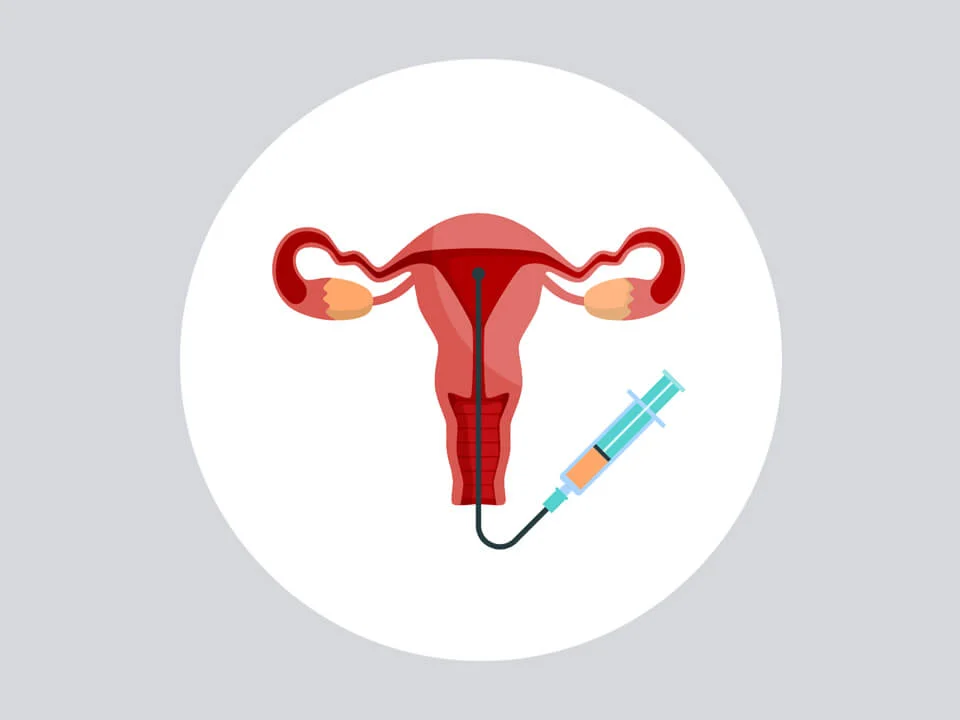
Egg Donation vs Egg Freezing: Making an Informed Decision
Pros and Cons of Egg Freezing
Pros:
1. Flexibility and control over reproductive choices: Egg freezing allows women to have more control over their reproductive choices and the timing of when they want to have children.
2. Preserving fertility: For women who want to delay pregnancy for personal or medical reasons, egg freezing provides the opportunity to preserve their fertility and increase their chances of having a biological child in the future.
3. No need for a donor: Unlike egg donation, egg freezing allows women to use their own eggs, eliminating the need for a donor and any potential genetic concerns.
Cons:
1. Success rate: The success rate of egg freezing is not as high as egg donation, as the quality of the frozen eggs may decrease over time.
2. Cost: Egg freezing can also be a costly procedure, with the added expense of storage fees for the frozen eggs.
3. No guarantee of a successful pregnancy: Just like any fertility treatment, there is no guarantee that the frozen eggs will result in a successful pregnancy in the future.
Making an Informed Decision
When considering egg donation vs egg freezing, it’s important to take into account various factors such as age, medical history, and personal preferences. It’s essential to consult with a fertility specialist to discuss your options and determine which one is best for you. Additionally, it’s important to consider the emotional, financial, and ethical aspects of each procedure before making a decision.
Some questions to consider when making this decision may include:
– What are my reasons for wanting to preserve my fertility?
– What are the success rates of each procedure for someone in my age group and medical history?
– What are the costs associated with each procedure, including any potential future expenses?
– How do I feel about using a donor’s eggs vs my own eggs?
– What are the legal and ethical considerations of each option?
– How do I feel about the potential emotional aspects of each procedure?
Summary:
Egg donation and egg freezing are two medical procedures that offer women the opportunity to plan for their future fertility. Egg donation involves using a donor’s eggs to conceive a child, while egg freezing involves retrieving, freezing, and storing a woman’s own eggs for future use. Both options have their own set of pros and cons, and it’s important for women to carefully consider factors such as age, medical history, and personal preferences before making a decision. Consulting with a fertility specialist and weighing the emotional, financial, and ethical aspects of each procedure can help women make an informed decision about which option is best for them.