Tag: emotional support

  • The Role of Counseling in Fertility Clinics vs Hospitals

    The journey towards parenthood can be a challenging and emotional one, especially for individuals and couples struggling with infertility. As technology and medical advancements have made assisted reproductive technology (ART) more accessible, the role of counseling in fertility clinics versus hospitals has become a topic of interest.

    In this blog post, we will explore the importance of counseling in both fertility clinics and hospitals for individuals and couples undergoing infertility treatment. We will discuss the differences between counseling in these two settings and how it can benefit patients emotionally, mentally, and physically.

    The Role of Counseling in Fertility Clinics:

    Fertility clinics specialize in treating patients struggling with infertility and offer a range of services, including counseling. The primary goal of counseling in fertility clinics is to provide emotional support and guidance to individuals and couples undergoing infertility treatment. Infertility can take a toll on one’s mental and emotional health, and counseling can help patients navigate through the various challenges they may face.

    One of the main differences between counseling in fertility clinics and hospitals is the focus on the emotional and psychological well-being of patients. Fertility clinics have specialized counselors who are trained to understand the unique challenges of infertility and the various treatment options available. They can provide patients with the necessary emotional support and coping strategies to help them navigate through the ups and downs of infertility treatment.

    Counseling in fertility clinics also plays a crucial role in preparing patients for the emotional and psychological aspects of ART. Patients may experience a range of emotions, including anxiety, fear, and stress, as they undergo treatment. Counselors can help patients manage these emotions and provide them with tools to cope with the physical and emotional demands of treatment.

    Additionally, counseling in fertility clinics can also help patients make informed decisions regarding their treatment. Infertility treatment can be overwhelming, and patients may feel pressured to make decisions quickly. Counselors can provide patients with a safe and supportive space to discuss their options and make choices that align with their values and preferences.

    The Role of Counseling in Hospitals:

    While counseling may not be the primary focus of hospitals, it plays an essential role in the overall treatment of patients undergoing infertility treatment. Hospitals typically provide more complex and invasive fertility treatments, such as in-vitro fertilization (IVF) or intrauterine insemination (IUI). These procedures can be physically and emotionally taxing for patients, making counseling a crucial aspect of their treatment.
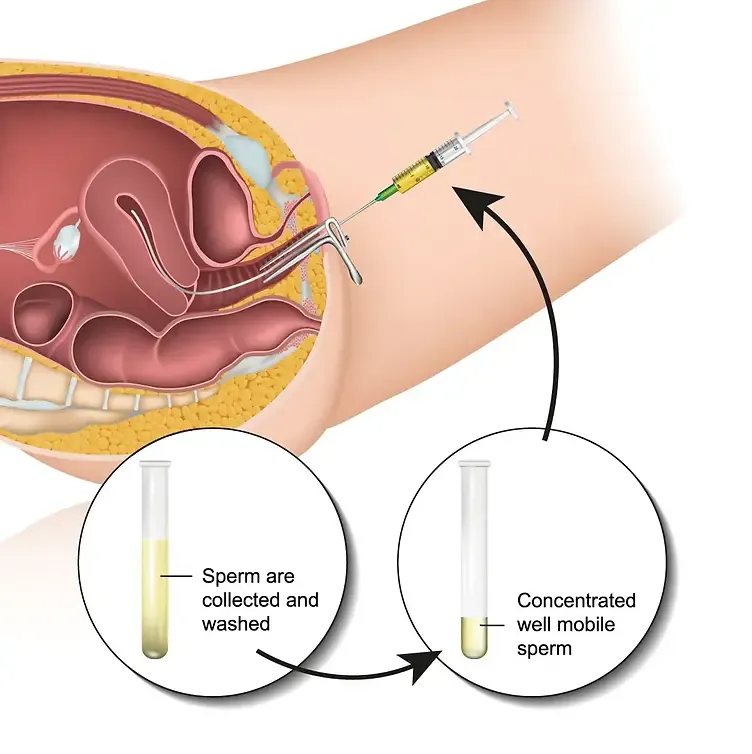
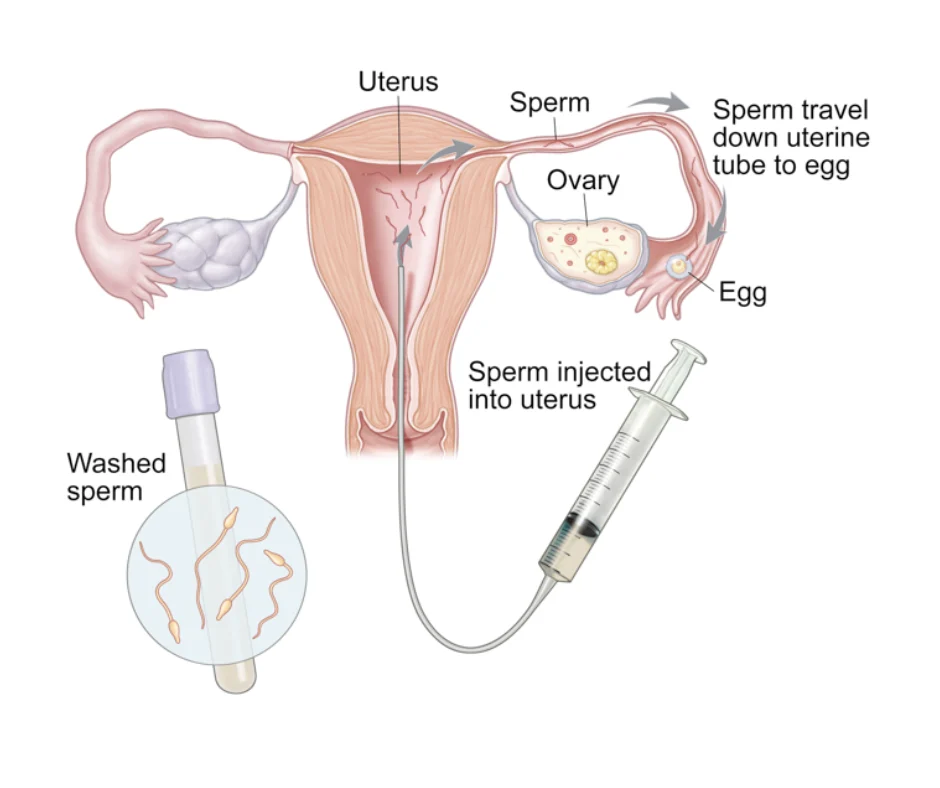
    Illustration of intrauterine insemination process, showing sperm collection and injection into the uterus.

    The Role of Counseling in Fertility Clinics vs Hospitals

    In hospitals, counselors may work closely with doctors and other medical professionals to provide patients with comprehensive care. They can offer emotional support and guidance during and after procedures, helping patients manage any stress or anxiety they may experience. Counselors in hospitals also play a crucial role in identifying any mental health concerns that may arise during treatment and providing patients with the necessary support or referrals.

    Additionally, counseling in hospitals can also help patients cope with the emotional impact of unsuccessful treatments. While fertility clinics may have a higher success rate, not all treatments are successful, and patients may need support to process and grieve these losses. Counselors in hospitals can offer patients a safe space to express their emotions and provide them with tools to cope with their feelings.

    The Benefits of Counseling in Fertility Clinics and Hospitals:

    Counseling in both fertility clinics and hospitals can provide patients with a range of benefits, including emotional support, improved mental health, and better decision-making. Infertility can be a stressful and isolating experience, and counseling can offer patients a safe space to express their emotions and feel heard.

    Counseling can also help patients manage any mental health concerns, such as depression or anxiety, that may arise during treatment. These conditions can have a significant impact on a patient’s overall well-being and may even affect the success of their treatment. With the support of a counselor, patients can learn healthy coping strategies and improve their mental health.

    Moreover, counseling can also improve communication and relationships between couples. Infertility can put a strain on even the strongest of relationships, and counseling can help couples navigate through the challenges and communicate effectively. It can also help individuals and couples make informed decisions about their treatment and ensure that they are on the same page.

    Conclusion:

    In conclusion, counseling plays a crucial role in both fertility clinics and hospitals for individuals and couples undergoing infertility treatment. Fertility clinics tend to focus more on the emotional and psychological well-being of patients, while hospitals provide patients with comprehensive care that includes counseling. Regardless of the setting, counseling can offer patients the necessary emotional support, improve their mental health, and help them make informed decisions about their treatment. With the help of counseling, individuals and couples can navigate through the challenges of infertility and improve their chances of success.

    SEO metadata:
  • A Look Inside Fertility Clinics and Hospitals: What to Expect

    Blog Post:

    For many couples struggling with infertility, fertility clinics and hospitals offer a glimmer of hope. These facilities are equipped with state-of-the-art technology and a team of specialists dedicated to helping individuals and couples achieve their dream of starting a family. However, the thought of undergoing fertility treatments can be overwhelming and intimidating. In this blog post, we will take a closer look inside fertility clinics and hospitals, and discuss what to expect during your journey towards parenthood.

    Initial Consultation:

    The first step in the fertility treatment process is an initial consultation with a fertility specialist. This is an opportunity for the doctor to get to know you and your partner, understand your medical history, and discuss any concerns or questions you may have. During this consultation, the doctor may recommend certain tests to determine the cause of infertility and create a personalized treatment plan for you.

    Diagnostic Tests:

    Fertility clinics and hospitals offer a wide range of diagnostic tests to identify the underlying cause of infertility. These tests may include blood work, ultrasound, hysterosalpingogram (HSG), semen analysis, and genetic testing. These tests help the doctor to pinpoint any potential issues and guide them in creating an effective treatment plan.

    Fertility Treatments:

    Fertility clinics offer a variety of treatments, including in vitro fertilization (IVF), intrauterine insemination (IUI), and fertility medications. The type of treatment recommended will depend on the cause of infertility, the results of diagnostic tests, and the couple’s preferences. The fertility specialist will explain the different options and help you choose the treatment that is best for you.

    IVF is one of the most common fertility treatments offered at clinics and hospitals. This involves retrieving eggs from the female partner and fertilizing them with sperm in a laboratory. The resulting embryo is then transferred into the woman’s uterus, increasing the chances of pregnancy. IUI, on the other hand, involves placing washed and concentrated sperm directly into the woman’s uterus to increase the chances of fertilization.

    Fertility medications are often used in conjunction with IVF or IUI to stimulate the ovaries and increase the number of eggs produced. These medications may include oral or injectable hormones and are tailored to each individual’s needs.

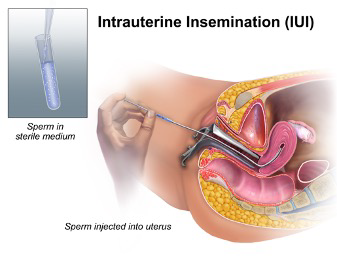
    Illustration of intrauterine insemination (IUI) procedure, showing sperm injection into the uterus.

    A Look Inside Fertility Clinics and Hospitals: What to Expect

    Emotional Support:

    Going through fertility treatments can be an emotional rollercoaster for many couples. Fertility clinics and hospitals understand the emotional toll that infertility can take and offer support services to help patients cope with the challenges. These may include counseling, support groups, and resources to help manage stress and anxiety.

    Success Rates:

    One of the most common questions asked by couples considering fertility treatments is about success rates. While success rates vary depending on various factors, including age, cause of infertility, and type of treatment, the overall success rates for fertility treatments have improved significantly in recent years. It is important to keep in mind that every individual and couple’s journey is unique, and success rates should not be the sole determining factor in choosing a fertility clinic.

    Cost of Fertility Treatments:

    Fertility treatments can be expensive, and it is essential to consider the cost before starting the process. Many fertility clinics offer financing options and work with insurance companies to help make treatments more affordable. It is important to discuss the cost of treatments and any potential financial assistance with the fertility clinic before starting the process.

    Follow-Up Care:

    Once fertility treatments are completed, follow-up care is crucial to monitor the pregnancy and ensure the health of both the mother and baby. Fertility clinics and hospitals offer regular check-ups and ultrasounds to monitor the progress of the pregnancy and address any concerns that may arise.

    In addition to the above, fertility clinics and hospitals also prioritize patient privacy and confidentiality. The staff is trained to handle sensitive information and provide a safe and comfortable environment for patients to undergo treatments.

    In summary, fertility clinics and hospitals offer hope and support to couples struggling with infertility. They provide a wide range of services, from diagnostic tests to fertility treatments, and emotional support to help individuals and couples achieve their dream of starting a family. It is essential to have a thorough understanding of what to expect before starting the fertility treatment process, and to choose a reputable and experienced clinic for the best chances of success.

    SEO Metadata:

  • Making the Decision: Fertility Clinics vs Hospitals for IVF

    Blog Post:

    Making the decision to undergo in vitro fertilization (IVF) is a big step for couples struggling with infertility. It is a complex and emotional journey that requires careful consideration and planning. One of the first decisions that couples have to make is where to undergo the IVF process – at a fertility clinic or a hospital. Both options have their own set of pros and cons, and it can be overwhelming to choose between the two. In this blog post, we will discuss the differences between fertility clinics and hospitals for IVF and help you make an informed decision.

    Fertility Clinics for IVF:

    Fertility clinics specialize in reproductive medicine and offer a range of services for couples trying to conceive. These clinics have highly trained and experienced staff, including reproductive endocrinologists, embryologists, and fertility nurses. They have state-of-the-art equipment and facilities to perform all procedures related to IVF. Fertility clinics also have a dedicated team to provide emotional support and counseling to couples throughout their IVF journey.

    Pros of Choosing a Fertility Clinic for IVF:

    1. Specialized Care: Fertility clinics have a team of experts who specialize in reproductive medicine. They have extensive knowledge and experience in dealing with fertility issues, which makes them the best choice for IVF treatment.

    2. Personalized Treatment: Every couple’s fertility journey is unique, and fertility clinics understand that. They provide personalized treatment plans tailored to each couple’s specific needs, increasing the chances of a successful IVF outcome.

    3. More Options: Fertility clinics offer a range of treatment options besides IVF, such as Intrauterine Insemination (IUI), egg freezing, and surrogacy. This gives couples more options to explore and choose the best treatment for their situation.

    4. Emotional Support: Going through IVF can be emotionally taxing for couples. Fertility clinics have a team of counselors who provide emotional support and help couples cope with the stress and anxiety associated with the treatment.

    Cons of Choosing a Fertility Clinic for IVF:

    1. Cost: IVF treatment at a fertility clinic can be expensive, with the average cost ranging from $12,000 to $15,000. This cost does not include additional procedures like genetic testing or medication, which can further increase the overall cost.

    2. Limited Availability: Fertility clinics have a limited number of appointments available, and their schedules can be tight. This can cause delays and waiting periods for couples, which can be frustrating and stressful.

    Cost breakdown for IUI components, including requirements, impacts, and alternatives.

    Making the Decision: Fertility Clinics vs Hospitals for IVF

    Hospitals for IVF:

    Hospitals also offer IVF services, and some even have dedicated fertility departments. These hospitals have all the necessary equipment and facilities to perform IVF procedures, but their focus is not solely on reproductive medicine.

    Pros of Choosing a Hospital for IVF:

    1. Lower Cost: IVF treatment at a hospital can be more affordable compared to a fertility clinic. This is because hospitals have larger budgets and can offer discounts for IVF services.

    2. Availability: Hospitals have a larger staff and more resources, which means they can accommodate more patients and have more appointment slots available. This reduces waiting periods and increases the chances of starting IVF treatment sooner.

    3. Familiar Environment: Some couples may feel more comfortable undergoing IVF treatment in a hospital setting, as it is a familiar environment for medical procedures.

    Cons of Choosing a Hospital for IVF:

    1. Lack of Specialization: Hospitals do not specialize in reproductive medicine, which means the staff may not have the same level of expertise and experience as those in fertility clinics. This can affect the quality of care and the success rates of IVF treatment.

    2. Limited Options: Hospitals may not offer a range of treatment options like fertility clinics. This can limit the choices available to couples and may not be suitable for their specific needs.

    3. Emotional Support: Hospitals may not have a dedicated team to provide emotional support and counseling to couples undergoing IVF treatment. This can make the process more challenging for couples, especially if they are dealing with emotional issues related to infertility.

    Summary:

    Choosing between a fertility clinic and a hospital for IVF treatment is a personal decision that depends on various factors, including cost, availability, and the level of expertise and support needed. Fertility clinics offer specialized care and personalized treatment plans, but they can be expensive. Hospitals, on the other hand, may be more affordable and have better availability, but they may not have the same level of expertise and support as fertility clinics. It is crucial to carefully consider all these factors and choose the option that best suits your needs and budget.

    In conclusion, both fertility clinics and hospitals have their advantages and disadvantages when it comes to IVF treatment. It is essential to do thorough research, consult with experts, and consider your personal preferences before making a decision. Ultimately, the goal is to choose a facility that will provide the best chance of success for your IVF journey.

  • The Pros and Cons of Fertility Clinics vs Hospitals

    Pros and Cons of Fertility Clinics vs Hospitals

    Fertility issues can be a sensitive and emotional topic for many couples. And when faced with the challenge of trying to conceive, many couples turn to fertility clinics or hospitals for assistance. Both options offer various treatments and services to help couples achieve their dream of starting a family. But which one is the better choice? In this blog post, we will discuss the pros and cons of fertility clinics versus hospitals to help you make an informed decision.

    Pros of Fertility Clinics:

    1. Specialization in Reproductive Health: Fertility clinics are specialized medical facilities that focus solely on reproductive health. They have a team of experts, including gynecologists, urologists, embryologists, and nurses, who have extensive knowledge and experience in treating fertility issues. This specialization allows them to provide personalized and specialized care to their patients.

    2. Advanced Technology and Techniques: Fertility clinics utilize advanced technology and techniques to diagnose and treat fertility problems. They have state-of-the-art equipment and tools, such as ultrasound machines, laparoscopes, and fertility drugs, to aid in the process. These advanced technologies and techniques increase the chances of success for couples seeking treatment.

    3. Wide Range of Treatments: Fertility clinics offer a variety of treatments, including in vitro fertilization (IVF), intrauterine insemination (IUI), egg freezing, and surrogacy. This wide range of treatments allows couples to choose the one that best suits their needs and preferences.

    4. Support and Counseling: Dealing with fertility issues can be emotionally challenging for couples. Fertility clinics provide support and counseling services to help couples cope with the stress and anxiety associated with fertility treatments. They also offer support groups and resources for couples, providing a sense of community and understanding.

    5. Privacy and Confidentiality: Fertility clinics understand the sensitive nature of fertility treatments and prioritize privacy and confidentiality. They have strict protocols in place to protect the privacy of their patients, ensuring a safe and comfortable environment for couples seeking treatment.

    Cons of Fertility Clinics:

    1. Cost: Fertility treatments can be expensive, and some couples may find it difficult to afford the high costs associated with fertility clinics. In addition to the cost of treatments, there may also be additional fees for consultations, medications, and procedures, which can add up quickly.

    2. Limited Availability: Fertility clinics may have limited availability, especially in rural areas. This can make it challenging for couples to access treatment, requiring them to travel long distances or relocate to a different city or state.

    3. High Emotional Investment: Fertility treatments can be emotionally taxing, and the high emotional investment can take a toll on couples. The process can be physically and mentally draining, and the constant ups and downs of treatment can be emotionally exhausting.

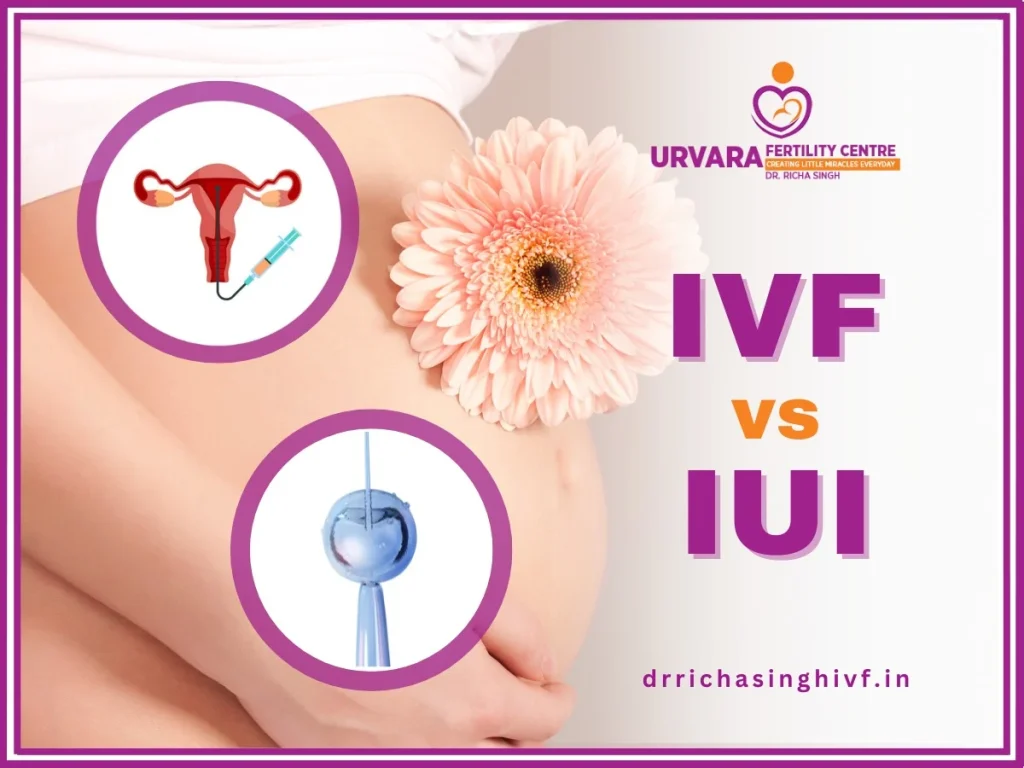
    IVF vs IUI comparison with illustrations of reproductive processes and a flower on a pregnant belly.

    The Pros and Cons of Fertility Clinics vs Hospitals

    Pros of Hospitals:

    1. Availability of Specialists: Hospitals have a wide range of specialists on staff, including reproductive endocrinologists who specialize in fertility treatments. This allows couples to have access to a team of experts who can address various health issues that may be contributing to fertility problems.

    2. Comprehensive Care: Hospitals offer comprehensive care for patients, including diagnostic testing, surgeries, and post-treatment follow-up. This means that couples can receive all their medical care in one location, making it more convenient and efficient.

    3. Insurance Coverage: Some insurance plans cover fertility treatments when performed in hospitals, making it a more affordable option for couples. This can significantly reduce the financial burden of seeking fertility treatment.

    4. Emergency Care: In case of any complications or emergencies, hospitals have the necessary resources and facilities to provide immediate care. This can provide peace of mind for couples undergoing fertility treatments.

    Cons of Hospitals:

    1. Lack of Specialization: While hospitals have reproductive endocrinologists on staff, they may not have the same level of specialization and expertise as fertility clinics. This can lead to a less personalized and tailored approach to treatment.

    2. Longer Wait Times: Hospitals are often busy and have longer wait times for appointments and procedures. This can be frustrating for couples who are eager to start their treatment journey.

    3. Limited Range of Treatments: Hospitals may not offer the same range of treatments as fertility clinics. This means that couples may not have access to more advanced or specialized treatments that could potentially increase their chances of success.

    Summary:

    Choosing between a fertility clinic and a hospital for fertility treatment requires careful consideration of the pros and cons of each option. Fertility clinics offer specialized care, advanced technology, and a wide range of treatments, but they can be costly and may have limited availability. On the other hand, hospitals offer comprehensive care, insurance coverage, and emergency care, but may lack specialization and have longer wait times. Ultimately, the decision will depend on the individual needs and preferences of each couple.

    In summary, fertility clinics and hospitals both have their own advantages and disadvantages, and the best choice will vary from couple to couple. It is essential to carefully weigh these pros and cons and consult with medical professionals to determine the best course of action for your unique situation.

  • Medical Insemination Supplies: What to Expect During the Process

    Blog Post:

    Medical insemination, also known as artificial insemination, is a common method used for conception in both heterosexual and same-sex couples. It involves the placement of sperm directly into a woman’s reproductive tract, bypassing the need for natural fertilization. This process can be done at home or in a medical setting, and there are specific supplies and steps involved to ensure a successful insemination. In this blog post, we will discuss the various medical insemination supplies and what you can expect during the process.

    1. Sperm Collection Supplies:

    The first step in the medical insemination process is to collect the sperm. If you are using a sperm donor, you can obtain pre-screened donor sperm from a sperm bank. However, if you are using your partner’s sperm, you will need to collect it at home. For this, you will need the following supplies:

    – Sterile specimen cup: This is a sterile container used to collect the sperm.
    – Condom: A condom should be used during ejaculation to avoid any contamination of the sperm.
    – Lubricant: A water-based lubricant can be used to help with the collection process.

    2. Insemination Supplies:

    After the sperm is collected, it needs to be inserted into the woman’s reproductive tract. This can be done through various methods, such as a syringe or a catheter. The following supplies are needed for the insemination process:

    – Syringe or catheter: Depending on the method chosen, a syringe or catheter will be used to deposit the sperm into the cervix or uterus.
    – Speculum: A speculum is used to hold open the vagina for easier access to the cervix.
    – Lubricant: A water-based lubricant should also be used during the insemination process to make it more comfortable and to help the catheter or syringe glide in easily.

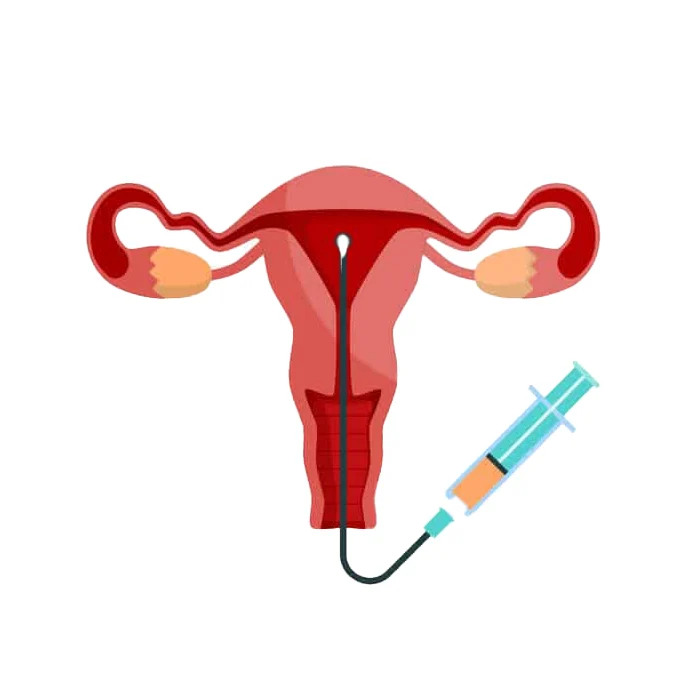
    illustration of a uterus with a syringe for intrauterine insemination (IUI) procedure

    Medical Insemination Supplies: What to Expect During the Process

    3. Pregnancy Tests:

    After the insemination process, you will need to wait for about two weeks before taking a pregnancy test. This will confirm if the insemination was successful or not. You can purchase a home pregnancy test or have a blood test done by your doctor. If the test is positive, congratulations! If not, you may need to repeat the process again.

    4. Medical Supplies:

    If you have chosen to do the medical insemination process in a medical setting, the following supplies may also be used during the procedure:

    – Ultrasound machine: This is used to guide the placement of the sperm into the uterus.
    – Fertility drugs: In some cases, fertility drugs may be used to increase the chances of a successful insemination.
    – Anesthesia: Depending on the method used, anesthesia may be used to numb the cervix for a more comfortable procedure.

    5. Emotional Support:

    Medical insemination can be an emotionally taxing process for many couples. It is important to have emotional support during this time. You can seek support from your partner, family, friends, or even join a support group for couples going through the same process. It is essential to have someone to talk to and share your feelings with during this journey.

    In summary, medical insemination involves the use of specific supplies and procedures to ensure a successful conception. These include sperm collection supplies, insemination supplies, pregnancy tests, medical supplies, and emotional support. It is essential to have all the necessary supplies and support during this process to increase the chances of a successful pregnancy.

    In conclusion, medical insemination is a common and effective method for conception that involves the use of specific supplies and procedures. By understanding what to expect during the process, you can be better prepared and increase the chances of a successful pregnancy. Remember to always seek assistance from a medical professional and have emotional support during this journey.

  • The Importance of Support: Intrauterine Insemination vs Low-Tech IVF

    Blog Post: The Importance of Support: Intrauterine Insemination vs Low-Tech IVF

    In today’s world, many couples face difficulties when trying to conceive a child. As a result, assisted reproductive technologies (ART) have become increasingly popular. Two commonly used methods are intrauterine insemination (IUI) and low-tech in vitro fertilization (IVF). While both have similar success rates, the level of support and involvement required from both the medical team and the couple can greatly impact the overall experience and success of the treatment. In this blog post, we will explore the importance of support in the journey of conceiving a child, and how it differs in IUI and low-tech IVF.

    Intrauterine Insemination (IUI) is a relatively simple procedure that involves placing washed sperm directly into the uterus around the time of ovulation. This method is often used for couples with unexplained infertility or mild male factor infertility. The IUI process is less invasive than other ART procedures, and requires minimal medical intervention. However, this does not mean that the emotional and psychological support is any less important.

    For couples undergoing IUI, the support from their medical team can greatly impact their experience. The initial consultation and testing phase can be overwhelming and stressful, as it involves discussing personal and sensitive matters. A supportive and understanding medical team can help ease the couple’s fears and anxieties, and provide them with all the necessary information and resources. During the IUI procedure, the medical staff can also play a crucial role in providing emotional support, as the couple may feel vulnerable and anxious. Having a caring and empathetic team can make all the difference in the overall experience and success of the treatment.

    Apart from medical support, having a strong support system from family and friends can also be beneficial for couples undergoing IUI. Infertility can be a difficult journey, and having a strong support system can help alleviate stress and anxiety. Friends and family can provide emotional support, offer a listening ear, and be a source of positivity during this challenging time.

    Comparison of IUI and IVF, illustrating procedures and definitions for each fertility treatment.

    The Importance of Support: Intrauterine Insemination vs Low-Tech IVF

    On the other hand, low-tech IVF involves a more complex process, with higher levels of medical intervention. This method involves stimulating the ovaries with fertility drugs to produce multiple eggs, which are then retrieved and fertilized in a laboratory. The resulting embryos are then transferred into the uterus. The process requires more monitoring and involvement from the medical team, and the couple may experience more physical and emotional side effects from the fertility drugs.

    With the higher level of medical intervention, the importance of support becomes even more crucial in low-tech IVF. The couple may feel overwhelmed and anxious during the IVF process, and having a supportive medical team can greatly ease their worries. The medical staff can provide detailed information about the process, answer any questions, and offer emotional support. They can also closely monitor the couple’s progress and adjust the treatment plan accordingly, which can greatly impact the success of the treatment.

    In addition to medical support, couples undergoing low-tech IVF may also require emotional and psychological support. The fertility drugs can cause physical side effects such as bloating, headaches, and mood swings, which can take a toll on the couple’s mental well-being. Having a support system of friends and family can greatly help the couple cope with these side effects and provide them with the much-needed emotional support.

    In conclusion, the journey of conceiving a child can be a challenging and emotional one. The level of support and involvement from the medical team and loved ones can greatly impact the overall experience and success of the treatment. Whether undergoing IUI or low-tech IVF, having a supportive and understanding medical team, as well as a strong support system of family and friends, can make all the difference in this journey.

    Summary:

    Assisted reproductive technologies (ART) such as intrauterine insemination (IUI) and low-tech in vitro fertilization (IVF) are commonly used methods for couples facing difficulties in conceiving a child. While both have similar success rates, the level of support and involvement required from the medical team and loved ones can greatly impact the overall experience and success of the treatment. In this blog post, we explore the importance of support in the journey of conceiving a child and how it differs in IUI and low-tech IVF. Having a supportive medical team and a strong support system of family and friends can greatly ease the stress and anxiety of couples undergoing these treatments, and ultimately improve their chances of success.

  • Overcoming Obstacles: Intrauterine Insemination vs Low-Tech IVF

    Blog Post Title: Overcoming Obstacles: Intrauterine Insemination vs Low-Tech IVF

    Introduction:

    Infertility is a common obstacle faced by many couples around the world. With advancements in medical technology, there are now various options available for couples struggling to conceive, such as intrauterine insemination (IUI) and low-tech in vitro fertilization (IVF). Both procedures have their own advantages and disadvantages, and it can be challenging for couples to decide which one is the right choice for them. In this blog post, we will discuss the differences between IUI and low-tech IVF, and how couples can overcome the obstacles of infertility with these treatments.

    What is Intrauterine Insemination (IUI)?

    Intrauterine insemination, also known as artificial insemination, is a fertility treatment where sperm is inserted directly into the uterus during the woman’s ovulation period. This procedure is usually recommended for couples who have unexplained infertility, mild male factor infertility, or if the woman has cervical issues that may affect the sperm’s ability to reach the egg. It is a relatively simple and less invasive procedure compared to other assisted reproductive technologies (ARTs).

    How does IUI work?

    The first step in IUI is to monitor the woman’s ovulation cycle. This can be done through blood tests, ultrasound, or ovulation predictor kits. Once it is determined that the woman is ovulating, the male partner’s sperm is collected and washed to remove any impurities or dead sperm. The sperm is then placed in a catheter and inserted into the woman’s uterus. This process increases the chances of the sperm reaching the egg and fertilizing it.

    Potential Obstacles of IUI:

    Although IUI is a relatively simple procedure, there are still some obstacles that couples may face. One of the main obstacles is the success rate of IUI. According to the American Pregnancy Association, the success rate of IUI is around 10-20% per cycle, which means that couples may need to undergo multiple cycles before achieving a successful pregnancy. This can be emotionally and financially draining for some couples.

    Another obstacle of IUI is the risk of multiple pregnancies. Since multiple eggs can be released during ovulation, there is a higher chance of having twins or triplets with IUI. While some couples may see this as a blessing, multiple pregnancies can also bring about additional risks and complications for both the mother and babies.

    What is Low-Tech IVF?

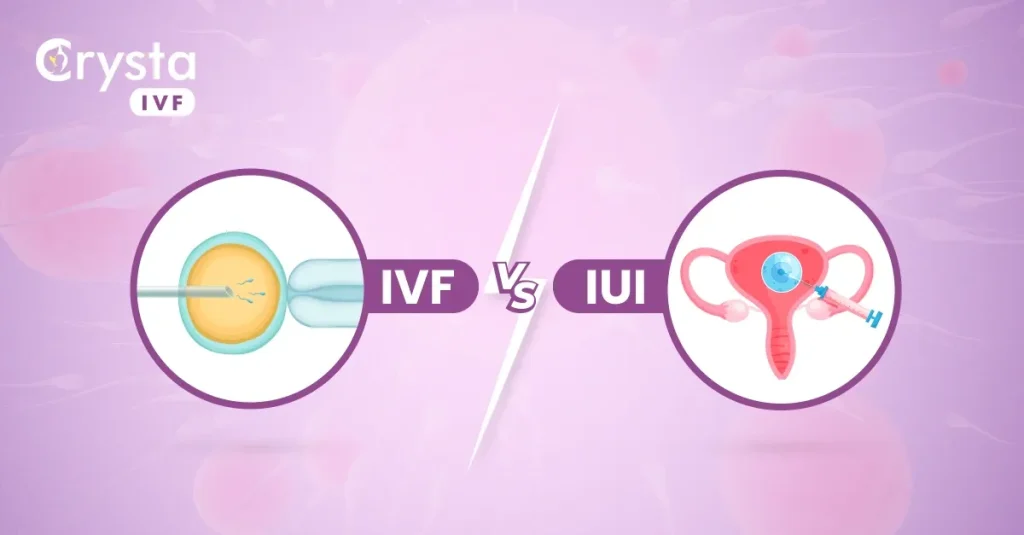
    Comparison of IVF and IUI procedures with illustrations of each method.

    Overcoming Obstacles: Intrauterine Insemination vs Low-Tech IVF

    Low-Tech IVF, also known as mini or mild IVF, is a less intensive version of traditional IVF. It involves the use of milder stimulation medications to produce a few high-quality eggs, instead of the high doses used in traditional IVF. This procedure is usually recommended for couples with mild infertility issues or for those who want to avoid the potential risks and side effects associated with traditional IVF.

    How does Low-Tech IVF work?

    The process of Low-Tech IVF is similar to traditional IVF, with the main difference being the lower doses of stimulation medication used. The woman’s ovaries are stimulated to produce a few high-quality eggs, which are then retrieved and fertilized with the partner’s sperm in a laboratory. The resulting embryos are then transferred into the woman’s uterus, and any remaining embryos can be frozen for future use.

    Potential Obstacles of Low-Tech IVF:

    One of the main obstacles of low-tech IVF is the lower success rate compared to traditional IVF. This is due to the lower number of eggs produced, which means there is a lower chance of a viable embryo being created. However, this can also be seen as an advantage for some couples, as it reduces the risk of multiple pregnancies and the potential complications that come with it.

    Another obstacle of low-tech IVF is the cost. While it may be cheaper than traditional IVF, it is still a costly procedure that may not be covered by insurance. This can be a major obstacle for couples who are struggling with infertility, as they may have to consider the financial implications of the treatment.

    Overcoming the Obstacles:

    Both IUI and low-tech IVF have their own set of obstacles, but there are ways to overcome them. One way is to have realistic expectations and understanding that these procedures may not always result in a successful pregnancy. Couples should also have open communication with their doctor and discuss all their options before deciding on a treatment plan.

    Another way to overcome the obstacles is to seek emotional support. Dealing with infertility can be emotionally draining, and having someone to talk to can make a significant difference. Support groups, counseling, or even talking to friends and family can help couples cope with the challenges of fertility treatments.

    Conclusion:

    Infertility can be a challenging obstacle for couples, but with the help of IUI and low-tech IVF, it is possible to overcome it. These treatments may have their own obstacles, but with the right mindset and support, couples can increase their chances of achieving a successful pregnancy. It is essential to remember that every couple’s journey is unique, and what works for one may not work for another. It is important to stay positive and never lose hope.

    In summary, intrauterine insemination (IUI) and low-tech IVF are two fertility treatments that can help couples overcome the obstacles of infertility. While both procedures have their own advantages and disadvantages, it is important for couples to have open communication with their doctor and seek emotional support to help them through the challenges of fertility treatments.

  • Intrauterine Insemination vs Low-Tech IVF: A Holistic Approach

    Blog Post:

    In recent years, more and more couples have been turning to alternative fertility treatments in hopes of starting or expanding their families. Two popular options that have gained attention are Intrauterine Insemination (IUI) and Low-Tech In Vitro Fertilization (IVF). Both of these treatments have their benefits and drawbacks, but there is a third option that is often overlooked – a holistic approach that combines elements of both IUI and Low-Tech IVF.

    In this blog post, we will explore the differences between Intrauterine Insemination and Low-Tech IVF, as well as the benefits of a holistic approach to fertility treatment.

    What is Intrauterine Insemination (IUI)?

    Intrauterine Insemination, also known as artificial insemination, is a type of fertility treatment where sperm is inserted directly into the woman’s uterus during ovulation. This procedure can be done with the partner’s sperm or donor sperm. The goal of IUI is to increase the number of sperm that reach the fallopian tubes and increase the chances of fertilization.

    The process of IUI involves monitoring the woman’s ovulation cycle and timing the procedure accordingly. The sperm is washed and prepared before being inserted into the uterus with a thin catheter. IUI is a relatively non-invasive procedure and can be done in a doctor’s office.

    What is Low-Tech In Vitro Fertilization (IVF)?

    In Vitro Fertilization, or IVF, is a more complex fertility treatment that involves retrieving eggs from the woman’s ovaries and fertilizing them with sperm in a laboratory. The fertilized eggs, or embryos, are then transferred back into the woman’s uterus.

    Low-Tech IVF, also known as mini-IVF or mild stimulation IVF, is a less intense version of traditional IVF. It involves using lower doses of fertility drugs to stimulate the ovaries and produce fewer eggs. This results in a smaller number of eggs retrieved, but with a higher quality. The rest of the process is similar to traditional IVF, with the embryos being transferred back into the uterus.

    The Benefits of a Holistic Approach

    diagram illustrating intrauterine insemination process, showing sperm injection into the uterus and egg fertilization pathway

    Intrauterine Insemination vs Low-Tech IVF: A Holistic Approach

    While both IUI and Low-Tech IVF have their advantages, a holistic approach to fertility treatment combines the best of both worlds. This approach takes into account the physical, emotional, and environmental factors that can affect fertility.

    One of the main benefits of a holistic approach is the focus on overall health and well-being. This includes addressing any underlying health issues that may be contributing to infertility, such as hormonal imbalances or nutritional deficiencies. By improving overall health, it can increase the chances of success with any fertility treatment.

    Another benefit of a holistic approach is the use of natural methods to support fertility. This can include acupuncture, herbal remedies, and dietary changes. These methods can help regulate hormones, improve egg quality, and reduce stress levels, all of which can have a positive impact on fertility.

    A holistic approach also takes into account the emotional aspect of fertility treatment. Going through fertility struggles can be emotionally draining and can take a toll on a couple’s relationship. By addressing the emotional aspect through counseling and support, a holistic approach can help couples cope with the ups and downs of fertility treatment.

    Intrauterine Insemination vs Low-Tech IVF: Which is Right for You?

    The decision between IUI and Low-Tech IVF ultimately depends on the individual’s specific fertility issues and goals. For couples with unexplained infertility or mild fertility issues, IUI may be a good option. It is less expensive and less invasive than IVF, making it a more accessible choice for some.

    On the other hand, Low-Tech IVF may be a better option for couples with more severe fertility issues or for those who have not had success with IUI. It has a higher success rate compared to IUI, but it also comes with a higher price tag.

    Conclusion

    In conclusion, Intrauterine Insemination and Low-Tech IVF are two popular fertility treatments, each with its own benefits and drawbacks. However, a holistic approach that combines elements of both treatments can offer a more comprehensive and personalized approach to fertility treatment. By addressing overall health, natural methods, and emotional support, a holistic approach can increase the chances of success and improve the overall well-being of couples on their fertility journey.

    Summary:

    Intrauterine Insemination and Low-Tech IVF are two popular fertility treatments that have gained attention in recent years. While both have their benefits and drawbacks, a holistic approach that combines elements of both treatments can offer a more comprehensive and personalized approach to fertility treatment. This approach takes into account overall health, natural methods, and emotional support, and can increase the chances of success for couples on their fertility journey.

  • Fertility Yoga: A Mind-Body Practice for Women on Their Fertility Journey

    Blog Post Title: Fertility Yoga: A Mind-Body Practice for Women on Their Fertility Journey

    Summary:

    Fertility struggles can be a challenging and emotional journey for many women. Along with medical treatments, incorporating mind-body practices such as yoga can be beneficial for women trying to conceive. Fertility yoga is a specialized form of yoga that focuses on supporting women on their fertility journey by balancing their physical, emotional, and spiritual well-being. In this blog post, we will discuss the benefits of fertility yoga and how it can help women on their fertility journey.

    The Benefits of Fertility Yoga:
    1. Reduces Stress and Anxiety: Stress and anxiety can negatively impact fertility by disrupting hormones and ovulation. Fertility yoga incorporates breathing techniques, relaxation, and meditation, which can reduce stress and promote a sense of calm and well-being.

    2. Improves Blood Flow to the Reproductive Organs: Certain yoga poses, such as the butterfly pose and the cobra pose, can improve blood flow to the reproductive organs, promoting a healthy reproductive system. This increased blood flow can also help to nourish the eggs and prepare the uterus for pregnancy.

    3. Balances Hormones: Fertility yoga helps to balance the endocrine system, which is responsible for producing hormones that regulate the menstrual cycle and ovulation. Certain poses, such as the supported headstand, can stimulate the thyroid gland, which plays a crucial role in hormone production.

    4. Releases Tension in the Pelvic Area: The pelvic area can hold a lot of tension, which can affect fertility. Fertility yoga includes poses that target the pelvis, releasing tension and promoting a healthy flow of energy in the reproductive system.

    5. Increases Mind-Body Connection: The mind and body are interconnected, and fertility yoga helps to strengthen this connection. By focusing on the breath and being present in the moment, women can become more aware of their bodies and better understand their fertility journey.

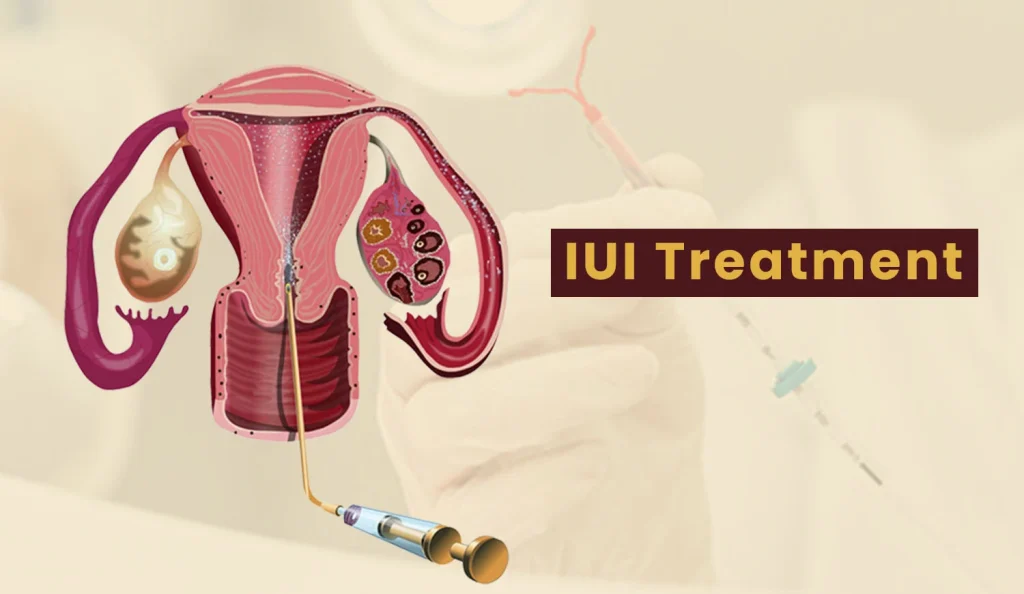
    illustration of the uterus and ovaries with a syringe, labeled "IUI Treatment" in the background

    Fertility Yoga: A Mind-Body Practice for Women on Their Fertility Journey

    6. Provides Emotional Support: Fertility struggles can take a toll on a woman’s emotional well-being. Fertility yoga incorporates meditation and visualization techniques that can help women cope with the emotional challenges of trying to conceive.

    7. Can Complement Medical Treatments: Fertility yoga is not a replacement for medical treatments, but it can be a helpful addition to them. By reducing stress and balancing hormones, fertility yoga can potentially improve the chances of success with medical treatments.

    How to Practice Fertility Yoga:
    Fertility yoga involves a series of gentle and restorative poses that are suitable for all levels, including beginners. It is recommended to practice fertility yoga at least three times a week, but even a few minutes a day can have a positive impact. Fertility yoga classes are also available, where women can receive guidance and support from a qualified instructor.

    Important Poses in Fertility Yoga:
    1. Supta Baddha Konasana (Reclining Bound Angle Pose): This pose helps to open the hips and pelvis, promoting blood flow to the reproductive organs.

    2. Bhujangasana (Cobra Pose): This pose stretches the pelvic area and improves blood flow to the reproductive organs.

    3. Salamba Sarvangasana (Supported Shoulder Stand): This pose helps to stimulate the thyroid gland and balance hormones.

    4. Viparita Karani (Legs up the Wall Pose): This pose helps to relieve tension in the pelvic area and promote relaxation.

    5. Pranayama (Breathing Techniques): Fertility yoga incorporates various pranayama techniques, such as Nadi Shodhana (alternate nostril breathing), which can help to reduce stress and balance hormones.

    In conclusion, fertility yoga can be a beneficial practice for women on their fertility journey. It not only helps to prepare the body for pregnancy but also supports the emotional well-being of women going through this challenging time. By incorporating fertility yoga into their routine, women can find a sense of peace and balance as they work towards their goal of conceiving.

  • Fertility Coaching: A Holistic Approach to Your Fertility Journey

    Summary:

    Fertility coaching is a holistic approach to supporting individuals and couples on their fertility journey. It combines emotional, physical, and spiritual support to help individuals navigate the challenges and complexities of trying to conceive. With the rise of infertility rates and the increasing demand for alternative methods of conception, fertility coaching offers a unique and personalized approach to fertility support. This blog post will explore the benefits of fertility coaching, how it works, and why it is becoming a popular option for those struggling with fertility issues.

    First, we will discuss the emotional aspect of fertility coaching. Trying to conceive can be an emotionally taxing experience, filled with feelings of frustration, disappointment, and even guilt. Fertility coaches provide a safe and supportive space for individuals to express their emotions and work through them. They help individuals identify and manage any negative thought patterns and beliefs that may be hindering their fertility journey. This emotional support is crucial as studies have shown that stress can have a significant impact on fertility.

    In addition to emotional support, fertility coaching also focuses on the physical aspect of fertility. Fertility coaches work closely with their clients to create a personalized plan that includes a healthy diet, exercise, and other lifestyle changes that can improve fertility. They may also recommend alternative therapies such as acupuncture, massage, and herbal remedies to support the body’s reproductive system. These holistic approaches can help improve overall health and increase the chances of conception.

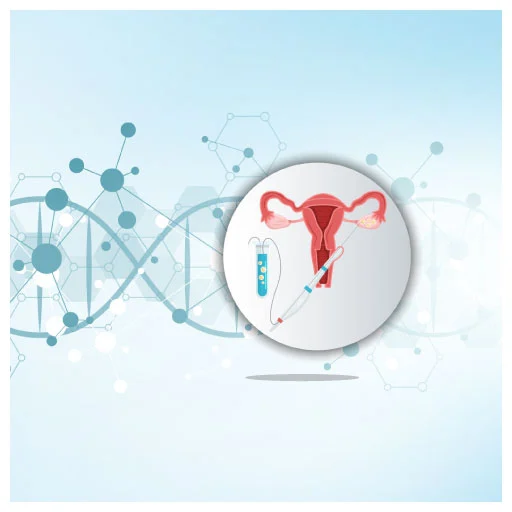
    Illustration of IUI procedure with uterus and syringe against a DNA background.

    Fertility Coaching: A Holistic Approach to Your Fertility Journey

    Fertility coaching also addresses the spiritual aspect of fertility. It recognizes that conception is not just a physical process but also a spiritual one. Fertility coaches help individuals connect with their inner selves and find spiritual balance and harmony. This may involve meditation, visualization techniques, and other spiritual practices that can help individuals release any emotional or physical blockages that may be affecting their fertility.

    One of the significant benefits of fertility coaching is the personalized approach. Fertility coaches understand that everyone’s fertility journey is unique, and there is no one-size-fits-all solution. They work closely with their clients to create a customized plan that addresses their specific needs and concerns. This personalized approach makes fertility coaching more effective than traditional methods of fertility support.

    Another benefit of fertility coaching is the support and guidance provided throughout the entire fertility journey. Fertility coaches are there to support their clients through every step, from preconception to pregnancy and beyond. They can provide guidance on fertility treatments, help navigate the emotional rollercoaster of infertility, and provide support during pregnancy and postpartum.

    It is also worth noting that fertility coaching is not just for those struggling with infertility. It can also be beneficial for those who are planning to start a family or even just thinking about it. Fertility coaches can help individuals prepare their bodies for conception and provide education on fertility awareness and natural family planning methods.

    In conclusion, fertility coaching offers a comprehensive and holistic approach to supporting individuals and couples on their fertility journey. It addresses the emotional, physical, and spiritual aspects of fertility and provides a personalized and supportive approach. With the increasing demand for alternative methods of conception, fertility coaching is becoming a popular option for those looking for a more holistic and personalized approach to fertility support.