Blog Post:
For many couples struggling with infertility, fertility clinics and hospitals offer a glimmer of hope. These facilities are equipped with state-of-the-art technology and a team of specialists dedicated to helping individuals and couples achieve their dream of starting a family. However, the thought of undergoing fertility treatments can be overwhelming and intimidating. In this blog post, we will take a closer look inside fertility clinics and hospitals, and discuss what to expect during your journey towards parenthood.
Initial Consultation:
The first step in the fertility treatment process is an initial consultation with a fertility specialist. This is an opportunity for the doctor to get to know you and your partner, understand your medical history, and discuss any concerns or questions you may have. During this consultation, the doctor may recommend certain tests to determine the cause of infertility and create a personalized treatment plan for you.
Diagnostic Tests:
Fertility clinics and hospitals offer a wide range of diagnostic tests to identify the underlying cause of infertility. These tests may include blood work, ultrasound, hysterosalpingogram (HSG), semen analysis, and genetic testing. These tests help the doctor to pinpoint any potential issues and guide them in creating an effective treatment plan.
Fertility Treatments:
Fertility clinics offer a variety of treatments, including in vitro fertilization (IVF), intrauterine insemination (IUI), and fertility medications. The type of treatment recommended will depend on the cause of infertility, the results of diagnostic tests, and the couple’s preferences. The fertility specialist will explain the different options and help you choose the treatment that is best for you.
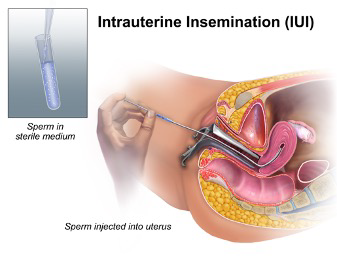
IVF is one of the most common fertility treatments offered at clinics and hospitals. This involves retrieving eggs from the female partner and fertilizing them with sperm in a laboratory. The resulting embryo is then transferred into the woman’s uterus, increasing the chances of pregnancy. IUI, on the other hand, involves placing washed and concentrated sperm directly into the woman’s uterus to increase the chances of fertilization.
Fertility medications are often used in conjunction with IVF or IUI to stimulate the ovaries and increase the number of eggs produced. These medications may include oral or injectable hormones and are tailored to each individual’s needs.
A Look Inside Fertility Clinics and Hospitals: What to Expect
Emotional Support:
Going through fertility treatments can be an emotional rollercoaster for many couples. Fertility clinics and hospitals understand the emotional toll that infertility can take and offer support services to help patients cope with the challenges. These may include counseling, support groups, and resources to help manage stress and anxiety.
Success Rates:
One of the most common questions asked by couples considering fertility treatments is about success rates. While success rates vary depending on various factors, including age, cause of infertility, and type of treatment, the overall success rates for fertility treatments have improved significantly in recent years. It is important to keep in mind that every individual and couple’s journey is unique, and success rates should not be the sole determining factor in choosing a fertility clinic.
Cost of Fertility Treatments:
Fertility treatments can be expensive, and it is essential to consider the cost before starting the process. Many fertility clinics offer financing options and work with insurance companies to help make treatments more affordable. It is important to discuss the cost of treatments and any potential financial assistance with the fertility clinic before starting the process.
Follow-Up Care:
Once fertility treatments are completed, follow-up care is crucial to monitor the pregnancy and ensure the health of both the mother and baby. Fertility clinics and hospitals offer regular check-ups and ultrasounds to monitor the progress of the pregnancy and address any concerns that may arise.
In addition to the above, fertility clinics and hospitals also prioritize patient privacy and confidentiality. The staff is trained to handle sensitive information and provide a safe and comfortable environment for patients to undergo treatments.
In summary, fertility clinics and hospitals offer hope and support to couples struggling with infertility. They provide a wide range of services, from diagnostic tests to fertility treatments, and emotional support to help individuals and couples achieve their dream of starting a family. It is essential to have a thorough understanding of what to expect before starting the fertility treatment process, and to choose a reputable and experienced clinic for the best chances of success.
SEO Metadata: