Tag: mental health

  • The Emotional Impact of Traditional Fertility Treatments: A Personal Story

    The Emotional Impact of Traditional Fertility Treatments: A Personal Story

    For many couples struggling with infertility, traditional fertility treatments such as in vitro fertilization (IVF) and intrauterine insemination (IUI) can offer hope for starting a family. However, along with the physical and financial toll of these treatments, there is also a significant emotional impact that is often overlooked. As someone who has personally gone through multiple rounds of traditional fertility treatments, I can attest to the rollercoaster of emotions that comes with each cycle.

    The desire to have a child is a deeply emotional one, and when that desire is met with difficulty and disappointment, it can take a toll on one’s mental health. The constant cycle of hope and disappointment that comes with fertility treatments can be overwhelming and draining. For me, each time I started a new cycle, I would feel a sense of excitement and optimism, hoping that this time would be the one. But as each cycle came to an end with a negative pregnancy test or a miscarriage, I would experience a wave of sadness and despair.

    One of the most challenging aspects of traditional fertility treatments is the lack of control over the outcome. Despite following all the instructions and taking all the necessary steps, there is still no guarantee of success. This feeling of powerlessness can lead to a sense of failure and self-blame. I often found myself questioning what I could have done differently or if I had somehow caused my infertility. These negative thoughts can take a toll on one’s self-esteem and can lead to feelings of guilt and shame.

    The financial burden of traditional fertility treatments can also add to the emotional strain. IVF and other treatments can cost thousands of dollars, and many insurance plans do not cover them. This can lead to difficult decisions and sacrifices, such as delaying other life goals or taking on additional debt. The constant worry about how to afford the next cycle can add to the stress and anxiety already present.

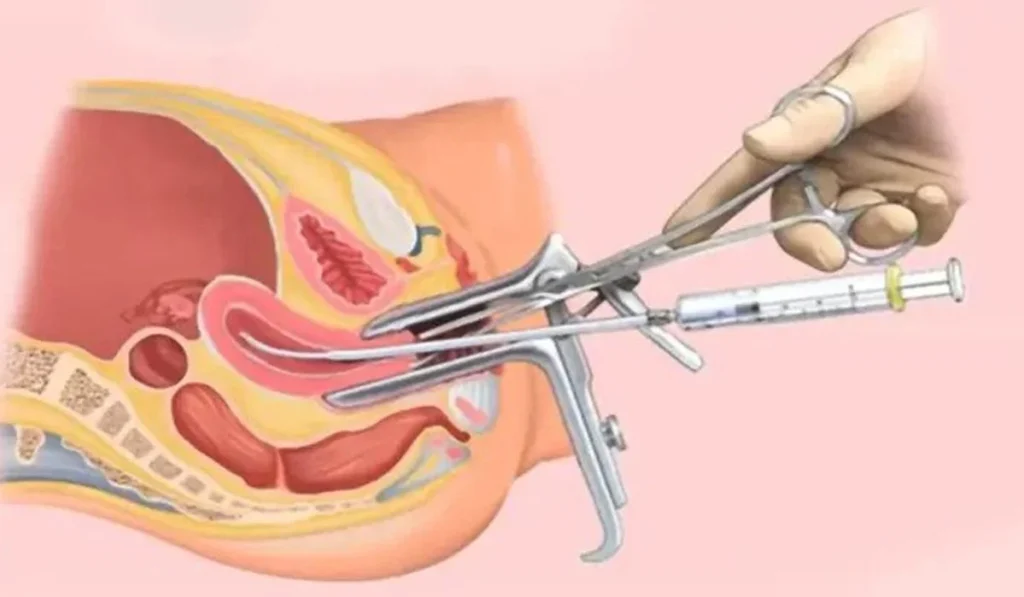
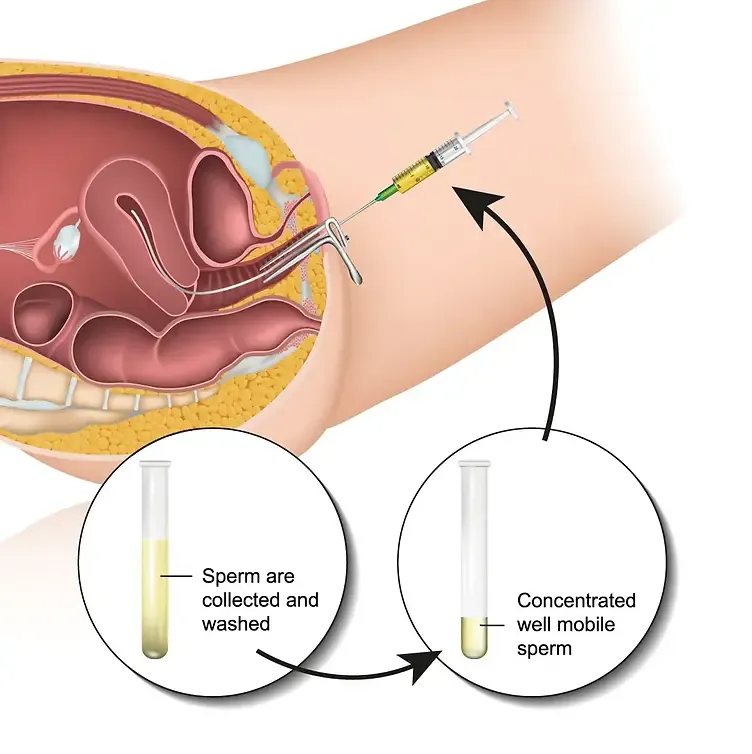
    Illustration of intrauterine insemination (IUI) procedure with syringe and catheter in the uterus.

    The Emotional Impact of Traditional Fertility Treatments: A Personal Story

    Furthermore, the physical aspects of fertility treatments can also impact one’s emotional well-being. The medications, injections, and procedures can take a toll on the body, causing side effects such as mood swings, bloating, and fatigue. These physical changes can make it challenging to feel like oneself and can add to the emotional toll of the process.

    In addition to the emotional impact on the individual undergoing fertility treatments, it can also strain relationships. Infertility can create tension and strain between partners, as each may cope with the process differently. One partner may want to continue with treatments while the other may want to take a break, leading to conflicts and misunderstandings. The pressure to conceive can also put a strain on the relationship, as sex becomes more focused on procreation rather than pleasure.

    As someone who has been through multiple rounds of traditional fertility treatments, I have experienced all of these emotional impacts firsthand. Each cycle brought a new set of emotions, and it was a constant struggle to stay positive and hopeful. It was a challenging journey, but eventually, my husband and I were able to conceive through IVF and welcome our daughter into the world.

    But even with a successful outcome, the emotional impact of traditional fertility treatments did not disappear. The years of disappointment and stress had taken a toll on my mental health, and I found myself struggling with anxiety and depression. It was only after seeking therapy and support from others who had gone through similar experiences that I was able to start healing and come to terms with my journey.

    In conclusion, the emotional impact of traditional fertility treatments is a significant aspect that is often overlooked. The constant cycle of hope and disappointment, the lack of control, financial strain, physical changes, and strain on relationships can take a toll on one’s mental health. It is essential to recognize and address these emotional impacts and seek support when needed. Infertility is a challenging journey, and it is essential to take care of one’s emotional well-being throughout the process.

    SEO metadata:
  • Sperm Analysis and Semen Analysis: How Do They Impact Male Mental Health?

    As men, our sexual and reproductive health is often not discussed or prioritized. However, it has a significant impact on our overall well-being, including our mental health. One aspect of male reproductive health that is often overlooked is sperm and semen analysis. These tests can provide crucial information about a man’s fertility and overall health. In this blog post, we will explore the importance of sperm analysis and semen analysis and how they can impact male mental health.

    What is Sperm Analysis?

    Sperm analysis, also known as a semen analysis, is a test that measures the quantity, quality, and movement of sperm in a man’s semen. It is a crucial tool in assessing male fertility and identifying potential issues that may affect a man’s ability to father a child.

    The test involves collecting a sample of semen, which is then analyzed in a laboratory. The analysis includes measuring the volume of semen, the number of sperm, the shape and size of the sperm, and their ability to move. These factors are essential in determining a man’s fertility and the likelihood of successful fertilization.

    What is Semen Analysis?

    Semen analysis is a broader term that includes not only the analysis of sperm but also the other components of semen, such as proteins, enzymes, and other cells. This test can provide valuable information about a man’s reproductive health, including the presence of infections or other underlying conditions that may affect fertility.

    How Do They Impact Male Mental Health?

    The results of sperm and semen analysis can have a significant impact on a man’s mental health. For many men, the desire to have children and start a family is a significant aspect of their lives. When faced with potential fertility issues, men may experience feelings of inadequacy, stress, and anxiety. This can lead to a negative impact on their mental health, causing depression, low self-esteem, and even relationship problems.

    Fertility issues can also cause a sense of isolation and shame for men, as society often places a strong emphasis on men’s ability to father children. This can lead to feelings of guilt and failure, which can significantly affect a man’s mental well-being.

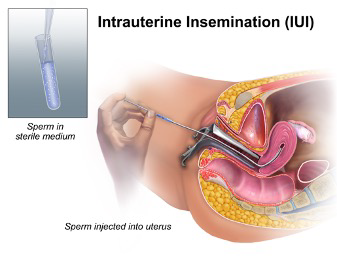
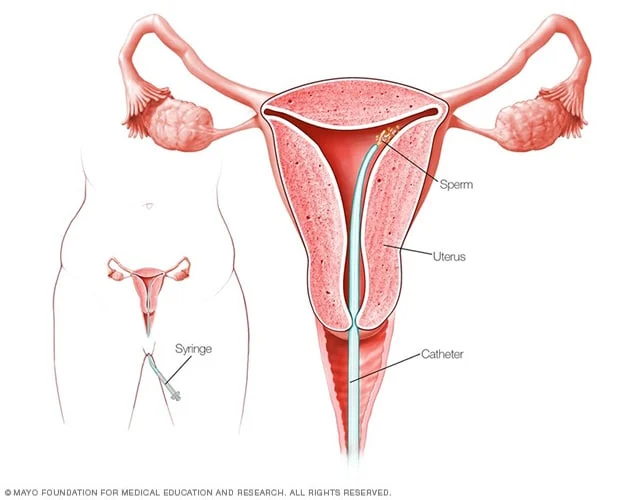
    diagram illustrating intrauterine insemination (IUI) procedure with uterus, sperm, and catheter labeled

    Sperm Analysis and Semen Analysis: How Do They Impact Male Mental Health?

    In addition to the emotional impact, sperm and semen analysis results can also have practical implications on a man’s mental health. For example, if the results indicate a low sperm count or other fertility issues, it may require medical interventions that can be physically and emotionally taxing, such as hormone therapy, surgery, or assisted reproductive techniques.

    Furthermore, the financial burden of fertility treatment can also cause significant stress and anxiety for men. Many insurance plans do not cover fertility treatments, leaving couples to bear the cost themselves. This added financial pressure can have a negative impact on a man’s mental health, leading to feelings of stress, hopelessness, and even anger.

    Ways to Cope with Sperm and Semen Analysis Results

    Receiving news of fertility issues can be devastating for men. However, there are ways to cope with the results and support mental well-being.

    One way is to seek support from loved ones, whether it be a partner, family member, or friend. Talking about one’s feelings can help alleviate the emotional burden and provide a sense of comfort and understanding.

    Additionally, seeking professional support from a therapist or counselor can also be beneficial. They can provide a safe space to express emotions and offer coping strategies to manage stress and anxiety.

    Maintaining a healthy lifestyle, including a balanced diet, regular exercise, and managing stress, can also help improve overall physical and mental well-being. It is also essential to communicate openly with healthcare providers and ask questions to fully understand the results and potential treatment options.

    In some cases, men may also benefit from joining support groups or online communities where they can connect with others who have experienced similar fertility issues. This can provide a sense of belonging and reduce feelings of isolation and shame.

    Conclusion

    In conclusion, sperm and semen analysis may seem like a routine medical test, but they have a significant impact on male mental health. Fertility issues can cause a range of emotional and practical challenges for men, leading to feelings of stress, anxiety, and low self-esteem. It is essential to seek support and take care of one’s mental and physical well-being when facing such challenges. By understanding the importance of sperm and semen analysis and utilizing coping strategies, men can navigate these challenges and maintain their mental health.

  • Fertility Coaching: Supporting Your Emotional and Mental Health During Fertility Treatment

    Fertility treatment can be a physically, emotionally, and mentally challenging journey for couples who are struggling to conceive. The rollercoaster of emotions, the uncertainty, and the pressure can take a toll on a person’s overall well-being. This is where fertility coaching comes in. Fertility coaching is a specialized form of coaching that focuses on supporting individuals and couples going through fertility treatment. It aims to provide emotional and mental support, as well as practical guidance, to help individuals navigate the ups and downs of their fertility journey.

    In this blog post, we will explore the concept of fertility coaching and how it can help individuals and couples cope with the emotional and mental challenges of fertility treatment.

    Understanding Fertility Coaching

    Fertility coaching is a relatively new field that has emerged in response to the growing need for emotional and mental support for those undergoing fertility treatment. It is a form of coaching that combines elements of counseling, therapy, and practical guidance to help individuals navigate their fertility journey.

    A fertility coach is a trained professional who specializes in working with individuals and couples going through fertility treatment. They provide a safe and non-judgmental space for individuals to express their emotions, fears, and concerns. They also offer practical guidance and resources to help individuals make informed decisions about their treatment.

    The Role of a Fertility Coach

    The primary role of a fertility coach is to provide emotional and mental support to individuals and couples going through fertility treatment. This includes helping them cope with the emotional rollercoaster of the treatment, managing stress and anxiety, and dealing with the uncertainty and disappointment that often comes with it.

    Fertility coaches also act as advocates for their clients, helping them navigate the complex world of fertility treatment. They provide information about different treatment options, help individuals understand the medical jargon, and offer guidance on how to communicate effectively with their medical team.

    In addition to emotional support and practical guidance, fertility coaches also help individuals and couples to develop coping strategies and self-care practices. This can include mindfulness techniques, stress management techniques, and finding ways to maintain a positive mindset throughout the treatment process.

    Supporting Your Emotional and Mental Health During Fertility Treatment

    Fertility treatment can be a physically and emotionally taxing experience, and it is essential to take care of your emotional and mental well-being during this time. Here are some ways that fertility coaching can help support your emotional and mental health during fertility treatment:

    diagram illustrating intrauterine insemination process, showing sperm injection into the uterus and egg fertilization pathway

    Fertility Coaching: Supporting Your Emotional and Mental Health During Fertility Treatment

    1. Providing a safe space to express emotions

    Fertility coaches offer a non-judgmental and confidential space for individuals to express their emotions. This can be especially beneficial for those who may feel isolated or misunderstood by others who have not gone through fertility treatment. Having someone to talk to who understands and can empathize with your experience can be incredibly healing.

    2. Helping to manage stress and anxiety

    Fertility treatment can be a significant source of stress and anxiety for individuals and couples. Fertility coaches can provide tools and techniques to help manage stress and anxiety, such as mindfulness practices, breathing exercises, and positive visualization. These techniques can help individuals feel more in control and reduce their overall stress levels.

    3. Offering guidance on decision-making

    Making decisions about fertility treatment can be overwhelming, especially when there are so many options available. Fertility coaches can provide information and guidance to help individuals make informed decisions that align with their values and goals. This can help alleviate some of the pressure and uncertainty that comes with making these decisions.

    4. Addressing relationship challenges

    Fertility treatment can put a strain on relationships, and it is essential to address any challenges that may arise. Fertility coaches can help couples communicate effectively, express their needs, and support each other through this journey. This can help strengthen the relationship and provide a solid foundation for facing any challenges that come with fertility treatment.

    5. Fostering a positive mindset

    Maintaining a positive mindset can be difficult during fertility treatment, especially when faced with disappointment and setbacks. Fertility coaches can help individuals develop a more positive outlook by reframing negative thoughts, practicing gratitude, and focusing on self-care. A positive mindset can not only help individuals cope with the emotional challenges of fertility treatment but can also have a positive impact on their overall well-being.

    In summary, fertility coaching is a specialized form of coaching that provides emotional and mental support to individuals and couples going through fertility treatment. It offers a safe space for individuals to express their emotions, practical guidance in decision-making, and tools to manage stress and maintain a positive mindset. Fertility coaching can be a valuable resource for those going through fertility treatment, helping them cope with the emotional and mental challenges of this journey.

  • Fertility Coaching for Men: Addressing Male Infertility and Mental Health

    Blog Post:

    Infertility is a topic that is often associated with women, but the truth is that men can also struggle with fertility issues. In fact, male infertility affects about one-third of all couples who are trying to conceive. However, when it comes to addressing infertility, men are often left out of the conversation. This is where fertility coaching for men comes in – a holistic approach that not only focuses on the physical aspects of fertility, but also addresses the mental and emotional well-being of men.

    Male infertility can be caused by various factors such as hormonal imbalances, genetic disorders, and lifestyle choices. However, the impact of male infertility on mental health is often overlooked. The pressure to conceive, societal expectations, and the stigma surrounding male infertility can take a toll on a man’s mental and emotional state. This is where fertility coaching can make a significant difference.

    Fertility coaching for men is a specialized form of coaching that focuses on the unique challenges and needs of men struggling with infertility. It provides a safe and supportive space for men to address their emotions, fears, and concerns related to infertility. Fertility coaches work closely with men to understand the root causes of their infertility and develop personalized strategies to improve their physical, mental, and emotional well-being.

    One of the key benefits of fertility coaching for men is its emphasis on holistic and comprehensive care. Unlike traditional medical treatments for male infertility, fertility coaching takes into account the mind-body connection and the impact of mental health on fertility. Fertility coaches use a combination of techniques such as counseling, mindfulness, and stress management to help men cope with the emotional toll of infertility.

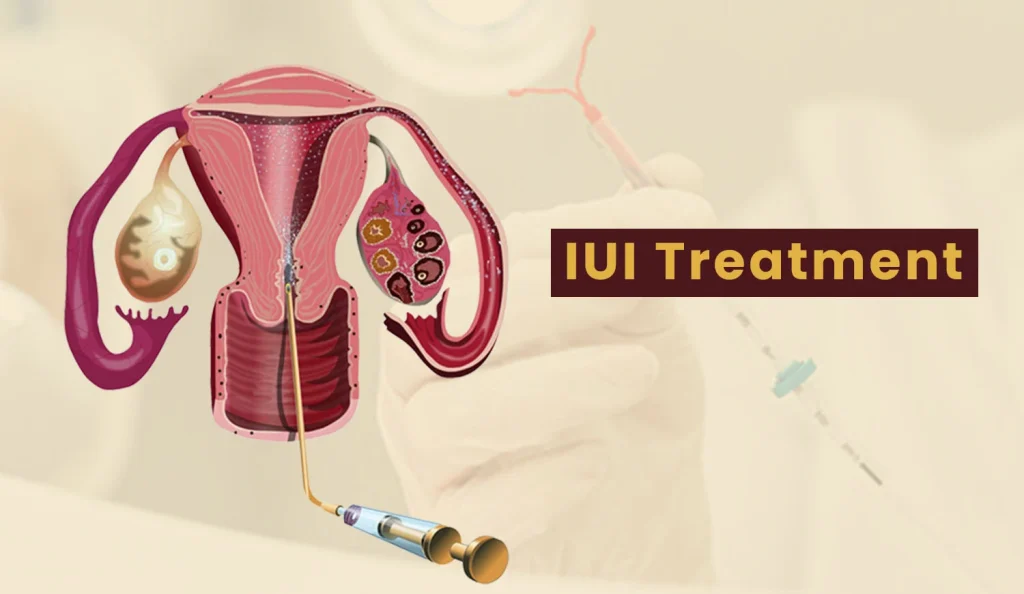
    illustration of the uterus and ovaries with a syringe, labeled "IUI Treatment" in the background

    Fertility Coaching for Men: Addressing Male Infertility and Mental Health

    Furthermore, fertility coaching for men also addresses the impact of male infertility on relationships. Infertility can put a strain on even the strongest of relationships, and it is crucial to have open and honest communication between partners during this time. Fertility coaches work with couples to improve communication, strengthen their bond, and navigate the emotional rollercoaster of infertility together.

    In addition to mental and emotional support, fertility coaching for men also focuses on improving men’s physical health. Fertility coaches work with men to identify any lifestyle habits or factors that may be contributing to their infertility. This could include diet, exercise, and stress management techniques. By making positive changes in these areas, men can improve their overall health and increase their chances of conceiving.

    Another crucial aspect of fertility coaching for men is addressing the stigma surrounding male infertility. Unfortunately, there is still a lot of shame and embarrassment associated with male infertility, which can prevent men from seeking help or sharing their struggles with others. Fertility coaches provide a non-judgmental and safe space for men to open up and discuss their experiences without fear of stigma or shame.

    Moreover, fertility coaching for men also involves educating men about their fertility and the various treatment options available. Many men are unaware of the potential causes of male infertility or the different ways to address it. Fertility coaches provide men with the knowledge and resources to make informed decisions about their fertility and take an active role in their treatment.

    In conclusion, fertility coaching for men is a crucial aspect of addressing male infertility and promoting mental health. It offers a holistic approach to fertility that takes into account the physical, emotional, and relational aspects of male infertility. By providing men with personalized support, education, and strategies, fertility coaches can help men navigate the challenges of infertility and improve their overall well-being.

    In summary, fertility coaching for men is a specialized form of coaching that focuses on the unique challenges and needs of men struggling with infertility. It addresses the physical, mental, and emotional aspects of male infertility and provides personalized support, education, and strategies to help men improve their overall well-being. By taking a holistic approach to fertility, fertility coaching for men can make a significant difference in the lives of men and their partners who are trying to conceive.

  • Fertility Coaching: A Safe Space to Process Your Fertility Journey

    Blog Post:

    Fertility is a deeply personal and often challenging journey for many individuals and couples. The emotional, physical, and financial toll of trying to conceive can be overwhelming, and it can be difficult to navigate alone. That’s where fertility coaching comes in. Fertility coaching is a safe and supportive space for individuals and couples to process their fertility journey and receive guidance and support from a trained professional. In this blog post, we will explore what fertility coaching is, how it can benefit you, and why it is a safe space to process your fertility journey.

    What is Fertility Coaching?

    Fertility coaching is a specialized form of coaching that focuses on supporting individuals and couples as they navigate their fertility journey. A fertility coach is a trained and certified professional who provides guidance, support, and resources to help individuals and couples cope with the emotional, physical, and mental challenges of trying to conceive. They work closely with their clients to help them set and achieve their fertility goals, make informed decisions, and cope with the ups and downs of their fertility journey.

    Benefits of Fertility Coaching

    1. Emotional Support: One of the biggest benefits of fertility coaching is the emotional support it provides. Trying to conceive can be an emotional rollercoaster, filled with hope, disappointment, and everything in between. A fertility coach offers a safe and non-judgmental space for individuals and couples to process their feelings, fears, and anxieties. They provide a listening ear, empathy, and validation, helping their clients feel understood and supported.

    2. Guidance and Education: Fertility coaches are highly trained professionals who have a deep understanding of the fertility journey. They provide their clients with valuable information and resources to help them make informed decisions about their fertility treatment options. They also offer guidance on how to optimize fertility, such as lifestyle changes, nutrition, and stress management techniques.

    3. Mental Health Support: The emotional toll of fertility struggles can often lead to anxiety, depression, and other mental health issues. Fertility coaching includes mental health support, helping individuals and couples cope with the psychological impact of infertility. Coaches can provide coping strategies, tools for managing stress and anxiety, and referrals to mental health professionals if needed.

    4. Accountability and Motivation: Fertility coaching involves setting goals and creating a plan to achieve them. A coach will hold their clients accountable and provide motivation and encouragement to help them stay on track. This can be especially helpful for individuals and couples who feel overwhelmed and lost in their fertility journey.

    Illustration of intrauterine insemination (IUI) procedure, showing sperm injection into the uterus.

    Fertility Coaching: A Safe Space to Process Your Fertility Journey

    5. Holistic Approach: Fertility coaching takes a holistic approach, considering not only the physical aspects of fertility but also the emotional, mental, and spiritual aspects. A fertility coach will work with their clients to address any imbalances or blockages in these areas that may be affecting their fertility.

    Why is Fertility Coaching a Safe Space?

    Fertility coaching provides a safe and supportive space for individuals and couples to process their fertility journey. Here are some reasons why:

    1. Confidentiality: Fertility coaching sessions are confidential, allowing clients to open up and share their deepest fears and concerns without worrying about judgment or repercussions. This is especially important for individuals and couples who may not feel comfortable sharing their struggles with family or friends.

    2. Non-Judgmental Environment: Fertility coaches are trained to be non-judgmental and empathetic. They understand the unique challenges of fertility and provide a safe space for clients to share their feelings without fear of judgment or shame.

    3. Personalized Support: Fertility coaches work closely with their clients to understand their unique needs and challenges. They provide personalized support and resources tailored to each individual or couple’s situation. This personalized approach creates a safe and trusting relationship between the coach and the client.

    4. Continual Support: Fertility coaching is not a one-time session; it is an ongoing process. Coaches provide support throughout the entire fertility journey, from pre-conception to pregnancy and beyond. This continuity of care creates a safe and consistent space for clients to process their journey.

    5. Empowerment: Fertility coaching empowers individuals and couples to take control of their fertility journey. By providing education, resources, and support, coaches help their clients make informed decisions and feel more in control of their situation. This sense of empowerment can create a safe and positive space for clients to process their journey.

    In conclusion, fertility coaching is a safe and supportive space for individuals and couples to process their fertility journey. It offers emotional support, guidance and education, mental health support, accountability and motivation, and takes a holistic approach to fertility. With confidentiality, a non-judgmental environment, personalized support, continual care, and empowerment, fertility coaching provides a safe space for individuals and couples to navigate the challenges of trying to conceive.

  • Fertility Coaching vs Fertility Doctors: Which Offers a Holistic Approach?

    As the demand for fertility treatments continues to rise, more and more options are becoming available to individuals and couples struggling with fertility issues. Among these options are fertility coaching and fertility doctors, both of which offer different approaches to helping individuals achieve their dream of starting a family. While fertility doctors focus on medical interventions and treatments, fertility coaching takes a more holistic approach, addressing not just the physical aspects of fertility but also the emotional and mental well-being of the individual. In this blog post, we will explore the differences between fertility coaching and fertility doctors, and discuss why a holistic approach may be beneficial for those seeking fertility support.

    Fertility Coaching: A Holistic Approach

    Fertility coaching is a relatively new field that aims to support individuals and couples through their fertility journey. Fertility coaches work with their clients to address not just the physical aspects of fertility, but also the emotional and mental aspects. They provide support, guidance, and education on how to optimize fertility through lifestyle changes, stress management techniques, and emotional support.

    One of the key differences between fertility coaching and fertility doctors is that fertility coaching takes a more holistic approach, looking at the individual as a whole, rather than just focusing on their reproductive organs. Fertility coaches recognize that fertility is not just a physical issue, but also a mental and emotional one. They understand that factors such as stress, diet, and emotions can play a significant role in fertility and work with their clients to address these aspects.

    Fertility coaches also provide a safe and non-judgmental space for individuals to express their fears, frustrations, and emotions related to their fertility struggles. They offer emotional support and help individuals cope with the stress and anxiety that often comes with trying to conceive. This holistic approach can be particularly beneficial for those who have been struggling with infertility for a long time, as it allows them to address all aspects of their well-being and make positive changes that can improve their chances of conceiving.

    Fertility Doctors: A Medical Approach

    On the other hand, fertility doctors approach fertility issues from a medical perspective. They focus on diagnosing and treating the underlying medical conditions that may be causing infertility. These treatments may include medications, surgeries, or assisted reproductive technologies such as in vitro fertilization (IVF) or intrauterine insemination (IUI).

    Fertility doctors play a crucial role in helping individuals achieve pregnancy, especially in cases where there are underlying medical issues. They conduct various tests and procedures to identify the cause of infertility, and then recommend the most appropriate treatment options. However, fertility doctors often do not address the emotional and mental aspects of fertility, which can be just as important as the medical aspects.

    Illustration of intrauterine insemination (IUI) procedure with syringe and catheter in the uterus.

    Fertility Coaching vs Fertility Doctors: Which Offers a Holistic Approach?

    The Benefits of a Holistic Approach

    Both fertility coaching and fertility doctors have their own benefits and can be used in conjunction to provide comprehensive support for individuals struggling with fertility issues. However, there are some distinct advantages to taking a holistic approach to fertility.

    Firstly, a holistic approach recognizes that fertility is not just a physical issue, but also a mental and emotional one. By addressing all aspects of well-being, individuals can improve their overall health and increase their chances of conceiving. This approach also empowers individuals to take control of their fertility journey and make positive changes to their lifestyle, which can have a significant impact on their overall health and fertility.

    Secondly, a holistic approach may be particularly beneficial for those who have been unsuccessful with medical treatments or have experienced recurrent miscarriages. By addressing underlying emotional and mental factors, individuals can reduce stress and anxiety, which can improve their chances of success with fertility treatments.

    Lastly, a holistic approach to fertility can also have positive long-term effects beyond just achieving pregnancy. By making positive lifestyle changes and addressing emotional and mental well-being, individuals can improve their overall health and well-being, which can have a lasting impact on their future fertility and overall quality of life.

    In conclusion, fertility coaching and fertility doctors offer different approaches to addressing fertility issues. While fertility doctors focus on medical interventions, fertility coaching takes a more holistic approach, addressing all aspects of well-being. By recognizing the importance of emotional and mental well-being in the fertility journey, individuals can benefit from a more comprehensive and empowering approach to achieving their dream of starting a family.

    Summary:

    Fertility coaching and fertility doctors offer different approaches to addressing fertility issues. While fertility doctors focus on medical treatments, fertility coaching takes a more holistic approach, addressing emotional and mental well-being in addition to physical health. By recognizing the importance of a holistic approach to fertility, individuals can improve their overall well-being and increase their chances of achieving pregnancy.

  • Male Factor Infertility: Exploring the Psychological Effects and Seeking Help

    Blog Post Title: Male Factor Infertility: Exploring the Psychological Effects and Seeking Help

    Summary:

    Infertility is a challenging and emotional journey for couples, and it affects both men and women. However, there is often a focus on female infertility, leaving male factor infertility largely overlooked. Male factor infertility refers to when a male partner has difficulties with fertility, and it accounts for up to 40% of infertility cases. Despite its prevalence, male factor infertility can have significant psychological effects on men and their partners.

    This blog post aims to explore the psychological effects of male factor infertility and provide guidance on seeking help. We will discuss the stigma surrounding male infertility, the impact on men’s mental health, and the importance of seeking support and treatment.

    The Stigma Surrounding Male Infertility:

    The societal pressure to have children and the traditional expectations of men as providers can make male infertility an especially challenging experience. Many men feel a sense of shame and inadequacy when they are unable to conceive with their partners. This stigma is often perpetuated by the lack of public discussion and representation of male infertility. As a result, men may feel isolated and suffer in silence, further exacerbating the psychological effects of male factor infertility.

    illustration of an intrauterine insemination procedure with medical instruments and anatomical details

    Male Factor Infertility: Exploring the Psychological Effects and Seeking Help

    Impact on Men’s Mental Health:

    Infertility can have a significant impact on men’s mental health, leading to feelings of depression, anxiety, and stress. Studies have shown that men with male factor infertility have a higher risk of developing mental health disorders, with depression being the most common. The constant pressure to perform and the fear of disappointing their partners can take a toll on men’s mental well-being. Infertility can also affect their self-esteem, sense of masculinity, and overall quality of life.

    The Psychological Impact on Relationships:

    Infertility can put a strain on relationships, and male factor infertility can add another layer of complexity. The inability to conceive can lead to feelings of guilt and resentment, and the constant focus on fertility can put a strain on the emotional connection between partners. Men may also feel like they are failing their partner, leading to a breakdown in communication and intimacy. It is crucial for couples to address the psychological effects of male factor infertility together and seek support as a team.

    The Importance of Seeking Help:

    Male factor infertility is a medical condition that requires proper diagnosis and treatment. Seeking help from a fertility specialist is crucial in overcoming male infertility. However, it is equally essential to address the psychological aspects of male factor infertility. Counseling and support groups can provide a safe space for men to express their feelings and cope with the emotional toll of infertility. It is essential to remember that seeking help is not a sign of weakness; it is a brave and necessary step towards overcoming male factor infertility.

    In conclusion, male factor infertility can have significant psychological effects on men and their partners. The stigma surrounding male infertility, the impact on men’s mental health, and the strain on relationships can make the journey challenging. However, by seeking help and addressing the psychological effects, men can overcome the emotional toll of male factor infertility and find support and hope in their journey towards parenthood.

  • Breaking the Stigma: Male Factor Infertility and the Importance of Treatment

    Breaking the Stigma: Male Factor Infertility and the Importance of Treatment

    Male infertility is a topic that is rarely discussed, yet it affects millions of couples around the world. It is estimated that male factor infertility is the sole cause or a contributing factor in up to 50% of all infertility cases. Despite its prevalence, there is a significant stigma surrounding male infertility, leading many men to suffer in silence and avoid seeking treatment. In this blog post, we will break down the stigma surrounding male factor infertility, discuss the potential causes of male infertility, and highlight the importance of seeking treatment for this condition.

    The Stigma Surrounding Male Infertility

    When it comes to infertility, the focus is often on female fertility and the pressure on women to conceive. This can lead to a lack of understanding and support for men who are struggling with infertility. Men may feel ashamed, embarrassed, or emasculated by their infertility, leading them to keep it a secret and avoid seeking help. This stigma also extends to society’s views on masculinity and fertility, with the belief that men are supposed to be strong and virile, and any issues with fertility are seen as a weakness.

    This stigma can have a significant impact on men’s mental health. Infertility is already a stressful and emotionally taxing experience, and the added pressure of societal expectations can lead to feelings of isolation, anxiety, and depression. It can also strain relationships, as men may feel guilty for their infertility and struggle to open up to their partners about their feelings.

    Breaking Down the Stigma

    The first step in breaking the stigma surrounding male infertility is to start talking about it. By openly discussing male infertility, we can create a more supportive and understanding environment for men who are struggling with this condition. This can also help to educate others about the prevalence of male infertility and its impact on couples trying to conceive.

    Men should also be encouraged to seek support and treatment for their infertility. Just as women should not be ashamed to seek help for their fertility issues, men should not feel any less masculine for doing the same. Seeking medical assistance for male infertility is not a sign of weakness, but rather a proactive step towards starting a family.

    Understanding Male Infertility

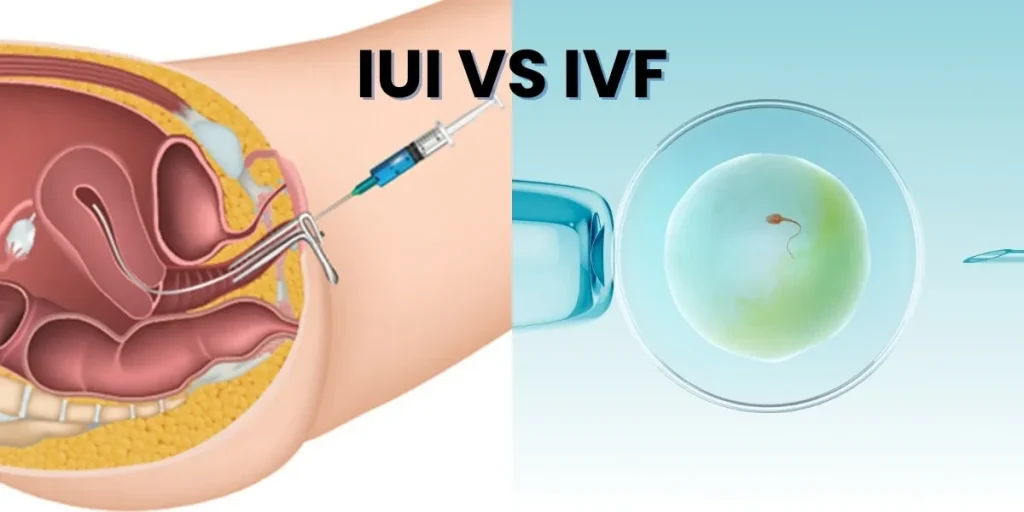
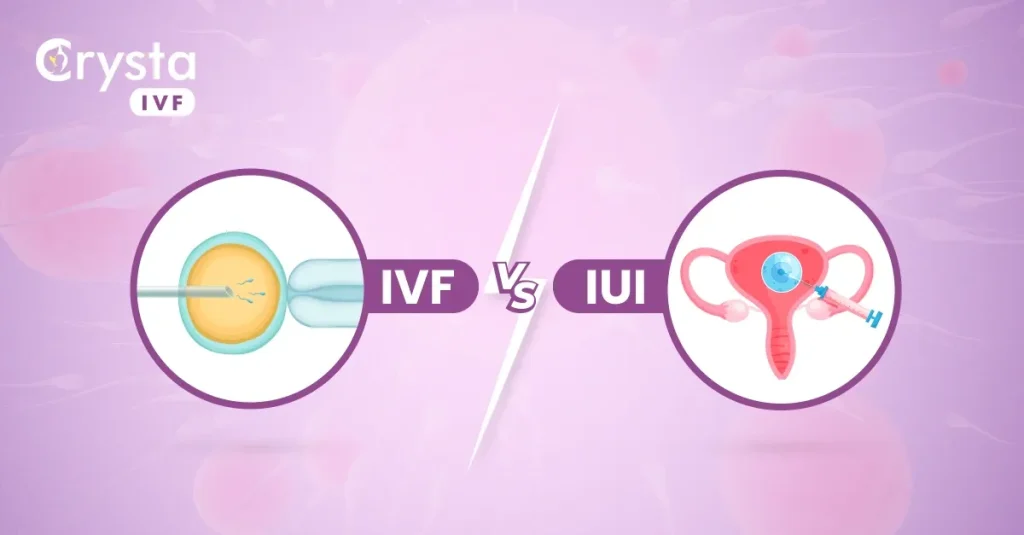
    comparison of IUI and IVF fertility treatments with illustrations of procedures and a petri dish with an egg and sperm

    Breaking the Stigma: Male Factor Infertility and the Importance of Treatment

    There are various potential causes of male infertility, ranging from hormonal imbalances to physical factors. Some common causes include low sperm count, poor sperm quality, and erectile dysfunction. Lifestyle factors such as smoking, excessive alcohol consumption, and drug use can also contribute to male infertility. In some cases, there may be underlying medical conditions such as testicular cancer or genetic disorders that affect fertility.

    It is essential for men to understand that infertility is not their fault. Just as women can experience fertility issues, men can also have challenges with their reproductive health. Seeking medical advice and testing can help to identify the root cause of male infertility and determine the best course of treatment.

    The Importance of Treatment

    Seeking treatment for male factor infertility is crucial for both the physical and mental well-being of men and their partners. Not only can treatment potentially lead to successful conception, but it can also alleviate the stress and emotional burden of infertility. It can also improve the chances of natural conception and reduce the need for more invasive and costly fertility treatments.

    There are various treatment options available for male infertility, depending on the underlying cause. These may include lifestyle changes, medication, surgery, or assisted reproductive techniques such as intrauterine insemination (IUI) or in vitro fertilization (IVF). It is essential for couples to work closely with a fertility specialist to determine the best course of treatment for their specific situation.

    In addition to medical treatment, men can also benefit from counseling or support groups to address the emotional impact of infertility. Talking to others who are going through a similar experience can provide a sense of community and understanding, helping to break the sense of isolation that often accompanies male infertility.

    In conclusion, male factor infertility is a common but often overlooked issue that affects many couples. The stigma surrounding male infertility can have a detrimental impact on men’s mental health and their relationships. It is essential to break down this stigma and encourage men to seek treatment for their infertility. With proper support and medical assistance, men can overcome their infertility and fulfill their dreams of starting a family.

    Summary:

    Male factor infertility is a widespread issue that affects up to 50% of all infertility cases, yet it is often stigmatized and not openly discussed. This stigma can have a significant impact on men’s mental health and their relationships. It is crucial to break down this stigma and encourage men to seek treatment for their infertility. Understanding the potential causes of male infertility and the various treatment options available can help men take proactive steps towards starting a family. Seeking treatment for male infertility is not a sign of weakness but rather a necessary step towards addressing this condition and improving the chances of successful conception.

  • and Fertility: The Benefits of Joining a Support Group for Your Physical Well-Being

    Blog Post Title: Fertility and Support Groups: How They Can Benefit Your Physical Well-Being

    Summary:

    Fertility struggles can be emotionally and physically draining. It can feel like an isolating and overwhelming experience, especially when trying to navigate it on your own. This is where support groups can play a crucial role in your fertility journey. Not only do they provide a safe and understanding space to share your feelings, but they also offer numerous benefits for your physical well-being.

    In this blog post, we will explore the benefits of joining a support group for your physical well-being while going through fertility challenges. We will discuss how support groups can help you manage stress, improve your mental health, provide education and resources, and offer a sense of community.

    Stress Management:

    Fertility struggles can cause immense stress and anxiety, which can have a negative impact on your physical health. Stress can disrupt your hormone levels, interfere with ovulation and sperm production, and even affect your immune system. This can make it difficult to conceive and increase the risk of health problems. Joining a support group can provide a safe space to express your feelings and receive support from others who are going through similar experiences. Sharing your thoughts and feelings can help reduce stress and improve your overall well-being.

    Improving Mental Health:

    Illustration of intrauterine insemination process, showing sperm collection and injection into the uterus.

    and Fertility: The Benefits of Joining a Support Group for Your Physical Well-Being

    Dealing with fertility challenges can take a toll on your mental health. It can lead to depression, anxiety, and feelings of isolation and hopelessness. A support group can provide a sense of community and belonging, which can help combat these negative emotions. Connecting with others who are going through similar experiences can provide comfort, understanding, and validation. It can also offer a sense of hope and optimism, knowing that you are not alone in your journey.

    Education and Resources:

    Support groups can also provide valuable education and resources to help you better understand and manage your fertility struggles. By connecting with others who have been through similar experiences, you can learn about different treatment options, coping strategies, and lifestyle changes that can improve your chances of conceiving. Support groups are often led by healthcare professionals, providing you with access to expert advice and guidance.

    Sense of Community:

    Joining a support group can provide a sense of community and belonging, which is crucial when going through fertility struggles. It can be difficult to talk about your experience with friends and family who may not fully understand what you are going through. Support groups offer a safe and non-judgmental space to share your thoughts and feelings. They also provide an opportunity to form meaningful connections with others who can provide support and empathy during this challenging time.

    In conclusion, joining a support group can have numerous benefits for your physical well-being while going through fertility challenges. It can help you manage stress, improve your mental health, provide education and resources, and offer a sense of community. If you are struggling with fertility, consider joining a support group to receive the emotional and physical support you need.

    SEO Metadata:

  • and Infertile: Finding Hope and Understanding in Support Groups

    Blog Post Title: Infertile: Finding Hope and Understanding in Support Groups

    Infertility is a topic that is often misunderstood and stigmatized in society. For those who struggle with it, the journey can be isolating, emotionally draining, and financially burdensome. However, one effective way to cope with the challenges of infertility is by joining a support group. In this blog post, we will explore the benefits of support groups for those who are infertile, and how they can provide hope and understanding in a difficult time.

    Understanding Infertility

    Before delving into the topic of support groups, it is important to understand what infertility is and how it can affect individuals and couples. Infertility is defined as the inability to conceive after one year of trying for couples under 35, and after 6 months for couples over 35. It can be caused by various factors including hormonal imbalances, ovulation issues, blocked fallopian tubes, and low sperm count. Infertility can also be a result of medical conditions such as endometriosis, polycystic ovary syndrome (PCOS), or previous surgeries. It is estimated that 1 in 8 couples struggle with infertility, making it a common but often hidden issue.

    The Emotional Toll of Infertility

    For those who are infertile, the emotional toll can be overwhelming. Many experience feelings of grief, sadness, anger, and guilt. The constant disappointment of failed attempts at pregnancy can also lead to anxiety and depression. The stress of the journey can also take a toll on relationships, as the focus on conception can strain even the strongest of partnerships. The emotional impact of infertility is often underestimated, and many individuals and couples suffer in silence.

    The Power of Support Groups

    In the face of such emotional challenges, support groups can be a lifeline for those who are struggling with infertility. Support groups provide a safe space for individuals and couples to share their experiences, feelings, and fears with others who understand and can relate. They offer a sense of community and connection, which is crucial for those who may feel alone and isolated in their journey. Support groups also provide a non-judgmental environment where individuals and couples can freely express their emotions without fear of being misunderstood or stigmatized.

    Finding Hope in Support Groups

    Comparison of IVF and IUI procedures with illustrations of each method.

    and Infertile: Finding Hope and Understanding in Support Groups

    One of the most significant benefits of support groups for those who are infertile is the hope they provide. Through connecting with others who have gone through similar experiences, individuals and couples can find a sense of hope and optimism. They can see that they are not alone in their struggles and that there is a community of people who understand and support them. Support groups can also provide valuable information and resources about fertility treatments, adoption, and other options, giving individuals and couples hope for their future parenthood journey.

    Understanding the Journey

    Another crucial aspect of support groups for those who are infertile is the understanding they offer. Often, friends and family members who have not experienced infertility may not fully understand the emotional and physical challenges of the journey. In support groups, individuals and couples can find validation for their feelings and experiences. They can also learn from others who have gone through similar situations and gain a new perspective on their own journey. This understanding can help individuals and couples navigate the ups and downs of infertility with more resilience and strength.

    Types of Support Groups

    There are various types of support groups available for those struggling with infertility. Some are led by mental health professionals, while others are peer-led. There are also online support groups, which can be beneficial for those who may not have access to in-person groups or prefer the anonymity of online communication. It is essential to find a support group that feels right for you and your needs. Some may prefer a more structured approach, while others may prefer a more casual setting.

    The Importance of Seeking Professional Help

    While support groups can be incredibly beneficial for those struggling with infertility, it is essential to seek professional help as well. Infertility can take a toll on one’s mental health, and it is crucial to address any underlying issues or concerns. Mental health professionals can provide individual or couples therapy, which can complement the support group experience. They can also help individuals and couples develop coping strategies and communication skills to navigate the challenges of infertility.

    In conclusion, infertility can be an isolating and emotionally draining experience for individuals and couples. Support groups offer a sense of community, hope, and understanding in a time when it is needed most. By joining a support group, individuals and couples can find a safe space to share their experiences, gain a sense of hope and understanding, and learn from others who have gone through similar challenges. It is essential to remember that you are not alone in your journey and that there is support available for those struggling with infertility.

    Summary:

    Infertility is a common but often misunderstood and stigmatized issue. It can take a significant emotional toll on individuals and couples, causing feelings of grief, sadness, and anxiety. Support groups offer a sense of community, hope, and understanding for those who are struggling with infertility. They provide a safe space for individuals and couples to share their experiences and emotions, and offer validation and information about various options for parenthood. Professional help is also essential in addressing any underlying mental health concerns. Support groups can be a valuable resource for those on the journey of infertility, providing hope and understanding in a difficult time.