Tag: Fertility Treatments

  • What to Expect: Intrauterine Insemination vs In Vitro Fertilization

    In today’s world, many couples are struggling with fertility issues and looking for ways to start or expand their families. Fortunately, advancements in assisted reproductive technology have made it possible for couples to have children, even if they are facing challenges with fertility. Two popular options for couples who are struggling to conceive are intrauterine insemination (IUI) and in vitro fertilization (IVF). While both of these fertility treatments can help couples achieve their dream of parenthood, they are quite different in terms of process, success rates, and cost. In this blog post, we will explore what to expect when considering IUI and IVF as fertility options.

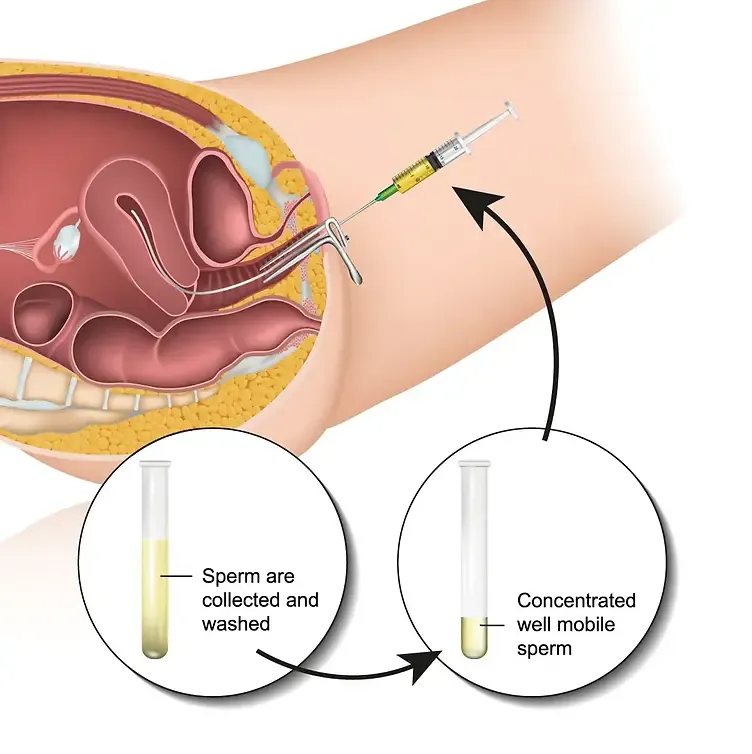
    Intrauterine insemination, also known as artificial insemination, is a relatively simple procedure that involves placing sperm directly into the uterus during ovulation. This procedure is often recommended for couples who have unexplained infertility, mild male factor infertility, or issues with cervical mucus. The process begins with the male partner providing a sperm sample, which is then washed and prepared in the lab to separate the healthy sperm from the seminal fluid. The sperm is then placed in a thin, flexible catheter and inserted into the uterus through the cervix. This process is usually painless and takes only a few minutes to complete.

    One of the main advantages of IUI is that it is a minimally invasive procedure and does not require any anesthesia. This makes it a more comfortable and less stressful option for couples who are trying to conceive. Additionally, IUI is less expensive compared to other fertility treatments, such as IVF. The success rates for IUI vary and depend on several factors, including the age of the woman, the cause of infertility, and the quality of the sperm. On average, the success rate for IUI is around 10-20% per cycle, which means that it may take multiple attempts before achieving a pregnancy.

    On the other hand, in vitro fertilization is a more complex and invasive procedure that involves fertilizing the egg outside of the body and then transferring it into the uterus. This process requires the woman to undergo hormonal injections to stimulate her ovaries to produce multiple eggs. The eggs are then retrieved through a minor surgical procedure and combined with sperm in a laboratory. After fertilization, the resulting embryos are monitored for a few days before being transferred into the uterus. Any remaining embryos can be frozen for future use.
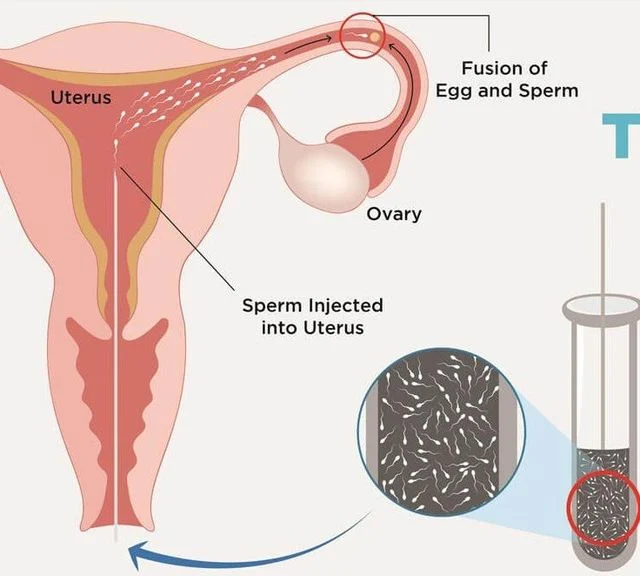
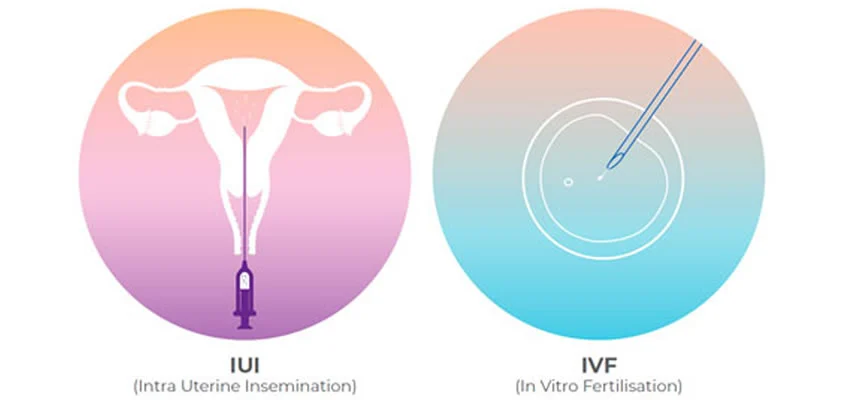
    Diagram illustrating the IUI process, showing sperm injection into the uterus and egg fertilization.

    What to Expect: Intrauterine Insemination vs In Vitro Fertilization

    IVF is often recommended for couples who have more severe infertility issues, such as blocked fallopian tubes, advanced maternal age, or severe male factor infertility. It is also a viable option for same-sex couples and single individuals who want to have a biological child. While IVF is a more invasive and expensive procedure, it has a higher success rate compared to IUI. On average, the success rate for IVF is around 40% per cycle, but this can vary depending on age, health conditions, and other factors.

    Aside from the difference in procedure and success rates, IUI and IVF also differ in terms of cost. The average cost of IUI is around $300-$1000 per cycle, making it a more affordable option for couples. However, as mentioned earlier, it may take multiple cycles to achieve a pregnancy. On the other hand, the average cost of IVF is around $12,000-$15,000 per cycle, making it a significant financial commitment for many couples. Some health insurance plans may cover a portion of the cost of fertility treatments, but it is essential to check with your provider to understand your coverage.

    In terms of emotional and physical impact, both IUI and IVF can be overwhelming for couples. The process of trying to conceive can be emotionally taxing, and fertility treatments can add additional stress and pressure. It is essential to have a support system in place and to communicate openly with your partner throughout the process. Both procedures also come with potential side effects, such as bloating, cramping, and mood swings, due to the hormonal medications used. It is crucial to discuss any concerns with your doctor and to take care of your physical and emotional well-being during this time.

    In summary, IUI and IVF are two different fertility treatment options that can help couples struggling with infertility to conceive. IUI is a minimally invasive procedure with a lower success rate and cost, while IVF is a more complex and expensive procedure with a higher success rate. It is essential to consult with a fertility specialist to determine which option is best suited for your individual situation. Regardless of which option you choose, it is essential to have realistic expectations and to take care of your physical and emotional well-being throughout the process.

    In conclusion, struggling with infertility can be a challenging and emotional journey for couples, but with advancements in assisted reproductive technology, there is hope for starting or expanding a family. Intrauterine insemination and in vitro fertilization are two popular fertility treatment options that can help couples achieve their dream of parenthood. While they differ in terms of procedure, success rates, and cost, both options have their own benefits and challenges. It is crucial to consult with a fertility specialist and to have a support system in place while going through the process. With patience, open communication, and a positive mindset, couples can navigate through these fertility options and hopefully achieve their goal of having a child.
  • Intrauterine Insemination vs In Vitro Fertilization: Which Is Right for You?

    Intrauterine insemination (IUI) and in vitro fertilization (IVF) are two common fertility treatments used by couples who are struggling with infertility. Both of these procedures involve medical intervention to help a couple conceive, but they differ in various ways. If you and your partner are facing fertility issues, it’s important to understand the differences between these two treatments to determine which one is the right option for you.

    In this blog post, we will explore the differences between IUI and IVF, including their procedures, success rates, and potential risks. We will also discuss the factors that can help you decide which fertility treatment is the best choice for you and your family.

    What is Intrauterine Insemination?
    Intrauterine insemination, also known as artificial insemination, is a fertility treatment that involves inserting washed and concentrated sperm directly into a woman’s uterus. This procedure is usually done around the time of ovulation, when the woman’s ovaries release an egg.

    The IUI procedure begins with the male partner providing a semen sample, which is then processed in a laboratory to separate the sperm from the semen. The sperm is then placed into a catheter, a thin flexible tube, and inserted into the woman’s uterus. This process bypasses the cervix and deposits the sperm directly into the uterus, increasing the chances of fertilization.

    IUI is a relatively simple and non-invasive procedure that can be done in a doctor’s office. It is often recommended for couples who have unexplained infertility, male factor infertility, or women with cervical issues that make it difficult for sperm to reach the egg. It is also a common option for couples with same-sex partners or single women who want to conceive using donor sperm.

    What is In Vitro Fertilization?
    In vitro fertilization is a more complex fertility treatment that involves retrieving eggs from a woman’s ovaries and fertilizing them with sperm in a laboratory. The fertilized eggs, or embryos, are then transferred into the woman’s uterus, where they can implant and develop into a pregnancy.

    The IVF process begins with the woman taking fertility medications to stimulate the ovaries to produce multiple eggs. These eggs are then retrieved through a minor surgical procedure and fertilized in a lab with the sperm. After a few days, the fertilized eggs are checked for viability and the healthiest ones are transferred back into the woman’s uterus.

    IVF is a more invasive and intensive procedure compared to IUI and is usually recommended for couples with more complex fertility issues such as blocked fallopian tubes, severe male factor infertility, or advanced maternal age. It is also a common option for couples who have experienced multiple failed IUI cycles.

    Success Rates of IUI and IVF
    The success rates of IUI and IVF vary depending on various factors such as the age of the woman, the cause of infertility, and the number of previous attempts. Generally, IVF has a higher success rate compared to IUI. According to the American Pregnancy Association, the success rate for IUI is around 10-20% per cycle, while the success rate for IVF ranges from 40-45% for women under 35, and decreases with age.

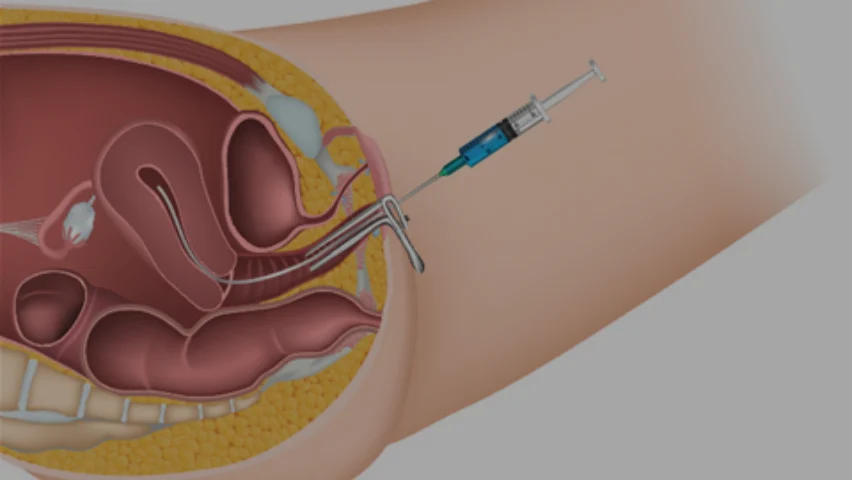
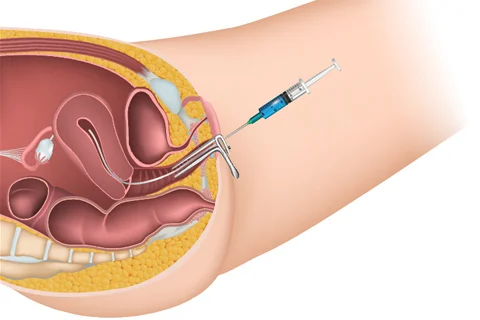
    illustration of intrauterine insemination procedure with a syringe and catheter in the uterus.

    Intrauterine Insemination vs In Vitro Fertilization: Which Is Right for You?

    Risks and Considerations
    As with any medical procedure, both IUI and IVF carry some risks. The most common risk for IUI is multiple pregnancies, which can lead to complications for both the mother and the babies. IVF has a higher risk of multiple pregnancies, as well as a risk of ovarian hyperstimulation syndrome (OHSS) from the fertility medications.

    The cost of these treatments is also a significant consideration. IUI is generally less expensive than IVF, but it may require multiple attempts to achieve a successful pregnancy. IVF can be a more costly option, but it also has a higher success rate and may be more cost-effective in the long run.

    Factors to Consider in Choosing the Right Treatment
    When deciding between IUI and IVF, there are several factors to consider, including the cause of infertility, the age of the woman, and the couple’s financial situation. It’s essential to discuss these factors with a fertility specialist to determine the best course of action for your specific situation.

    If you and your partner have a known fertility issue, such as blocked fallopian tubes or low sperm count, IVF may be the best option. On the other hand, if you have unexplained infertility, IUI may be recommended as a first-line treatment.

    Another important factor to consider is the age of the woman. As a woman’s age increases, the success rates for both IUI and IVF decrease. Therefore, women over 35 may have a better chance of success with IVF.

    It’s also essential to consider your emotional and mental well-being when choosing a fertility treatment. Both IUI and IVF can be emotionally and physically taxing, so it’s necessary to have a support system in place and be prepared for the potential challenges.

    In Conclusion
    Intrauterine insemination and in vitro fertilization are two common fertility treatments that can help couples achieve their dream of having a child. While they both have their advantages and risks, it’s essential to discuss your options with a fertility specialist and consider your unique circumstances to determine which treatment is best for you.

    Whether you choose IUI or IVF, it’s important to remember that both treatments require patience, perseverance, and a positive mindset. With the right treatment and support, you and your partner can increase your chances of success and start your journey towards parenthood.

    In summary, IUI and IVF are two different fertility treatments with varying procedures, success rates, and risks. Factors such as the cause of infertility, age, and financial situation should be considered when deciding which treatment is best. With proper guidance from a fertility specialist and a supportive mindset, both treatments can help couples achieve their dream of having a child.

  • Exploring Your Options: Intrauterine Insemination vs In Vitro Fertilization

    Exploring Your Options: Intrauterine Insemination vs In Vitro Fertilization

    For couples struggling with infertility, the journey to starting a family can be overwhelming and full of difficult decisions. Two common fertility treatments that are often considered are intrauterine insemination (IUI) and in vitro fertilization (IVF). While both treatments have the same goal of helping couples conceive, they differ in their procedures, success rates, and costs. In this blog post, we will explore the differences between IUI and IVF, and help you decide which option may be best for you and your partner.

    Intrauterine Insemination (IUI)

    IUI is a relatively simple and non-invasive fertility treatment that involves placing sperm directly into a woman’s uterus to increase the chances of fertilization. This procedure is typically recommended for couples with unexplained infertility, mild male factor infertility, or cervical issues. It can also be used for same-sex couples or single women who are using donor sperm.

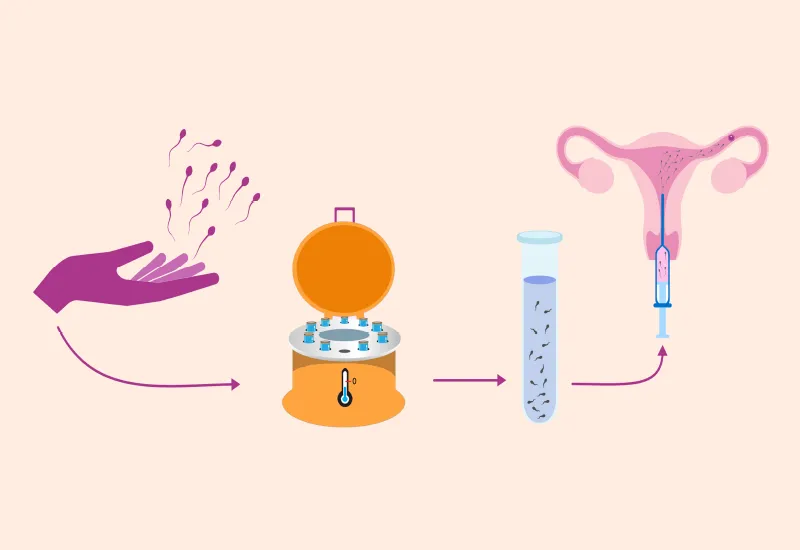
    The IUI process begins with monitoring the woman’s ovulation cycle to determine the best time for insemination. The male partner’s sperm is then washed and prepared in a laboratory to increase the concentration of healthy sperm. The prepared sperm is then inserted into the uterus using a thin catheter, which is a painless procedure that takes only a few minutes. After the procedure, the woman may experience mild cramping and is advised to rest for a short period.

    One of the main advantages of IUI is its affordability compared to other fertility treatments. The cost of IUI can range from $300 to $1000 per cycle, depending on factors such as the type of medications used and the clinic’s location. However, the success rates for IUI are relatively low, with only a 10-20% chance of pregnancy per cycle. This means that multiple cycles may be needed to achieve a successful pregnancy.

    In Vitro Fertilization (IVF)

    illustration of the IUI process, showing sperm collection, preparation, and insertion into the uterus

    Exploring Your Options: Intrauterine Insemination vs In Vitro Fertilization

    IVF is a more complex and invasive fertility treatment that involves retrieving eggs from the woman’s ovaries, fertilizing them with sperm in a laboratory, and then transferring the resulting embryo(s) back into the woman’s uterus. This treatment is typically recommended for couples with more severe fertility issues, such as blocked fallopian tubes, advanced maternal age, or severe male factor infertility.

    The IVF process begins with ovarian stimulation, where the woman takes medications to stimulate the ovaries to produce multiple eggs. These eggs are then retrieved through a minor surgical procedure and combined with sperm in a laboratory. After fertilization, the resulting embryos are monitored for a few days before being transferred into the woman’s uterus. Any remaining embryos can be frozen for future use.

    The success rates for IVF are significantly higher than IUI, with a 40-50% chance of pregnancy per cycle. However, this higher success rate comes at a higher cost, with the average cost of a single IVF cycle ranging from $12,000 to $15,000. Additional costs may include medications, genetic testing, and embryo freezing. Furthermore, IVF can be physically and emotionally demanding, with frequent doctor’s appointments, hormone injections, and potential side effects from medications.

    Which Option is Right for You?

    Choosing between IUI and IVF can be a difficult decision, and it is essential to consult with your doctor to determine the best course of action for your specific fertility issues. Generally, IUI is a good option for couples with less severe fertility issues and a limited budget, while IVF is more suitable for couples with more complex fertility problems and a higher budget.

    It is also essential to consider the potential risks and side effects of each treatment option. IUI has a lower risk of multiple pregnancies, as only one or two eggs may be released during ovulation. However, there is a risk of infection or damage to the uterus during the procedure. On the other hand, IVF has a higher risk of multiple pregnancies due to the possibility of transferring multiple embryos. There is also a risk of ovarian hyperstimulation syndrome (OHSS) and potential complications from the egg retrieval procedure.

    In summary, both IUI and IVF can be effective options for couples struggling with infertility. While IUI is a more affordable and less invasive treatment, IVF has higher success rates but comes at a higher cost and potential risks. It is crucial to weigh your options carefully and consult with your doctor to determine the best treatment plan for you and your partner.

  • The Pros and Cons: Intrauterine Insemination vs In Vitro Fertilization

    Blog Post Title: The Pros and Cons: Intrauterine Insemination vs In Vitro Fertilization

    Infertility affects millions of couples around the world, making it a common and often heartbreaking struggle for many. Fortunately, advances in medical technology have provided options for couples who are having difficulty conceiving naturally. Two popular options for assisted reproduction are Intrauterine Insemination (IUI) and In Vitro Fertilization (IVF). While both procedures have the same goal of helping couples conceive, they differ in method and success rates. In this blog post, we will discuss the pros and cons of IUI and IVF to help couples make an informed decision on which option is best for them.

    Intrauterine Insemination (IUI)

    IUI, also known as artificial insemination, is a simple and less invasive procedure compared to IVF. It involves the placement of washed sperm directly into the uterus, bypassing the cervix, and increasing the chances of fertilization. IUI is often recommended for couples with unexplained infertility, low sperm count, or cervical issues. Here are some pros and cons of IUI to consider:

    Pros:
    1. Less invasive: IUI is a relatively simple and painless procedure that does not require any anesthesia or major surgery. This makes it a convenient option for couples who are not comfortable with more invasive procedures.

    2. Cost-effective: In comparison to IVF, IUI is a more affordable option. The procedure itself is less expensive, and it also does not require as many medications and monitoring, reducing the overall cost.

    3. Increases sperm count: For couples with male factor infertility, IUI can be an effective way to increase the number of sperm reaching the uterus, increasing the chances of fertilization.

    4. Fewer side effects: The medications used in IUI are milder and have fewer side effects compared to those used in IVF.

    Cons:
    1. Lower success rates: The success rate of IUI varies depending on factors such as age, fertility issues, and the number of cycles attempted. On average, the success rate is around 10-20% per cycle, which is lower than IVF.

    2. Limited to certain conditions: IUI is not suitable for all types of infertility. For example, if a woman has blocked fallopian tubes or severe male factor infertility, IUI may not be an effective option.

    3. Multiple pregnancies: One of the risks of IUI is the possibility of multiple pregnancies, which can increase the chances of complications during pregnancy and delivery.

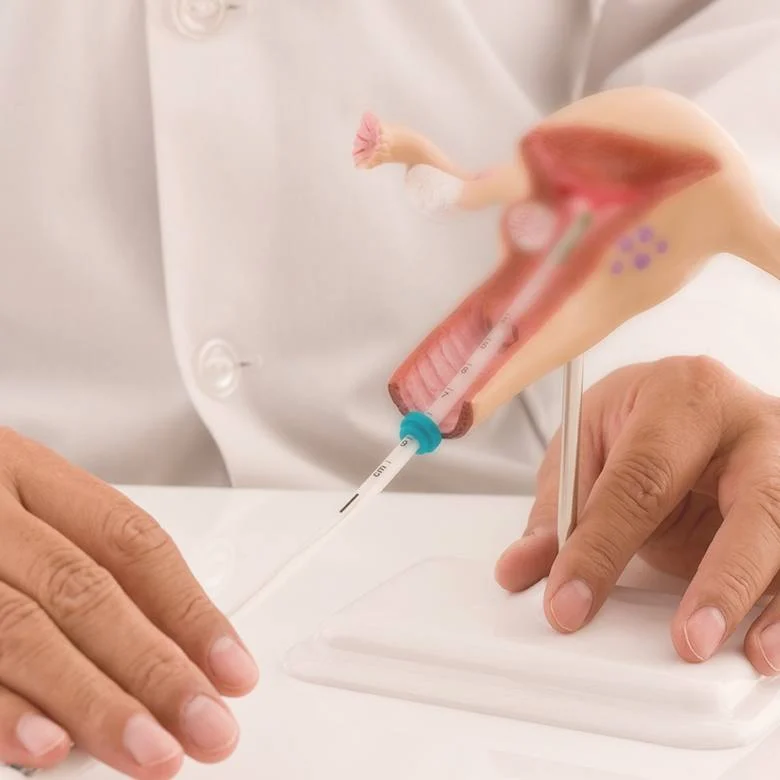
    model of the female reproductive system with a hand demonstrating intrauterine insemination technique

    The Pros and Cons: Intrauterine Insemination vs In Vitro Fertilization

    In Vitro Fertilization (IVF)

    IVF is a more complex and invasive procedure that involves fertilizing an egg with sperm in a laboratory setting before transferring the embryo into the uterus. It is often recommended for couples with more severe fertility issues, such as advanced age, tubal factor infertility, or endometriosis. Let’s take a look at the pros and cons of IVF:

    Pros:
    1. Higher success rates: The success rates of IVF are higher compared to IUI, with an average of 40-50% per cycle. This is because the fertilization process takes place in a controlled laboratory environment, increasing the chances of a successful pregnancy.

    2. Suitable for various fertility issues: IVF is a more versatile option, making it suitable for various types of infertility, including advanced maternal age, tubal blockages, and male factor infertility.

    3. Genetic testing: IVF allows for the option of genetic testing of embryos before implantation, which can help identify any potential genetic disorders and increase the chances of a successful pregnancy.

    4. Higher chances of a single pregnancy: Unlike IUI, IVF has a lower risk of multiple pregnancies, reducing the chances of complications during pregnancy and delivery.

    Cons:
    1. More invasive: IVF involves a more invasive process, including hormone injections, egg retrieval, and embryo transfer, which can be physically and emotionally taxing for some women.

    2. Higher cost: IVF is a more expensive option compared to IUI, with the cost of medications, procedures, and monitoring adding up quickly.

    3. Risks of complications: As with any medical procedure, there are risks of complications with IVF, such as ovarian hyperstimulation syndrome (OHSS) and multiple pregnancies.

    4. Emotional toll: The IVF process can be emotionally draining for couples, as it involves a lot of waiting, uncertainty, and disappointment if the cycle is unsuccessful.

    Summary:
    Both IUI and IVF are viable options for couples struggling with infertility. IUI is a less invasive and more cost-effective option, while IVF has a higher success rate and is suitable for various types of fertility issues. However, both procedures have their own set of pros and cons, and the choice ultimately depends on the couple’s specific situation and preferences. Consulting with a fertility specialist can help couples make an informed decision on which option is best for them.

  • Choosing the Right Fertility Treatment: Intrauterine Insemination vs In Vitro Fertilization

    Summary:

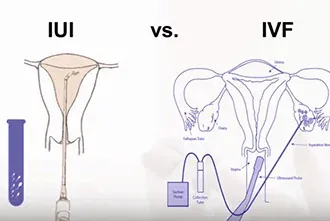
    Comparison of IUI and IVF treatments with diagrams of reproductive anatomy.

    Choosing the Right Fertility Treatment: Intrauterine Insemination vs In Vitro Fertilization

    Couples struggling with infertility often turn to fertility treatments in order to conceive a child. Two of the most common treatments are intrauterine insemination (IUI) and in vitro fertilization (IVF). When deciding which treatment is right for you and your partner, it is important to understand the differences between the two and consider factors such as cost, success rates, and potential risks. IUI involves the placement of washed and prepared sperm directly into the uterus, while IVF involves fertilizing eggs with sperm in a laboratory setting and then transferring the resulting embryo into the uterus. Both treatments have their own benefits and drawbacks, and the decision should be made after consulting with a fertility specialist and considering individual needs and preferences. Ultimately, the goal is to find the best treatment option that will help couples achieve their dream of parenthood.

  • The Emotional Impact on Surrogate Mothers: Traditional vs. Gestational Surrogacy

    Surrogacy is a complex and often controversial topic, but at its core, it is about the selfless act of carrying a child for another individual or couple. There are two main types of surrogacy: traditional and gestational. Traditional surrogacy involves the surrogate mother using her own egg and carrying the pregnancy, while gestational surrogacy involves the use of a donor egg and the surrogate mother carrying the pregnancy.

    While surrogacy can bring joy and fulfillment to intended parents, it also has a significant emotional impact on the surrogate mother. In this blog post, we will explore the emotional impact of traditional vs. gestational surrogacy on surrogate mothers and the unique challenges they may face.

    Traditional Surrogacy: A Complex Emotional Journey

    Traditional surrogacy was the first type of surrogacy to be practiced and has been around since the 1970s. In traditional surrogacy, the surrogate mother is biologically related to the child she carries, which can create a strong bond between the mother and the child. This bond can make it challenging for the surrogate mother to give up the child after birth.

    For many surrogate mothers, traditional surrogacy can be an emotionally complex journey. They must navigate their feelings of attachment to the child they carry while also preparing to give the child to the intended parents. In some cases, the intended parents may also be involved in the pregnancy and delivery, which can add another layer of emotional complexity.

    Furthermore, traditional surrogacy may also involve the use of insemination, which can create a physical and emotional connection between the surrogate mother and the intended father. This can add another layer of complexity to the surrogate mother’s emotional journey.

    Gestational Surrogacy: A Different Emotional Experience

    Gestational surrogacy, on the other hand, does not involve the surrogate mother’s egg, and therefore, she is not biologically related to the child she carries. This lack of genetic connection can make it easier for the surrogate mother to emotionally detach from the child after birth.

    However, this does not mean that gestational surrogacy is emotionally easy for surrogate mothers. They may still experience a range of emotions throughout the process, including sadness, guilt, and grief. They may also struggle with the physical changes that come with pregnancy and the fear of potential complications.

    The emotional impact of gestational surrogacy may also be influenced by the level of involvement of the intended parents. In some cases, the intended parents may want to be more involved in the pregnancy, while in others, they may prefer to remain more distant. This can affect the surrogate mother’s emotional journey, as she may feel more pressure or responsibility during the pregnancy.

    The Impact on Motherhood and Parenthood

    Illustration of intrauterine insemination (IUI) procedure with syringe and catheter in the uterus.

    The Emotional Impact on Surrogate Mothers: Traditional vs. Gestational Surrogacy

    For many women, the experience of carrying a child and giving birth is a significant part of their identity as a mother. Surrogate mothers may struggle with feelings of loss and not being able to experience this aspect of motherhood. They may also feel a sense of guilt for not being able to provide a biological connection for the child.

    On the other hand, some surrogate mothers may also feel a sense of fulfillment and pride in knowing that they have helped someone achieve their dream of parenthood. This duality of emotions can make the emotional impact of surrogacy even more complex.

    In addition to the impact on motherhood, surrogacy can also have an emotional impact on the surrogate mother’s view of parenthood. Many surrogate mothers may already be mothers themselves, and they may have to navigate the challenges of balancing their own children’s needs while carrying a child for someone else.

    The Role of Fertility Treatments

    Fertility treatments are often a critical part of the surrogacy process, and they can also have an emotional impact on the surrogate mother. These treatments can be physically and emotionally demanding, and they may not always be successful. This can be a source of disappointment and frustration for the surrogate mother, who may feel guilty for not being able to carry a child to term.

    Furthermore, fertility treatments can also add financial strain to the surrogacy process, as they can be expensive. This can be a significant source of stress for the surrogate mother, who may feel pressure to become pregnant quickly to avoid additional costs.

    Support for Surrogate Mothers

    Given the emotional complexities of both traditional and gestational surrogacy, it is essential for surrogate mothers to have a strong support system in place. This can include their family and friends, as well as professional support from therapists or support groups specifically for surrogate mothers.

    Intended parents also play a crucial role in supporting the surrogate mother throughout the process. They should be sensitive to the surrogate mother’s feelings and provide emotional support whenever needed. Open and honest communication is key to ensuring that everyone’s emotional needs are being met.

    In conclusion, surrogacy is a journey that involves many emotions for both the intended parents and the surrogate mother. While traditional surrogacy may have a more complex emotional impact due to the genetic connection between the surrogate mother and the child, gestational surrogacy also has its own set of emotional challenges. It is important to recognize and support the emotional well-being of surrogate mothers, as they play an essential role in helping others achieve their dream of parenthood.

    Summary:

    Surrogacy is a selfless act of carrying a child for another individual or couple, and there are two main types: traditional and gestational. Traditional surrogacy involves the use of the surrogate mother’s egg, while gestational surrogacy uses a donor egg. Both types have a significant emotional impact on the surrogate mother, but traditional surrogacy can be more complex due to the genetic connection to the child. Surrogate mothers may experience a range of emotions, including attachment to the child, guilt, and grief. The lack of genetic connection in gestational surrogacy may make it easier for the surrogate mother to emotionally detach from the child. However, she may still experience emotions and challenges throughout the process. Surrogacy can also impact a woman’s identity as a mother and her views on parenthood. The use of fertility treatments can also add to the emotional strain of surrogacy. It is crucial for surrogate mothers to have a strong support system in place, including the intended parents and professional support. Open and honest communication is essential in ensuring the emotional well-being of everyone involved in the surrogacy process.

  • The Financial Considerations of Traditional vs. Gestational Surrogacy

    Surrogacy is becoming an increasingly popular option for individuals and couples who are struggling with fertility issues or unable to carry a pregnancy themselves. There are two main types of surrogacy: traditional and gestational. While both options involve a woman carrying a pregnancy for someone else, there are significant differences in the financial considerations for each type. In this blog post, we will explore the financial aspects of traditional and gestational surrogacy and how they may impact those considering this family planning option.

    Traditional Surrogacy

    Traditional surrogacy, also known as genetic or partial surrogacy, involves the surrogate mother using her own eggs to conceive the child. This method is usually less expensive than gestational surrogacy because it does not require fertility treatments such as in vitro fertilization (IVF). However, there are still significant costs associated with traditional surrogacy.

    The first major expense for traditional surrogacy is the compensation for the surrogate mother. This can vary greatly depending on the country and state laws, but on average, it can range from $10,000 to $30,000. This amount may also include any medical expenses for the surrogate mother during the pregnancy.

    Another expense to consider is the legal fees for establishing parental rights. Since the surrogate mother is also the biological mother in traditional surrogacy, she may have legal rights to the child. This can be a complex and costly process, involving contracts and court hearings, and can add thousands of dollars to the overall cost of traditional surrogacy.

    Additionally, traditional surrogacy may also require fertility treatments for the surrogate mother to become pregnant. This can include intrauterine insemination (IUI) or IVF, which can range from $3,000 to $15,000 per cycle. If multiple cycles are needed, this can significantly increase the overall cost of traditional surrogacy.

    Gestational Surrogacy

    Gestational surrogacy, also known as full or host surrogacy, involves using the intended parents’ or donor’s eggs and sperm to create an embryo, which is then transferred to the surrogate’s uterus. This method is typically more expensive than traditional surrogacy due to the additional medical procedures involved.

    The biggest cost associated with gestational surrogacy is the IVF process. This can include the cost of fertility medications, monitoring, and the actual IVF procedure, which can range from $12,000 to $20,000 per cycle. The number of cycles needed will depend on various factors, such as the age and health of the intended mother or donor.

    doctor discussing treatment with a patient in a medical office, featuring an ultrasound machine in the background

    The Financial Considerations of Traditional vs. Gestational Surrogacy

    Another significant expense for gestational surrogacy is the surrogate’s compensation. This can range from $25,000 to $50,000, depending on the location and surrogate’s experience. In some cases, the intended parents may also cover additional expenses for the surrogate, such as travel, maternity clothes, and health insurance.

    Legal fees for establishing parental rights can also be a significant cost in gestational surrogacy, as the intended parents will need to go through a legal process to secure their rights as the child’s legal parents. This can add several thousand dollars to the overall cost of gestational surrogacy.

    Other Considerations

    Aside from the direct costs of surrogacy, there are also other financial considerations that intended parents should keep in mind. These may include the cost of travel and accommodations, as well as lost wages for time off work during medical appointments and the birth of the child.

    It’s also essential to consider the potential for unexpected medical expenses. While most surrogate pregnancies are uncomplicated, there is always a risk of complications that could result in additional costs for the intended parents.

    Additionally, intended parents should also consider the potential cost of psychological support for themselves and the surrogate. Surrogacy can be an emotionally challenging experience, and it’s crucial to have the support of a therapist or counselor throughout the process.

    Summary:

    Surrogacy is a family planning option for individuals and couples struggling with fertility issues. There are two main types of surrogacy: traditional and gestational, and each type has its own set of financial considerations. Traditional surrogacy is typically less expensive but may still involve significant costs such as compensation for the surrogate mother, legal fees, and fertility treatments. On the other hand, gestational surrogacy involves additional medical procedures, such as IVF, which can significantly increase the overall cost. Intended parents should also consider other expenses such as travel, accommodations, and potential unexpected medical costs. It’s also essential to consider the emotional and psychological impact of surrogacy and budget for therapy or counseling as needed.

    In conclusion, surrogacy can be a costly but rewarding option for those looking to start or expand their families. It’s crucial to carefully consider the financial aspects of both traditional and gestational surrogacy and budget accordingly. Ultimately, the decision to pursue surrogacy should be based on what is best for the intended parents and the surrogate, both emotionally and financially.

  • Egg Donation and Egg Freezing: A Step Towards Parenthood

    Blog Post: Egg Donation and Egg Freezing: A Step Towards Parenthood

    Parenthood is a dream for many individuals and couples, but for some, the journey to becoming a parent may not be as straightforward. Whether due to fertility issues, medical conditions, or personal circumstances, some may require alternative methods to conceive a child. In recent years, egg donation and egg freezing have emerged as viable options for those looking to start a family. These procedures have opened up new possibilities for individuals and couples who may have previously thought parenthood was out of reach. In this blog post, we will explore the concept of egg donation and egg freezing, their benefits and challenges, and how they can be a step towards parenthood.

    What is Egg Donation?

    Egg donation involves the process of retrieving a woman’s eggs and fertilizing them with sperm in a laboratory setting. The resulting embryo is then transferred to the uterus of the intended mother or a gestational carrier. The donor eggs can also be frozen and stored for future use. This procedure is typically used by women who are unable to produce viable eggs, either due to age, medical conditions, or other reasons.

    Benefits of Egg Donation

    Egg donation offers numerous benefits to individuals and couples struggling with infertility. One of the most significant advantages is that it allows women who are unable to produce viable eggs to experience pregnancy and childbirth. It also provides the opportunity for same-sex couples and single individuals to have a biological child. The use of donor eggs also eliminates the risk of passing on genetic conditions or diseases to the child. Additionally, the eggs can be fertilized with the intended father’s sperm, allowing for a genetic connection.

    Challenges of Egg Donation

    While egg donation offers many benefits, there are also some challenges to consider. One of the major challenges is the emotional and psychological impact on the donor, recipient, and the child. Egg donation can involve complex emotions, such as feeling disconnected from the child or having concerns about the child’s well-being. The recipient may also face challenges in accepting the child as their own, especially if they are not genetically related. It is crucial for all parties involved to receive proper counseling and support throughout the process.

    comparison of IUI and IVF procedures illustrated with simple graphics and labels

    Egg Donation and Egg Freezing: A Step Towards Parenthood

    What is Egg Freezing?

    Egg freezing, also known as cryopreservation, involves the process of extracting and freezing a woman’s eggs for future use. This procedure allows women to preserve their fertility for various reasons, such as medical treatments that may affect their ability to conceive, delaying parenthood for personal or career reasons, or to have a backup plan in case of future fertility issues.

    Benefits of Egg Freezing

    Egg freezing provides women with the flexibility to plan their parenthood journey according to their needs and circumstances. It allows them to delay pregnancy until they are ready, without worrying about their declining fertility due to age. It also provides peace of mind for women undergoing medical treatments that may affect their fertility, such as chemotherapy. Additionally, egg freezing can also be beneficial for women with certain genetic conditions that may affect their fertility in the future.

    Challenges of Egg Freezing

    While egg freezing offers many benefits, there are also some challenges to consider. The success rates of egg freezing vary, and there is no guarantee that the frozen eggs will result in a pregnancy. The process of egg freezing also involves hormone injections and an invasive procedure, which can have physical and emotional side effects. Furthermore, there are costs associated with egg freezing, such as storage fees and potential future treatments, which may not be affordable for everyone.

    Egg Donation and Egg Freezing: A Step Towards Parenthood

    Egg donation and egg freezing have opened up new possibilities for individuals and couples who may have previously thought parenthood was out of reach. These procedures provide hope and options for those struggling with infertility, medical conditions, or personal circumstances. They offer benefits such as the opportunity for pregnancy and childbirth, a genetic connection, and the flexibility to plan parenthood. However, they also come with challenges, such as emotional and psychological impacts, varying success rates, and associated costs. It is essential to consider all aspects and seek proper support and guidance when considering egg donation or egg freezing as a step towards parenthood.

    In conclusion, egg donation and egg freezing have revolutionized the way individuals and couples can start a family. With advances in technology and medical procedures, these options have become increasingly accessible and successful. However, it is crucial to approach these procedures with careful consideration and support to ensure the best possible outcome for all parties involved. Parenthood is a journey that comes in many forms, and egg donation and egg freezing can be a significant step towards fulfilling that dream.

  • Egg Donation and Egg Freezing: A Journey of Hope

    Egg donation and egg freezing are two medical procedures that have given hope to many people struggling with fertility issues. These procedures involve the extraction and preservation of a woman’s eggs, which can then be used for assisted reproductive techniques. While they have been around for several decades, they have gained more attention and popularity in recent years as more women choose to delay motherhood for various reasons. In this blog post, we will explore the journey of egg donation and egg freezing and how they have given hope to many individuals and couples hoping to start a family.

    The decision to become an egg donor or to freeze one’s eggs is not an easy one. It often involves facing personal and societal pressures, as well as dealing with medical procedures and emotional challenges. However, for many individuals and couples, these procedures have been the light at the end of a tunnel, offering them a chance at parenthood and fulfilling their dreams.

    Let’s first understand what egg donation and egg freezing are and how they work.

    Egg donation is a process in which a woman, known as the “donor,” donates her eggs to another woman, known as the “recipient.” The donor’s eggs are retrieved through a minor surgical procedure known as “egg retrieval.” The eggs are then fertilized with the sperm of the recipient’s partner or a donor through in vitro fertilization (IVF). The resulting embryos are then transferred to the recipient’s uterus, where they can implant and develop into a pregnancy.

    On the other hand, egg freezing, also known as oocyte cryopreservation, is a process in which a woman’s eggs are retrieved and frozen for future use. The eggs are stored in a specialized facility until the woman is ready to use them. When she is ready to use the eggs, they are thawed, fertilized with sperm, and transferred to the uterus through IVF.

    Now that we have a basic understanding of these procedures, let’s dive into the journey of hope that egg donation and egg freezing have offered to many individuals and couples.

    For many women, egg donation has been a way to help others while also receiving compensation for their time and effort. The process of egg donation involves several steps, including a thorough medical and psychological evaluation, hormone injections to stimulate egg production, and the actual egg retrieval procedure. These steps can take several weeks to complete, and the donor’s health and well-being are closely monitored throughout the process. The compensation for egg donation can range from a few thousand dollars to up to $10,000, depending on the clinic and the donor’s characteristics.

    Illustration of intrauterine insemination process, showing sperm collection and injection into the uterus.

    Egg Donation and Egg Freezing: A Journey of Hope

    For the recipient, egg donation is often the last resort after trying various other fertility treatments without success. It can offer them a chance at becoming pregnant and starting a family, even if they are unable to produce viable eggs on their own. The process of matching a donor with a recipient involves a thorough evaluation of the donor’s characteristics, such as physical appearance, education, and medical history, to ensure the best possible outcome for the recipient.

    The journey of egg donation is not without its challenges, both for the donor and the recipient. It can be emotionally and physically demanding for the donor, and the recipient may also face emotional challenges, such as feeling disconnected from the child genetically. However, for those who have been successful in their egg donation journey, the rewards are immeasurable. They have been able to give the gift of life to others and fulfill their own desire to become parents.

    Similarly, egg freezing has also given hope to many women who wish to delay motherhood. In today’s society, many women choose to focus on their careers or other life goals before starting a family. However, as a woman ages, the quality and quantity of her eggs decline, making it more challenging to conceive. Egg freezing offers women the opportunity to preserve their eggs at a younger age when they are of better quality and use them when they are ready to start a family.

    The process of egg freezing involves similar steps as egg donation, with the addition of the eggs being frozen instead of fertilized and transferred immediately. Once the eggs are retrieved, they are cryopreserved and stored until the woman is ready to use them. The success rates of using frozen eggs for pregnancy are comparable to using fresh eggs, giving women a good chance at achieving their dream of becoming a mother in the future.

    For many individuals and couples, egg donation and egg freezing have been the light at the end of a dark tunnel. They have given hope where there was once despair and have helped create families that may not have been possible otherwise. However, it is essential to note that these procedures are not without their limitations and ethical considerations. Egg donation and egg freezing come with their own set of challenges and decisions that individuals and couples must carefully consider before embarking on their journey.

    In conclusion, the journey of egg donation and egg freezing is a complex and emotional one, but it has given hope to many individuals and couples struggling with fertility issues. These procedures have offered an opportunity for individuals to help others and for women to delay motherhood without compromising their chances of having a biological child. While they may not be the perfect solution for everyone, they have undoubtedly been a source of hope and joy for many.

    In summary, egg donation and egg freezing are medical procedures that involve the extraction and preservation of a woman’s eggs for assisted reproductive techniques. They have been a source of hope for individuals and couples struggling with fertility issues, offering them a chance at parenthood and fulfilling their dreams. Egg donation involves the donation of eggs from one woman to another, while egg freezing allows women to preserve their eggs for future use. Both procedures come with their own set of challenges and ethical considerations, but they have given hope and created families that may not have been possible otherwise.

  • Egg Donation and Egg Freezing: What to Expect During the Process

    Egg donation and egg freezing are two medical procedures that have gained popularity in recent years. These procedures involve the harvesting and preservation of a woman’s eggs, which can then be used for fertility treatments or future use. While both procedures have the same goal of preserving fertility, they differ in terms of the process and expectations. In this blog post, we will discuss what to expect during the process of egg donation and egg freezing.

    Egg Donation:

    Egg donation is a process where a woman (known as the donor) donates her eggs to another woman (known as the recipient) who is unable to produce eggs or has poor egg quality. This process is often used in cases of female infertility or same-sex couples who want to have a child. Egg donation can also be done for research purposes or as a form of surrogacy.

    The first step in the egg donation process is to find a suitable donor. This can be done through a fertility clinic or an egg donation agency. The donor will be required to go through a series of medical and psychological screenings to ensure that she is physically and mentally fit to undergo the procedure. These screenings are important as they help to reduce the risk of genetic diseases or psychological issues being passed on to the child.

    Once a suitable donor is found, she will be given fertility medication to stimulate the production of multiple eggs. This medication will be in the form of injections that the donor will have to administer herself for about 10-12 days. During this time, the donor will have to visit the fertility clinic for regular check-ups and ultrasounds to monitor the growth and development of the eggs. This can be a physically and emotionally demanding process, but it is necessary to ensure the best chances of success.

    Once the eggs have reached the desired size, the donor will be given a trigger shot to help with the final maturation of the eggs. Approximately 36 hours after the trigger shot, the eggs will be retrieved through a minor surgical procedure called transvaginal ultrasound aspiration. The donor will be given local anesthesia to reduce any discomfort during the procedure, which typically takes about 20-30 minutes.

    After the retrieval, the eggs will be fertilized with the recipient’s partner’s sperm in a laboratory. The resulting embryos will be closely monitored for a few days before one or two are transferred into the recipient’s uterus. Any excess embryos can be frozen for future use. The recipient will then have to wait for about two weeks to find out if the procedure was successful and if she is pregnant.

    Egg Freezing:

    Egg freezing, also known as oocyte cryopreservation, is a procedure where a woman’s eggs are retrieved and frozen for future use. This process is often chosen by women who want to delay pregnancy for personal or medical reasons. It can also be used for women undergoing medical treatments that may affect their fertility, such as chemotherapy.

    Illustration of intrauterine insemination (IUI) procedure with syringe and catheter in the uterus.

    Egg Donation and Egg Freezing: What to Expect During the Process

    The process of egg freezing is similar to egg donation, with the main difference being that the eggs are retrieved for the woman’s own use rather than for someone else. The woman will still have to go through the same medical and psychological screenings, as well as the fertility medication injections and regular check-ups. The only difference is that she will not have to undergo the egg retrieval procedure until she is ready to use the frozen eggs.

    When the woman is ready to use the frozen eggs, they will be thawed and fertilized with sperm in a laboratory. The resulting embryos will then be transferred into the woman’s uterus. This process may require multiple cycles of egg retrieval and fertilization, depending on the number of eggs that were frozen and the success of the procedure.

    What to Expect During the Process:

    Both egg donation and egg freezing can be physically and emotionally demanding processes. The fertility medication injections can cause side effects such as bloating, mood swings, and discomfort. It is important for donors and women undergoing egg freezing to have a strong support system during this time.

    The egg retrieval procedure itself is minimally invasive, but some women may experience cramping and spotting afterward. It is recommended to take it easy for a few days after the procedure and avoid strenuous activities. In some cases, donors may experience a condition called ovarian hyperstimulation syndrome (OHSS), which can cause abdominal pain, bloating, and nausea. This is a rare but possible complication that should be monitored closely by the fertility clinic.

    Emotionally, both egg donation and egg freezing can also be challenging. Donors may have mixed feelings about giving their eggs to someone else, while women undergoing egg freezing may feel pressure about their future fertility and the success of the procedure. It is important to seek support from loved ones or a therapist if needed.

    In terms of success rates, both procedures have a similar success rate of around 40-50%. However, the chances of success may vary depending on factors such as the age and health of the donor or woman undergoing egg freezing, the quality of the eggs, and the fertility clinic’s expertise.

    In conclusion, egg donation and egg freezing are two procedures that can help women preserve their fertility for future use. While the process may be physically and emotionally demanding, it can offer hope for those struggling with infertility or wanting to delay pregnancy. It is important to have a clear understanding of the process and expectations before embarking on either procedure.

    Summary: Egg donation and egg freezing are two procedures that involve the harvesting and preservation of a woman’s eggs for future use. Egg donation is when a woman donates her eggs to another woman for fertility treatments, while egg freezing is for a woman’s own use. Both procedures involve medical and psychological screenings, fertility medication injections, and an egg retrieval procedure. Emotionally, it can be challenging, and the success rates may vary depending on several factors. Having a strong support system and seeking professional help if needed can make the process smoother.