Tag: healthy lifestyle

  • Fertility Coaches and Nutrition: The Impact of Diet on Fertility

    Fertility Coaches and Nutrition: The Impact of Diet on Fertility

    Fertility is a topic that is often surrounded by myths and misconceptions. Many couples struggle with conceiving and often turn to fertility treatments without realizing that nutrition plays a crucial role in their fertility journey. This is where fertility coaches come in. These experts offer guidance on how to optimize nutrition for fertility, helping couples increase their chances of conceiving naturally. In this blog post, we will explore the role of fertility coaches and nutrition in improving fertility, as well as some dietary changes that can benefit those trying to conceive.

    The Role of Fertility Coaches

    Fertility coaches are professionals who specialize in helping couples improve their fertility through lifestyle changes, including nutrition. They work closely with clients to create customized plans tailored to their specific needs and goals. These coaches have extensive knowledge about fertility and are trained to identify potential roadblocks that may be hindering a couple’s ability to conceive.

    One of the main roles of fertility coaches is to educate their clients about the impact of nutrition on fertility. They help couples understand the importance of a well-balanced diet and how it can improve their chances of conceiving. Fertility coaches also provide support and motivation to their clients throughout their fertility journey, helping them stay on track and make positive changes.

    How Nutrition Affects Fertility

    The food we eat has a significant impact on our overall health, including our fertility. A poor diet can lead to nutrient deficiencies, hormonal imbalances, and other health issues that can affect fertility. On the other hand, a healthy and balanced diet can improve fertility by providing the necessary nutrients for reproductive health.

    One of the key nutrients for fertility is folic acid, which is essential for the development of a healthy baby. It is recommended that women who are trying to conceive take folic acid supplements and consume foods rich in this nutrient, such as leafy greens, legumes, and citrus fruits. Other important nutrients for fertility include iron, zinc, and vitamin D.

    In addition to providing essential nutrients, a healthy diet can also help regulate hormones. Hormonal imbalances can disrupt the menstrual cycle and ovulation, making it difficult to conceive. By consuming a diet that is rich in whole foods and low in processed foods, couples can help balance their hormones and improve their chances of conceiving.

    Dietary Changes for Fertility

    Fertility coaches work with their clients to create personalized meal plans that support fertility. These plans often include whole foods such as fruits, vegetables, whole grains, lean proteins, and healthy fats. They also recommend avoiding or limiting processed foods, added sugars, and unhealthy fats.
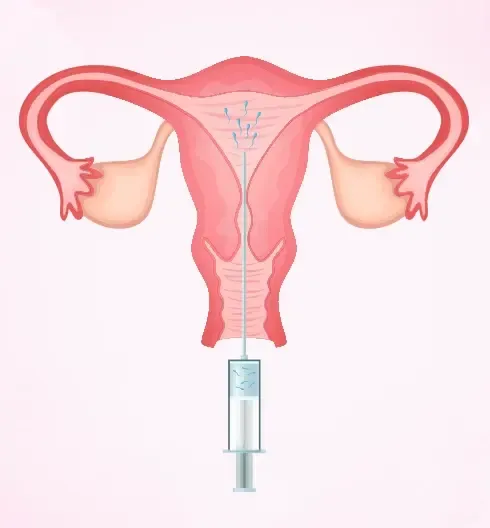
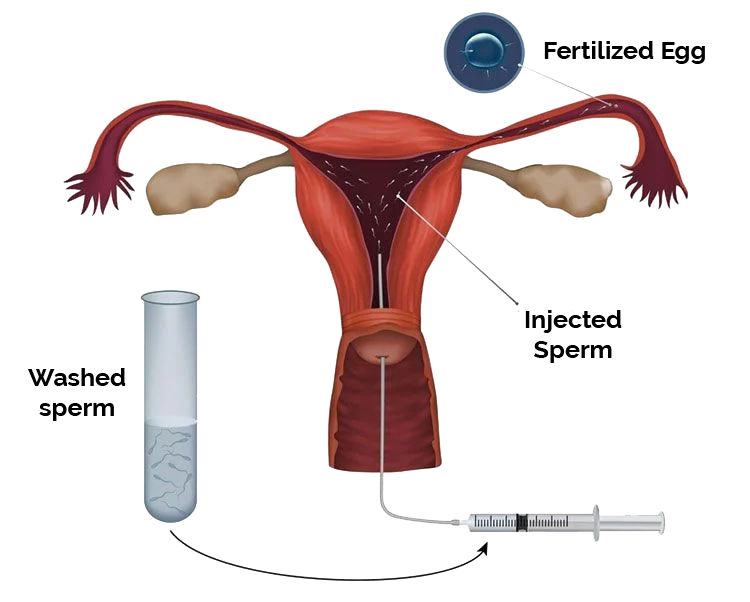
    Illustration of a uterus with a syringe indicating an intrauterine insemination procedure.

    Fertility Coaches and Nutrition: The Impact of Diet on Fertility

    Some dietary changes that can benefit those trying to conceive include:

    1. Eating a Mediterranean-style diet – This diet is rich in fruits, vegetables, whole grains, and healthy fats, and has been linked to improved fertility.

    2. Consuming more plant-based proteins – Plant-based proteins such as beans, lentils, and tofu are rich in iron and have been associated with better egg quality and ovulation.

    3. Including healthy fats – Healthy fats, such as those found in avocados, nuts, and olive oil, are important for reproductive health and can help regulate hormones.

    4. Avoiding trans fats – Trans fats, found in processed and fried foods, have been linked to ovulatory infertility, so it is best to limit consumption.

    5. Reducing caffeine and alcohol intake – High caffeine and alcohol intake have been associated with decreased fertility, so it is recommended to limit consumption or avoid them altogether.

    In addition to these dietary changes, fertility coaches also emphasize the importance of a healthy weight for fertility. Being underweight or overweight can affect hormone levels and ovulation, making it harder to conceive. Fertility coaches work with their clients to achieve a healthy weight through proper nutrition and exercise.

    The Impact of Diet on Male Fertility

    While most discussions about fertility focus on women, it is essential to note that diet plays a crucial role in male fertility as well. A healthy diet can improve sperm quality and quantity, increasing the chances of conception. On the other hand, a poor diet can lead to sperm abnormalities and decrease fertility.

    Fertility coaches work with both partners to improve their diet and overall health to maximize their chances of conceiving. They also recommend supplements and lifestyle changes that can benefit male fertility.

    In summary, fertility coaches play a vital role in helping couples improve their fertility through nutrition. By educating their clients about the impact of diet on fertility and providing personalized plans, these coaches can help couples achieve their dream of starting a family. Making dietary changes, along with other lifestyle modifications, can greatly improve fertility and increase the chances of conceiving naturally.
  • The Impact of Lifestyle Factors on At-Home Insemination Success Rates

    Blog Post:

    At-home insemination, also known as self-insemination, is becoming an increasingly popular option for individuals and couples looking to start or expand their families. This method involves manually placing sperm inside the vagina in order to fertilize an egg and achieve pregnancy. While traditionally done in a clinical setting, advancements in technology and accessibility have made it possible for individuals and couples to perform insemination at home.

    However, just like any other fertility method, there are certain lifestyle factors that can impact the success rates of at-home insemination. In this blog post, we will explore the various lifestyle factors that can affect at-home insemination success rates and provide tips for optimizing your chances of achieving pregnancy through this method.

    1. Age
    Age is a significant factor when it comes to fertility, and it can also affect the success rates of at-home insemination. As women age, their fertility declines, making it more difficult to achieve pregnancy. This is because as women age, the quality and quantity of their eggs decreases, which can lead to a lower success rate in insemination.

    For men, age can also play a role in the success rates of at-home insemination. As men age, their sperm quality and quantity can decline, making it more difficult to fertilize an egg successfully. This decline in sperm quality and quantity can also increase the risk of genetic abnormalities in the sperm, which can affect the health of the baby.

    2. Overall Health and Lifestyle Habits
    Maintaining a healthy lifestyle is crucial for successful at-home insemination. Factors such as smoking, excessive alcohol consumption, and drug use can all have a negative impact on fertility and increase the risk of birth defects. It is important to avoid these habits when trying to conceive through at-home insemination.

    Additionally, maintaining a healthy weight and following a balanced diet can also improve the success rates of at-home insemination. Obesity and being underweight can both negatively affect fertility and increase the risk of complications during pregnancy. Therefore, it is important to maintain a healthy weight and eat a nutritious diet to optimize your chances of achieving pregnancy through at-home insemination.

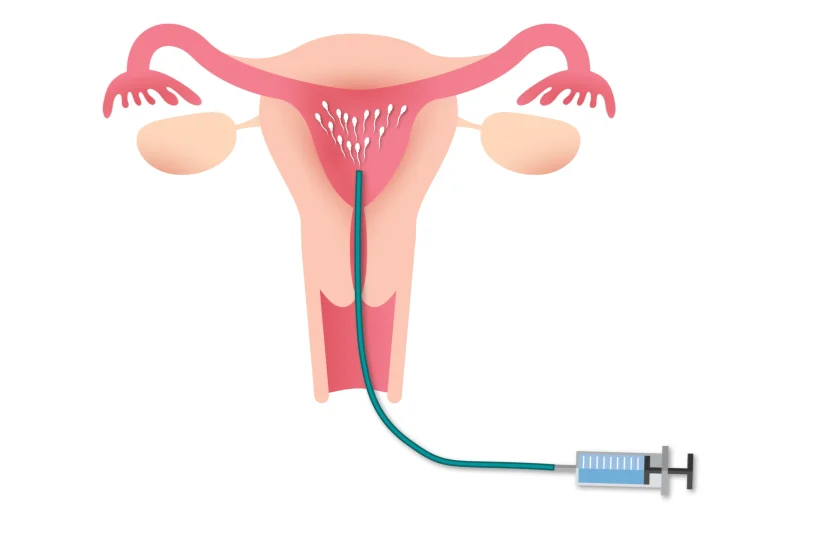
    diagram of a uterus with a syringe for intrauterine insemination procedure

    The Impact of Lifestyle Factors on At-Home Insemination Success Rates

    3. Timing of Insemination
    Timing is everything when it comes to at-home insemination. It is important to track your menstrual cycle and determine your most fertile days in order to increase the chances of successful insemination. Typically, the most fertile days are the two days leading up to ovulation and the day of ovulation itself.

    Using an ovulation predictor kit or tracking your basal body temperature can help determine when you are ovulating. By timing your insemination correctly, you can increase the likelihood of successful fertilization and pregnancy.

    4. Stress Levels
    Stress can have a significant impact on fertility and can decrease the success rates of at-home insemination. High levels of stress can disrupt the hormonal balance in the body, making it more difficult to conceive. It is important to find ways to manage stress, whether it be through exercise, meditation, or therapy, in order to optimize the chances of successful at-home insemination.

    5. Sperm Quality
    The quality of sperm is crucial for successful at-home insemination. Poor sperm quality can lead to difficulty in fertilizing an egg, which can decrease the chances of achieving pregnancy. To improve sperm quality, it is important for men to maintain a healthy lifestyle, including a balanced diet and regular exercise. Avoiding tobacco, alcohol, and drug use can also improve the quality of sperm.

    6. Method of Insemination
    There are different methods of at-home insemination, and the success rates may vary depending on the chosen method. The two most common methods are intracervical insemination (ICI) and intrauterine insemination (IUI). ICI involves placing the sperm in the cervix, while IUI involves placing the sperm directly into the uterus. IUI has a higher success rate compared to ICI as it bypasses the cervix and places the sperm closer to the egg. Consult with a healthcare professional to determine the best method for you and your partner.

    In conclusion, there are various lifestyle factors that can affect the success rates of at-home insemination. Age, overall health and lifestyle habits, timing of insemination, stress levels, sperm quality, and the chosen method of insemination can all impact the chances of achieving pregnancy through this method. By maintaining a healthy lifestyle, tracking ovulation, and seeking guidance from a healthcare professional, individuals and couples can optimize their chances of successful at-home insemination.

    Summary:

    At-home insemination is a popular option for individuals and couples looking to start or expand their families. However, there are lifestyle factors that can affect the success rates of this method, including age, overall health and lifestyle habits, timing of insemination, stress levels, sperm quality, and the chosen method of insemination. By maintaining a healthy lifestyle, tracking ovulation, and seeking guidance from a healthcare professional, individuals and couples can increase their chances of successful at-home insemination.

  • The Role of Age in At-Home Insemination Success Rates

    Blog Post Title: The Impact of Age on At-Home Insemination Success Rates

    At-home insemination, also known as self-insemination, is becoming an increasingly popular method for individuals and couples looking to start a family. This process involves using a syringe or other device to inject sperm into the vagina, cervix, or uterus at home. While it can be a more affordable and convenient alternative to clinical insemination, there are certain factors that can affect its success rates. One of these factors is age.

    In this blog post, we will delve into the role of age in at-home insemination success rates and discuss why it matters when trying to conceive through this method.

    Age and Fertility
    Before we dive into the specifics of at-home insemination success rates, it’s important to understand the relationship between age and fertility. As women age, their fertility starts to decline. This is due to a decrease in the number and quality of eggs in the ovaries. Additionally, the risk of pregnancy complications such as miscarriage and chromosomal abnormalities also increases with age.

    For men, age can also play a role in fertility. While sperm production continues throughout a man’s lifetime, the quality and quantity of sperm may decrease with age. This can make it more difficult to conceive, whether through traditional methods or at-home insemination.

    At-Home Insemination and Age
    When it comes to at-home insemination, age can have an impact on both the male and female partner’s ability to conceive. Let’s take a closer look at each of these factors.

    Female Partner’s Age
    As mentioned earlier, a woman’s fertility starts to decline as she ages. This can make it more challenging to conceive through at-home insemination. Studies have shown that the success rates of at-home insemination decrease significantly after the age of 35. This is due to a decrease in the quality and quantity of eggs, as well as other factors such as hormonal imbalances and underlying health conditions.

    Additionally, the success rates of at-home insemination may also vary based on the specific method used. For example, intrauterine insemination (IUI), which involves placing sperm directly into the uterus, may be more successful for older women as it bypasses potential issues with the cervix and increases the chances of fertilization.

    Male Partner’s Age
    While men can continue to produce sperm throughout their lifetime, the quality and quantity of sperm may decrease as they age. This can affect the success rates of at-home insemination, as the quality of sperm is crucial for fertilization to occur.

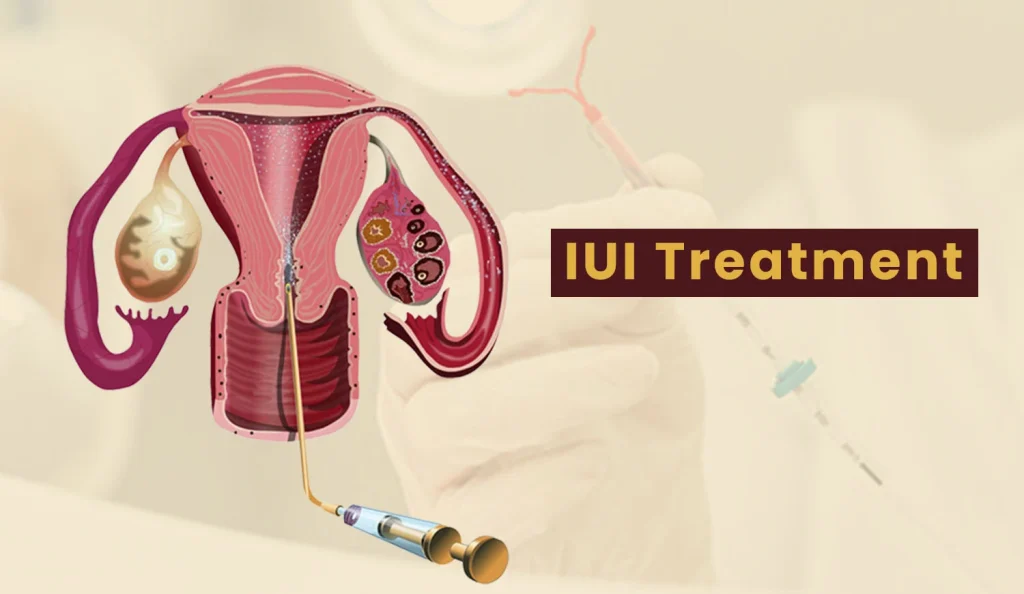
    illustration of the uterus and ovaries with a syringe, labeled "IUI Treatment" in the background

    The Role of Age in At-Home Insemination Success Rates

    One study found that men over the age of 35 had a lower sperm count and a higher percentage of abnormal sperm compared to younger men. This can decrease the chances of fertilization and ultimately affect the success rates of at-home insemination.

    Other Factors to Consider
    While age is an important factor to consider when it comes to at-home insemination success rates, there are other factors that can also play a role. These include underlying health conditions, lifestyle factors, and the timing of insemination. It’s important to consult with a healthcare professional before attempting at-home insemination to ensure that all potential factors are taken into account.

    Tips for Increasing Success Rates
    If you are considering at-home insemination, there are some steps you can take to increase your chances of success, regardless of age. These include:

    1. Track your ovulation: Knowing when you are ovulating can increase the chances of fertilization. There are various methods for tracking ovulation, such as using ovulation predictor kits or tracking basal body temperature.

    2. Use fresh sperm: Using fresh sperm instead of frozen can increase the chances of fertilization. Fresh sperm has a higher motility rate and is more likely to survive and fertilize an egg.

    3. Maintain a healthy lifestyle: Both partners should maintain a healthy lifestyle by eating a balanced diet, exercising regularly, and avoiding unhealthy habits such as smoking and excessive alcohol consumption. This can help improve overall fertility and increase the chances of success.

    4. Consider fertility supplements: There are certain supplements that may help improve fertility in both men and women. Some of these include folic acid, zinc, and CoQ10.

    In conclusion, age can play a significant role in at-home insemination success rates. As women age, their fertility starts to decline, making it more challenging to conceive through this method. Additionally, age can also affect the quality and quantity of sperm in men, further impacting the success rates of at-home insemination. However, by understanding these factors and taking appropriate steps, individuals and couples can increase their chances of success and fulfill their dream of starting a family.

    Summary:
    At-home insemination, also known as self-insemination, is a popular method for individuals and couples looking to start a family. However, age can have a significant impact on the success rates of this method. As women age, their fertility starts to decline, making it more challenging to conceive through at-home insemination. Similarly, age can also affect the quality and quantity of sperm in men, further impacting success rates. Other factors such as underlying health conditions, lifestyle choices, and timing of insemination should also be considered. By tracking ovulation, using fresh sperm, maintaining a healthy lifestyle, and considering fertility supplements, individuals and couples can increase their chances of success with at-home insemination.

  • The Holistic Approach to Fertility: Combining Medications and Supplements

    Blog Post:

    Fertility is a topic that is often surrounded by a lot of emotions and expectations. For those who are struggling to conceive, it can be a rollercoaster of hope, disappointment, and frustration. In recent years, there has been an increase in the number of couples seeking fertility treatments, whether through medications, supplements, or both. While medications and supplements can be effective on their own, a holistic approach that combines the two can provide even better results.

    The holistic approach to fertility involves treating the body as a whole and addressing any underlying issues that may be affecting fertility. This includes not only physical health but also mental, emotional, and environmental factors. By taking a holistic approach, couples can optimize their chances of conceiving and having a healthy pregnancy.

    Medications for Fertility:

    Medications are often the first line of treatment for fertility issues. They work by regulating hormones, stimulating ovulation, and improving the quality of eggs and sperm. Some common medications used for fertility include clomiphene citrate, letrozole, and gonadotropins. These medications can be taken orally, injected, or inserted vaginally, depending on the specific treatment plan.

    While medications can be effective, they do come with potential side effects such as hot flashes, mood swings, and bloating. It is important to work closely with a doctor and monitor the dosage and response to the medication. Additionally, some medications may not be suitable for certain individuals, such as those with a history of blood clots or hormone-sensitive cancers.

    Supplements for Fertility:

    In recent years, there has been a growing interest in using supplements to boost fertility. Supplements are natural products that contain vitamins, minerals, and herbs that are believed to support reproductive health. Some popular fertility supplements include Coenzyme Q10, folic acid, and chasteberry. These supplements can be purchased over-the-counter and are usually taken in the form of capsules or tablets.

    Supplements are generally considered safe and have minimal side effects. However, it is important to consult with a doctor before starting any new supplements, as they may interact with other medications or have potential risks for certain individuals. It is also important to note that supplements are not regulated by the FDA, so it is important to do thorough research and choose reputable brands.

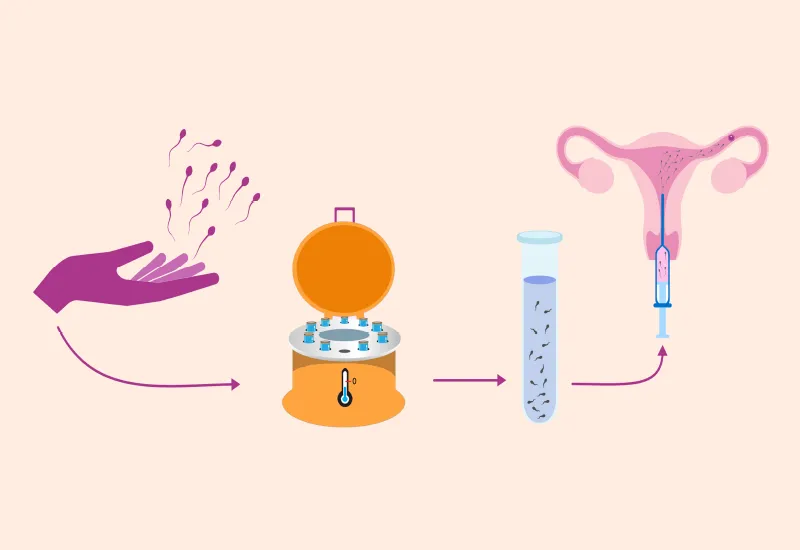
    illustration of the IUI process, showing sperm collection, preparation, and insertion into the uterus

    The Holistic Approach to Fertility: Combining Medications and Supplements

    Combining Medications and Supplements:

    The combination of medications and supplements can provide a powerful and effective approach to fertility. By addressing both hormonal imbalances and nutritional deficiencies, couples can optimize their chances of conceiving. For example, taking Coenzyme Q10 in combination with clomiphene citrate has been shown to improve the quality of eggs and increase pregnancy rates in women with polycystic ovary syndrome (PCOS).

    Additionally, supplements can help with side effects of medications, such as reducing the risk of blood clots in women taking gonadotropins. Supplements can also help improve overall health and well-being, which can have a positive impact on fertility. For example, folic acid is not only important for fetal development but also for reducing the risk of birth defects.

    Holistic Approaches for Specific Fertility Issues:

    The holistic approach to fertility can also be tailored to specific fertility issues. For example, for women with endometriosis, a condition where the tissue that lines the uterus grows outside of it, a combination of medications, supplements, and lifestyle changes may be recommended. Medications can help manage symptoms and regulate hormones, while supplements can support the body’s natural anti-inflammatory processes. Lifestyle changes such as reducing stress, improving sleep, and maintaining a healthy weight can also improve fertility outcomes for women with endometriosis.

    For men with poor sperm quality, a combination of medications and supplements can also be beneficial. Supplements such as Coenzyme Q10, vitamin D, and zinc have been shown to improve sperm count and motility. Additionally, medications such as letrozole and gonadotropins can help improve sperm production and quality.

    The Importance of a Healthy Lifestyle:

    In addition to medications and supplements, a healthy lifestyle is crucial for optimal fertility. This includes eating a well-balanced diet, exercising regularly, managing stress, and avoiding harmful substances such as tobacco and excessive alcohol consumption. These lifestyle factors can impact hormonal balance, egg and sperm quality, and overall reproductive health.

    Summary:

    Fertility is a complex issue that can be addressed through a holistic approach. By combining medications and supplements, couples can address hormonal imbalances, nutritional deficiencies, and other underlying factors that may be affecting fertility. This approach can be tailored to specific fertility issues and can also be enhanced by maintaining a healthy lifestyle. It is important to work closely with a doctor to develop a personalized treatment plan and to carefully monitor the response to medications and supplements.

  • Boosting Fertility Naturally: The Power of Supplements

    Blog Post Title: Boosting Fertility Naturally: The Power of Supplements

    Summary:

    Infertility affects approximately 10-15% of couples worldwide, making it a common and distressing issue for many. While there are various medical treatments available, they can be expensive and come with their own set of risks and side effects. As a result, many couples are turning to natural and holistic methods to boost their fertility. One such method is through the use of supplements. In this blog post, we will explore the power of supplements in boosting fertility and which ones are most effective.

    Firstly, it’s important to understand that our bodies require certain nutrients to function properly, and this includes our reproductive systems. When we are lacking in these nutrients, it can lead to hormonal imbalances, which can negatively impact our fertility. This is where supplements come in. They can provide our bodies with the necessary nutrients to support healthy reproductive function.

    One of the most well-known supplements for boosting fertility is folic acid. This B vitamin is crucial for fetal development and can help prevent birth defects. It is recommended that women who are trying to conceive take 400-800 mcg of folic acid daily. Another important nutrient is iron, which helps with the production of healthy eggs and sperm. Iron deficiency has been linked to ovulatory infertility, so it’s important to ensure you are getting enough through either diet or supplementation.

    Illustration of the IUI process, showing a syringe and catheter in the reproductive system.

    Boosting Fertility Naturally: The Power of Supplements

    In addition to folic acid and iron, there are several other supplements that have shown promising results in boosting fertility. These include Coenzyme Q10, which helps with egg quality and quantity, and melatonin, which has been found to improve sperm quality and motility. Omega-3 fatty acids, commonly found in fish oil supplements, have also been linked to improved fertility in both men and women.

    Another important aspect of fertility is hormonal balance. Certain supplements can help regulate hormones and improve fertility. For women, chasteberry, also known as Vitex, has been found to help regulate the menstrual cycle and improve ovulation. Similarly, maca root has been traditionally used to boost fertility in both men and women by balancing hormones and enhancing libido.

    When it comes to male fertility, there are also supplements that can make a difference. Zinc is a crucial nutrient for sperm production and has been found to improve sperm count and motility. Selenium, another mineral, can also improve sperm quality and increase the chances of conception. Additionally, antioxidants such as vitamin C, vitamin E, and glutathione can help protect sperm from oxidative damage and improve overall sperm health.

    It’s important to note that while supplements can be beneficial in boosting fertility, they should not be seen as a magic solution. It’s important to consult with a healthcare professional before starting any new supplements, especially if you have any pre-existing medical conditions or are taking any medications. Additionally, supplements should not be used as a replacement for a healthy diet and lifestyle. A well-balanced diet, regular exercise, and stress management are all important factors in promoting fertility.

    In conclusion, supplements can be a powerful and natural way to boost fertility. By providing our bodies with the necessary nutrients, we can support healthy reproductive function and increase our chances of conception. However, it’s important to remember that every person is unique and what works for one may not work for another. It’s always best to consult with a healthcare professional and do your own research before starting any new supplements.

  • Fertility Nutrition and Weight: Finding the Right Balance for Conception

    Finding the Right Balance for Conception: Fertility Nutrition and Weight

    Conceiving a child is a natural and beautiful desire for many couples. However, for some, it may not come as easily as others. Factors such as nutrition and weight can greatly affect a couple’s ability to conceive. In this blog post, we will explore the importance of fertility nutrition and weight and how to find the right balance for conception.

    The Link Between Fertility and Nutrition

    Many studies have shown that a healthy diet can improve fertility in both men and women. The food we eat provides the essential vitamins, minerals, and nutrients that our bodies need to function properly. When it comes to fertility, these nutrients play a crucial role in the production of hormones, ovulation, and sperm health.

    One of the most important nutrients for fertility is folic acid. This B vitamin is crucial for a healthy pregnancy, as it helps prevent neural tube defects in the developing fetus. It is recommended that women trying to conceive take a daily supplement of 400-800 micrograms of folic acid. Foods rich in folic acid include leafy greens, beans, and citrus fruits.

    Another essential nutrient for fertility is iron. Iron helps carry oxygen to the body’s cells and is necessary for the production of healthy eggs and sperm. Iron deficiency can lead to anemia, which can cause irregular ovulation and decreased sperm count. Foods high in iron include lean meats, leafy greens, and beans.

    In addition to these key nutrients, a well-balanced fertility diet should include plenty of fruits, vegetables, whole grains, and lean proteins. These foods provide essential vitamins and minerals that support overall health and reproductive function. It is also recommended to limit or avoid processed foods, trans fats, and excessive alcohol consumption, as these can have a negative impact on fertility.

    The Impact of Weight on Fertility

    Maintaining a healthy weight is also vital for fertility. Both being underweight and overweight can affect a couple’s ability to conceive. In women, excessive weight can lead to irregular menstrual cycles, hormonal imbalances, and ovulation disorders. In men, obesity can cause a decrease in sperm quality and quantity.

    diagram of the female reproductive system with an IUI syringe and test tube for artificial insemination

    Fertility Nutrition and Weight: Finding the Right Balance for Conception

    On the other hand, being underweight can also disrupt a woman’s menstrual cycle and lead to irregular or absent periods. It can also affect hormone production and decrease the chances of ovulation. In men, being underweight can also lead to a decrease in sperm quality and quantity.

    Finding the Right Balance for Conception

    The key to finding the right balance for conception is to maintain a healthy weight while also getting the necessary nutrients for fertility. This may require some lifestyle changes, but they are essential for a healthy pregnancy.

    First and foremost, it is crucial to consult with a healthcare provider before making any significant changes to your diet or exercise routine. They can assess your current health and provide personalized recommendations for your specific needs.

    For those who are overweight, a gradual and steady weight loss of 1-2 pounds per week is recommended. This can be achieved through a combination of a healthy diet and regular physical activity. It is essential to focus on whole, nutrient-dense foods and to avoid crash diets, which can be harmful to fertility.

    For those who are underweight, a healthcare provider may recommend a weight gain plan that includes a balanced diet and strength training exercises to build muscle mass. It is crucial to avoid extreme weight gain, as this can also have a negative impact on fertility.

    In addition to a healthy diet, regular physical activity is also essential for maintaining a healthy weight and promoting fertility. It can also help reduce stress, which can also affect a couple’s ability to conceive. Aim for at least 30 minutes of moderate exercise, such as walking or cycling, most days of the week.

    Conclusion

    In conclusion, fertility nutrition and weight play a significant role in a couple’s ability to conceive. A balanced and healthy diet, along with regular physical activity, can greatly improve fertility in both men and women. It is essential to consult with a healthcare provider and make gradual, sustainable changes to achieve the right balance for conception. Remember, a healthy lifestyle not only improves fertility but also sets the foundation for a healthy pregnancy and baby.

    SUMMARY: Fertility nutrition and weight are crucial factors in a couple’s ability to conceive. A healthy diet rich in key nutrients, such as folic acid and iron, can improve fertility in both men and women. Maintaining a healthy weight through a balanced diet and regular physical activity is also important for conception. Consulting with a healthcare provider and making gradual, sustainable changes is key to finding the right balance for fertility and pregnancy.

  • Fertility Nutrition and Exercise: Finding the Right Balance for Conception

    Blog Post Title: Fertility Nutrition and Exercise: Finding the Right Balance for Conception

    Summary:

    Fertility is a topic that affects many couples who are trying to conceive. While there are many factors that can impact fertility, nutrition and exercise play a crucial role in increasing the chances of successful conception. In this blog post, we will discuss the importance of finding the right balance between nutrition and exercise for optimal fertility.

    Nutrition for Fertility:

    Eating a well-balanced and nutritious diet is essential for overall health and plays a significant role in fertility. The key to a fertility-friendly diet is to focus on whole, unprocessed foods and to include a variety of nutrients such as vitamins, minerals, proteins, healthy fats, and complex carbohydrates. Some specific nutrients that are important for fertility include folic acid, iron, vitamin D, and omega-3 fatty acids. It is also essential to limit or avoid processed foods, trans fats, and excessive caffeine and alcohol consumption, as they can negatively affect fertility.

    Exercise for Fertility:

    Regular exercise is not only beneficial for maintaining a healthy weight but also plays a crucial role in improving fertility. Exercise helps to regulate hormones, improve blood flow to the reproductive organs, reduce stress, and boost overall well-being. However, when it comes to fertility, it is crucial to find the right balance in terms of the type, intensity, and duration of exercise. High-intensity workouts and excessive exercise can potentially harm fertility, so it is essential to listen to your body and make sure not to overdo it.

    The Importance of Finding the Right Balance:

    diagram of a uterus with a syringe for intrauterine insemination procedure

    Fertility Nutrition and Exercise: Finding the Right Balance for Conception

    Finding the right balance between nutrition and exercise is crucial for fertility. Both overnutrition and undernutrition can negatively impact fertility. On the other hand, excessive exercise can also lead to hormonal imbalances and disrupt the menstrual cycle, making conception more challenging. Therefore, it is essential to maintain a healthy weight and make gradual changes to your diet and exercise routine to find the right balance for optimal fertility.

    Tips for Finding the Right Balance:

    1. Consult with a Nutritionist or Dietitian: A professional can help you create a personalized fertility-friendly diet plan that suits your individual needs and goals.

    2. Maintain a Healthy Weight: Being underweight or overweight can affect fertility, so it is essential to maintain a healthy weight through a balanced diet and regular exercise.

    3. Choose Low-Impact Exercises: Low-impact exercises such as walking, swimming, and yoga are gentle on the body and can help improve fertility without putting too much strain on the body.

    4. Listen to Your Body: If you feel exhausted or experience pain during or after exercise, it is a sign that you may be overdoing it. It is crucial to listen to your body and make necessary adjustments to your exercise routine.

    5. Stay Hydrated: Drinking enough water is essential for overall health and can also help improve fertility by promoting regular ovulation.

    6. Be Patient: Finding the right balance between nutrition and exercise for optimal fertility takes time and patience. It is essential to stay consistent and make gradual changes rather than making drastic changes all at once.

    In conclusion, nutrition and exercise play a vital role in fertility. It is crucial to maintain a balanced and nutritious diet, as well as engage in regular exercise, to optimize fertility and increase the chances of successful conception. Finding the right balance between nutrition and exercise is key, and it is essential to consult with professionals and listen to your body to achieve this balance. With patience and dedication, you can improve your fertility and increase your chances of starting a family.

  • Fertility Nutrition for Couples: How Diet Can Impact Both Partners

    Blog Post: Fertility Nutrition for Couples: How Diet Can Impact Both Partners

    Infertility is a growing issue that affects millions of couples worldwide. While there are many factors that can contribute to fertility problems, diet is often overlooked as a potential culprit. However, research has shown that both men and women’s diets can play a significant role in their fertility and chances of conceiving. In this blog post, we will delve into the impact of nutrition on fertility for both partners and provide some tips on how to optimize your diet to boost fertility.

    The Impact of Diet on Female Fertility

    For women, diet can affect fertility in various ways. One of the most crucial factors is body weight. Being either underweight or overweight can disrupt the delicate balance of hormones needed for ovulation and regular menstrual cycles. Women who are underweight often have low levels of estrogen, which can inhibit ovulation. On the other hand, women who are overweight have higher levels of estrogen, which can disrupt the normal menstrual cycle and lead to irregular ovulation.

    Moreover, certain nutrients are essential for women’s fertility. For example, iron is crucial for producing healthy eggs and supporting a healthy pregnancy. A deficiency in iron can lead to anemia, which can cause irregular ovulation and increase the risk of miscarriage. Folic acid is another vital nutrient for women during their reproductive years. It is essential for the development of the baby’s neural tube and can reduce the risk of birth defects. A deficiency in folic acid can also lead to ovulatory infertility.

    The Impact of Diet on Male Fertility

    When it comes to male fertility, diet also plays a crucial role. Studies have shown that men who consume a diet rich in processed foods, saturated fats, and sugar have lower sperm quality and count. On the other hand, men who consume a diet rich in fruits, vegetables, and whole grains have better sperm quality and count. This is because fruits and vegetables contain antioxidants, which protect sperm from oxidative stress and improve their motility.

    Moreover, certain nutrients are essential for men’s fertility. Zinc, for example, is crucial for sperm production and maturation. A deficiency in zinc can lead to low sperm count and motility. Other essential nutrients for male fertility include selenium, vitamin C, and vitamin E.

    How Diet Can Impact Fertility for Both Partners

    While the impact of diet on fertility may seem more evident for women, it is essential to note that men’s diet can also affect their partner’s fertility. This is because a man’s diet can influence the quality of his sperm, which plays a crucial role in conception. If the sperm is of poor quality, it can make it difficult for a couple to conceive, even if the woman is healthy and fertile.

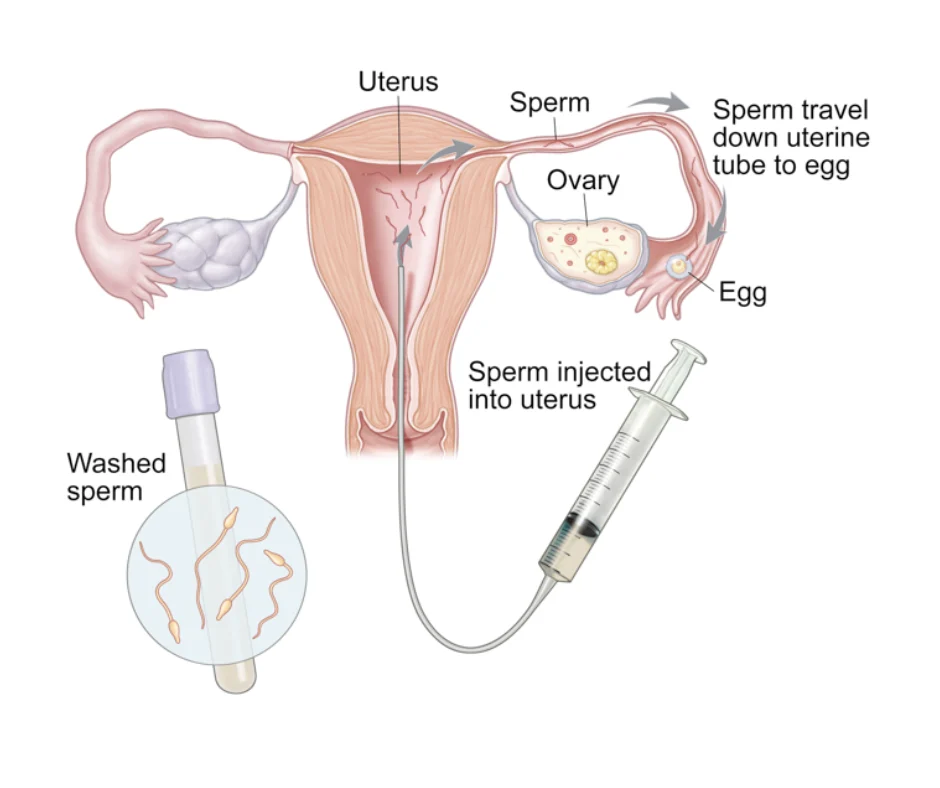
    diagram illustrating intrauterine insemination process, showing sperm injection into the uterus and egg fertilization pathway

    Fertility Nutrition for Couples: How Diet Can Impact Both Partners

    Moreover, a couple’s diet can also affect their overall health, including hormonal balance, which is essential for fertility. Eating a diet high in processed foods, sugar, and unhealthy fats can lead to inflammation in the body, which can disrupt hormonal balance and affect fertility for both partners.

    Tips for Optimizing Your Diet for Fertility

    1. Eat a balanced diet: The first step in optimizing your diet for fertility is to eat a balanced diet consisting of whole, nutrient-dense foods. This includes plenty of fruits, vegetables, whole grains, lean proteins, and healthy fats.

    2. Stay hydrated: Drinking enough water is crucial for reproductive health. It helps maintain cervical mucus production, which is essential for sperm survival and transportation to the egg.

    3. Avoid processed foods: Processed foods are often high in unhealthy fats, sugar, and additives, which can negatively impact fertility. Instead, opt for whole foods that are rich in nutrients and antioxidants.

    4. Limit caffeine and alcohol: While a cup of coffee or a glass of wine in moderation may not affect fertility, excessive consumption of caffeine and alcohol can have a negative impact. It is best to limit these beverages or avoid them altogether.

    5. Incorporate fertility-boosting foods: Certain foods are known to boost fertility, such as leafy greens, berries, nuts, and seeds. Try to incorporate these foods into your diet regularly.

    6. Consider supplements: In addition to a healthy diet, supplements can also help fill in any nutritional gaps and support fertility. Some essential supplements for fertility include folic acid, iron, zinc, selenium, and vitamins C and E.

    7. Seek professional help: If you are struggling with fertility, it is crucial to seek professional help from a registered dietitian or a fertility specialist. They can assess your diet and make personalized recommendations to support your fertility journey.

    Summary:

    Fertility is a growing issue that affects many couples, and diet can play a significant role in both male and female fertility. For women, maintaining a healthy weight and consuming essential nutrients like iron and folic acid are crucial for ovulation and a healthy pregnancy. For men, a balanced diet rich in fruits, vegetables, and whole grains can improve sperm quality and count. However, a couple’s diet can also affect their overall health and hormonal balance, which can impact fertility for both partners. By following a balanced and nutrient-dense diet, limiting caffeine and alcohol, and considering supplements, couples can optimize their diet for fertility and increase their chances of conceiving.

  • Intrauterine Insemination vs Low-Tech IVF: How to Prepare for Treatment

    Blog Post:

    Intrauterine insemination (IUI) and low-tech in vitro fertilization (IVF) are two popular fertility treatments for couples struggling with infertility. Both procedures involve the use of fertility medications to stimulate egg production and increase the chances of conception. However, there are significant differences between the two treatments in terms of procedure, cost, and success rates. In this blog post, we will compare IUI and low-tech IVF and provide tips on how to prepare for each treatment.

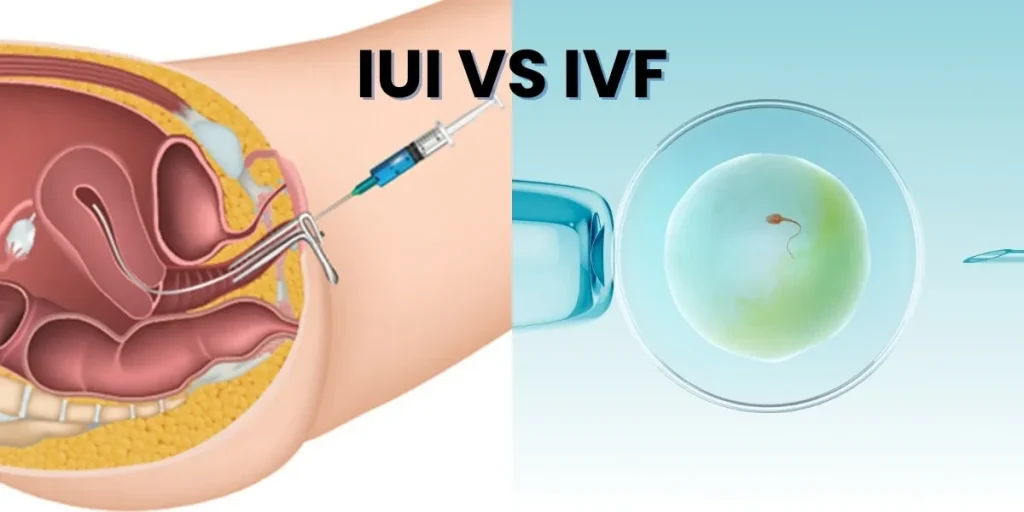
    IUI, also known as artificial insemination, is a procedure where washed and concentrated sperm is placed directly into the woman’s uterus during ovulation. This procedure is relatively simple and can be done in the doctor’s office without the use of anesthesia. On the other hand, low-tech IVF involves the retrieval of eggs from the ovaries, fertilizing them with sperm in a lab, and then transferring the resulting embryo(s) into the woman’s uterus. This procedure requires a more invasive approach and is usually done under sedation.

    One of the main differences between IUI and low-tech IVF is the success rates. IUI has a success rate of about 10-20% per cycle, while low-tech IVF has a success rate of 30-40% per cycle. However, these success rates can vary depending on factors such as age, fertility issues, and the quality of the sperm and eggs. It is essential to have a thorough discussion with your fertility specialist to understand your chances of success with either treatment.

    Cost is another significant factor to consider when choosing between IUI and low-tech IVF. IUI is a more affordable option, with an average cost of $500-$1000 per cycle. On the other hand, low-tech IVF can cost anywhere from $5,000 to $10,000 per cycle. The higher cost of low-tech IVF is due to the additional procedures involved, such as egg retrieval and fertilization in a lab. It is crucial to factor in the cost when deciding which treatment is right for you and your partner.

    Now that we have discussed the basics of IUI and low-tech IVF let’s dive into how to prepare for each treatment.

    Preparing for IUI:

    1. Consult with a Fertility Specialist: The first step in preparing for IUI is to consult with a fertility specialist. They will evaluate your overall health and fertility status to determine if IUI is the right treatment for you.

    2. Fertility Medications: Your fertility specialist will prescribe medications such as Clomid or letrozole to stimulate egg production and trigger ovulation. It is essential to follow the dosage instructions carefully and attend all monitoring appointments to track your progress.

    3. Timing is Key: IUI is most effective when done within 24-36 hours of ovulation. Your fertility specialist will monitor your ovulation using ultrasound and blood tests to determine the best time for the procedure.

    comparison of IUI and IVF fertility treatments with illustrations of procedures and a petri dish with an egg and sperm

    Intrauterine Insemination vs Low-Tech IVF: How to Prepare for Treatment

    4. Healthy Lifestyle: Leading a healthy lifestyle is crucial when preparing for IUI. This includes maintaining a healthy weight, quitting smoking, reducing alcohol consumption, and managing stress levels.

    Preparing for Low-Tech IVF:

    1. Consult with a Fertility Specialist: As with IUI, the first step in preparing for low-tech IVF is to consult with a fertility specialist. They will conduct tests to evaluate your fertility and determine if this treatment is suitable for you.

    2. Fertility Medications: Your fertility specialist will prescribe medications to stimulate egg production and control the timing of ovulation. These medications can be self-administered or given through injections.

    3. Egg Retrieval: About 36 hours before the scheduled egg retrieval, you will receive a trigger shot to induce ovulation. The egg retrieval procedure is done under sedation and involves using a thin needle to remove the eggs from the ovaries.

    4. Fertilization and Embryo Transfer: The eggs retrieved are then fertilized with sperm in a lab, and the resulting embryo(s) are transferred into the uterus a few days later. Your fertility specialist will monitor the embryo’s growth to determine the best time for transfer.

    5. Healthy Lifestyle: As with IUI, maintaining a healthy lifestyle is crucial for the success of low-tech IVF. This includes a balanced diet, regular exercise, and managing stress levels.

    In conclusion, IUI and low-tech IVF are both effective fertility treatments, but they differ in terms of procedure, cost, and success rates. It is essential to consult with a fertility specialist to determine the best treatment for you and your partner. By following the tips mentioned above, you can prepare yourself physically and mentally for either treatment and increase your chances of success.

    Summary:

    Intrauterine insemination (IUI) and low-tech in vitro fertilization (IVF) are two popular fertility treatments for couples struggling with infertility. IUI is a simple procedure where washed and concentrated sperm is placed directly into the woman’s uterus, while low-tech IVF is a more invasive procedure that involves the retrieval of eggs, fertilization in a lab, and embryo transfer. The success rates and cost of these treatments vary, with IUI being more affordable but with lower success rates compared to low-tech IVF. To prepare for IUI, it is essential to consult with a fertility specialist, take fertility medications, and time the procedure correctly. For low-tech IVF, the preparation involves consulting with a fertility specialist, taking fertility medications, egg retrieval, and embryo transfer. Maintaining a healthy lifestyle is crucial for the success of both treatments.

  • Maximizing Your Chances: Intrauterine Insemination vs Intracervical Insemination

    Maximizing Your Chances: Intrauterine Insemination vs Intracervical Insemination

    Intrauterine insemination (IUI) and intracervical insemination (ICI) are two popular fertility treatments that can help couples increase their chances of conceiving. Both procedures involve the insertion of washed and prepared sperm into a woman’s reproductive system, but they differ in terms of the location where the sperm is placed. In this blog post, we will discuss the differences between IUI and ICI and how you can maximize your chances of getting pregnant with either of these methods.

    Understanding IUI and ICI

    IUI is a fertility treatment that involves placing washed and prepared sperm directly into the uterus using a thin catheter. This procedure is usually done in a medical office or fertility clinic and is typically timed with a woman’s ovulation cycle. On the other hand, ICI is a less invasive procedure where the washed sperm is placed in the cervix, allowing it to travel through the cervical mucus and into the uterus. ICI can be done at home with the use of a special insemination kit.

    Factors to Consider Before Choosing a Fertility Treatment

    Before deciding between IUI and ICI, it is essential to consider certain factors, such as your fertility history, age, and overall health. IUI is often recommended for couples who have been trying to conceive for a while, have a history of unexplained infertility, or have issues with sperm quality or quantity. It is also a more suitable option for women with blocked fallopian tubes or ovulatory disorders. ICI, on the other hand, is typically recommended for couples with mild fertility issues or for women who prefer a more natural and less invasive method.

    Effectiveness of IUI and ICI

    comparison of IUI and IVF fertility treatments with illustrations of procedures and a petri dish with an egg and sperm

    Maximizing Your Chances: Intrauterine Insemination vs Intracervical Insemination

    Both IUI and ICI have shown promising results in helping couples conceive. According to the American Society for Reproductive Medicine, the success rate for IUI is between 10-20% per cycle, while the success rate for ICI is around 10% per cycle. However, the success rates can vary depending on various factors, such as age, overall health, and the underlying cause of infertility. It is essential to discuss your chances of success with your doctor before deciding on a treatment.

    Tips for Maximizing Your Chances of Conceiving with IUI and ICI

    1. Timing is crucial: Both IUI and ICI should be timed with ovulation to increase the chances of pregnancy. Your doctor may recommend tracking your ovulation using ovulation predictor kits or monitoring your basal body temperature to pinpoint the best time for the procedure.

    2. Follow your doctor’s instructions: It is essential to follow your doctor’s instructions carefully when undergoing IUI or ICI. This may include avoiding certain medications or activities that can interfere with the procedure’s success.

    3. Maintain a healthy lifestyle: Eating a balanced diet, exercising regularly, and avoiding harmful substances like alcohol and tobacco can improve your chances of getting pregnant. It is also crucial to maintain a healthy weight as being overweight or underweight can affect fertility.

    4. Consider using fertility medications: Your doctor may recommend using fertility medications, such as Clomid or Letrozole, to stimulate ovulation and increase the chances of pregnancy. These medications can be used in combination with IUI or ICI to maximize the chances of conceiving.

    5. Be patient: It is essential to keep in mind that fertility treatments may take time, and it is normal to not get pregnant after the first cycle. It is crucial to stay positive and continue with the treatment plan recommended by your doctor.

    In summary, both IUI and ICI can be effective fertility treatments for couples struggling to conceive. However, it is essential to consider your individual circumstances and consult with your doctor before deciding on a treatment. By following the tips mentioned above and staying patient and positive, you can maximize your chances of getting pregnant with either IUI or ICI.