Blog Post:
Intrauterine insemination (IUI) and low-tech in vitro fertilization (IVF) are two popular fertility treatments for couples struggling with infertility. Both procedures involve the use of fertility medications to stimulate egg production and increase the chances of conception. However, there are significant differences between the two treatments in terms of procedure, cost, and success rates. In this blog post, we will compare IUI and low-tech IVF and provide tips on how to prepare for each treatment.
IUI, also known as artificial insemination, is a procedure where washed and concentrated sperm is placed directly into the woman’s uterus during ovulation. This procedure is relatively simple and can be done in the doctor’s office without the use of anesthesia. On the other hand, low-tech IVF involves the retrieval of eggs from the ovaries, fertilizing them with sperm in a lab, and then transferring the resulting embryo(s) into the woman’s uterus. This procedure requires a more invasive approach and is usually done under sedation.
One of the main differences between IUI and low-tech IVF is the success rates. IUI has a success rate of about 10-20% per cycle, while low-tech IVF has a success rate of 30-40% per cycle. However, these success rates can vary depending on factors such as age, fertility issues, and the quality of the sperm and eggs. It is essential to have a thorough discussion with your fertility specialist to understand your chances of success with either treatment.
Cost is another significant factor to consider when choosing between IUI and low-tech IVF. IUI is a more affordable option, with an average cost of $500-$1000 per cycle. On the other hand, low-tech IVF can cost anywhere from $5,000 to $10,000 per cycle. The higher cost of low-tech IVF is due to the additional procedures involved, such as egg retrieval and fertilization in a lab. It is crucial to factor in the cost when deciding which treatment is right for you and your partner.
Now that we have discussed the basics of IUI and low-tech IVF let’s dive into how to prepare for each treatment.
Preparing for IUI:
1. Consult with a Fertility Specialist: The first step in preparing for IUI is to consult with a fertility specialist. They will evaluate your overall health and fertility status to determine if IUI is the right treatment for you.
2. Fertility Medications: Your fertility specialist will prescribe medications such as Clomid or letrozole to stimulate egg production and trigger ovulation. It is essential to follow the dosage instructions carefully and attend all monitoring appointments to track your progress.
3. Timing is Key: IUI is most effective when done within 24-36 hours of ovulation. Your fertility specialist will monitor your ovulation using ultrasound and blood tests to determine the best time for the procedure.
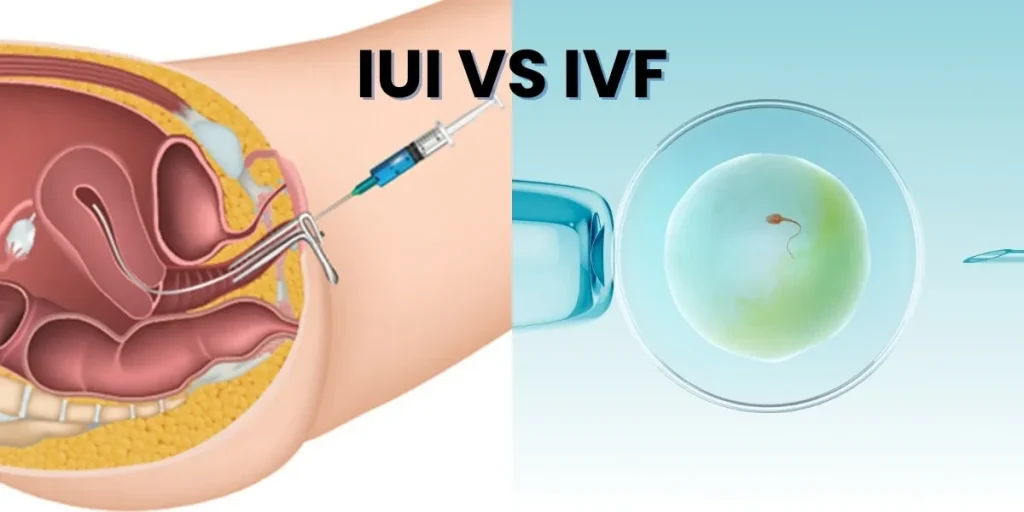
Intrauterine Insemination vs Low-Tech IVF: How to Prepare for Treatment
4. Healthy Lifestyle: Leading a healthy lifestyle is crucial when preparing for IUI. This includes maintaining a healthy weight, quitting smoking, reducing alcohol consumption, and managing stress levels.
Preparing for Low-Tech IVF:
1. Consult with a Fertility Specialist: As with IUI, the first step in preparing for low-tech IVF is to consult with a fertility specialist. They will conduct tests to evaluate your fertility and determine if this treatment is suitable for you.
2. Fertility Medications: Your fertility specialist will prescribe medications to stimulate egg production and control the timing of ovulation. These medications can be self-administered or given through injections.
3. Egg Retrieval: About 36 hours before the scheduled egg retrieval, you will receive a trigger shot to induce ovulation. The egg retrieval procedure is done under sedation and involves using a thin needle to remove the eggs from the ovaries.
4. Fertilization and Embryo Transfer: The eggs retrieved are then fertilized with sperm in a lab, and the resulting embryo(s) are transferred into the uterus a few days later. Your fertility specialist will monitor the embryo’s growth to determine the best time for transfer.
5. Healthy Lifestyle: As with IUI, maintaining a healthy lifestyle is crucial for the success of low-tech IVF. This includes a balanced diet, regular exercise, and managing stress levels.
In conclusion, IUI and low-tech IVF are both effective fertility treatments, but they differ in terms of procedure, cost, and success rates. It is essential to consult with a fertility specialist to determine the best treatment for you and your partner. By following the tips mentioned above, you can prepare yourself physically and mentally for either treatment and increase your chances of success.
Summary:
Intrauterine insemination (IUI) and low-tech in vitro fertilization (IVF) are two popular fertility treatments for couples struggling with infertility. IUI is a simple procedure where washed and concentrated sperm is placed directly into the woman’s uterus, while low-tech IVF is a more invasive procedure that involves the retrieval of eggs, fertilization in a lab, and embryo transfer. The success rates and cost of these treatments vary, with IUI being more affordable but with lower success rates compared to low-tech IVF. To prepare for IUI, it is essential to consult with a fertility specialist, take fertility medications, and time the procedure correctly. For low-tech IVF, the preparation involves consulting with a fertility specialist, taking fertility medications, egg retrieval, and embryo transfer. Maintaining a healthy lifestyle is crucial for the success of both treatments.