Finding the Right Balance for Conception: Fertility Nutrition and Weight
Conceiving a child is a natural and beautiful desire for many couples. However, for some, it may not come as easily as others. Factors such as nutrition and weight can greatly affect a couple’s ability to conceive. In this blog post, we will explore the importance of fertility nutrition and weight and how to find the right balance for conception.
The Link Between Fertility and Nutrition
Many studies have shown that a healthy diet can improve fertility in both men and women. The food we eat provides the essential vitamins, minerals, and nutrients that our bodies need to function properly. When it comes to fertility, these nutrients play a crucial role in the production of hormones, ovulation, and sperm health.
One of the most important nutrients for fertility is folic acid. This B vitamin is crucial for a healthy pregnancy, as it helps prevent neural tube defects in the developing fetus. It is recommended that women trying to conceive take a daily supplement of 400-800 micrograms of folic acid. Foods rich in folic acid include leafy greens, beans, and citrus fruits.
Another essential nutrient for fertility is iron. Iron helps carry oxygen to the body’s cells and is necessary for the production of healthy eggs and sperm. Iron deficiency can lead to anemia, which can cause irregular ovulation and decreased sperm count. Foods high in iron include lean meats, leafy greens, and beans.
In addition to these key nutrients, a well-balanced fertility diet should include plenty of fruits, vegetables, whole grains, and lean proteins. These foods provide essential vitamins and minerals that support overall health and reproductive function. It is also recommended to limit or avoid processed foods, trans fats, and excessive alcohol consumption, as these can have a negative impact on fertility.
The Impact of Weight on Fertility
Maintaining a healthy weight is also vital for fertility. Both being underweight and overweight can affect a couple’s ability to conceive. In women, excessive weight can lead to irregular menstrual cycles, hormonal imbalances, and ovulation disorders. In men, obesity can cause a decrease in sperm quality and quantity.
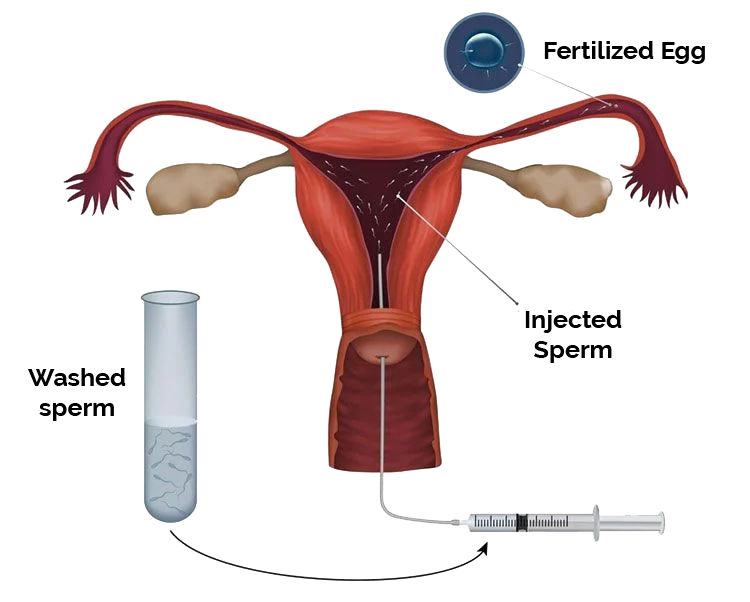
Fertility Nutrition and Weight: Finding the Right Balance for Conception
On the other hand, being underweight can also disrupt a woman’s menstrual cycle and lead to irregular or absent periods. It can also affect hormone production and decrease the chances of ovulation. In men, being underweight can also lead to a decrease in sperm quality and quantity.
Finding the Right Balance for Conception
The key to finding the right balance for conception is to maintain a healthy weight while also getting the necessary nutrients for fertility. This may require some lifestyle changes, but they are essential for a healthy pregnancy.
First and foremost, it is crucial to consult with a healthcare provider before making any significant changes to your diet or exercise routine. They can assess your current health and provide personalized recommendations for your specific needs.
For those who are overweight, a gradual and steady weight loss of 1-2 pounds per week is recommended. This can be achieved through a combination of a healthy diet and regular physical activity. It is essential to focus on whole, nutrient-dense foods and to avoid crash diets, which can be harmful to fertility.
For those who are underweight, a healthcare provider may recommend a weight gain plan that includes a balanced diet and strength training exercises to build muscle mass. It is crucial to avoid extreme weight gain, as this can also have a negative impact on fertility.
In addition to a healthy diet, regular physical activity is also essential for maintaining a healthy weight and promoting fertility. It can also help reduce stress, which can also affect a couple’s ability to conceive. Aim for at least 30 minutes of moderate exercise, such as walking or cycling, most days of the week.
Conclusion
In conclusion, fertility nutrition and weight play a significant role in a couple’s ability to conceive. A balanced and healthy diet, along with regular physical activity, can greatly improve fertility in both men and women. It is essential to consult with a healthcare provider and make gradual, sustainable changes to achieve the right balance for conception. Remember, a healthy lifestyle not only improves fertility but also sets the foundation for a healthy pregnancy and baby.
SUMMARY: Fertility nutrition and weight are crucial factors in a couple’s ability to conceive. A healthy diet rich in key nutrients, such as folic acid and iron, can improve fertility in both men and women. Maintaining a healthy weight through a balanced diet and regular physical activity is also important for conception. Consulting with a healthcare provider and making gradual, sustainable changes is key to finding the right balance for fertility and pregnancy.