Tag: fertility treatment

  • The Role of Timing: Intrauterine Insemination vs Intracervical Insemination

    The Role of Timing: Intrauterine Insemination vs Intracervical Insemination

    Timing is a crucial factor in achieving a successful pregnancy, and this is especially true when it comes to assisted reproductive techniques such as intrauterine insemination (IUI) and intracervical insemination (ICI). Both of these procedures involve the introduction of sperm into the woman’s reproductive tract, but they differ in terms of the timing and location of the insemination. In this blog post, we will explore the role of timing in IUI and ICI, and discuss which procedure may be the best option for couples trying to conceive.

    Intrauterine Insemination (IUI) is a commonly used fertility treatment where sperm is placed directly inside the woman’s uterus. This procedure is often recommended for couples who have been trying to conceive for a year or longer without success, or for those with certain fertility issues such as low sperm count or motility. The timing of IUI is crucial, as it needs to be performed during the woman’s fertile window, which is typically the day of ovulation or a day before. This is because the sperm needs to be present in the fallopian tubes at the same time as the released egg in order to increase the chances of fertilization.

    Timing is also important in terms of preparing the woman’s body for IUI. This may involve taking ovulation-inducing medications or using ovulation predictor kits to determine the most optimal time for the procedure. Additionally, the female partner may also be monitored closely through ultrasound and blood tests to track the growth of follicles and hormone levels, which can help determine the best time for IUI.

    On the other hand, Intracervical Insemination (ICI) involves placing the sperm directly into the cervix, rather than the uterus. This procedure is typically performed at home by the couple themselves, and does not require medical intervention or monitoring. However, timing is still an important factor in the success of ICI. The sperm needs to be introduced into the cervix at the right time in order to coincide with ovulation and increase the chances of fertilization. This can be determined by using ovulation predictor kits or tracking the woman’s basal body temperature.
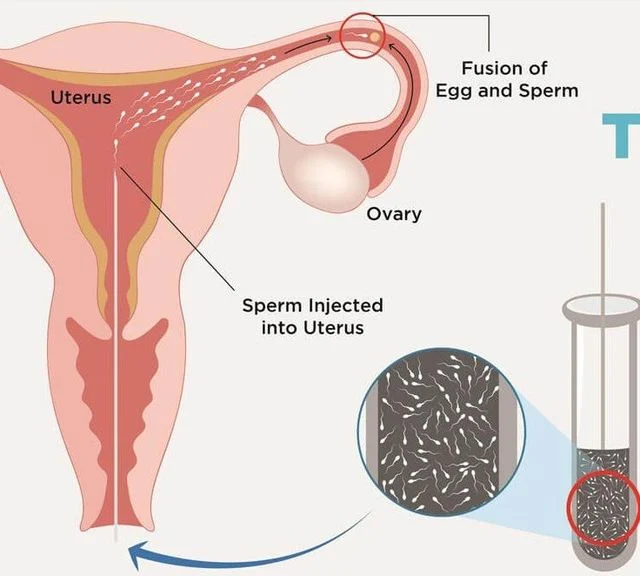
    Diagram illustrating the IUI process, showing sperm injection into the uterus and egg fertilization.

    The Role of Timing: Intrauterine Insemination vs Intracervical Insemination

    One of the main differences between IUI and ICI is the location of the sperm placement. IUI involves placing the sperm directly into the uterus, which is a more efficient route for the sperm to reach the fallopian tubes and increase the chances of fertilization. On the other hand, ICI involves placing the sperm in the cervix, which is a longer and more difficult journey for the sperm to reach the egg. This is why timing is crucial in ICI, as the sperm needs to be present in the cervix at the exact time of ovulation in order to have the best chance of reaching the egg.

    Another important aspect to consider is the quality of the sperm being used in both procedures. In IUI, the sperm is typically washed and prepared in a lab, which helps to remove any dead or abnormal sperm, and concentrates the healthy sperm. This improves the chances of fertilization and reduces the risk of complications. In ICI, the sperm is not washed or prepared, which means that the quality of the sperm used is not as controlled as in IUI. This can decrease the chances of fertilization and increase the risk of using unhealthy or non-viable sperm.

    In conclusion, timing plays a crucial role in the success of both intrauterine insemination (IUI) and intracervical insemination (ICI). While IUI may be a more effective and controlled procedure, it requires close monitoring and medical intervention in terms of timing and preparation. ICI, on the other hand, can be performed at home but may have a lower success rate due to the longer journey of the sperm and the lack of sperm preparation.

    Ultimately, the decision between IUI and ICI will depend on various factors, such as the couple’s specific fertility issues, their personal preferences, and the recommendations of their fertility specialist. It is important to consult with a healthcare professional to determine the best option for your unique situation.

    In summary, the success of IUI and ICI depends heavily on the timing of the procedures and the quality of the sperm used. While IUI may be a more controlled and effective option, ICI can be a more convenient and affordable choice for some couples. Understanding the role of timing in these procedures can help couples make informed decisions and increase their chances of achieving a successful pregnancy.

  • Comparing the Effectiveness: Intrauterine Insemination vs Intracervical Insemination

    In the world of fertility treatment, there are a variety of options available for couples struggling to conceive. Among these options are intrauterine insemination (IUI) and intracervical insemination (ICI). Both of these procedures involve the placement of sperm into a woman’s reproductive tract in order to increase the chances of fertilization and pregnancy. However, there are some key differences between IUI and ICI that make them unique from one another. In this blog post, we will compare the effectiveness of IUI versus ICI in terms of success rates, procedure details, and potential risks.

    Success Rates:

    One of the most important factors to consider when comparing the effectiveness of fertility treatments is their success rates. According to the American Pregnancy Association, the success rate for IUI is around 10-20% per cycle, while the success rate for ICI is slightly lower at 5-15% per cycle. This means that for every 100 couples undergoing IUI, 10-20 of them will become pregnant, while for every 100 couples undergoing ICI, 5-15 of them will become pregnant. It is important to note that these success rates can vary depending on factors such as age, overall health, and the cause of infertility.

    Procedure Details:

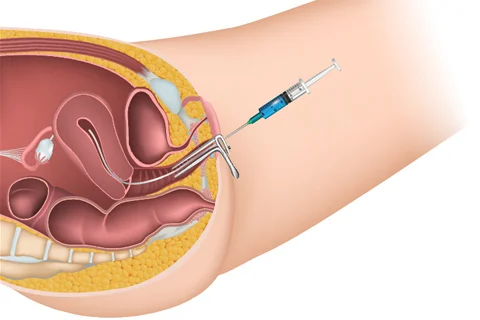
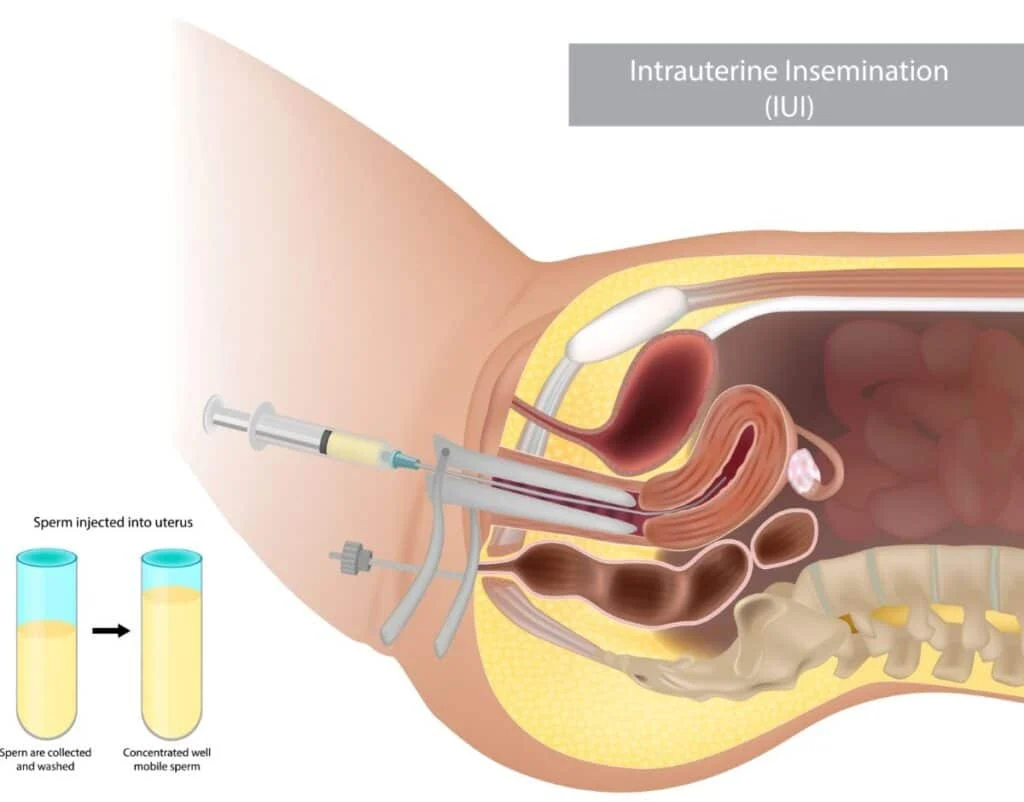
    While both IUI and ICI involve the placement of sperm into the woman’s reproductive tract, the specific details of the procedures differ. In IUI, the sperm is directly placed into the uterus using a thin catheter, bypassing the cervix. This allows for the sperm to be closer to the fallopian tubes where fertilization typically occurs. On the other hand, ICI involves the placement of sperm into the cervix using a syringe or small catheter. This method relies on the sperm to naturally travel through the cervix and into the uterus to reach the egg.

    Another key difference between the two procedures is the timing of when they are performed. IUI is typically done around the time of ovulation, when the egg is released from the ovary. This increases the chances of the sperm and egg meeting and fertilization occurring. ICI, on the other hand, can be performed at any time during the woman’s menstrual cycle, as long as the sperm is able to survive in the reproductive tract until ovulation occurs.

    Illustration of intrauterine insemination (IUI) procedure with syringe and catheter in the uterus.

    Comparing the Effectiveness: Intrauterine Insemination vs Intracervical Insemination

    Potential Risks:

    Like any medical procedure, both IUI and ICI carry some potential risks. With IUI, there is a small risk of infection or injury to the uterus during the placement of the catheter. Additionally, there is a risk of multiple pregnancies due to the use of fertility drugs to stimulate ovulation. This can lead to a higher risk of complications during pregnancy and delivery.

    With ICI, there is a risk of infection or injury to the cervix during the placement of the sperm. There is also a risk of the sperm not reaching the egg, as it relies on the natural movement of sperm through the cervix. This can decrease the chances of fertilization and pregnancy.

    Which One is Right for You?

    Ultimately, the decision between IUI and ICI will depend on various factors such as the underlying cause of infertility, the woman’s health, and personal preferences. For couples with male factor infertility (such as low sperm count or motility), IUI may be a more suitable option as it allows for the sperm to bypass any potential barriers. For couples with unexplained infertility, ICI may be a more cost-effective option as it does not require fertility drugs. It is important to discuss with your doctor and fertility specialist to determine which procedure is the best fit for your individual situation.

    In conclusion, both IUI and ICI are effective fertility treatments that can help couples achieve their dream of having a baby. While IUI has a slightly higher success rate, ICI may be a more suitable option for some couples depending on their specific needs. It is important to weigh the potential risks and benefits of each procedure and consult with a medical professional to determine the best course of action.

  • The Differences Between Intrauterine Insemination and Intracervical Insemination

    The Differences Between Intrauterine Insemination and Intracervical Insemination

    Intrauterine insemination (IUI) and intracervical insemination (ICI) are two types of assisted reproductive techniques used to help couples achieve pregnancy. While both procedures involve placing sperm into the female reproductive tract, there are significant differences between the two that couples should understand when considering fertility treatment options. In this blog post, we will explore the differences between IUI and ICI, including their procedures, success rates, and cost.

    What is Intrauterine Insemination (IUI)?

    Intrauterine insemination, also known as artificial insemination, is a procedure in which sperm is placed directly into the uterus using a thin catheter. The sperm sample is first washed and prepared in the lab to remove any non-motile sperm and debris. This process helps to increase the chances of fertilization by only using the healthiest and most active sperm.

    During the procedure, the woman’s cervix is gently held in place, and the catheter is inserted into the uterus through the cervix. The sperm is then released from the catheter into the uterus, closer to the fallopian tubes where fertilization takes place. IUI is usually performed around the time of ovulation, which is determined by using ovulation predictor kits or ultrasound monitoring.

    What is Intracervical Insemination (ICI)?

    Intracervical insemination, also known as cervical insemination, is a simpler and less invasive procedure compared to IUI. In this procedure, the sperm is placed in the cervix, closer to the entrance of the uterus. The sperm sample is also washed and prepared in the lab before being inserted into the cervix using a syringe.

    ICI can be performed at home or in a fertility clinic, and it does not require any special equipment or trained personnel. However, it is essential to have a clear understanding of the timing of ovulation to ensure that the sperm is placed near the cervix when the egg is released.

    What are the Differences Between IUI and ICI?

    Diagram illustrating intrauterine insemination (IUI) procedure with sperm injection into the uterus.

    The Differences Between Intrauterine Insemination and Intracervical Insemination

    The most significant difference between IUI and ICI is the location where the sperm is placed. In IUI, the sperm is deposited directly into the uterus, while in ICI, it is placed in the cervix. This difference can potentially impact the success rates of each procedure.

    Another difference is the preparation of the sperm sample. In IUI, the sperm is washed and prepared in the lab, while in ICI, it is only washed. This additional preparation in IUI helps to remove any non-motile sperm and debris, increasing the chances of fertilization.

    Success Rates of IUI and ICI

    The success rates of IUI and ICI vary depending on various factors, including the age and fertility of the woman, the quality of the sperm sample, and the timing of the procedure. Generally, IUI has higher success rates compared to ICI, with an average success rate of 10-20% per cycle. However, the success rates of both procedures can be significantly affected by underlying fertility issues in either partner.

    Cost of IUI and ICI

    The cost of IUI and ICI can also differ significantly. IUI is a more complex procedure that requires specialized equipment and trained personnel, making it more expensive. The cost of IUI can range from $500-$4000 per cycle, depending on the clinic and additional treatments. On the other hand, ICI is a simpler procedure that can be performed at home, making it a more affordable option. The cost of ICI can range from $100-$500 per cycle.

    Which Procedure is Right for You?

    Choosing between IUI and ICI depends on various factors, including the cause of infertility, age, and personal preferences. For couples with unexplained infertility or sperm quality issues, IUI may be a better option due to its higher success rates. However, for couples with mild fertility issues or those who prefer a less invasive option, ICI may be a more suitable choice. Ultimately, it is essential to consult with a fertility specialist to discuss your options and determine the best course of action for your specific situation.

    In conclusion, while both IUI and ICI involve placing sperm into the female reproductive tract, there are significant differences between the two procedures. Some of the key differences include the location where the sperm is placed, the preparation of the sperm sample, success rates, and cost. Ultimately, the choice between IUI and ICI will depend on various factors and should be made in consultation with a fertility specialist.

  • A Comprehensive Guide to Intrauterine Insemination and Intracervical Insemination

    Intrauterine Insemination (IUI) and Intracervical Insemination (ICI) are two commonly used fertility treatments for couples struggling with conception. These procedures involve placing sperm directly into the woman’s reproductive tract to increase the chances of fertilization. While both IUI and ICI are forms of artificial insemination, there are some key differences between the two methods. In this guide, we will provide a comprehensive overview of IUI and ICI, including their processes, success rates, and potential risks.

    What is Intrauterine Insemination (IUI)?

    Intrauterine Insemination, also known as artificial insemination, is a form of fertility treatment that involves placing sperm directly into the woman’s uterus. This procedure is typically used for couples with unexplained infertility, low sperm count, or issues with sperm motility. IUI is also a popular option for same-sex couples or single women who wish to conceive.

    The Process of IUI

    The process of IUI involves several steps, starting with ovulation induction. This involves taking medication to stimulate the production of eggs in the ovaries. This can be done with oral medications or injections, and is closely monitored by a doctor through ultrasounds and hormone level tests.

    Once the eggs are mature, the woman will undergo a procedure to inseminate the sperm. The man will provide a semen sample, which is then washed and prepared in a laboratory. This process removes any impurities and concentrates the healthy sperm. The prepared sperm is then placed into a catheter and inserted into the woman’s uterus, bypassing the cervix and increasing the chances of fertilization.

    Success Rates of IUI

    The success rates of IUI vary depending on factors such as age, fertility issues, and the number of cycles attempted. On average, IUI has a success rate of 10-20% per cycle. However, the success rates can increase up to 80% after six cycles.

    Risks and Side Effects of IUI

    IUI is a relatively safe procedure, but as with any medical procedure, there are potential risks and side effects. Some women may experience mild cramping or spotting after the procedure, but these symptoms typically subside within a day or two. In rare cases, there may be an infection or damage to the reproductive organs. It is essential to discuss any potential risks with a doctor before undergoing IUI.

    What is Intracervical Insemination (ICI)?

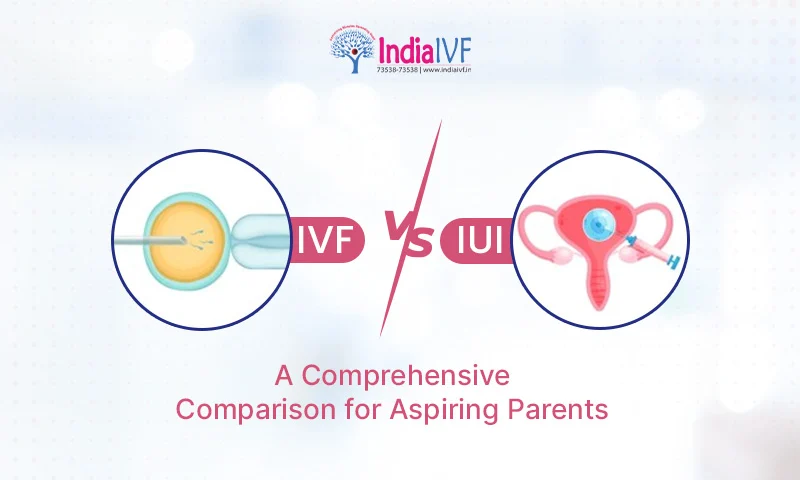
    IVF vs IUI comparison graphic highlighting reproductive methods for aspiring parents.

    A Comprehensive Guide to Intrauterine Insemination and Intracervical Insemination

    Intracervical Insemination, also known as cervical insemination, is another form of artificial insemination. Unlike IUI, which places the sperm into the uterus, ICI involves placing the sperm into the cervix. This procedure is typically used for couples with unexplained infertility or for donor sperm insemination.

    The Process of ICI

    The process of ICI is similar to that of IUI, starting with ovulation induction. The main difference is that the sperm is placed into the cervix instead of the uterus. This can be done with a syringe or a cervical cap, which is left in place for a few hours to allow the sperm to swim towards the eggs.

    Success Rates of ICI

    The success rates of ICI are slightly lower than IUI, with an average success rate of 10-15% per cycle. However, with multiple cycles, the success rates can increase up to 50%.

    Risks and Side Effects of ICI

    The risks and side effects of ICI are similar to those of IUI, with some women experiencing mild cramping or spotting. It is essential to discuss any potential risks with a doctor before undergoing ICI.

    Which Procedure is Right for You?

    The decision to undergo IUI or ICI will depend on various factors, such as the cause of infertility, cost, and personal preferences. Consulting with a fertility specialist is crucial in determining the most suitable treatment plan for each individual or couple.

    In conclusion, IUI and ICI are two commonly used fertility treatments that can help couples struggling with conception. Both procedures involve placing sperm directly into the reproductive tract, but they differ in the location where the sperm is deposited. While they have similar success rates, it is essential to consult with a doctor to determine which procedure is the best option for you.

    SEO metadata:

  • The Science Behind Male Factor Infertility: Understanding the Treatment Options

    Male factor infertility, or the inability of a man to impregnate a fertile female, is a common issue that affects approximately 1 in 20 men. Despite its prevalence, male factor infertility is often overlooked and not fully understood. In this blog post, we will delve into the science behind male factor infertility and explore the various treatment options available.

    Understanding Male Reproductive Health
    To understand male factor infertility, it is important to have a basic understanding of male reproductive health. The male reproductive system is composed of various organs and glands that work together to produce and transport sperm. The testes, located in the scrotum, produce sperm cells. These sperm cells then travel through the epididymis, a small tube attached to the testes, where they mature and are stored. During ejaculation, the sperm travels through the vas deferens and mixes with seminal fluids from the prostate and other glands to form semen. The semen is then ejaculated through the urethra.

    Causes of Male Factor Infertility
    Male factor infertility can be caused by a variety of factors, including hormonal imbalances, genetic conditions, physical or structural issues, and lifestyle factors. Hormonal imbalances, such as low levels of testosterone, can affect sperm production and quality. Genetic conditions, such as Klinefelter syndrome or cystic fibrosis, can also impact fertility. Physical or structural issues, such as blockages in the reproductive tract, can prevent sperm from being ejaculated. Lifestyle factors, such as smoking, excessive alcohol consumption, and drug use, can also contribute to male factor infertility.

    Diagnosing Male Factor Infertility
    Diagnosing male factor infertility involves a thorough evaluation of a man’s medical history, physical examination, and various tests. The first step is to rule out any underlying medical conditions that may be causing infertility. A physical examination may be performed to check for any structural issues in the reproductive organs. A semen analysis is also a crucial diagnostic tool for male factor infertility. This test measures the number, shape, and movement of sperm in a man’s semen. Other tests that may be performed include hormone level testing, genetic testing, and imaging tests to assess the reproductive organs.

    Treatment Options for Male Factor Infertility
    The treatment for male factor infertility depends on the underlying cause. In cases where a medical condition is causing infertility, treating the condition may improve fertility. In cases of hormonal imbalances, hormone therapy may be recommended. In situations where there are blockages or structural issues, surgery may be necessary. However, in cases where there are no underlying medical issues, assisted reproductive technology (ART) may be the best option.

    illustration of intrauterine insemination procedure with a syringe and catheter in the uterus.

    The Science Behind Male Factor Infertility: Understanding the Treatment Options

    Assisted Reproductive Technology (ART)
    ART refers to a range of procedures that help couples conceive by handling eggs, sperm, and embryos outside of the body. One of the most well-known ART procedures is in-vitro fertilization (IVF). During IVF, eggs are retrieved from the female partner and fertilized with sperm in a laboratory. The resulting embryos are then transferred to the woman’s uterus. In cases of male factor infertility, IVF may be combined with intracytoplasmic sperm injection (ICSI), where a single sperm is injected directly into an egg to fertilize it.

    Other ART procedures that may be used to treat male factor infertility include intrauterine insemination (IUI) and sperm retrieval procedures. In IUI, washed and concentrated sperm are placed directly into the woman’s uterus, increasing the chances of fertilization. Sperm retrieval procedures involve obtaining sperm from the testes or epididymis when there is a blockage preventing sperm from being ejaculated.

    Lifestyle Changes
    In addition to medical treatments, lifestyle changes may also help improve male fertility. This includes quitting smoking, reducing alcohol consumption, and avoiding illegal drugs. Maintaining a healthy weight and exercising regularly can also improve sperm quality and fertility. Additionally, taking supplements such as folic acid, zinc, and vitamin D may also help improve male reproductive health.

    In conclusion, male factor infertility is a common issue that can have various underlying causes. Understanding the science behind male reproductive health and the different treatment options available can help couples struggling with infertility make informed decisions. Whether it involves addressing underlying medical conditions, undergoing ART procedures, or making lifestyle changes, there are options available for couples to overcome male factor infertility and achieve their dream of starting a family.

    Summary:
    Male factor infertility is a common issue that affects 1 in 20 men, yet it is often overlooked and not fully understood. It is caused by a variety of factors, including hormonal imbalances, genetic conditions, physical or structural issues, and lifestyle factors. Diagnosis involves a thorough evaluation of medical history, physical examination, and various tests. Treatment options include addressing underlying medical conditions, hormone therapy, surgery, and assisted reproductive technology (ART). Lifestyle changes can also improve male fertility. Understanding the science behind male factor infertility and the various treatment options available can help couples struggling with infertility make informed decisions.

  • The Impact of Donor Sperm Quality on the Decision Between Frozen and Fresh Options

    Blog Post Title: The Impact of Donor Sperm Quality on the Decision Between Frozen and Fresh Options

    Introduction:
    The use of donor sperm has become a common option for couples and individuals struggling with infertility. In recent years, advancements in assisted reproductive technology (ART) have made it easier to access and use donor sperm. One important decision that individuals and couples must make when using donor sperm is whether to use frozen or fresh options. This decision can have a significant impact on the success of the fertility treatment. In this blog post, we will explore the impact of donor sperm quality on the decision between frozen and fresh options.

    Understanding Donor Sperm Quality:
    The quality of donor sperm is a crucial factor in the success of fertility treatments. Sperm quality is determined by various factors such as sperm count, motility, and morphology. A high-quality sperm sample is essential for successful fertilization and pregnancy. Donor sperm samples are typically evaluated and classified into different categories, with A being the best quality and C being the poorest.

    Fresh Donor Sperm:
    Fresh donor sperm refers to a sample that has been collected on the same day as the intended use. This option is often preferred by individuals and couples seeking fertility treatment as it is perceived to be more “natural.” Fresh donor sperm is usually available for immediate use, eliminating the need for storage and thawing. However, the quality of fresh sperm can vary depending on the donor’s health and lifestyle factors. For instance, donors who smoke or have poor diets may have lower sperm quality, which can affect the success of the treatment.

    The Impact of Donor Sperm Quality on Fresh Options:
    The success of using fresh donor sperm depends on the quality of the sample. Studies have shown that higher quality sperm samples have a better chance of leading to a successful pregnancy. Donor sperm samples with a higher sperm count, motility, and morphology have been found to have a higher success rate in fertility treatments. Therefore, individuals and couples considering fresh donor sperm should carefully evaluate the quality of the sample before making a decision.

    Comparison of IUI and IVF treatments with diagrams of reproductive anatomy.

    The Impact of Donor Sperm Quality on the Decision Between Frozen and Fresh Options

    Frozen Donor Sperm:
    Frozen donor sperm refers to a sample that has been collected and cryopreserved (frozen) for later use. This option has become increasingly popular in recent years due to its convenience and success rates. Frozen donor sperm is usually stored for a minimum of six months before it can be used. During this time, the donor is re-screened for infectious diseases, ensuring a safe and healthy sample. Frozen donor sperm also allows for a wider selection of donors, as they can be sourced from different locations and time periods.

    The Impact of Donor Sperm Quality on Frozen Options:
    The quality of frozen donor sperm is another crucial factor that can affect the success of fertility treatments. The freezing and thawing process can damage sperm, leading to lower sperm quality. However, advancements in cryopreservation techniques have significantly improved the quality of frozen donor sperm. Studies have shown that frozen sperm samples from high-quality donors can have similar or even better success rates compared to fresh options.

    Factors Affecting Donor Sperm Quality:
    Several factors can affect the quality of donor sperm. These include the donor’s age, health, lifestyle choices, and the sperm processing techniques used. Older donors may have lower sperm quality due to age-related changes, while donors with underlying health conditions may have sperm abnormalities. Lifestyle factors such as smoking, excessive alcohol consumption, and poor diet can also affect sperm quality. Additionally, the sperm processing techniques used by fertility clinics can also impact sperm quality. It is crucial to choose a reputable fertility clinic that follows strict protocols for sperm processing to ensure the best quality donor sperm.

    Conclusion:
    The decision between frozen and fresh donor sperm options is a significant one that can greatly impact the success of fertility treatments. While fresh donor sperm may seem like the more “natural” option, the quality of the sample is crucial. Frozen donor sperm, on the other hand, offers the convenience of storage and a wider selection of donors. However, the quality of the frozen sample can also affect the success of the treatment. It is essential to carefully evaluate the quality of donor sperm before making a decision and to choose a reputable fertility clinic with strict protocols for sperm processing.

    In summary, the decision between frozen and fresh donor sperm options is a crucial one that should not be taken lightly. The quality of donor sperm is a significant factor that can affect the success of fertility treatments, and individuals and couples should carefully consider this when making their decision.

  • The Emotional Rollercoaster of Choosing Between Fresh and Frozen Donor Sperm

    Choosing to use donor sperm is often a tough decision for individuals or couples struggling with infertility. And once the decision has been made, another dilemma arises: should the sperm be fresh or frozen? This may seem like a simple choice, but it can actually be an emotional rollercoaster for those going through the process. In this blog post, we will explore the ups and downs of choosing between fresh and frozen donor sperm, and how it can impact the emotional journey of those seeking fertility treatment.

    The first step in using donor sperm is usually selecting a donor. This can be an overwhelming process as there are many factors to consider, such as physical characteristics, medical history, and personal values. But once a donor has been chosen, the decision between fresh and frozen sperm comes into play. Fresh sperm is usually obtained through a sperm bank or a known donor, while frozen sperm is typically purchased from a sperm bank. Let’s take a look at the emotional journey of choosing between these two options.

    The Excitement of Fresh Sperm:
    For many, the idea of using fresh sperm can be exciting. The thought of having a child with a donor who is known and potentially involved in the child’s life can bring a sense of comfort and connection. It may also feel more “natural” to use fresh sperm, as it mimics the traditional way of conceiving a child. However, this excitement can quickly turn into disappointment if the fresh sperm is not of good quality or if the donor is unable to produce a sample on the day of insemination. This can lead to delays in the fertility treatment process and can be emotionally draining for those involved.

    The Convenience of Frozen Sperm:
    On the other hand, using frozen sperm can offer a sense of convenience. The sperm is readily available and can be shipped to the fertility clinic at any time. This eliminates the need to coordinate with a donor and reduces the risk of last-minute cancellations or complications. Frozen sperm is also typically screened and quarantined, reducing the risk of potential health concerns. However, for some individuals or couples, the idea of using sperm from an unknown donor can be unsettling. There may be a fear of not being able to connect with the child or a worry about potential genetic issues.

    The Financial Burden:
    Another aspect to consider when choosing between fresh and frozen donor sperm is the financial burden. Fresh sperm is usually more expensive, as it involves compensating the donor for their time and effort. This can add up quickly, especially if multiple attempts are needed. On the other hand, frozen sperm is typically more affordable, with the costs being related to purchasing and shipping. However, the overall cost of fertility treatment using donor sperm can still be a significant financial burden, and this can add to the emotional stress of the process.

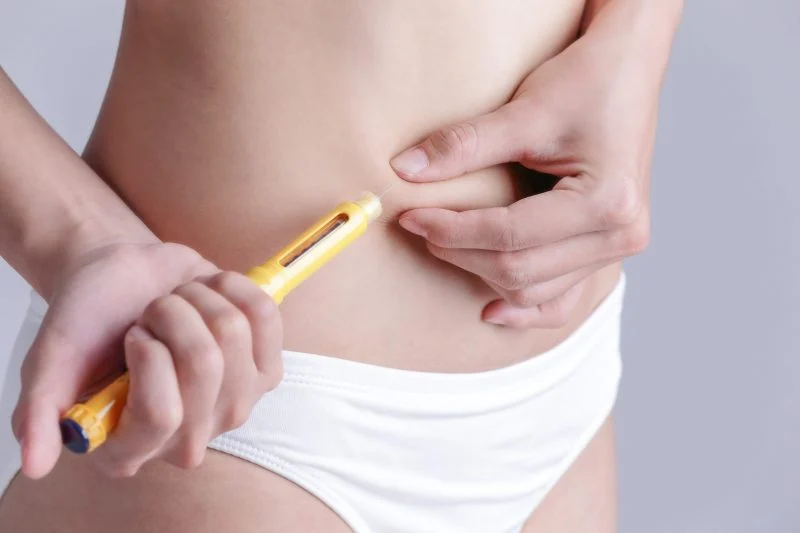
    A person administering an injection into their abdomen with a yellow pen-like device.

    The Emotional Rollercoaster of Choosing Between Fresh and Frozen Donor Sperm

    Dealing with Expectations:
    No matter which option is chosen, there are expectations involved. For those using fresh sperm, there may be an expectation of a more personal connection with the donor and a sense of comfort knowing that the sperm is “fresh.” On the other hand, those using frozen sperm may have expectations of a smoother and more convenient process. These expectations can sometimes lead to disappointment or feelings of guilt if the outcome does not meet them. It is essential to manage these expectations and understand that fertility treatment can be a complex and unpredictable journey.

    The Impact on Relationships:
    The decision between fresh and frozen sperm can also have an impact on relationships. For couples, the process of choosing donor sperm and the emotional ups and downs that come with it can put a strain on the relationship. Disagreements or differences in opinion may arise, and it is crucial to communicate and support each other through this process. For individuals, the decision may also affect relationships with family and friends, as they may not understand or agree with the choice being made.

    The Waiting Game:
    One of the most challenging aspects of fertility treatment is the waiting game. No matter which type of sperm is chosen, there will be a wait for the results. This can be a time filled with anxiety, fear, and hope. Each day can feel like a rollercoaster of emotions, and it can be challenging to stay positive. The waiting game can also be prolonged if multiple attempts are needed, adding to the emotional toll.

    In conclusion, the decision between fresh and frozen donor sperm is not an easy one. It involves weighing different factors and considering the emotional impact of each option. It is essential to remember that there is no right or wrong choice, and the most important thing is to choose what feels right for you and your journey to parenthood. Whether you choose fresh or frozen sperm, it is crucial to have a support system in place and to take care of your emotional well-being throughout the process.

    In summary, choosing between fresh and frozen donor sperm can be an emotional rollercoaster for individuals and couples going through fertility treatment. The excitement of fresh sperm can quickly turn into disappointment, while the convenience of frozen sperm can come with its own set of worries. The financial burden, expectations, and impact on relationships are all factors to consider, and the waiting game can be emotionally taxing. It is crucial to manage expectations, communicate with loved ones, and prioritize self-care during this emotional journey towards parenthood.

  • Fresh Donor Sperm: A Personal Journey to Parenthood

    Blog Post:

    Fresh Donor Sperm: A Personal Journey to Parenthood

    Parenthood is a dream for many individuals and couples. However, for some, conceiving a child may not come as easily. In my personal journey to parenthood, I faced the challenges of fertility issues and ultimately turned to fresh donor sperm as a solution. This decision was not an easy one, but it led me to a beautiful and fulfilling path to parenthood.

    The Struggle with Infertility

    My husband and I had been trying to conceive for over a year with no success. We went through countless tests and appointments, only to be told that we were facing fertility issues. It was devastating news for us, and we felt like we were being robbed of the opportunity to have a child of our own.

    We explored various fertility treatments, but nothing seemed to work. The emotional toll of this journey was immense, and we felt like we were losing hope. That’s when our doctor suggested fresh donor sperm as an option.

    Considering Fresh Donor Sperm

    The idea of using donor sperm was initially overwhelming for both of us. We had never thought about it before, and the thought of having a child who was not biologically related to my husband was difficult to accept. However, after much research and discussions with our doctor, we decided to give it a try.

    We chose fresh donor sperm over frozen because we wanted to increase our chances of success. Fresh donor sperm is collected and used within a few hours, which means the sperm is at its highest quality and viability. In contrast, frozen sperm has to go through the freezing and thawing process, which can affect its quality.

    Finding the Right Donor

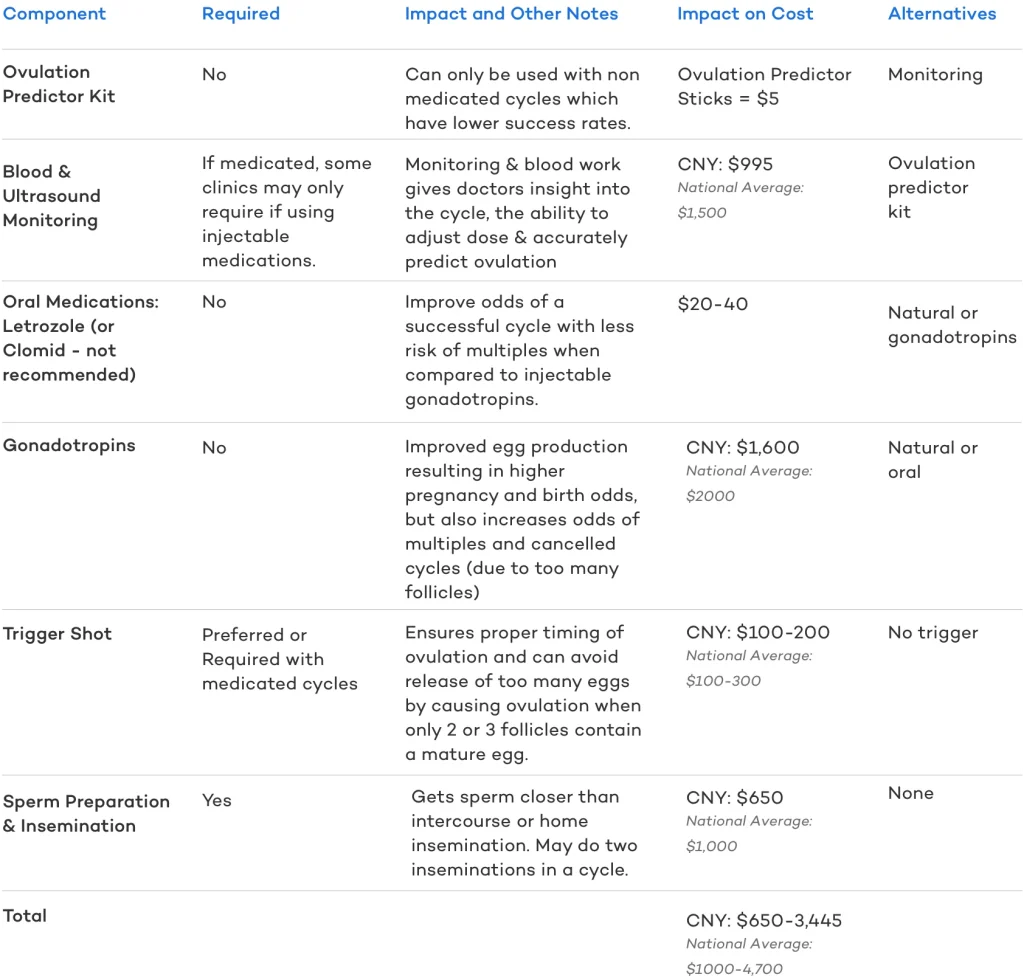
    Cost breakdown for IUI components, including requirements, impacts, and alternatives.

    Fresh Donor Sperm: A Personal Journey to Parenthood

    Choosing the right donor was a crucial step for us. We wanted someone who shared similar physical traits and values as my husband. We also wanted to ensure that the donor had a clean medical history and had gone through rigorous testing to ensure the safety and health of our future child.

    We spent a significant amount of time going through donor profiles, looking at childhood photos, and reading personal letters from the donors. It was a surreal experience to choose someone who would play a significant role in creating our family.

    The Insemination Process

    Once we found the perfect donor, we began the insemination process. It involved tracking my ovulation cycle and scheduling an appointment for the insemination procedure. The procedure was quick and painless, and my husband was able to be present during the process, which made it feel more intimate and personal.

    The two-week wait after the procedure was nerve-wracking, but we tried to stay positive and hopeful. And finally, the day came when we found out that we were pregnant. It was an indescribable feeling, and we were overjoyed that our dream of becoming parents was finally coming true.

    The Journey to Parenthood

    Throughout my pregnancy, I felt a mix of emotions. I was excited, scared, and grateful all at the same time. My husband and I had chosen to be open about our decision to use donor sperm with our family and friends, and we received nothing but love and support. It was reassuring to know that we had a strong support system behind us.

    As we welcomed our son into the world, I remember feeling overwhelmed with love and joy. He was the perfect blend of my husband and me, and it didn’t matter that he was not biologically related to my husband. He was our child, and that was all that mattered.

    As our son grows, we plan to be open and honest with him about his conception. We want to ensure that he knows how much he was wanted and loved from the very beginning.

    Summary:

    For many individuals and couples, parenthood is a dream that may come with challenges. In my personal journey to parenthood, I faced the struggles of fertility issues and ultimately turned to fresh donor sperm as a solution. The decision was not an easy one, but it led me to a beautiful and fulfilling path to parenthood. I share my experience of considering fresh donor sperm, finding the right donor, and going through the insemination process. The journey to parenthood was filled with a mix of emotions, but the end result was a beautiful and healthy child, and that’s all that mattered.

  • The Future of Fertility Treatment: Will Frozen Donor Sperm Outshine Fresh Sperm?

    The Future of Fertility Treatment: Will Frozen Donor Sperm Outshine Fresh Sperm?

    Fertility treatment has come a long way in the past few decades, thanks to advancements in assisted reproductive technology (ART). Couples and individuals struggling with infertility now have more options than ever before to achieve their dream of starting a family. One such option is the use of donor sperm, which has been a game-changer for same-sex couples, single individuals, and those with male factor infertility. But with the introduction of sperm cryopreservation, or the freezing of donor sperm, there has been a growing debate on whether frozen donor sperm will outshine fresh sperm in the future of fertility treatment.

    To understand this debate, let’s first dive into what donor sperm is and how it is used in fertility treatment. Donor sperm is sperm from a screened and healthy donor that is used to fertilize an egg through a process known as donor insemination. This can be done through intrauterine insemination (IUI) or in vitro fertilization (IVF). Donor sperm is often the last resort for couples and individuals who have exhausted all other fertility treatment options or those who are unable to conceive due to male factor infertility.

    Traditionally, donor sperm was only available in fresh form, meaning it had to be used immediately after collection. However, with the advent of sperm cryopreservation, donor sperm can now be frozen and stored for future use. This has opened up a whole new world of possibilities for fertility treatment, but it has also raised questions about the superiority of frozen donor sperm over fresh sperm.

    One of the main advantages of frozen donor sperm is the convenience factor. With fresh donor sperm, the timing of the insemination has to be carefully coordinated with the donor’s schedule, which can be challenging and stressful for both the donor and the recipient. In contrast, frozen donor sperm can be used at any time, making the process much more flexible and less stressful for all parties involved. This also eliminates the need for the donor and recipient to be in the same location, making it easier for couples and individuals who live in different cities or even countries.

    Cost breakdown for IUI components, including requirements, impacts, and alternatives.

    The Future of Fertility Treatment: Will Frozen Donor Sperm Outshine Fresh Sperm?

    Another advantage of frozen donor sperm is the reduced risk of disease transmission. Donors are thoroughly screened for any potential health issues and infectious diseases, but there is always a small risk of transmission with fresh sperm. By freezing and storing the sperm, this risk is significantly reduced as the sperm is quarantined and screened again after six months. This added layer of safety can provide peace of mind for both the donor and the recipient.

    Furthermore, frozen donor sperm has a longer lifespan compared to fresh sperm. Fresh sperm can only survive for up to five days inside a woman’s reproductive tract, while frozen sperm can remain viable for up to 10 years or even longer if stored properly. This gives recipients more time to plan and organize their fertility treatment without the pressure of a tight timeline.

    However, there are also some drawbacks to using frozen donor sperm. One of the main concerns is the potential damage to the sperm during the freezing and thawing process. While techniques for sperm cryopreservation have improved significantly in recent years, there is still a risk of reduced sperm quality and motility after thawing. This can affect the success rate of the insemination and may require multiple attempts to achieve a pregnancy.

    Another disadvantage is the cost of using frozen donor sperm. Fresh donor sperm is generally less expensive than frozen sperm as it does not require storage fees. In addition, the process of thawing and preparing frozen sperm for insemination can also add to the overall cost of the treatment.

    So, will frozen donor sperm outshine fresh sperm in the future of fertility treatment? It is difficult to say for certain, but it is clear that frozen donor sperm has many advantages that make it a viable option for many couples and individuals struggling with infertility. As technology continues to advance, the techniques for sperm cryopreservation are likely to improve, reducing the risk of damage to the sperm and increasing the success rates of insemination.

    In conclusion, frozen donor sperm offers convenience, reduced risk of disease transmission, and a longer lifespan compared to fresh sperm. However, it also has some drawbacks, such as potential damage to the sperm and higher costs. Ultimately, the choice between fresh and frozen donor sperm will depend on individual circumstances and preferences. But one thing is for sure, the future of fertility treatment looks brighter with the availability of both fresh and frozen donor sperm options.

  • Fresh vs Frozen: Comparing the Quality of Donor Sperm

    Fresh vs Frozen: Comparing the Quality of Donor Sperm

    The use of donor sperm has become a common method for helping couples and individuals achieve their dream of starting a family. With advancements in assisted reproductive technology, donor sperm can now be used in various ways, such as intrauterine insemination (IUI) and in vitro fertilization (IVF). However, one important factor that must be considered when using donor sperm is whether to use fresh or frozen sperm. In this blog post, we will dive into the differences between fresh and frozen donor sperm and compare their quality.

    Fresh Donor Sperm

    Fresh donor sperm is obtained directly from the donor and used immediately for insemination. This means that the sperm has not been cryopreserved or frozen. One of the main advantages of using fresh donor sperm is that it has a higher chance of surviving the freezing and thawing process, which can damage sperm cells. Fresh sperm also has a higher concentration of motile sperm, which can increase the success rate of fertilization.

    However, there are also some drawbacks to using fresh donor sperm. First, the availability of fresh sperm can be limited as it relies on the donor’s schedule. This can cause delays in treatment and create frustration for couples or individuals who are trying to conceive. Additionally, the process of obtaining fresh sperm can also be more expensive due to the need for frequent screenings and testing of the donor.

    Frozen Donor Sperm

    Frozen donor sperm, on the other hand, has been cryopreserved and stored in a sperm bank. This means that the sperm has been frozen at extremely low temperatures and can be used at a later time. The advantage of using frozen donor sperm is that it is readily available and does not rely on the donor’s schedule. This can save time and reduce stress for those undergoing fertility treatments.

    Furthermore, frozen sperm is also more cost-effective compared to fresh sperm. This is because the donor does not need to undergo frequent screenings, reducing the overall cost of the sperm. Additionally, frozen sperm can also be used for multiple cycles, making it a more practical option for couples or individuals who require multiple attempts to conceive.

    A person administering an injection into their abdomen with a yellow pen-like device.

    Fresh vs Frozen: Comparing the Quality of Donor Sperm

    Comparing the Quality of Fresh vs Frozen Sperm

    When it comes to the quality of sperm, there are several factors that must be considered. These include sperm count, motility, and DNA integrity. Sperm count refers to the number of sperm cells present in a sample, while motility is the ability of sperm to move and swim towards the egg for fertilization. DNA integrity, on the other hand, is the measure of the sperm’s genetic material and its ability to fertilize an egg.

    Multiple studies have been conducted to compare the quality of fresh and frozen donor sperm. One study published in the Journal of Assisted Reproduction and Genetics found that there was no significant difference in sperm count, motility, and DNA integrity between fresh and frozen sperm samples. This suggests that both fresh and frozen sperm have comparable quality and may not impact the chances of conception.

    Another study published in the Journal of Andrology compared the quality of fresh and frozen donor sperm in terms of motility and DNA fragmentation. The results showed that while there was no significant difference in motility, there was a higher percentage of DNA fragmentation in frozen sperm samples. However, this study only looked at a small sample size and further research is needed to draw a definitive conclusion.

    Which Option is Better?

    When it comes to choosing between fresh and frozen donor sperm, there is no clear answer. Both options have their advantages and disadvantages, and the decision ultimately depends on the individual’s needs and preferences. For those who require multiple attempts at conception, frozen sperm may be a more practical and cost-effective option. On the other hand, those who want to increase the chances of fertilization may opt for fresh sperm.

    In conclusion, the quality of fresh and frozen donor sperm is comparable, and the choice between the two options should be based on individual circumstances. It is important to consult with a fertility specialist and discuss the best option for your specific needs.

    Summary:

    Donor sperm is a common method used to help individuals and couples achieve their dream of starting a family. When using donor sperm, one important factor to consider is whether to use fresh or frozen sperm. Fresh sperm is obtained directly from the donor and used immediately, while frozen sperm has been cryopreserved and stored in a sperm bank for future use. Both options have their advantages and disadvantages, and the decision ultimately depends on individual needs and preferences. Multiple studies have shown that the quality of fresh and frozen sperm is comparable, and the choice should be based on individual circumstances. It is recommended to consult with a fertility specialist to determine the best option for your specific situation.