Intrauterine Insemination (IUI) and Intracervical Insemination (ICI) are two commonly used fertility treatments for couples struggling with conception. These procedures involve placing sperm directly into the woman’s reproductive tract to increase the chances of fertilization. While both IUI and ICI are forms of artificial insemination, there are some key differences between the two methods. In this guide, we will provide a comprehensive overview of IUI and ICI, including their processes, success rates, and potential risks.
What is Intrauterine Insemination (IUI)?
Intrauterine Insemination, also known as artificial insemination, is a form of fertility treatment that involves placing sperm directly into the woman’s uterus. This procedure is typically used for couples with unexplained infertility, low sperm count, or issues with sperm motility. IUI is also a popular option for same-sex couples or single women who wish to conceive.
The Process of IUI
The process of IUI involves several steps, starting with ovulation induction. This involves taking medication to stimulate the production of eggs in the ovaries. This can be done with oral medications or injections, and is closely monitored by a doctor through ultrasounds and hormone level tests.
Once the eggs are mature, the woman will undergo a procedure to inseminate the sperm. The man will provide a semen sample, which is then washed and prepared in a laboratory. This process removes any impurities and concentrates the healthy sperm. The prepared sperm is then placed into a catheter and inserted into the woman’s uterus, bypassing the cervix and increasing the chances of fertilization.
Success Rates of IUI
The success rates of IUI vary depending on factors such as age, fertility issues, and the number of cycles attempted. On average, IUI has a success rate of 10-20% per cycle. However, the success rates can increase up to 80% after six cycles.
Risks and Side Effects of IUI
IUI is a relatively safe procedure, but as with any medical procedure, there are potential risks and side effects. Some women may experience mild cramping or spotting after the procedure, but these symptoms typically subside within a day or two. In rare cases, there may be an infection or damage to the reproductive organs. It is essential to discuss any potential risks with a doctor before undergoing IUI.
What is Intracervical Insemination (ICI)?
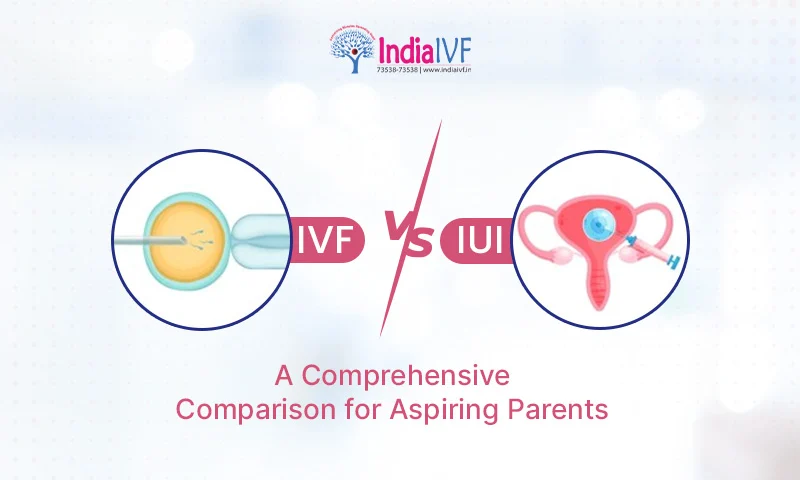
A Comprehensive Guide to Intrauterine Insemination and Intracervical Insemination
Intracervical Insemination, also known as cervical insemination, is another form of artificial insemination. Unlike IUI, which places the sperm into the uterus, ICI involves placing the sperm into the cervix. This procedure is typically used for couples with unexplained infertility or for donor sperm insemination.
The Process of ICI
The process of ICI is similar to that of IUI, starting with ovulation induction. The main difference is that the sperm is placed into the cervix instead of the uterus. This can be done with a syringe or a cervical cap, which is left in place for a few hours to allow the sperm to swim towards the eggs.
Success Rates of ICI
The success rates of ICI are slightly lower than IUI, with an average success rate of 10-15% per cycle. However, with multiple cycles, the success rates can increase up to 50%.
Risks and Side Effects of ICI
The risks and side effects of ICI are similar to those of IUI, with some women experiencing mild cramping or spotting. It is essential to discuss any potential risks with a doctor before undergoing ICI.
Which Procedure is Right for You?
The decision to undergo IUI or ICI will depend on various factors, such as the cause of infertility, cost, and personal preferences. Consulting with a fertility specialist is crucial in determining the most suitable treatment plan for each individual or couple.
In conclusion, IUI and ICI are two commonly used fertility treatments that can help couples struggling with conception. Both procedures involve placing sperm directly into the reproductive tract, but they differ in the location where the sperm is deposited. While they have similar success rates, it is essential to consult with a doctor to determine which procedure is the best option for you.
SEO metadata: