Title: Making an Informed Decision: Understanding Fertility Supplements and Medical Treatments
Introduction
Fertility is a topic that is surrounded by countless myths and misconceptions. For couples struggling to conceive, it can be overwhelming to navigate through the sea of information available. One of the most common ways to boost fertility is by taking supplements or undergoing medical treatments. However, with so many options available, it is crucial to make an informed decision. In this blog post, we will delve into the world of fertility supplements and medical treatments, understanding their effectiveness, safety, and factors to consider before making a decision.
What are Fertility Supplements?
Fertility supplements are natural or herbal products that claim to improve fertility in both men and women. These supplements typically contain a combination of vitamins, minerals, and herbal extracts. Some popular fertility supplements include Coenzyme Q10, Omega-3 fatty acids, and Vitex agnus-castus (chasteberry).
Do Fertility Supplements Work?
Many couples turn to fertility supplements as a natural and cost-effective option to improve their chances of conception. However, there is limited scientific evidence to support the effectiveness of these supplements. Some studies have shown a slight increase in fertility rates, but the results are inconclusive and vary from person to person. It is essential to consult with a doctor before taking any fertility supplements, as they may interact with other medications or have adverse effects.
Are Fertility Supplements Safe?
Fertility supplements are not regulated by the FDA, which means their safety and effectiveness are not guaranteed. Some supplements may contain harmful ingredients or interact with prescription medications, leading to adverse side effects. It is crucial to do thorough research and consult with a healthcare provider before starting any fertility supplement regimen.
Factors to Consider Before Taking Fertility Supplements
Before taking any fertility supplement, it is essential to consider the following factors:
1. Underlying Medical Conditions: Certain fertility supplements may not be suitable for individuals with underlying medical conditions such as diabetes, high blood pressure, or thyroid disorders. It is crucial to consult with a doctor and disclose any pre-existing conditions before starting a supplement regimen.
2. Quality and Source: With the lack of FDA regulation, it is crucial to research the quality and source of the fertility supplement before purchasing. Look for supplements that have been tested and certified by third-party organizations to ensure their safety and effectiveness.
3. Dosage: It is crucial to follow the recommended dosage for fertility supplements, as excessive intake may lead to adverse side effects. Consult with a healthcare provider to determine the appropriate dosage for your specific needs.
4. Allergies: Some fertility supplements may contain ingredients that can trigger allergies. It is vital to read the label carefully and consult with a healthcare provider if you have any known allergies.

Making an Informed Decision: Understanding Fertility Supplements and Medical Treatments
Medical Treatments for Fertility
In addition to fertility supplements, there are various medical treatments available for couples struggling to conceive. These treatments are typically recommended after a thorough fertility evaluation by a doctor.
1. Fertility Drugs: Fertility drugs are prescribed to stimulate ovulation in women or improve sperm production in men. These drugs can be taken orally or injected and should only be used under the supervision of a healthcare provider.
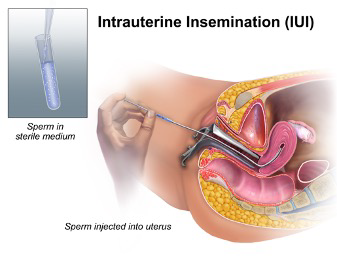
2. Assisted Reproductive Technology (ART): ART involves various techniques, such as in vitro fertilization (IVF), to help couples conceive. This treatment is typically recommended for individuals with underlying medical conditions that affect fertility, such as blocked fallopian tubes or low sperm count.
3. Surgery: In some cases, surgery may be recommended to address issues that affect fertility, such as blocked fallopian tubes or endometriosis.
Factors to Consider Before Undergoing Medical Treatment for Fertility
Before deciding to undergo medical treatment for fertility, it is crucial to consider the following factors:
1. Fertility Evaluation: Before undergoing any medical treatment, it is essential to undergo a thorough fertility evaluation to determine the cause of infertility. This will help determine the most suitable treatment option for your specific needs.
2. Cost: Medical treatments for fertility can be expensive, and insurance coverage may vary. It is crucial to discuss the cost and payment options with your healthcare provider before making a decision.
3. Success Rates: The success rates of fertility treatments can vary depending on the individual’s age, underlying medical conditions, and other factors. It is essential to discuss the success rates with your healthcare provider to set realistic expectations.
4. Side Effects: Like any medication, fertility drugs and treatments may have side effects. It is crucial to discuss potential side effects with your healthcare provider and monitor your body’s response during treatment.
Conclusion
When it comes to fertility, there is no one-size-fits-all solution. Every individual’s body is different, and what works for one person may not work for another. It is essential to understand the effectiveness, safety, and factors to consider before making a decision about fertility supplements or medical treatments. Consulting with a healthcare provider and doing thorough research can help couples make an informed decision and increase their chances of success.
Summary:
Fertility is a topic surrounded by myths and misconceptions, and many couples turn to supplements or medical treatments to boost their chances of conceiving. However, it is essential to make an informed decision before starting any regimen. Fertility supplements, while popular, have limited scientific evidence to support their effectiveness and are not regulated by the FDA. It is crucial to consider factors such as underlying medical conditions, dosage, and allergies before taking supplements. Medical treatments for fertility, such as fertility drugs and ART, are recommended after a thorough evaluation by a doctor. Factors to consider for medical treatments include cost, success rates, and potential side effects. Consulting with a healthcare provider and doing thorough research can help couples make an informed decision and increase their chances of conceiving.