Tag: fertility treatment

  • Intrauterine Insemination vs Low-Tech IVF: A Comparison of Procedures

    Intrauterine insemination (IUI) and low-tech in vitro fertilization (IVF) are two common fertility treatment options for couples struggling to conceive. Both procedures involve placing sperm directly into the woman’s uterus, but there are significant differences in the process and success rates. In this blog post, we will compare IUI and low-tech IVF to help couples make an informed decision about which procedure may be right for them.

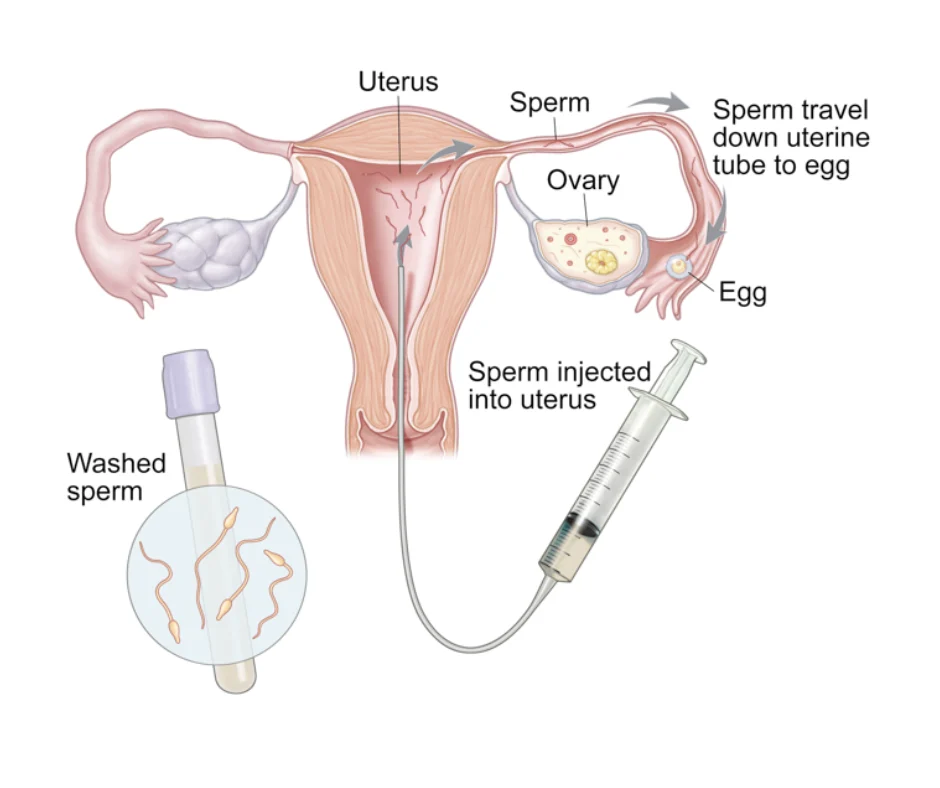
    First, let’s start with the basics. IUI is a relatively simple procedure where sperm is washed and then inserted directly into the uterus using a thin catheter. This process is timed to coincide with ovulation, increasing the chances of sperm fertilizing the egg. On the other hand, low-tech IVF involves stimulating the ovaries with medication to produce multiple eggs, which are then retrieved and fertilized with sperm in a laboratory. The resulting embryos are then transferred back into the uterus.

    One of the main differences between IUI and low-tech IVF is the level of medical intervention required. IUI is a less invasive procedure and can be done in a doctor’s office without the need for anesthesia. Low-tech IVF, on the other hand, involves more medical procedures, including injections and egg retrieval, which may require anesthesia. This can make low-tech IVF more physically demanding and potentially more expensive.

    Another factor to consider is the success rates of each procedure. IUI is often recommended for couples with mild fertility issues, such as low sperm count or cervical mucus abnormalities. The success rates for IUI vary depending on factors such as age and underlying fertility issues, but on average, it has a success rate of 10-20% per cycle. Low-tech IVF, on the other hand, has a higher success rate of 20-35% per cycle and is often recommended for couples with more severe fertility issues, such as blocked fallopian tubes or endometriosis.
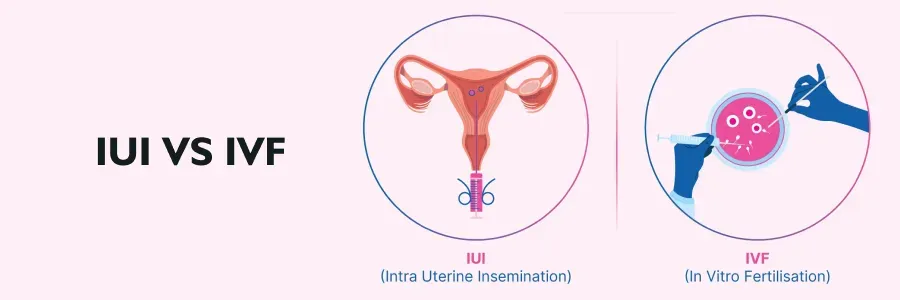
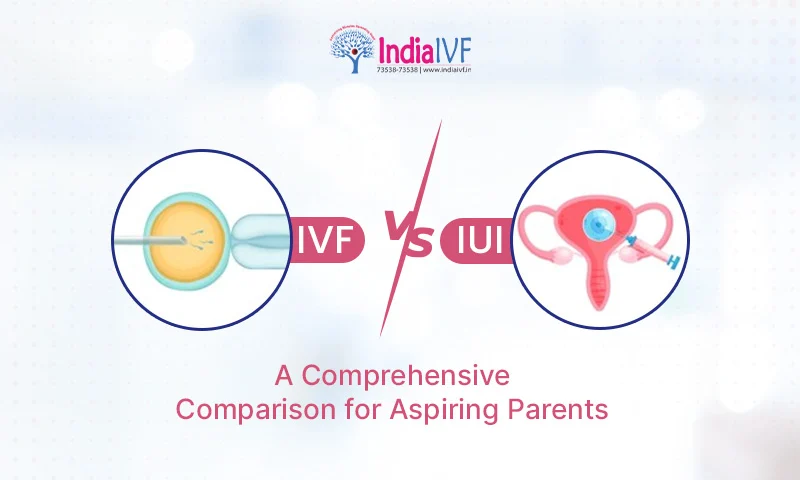
    Comparison of IUI and IVF with illustrations of each procedure.

    Intrauterine Insemination vs Low-Tech IVF: A Comparison of Procedures

    One of the main reasons for the higher success rates of low-tech IVF is the ability to retrieve multiple eggs and select the best quality embryos for transfer. This can increase the chances of a successful pregnancy and may also result in extra embryos that can be frozen for future use. However, this also means that there is a higher risk of multiple pregnancies with low-tech IVF, which can come with its own set of challenges.

    Cost is also an important consideration for many couples when choosing between IUI and low-tech IVF. IUI is generally more affordable than low-tech IVF, as it does not involve the same level of medication and laboratory procedures. However, since IUI has a lower success rate, couples may need to undergo multiple cycles before achieving a successful pregnancy, which can add up in costs. On the other hand, low-tech IVF may have a higher upfront cost, but if successful, it may result in a pregnancy sooner, potentially saving money in the long run.

    Another factor to consider is the emotional toll of each procedure. IUI is a less invasive and less physically demanding procedure, which may make it less emotionally taxing for some couples. On the other hand, low-tech IVF can be a more emotional rollercoaster, with the need for daily injections and the uncertainty of the success of each cycle. It’s essential for couples to consider their emotional well-being when making a decision about which procedure to pursue.

    In conclusion, both IUI and low-tech IVF are viable options for couples struggling with infertility. IUI may be a better choice for those with mild fertility issues and limited financial resources, while low-tech IVF may be more suitable for couples with more severe fertility issues and who are willing to undergo more invasive procedures for a higher chance of success. Ultimately, the decision should be made in consultation with a fertility specialist, taking into account individual circumstances and preferences.
  • Intrauterine Insemination vs Low-Tech IVF: Exploring Alternative Options

    Intrauterine Insemination vs Low-Tech IVF: Exploring Alternative Options

    Intrauterine insemination (IUI) and low-tech in vitro fertilization (IVF) are two popular fertility treatments that help couples struggling with infertility. They both involve the use of assisted reproductive technology (ART) to increase the chances of pregnancy. However, they differ in their methods and success rates. In recent years, there has been an increasing interest in alternative options to traditional IVF, such as IUI and low-tech IVF. In this blog post, we will explore these alternative options and compare them to traditional IVF, to help you make an informed decision about which treatment might be right for you.

    What is Intrauterine Insemination (IUI)?

    IUI is a fertility treatment that involves the placement of sperm directly into a woman’s uterus during ovulation. This method is often used to overcome male infertility issues, such as low sperm count or poor sperm motility. It can also be used for women with cervical issues or unexplained infertility. The process begins with the male partner providing a semen sample, which is then washed and concentrated to increase the number of healthy sperm. The sperm is then inserted into the uterus using a catheter, which is a thin, flexible tube. This procedure is usually painless and is performed in a doctor’s office.

    What is Low-Tech IVF?

    Low-tech IVF, also known as mini-IVF or mild IVF, is a form of IVF that uses a lower dosage of medications to stimulate the ovaries, resulting in fewer eggs being produced. This method is gentler on the body and has a lower risk of side effects compared to traditional IVF. The eggs are then retrieved and fertilized with sperm in a laboratory, and the resulting embryo is transferred into the uterus. The main difference between low-tech IVF and traditional IVF is the dosage of medications used in the stimulation phase.

    The Pros and Cons of IUI and Low-Tech IVF

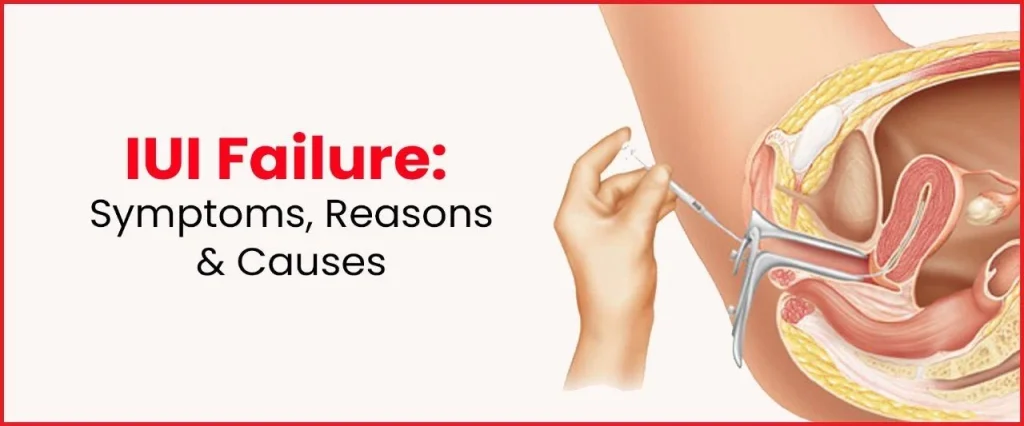
    illustration of IUI procedure with text on symptoms, reasons, and causes of IUI failure

    Intrauterine Insemination vs Low-Tech IVF: Exploring Alternative Options

    One of the main advantages of IUI is that it is a relatively simple and non-invasive procedure. It also has a lower cost compared to traditional IVF, making it a more accessible option for couples. However, the success rates of IUI are lower compared to traditional IVF, making it less suitable for couples with more severe fertility issues. IUI also has a higher risk of multiple pregnancies, which can result in complications for both the mother and babies.

    On the other hand, low-tech IVF has a higher success rate compared to IUI, making it a more suitable option for couples with more severe fertility issues. It also has a lower risk of multiple pregnancies compared to traditional IVF. However, the downside of low-tech IVF is that it can be more expensive than IUI and may not be covered by insurance. It also requires more monitoring and testing, which can be time-consuming and stressful for couples.

    Exploring Alternative Options

    While traditional IVF has been the go-to treatment for couples struggling with infertility, alternative options, such as IUI and low-tech IVF, are gaining popularity. These alternative options offer a more affordable and less invasive approach to fertility treatment. They also have lower risks and side effects compared to traditional IVF. However, it is essential to note that these options may not be suitable for everyone, and it is crucial to consult with a fertility specialist to determine the best treatment plan for your specific situation.

    Which Option is Right for You?

    The decision between IUI, low-tech IVF, or traditional IVF ultimately depends on your individual fertility issues and personal preferences. If you have mild fertility issues, IUI or low-tech IVF may be a suitable option. However, if you have more severe infertility issues, traditional IVF may be the best chance of success. It is crucial to consult with a fertility specialist to determine the best course of treatment for your unique situation.

    In conclusion, IUI and low-tech IVF are alternative options to traditional IVF that offer more affordable and less invasive approaches to fertility treatment. While they may not be suitable for everyone, they can be a viable option for couples struggling with mild fertility issues. It is essential to consult with a fertility specialist to determine the best treatment plan for your specific situation.

    Summary: In this blog post, we explored the differences between intrauterine insemination (IUI) and low-tech in vitro fertilization (IVF) as alternative options to traditional IVF. We discussed the procedures, pros and cons, and potential risks of each treatment, and highlighted the importance of consulting with a fertility specialist to determine the best course of treatment for individual situations.

  • Intrauterine Insemination vs Low-Tech IVF: A Holistic Approach

    Blog Post:

    In recent years, more and more couples have been turning to alternative fertility treatments in hopes of starting or expanding their families. Two popular options that have gained attention are Intrauterine Insemination (IUI) and Low-Tech In Vitro Fertilization (IVF). Both of these treatments have their benefits and drawbacks, but there is a third option that is often overlooked – a holistic approach that combines elements of both IUI and Low-Tech IVF.

    In this blog post, we will explore the differences between Intrauterine Insemination and Low-Tech IVF, as well as the benefits of a holistic approach to fertility treatment.

    What is Intrauterine Insemination (IUI)?

    Intrauterine Insemination, also known as artificial insemination, is a type of fertility treatment where sperm is inserted directly into the woman’s uterus during ovulation. This procedure can be done with the partner’s sperm or donor sperm. The goal of IUI is to increase the number of sperm that reach the fallopian tubes and increase the chances of fertilization.

    The process of IUI involves monitoring the woman’s ovulation cycle and timing the procedure accordingly. The sperm is washed and prepared before being inserted into the uterus with a thin catheter. IUI is a relatively non-invasive procedure and can be done in a doctor’s office.

    What is Low-Tech In Vitro Fertilization (IVF)?

    In Vitro Fertilization, or IVF, is a more complex fertility treatment that involves retrieving eggs from the woman’s ovaries and fertilizing them with sperm in a laboratory. The fertilized eggs, or embryos, are then transferred back into the woman’s uterus.

    Low-Tech IVF, also known as mini-IVF or mild stimulation IVF, is a less intense version of traditional IVF. It involves using lower doses of fertility drugs to stimulate the ovaries and produce fewer eggs. This results in a smaller number of eggs retrieved, but with a higher quality. The rest of the process is similar to traditional IVF, with the embryos being transferred back into the uterus.

    The Benefits of a Holistic Approach

    diagram illustrating intrauterine insemination process, showing sperm injection into the uterus and egg fertilization pathway

    Intrauterine Insemination vs Low-Tech IVF: A Holistic Approach

    While both IUI and Low-Tech IVF have their advantages, a holistic approach to fertility treatment combines the best of both worlds. This approach takes into account the physical, emotional, and environmental factors that can affect fertility.

    One of the main benefits of a holistic approach is the focus on overall health and well-being. This includes addressing any underlying health issues that may be contributing to infertility, such as hormonal imbalances or nutritional deficiencies. By improving overall health, it can increase the chances of success with any fertility treatment.

    Another benefit of a holistic approach is the use of natural methods to support fertility. This can include acupuncture, herbal remedies, and dietary changes. These methods can help regulate hormones, improve egg quality, and reduce stress levels, all of which can have a positive impact on fertility.

    A holistic approach also takes into account the emotional aspect of fertility treatment. Going through fertility struggles can be emotionally draining and can take a toll on a couple’s relationship. By addressing the emotional aspect through counseling and support, a holistic approach can help couples cope with the ups and downs of fertility treatment.

    Intrauterine Insemination vs Low-Tech IVF: Which is Right for You?

    The decision between IUI and Low-Tech IVF ultimately depends on the individual’s specific fertility issues and goals. For couples with unexplained infertility or mild fertility issues, IUI may be a good option. It is less expensive and less invasive than IVF, making it a more accessible choice for some.

    On the other hand, Low-Tech IVF may be a better option for couples with more severe fertility issues or for those who have not had success with IUI. It has a higher success rate compared to IUI, but it also comes with a higher price tag.

    Conclusion

    In conclusion, Intrauterine Insemination and Low-Tech IVF are two popular fertility treatments, each with its own benefits and drawbacks. However, a holistic approach that combines elements of both treatments can offer a more comprehensive and personalized approach to fertility treatment. By addressing overall health, natural methods, and emotional support, a holistic approach can increase the chances of success and improve the overall well-being of couples on their fertility journey.

    Summary:

    Intrauterine Insemination and Low-Tech IVF are two popular fertility treatments that have gained attention in recent years. While both have their benefits and drawbacks, a holistic approach that combines elements of both treatments can offer a more comprehensive and personalized approach to fertility treatment. This approach takes into account overall health, natural methods, and emotional support, and can increase the chances of success for couples on their fertility journey.

  • The Genetics Factor: Intrauterine Insemination vs Low-Tech IVF

    Title: The Genetics Factor: Intrauterine Insemination vs Low-Tech IVF

    In the world of assisted reproductive technology, there are various options available for couples struggling with infertility. Intrauterine insemination (IUI) and low-tech in vitro fertilization (IVF) are two commonly used methods that involve manipulating sperm and eggs to increase the chances of pregnancy. However, when it comes to the genetics factor, there are significant differences between the two procedures. In this blog post, we will explore the genetics factor in intrauterine insemination vs low-tech IVF, and help you understand which option may be the most suitable for you.

    What is Intrauterine Insemination?

    Intrauterine insemination, also known as artificial insemination, is a fertility treatment that involves placing washed and prepared sperm directly into the uterus during ovulation. This method is often recommended for couples who have unexplained infertility, mild male factor infertility, or when the male partner has difficulty ejaculating. It is a relatively simple and less invasive procedure compared to IVF, and it can be performed with or without fertility drugs to stimulate ovulation.

    The Genetics Factor in Intrauterine Insemination

    One of the main concerns with intrauterine insemination is the potential for genetic disorders. Since the sperm is not genetically tested before being inserted into the uterus, there is a risk of transmitting genetic disorders or chromosomal abnormalities to the baby. This is especially true for couples with a known history of genetic disorders or those who have a higher risk of carrying genetic mutations. In such cases, it is important to consult with a genetic counselor before proceeding with intrauterine insemination.

    Additionally, since IUI involves placing multiple sperm into the uterus, there is a slight chance of fertilizing multiple eggs, resulting in a higher chance of multiple pregnancies. This can increase the risk of complications during pregnancy and delivery, as well as the possibility of genetic disorders in the babies.

    What is Low-Tech IVF?

    Low-tech IVF, also known as natural cycle IVF, is a variation of traditional IVF that uses minimal or no fertility drugs to stimulate the ovaries. Instead, it relies on the natural ovulation cycle of the woman. The procedure involves collecting a single egg, fertilizing it with sperm in a lab, and transferring the resulting embryo into the uterus.

    IVF vs IUI comparison graphic highlighting reproductive methods for aspiring parents.

    The Genetics Factor: Intrauterine Insemination vs Low-Tech IVF

    The Genetics Factor in Low-Tech IVF

    Unlike IUI, low-tech IVF involves genetic testing of the sperm and the egg before fertilization. This means that only healthy sperm and eggs are used, reducing the risk of transmitting genetic disorders to the baby. Additionally, since only a single egg is fertilized and transferred, there is a lower chance of multiple pregnancies and the associated genetic risks.

    Moreover, low-tech IVF also allows for preimplantation genetic testing (PGT), which involves screening the embryos for genetic abnormalities before they are transferred into the uterus. This can significantly reduce the risk of genetic disorders in the baby, making it a safer option for couples with a known history of genetic disorders.

    Which Option is Right for You?

    The decision between intrauterine insemination and low-tech IVF ultimately depends on your individual circumstances. If you have a higher risk of carrying genetic disorders or have a known history of genetic disorders in your family, low-tech IVF may be the better option for you. However, if you have unexplained infertility or mild male factor infertility, IUI may be a suitable and less invasive option.

    It is crucial to consult with a fertility specialist and a genetic counselor to determine the most suitable treatment plan for your specific situation. They can help you understand the genetic risks associated with each procedure and guide you in making an informed decision.

    In conclusion, when it comes to the genetics factor, low-tech IVF may have an edge over intrauterine insemination due to the genetic testing and screening involved. However, both procedures have their own advantages and it is essential to weigh the pros and cons and consult with a medical professional before making a decision.

    Summary:

    Intrauterine insemination (IUI) and low-tech in vitro fertilization (IVF) are two common fertility treatments that involve manipulating sperm and eggs to increase the chances of pregnancy. However, when it comes to the genetics factor, there are significant differences between the two procedures. IUI involves a risk of transmitting genetic disorders, while low-tech IVF involves genetic testing and screening of the sperm and eggs to reduce this risk. The decision between the two ultimately depends on individual circumstances and it is important to consult with a fertility specialist and a genetic counselor for personalized guidance.

  • Preparing for Parenthood: Intrauterine Insemination vs Low-Tech IVF

    Preparing for Parenthood: Intrauterine Insemination vs Low-Tech IVF

    Parenthood is a dream for many individuals or couples, but it may not always come easily. For those struggling with infertility, there are various fertility treatment options available. Two common methods are intrauterine insemination (IUI) and low-tech in vitro fertilization (IVF). Both of these procedures are designed to help individuals or couples conceive a child, but they differ in their processes and success rates. In this blog post, we will discuss the differences between IUI and low-tech IVF, as well as the preparations and considerations for each.

    What is Intrauterine Insemination?

    Intrauterine insemination, also known as artificial insemination, is a fertility treatment that involves placing sperm directly into a woman’s uterus during ovulation. The goal of IUI is to increase the chances of fertilization by bringing the sperm closer to the egg, thus reducing the distance and obstacles the sperm must travel. This procedure is typically recommended for couples with unexplained infertility, mild male factor infertility, or cervical issues.

    Preparing for IUI

    Before undergoing IUI, there are a few preparations that need to be made. Firstly, the woman will be prescribed fertility drugs to stimulate the ovaries and increase the number of eggs produced. These drugs may have some side effects such as bloating, mood swings, or headaches. It is essential to discuss any concerns with your doctor and follow the medication instructions carefully.

    The male partner will also need to provide a semen sample on the day of the procedure. The sample will then be washed and prepared in a laboratory to separate the healthy and active sperm from the semen. This process helps to increase the chances of fertilization.

    During the IUI procedure, a thin catheter will be inserted into the woman’s cervix, and the prepared sperm will be injected into the uterus. The procedure is quick and usually painless, with minimal discomfort or side effects. After the procedure, the woman will be asked to rest for a short while before resuming her daily activities.

    Success Rates of IUI

    The success rates of IUI can vary depending on several factors, such as age, underlying fertility issues, and the number of cycles attempted. On average, the success rate for IUI is around 10-20% per cycle. This percentage may increase with multiple cycles or if combined with fertility drugs.

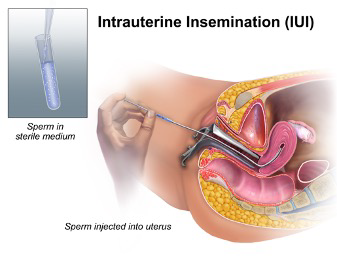
    Illustration of the IUI process, showing a syringe and catheter in the reproductive system.

    Preparing for Parenthood: Intrauterine Insemination vs Low-Tech IVF

    What is Low-Tech IVF?

    Low-tech IVF, also known as natural cycle IVF, is a type of IVF that does not use fertility drugs to stimulate the ovaries. Instead, it relies on the natural ovulation process of the woman. This method is typically recommended for women who do not respond well to fertility drugs or those who want to avoid the potential side effects.

    Preparing for Low-Tech IVF

    The preparation for low-tech IVF is similar to that of traditional IVF, with a few differences. As there are no fertility drugs involved, the woman’s natural ovulation cycle will be monitored closely through blood tests and ultrasounds. This monitoring will help determine the best time for the egg retrieval procedure.

    The egg retrieval procedure for low-tech IVF is the same as traditional IVF. A needle is inserted into the ovaries to collect the mature eggs. The eggs are then fertilized with the sperm in a laboratory, and the resulting embryos are transferred into the woman’s uterus a few days later.

    Success Rates of Low-Tech IVF

    The success rates of low-tech IVF are similar to those of traditional IVF. On average, the success rate is around 30-40% per cycle, but this can vary depending on factors such as age and fertility issues. Low-tech IVF may be a better option for some couples as it is less invasive and has a lower risk of multiple pregnancies.

    Which Option is Best?

    Deciding between IUI and low-tech IVF can be challenging, and it is best to discuss your options with a fertility specialist. In general, IUI is recommended for couples with mild fertility issues, while low-tech IVF may be a better option for those with more severe infertility. It is also essential to consider the cost and potential side effects of each procedure.

    In conclusion, both IUI and low-tech IVF are viable options for couples struggling with infertility. Each method has its own unique process, preparation, and success rates. It is crucial to consult with a fertility specialist to determine the best option for you and your partner. With the advancements in reproductive technology, the dream of parenthood is becoming a reality for more and more couples every day.

  • The Importance of Individualized Care: Intrauterine Insemination vs Low-Tech IVF

    Individualized care is crucial when it comes to fertility treatment, as every person’s journey to parenthood is unique. Intrauterine insemination (IUI) and low-tech in vitro fertilization (IVF) are two common fertility treatments, but they differ greatly in terms of personalized care. In this blog post, we will explore the importance of individualized care in fertility treatment and compare the differences between IUI and low-tech IVF.

    First, let’s define what individualized care means in the context of fertility treatment. It means that every patient receives a customized treatment plan based on their specific needs and medical history. This approach recognizes that no two individuals are alike and that their fertility journey may require different strategies and interventions.

    When it comes to individualized care, IUI and low-tech IVF are two very different approaches. IUI is considered a low-tech treatment option, where the woman’s eggs are fertilized inside her body. It involves placing washed and prepared sperm directly into the uterus during the woman’s ovulation period. On the other hand, low-tech IVF is a more advanced treatment, where the woman’s eggs are retrieved, fertilized in a lab, and then transferred back into the uterus.

    One of the main differences between IUI and low-tech IVF is the level of monitoring and control. With IUI, the woman’s natural cycle is monitored, and the timing of the procedure is determined based on her ovulation. This approach is less invasive and less expensive, making it a popular first-line treatment for couples struggling with unexplained infertility. However, because the fertilization process occurs in the woman’s body, there is less control over the quality and quantity of the sperm that reach the egg.

    In contrast, low-tech IVF involves more monitoring and control over the fertilization process. The woman’s cycle is closely monitored, and medications are used to stimulate the ovaries to produce multiple eggs. This allows for more eggs to be retrieved and fertilized in the lab, giving the fertility team more control over the fertilization process. Additionally, this approach allows for the selection of the healthiest sperm to fertilize the eggs, which can increase the chances of a successful pregnancy.

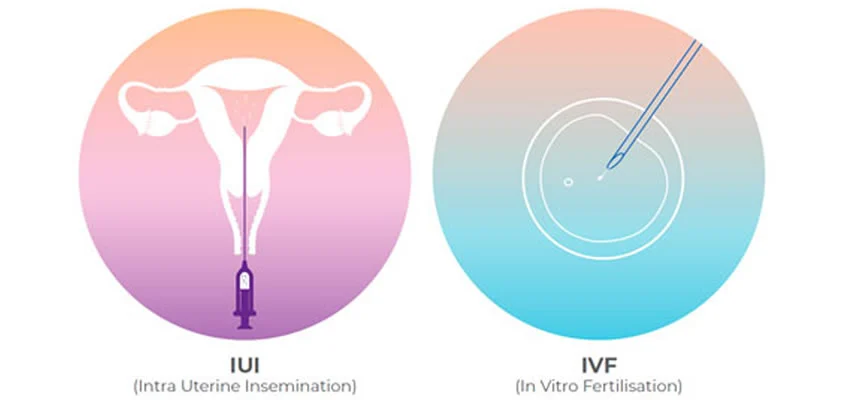
    Comparison of IUI and IVF treatments with diagrams of reproductive anatomy.

    The Importance of Individualized Care: Intrauterine Insemination vs Low-Tech IVF

    Another aspect of individualized care is considering the patient’s emotional well-being. Fertility treatments can be emotionally taxing, and individualized care takes into account the unique emotional needs of each patient. With IUI, the procedures are less invasive, and the patient may experience less stress and anxiety. However, with low-tech IVF, the use of fertility medications, and the more invasive nature of the procedures, can cause more emotional distress. In these cases, additional support and resources may be necessary to help the patient manage their emotions throughout the treatment process.

    Additionally, individualized care also means considering the patient’s financial situation. IUI is often a more affordable treatment option compared to low-tech IVF, and it may be the best option for patients with limited financial resources. However, every patient’s financial situation is unique, and individualized care takes this into consideration when recommending treatment options.

    Another important factor in individualized care is the patient’s medical history. Certain medical conditions or factors, such as a history of endometriosis or low ovarian reserve, may make low-tech IVF a more suitable option for some patients. On the other hand, for patients with unexplained infertility, IUI may be a more appropriate first-line treatment.

    In conclusion, individualized care is crucial in fertility treatment, and it plays a significant role in the success of the treatment. It considers the patient’s unique physical, emotional, and financial needs, and tailors the treatment plan accordingly. IUI and low-tech IVF are two common fertility treatments, but they differ greatly in terms of individualized care. It’s essential to consult with a fertility specialist to determine the best treatment option based on your specific needs.

    In summary, individualized care is crucial in fertility treatment, and it means creating a personalized treatment plan for each patient based on their unique needs. IUI and low-tech IVF are two common fertility treatments that differ greatly in terms of individualized care. Factors such as the level of monitoring and control, emotional well-being, financial situation, and medical history all play a role in determining the most suitable treatment option for each patient.

  • Intrauterine Insemination vs Low-Tech IVF: Debunking Common Myths

    Intrauterine insemination (IUI) and low-tech in vitro fertilization (IVF) are two commonly used assisted reproductive techniques (ART) for couples struggling with infertility. However, there are many myths and misconceptions surrounding these procedures that can cause confusion and anxiety for those considering them. In this blog post, we will debunk some of the most common myths surrounding IUI and low-tech IVF to help couples make informed decisions about their fertility treatment options.

    Myth #1: IUI is the same as IVF
    One of the most common misconceptions about IUI and IVF is that they are interchangeable procedures. In reality, they are two distinct techniques with different success rates and methods. IUI involves the insertion of sperm into the uterus during the ovulation period, while low-tech IVF involves the retrieval and fertilization of eggs outside of the body before transferring them into the uterus. While both procedures involve assisted fertilization, they have different success rates and are recommended for different reasons.

    Myth #2: IUI and low-tech IVF are only for couples with severe infertility
    Many couples assume that IUI and low-tech IVF are only for those with severe infertility issues. However, these procedures can also be used for couples with mild to moderate fertility problems, such as ovulation disorders or low sperm count. In fact, IUI and low-tech IVF are often the first-line treatments for couples struggling with fertility.

    Myth #3: IUI and low-tech IVF are painful and invasive
    Another common myth surrounding IUI and low-tech IVF is that they are painful and invasive procedures. While both techniques do involve some level of discomfort, they are not as invasive as many people believe. IUI is a relatively simple procedure that can be performed in a doctor’s office, and low-tech IVF only requires a minor surgical procedure for egg retrieval. Both procedures are done under light sedation and are generally well-tolerated by patients.

    Comparison of IUI and IVF, illustrating procedures and definitions for each fertility treatment.

    Intrauterine Insemination vs Low-Tech IVF: Debunking Common Myths

    Myth #4: IUI and low-tech IVF always result in multiple pregnancies
    Multiple pregnancies are a concern for many couples considering fertility treatments, but the belief that IUI and low-tech IVF always result in multiple pregnancies is not true. With proper monitoring and management, the risk of multiple pregnancies can be minimized. Additionally, low-tech IVF involves transferring fewer embryos compared to traditional IVF, reducing the chances of multiple pregnancies.

    Myth #5: IUI and low-tech IVF are guaranteed to result in pregnancy
    While IUI and low-tech IVF have higher success rates compared to natural conception, they are not guaranteed to result in pregnancy. The success rates for these procedures depend on various factors, such as age, fertility issues, and overall health. It is essential to have realistic expectations and understand that multiple cycles may be needed to achieve a successful pregnancy.

    Myth #6: IUI and low-tech IVF are not covered by insurance
    Many couples assume that IUI and low-tech IVF are not covered by insurance, making them financially out of reach. However, this is not always the case. While insurance coverage for these procedures may vary, many insurance plans do cover some or all of the costs. It is essential to check with your insurance provider to understand your coverage and potential out-of-pocket expenses.

    Myth #7: IUI and low-tech IVF are not as effective as traditional IVF
    Some couples may opt for traditional IVF instead of low-tech IVF, believing it to be more effective. However, this is not always the case. Low-tech IVF has been found to have comparable success rates to traditional IVF, with the added benefit of being less invasive and more cost-effective. Additionally, IUI and low-tech IVF have their own set of advantages and may be the better option for certain couples.

    In summary, IUI and low-tech IVF are two distinct assisted reproductive techniques with different success rates and methods. These procedures are not only for couples with severe infertility, and they are not as invasive or painful as many people believe. It is also a myth that they always result in multiple pregnancies or that they are not covered by insurance. Ultimately, the effectiveness of IUI and low-tech IVF depends on various factors, and it is essential to consult with a fertility specialist to determine the best treatment option for your specific situation.

  • Intrauterine Insemination vs Low-Tech IVF: What You Need to Know

    Intrauterine insemination (IUI) and low-tech in vitro fertilization (IVF) are two commonly used fertility treatments. While both have the same goal of helping couples conceive, they differ in terms of procedure, success rates, and cost. In this blog post, we will explore the differences between IUI and low-tech IVF to help you understand which option may be best for your individual situation.

    Firstly, let’s define both procedures. Intrauterine insemination is a fertility treatment that involves the direct placement of sperm into a woman’s uterus during ovulation. This is typically done through a catheter inserted into the cervix. On the other hand, low-tech IVF is a simplified version of traditional IVF, where fertilization occurs in a laboratory dish and the resulting embryo is then transferred into the woman’s uterus.

    One of the main differences between IUI and low-tech IVF is the level of medical intervention. IUI is a much simpler and less invasive procedure compared to low-tech IVF. It does not involve hormonal injections or egg retrieval, making it a more comfortable option for many women. However, this also means that IUI has a lower success rate compared to low-tech IVF, especially for women who have underlying fertility issues.

    Speaking of success rates, low-tech IVF has higher chances of success compared to IUI. This is because in low-tech IVF, the fertilization process occurs in a controlled environment, allowing for a better selection of quality embryos. Additionally, low-tech IVF also allows for the use of fertility medications to stimulate egg production, which can increase the chances of pregnancy. On the other hand, IUI relies solely on the woman’s natural ovulation and does not involve any stimulation of egg production.

    comparison of IUI and IVF procedures illustrated with simple graphics and labels

    Intrauterine Insemination vs Low-Tech IVF: What You Need to Know

    Another important factor to consider when deciding between IUI and low-tech IVF is cost. IUI is generally more affordable compared to low-tech IVF. This is because it does not involve expensive fertility medications or laboratory procedures. However, it’s important to note that the cost of IUI can vary depending on factors such as the number of cycles needed and whether or not donor sperm is required. Low-tech IVF, on the other hand, can be more expensive due to the additional procedures involved.

    It’s also worth noting that for some women, IUI may not be a viable option. This includes women who have blocked fallopian tubes or severe male factor infertility. In these cases, low-tech IVF may be the recommended course of treatment.

    So which option is best for you? The answer depends on various factors such as your age, fertility history, and underlying medical conditions. It’s important to consult with a fertility specialist who can assess your individual situation and recommend the best course of treatment.

    In conclusion, both IUI and low-tech IVF are effective fertility treatments, but they differ in terms of procedure, success rates, and cost. IUI is a simpler and less invasive option, but it also has lower success rates and may not be suitable for certain medical conditions. Low-tech IVF, on the other hand, has higher chances of success but can be more expensive and may involve more medical intervention. It’s crucial to consult with a fertility specialist to determine which option is best for you.

    In summary, IUI and low-tech IVF are two fertility treatments that differ in procedure, success rates, and cost. While IUI is a simpler and less invasive option, low-tech IVF offers higher success rates but at a higher cost. The best course of treatment depends on individual factors and should be determined with the help of a fertility specialist.

  • Understanding the Science: Intrauterine Insemination vs Low-Tech IVF

    In today’s world, there are many options available for couples who are struggling to conceive. Two popular options are intrauterine insemination (IUI) and low-tech IVF. These procedures are often confused with each other, but they are actually quite different. Understanding the science behind each method is important for couples to make an informed decision about which one is right for them. In this blog post, we will break down the key differences between intrauterine insemination and low-tech IVF, and help you better understand the science behind each one.

    To begin, let’s define each procedure. Intrauterine insemination, also known as artificial insemination, involves placing sperm directly into a woman’s uterus during ovulation, in order to increase the chances of fertilization. This is typically done using a thin, flexible catheter, and is a relatively simple and non-invasive procedure. On the other hand, low-tech IVF involves stimulating a woman’s ovaries to produce multiple eggs, which are then retrieved and fertilized with sperm in a lab. The resulting embryos are then transferred back into the woman’s uterus for implantation.

    One of the main differences between these two procedures is the level of intervention. IUI is considered a low-tech method, as it only involves the placement of sperm into the uterus, without any manipulation of the eggs. Low-tech IVF, on the other hand, involves stimulating the ovaries and retrieving the eggs, which requires more medical intervention.

    Another key difference between the two procedures is the success rates. IUI is generally less successful than low-tech IVF, with success rates ranging from 10-20% per cycle. This is because the sperm still have to travel through the cervix and into the fallopian tubes, where fertilization takes place. However, IUI can be a good option for couples with mild fertility issues, such as low sperm count or cervical mucus problems.

    Low-tech IVF, on the other hand, has a higher success rate, with an average of 30-40% per cycle. This is due to the fact that the eggs are retrieved and fertilized in a lab, and the resulting embryos are carefully selected for transfer. This method is often recommended for couples with more severe fertility issues, such as blocked fallopian tubes or advanced maternal age.

    diagram illustrating intrauterine insemination process, showing sperm injection into the uterus and egg fertilization pathway

    Understanding the Science: Intrauterine Insemination vs Low-Tech IVF

    Cost is also a factor to consider when choosing between IUI and low-tech IVF. IUI is typically less expensive than low-tech IVF, as it involves fewer steps and less medication. However, the success rates for IUI may mean that couples need to undergo multiple cycles, which can add up in cost. Low-tech IVF, on the other hand, may have a higher upfront cost, but the higher success rates may lead to fewer cycles needed.

    Another important factor to consider is the potential risks and side effects of each procedure. IUI is a relatively simple and non-invasive procedure, with minimal side effects. However, there is a risk of multiple pregnancies, which can be a concern for some couples. Low-tech IVF involves more medical intervention and the use of fertility drugs, which can lead to potential side effects such as bloating, mood swings, and ovarian hyperstimulation syndrome (OHSS). There is also a risk of multiple pregnancies with low-tech IVF, although this can be managed by transferring fewer embryos.

    In terms of timing, IUI and low-tech IVF have different timelines. IUI is typically done during a woman’s natural cycle, with ovulation induced using medication. This means that the procedure can be done relatively quickly, within a few weeks. Low-tech IVF, on the other hand, involves stimulating the ovaries and retrieving the eggs, which can take several weeks. This is followed by fertilization and embryo development, and then the transfer of the embryos back into the uterus. The entire process can take up to a month or longer.

    Finally, it’s important to consider the emotional and psychological impact of these procedures. Struggling with infertility can be emotionally and mentally taxing for couples, and it’s important to choose a procedure that is right for their individual needs. IUI may be a good option for couples who want to start with a less invasive and less expensive option, while low-tech IVF may be a better choice for those with more severe fertility issues who are willing to undergo more medical intervention.

    In summary, the key differences between intrauterine insemination and low-tech IVF are the level of intervention, success rates, cost, potential risks and side effects, timing, and emotional impact. IUI is a simpler and less expensive procedure, but has lower success rates and may require multiple cycles. Low-tech IVF involves more medical intervention and has a higher upfront cost, but also has higher success rates and may lead to fewer cycles needed. Ultimately, the decision between these two procedures should be based on the individual needs and preferences of each couple, and it’s important to consult with a fertility specialist to determine the best course of action.

  • Choosing the Right Fertility Treatment: Intrauterine Insemination vs Low-Tech IVF

    Summary:

    Making the decision to seek fertility treatment can be a difficult and emotional journey for many couples. With so many options available, it can be overwhelming to decide which treatment is best for you. In this blog post, we will discuss two popular options for fertility treatment: intrauterine insemination (IUI) and low-tech in vitro fertilization (IVF). Both of these treatments are considered less invasive and less expensive compared to traditional IVF, making them more accessible to many couples. However, they have their own unique differences and it is important to understand the pros and cons of each before making a decision.

    Firstly, let’s define the two treatments. Intrauterine insemination (IUI) is a procedure where sperm is directly inserted into the uterus to increase the chances of fertilization. This is typically done around the time of ovulation, and the goal is to increase the number of sperm reaching the egg. On the other hand, low-tech IVF is a type of in vitro fertilization that involves minimal or no stimulation of the ovaries with fertility drugs. This means that fewer eggs are retrieved, but the process is less invasive and less expensive compared to traditional IVF.

    When it comes to the success rates, studies have shown that low-tech IVF has higher success rates compared to IUI. This is because with low-tech IVF, the eggs are fertilized outside of the body, allowing for better selection of the healthiest embryos to be transferred back into the uterus. However, the success rates for both treatments vary depending on factors such as age, fertility diagnosis, and sperm quality.

    Illustration of intrauterine insemination (IUI) procedure, showing sperm injection into the uterus.

    Choosing the Right Fertility Treatment: Intrauterine Insemination vs Low-Tech IVF

    One of the main advantages of IUI is that it is a less invasive procedure compared to IVF. The process is simple and can be done in a doctor’s office without the need for anesthesia. This also means that the recovery time is shorter, and there is less risk of complications. Additionally, IUI is a more affordable option compared to IVF, making it a more accessible choice for couples who may not have the financial means for traditional IVF.

    On the other hand, low-tech IVF has its own advantages. As mentioned earlier, it has higher success rates compared to IUI. This is because the eggs are fertilized outside of the body, allowing for better selection of the healthiest embryos to be transferred back into the uterus. This results in a higher chance of pregnancy. Additionally, low-tech IVF can also be combined with other fertility treatments such as intracytoplasmic sperm injection (ICSI) to further increase the chances of success.

    When it comes to the side effects, both IUI and low-tech IVF have minimal side effects. However, with IUI, there is a risk of ovarian hyperstimulation syndrome (OHSS) if fertility drugs are used to stimulate ovulation. This is a rare but potentially serious condition that can cause swelling and discomfort in the ovaries. With low-tech IVF, the risk of OHSS is lower because fewer fertility drugs are used.

    Another factor to consider is the emotional and psychological impact of each treatment. Both IUI and low-tech IVF can be emotionally taxing for couples, as they involve a lot of waiting and uncertainty. However, with IUI, the process is relatively quick and less invasive, which may be less emotionally taxing for some couples. On the other hand, low-tech IVF involves more steps and procedures, which may be more stressful for some couples.

    In conclusion, both IUI and low-tech IVF are viable options for couples seeking fertility treatment. IUI is a less invasive and more affordable option, but it has lower success rates compared to low-tech IVF. On the other hand, low-tech IVF has higher success rates, but it involves more steps and procedures. Ultimately, the best treatment option will depend on individual factors such as age, fertility diagnosis, and financial situation. It is important to consult with a fertility specialist to determine the best course of action for you and your partner.