Intrauterine Insemination vs Low-Tech IVF: Exploring Alternative Options
Intrauterine insemination (IUI) and low-tech in vitro fertilization (IVF) are two popular fertility treatments that help couples struggling with infertility. They both involve the use of assisted reproductive technology (ART) to increase the chances of pregnancy. However, they differ in their methods and success rates. In recent years, there has been an increasing interest in alternative options to traditional IVF, such as IUI and low-tech IVF. In this blog post, we will explore these alternative options and compare them to traditional IVF, to help you make an informed decision about which treatment might be right for you.
What is Intrauterine Insemination (IUI)?
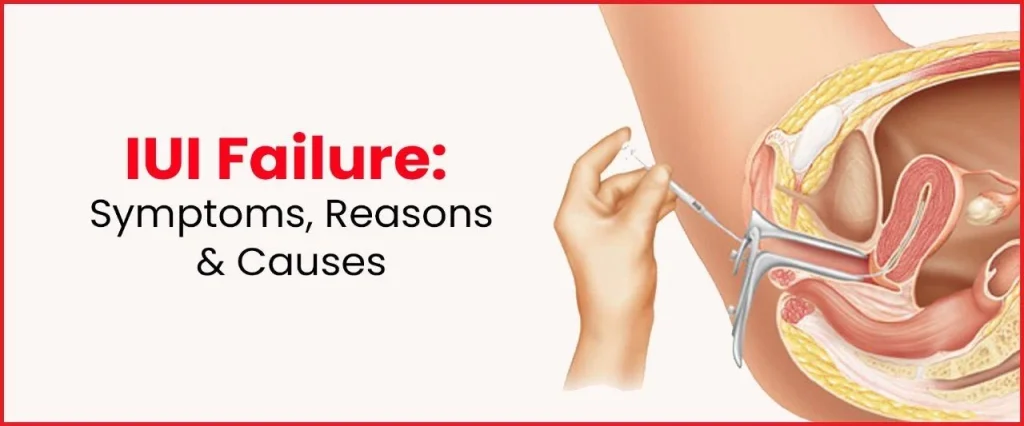
IUI is a fertility treatment that involves the placement of sperm directly into a woman’s uterus during ovulation. This method is often used to overcome male infertility issues, such as low sperm count or poor sperm motility. It can also be used for women with cervical issues or unexplained infertility. The process begins with the male partner providing a semen sample, which is then washed and concentrated to increase the number of healthy sperm. The sperm is then inserted into the uterus using a catheter, which is a thin, flexible tube. This procedure is usually painless and is performed in a doctor’s office.
What is Low-Tech IVF?
Low-tech IVF, also known as mini-IVF or mild IVF, is a form of IVF that uses a lower dosage of medications to stimulate the ovaries, resulting in fewer eggs being produced. This method is gentler on the body and has a lower risk of side effects compared to traditional IVF. The eggs are then retrieved and fertilized with sperm in a laboratory, and the resulting embryo is transferred into the uterus. The main difference between low-tech IVF and traditional IVF is the dosage of medications used in the stimulation phase.
The Pros and Cons of IUI and Low-Tech IVF
Intrauterine Insemination vs Low-Tech IVF: Exploring Alternative Options
One of the main advantages of IUI is that it is a relatively simple and non-invasive procedure. It also has a lower cost compared to traditional IVF, making it a more accessible option for couples. However, the success rates of IUI are lower compared to traditional IVF, making it less suitable for couples with more severe fertility issues. IUI also has a higher risk of multiple pregnancies, which can result in complications for both the mother and babies.
On the other hand, low-tech IVF has a higher success rate compared to IUI, making it a more suitable option for couples with more severe fertility issues. It also has a lower risk of multiple pregnancies compared to traditional IVF. However, the downside of low-tech IVF is that it can be more expensive than IUI and may not be covered by insurance. It also requires more monitoring and testing, which can be time-consuming and stressful for couples.
Exploring Alternative Options
While traditional IVF has been the go-to treatment for couples struggling with infertility, alternative options, such as IUI and low-tech IVF, are gaining popularity. These alternative options offer a more affordable and less invasive approach to fertility treatment. They also have lower risks and side effects compared to traditional IVF. However, it is essential to note that these options may not be suitable for everyone, and it is crucial to consult with a fertility specialist to determine the best treatment plan for your specific situation.
Which Option is Right for You?
The decision between IUI, low-tech IVF, or traditional IVF ultimately depends on your individual fertility issues and personal preferences. If you have mild fertility issues, IUI or low-tech IVF may be a suitable option. However, if you have more severe infertility issues, traditional IVF may be the best chance of success. It is crucial to consult with a fertility specialist to determine the best course of treatment for your unique situation.
In conclusion, IUI and low-tech IVF are alternative options to traditional IVF that offer more affordable and less invasive approaches to fertility treatment. While they may not be suitable for everyone, they can be a viable option for couples struggling with mild fertility issues. It is essential to consult with a fertility specialist to determine the best treatment plan for your specific situation.
Summary: In this blog post, we explored the differences between intrauterine insemination (IUI) and low-tech in vitro fertilization (IVF) as alternative options to traditional IVF. We discussed the procedures, pros and cons, and potential risks of each treatment, and highlighted the importance of consulting with a fertility specialist to determine the best course of treatment for individual situations.