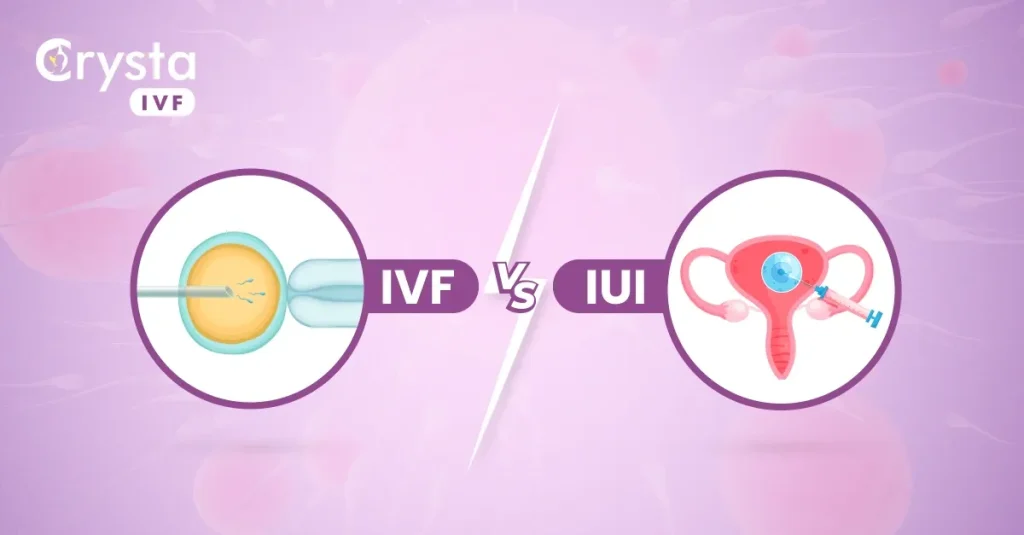
Intrauterine insemination (IUI) and low-tech in vitro fertilization (IVF) are two commonly used methods for treating infertility. Both procedures involve the placement of sperm directly into the uterus, but they differ in their approach and success rates. In recent years, the use of acupuncture as an adjunct therapy for IUI and low-tech IVF has gained popularity. In this blog post, we will explore the similarities and differences between IUI and low-tech IVF, and the role of acupuncture in enhancing their effectiveness.
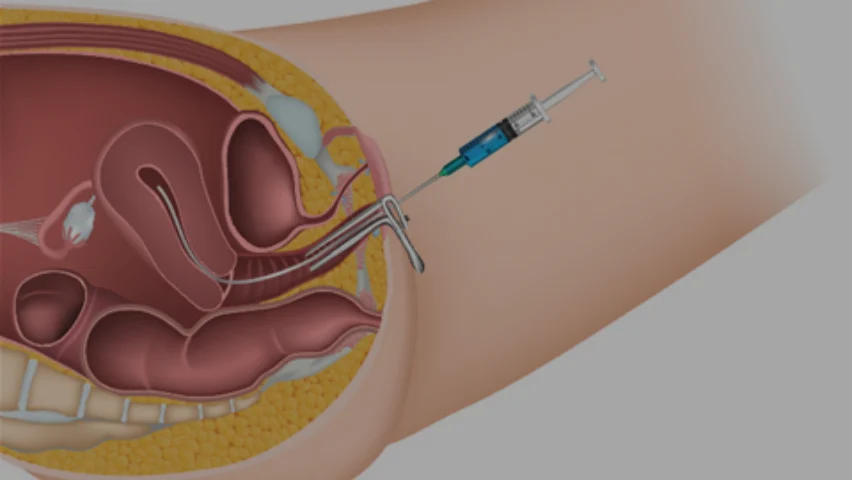
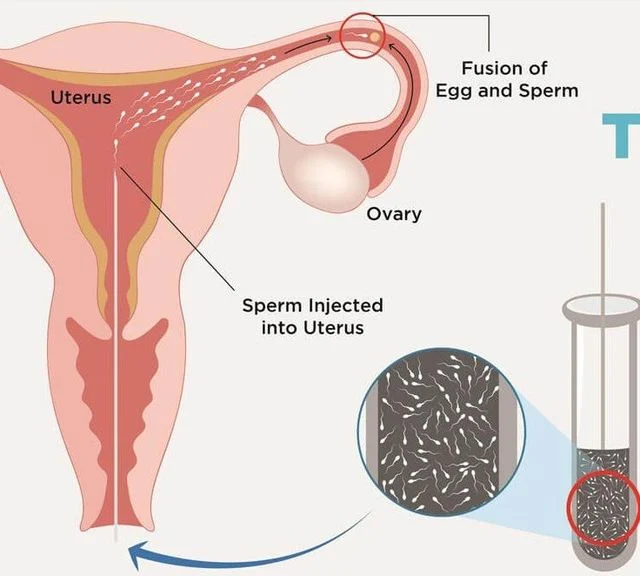
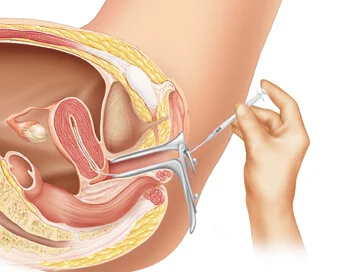
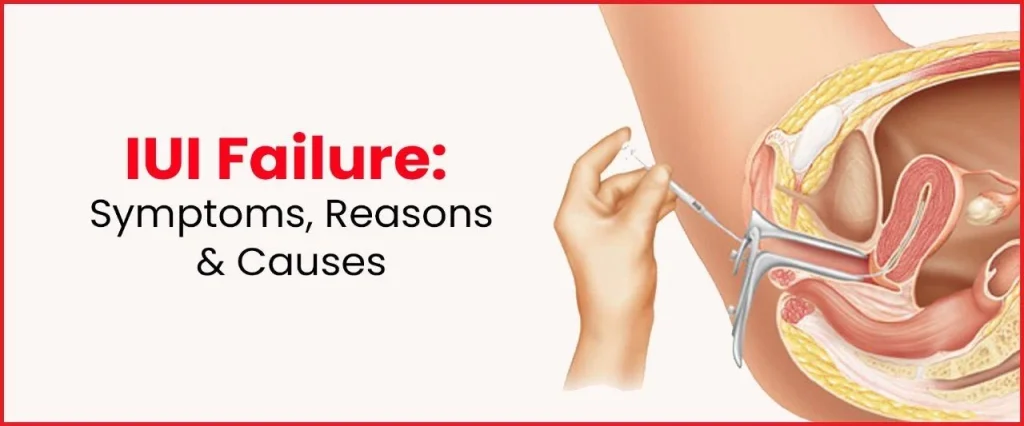
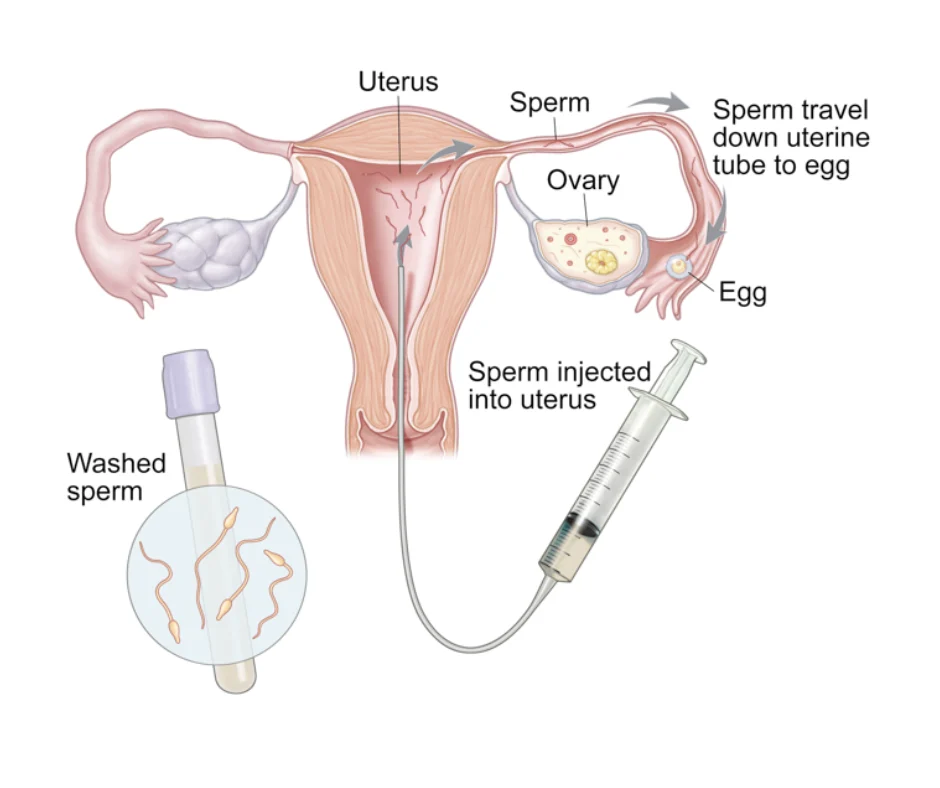
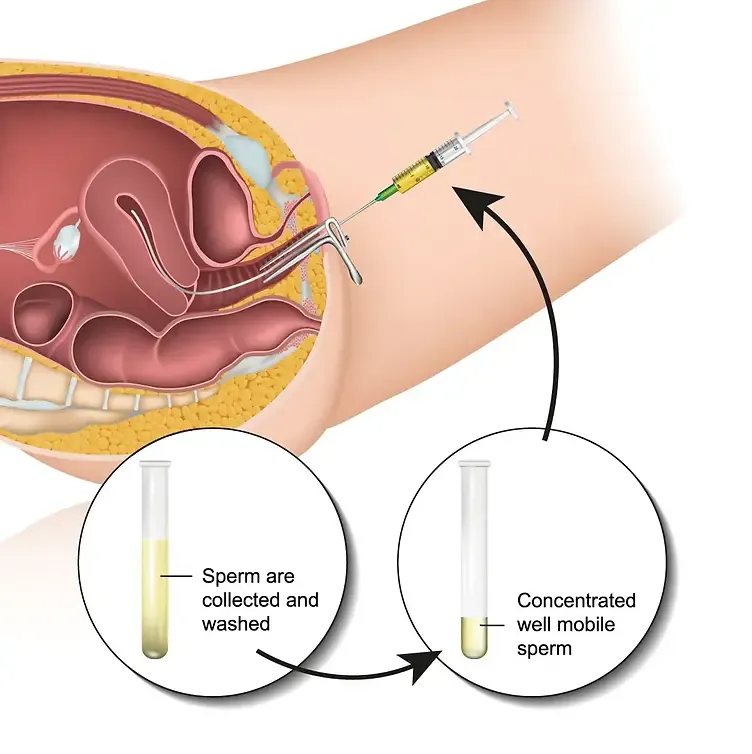
Intrauterine insemination (IUI) is a fertility treatment where washed and concentrated sperm is placed directly into the uterus through a catheter during the ovulation period. This procedure is often used for couples with unexplained infertility, mild male factor infertility, or in cases where the woman has difficulty conceiving due to cervical issues. IUI is a relatively simple and less invasive procedure compared to other fertility treatments, and it is usually less expensive. However, IUI has a lower success rate compared to other fertility treatments, with only a 10-20% chance of pregnancy per cycle.
On the other hand, low-tech IVF is a type of in vitro fertilization that uses lower doses of medications to stimulate the ovaries, resulting in the production of fewer eggs. The eggs are then retrieved and fertilized in the laboratory before being placed into the uterus. Low-tech IVF is often chosen by couples who want to avoid the potential side effects and risks associated with high doses of fertility medication. It is also a more affordable option compared to conventional IVF. However, low-tech IVF has a lower success rate compared to conventional IVF, with a 10-15% chance of pregnancy per cycle.
One of the main reasons for the lower success rates of IUI and low-tech IVF is the quality of the eggs and sperm used. As women age, the quality of their eggs decreases, and this can affect the chances of successful fertilization and implantation. Similarly, the quality of sperm can also be a factor in the success of these procedures. This is where acupuncture comes in.
Acupuncture is an ancient Chinese practice that involves the insertion of thin needles into specific points on the body to restore balance and promote healing. In recent years, acupuncture has gained recognition as a complementary therapy for infertility treatment. It is believed that acupuncture can improve reproductive health by promoting blood flow to the reproductive organs, reducing stress, and balancing hormones.
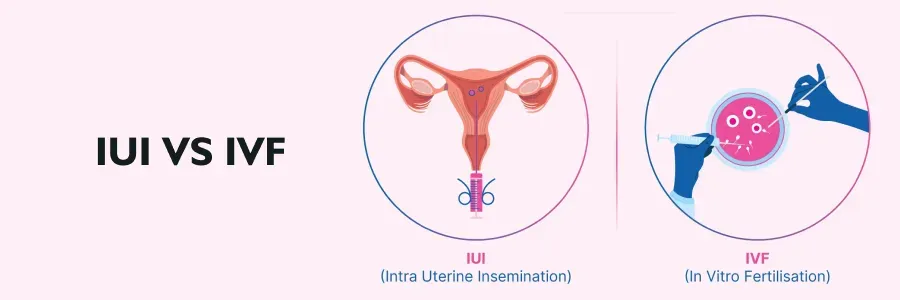
Intrauterine Insemination vs Low-Tech IVF: The Role of Acupuncture
Studies have shown that acupuncture can improve the quality of eggs and sperm by increasing blood flow to the ovaries and testes. This can potentially increase the chances of successful fertilization and implantation during IUI and low-tech IVF. Acupuncture may also help reduce the side effects of fertility medication and promote relaxation, making it easier for women to undergo these procedures.
In addition to improving the quality of eggs and sperm, acupuncture may also improve the chances of pregnancy by preparing the uterus for implantation. Studies have shown that acupuncture can increase the thickness of the uterine lining, which is important for successful implantation. Acupuncture may also help regulate the menstrual cycle and promote ovulation, which is crucial for successful IUI and low-tech IVF.
Acupuncture can also help couples who have undergone multiple unsuccessful IUI or low-tech IVF cycles. The stress and disappointment of failed cycles can take a toll on a couple’s mental and emotional well-being, which can affect their chances of success. Acupuncture can help reduce stress, anxiety, and depression, allowing couples to have a more positive outlook on their fertility journey.
In conclusion, IUI and low-tech IVF are two commonly used methods for treating infertility, with their own advantages and limitations. While these procedures can be effective, their success rates can be enhanced with the use of acupuncture. Acupuncture can improve the quality of eggs and sperm, prepare the uterus for implantation, and reduce stress and anxiety. It is important to note that acupuncture is not a standalone treatment for infertility, but rather a complementary therapy that can be used in conjunction with IUI and low-tech IVF.
Summary: Intrauterine insemination (IUI) and low-tech in vitro fertilization (IVF) are two commonly used methods for treating infertility. While these procedures can be effective, their success rates can be enhanced with the use of acupuncture. Acupuncture can improve the quality of eggs and sperm, prepare the uterus for implantation, and reduce stress and anxiety. It is important to note that acupuncture is not a standalone treatment for infertility, but rather a complementary therapy that can be used in conjunction with IUI and low-tech IVF.