Tag: Intrauterine Insemination

  • Navigating the World of Fertility Treatments: Intrauterine Insemination vs In Vitro Fertilization

    Navigating the World of Fertility Treatments: Intrauterine Insemination vs In Vitro Fertilization

    For couples struggling with infertility, the journey to parenthood can be a long and emotional one. Fortunately, advancements in fertility treatments have made it possible for many couples to overcome their fertility challenges and successfully conceive. Two commonly used treatments are intrauterine insemination (IUI) and in vitro fertilization (IVF). While both treatments involve artificially assisting with the fertilization process, there are key differences between the two. In this blog post, we will explore the differences between IUI and IVF, and provide information to help you navigate the world of fertility treatments.

    What is Intrauterine Insemination (IUI)?

    Intrauterine insemination, also known as artificial insemination, is a fertility treatment that involves placing sperm directly into a woman’s uterus to increase the chances of fertilization. This procedure is commonly used for couples with mild fertility issues, such as low sperm count or cervical mucus problems. It can also be used for single women or same-sex couples who wish to conceive using donor sperm.

    The IUI process involves several steps. First, the woman’s menstrual cycle is monitored to determine the best time for insemination, usually around the time of ovulation. Then, the male partner or donor provides a semen sample, which is washed and concentrated to increase the number of healthy sperm. The sperm is then inserted into the uterus using a catheter, and the woman may be advised to lie down for a short period to increase the chances of conception.

    What is In Vitro Fertilization (IVF)?

    In vitro fertilization, commonly known as IVF, is a more complex fertility treatment that involves combining eggs and sperm in a laboratory to create embryos, which are then transferred into the woman’s uterus. IVF is typically recommended for couples with more severe fertility issues, such as blocked fallopian tubes, endometriosis, or advanced maternal age.
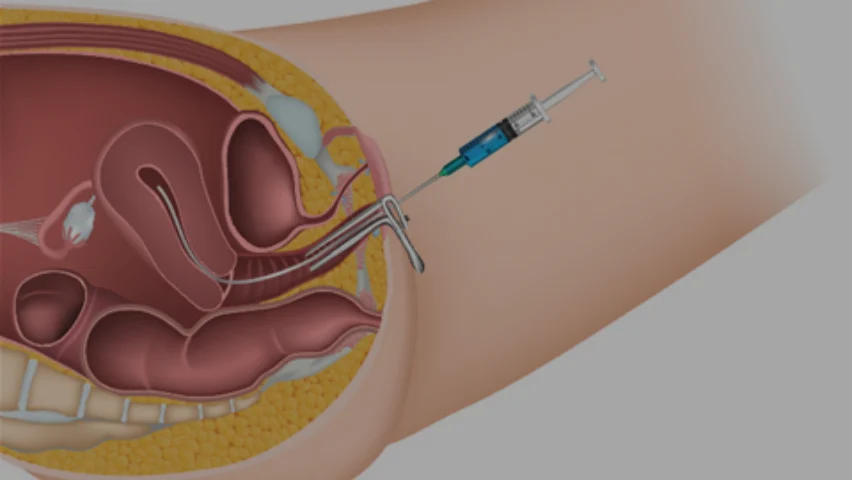
    Illustration of intrauterine insemination (IUI) procedure with syringe and catheter in the uterus.

    Navigating the World of Fertility Treatments: Intrauterine Insemination vs In Vitro Fertilization

    The IVF process involves several stages. First, the woman’s ovaries are stimulated with hormone injections to produce multiple eggs. These eggs are then retrieved through a minor surgical procedure and combined with sperm in a laboratory to create embryos. The embryos are then monitored for a few days before being transferred into the woman’s uterus. Any remaining embryos may be frozen and used in future cycles.

    Key Differences Between IUI and IVF

    While both IUI and IVF are fertility treatments, they differ in terms of their success rates, cost, and level of invasiveness. IUI is a less invasive and less expensive option compared to IVF, but it also has a lower success rate. According to the American Society for Reproductive Medicine, the success rate for IUI is around 10-20% per cycle, while IVF has a success rate of 40-45% for women under 35. Additionally, IUI can only be used for certain fertility issues, while IVF is more versatile and can be used for a wider range of conditions.

    Another key difference between IUI and IVF is the level of involvement required from the couple. With IUI, the couple only needs to be present for the insemination procedure, while IVF involves a more intensive process of hormone injections, egg retrieval, and embryo transfer. This can be emotionally and physically taxing for both partners, and it is important to carefully consider the level of commitment and support required for each treatment.

    Which Treatment is Right for You?

    Choosing between IUI and IVF can be a difficult decision, and it is important to consult with a fertility specialist to determine the best course of action for your specific situation. Factors such as age, overall health, and the cause of infertility will play a role in determining the most appropriate treatment.

    In general, IUI may be a good option for couples with mild fertility issues and a limited budget, while IVF may be more suitable for couples with more complex fertility issues. However, it is important to keep in mind that every couple’s journey to parenthood is unique, and what works for one couple may not work for another.

    In conclusion, navigating the world of fertility treatments can be overwhelming, but understanding the key differences between IUI and IVF can help you make an informed decision. It is also important to have a strong support system in place, both emotionally and financially, as fertility treatments can be physically and emotionally taxing. Remember to consult with a fertility specialist and discuss all your options before making a decision. With the right treatment and support, many couples have been able to overcome their fertility challenges and achieve their dream of becoming parents.

  • Everything You Need to Know About Intrauterine Insemination and In Vitro Fertilization

    Summary:

    Intrauterine insemination (IUI) and in vitro fertilization (IVF) are two common fertility treatments for couples struggling to conceive. While both procedures involve the use of assisted reproductive technology (ART), they differ in terms of process, success rates, and cost.

    Intrauterine insemination (IUI) is a form of artificial insemination where the sperm is placed directly into the woman’s uterus during ovulation. This increases the chances of the sperm reaching and fertilizing the egg, as it bypasses any potential barriers in the cervix. IUI is often recommended for couples with unexplained infertility, mild male factor infertility, or cervical issues. The procedure is relatively simple, non-invasive, and does not involve any hormonal injections. However, the success rates of IUI are lower compared to other fertility treatments, and it may require multiple cycles for success.

    A person administering an injection into their abdomen with a yellow pen-like device.

    Everything You Need to Know About Intrauterine Insemination and In Vitro Fertilization

    On the other hand, in vitro fertilization (IVF) is a more complex and invasive procedure. It involves the retrieval of eggs from the woman’s ovaries, which are then fertilized with sperm in a laboratory. The resulting embryos are then transferred back into the woman’s uterus, with the goal of achieving a successful pregnancy. IVF is typically recommended for couples with more severe infertility issues, such as blocked fallopian tubes, advanced maternal age, or severe male factor infertility. While IVF has higher success rates compared to IUI, it also comes with a higher price tag and more potential risks and side effects.

    Both IUI and IVF have their own unique benefits and drawbacks, and the choice between the two ultimately depends on the individual circumstances of the couple. It’s important to consult with a fertility specialist to determine the best course of treatment. It’s also essential to understand the process, requirements, and potential risks involved in each procedure before making a decision. With the advancement of technology and medical techniques, more and more couples are able to fulfill their dreams of starting a family through IUI or IVF.

    In conclusion, IUI and IVF are two commonly used fertility treatments that have helped many couples conceive. While IUI is a simpler and less invasive option, IVF has higher success rates and is better suited for more severe infertility cases. It’s important to have a thorough understanding of both procedures and seek guidance from a fertility specialist in order to make an informed decision.

  • Choosing the Right Fertility Treatment: Intrauterine Insemination vs In Vitro Fertilization

    Summary:

    Comparison of IUI and IVF treatments with diagrams of reproductive anatomy.

    Choosing the Right Fertility Treatment: Intrauterine Insemination vs In Vitro Fertilization

    Couples struggling with infertility often turn to fertility treatments in order to conceive a child. Two of the most common treatments are intrauterine insemination (IUI) and in vitro fertilization (IVF). When deciding which treatment is right for you and your partner, it is important to understand the differences between the two and consider factors such as cost, success rates, and potential risks. IUI involves the placement of washed and prepared sperm directly into the uterus, while IVF involves fertilizing eggs with sperm in a laboratory setting and then transferring the resulting embryo into the uterus. Both treatments have their own benefits and drawbacks, and the decision should be made after consulting with a fertility specialist and considering individual needs and preferences. Ultimately, the goal is to find the best treatment option that will help couples achieve their dream of parenthood.

  • Understanding the Differences: Intrauterine Insemination vs In Vitro Fertilization

    Understanding the Differences: Intrauterine Insemination vs In Vitro Fertilization

    For couples struggling with fertility issues, there are several options available to help them achieve their dream of having a child. Two common fertility treatments are intrauterine insemination (IUI) and in vitro fertilization (IVF). While both methods aim to help couples conceive, they have significant differences in terms of procedure, success rates, and costs. In this blog post, we will delve deeper into the differences between IUI and IVF, providing a comprehensive understanding of each treatment to help couples make an informed decision.

    Intrauterine Insemination (IUI):

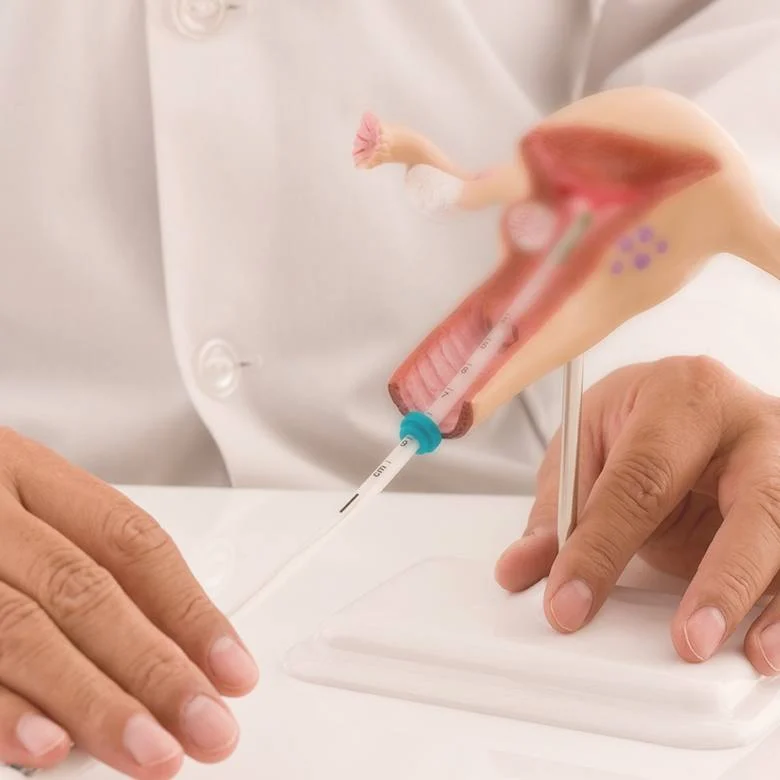
    IUI, also known as artificial insemination, is a relatively simple and less invasive fertility treatment. It involves inserting washed and concentrated sperm directly into the uterus using a thin catheter. The procedure is typically performed in a doctor’s office and does not require anesthesia. It is often recommended for couples with unexplained infertility, minimal male factor infertility, or women with cervical issues.

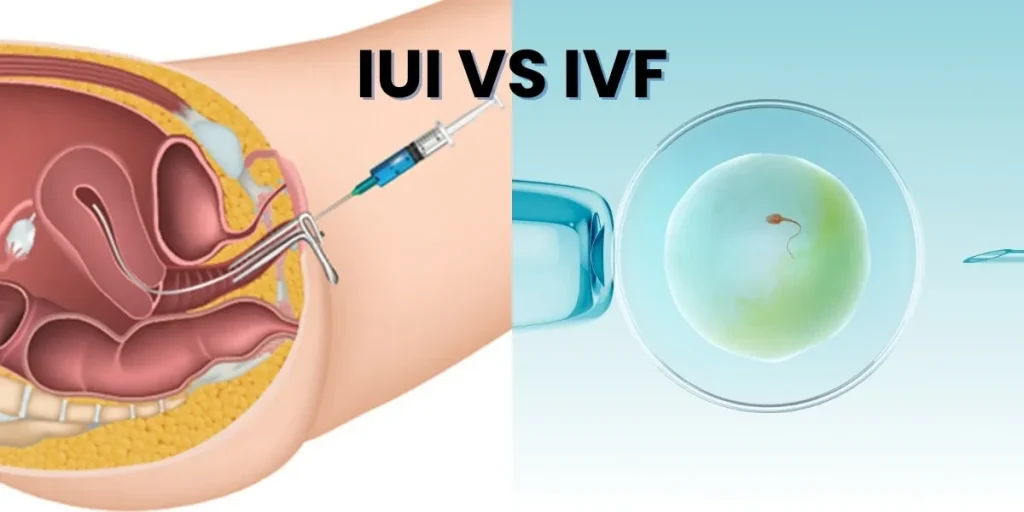
    The IUI procedure is timed to coincide with ovulation, which can be determined through ovulation predictor kits or ultrasound monitoring. The washed sperm is injected into the uterus, where it can swim up to the fallopian tubes to fertilize the egg. The success rates of IUI vary depending on factors such as the woman’s age, the quality of the sperm, and the cause of infertility. On average, the success rate of IUI is around 10-20% per cycle.

    One of the significant advantages of IUI is its relatively low cost compared to other fertility treatments. It is also less invasive and has a lower risk of complications. However, it may not be suitable for couples with severe male factor infertility, blocked fallopian tubes, or advanced maternal age.

    model of the female reproductive system with a hand demonstrating intrauterine insemination technique

    Understanding the Differences: Intrauterine Insemination vs In Vitro Fertilization

    In Vitro Fertilization (IVF):

    IVF is a more complex and invasive fertility treatment that involves retrieving eggs from the woman’s ovaries, fertilizing them with sperm in a laboratory, and then transferring the resulting embryo(s) into the uterus. The procedure is typically done in a specialized fertility clinic and requires hormonal medication to stimulate the ovaries to produce multiple eggs.

    The IVF process involves several steps, including ovarian stimulation, egg retrieval, fertilization, and embryo transfer. The woman’s eggs are retrieved using a needle guided by ultrasound and then combined with sperm in a petri dish to fertilize. The resulting embryos are then monitored for several days before being transferred back into the uterus. Any remaining viable embryos can be frozen for future use.

    The success rates of IVF are generally higher than IUI, with an average success rate of 40-50% per cycle. It is often recommended for couples with severe male factor infertility, blocked fallopian tubes, endometriosis, or advanced maternal age. However, IVF is a more expensive treatment, with costs varying depending on factors such as the clinic’s location and the number of cycles required.

    Summary:

    In summary, IUI and IVF are two commonly used fertility treatments that aim to help couples conceive. IUI is a less invasive and less expensive option, but its success rates are lower than IVF. It is often recommended for couples with mild fertility issues or when the cause of infertility is unknown. On the other hand, IVF is a more complex and invasive procedure, but it has higher success rates and can be suitable for couples with more severe fertility issues.

    Ultimately, the decision between IUI and IVF will depend on various factors, including the couple’s age, the cause of infertility, and their financial situation. It is essential to consult with a fertility specialist to determine the best treatment option for each individual case.

  • The Pros and Cons of Artificial Insemination vs IVF

    Blog Post: The Pros and Cons of Artificial Insemination vs IVF

    In the world of fertility treatments, there are two main methods that are commonly used: artificial insemination and in vitro fertilization (IVF). Both techniques have been successful in helping couples and individuals overcome infertility and achieve their dream of having a child. However, they differ in their approach and have their own set of advantages and disadvantages. In this blog post, we will discuss the pros and cons of artificial insemination vs IVF to help you make an informed decision about which treatment may be right for you.

    Artificial insemination, also known as intrauterine insemination (IUI), is a procedure in which sperm is placed directly into a woman’s uterus to fertilize an egg. This can be done with a partner’s sperm or donor sperm. On the other hand, IVF is a more complex procedure that involves retrieving eggs from a woman’s ovaries, fertilizing them with sperm in a laboratory, and then transferring the resulting embryo back into the woman’s uterus.

    Let’s take a closer look at the pros and cons of each method:

    Pros of Artificial Insemination:

    1. Less invasive and less expensive: Artificial insemination is a relatively simple and less invasive procedure compared to IVF. It does not require any surgical procedures and can be done in a doctor’s office. This also makes it less expensive, making it a more accessible option for couples who may not have the means to afford IVF.

    2. Can be done with fresh or frozen sperm: Unlike IVF, which requires fresh sperm, artificial insemination can be done using fresh or frozen sperm. This gives couples the flexibility to use donor sperm or to collect and freeze their partner’s sperm for future use.

    3. Can be used for various fertility issues: Artificial insemination can be used to treat a wide range of fertility issues, including cervical factor infertility, male factor infertility, and unexplained infertility. It can also be used by single women or same-sex couples who want to have a child.

    4. Increased chance of success for certain fertility issues: For couples with mild male factor infertility, artificial insemination can significantly increase their chances of conception. This is because the sperm is placed directly into the uterus, bypassing any potential issues with sperm motility or morphology.

    Cons of Artificial Insemination:

    1. Lower success rates: The success rates of artificial insemination are lower compared to IVF. This is because the sperm still needs to travel through the fallopian tubes to reach the egg, which can be a barrier for some couples.

    comparison of IUI and IVF fertility treatments with illustrations of procedures and a petri dish with an egg and sperm

    The Pros and Cons of Artificial Insemination vs IVF

    2. Risk of multiple pregnancies: There is a higher risk of multiple pregnancies with artificial insemination, especially when using fertility medications to stimulate ovulation. This can increase the chances of complications during pregnancy and delivery.

    3. Limited control over genetic factors: With artificial insemination, the couple has limited control over the genetic factors of their child. This can be a concern for couples who want to have a child with specific genetic traits.

    Pros of IVF:

    1. Higher success rates: IVF has a higher success rate compared to artificial insemination. This is because the eggs are fertilized outside the body, giving the doctors more control over the process.

    2. Can be used for more complex fertility issues: IVF can be used to treat more complex fertility issues, such as tubal factor infertility, endometriosis, and male factor infertility. It also offers a higher chance of success for couples with multiple failed IUI attempts.

    3. Genetic screening: With IVF, couples have the option to undergo genetic screening of their embryos to detect any potential genetic abnormalities. This can help prevent passing on genetic disorders to their child.

    Cons of IVF:

    1. Invasive and expensive: IVF is a more invasive and complex procedure compared to artificial insemination. It requires multiple appointments, hormone injections, and surgical procedures, making it more expensive than artificial insemination.

    2. Increased risk of complications: The use of fertility medications and the retrieval of eggs can lead to potential complications, such as ovarian hyperstimulation syndrome and multiple pregnancies.

    3. Limited number of embryos: During IVF, doctors will typically retrieve multiple eggs, but not all of them may fertilize or develop into healthy embryos. This can limit the number of embryos available for transfer, reducing the chances of success.

    In summary, both artificial insemination and IVF have their own set of pros and cons. While artificial insemination is a less invasive and less expensive option, it may have lower success rates and a higher risk of multiple pregnancies. On the other hand, IVF offers higher success rates and can treat more complex fertility issues, but it is more invasive and expensive. It is important to consult with a fertility specialist to determine which treatment may be the best option for your specific situation.

    SEO Metadata:

  • The Impact of Infertility on Relationships: Navigating Challenges with Natural Conception and Assisted Reproduction

    Summary:

    Infertility is a complex and emotional issue that can have a significant impact on relationships. For couples struggling to conceive, the journey can be filled with challenges, heartache, and difficult decisions. In this blog post, we will dive into the impact of infertility on relationships, exploring the challenges couples face and how they can navigate them with both natural conception and assisted reproduction methods.

    First, we will discuss the emotional toll that infertility can take on a relationship. The disappointment, frustration, and grief associated with struggling to conceive can put a strain on even the strongest of relationships. It is important for couples to communicate openly and support each other during this difficult time.

    Next, we will explore the impact of infertility on intimacy and sex life. The pressure to conceive and the invasive nature of fertility treatments can lead to a decrease in sexual desire and enjoyment. It is crucial for couples to prioritize their emotional and physical connection and find ways to maintain intimacy during this challenging time.

    We will also address the financial strain that infertility can cause. Fertility treatments can be expensive and may not always be covered by insurance. This can lead to stress and tension in a relationship, as couples may have to make difficult decisions about how much they are willing to invest in their journey to parenthood.

    Comparison of IUI and IVF, illustrating procedures and definitions for each fertility treatment.

    The Impact of Infertility on Relationships: Navigating Challenges with Natural Conception and Assisted Reproduction

    Furthermore, we will discuss the impact of infertility on communication and decision-making. Couples may have different perspectives on how to approach infertility, and navigating these differences can be challenging. It is essential for couples to communicate openly, listen to each other’s concerns, and make decisions together as a team.

    As we delve into the topic of assisted reproduction, we will explore the various methods available, such as intrauterine insemination (IUI) and in vitro fertilization (IVF). We will discuss the pros and cons of each and how they can impact a relationship. It is crucial for couples to have open and honest discussions about their options and make decisions that are best for their individual situation.

    We will also touch on the emotional rollercoaster that comes with assisted reproduction. The hope and anticipation of each treatment cycle can quickly turn into disappointment and heartache if it is unsuccessful. This can be emotionally draining for couples and can affect their relationship. It is vital for couples to support each other and seek counseling if needed to cope with the emotional impact of assisted reproduction.

    Lastly, we will discuss the importance of self-care for both partners during this journey. Infertility can be all-consuming, and it is essential for couples to take care of themselves physically, mentally, and emotionally. This can include seeking support from friends and family, joining a support group, or seeking counseling.

    In conclusion, infertility can have a profound impact on relationships. It is essential for couples to communicate openly, support each other, and make decisions together. With the right mindset and support, couples can navigate the challenges of infertility and come out stronger on the other side.

  • Breaking Down the Science: Exploring Natural Conception and Assisted Reproduction

    Breaking Down the Science: Exploring Natural Conception and Assisted Reproduction

    Conception is a miraculous and complex process that allows for the creation of new life. In its most natural form, conception occurs when a sperm fertilizes an egg, resulting in the formation of an embryo. However, for some couples, conceiving a child can be a challenging and emotional journey. This is where assisted reproduction technologies (ART) come into play. In this blog post, we will break down the science behind natural conception and explore the various methods of assisted reproduction.

    Understanding Natural Conception:

    Natural conception is the process by which a new life is created without any medical intervention. It begins when a woman’s body releases an egg from one of her ovaries, which then travels down the fallopian tube. During this time, the man’s sperm must travel through the cervix and up the fallopian tube to reach the egg. If a sperm successfully fertilizes the egg, it will implant itself in the lining of the uterus, where it will continue to grow and develop into a baby.

    The timing of natural conception is crucial, as a woman is only fertile for a short period each month. This fertile window typically occurs around the time of ovulation, which is when the egg is released from the ovary. Ovulation usually occurs around day 14 of a woman’s menstrual cycle, but it can vary from person to person.

    Factors that can affect natural conception include age, overall health, and lifestyle choices. As a woman ages, her eggs also age, making it more difficult to conceive. Additionally, certain medical conditions, such as polycystic ovary syndrome (PCOS) and endometriosis, can impact a woman’s fertility. Lifestyle factors, such as smoking, excessive alcohol consumption, and being overweight or underweight, can also affect natural conception.

    Assisted Reproduction Technologies:

    For couples struggling to conceive naturally, there are various assisted reproduction technologies available to help them achieve their dream of having a child. These methods range from simple interventions to more complex procedures, and their efficacy depends on the individual’s specific fertility issues.

    Intrauterine Insemination (IUI):

    Intrauterine insemination, also known as artificial insemination, is a simple and non-invasive procedure that involves placing washed and concentrated sperm directly into a woman’s uterus during her fertile window. This method is often used for couples with mild fertility issues, such as low sperm count or poor sperm motility.

    In Vitro Fertilization (IVF):

    In vitro fertilization is a more complex and invasive procedure that involves fertilizing an egg with sperm outside of the body and then transferring the resulting embryo into the woman’s uterus. The process begins with the woman undergoing hormonal stimulation to produce multiple eggs, which are then retrieved and fertilized in a laboratory. The fertilized embryos are monitored and then transferred into the uterus, where they can implant and develop into a baby. IVF is often recommended for couples with more severe fertility issues, such as blocked fallopian tubes or male factor infertility.

    Illustration of intrauterine insemination (IUI) procedure with syringe and catheter in the uterus.

    Breaking Down the Science: Exploring Natural Conception and Assisted Reproduction

    Intracytoplasmic Sperm Injection (ICSI):

    Intracytoplasmic sperm injection is a specialized form of IVF that involves injecting a single sperm directly into an egg. This method is typically used when there are issues with sperm quality or quantity and can increase the chances of fertilization and embryo development.

    Egg and Sperm Donation:

    For some couples, using their own eggs and sperm may not be an option. In these cases, egg or sperm donation can be a viable solution. Egg donation involves retrieving eggs from a donor and fertilizing them with the partner’s sperm in a laboratory. The resulting embryo is then transferred into the woman’s uterus. Sperm donation is similar, except that the sperm is obtained from a donor and used to fertilize the woman’s own eggs.

    Surrogacy:

    Surrogacy is another form of assisted reproduction that involves a woman carrying a pregnancy for another person or couple. This method is often used by couples who are unable to carry a pregnancy themselves due to medical reasons or same-sex couples who wish to have a child genetically related to one or both partners.

    The Ethical and Emotional Aspects of Assisted Reproduction:

    While assisted reproduction technologies have helped countless couples achieve their dream of having a child, they also raise ethical and emotional questions. Some concerns include the potential exploitation of donors, the commodification of human life, and the emotional toll that fertility treatments can take on couples.

    It is essential for individuals and couples considering assisted reproduction to thoroughly research and understand the ethical and emotional implications of these methods and to seek support and counseling when needed.

    In conclusion, natural conception and assisted reproduction are complex and fascinating processes that have allowed countless individuals and couples to fulfill their desire to have a child. With advancements in technology and ongoing research, the possibilities for assisted reproduction continue to expand, giving hope to those struggling with fertility issues.

    Summary:

    Conception is the process by which new life is created, and it can occur naturally or with the help of assisted reproduction technologies (ART). Natural conception involves the fertilization of an egg by sperm and can be affected by factors such as age, health, and lifestyle. ART methods include intrauterine insemination, in vitro fertilization, intracytoplasmic sperm injection, egg and sperm donation, and surrogacy. While these methods have helped many couples conceive, they also raise ethical and emotional concerns that should be considered. With ongoing advancements and research, assisted reproduction continues to offer hope to those struggling with fertility issues.