Exploring the Options: Artificial Insemination vs IVF for Fertility Treatment
Infertility is a common issue that affects many couples around the world. According to the World Health Organization, one in every four couples in developing countries is affected by infertility. With advancements in medical technology, there are now various options available for couples who are struggling to conceive. Two of the most popular options are artificial insemination and in vitro fertilization (IVF). In this blog post, we will explore the differences between the two and help you make an informed decision when it comes to choosing the right fertility treatment for you.
What is Artificial Insemination?
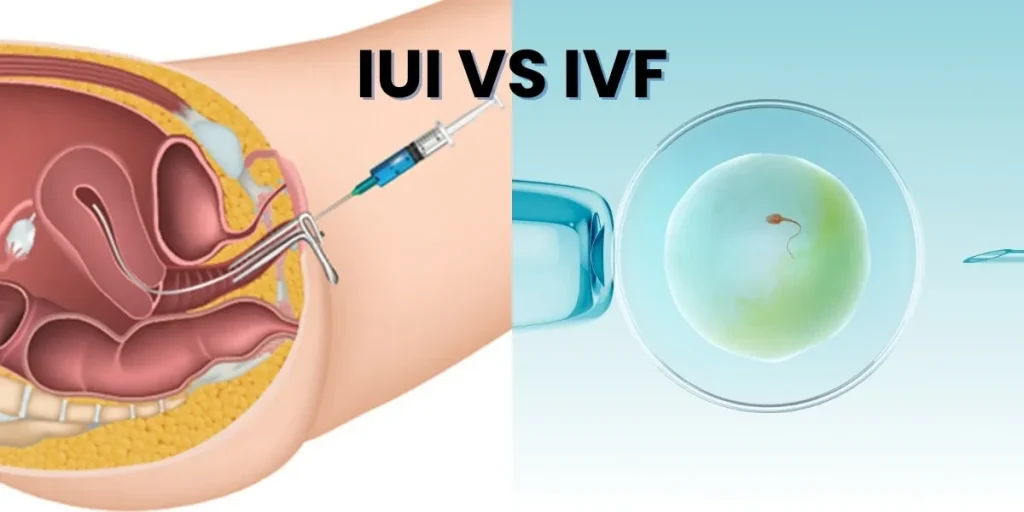
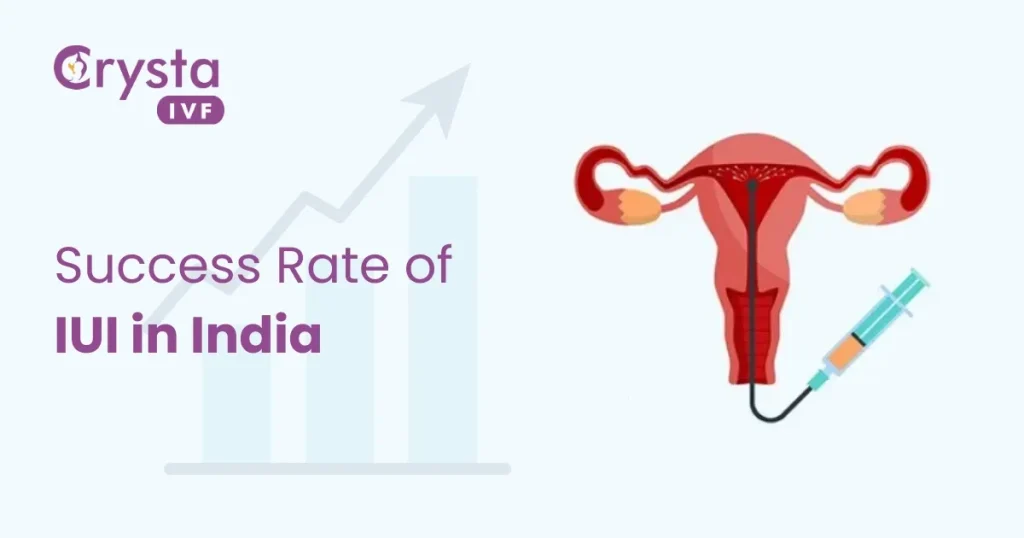
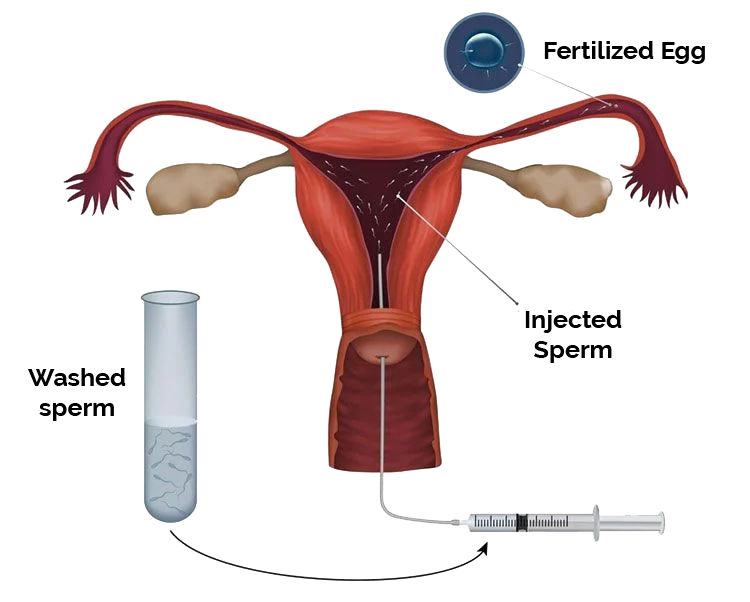
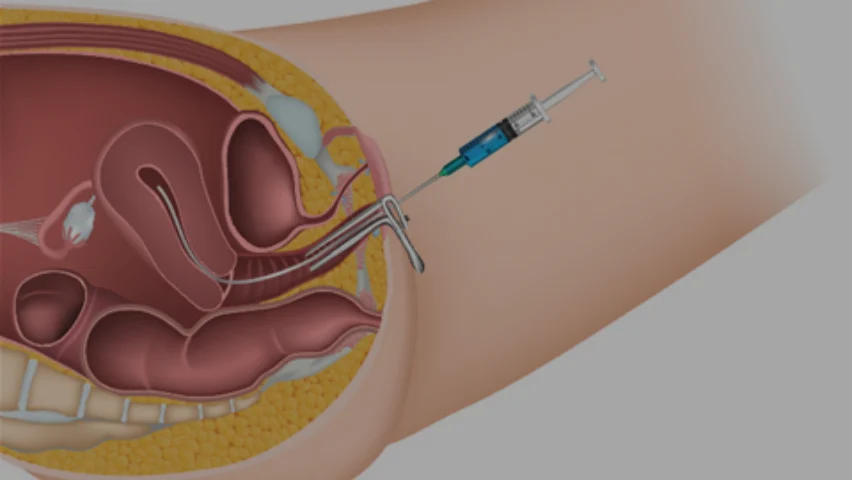
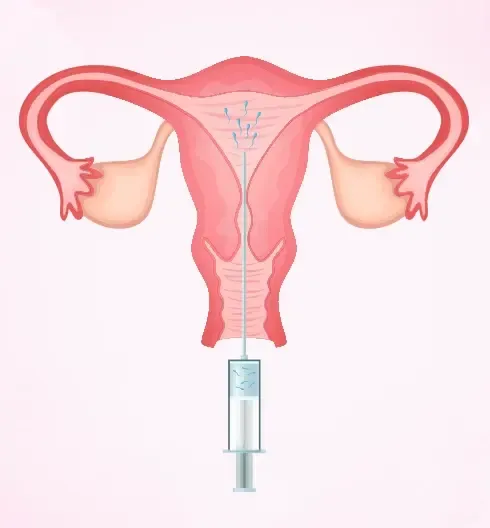
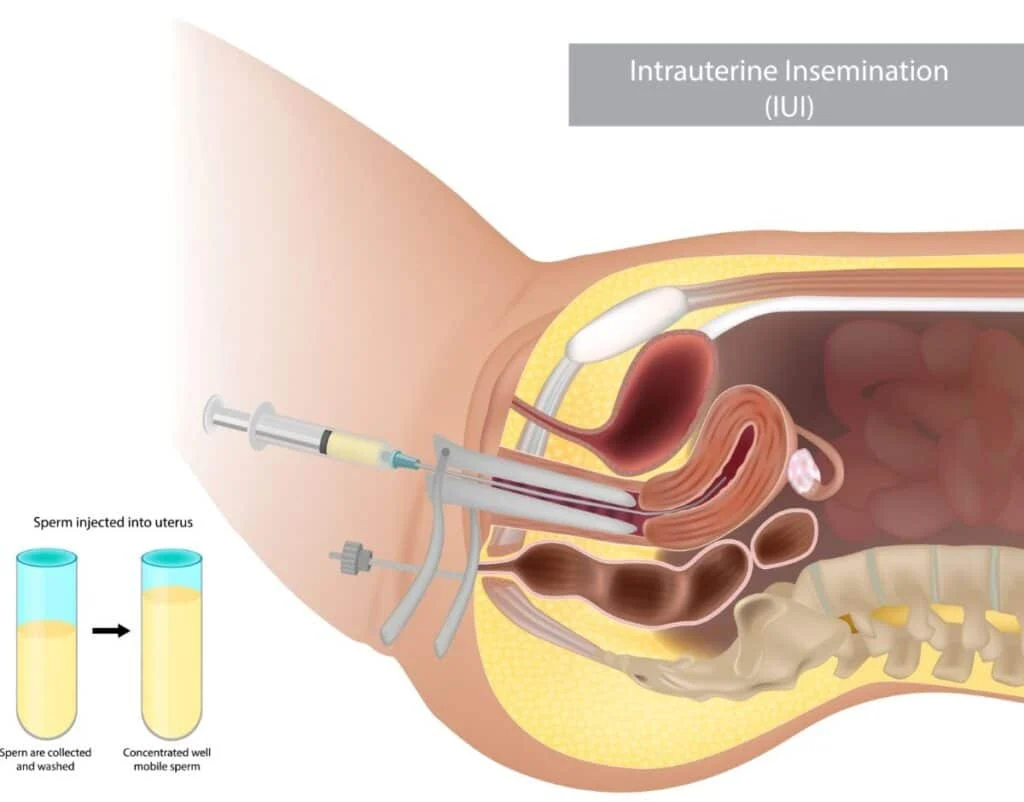
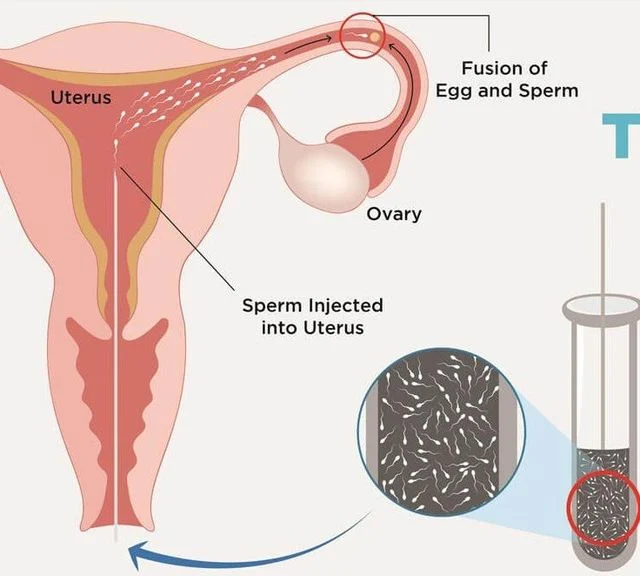
Artificial insemination, also known as intrauterine insemination (IUI), is a fertility treatment where sperm is inserted directly into a woman’s uterus to increase the chances of fertilization. This procedure is usually recommended for couples who have been trying to conceive for at least a year with no success, or for those who have specific fertility issues such as low sperm count or cervical mucus problems.
The process of artificial insemination involves collecting sperm from the male partner or a sperm donor, then washing and preparing it in a laboratory. The prepared sperm is then inserted into the woman’s uterus using a thin, flexible catheter. This procedure is relatively quick and painless, and can be done in a doctor’s office without the need for anesthesia.
What is IVF?
In vitro fertilization (IVF) is a more complex and costly fertility treatment compared to artificial insemination. It involves the retrieval of a woman’s eggs and the fertilization of those eggs with sperm in a laboratory dish. The fertilized eggs, known as embryos, are then transferred into the woman’s uterus in the hopes of a successful pregnancy. IVF is usually recommended for couples who have been diagnosed with fertility issues such as blocked fallopian tubes, endometriosis, or male factor infertility.
The process of IVF starts with fertility medications to stimulate the ovaries to produce multiple eggs. Once the eggs are mature, they are retrieved from the woman’s ovaries using a needle under ultrasound guidance. The retrieved eggs are then fertilized with sperm in a laboratory dish. The resulting embryos are monitored for a few days before being transferred into the woman’s uterus. Any extra embryos can be frozen for future use.
Key Differences between Artificial Insemination and IVF
1. Success Rates
When it comes to success rates, IVF has a higher success rate compared to artificial insemination. According to the Centers for Disease Control and Prevention, the success rate for IVF in women under 35 is around 40%, while the success rate for artificial insemination is around 10-20%. However, success rates can vary depending on the cause of infertility, the age of the woman, and other factors.
Exploring the Options: Artificial Insemination vs IVF for Fertility Treatment
2. Cost
Artificial insemination is a more affordable option compared to IVF. The cost of artificial insemination can range from $300 to $1000 per cycle, while the cost of IVF can range from $10,000 to $15,000 per cycle. Additional costs such as fertility medications, diagnostic tests, and embryo freezing can also add to the total cost of IVF.
3. Invasiveness
Artificial insemination is a less invasive procedure compared to IVF. The process of artificial insemination does not require any surgical procedures, while IVF involves the retrieval of eggs and the transfer of embryos into the uterus. This makes IVF a more physically demanding and stressful process for some women.
4. Number of Eggs Retrieved
In artificial insemination, only a minimal amount of sperm is needed, and only one or two eggs may be fertilized. In IVF, multiple eggs are retrieved and fertilized, and multiple embryos may be transferred into the uterus. This increases the chances of a successful pregnancy, but it also increases the chances of multiple pregnancies.
Which Option is Right for You?
Choosing the right fertility treatment can be a difficult decision, and it ultimately depends on your individual circumstances and preferences. Some factors to consider when deciding between artificial insemination and IVF include the cause of infertility, the age of the woman, the success rates and cost of each procedure, and the level of invasiveness.
If you and your partner have unexplained infertility or mild fertility issues, artificial insemination may be a good option to start with. It is less invasive, less costly, and has a lower success rate compared to IVF. However, if you have more complex fertility issues or have been diagnosed with conditions such as endometriosis or blocked fallopian tubes, IVF may be a better option. It has a higher success rate, but it is also more expensive and invasive.
In conclusion, both artificial insemination and IVF are viable options for couples struggling with infertility. It is important to consult with a fertility specialist to determine the best option for you and your partner.
Summary:
Infertility is a common issue that affects many couples, and there are now various options available for those struggling to conceive. Two of the most popular options are artificial insemination (IUI) and in vitro fertilization (IVF). Artificial insemination involves inserting sperm directly into a woman’s uterus, while IVF involves retrieving eggs, fertilizing them with sperm, and transferring the resulting embryos into the uterus. IVF has a higher success rate, but it is also more expensive and invasive compared to artificial insemination. The choice between the two options depends on individual circumstances and preferences. It is important to consult with a fertility specialist to determine the best option for you.