Tag: IVF

  • Exploring the Options: Artificial Insemination vs IVF for Fertility Treatment

    Exploring the Options: Artificial Insemination vs IVF for Fertility Treatment

    Infertility is a common issue that affects many couples around the world. According to the World Health Organization, one in every four couples in developing countries is affected by infertility. With advancements in medical technology, there are now various options available for couples who are struggling to conceive. Two of the most popular options are artificial insemination and in vitro fertilization (IVF). In this blog post, we will explore the differences between the two and help you make an informed decision when it comes to choosing the right fertility treatment for you.

    What is Artificial Insemination?

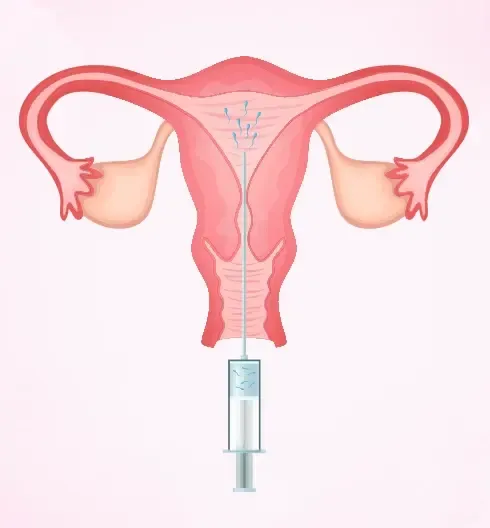
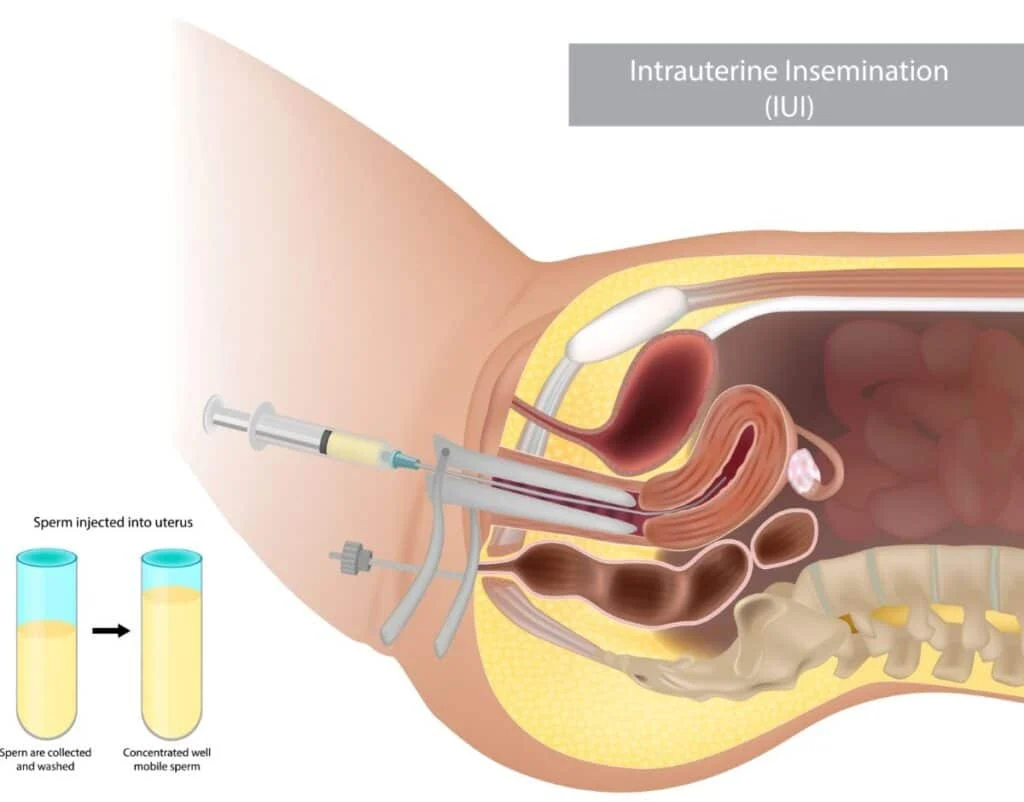
    Artificial insemination, also known as intrauterine insemination (IUI), is a fertility treatment where sperm is inserted directly into a woman’s uterus to increase the chances of fertilization. This procedure is usually recommended for couples who have been trying to conceive for at least a year with no success, or for those who have specific fertility issues such as low sperm count or cervical mucus problems.

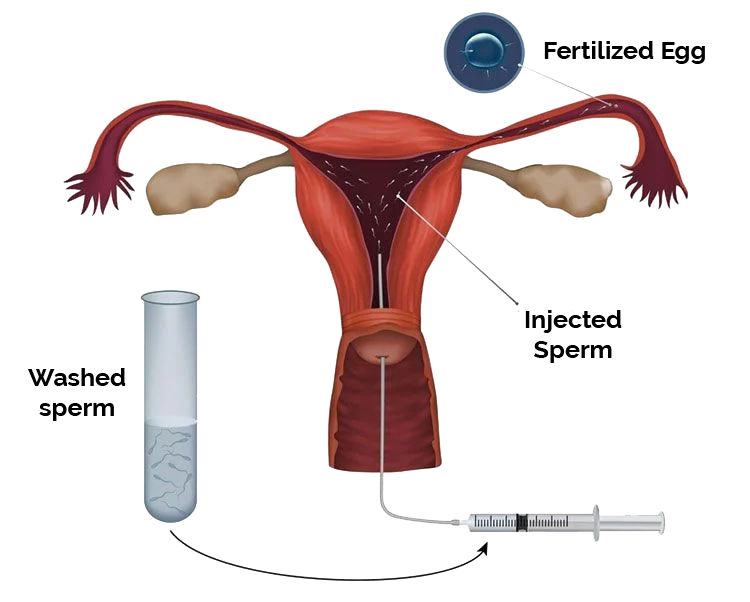
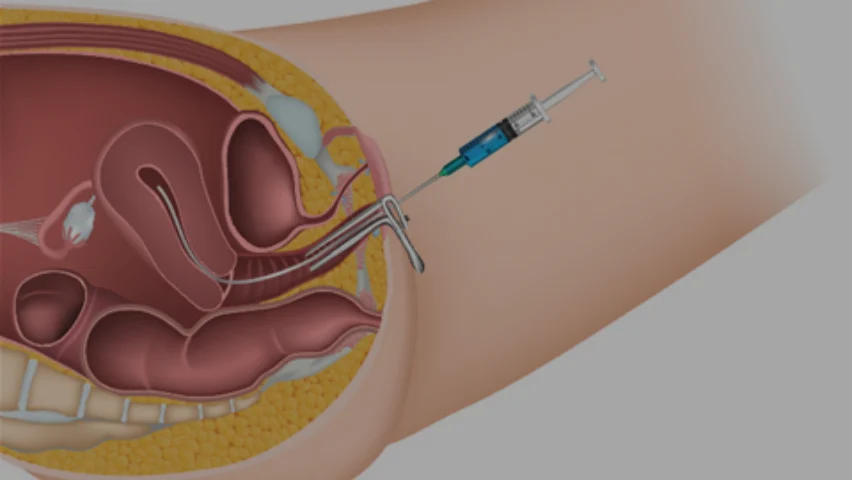
    The process of artificial insemination involves collecting sperm from the male partner or a sperm donor, then washing and preparing it in a laboratory. The prepared sperm is then inserted into the woman’s uterus using a thin, flexible catheter. This procedure is relatively quick and painless, and can be done in a doctor’s office without the need for anesthesia.

    What is IVF?

    In vitro fertilization (IVF) is a more complex and costly fertility treatment compared to artificial insemination. It involves the retrieval of a woman’s eggs and the fertilization of those eggs with sperm in a laboratory dish. The fertilized eggs, known as embryos, are then transferred into the woman’s uterus in the hopes of a successful pregnancy. IVF is usually recommended for couples who have been diagnosed with fertility issues such as blocked fallopian tubes, endometriosis, or male factor infertility.

    The process of IVF starts with fertility medications to stimulate the ovaries to produce multiple eggs. Once the eggs are mature, they are retrieved from the woman’s ovaries using a needle under ultrasound guidance. The retrieved eggs are then fertilized with sperm in a laboratory dish. The resulting embryos are monitored for a few days before being transferred into the woman’s uterus. Any extra embryos can be frozen for future use.

    Key Differences between Artificial Insemination and IVF

    1. Success Rates

    When it comes to success rates, IVF has a higher success rate compared to artificial insemination. According to the Centers for Disease Control and Prevention, the success rate for IVF in women under 35 is around 40%, while the success rate for artificial insemination is around 10-20%. However, success rates can vary depending on the cause of infertility, the age of the woman, and other factors.
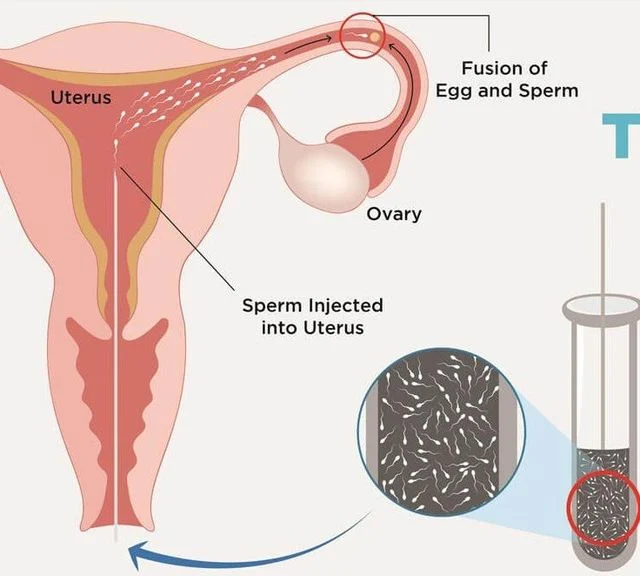
    Diagram illustrating the IUI process, showing sperm injection into the uterus and egg fertilization.

    Exploring the Options: Artificial Insemination vs IVF for Fertility Treatment

    2. Cost

    Artificial insemination is a more affordable option compared to IVF. The cost of artificial insemination can range from $300 to $1000 per cycle, while the cost of IVF can range from $10,000 to $15,000 per cycle. Additional costs such as fertility medications, diagnostic tests, and embryo freezing can also add to the total cost of IVF.

    3. Invasiveness

    Artificial insemination is a less invasive procedure compared to IVF. The process of artificial insemination does not require any surgical procedures, while IVF involves the retrieval of eggs and the transfer of embryos into the uterus. This makes IVF a more physically demanding and stressful process for some women.

    4. Number of Eggs Retrieved

    In artificial insemination, only a minimal amount of sperm is needed, and only one or two eggs may be fertilized. In IVF, multiple eggs are retrieved and fertilized, and multiple embryos may be transferred into the uterus. This increases the chances of a successful pregnancy, but it also increases the chances of multiple pregnancies.

    Which Option is Right for You?

    Choosing the right fertility treatment can be a difficult decision, and it ultimately depends on your individual circumstances and preferences. Some factors to consider when deciding between artificial insemination and IVF include the cause of infertility, the age of the woman, the success rates and cost of each procedure, and the level of invasiveness.

    If you and your partner have unexplained infertility or mild fertility issues, artificial insemination may be a good option to start with. It is less invasive, less costly, and has a lower success rate compared to IVF. However, if you have more complex fertility issues or have been diagnosed with conditions such as endometriosis or blocked fallopian tubes, IVF may be a better option. It has a higher success rate, but it is also more expensive and invasive.

    In conclusion, both artificial insemination and IVF are viable options for couples struggling with infertility. It is important to consult with a fertility specialist to determine the best option for you and your partner.

    Summary:

    Infertility is a common issue that affects many couples, and there are now various options available for those struggling to conceive. Two of the most popular options are artificial insemination (IUI) and in vitro fertilization (IVF). Artificial insemination involves inserting sperm directly into a woman’s uterus, while IVF involves retrieving eggs, fertilizing them with sperm, and transferring the resulting embryos into the uterus. IVF has a higher success rate, but it is also more expensive and invasive compared to artificial insemination. The choice between the two options depends on individual circumstances and preferences. It is important to consult with a fertility specialist to determine the best option for you.
  • Understanding the Science: How Artificial Insemination and IVF Differ

    Blog Post Title: Understanding the Science: How Artificial Insemination and IVF Differ

    Summary:

    In the world of reproductive technology, there are two commonly used methods to help couples conceive: artificial insemination and in-vitro fertilization (IVF). While both procedures involve the use of assisted reproductive techniques, they differ in their approach and effectiveness. In this blog post, we will delve deeper into the science behind these two methods and understand how they differ.

    First, let’s start by defining what artificial insemination and IVF are. Artificial insemination, also known as intrauterine insemination (IUI), is a procedure where sperm is placed directly into a woman’s uterus to facilitate fertilization. On the other hand, IVF involves collecting eggs from a woman’s ovaries and fertilizing them with sperm in a laboratory. The resulting embryos are then transferred into the woman’s uterus.

    Now, let’s take a closer look at how these two procedures differ in terms of their process and success rates.

    Process:

    Artificial insemination is a relatively simple and non-invasive procedure. It begins with the collection of sperm from either the male partner or a donor. The sperm is then washed and prepared in a laboratory to remove any impurities and increase its motility. Next, a thin catheter is used to insert the sperm into the woman’s uterus, bypassing the cervix. This process is timed to coincide with ovulation, increasing the chances of fertilization.

    test tube with sperm in blue liquid, promoting IUI success rate and factors influencing fertility.

    Understanding the Science: How Artificial Insemination and IVF Differ

    In IVF, the process is more complex and involves several steps. It starts with the woman undergoing hormonal treatment to stimulate her ovaries to produce multiple eggs. The eggs are then retrieved through a minor surgical procedure and combined with the sperm in a laboratory. After a few days of fertilization, the resulting embryos are transferred into the woman’s uterus. Any extra embryos can be frozen and used for future cycles.

    Success Rates:

    The success rates of artificial insemination and IVF differ significantly. Artificial insemination has a success rate of 10-20%, while IVF has a success rate of 30-40%. The difference in success rates can be attributed to various factors, including the age of the woman, the quality of the sperm and eggs, and any underlying fertility issues.

    Artificial insemination is most effective for couples where the man has a low sperm count or poor sperm motility. It is also suitable for women with cervical issues or mild endometriosis. On the other hand, IVF is a more suitable option for couples with fertility issues such as blocked fallopian tubes, severe endometriosis, or advanced maternal age. It is also a viable option for same-sex couples and single women who want to conceive.

    Cost:

    Another significant difference between artificial insemination and IVF is the cost. Artificial insemination is a more affordable option, with a single cycle costing around $300-$500. However, the cost can increase if multiple cycles are needed. In contrast, IVF is a more expensive procedure, with an average cost of $12,000 per cycle. This cost can vary depending on factors such as the clinic, location, and additional procedures like genetic screening.

    Conclusion:

    In conclusion, artificial insemination and IVF are two different methods of assisted reproductive technology that can help couples conceive. While artificial insemination is a simple and less invasive procedure, IVF is more complex and has a higher success rate. The choice between the two methods depends on various factors, including the couple’s fertility issues, age, and financial situation. Consulting with a fertility specialist can help couples determine the best option for them.

  • The Pros and Cons of Artificial Insemination vs IVF

    Blog Post: The Pros and Cons of Artificial Insemination vs IVF

    In the world of fertility treatments, there are two main methods that are commonly used: artificial insemination and in vitro fertilization (IVF). Both techniques have been successful in helping couples and individuals overcome infertility and achieve their dream of having a child. However, they differ in their approach and have their own set of advantages and disadvantages. In this blog post, we will discuss the pros and cons of artificial insemination vs IVF to help you make an informed decision about which treatment may be right for you.

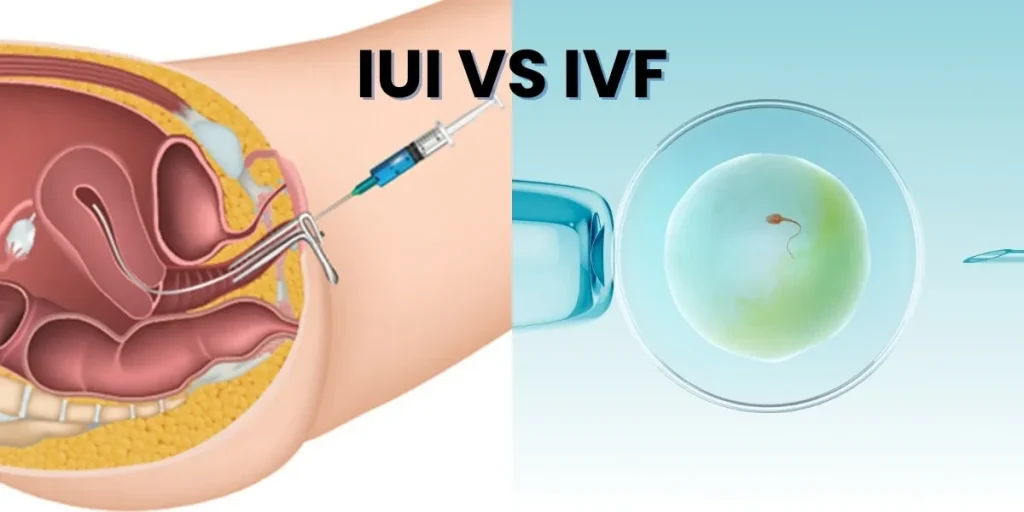
    Artificial insemination, also known as intrauterine insemination (IUI), is a procedure in which sperm is placed directly into a woman’s uterus to fertilize an egg. This can be done with a partner’s sperm or donor sperm. On the other hand, IVF is a more complex procedure that involves retrieving eggs from a woman’s ovaries, fertilizing them with sperm in a laboratory, and then transferring the resulting embryo back into the woman’s uterus.

    Let’s take a closer look at the pros and cons of each method:

    Pros of Artificial Insemination:

    1. Less invasive and less expensive: Artificial insemination is a relatively simple and less invasive procedure compared to IVF. It does not require any surgical procedures and can be done in a doctor’s office. This also makes it less expensive, making it a more accessible option for couples who may not have the means to afford IVF.

    2. Can be done with fresh or frozen sperm: Unlike IVF, which requires fresh sperm, artificial insemination can be done using fresh or frozen sperm. This gives couples the flexibility to use donor sperm or to collect and freeze their partner’s sperm for future use.

    3. Can be used for various fertility issues: Artificial insemination can be used to treat a wide range of fertility issues, including cervical factor infertility, male factor infertility, and unexplained infertility. It can also be used by single women or same-sex couples who want to have a child.

    4. Increased chance of success for certain fertility issues: For couples with mild male factor infertility, artificial insemination can significantly increase their chances of conception. This is because the sperm is placed directly into the uterus, bypassing any potential issues with sperm motility or morphology.

    Cons of Artificial Insemination:

    1. Lower success rates: The success rates of artificial insemination are lower compared to IVF. This is because the sperm still needs to travel through the fallopian tubes to reach the egg, which can be a barrier for some couples.

    comparison of IUI and IVF fertility treatments with illustrations of procedures and a petri dish with an egg and sperm

    The Pros and Cons of Artificial Insemination vs IVF

    2. Risk of multiple pregnancies: There is a higher risk of multiple pregnancies with artificial insemination, especially when using fertility medications to stimulate ovulation. This can increase the chances of complications during pregnancy and delivery.

    3. Limited control over genetic factors: With artificial insemination, the couple has limited control over the genetic factors of their child. This can be a concern for couples who want to have a child with specific genetic traits.

    Pros of IVF:

    1. Higher success rates: IVF has a higher success rate compared to artificial insemination. This is because the eggs are fertilized outside the body, giving the doctors more control over the process.

    2. Can be used for more complex fertility issues: IVF can be used to treat more complex fertility issues, such as tubal factor infertility, endometriosis, and male factor infertility. It also offers a higher chance of success for couples with multiple failed IUI attempts.

    3. Genetic screening: With IVF, couples have the option to undergo genetic screening of their embryos to detect any potential genetic abnormalities. This can help prevent passing on genetic disorders to their child.

    Cons of IVF:

    1. Invasive and expensive: IVF is a more invasive and complex procedure compared to artificial insemination. It requires multiple appointments, hormone injections, and surgical procedures, making it more expensive than artificial insemination.

    2. Increased risk of complications: The use of fertility medications and the retrieval of eggs can lead to potential complications, such as ovarian hyperstimulation syndrome and multiple pregnancies.

    3. Limited number of embryos: During IVF, doctors will typically retrieve multiple eggs, but not all of them may fertilize or develop into healthy embryos. This can limit the number of embryos available for transfer, reducing the chances of success.

    In summary, both artificial insemination and IVF have their own set of pros and cons. While artificial insemination is a less invasive and less expensive option, it may have lower success rates and a higher risk of multiple pregnancies. On the other hand, IVF offers higher success rates and can treat more complex fertility issues, but it is more invasive and expensive. It is important to consult with a fertility specialist to determine which treatment may be the best option for your specific situation.

    SEO Metadata:

  • A Comprehensive Guide to Choosing Between Artificial Insemination and IVF

    Blog Post Title: A Comprehensive Guide to Choosing Between Artificial Insemination and IVF

    Summary:

    When it comes to starting a family, many couples may face challenges in conceiving naturally. This is where assisted reproductive techniques such as artificial insemination and in vitro fertilization (IVF) come into play. Both of these methods have been successful in helping couples achieve their dream of having a child, but it’s important to understand the differences between the two and which one may be the best option for you.

    In this comprehensive guide, we will delve into the details of artificial insemination and IVF, including how they work, their success rates, pros and cons, and factors to consider when choosing between the two.

    What is Artificial Insemination?

    Artificial insemination (AI) is a fertility treatment that involves placing sperm directly into a woman’s reproductive tract. This can be done using either intrauterine insemination (IUI) or intracervical insemination (ICI). In IUI, sperm is placed directly into the uterus, while in ICI, sperm is placed near the cervix. Both methods are minimally invasive and do not require anesthesia.

    How Does Artificial Insemination Work?

    Before the procedure, the sperm is washed and prepared to increase its chances of fertilizing an egg. The insemination is usually timed to coincide with ovulation to increase the chances of conception. The sperm is then inserted into the woman’s reproductive tract using a thin catheter. The procedure is usually quick and painless, with little to no downtime.

    Success Rates of Artificial Insemination

    The success rates of artificial insemination depend on several factors, such as the age of the woman, the quality of the sperm, and the cause of infertility. On average, the success rate for IUI is around 10-20%, while ICI has a slightly lower success rate of 5-10%. However, these rates can vary greatly depending on individual circumstances.

    Pros and Cons of Artificial Insemination

    One of the main advantages of artificial insemination is that it is a less invasive and more affordable option compared to other fertility treatments like IVF. It also allows for the use of donor sperm, making it an option for single women and same-sex couples.

    However, artificial insemination may not be as effective as other fertility treatments, and it may not be suitable for those with certain fertility issues such as blocked fallopian tubes or severe male factor infertility.

    success rate of IUI in India with a graphic of a uterus and syringe alongside a rising graph

    A Comprehensive Guide to Choosing Between Artificial Insemination and IVF

    What is IVF?

    In vitro fertilization (IVF) is a more complex and invasive fertility treatment that involves fertilizing an egg outside of the body and then transferring it into the woman’s uterus for implantation. It is the most commonly used fertility treatment and has helped many couples overcome infertility.

    How Does IVF Work?

    The IVF process begins with ovarian stimulation, where fertility medication is used to stimulate the ovaries to produce multiple eggs. The eggs are then retrieved and fertilized in a laboratory with sperm from the male partner or a donor. The resulting embryos are monitored for a few days before being transferred into the woman’s uterus. Any extra embryos can be frozen for future use.

    Success Rates of IVF

    The success rates of IVF can vary greatly, depending on factors such as the woman’s age, cause of infertility, and the number of embryos transferred. On average, the success rate for IVF is around 30%, with higher success rates for younger women.

    Pros and Cons of IVF

    IVF has a higher success rate compared to artificial insemination, making it a suitable option for those with more severe fertility issues. It also allows for genetic testing of embryos and the possibility of using donor eggs or sperm.

    However, IVF is a more invasive and costly procedure, with higher risks of multiple pregnancies and potential physical and emotional side effects.

    Factors to Consider When Choosing Between Artificial Insemination and IVF

    Choosing between artificial insemination and IVF can be a difficult decision. It’s important to consider factors such as the cause of infertility, the age of the woman, and the couple’s preferences. For those with mild fertility issues and a limited budget, artificial insemination may be the best option. On the other hand, those with more severe infertility issues or who have been trying to conceive for a longer period may benefit more from IVF.

    It’s also important to discuss with your doctor and fertility specialist to determine the best course of action for your individual situation.

    In conclusion, both artificial insemination and IVF are effective fertility treatments that have helped many couples start a family. By understanding the differences between the two, their success rates, and considering individual circumstances, you can make an informed decision on which option is best for you.

  • Breaking Down the Differences: Artificial Insemination vs IVF

    Breaking Down the Differences: Artificial Insemination vs IVF

    Artificial insemination and in vitro fertilization (IVF) are two common fertility treatments used to help couples conceive. Both techniques involve the use of assisted reproductive technology (ART) to increase the chances of successful pregnancy. However, there are some key differences between these two procedures that couples should be aware of when considering their options. In this blog post, we will break down the differences between artificial insemination and IVF, including the processes, success rates, and costs, to help you make an informed decision about which method may be best for you.

    What is Artificial Insemination?

    Artificial insemination, also known as intrauterine insemination (IUI), is a fertility treatment that involves placing prepared sperm directly into the uterus through a thin catheter. This procedure is often recommended for couples who have been trying to conceive for at least a year and have not been successful due to issues such as low sperm count, hostile cervical mucus, or unexplained infertility. It is also a common option for single women or same-sex couples who want to use donor sperm to conceive.

    The Process of Artificial Insemination

    The first step in artificial insemination is for the male partner or donor to provide a semen sample. This sample is then washed and prepared to remove any dead or abnormal sperm, leaving only the healthiest and most motile sperm. The prepared sperm is then inserted into the uterus during the woman’s ovulation using a thin catheter. This process is usually painless and takes only a few minutes to complete.

    Success Rates of Artificial Insemination

    The success rates of artificial insemination vary depending on various factors such as the age of the woman, the cause of infertility, and the quality of the sperm used. On average, the success rate of artificial insemination is between 10-20% per cycle. However, with multiple cycles, the chances of success can increase up to 80%. It is essential to note that artificial insemination is a less invasive and less expensive option compared to IVF, but it may not be suitable for everyone. It is best to consult with a fertility specialist to determine if this is the right treatment for you.

    What is IVF?

    In vitro fertilization (IVF) is a more complex fertility treatment that involves retrieving eggs from the woman’s ovaries and fertilizing them with sperm in a laboratory. The fertilized eggs, or embryos, are then transferred back into the woman’s uterus to hopefully result in a successful pregnancy. This procedure is usually recommended for couples who have been trying to conceive for a long time or have struggled with other fertility treatments.

    diagram of the female reproductive system with an IUI syringe and test tube for artificial insemination

    Breaking Down the Differences: Artificial Insemination vs IVF

    The Process of IVF

    The first step in IVF is to stimulate the woman’s ovaries with medication to produce multiple eggs. These eggs are then retrieved through a minor surgical procedure and combined with sperm in a laboratory setting. The fertilized eggs are then monitored for a few days to ensure proper development before being transferred back into the woman’s uterus. Any unused embryos can be frozen for future use. The entire process of IVF usually takes about 3-4 weeks to complete.

    Success Rates of IVF

    The success rates of IVF also vary depending on several factors, including the age of the woman, the quality of the sperm and eggs, and the clinic’s success rate. On average, the success rate of IVF is between 30-40% per cycle, with higher success rates for younger women and those with healthy eggs. However, with multiple cycles, the chances of success can increase up to 80%. It is essential to note that IVF is a more invasive and expensive option compared to artificial insemination, but it may be the best option for couples who have exhausted other options.

    Cost Comparison

    The cost of artificial insemination is significantly lower than that of IVF. On average, artificial insemination can range from $3000-$5000 per cycle, while IVF can cost between $12,000-$15,000 per cycle. However, the cost of IVF can increase significantly if additional procedures such as embryo freezing or genetic testing are required. It is essential to keep in mind that these costs can also vary depending on the clinic and location.

    Which Option is Right for You?

    The decision between artificial insemination and IVF ultimately depends on each couple’s unique situation. For couples who have been trying to conceive for a short time and have minimal fertility issues, artificial insemination may be a suitable and more affordable option. However, for those who have been struggling with infertility for a long time or have more severe fertility issues, IVF may be the best option.

    In summary, both artificial insemination and IVF are effective fertility treatments that can help couples achieve their dream of starting a family. While artificial insemination is a less invasive and less expensive option, IVF may be necessary for couples with more complex fertility issues. It is important to consult with a fertility specialist to determine the best course of action for your individual situation. No matter which option you choose, remember to stay positive and seek support from your partner, loved ones, and healthcare providers throughout the process.

    Keywords: artificial insemination, in vitro fertilization, fertility treatments, assisted reproductive technology, intrauterine insemination, IVF process, success rates, cost comparison, choosing a fertility treatment

  • The Future of Fertility: New Discoveries and Innovations in Natural Conception and Assisted Reproduction

    Blog Post:

    The desire to start a family is a natural and deeply personal one. However, for many couples, the road to conception can be a challenging and emotional journey. The good news is that advancements in fertility research and technology are opening up new possibilities and hope for those struggling with fertility issues.

    In this blog post, we will explore the future of fertility and the exciting discoveries and innovations that are revolutionizing natural conception and assisted reproduction.

    Natural Conception:

    While assisted reproduction techniques like in vitro fertilization (IVF) have become more common in recent years, many couples still hope to conceive naturally. In the past, the only way to increase the chances of natural conception was to track ovulation and have timed intercourse. However, recent research has uncovered new ways to improve natural conception rates.

    One promising discovery is the link between diet and fertility. Studies have shown that certain nutrients, such as folic acid, iron, and omega-3 fatty acids, can improve fertility in both men and women. A healthy and balanced diet can also lead to a healthier reproductive system and increase the chances of natural conception.

    Another exciting development in natural conception is the use of wearable technology. Devices like Ava bracelet and Tempdrop can track a woman’s body temperature, heart rate, and other key indicators to pinpoint the most fertile days of her cycle. This information can significantly increase the chances of conceiving naturally.

    Assisted Reproduction:

    For couples who are unable to conceive naturally, assisted reproduction techniques offer hope. While IVF has been the gold standard for assisted reproduction for decades, new innovations in this field are making it even more effective and accessible.

    Comparison of IUI and IVF, illustrating procedures and definitions for each fertility treatment.

    The Future of Fertility: New Discoveries and Innovations in Natural Conception and Assisted Reproduction

    One of the most significant advancements in IVF is the use of time-lapse imaging. This technology allows embryologists to monitor the development of embryos in real-time without having to remove them from the incubator. By closely monitoring the growth of embryos, doctors can select the healthiest ones for transfer, increasing the chances of a successful pregnancy.

    Another game-changing innovation in IVF is the use of artificial intelligence (AI). AI algorithms can analyze thousands of images of embryos and identify the most viable ones with an accuracy rate of over 90%. This technology not only improves success rates but also reduces the risk of human error.

    Beyond IVF, there are other assisted reproduction techniques that are gaining popularity, such as intrauterine insemination (IUI) and intracytoplasmic sperm injection (ICSI). IUI involves placing washed and prepared sperm directly into the uterus, while ICSI involves injecting a single sperm into an egg. Both of these techniques can be used with IVF or on their own.

    Future Possibilities:

    The future of fertility looks promising, with new discoveries and innovations constantly being made. One area that is gaining attention is the use of stem cells to treat infertility. Researchers are exploring how stem cells can be used to regenerate damaged reproductive tissues and potentially restore fertility in both men and women.

    Another exciting possibility is the use of gene editing technology to prevent genetic diseases from being passed down to children. This technique, known as CRISPR, allows scientists to make precise changes to the DNA of embryos. While this technology is still in its early stages, it has the potential to revolutionize assisted reproduction and prevent genetic diseases.

    The use of artificial wombs is also being explored as a way to help couples struggling with fertility issues. These devices could potentially allow embryos to develop and grow outside of the female body, providing an alternative to traditional pregnancy.

    Summary:

    The future of fertility is full of hope and possibilities, thanks to new discoveries and innovations. From improving natural conception rates through diet and wearable technology to advancements in IVF and other assisted reproduction techniques, couples have more options than ever before. The use of stem cells, gene editing, and artificial wombs also offer promising solutions for those struggling with infertility. As research in this field continues to evolve, there is no doubt that the future of fertility will bring even more breakthroughs and advancements.

  • The Importance of Communication during the Natural Conception and Assisted Reproduction Process

    Blog Post:

    The journey to becoming a parent can be both exciting and overwhelming. For many, the process of natural conception is the first choice, but for others, assisted reproduction techniques such as IVF (in vitro fertilization) may be necessary. Regardless of the path taken, one thing remains constant: the importance of communication throughout the entire process.

    Communication plays a crucial role in the natural conception and assisted reproduction journey. It involves effective communication between partners, healthcare professionals, and support systems. In this blog post, we will dive deeper into the significance of communication during this journey and why it is essential for a successful outcome.

    1. Better Understanding of the Process

    The natural conception and assisted reproduction process can be complex and overwhelming. It involves various medical procedures, medications, and emotional aspects that can be challenging to navigate. Effective communication with your healthcare team can help you gain a better understanding of the process. They can explain the steps involved, potential risks, and answer any questions or concerns you may have. This can help alleviate any anxieties and uncertainties and allow you to make informed decisions.

    2. Strengthening the Relationship

    For couples going through the journey of becoming parents, effective communication is crucial. The process can take a toll on the relationship due to the stress and emotional rollercoaster it brings. It is essential to openly communicate with your partner, share your feelings, and work together as a team. This can help strengthen the bond between partners and reduce the strain that can arise during this journey.

    3. Managing Expectations

    It is common for couples to have certain expectations when it comes to the natural conception and assisted reproduction process. However, these expectations may not always align with reality. Communication with your healthcare team can help manage these expectations by providing realistic information about the chances of success, potential challenges, and alternative options. This can help prepare you mentally and emotionally for the journey ahead.

    4. Choosing the Right Treatment Option

    Illustration of intrauterine insemination (IUI) procedure with syringe and catheter in the uterus.

    The Importance of Communication during the Natural Conception and Assisted Reproduction Process

    There are various assisted reproduction techniques available, and choosing the right one can be overwhelming. Effective communication with your healthcare team can help you understand the different options and which one may be the best fit for your specific situation. They can also explain the success rates and potential risks associated with each option, allowing you to make an informed decision.

    5. Emotional Support

    The journey of natural conception and assisted reproduction can be emotionally taxing. It is crucial to have a strong support system in place. Effective communication with your partner, friends, and family can provide the emotional support you need. Additionally, many clinics offer counseling services for couples going through this process. These sessions can be helpful in managing the emotional toll and providing a safe space to express your feelings.

    6. Managing Stress and Anxiety

    The process of natural conception and assisted reproduction can be stressful and anxiety-provoking. It is vital to communicate with your healthcare team about any concerns or fears you may have. They can provide coping strategies and support to help manage stress and anxiety. Additionally, the power of open communication with your partner and loved ones can also help reduce stress levels and provide a sense of comfort and support.

    7. Avoiding Misunderstandings

    Communication breakdowns can lead to misunderstandings and conflicts, which can add unnecessary stress to an already challenging process. It is essential to communicate openly and honestly with your partner and healthcare team to avoid any misunderstandings. If there are any concerns or issues, addressing them openly can help resolve them quickly and prevent any further complications.

    8. Post-Treatment Care and Follow-Up

    After a successful pregnancy, effective communication with your healthcare team is crucial for post-treatment care and follow-up. They can provide guidance on what to expect during pregnancy and any necessary precautions or medications. It is also important to communicate any changes or concerns you may have during this time, as they can impact the health of both the mother and baby.

    In summary, the journey of natural conception and assisted reproduction can be emotionally, physically, and mentally challenging. Effective communication is essential to navigate this journey successfully. It can help you understand the process, manage expectations, strengthen relationships, and provide emotional support. It is vital to communicate openly with your partner, healthcare team, and support system to ensure a positive outcome.

  • The Influence of Culture on Natural Conception and Assisted Reproduction Methods

    Blog Post:

    The process of conception and reproduction is deeply influenced by culture, with beliefs and practices varying greatly across different societies and civilizations. In recent years, advancements in technology have also introduced new methods of assisted reproduction, further complicating the intersection of culture and conception. In this blog post, we will explore the influence of culture on natural conception and the impact it has on the use of assisted reproduction methods.

    Natural Conception:

    In many cultures, the ability to conceive and have children is highly valued and considered a crucial aspect of adulthood. This can be seen in societies where large families are desired, and having many children is seen as a sign of prosperity and success. In these societies, there is often a strong emphasis on traditional gender roles, where women are expected to bear children and men are seen as the providers. As a result, there may be pressure on women to conceive and give birth to children, leading to a stigma around infertility.

    Furthermore, cultural beliefs and practices surrounding fertility and conception can also impact the methods used to increase fertility. For example, in traditional Chinese medicine, there is a belief in the concept of “qi,” or the vital energy that flows through the body. Imbalances in this energy can lead to health issues, including infertility. As a result, acupuncture and herbal remedies are often used to address these imbalances and increase fertility.

    In contrast, in Western cultures, there is a strong emphasis on individualism and personal choice. This can also extend to the decision to have children, with some women choosing to delay or forgo motherhood altogether. This can be seen as a rejection of traditional gender roles and societal expectations. In these cultures, assisted reproduction methods may be more readily accepted and utilized, as women have more agency in their reproductive choices.

    Assisted Reproduction Methods:

    Illustration of a uterus with a syringe indicating an intrauterine insemination procedure.

    The Influence of Culture on Natural Conception and Assisted Reproduction Methods

    Assisted reproduction methods, such as in vitro fertilization (IVF), have revolutionized the field of reproductive medicine and have made it possible for many couples to overcome infertility and have children. However, these methods are not without their cultural implications. In some societies, the use of assisted reproduction is seen as unnatural and against religious or cultural beliefs. For example, in some conservative cultures, there may be strong opposition to the use of donor eggs or sperm, which are necessary for IVF.

    Moreover, the cost of assisted reproduction methods can also be a barrier for many couples, especially in developing countries. This can create a divide between those who can afford these procedures and those who cannot, further perpetuating existing social and economic inequalities.

    In some cultures, there may also be a stigma attached to using assisted reproduction methods, with couples facing judgment and discrimination for their inability to conceive naturally. This can lead to feelings of shame and inadequacy, further highlighting the complex relationship between culture and conception.

    The Influence of Culture on Assisted Reproduction Methods:

    The influence of culture on assisted reproduction methods is not limited to societal beliefs and practices. It also extends to the legal and ethical frameworks surrounding these procedures. In many countries, laws and regulations dictate who can access assisted reproduction methods and under what circumstances. For example, in some countries, surrogacy is illegal, while in others, it is tightly regulated.

    Ethical considerations also play a significant role in the use of assisted reproduction methods. In some cultures, there may be concerns about the potential exploitation of women who serve as egg donors or surrogate mothers. Additionally, there may be debates surrounding the creation and destruction of embryos during the IVF process, with some cultures viewing this as a violation of the sanctity of life.

    Summary:

    Culture has a significant influence on natural conception and assisted reproduction methods. In many societies, traditional gender roles and societal expectations can create pressure on women to conceive naturally, leading to a stigma around infertility. In contrast, in cultures where individualism is valued, there may be more acceptance and utilization of assisted reproduction methods. However, these methods are not without their cultural implications, with issues such as stigma, cost, and ethical considerations all playing a role. The legal and ethical frameworks surrounding assisted reproduction methods also vary greatly across cultures. It is essential to understand and acknowledge the influence of culture on conception and assisted reproduction to ensure that individuals and couples have access to safe and ethical reproductive options.

  • The Role of Genetics in Natural Conception and Assisted Reproduction: Understanding Risks and Benefits

    Blog Post:

    The process of conception, or the fertilization of an egg by sperm to form a viable embryo, is a complex and miraculous event. It involves a delicate balance of genetic material from both parents and requires a myriad of intricate biological processes to occur correctly. However, for some couples, natural conception may not be possible due to various genetic factors. In these cases, assisted reproduction techniques, such as in vitro fertilization (IVF), have become a viable option. In this blog post, we will explore the role of genetics in natural conception and assisted reproduction, and the risks and benefits associated with these methods.

    Understanding Genetics and Inheritance in Natural Conception:

    Genetics plays a crucial role in natural conception, as it determines the physical and biological characteristics of an individual. Every person has 23 pairs of chromosomes, with each pair containing genetic material from both parents. These chromosomes are responsible for passing on traits such as eye color, hair color, and height from parents to their offspring.

    During natural conception, the sperm and egg each contribute 23 chromosomes, which then combine to form a zygote, the first stage of embryo development. Certain genetic conditions, such as cystic fibrosis or sickle cell anemia, can be inherited from parents if they carry a faulty gene. In these cases, there is a 25% chance that the child will inherit the condition.

    Genetic Factors Affecting Natural Conception:

    There are several genetic factors that can affect natural conception. These include chromosomal abnormalities, gene mutations, and genetic disorders. Chromosomal abnormalities can result in a missing or extra chromosome, which can lead to miscarriage or birth defects. Gene mutations can also cause infertility or increase the risk of certain genetic disorders in offspring. Additionally, genetic disorders, such as polycystic ovary syndrome (PCOS) or endometriosis, can impact a woman’s ability to conceive naturally.

    Assisted Reproduction and Genetics:

    Assisted reproduction techniques, such as IVF, have revolutionized the field of reproductive medicine, offering hope to couples struggling with infertility. IVF involves the retrieval of eggs from a woman’s ovaries and fertilizing them with sperm in a laboratory setting. The resulting embryos are then transferred back into the woman’s uterus for implantation.

    One of the significant benefits of assisted reproduction is the ability to screen embryos for genetic abnormalities before implantation. This process, known as preimplantation genetic testing (PGT), can help identify embryos with chromosomal abnormalities or genetic disorders, thus reducing the risk of passing them onto the child.

    Diagram illustrating intrauterine insemination (IUI) procedure with sperm injection into the uterus.

    The Role of Genetics in Natural Conception and Assisted Reproduction: Understanding Risks and Benefits

    PGT has also opened up the possibility of using donated eggs or sperm from individuals with healthy genetic profiles, increasing the chances of a healthy pregnancy. However, this also raises ethical concerns, as it could lead to designer babies and the commodification of genetic material.

    Risks Associated with Assisted Reproduction:

    While assisted reproduction techniques have proven to be successful in helping couples conceive, there are also potential risks involved. One of the significant concerns is the increased risk of multiple pregnancies, which can occur when more than one embryo is transferred during IVF. Multiple pregnancies can result in complications such as preterm birth, low birth weight, and maternal health issues.

    Moreover, there is a small risk of genetic abnormalities in IVF-conceived children, as the manipulation of genetic material in the laboratory setting may lead to errors. Some studies have also suggested a higher risk of birth defects and developmental delays in IVF-conceived children, although more research is needed to confirm this.

    The Importance of Genetic Counseling:

    When considering assisted reproduction, it is crucial for couples to receive genetic counseling. Genetic counselors specialize in identifying and managing genetic conditions and can help individuals understand the risks and benefits associated with assisted reproduction techniques. They can also provide guidance on the best course of treatment and help couples make informed decisions about their family planning.

    Conclusion:

    In conclusion, genetics play a vital role in both natural conception and assisted reproduction. While natural conception relies on the correct combination of genetic material from both parents, assisted reproduction techniques offer hope to couples struggling with infertility. However, there are risks associated with both methods, and it is crucial for couples to receive genetic counseling to make informed decisions about their reproductive options.

    Summary:

    Genetics plays a crucial role in natural conception, as it determines physical and biological characteristics. However, certain genetic factors, such as chromosomal abnormalities and gene mutations, can affect natural conception. Assisted reproduction techniques, such as IVF, offer hope to couples struggling with infertility. These methods allow for the screening of embryos for genetic abnormalities, but also come with potential risks, such as multiple pregnancies. It is essential for couples to receive genetic counseling to make informed decisions about their reproductive options.

  • The Cost of Parenthood: Financial Considerations for Natural Conception and Assisted Reproduction

    Summary:

    Parenthood is a beautiful and rewarding experience, but it also comes with a lot of financial considerations. Whether you are planning to conceive naturally or through assisted reproduction methods, it is essential to be aware of the potential costs involved. In this blog post, we will discuss the financial implications of parenthood, including the expenses associated with natural conception and assisted reproduction.

    Natural Conception:

    The cost of natural conception may vary depending on individual circumstances, but it is essential to consider potential expenses such as preconception care, prenatal care, childbirth, and postnatal care. Preconception care, including doctor’s appointments and tests, can range from a few hundred to a few thousand dollars. Prenatal care, which includes regular check-ups, blood tests, and ultrasounds, can cost thousands of dollars. The cost of childbirth can vary greatly from a few thousand to tens of thousands of dollars, depending on the method of delivery and any complications that may arise. Postnatal care, including doctor’s visits, vaccinations, and baby supplies, can also add up to a significant amount.

    Assisted Reproduction:

    Assisted reproduction methods, such as in vitro fertilization (IVF) and surrogacy, can be a viable option for those struggling with infertility. However, these methods can be costly, with an average cost of $12,000 to $15,000 per IVF cycle. Surrogacy can cost upwards of $100,000, including legal fees, medical expenses, and compensation for the surrogate mother. It is essential to consider the potential costs of these methods and to have a realistic assessment of your financial situation before embarking on assisted reproduction.

    Insurance Coverage:

    Illustration of intrauterine insemination (IUI) procedure with syringe and catheter in the uterus.

    The Cost of Parenthood: Financial Considerations for Natural Conception and Assisted Reproduction

    Many insurance plans do not cover the expenses associated with infertility treatments, including IVF. However, it is worth checking with your insurance provider to see if they offer any coverage or discounts for fertility treatments. Some employers also offer fertility benefits as part of their employee benefits package, so it is worth exploring this option as well.

    Financial Assistance:

    There are various financial assistance options available for those seeking fertility treatments. Some clinics offer financing plans or payment options to help spread out the costs over time. Additionally, there are grants and scholarships available for those struggling with infertility, and some non-profit organizations offer financial assistance for fertility treatments.

    Budgeting:

    Whether you are planning for natural conception or assisted reproduction, it is essential to create a budget and stick to it. Consider all potential expenses, including doctor’s visits, medications, procedures, and baby supplies. It may also be helpful to save up money before trying to conceive to alleviate some of the financial burden.

    Additional Considerations:

    Aside from the direct costs of parenthood, there are also other financial considerations to keep in mind. These include the cost of childcare, education, and other ongoing expenses such as food, clothing, and extracurricular activities. It is crucial to factor in these costs when creating a budget and planning for parenthood.

    In conclusion, parenthood comes with a significant financial responsibility, whether you conceive naturally or through assisted reproduction. It is essential to be aware of the potential costs involved and to plan accordingly. Consider all potential expenses, explore insurance coverage and financial assistance options, and create a budget to ensure that you are financially prepared for the journey of parenthood.