Tag: IUI

  • Exploring the Success Factors: Intrauterine Insemination vs In Vitro Fertilization

    Exploring the Success Factors: Intrauterine Insemination vs In Vitro Fertilization

    When it comes to fertility treatments, there are several options available for couples struggling to conceive. Intrauterine insemination (IUI) and in vitro fertilization (IVF) are two of the most commonly used fertility treatments. Both procedures involve the use of assisted reproductive technology (ART) to help couples conceive, but they differ in their methods and success rates. In this blog post, we will explore the success factors of IUI and IVF and help you understand which treatment may be the best option for you and your partner.

    What is Intrauterine Insemination (IUI)?
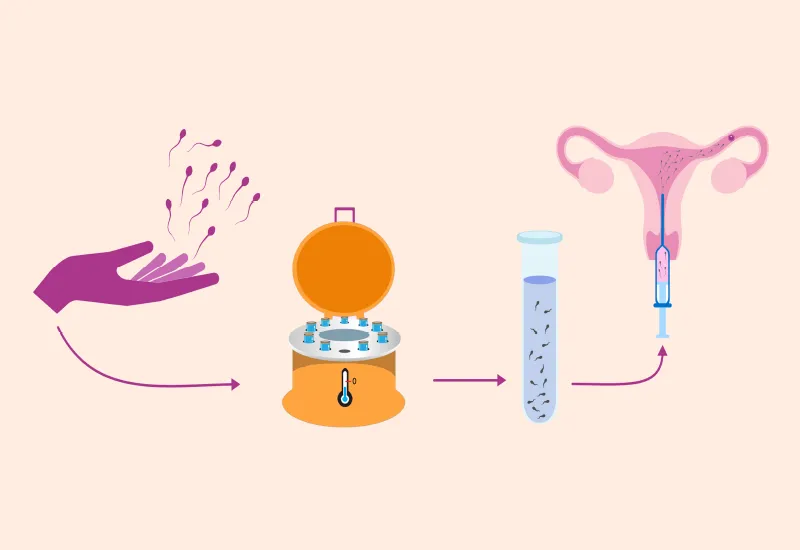
    Intrauterine insemination, also known as artificial insemination, is a fertility treatment that involves placing washed and prepared sperm directly into a woman’s uterus during ovulation. This procedure is typically used for couples with unexplained infertility, mild male factor infertility, or cervical factor infertility. It can also be used for same-sex couples or single women who want to conceive using donor sperm.

    The Success Factors of IUI
    The success of IUI depends on several factors, including the quality of the sperm, the woman’s age, and the cause of infertility. One of the main success factors of IUI is the timing of the procedure. It is crucial to perform IUI during the woman’s fertile window, which is usually within 24-36 hours after the luteinizing hormone (LH) surge. The use of fertility drugs to stimulate ovulation can also increase the chances of success for IUI.

    Another significant factor that affects the success of IUI is the quality of the sperm. The sperm used for IUI should be washed and prepared in a laboratory to remove any dead or abnormal sperm. This process helps ensure that only the healthiest and most motile sperm are used for the procedure, increasing the chances of fertilization.

    The age of the woman undergoing IUI is also a crucial factor in its success. Women under the age of 35 have a higher success rate of around 10-20% per cycle, while women over the age of 35 have a success rate of 5-10% per cycle. It is essential to note that the success rates for IUI decrease with age, and women over the age of 40 may have a lower chance of success.
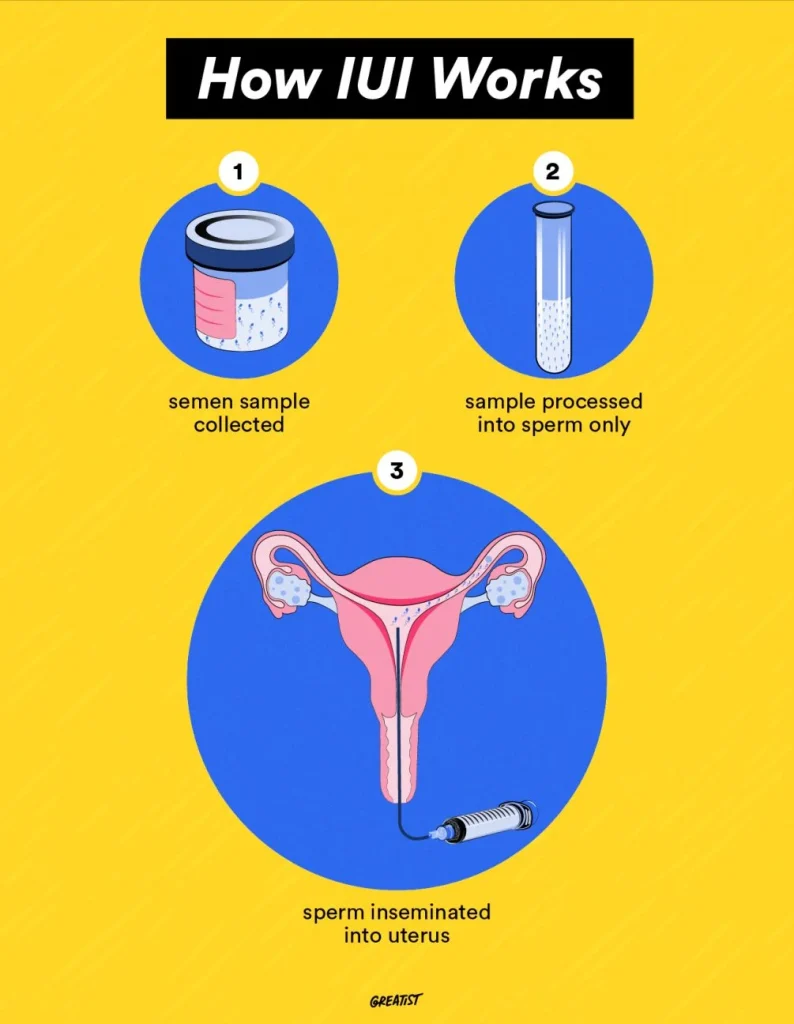
    illustration explaining the steps of intrauterine insemination (IUI) process on a bright yellow background

    Exploring the Success Factors: Intrauterine Insemination vs In Vitro Fertilization

    What is In Vitro Fertilization (IVF)?
    In vitro fertilization is a more complex fertility treatment that involves retrieving eggs from the woman’s ovaries, fertilizing them with sperm in a laboratory, and transferring the resulting embryo(s) into the woman’s uterus. This procedure is typically used for couples with severe male factor infertility, tubal factor infertility, or unexplained infertility. It is also an option for women who have had difficulty conceiving through other fertility treatments.

    The Success Factors of IVF
    The success of IVF depends on several factors, including the woman’s age, egg and sperm quality, and the number of embryos transferred. One of the most significant success factors of IVF is the age of the woman. Women under the age of 35 have a higher success rate of around 40-50%, while women over the age of 40 have a success rate of around 10-20%. This is because the quality of a woman’s eggs decreases with age, making it more challenging to achieve pregnancy through IVF.

    The quality of the eggs and sperm used in IVF also plays a significant role in its success. The woman’s eggs are retrieved and fertilized in a laboratory, and the resulting embryos are evaluated for their quality. High-quality embryos have a higher chance of implanting and leading to a successful pregnancy. Similarly, the sperm used in IVF should also be of good quality to increase the chances of fertilization.

    The number of embryos transferred during IVF also affects its success rates. While transferring more embryos may increase the chances of pregnancy, it also increases the risk of multiple pregnancies. Therefore, the number of embryos transferred is a delicate balance, and it is crucial to discuss with your doctor to determine the best course of action for you and your partner.

    Which Treatment is Right for You?
    When it comes to deciding between IUI and IVF, there is no one-size-fits-all solution. Each couple’s situation is unique, and the best treatment option will depend on various factors, including the cause of infertility, age, and previous fertility treatments. It is essential to consult with your doctor to discuss the best course of action for you and your partner.

    In summary, both IUI and IVF are effective fertility treatments, but their success rates and factors differ. IUI is a less invasive and more affordable option, but its success rates may be lower compared to IVF. On the other hand, IVF is a more complex and expensive procedure, but it has higher success rates, especially for women over the age of 35. Ultimately, the success of either treatment will depend on individual factors, and it is crucial to have open communication with your doctor to determine the best treatment option for you.
  • The Role of the Egg and Sperm: Intrauterine Insemination vs In Vitro Fertilization

    The Role of the Egg and Sperm: Intrauterine Insemination vs In Vitro Fertilization

    When it comes to fertility treatments, two of the most well-known options are intrauterine insemination (IUI) and in vitro fertilization (IVF). Both involve the use of eggs and sperm to help couples conceive, but the processes and success rates vary. In this blog post, we will explore the role of the egg and sperm in both IUI and IVF, and how they differ as fertility treatments.

    The Role of the Egg

    Eggs, also known as oocytes, are the female reproductive cells responsible for creating a viable embryo when combined with sperm. In a natural conception, an egg is released from the ovaries and travels through the fallopian tubes to meet sperm for fertilization. However, in fertility treatments like IUI and IVF, the eggs are retrieved directly from the ovaries.

    In IUI, ovulation is stimulated with medication and the eggs are collected through a minor surgical procedure. The eggs are then washed and prepared for insemination with sperm, usually from the male partner. This is typically done within 24 hours of the sperm collection.

    In IVF, a more intensive process is involved. The woman takes medication to stimulate the ovaries to produce multiple eggs. These eggs are then retrieved through a minor surgical procedure and fertilized in a laboratory with sperm from the male partner or a donor. The fertilized eggs, now embryos, are then transferred back into the woman’s uterus for implantation.

    The Role of the Sperm

    Sperm, also known as spermatozoa, are the male reproductive cells that fertilize the female egg. In a natural conception, sperm are ejaculated into the vagina and travel through the cervix and into the fallopian tubes to meet the egg. However, in IUI and IVF, the sperm are collected and prepared before being used for fertilization.

    In IUI, sperm are collected through masturbation or by using a collection condom during intercourse. The sperm are then washed and prepared for insemination. This process helps to remove any impurities or dead sperm, leaving behind only the healthiest and most motile sperm for fertilization.

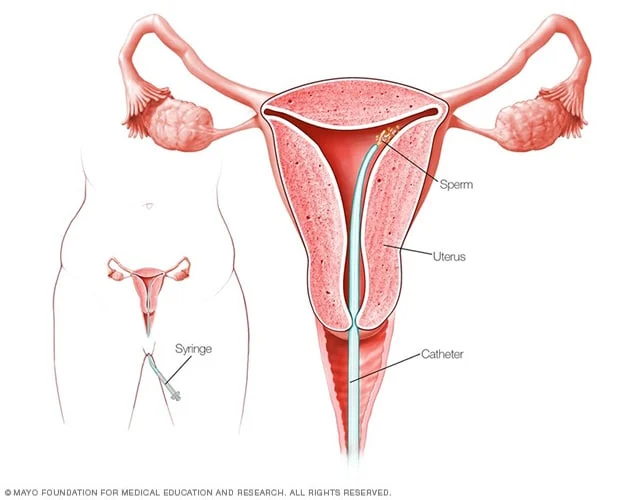
    diagram illustrating intrauterine insemination (IUI) procedure with uterus, sperm, and catheter labeled

    The Role of the Egg and Sperm: Intrauterine Insemination vs In Vitro Fertilization

    In IVF, the sperm are collected through masturbation and then mixed with the retrieved eggs in a laboratory. The sperm must penetrate the egg’s outer layer to fertilize it, and this process is closely monitored by fertility specialists to ensure successful fertilization.

    Intrauterine Insemination (IUI)

    IUI, also known as artificial insemination, involves placing washed and prepared sperm directly into the woman’s uterus around the time of ovulation. This helps to increase the chances of the sperm reaching the egg and fertilizing it. IUI is often recommended for couples with unexplained infertility, mild male factor infertility, or cervical factor infertility.

    One of the main benefits of IUI is that it is a less invasive and less expensive procedure compared to IVF. It can also be done using the woman’s natural cycle or with the help of fertility medication to stimulate ovulation. However, the success rates of IUI are lower compared to IVF, making it a better option for couples with mild fertility issues.

    In Vitro Fertilization (IVF)

    IVF is a more complex and invasive fertility treatment that involves fertilizing the eggs and sperm in a laboratory before transferring the resulting embryos back into the woman’s uterus. This allows for a greater chance of fertilization and implantation, making IVF a more successful option for couples struggling with infertility.

    IVF is recommended for couples with more severe fertility issues, such as blocked fallopian tubes, male factor infertility, or advanced maternal age. It also allows for genetic testing of the embryos before transfer, making it a suitable option for couples with a history of genetic disorders.

    The success rates of IVF vary depending on factors such as age, cause of infertility, and the number of embryos transferred. However, on average, the success rates of IVF are higher compared to IUI.

    Summary

    In summary, the role of the egg and sperm in fertility treatments like IUI and IVF is crucial for couples struggling with infertility. While IUI involves placing washed and prepared sperm directly into the uterus, IVF involves fertilizing the eggs and sperm in a laboratory before transferring the resulting embryos into the uterus. Both treatments have their own benefits and success rates, and it’s essential for couples to consult with a fertility specialist to determine the best option for their specific situation.

  • Fertility Myths Debunked: Intrauterine Insemination vs In Vitro Fertilization

    Fertility Myths Debunked: Intrauterine Insemination vs In Vitro Fertilization

    When it comes to fertility treatments, there are many myths and misconceptions surrounding the two most common procedures: intrauterine insemination (IUI) and in vitro fertilization (IVF). These two methods are often confused with each other and many people believe they are the same thing. However, IUI and IVF are very different procedures with their own unique processes, success rates, and costs. In this blog post, we will debunk some of the most common fertility myths surrounding IUI and IVF and provide a clear understanding of these treatments to help individuals make informed decisions about their fertility journey.

    Myth #1: IUI and IVF are the same thing

    Many people use the terms IUI and IVF interchangeably, assuming they are the same procedure. However, these are two distinct treatments that involve different processes and techniques. IUI, also known as artificial insemination, involves the insertion of washed and prepared sperm directly into the uterus during ovulation. On the other hand, IVF is a more complex process that involves retrieving eggs from the ovaries, fertilizing them with sperm in a laboratory, and then transferring the resulting embryo(s) into the uterus. While both treatments can help individuals struggling with fertility, they are not the same thing and are recommended for different situations.

    Myth #2: IUI is less expensive than IVF

    One of the most common myths surrounding IUI and IVF is that IUI is a more affordable option compared to IVF. While IUI may seem less daunting at first glance, the overall costs of the treatments can vary greatly depending on individual circumstances. IUI is generally less expensive than IVF, but it may not be the most cost-effective option in the long run. This is because IUI has a lower success rate compared to IVF, which means individuals may need to undergo multiple IUI cycles before achieving pregnancy. In contrast, IVF has a higher success rate and can result in pregnancy after just one cycle, potentially saving individuals time and money in the long run.

    diagram illustrating intrauterine insemination (IUI) procedure with uterus, sperm, and catheter labeled

    Fertility Myths Debunked: Intrauterine Insemination vs In Vitro Fertilization

    Myth #3: IUI and IVF are only for older couples

    Another misconception about fertility treatments is that they are only necessary for older couples. While age can be a factor in fertility, both IUI and IVF can be beneficial for individuals of all ages. For younger couples, IUI may be recommended if they are struggling with male factor infertility, such as low sperm count or motility. On the other hand, IVF may be recommended for women over the age of 35 who may have a lower ovarian reserve and higher risk of genetic abnormalities. It is important for individuals to consult with a fertility specialist to determine the best course of treatment for their specific situation.

    Myth #4: Fertility treatments always result in multiple pregnancies

    Many people fear that fertility treatments will automatically result in multiple pregnancies, such as twins or triplets. While the risk of multiple pregnancies is higher with IVF, it is not a guarantee. The number of embryos transferred during an IVF cycle can be controlled, and with advancements in technology, doctors can now identify and transfer a single healthy embryo. In contrast, IUI has a lower risk of multiple pregnancies as it relies on the body’s natural ovulation process. However, it is important for individuals to discuss the potential risks with their doctor and make informed decisions about the number of embryos to transfer.

    Myth #5: Fertility treatments are always successful

    While fertility treatments have come a long way and have helped many couples achieve their dream of parenthood, they are not a guarantee of success. Both IUI and IVF have success rates that vary depending on individual circumstances, such as age, underlying fertility issues, and overall health. In general, IVF has a higher success rate compared to IUI, but it is important to manage expectations and be prepared for the possibility of multiple treatment cycles. It is also crucial for individuals to take care of their physical and emotional well-being during the fertility journey, as it can be a stressful and emotionally taxing experience.

    In conclusion, IUI and IVF are two distinct fertility treatments with their own unique processes, costs, and success rates. It is important for individuals to understand the differences between these treatments and consult with a fertility specialist to determine the best course of action for their specific situation. It is also crucial to debunk common myths and misconceptions surrounding these treatments to make informed decisions and manage expectations during the fertility journey.

  • Facing Challenges: Intrauterine Insemination vs In Vitro Fertilization

    Facing Challenges: Intrauterine Insemination vs In Vitro Fertilization

    Starting a family is a dream for many couples, but for some, it may not come as easily as they had hoped. Infertility affects approximately 1 in 8 couples, and many turn to assisted reproductive technologies (ART) to help them conceive. Two of the most common ART procedures are Intrauterine Insemination (IUI) and In Vitro Fertilization (IVF). Both have their own set of benefits and challenges, and it’s important for couples to understand the differences between the two in order to make an informed decision about which treatment is best for them.

    Intrauterine Insemination, also known as artificial insemination, involves placing washed and concentrated sperm directly into the uterus using a thin catheter. This procedure is typically used when there are issues with the sperm, such as low sperm count or motility, or when the male partner has difficulty ejaculating. It can also be used for same-sex female couples or single women who choose to use donor sperm.

    On the other hand, In Vitro Fertilization involves retrieving eggs from the female partner’s ovaries and fertilizing them with sperm in a lab. The resulting embryos are then transferred back into the uterus. This procedure is more complex and is often used when there are issues with the female partner’s fallopian tubes or when other fertility treatments have been unsuccessful.

    One of the main differences between IUI and IVF is the level of intervention needed. IUI is a less invasive procedure, as it does not involve retrieving eggs or manipulating them in a lab. This also means that IUI is less expensive than IVF, making it a more accessible option for some couples. However, IVF has a higher success rate, mainly due to the fact that the fertilization process takes place in a controlled laboratory environment rather than in the body.

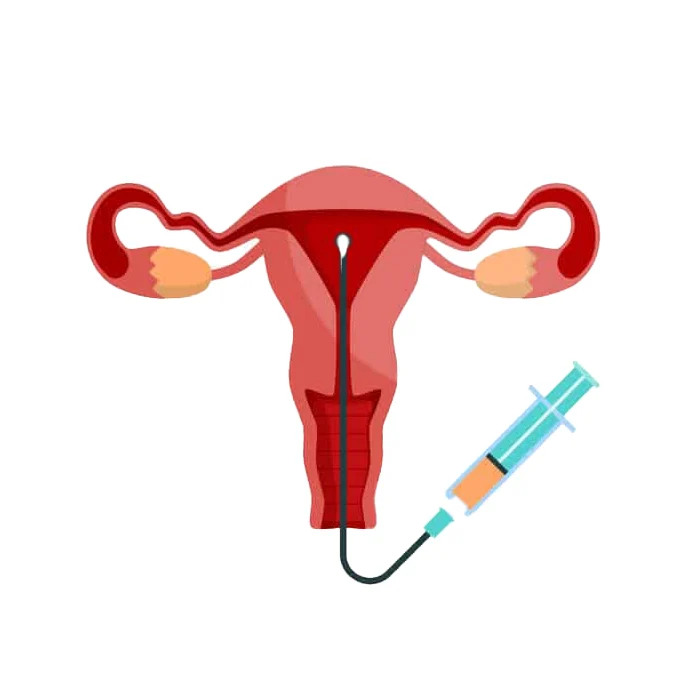
    illustration of a uterus with a syringe for intrauterine insemination (IUI) procedure

    Facing Challenges: Intrauterine Insemination vs In Vitro Fertilization

    Another factor to consider is the timing of the procedures. IUI is typically done around the time of ovulation, whereas IVF requires more precise timing and coordination with a woman’s menstrual cycle. This can be challenging for couples who have busy schedules or live in different locations, as they may need to travel to a fertility clinic multiple times during the IVF process.

    One of the biggest challenges couples face when considering IUI or IVF is the emotional toll it can take. Both procedures require a significant amount of time, money, and physical and emotional energy. There may also be feelings of disappointment and frustration if the procedures are unsuccessful. It’s important for couples to have a strong support system and to communicate openly with each other about their feelings and expectations.

    In addition to the challenges of the procedures themselves, there are also ethical considerations that couples must take into account. With IUI, there is the potential for multiple sperm donors to be used, which raises questions about the child’s genetic background and the possibility of half-siblings. With IVF, couples may have to make decisions about what to do with any remaining embryos, which can be a difficult and emotional process.

    Despite the challenges, both IUI and IVF have helped countless couples achieve their dream of starting a family. It’s important for couples to carefully weigh their options and consult with a fertility specialist to determine which procedure is the best fit for their individual circumstances.

    In summary, facing the challenges of infertility can be a difficult and emotional journey for couples. Intrauterine Insemination and In Vitro Fertilization are two common ART procedures that can help couples conceive. While IUI is a less invasive and more affordable option, IVF has a higher success rate. Both procedures have their own set of challenges, and it’s important for couples to carefully consider their options and seek support throughout the process.

  • Success Stories: Intrauterine Insemination vs In Vitro Fertilization

    Success Stories: Intrauterine Insemination vs In Vitro Fertilization

    When couples struggle with infertility, they often turn to assisted reproductive techniques to help them achieve their dream of starting a family. Two common options for these couples are intrauterine insemination (IUI) and in vitro fertilization (IVF). These procedures have helped countless couples become parents, but determining which one is right for you can be a daunting task. In this blog post, we will explore the success stories of IUI and IVF to help you make an informed decision.

    What is Intrauterine Insemination (IUI)?

    IUI, also known as artificial insemination, is a relatively simple procedure that involves placing sperm directly into the woman’s uterus during ovulation. This technique is often recommended for couples with mild male factor infertility, unexplained infertility, or when the woman has issues with her cervical mucus. It can also be used for same-sex couples or single women using donor sperm.

    The procedure for IUI is relatively quick and painless. The woman’s cycle is monitored, and when she is ready to ovulate, the sperm is washed and prepared in the lab before being inserted into the uterus via a catheter. The whole process takes only a few minutes and does not require anesthesia.

    Success Stories of IUI

    IUI has been successful for many couples struggling with infertility. A study published by the National Center for Biotechnology Information (NCBI) found that the pregnancy rate per cycle for IUI was 11.5%, with a live birth rate of 9.8%. This rate increased to 15.3% when using fertility drugs to stimulate ovulation.

    One success story of IUI is that of Tiffany and Ryan. After trying to conceive for two years, they sought fertility treatment and decided to try IUI. Tiffany shared, “We were so excited when we found out we were pregnant after our third IUI attempt. It was such a relief to finally see those two lines on the pregnancy test and know that we were going to be parents.”

    Another success story is of Sarah and John, who had been trying to conceive for three years when they decided to try IUI. They were overjoyed when the procedure was successful, and they welcomed their daughter into the world. Sarah said, “IUI gave us the hope we needed, and we are so grateful for our little miracle.”

    What is In Vitro Fertilization (IVF)?

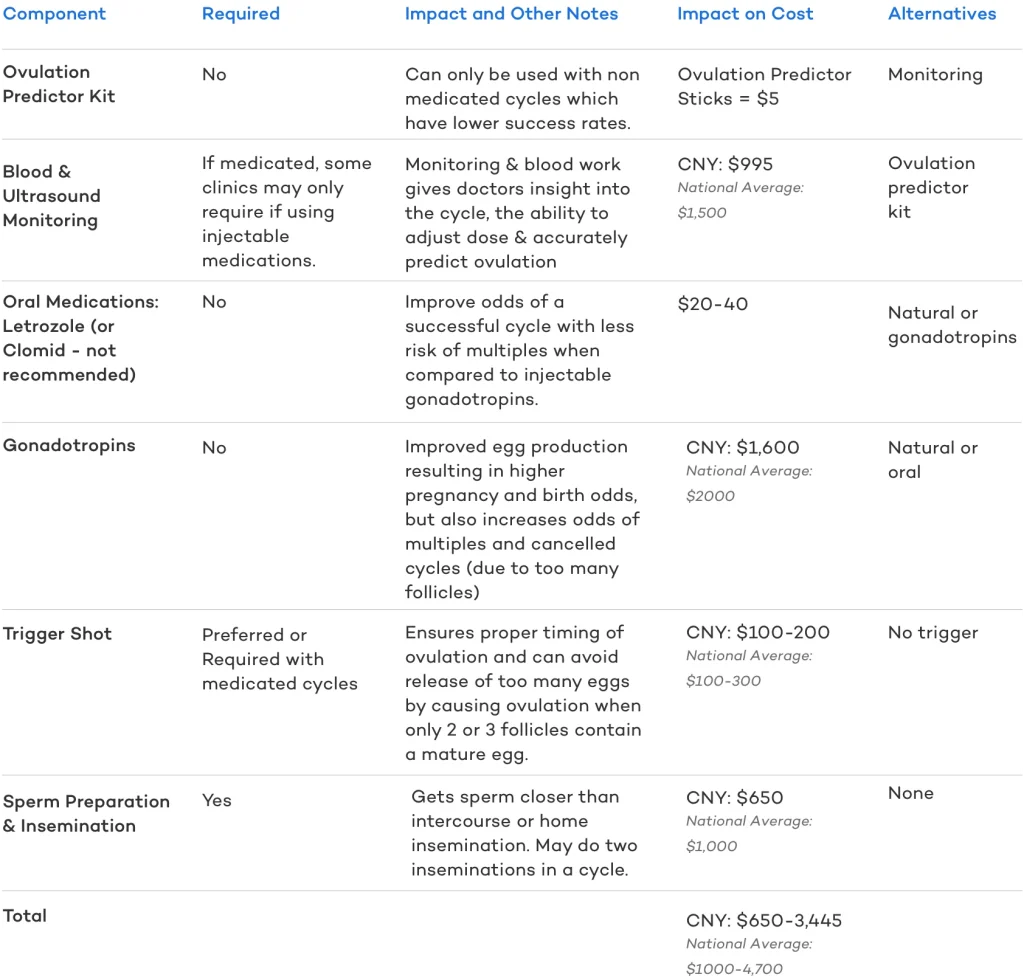
    Cost breakdown for IUI components, including requirements, impacts, and alternatives.

    Success Stories: Intrauterine Insemination vs In Vitro Fertilization

    IVF is a more complex and invasive procedure than IUI. It involves retrieving eggs from the woman’s ovaries, fertilizing them with sperm in a lab, and then transferring the resulting embryo(s) into the woman’s uterus. This technique is often recommended for couples with severe male factor infertility, blocked fallopian tubes, or other medical conditions that make natural conception difficult.

    The process for IVF begins with the woman taking fertility drugs to stimulate her ovaries to produce multiple eggs. Once the eggs are mature, they are retrieved through a minor surgical procedure. The eggs are then fertilized in a lab, and the resulting embryos are monitored and allowed to develop for a few days. Finally, one or two embryos are transferred into the woman’s uterus, and any remaining embryos can be frozen for future use.

    Success Stories of IVF

    The success rates of IVF are higher than those of IUI, but the procedure is also more expensive and can be more emotionally and physically taxing. According to the American Society for Reproductive Medicine, the average live birth rate for IVF is 31.1% for women under 35, 27.2% for women aged 35-37, and 18.2% for women aged 38-40.

    One successful IVF story is that of Emily and Mark. After struggling with unexplained infertility for years, they decided to try IVF. Emily shared, “IVF was our last hope, and we were amazed when our first cycle was successful. We now have a beautiful daughter, and we are grateful every day for the miracle of IVF.”

    Another success story is of Jen and Mike, who tried for years to conceive with no success. After multiple rounds of IVF, they finally welcomed their twin girls into the world. Jen said, “The journey was long and difficult, but it was all worth it when we held our girls for the first time. IVF gave us the family we always dreamed of.”

    Which One is Right for You?

    Choosing between IUI and IVF can be a difficult decision for couples struggling with infertility. Both procedures have their pros and cons, and the choice ultimately depends on each couple’s unique situation. It is essential to consult with a fertility specialist who can provide personalized recommendations based on your medical history and needs.

    Summarizing the Success Stories of IUI and IVF

    Intrauterine insemination (IUI) and in vitro fertilization (IVF) are two commonly used assisted reproductive techniques for couples struggling with infertility. IUI involves placing sperm directly into the woman’s uterus during ovulation, while IVF involves retrieving eggs from the woman’s ovaries, fertilizing them in a lab, and transferring the resulting embryo(s) into the uterus. Both procedures have been successful in helping many couples achieve their dream of starting a family, but the choice between the two depends on the couple’s unique situation.

    Through success stories, we can see that IUI has a lower success rate compared to IVF, but it is a less invasive and more affordable option. On the other hand, IVF has a higher success rate, but it is a more complex and expensive procedure. Ultimately, the decision should be made after consulting with a fertility specialist.

  • The Role of Genetics: Intrauterine Insemination vs In Vitro Fertilization

    Blog Post:

    The journey to parenthood can be a challenging and emotional one for many couples. Infertility affects approximately 12% of couples in the United States, and while there are various treatment options available, two of the most commonly used methods are Intrauterine Insemination (IUI) and In Vitro Fertilization (IVF). Both of these procedures involve fertility treatments, but they differ in terms of their approach and success rates. A key factor that plays a significant role in the success of these treatments is genetics. In this blog post, we will explore the role of genetics in IUI and IVF, and how it affects the outcome of these procedures.

    Genetics and Fertility:
    Before we dive into the specifics of IUI and IVF, it is important to understand the role of genetics in fertility. Our genes play a crucial role in determining our physical and genetic traits, including fertility. Some people may be born with certain genetic conditions that can affect their reproductive health. For instance, women with polycystic ovarian syndrome (PCOS) may have difficulty getting pregnant, as this condition can cause irregular ovulation. Similarly, men with certain genetic mutations may have lower sperm count or quality, making it harder for their partners to conceive.

    Genetic Testing in IUI and IVF:
    IUI and IVF are assisted reproductive techniques that involve the use of fertility drugs to stimulate the ovaries and increase the chances of pregnancy. In IUI, the sperm is placed directly into the uterus, while in IVF, the egg and sperm are fertilized in a laboratory before being transferred into the uterus. Both of these procedures require the use of donor sperm or eggs in some cases, which can have genetic implications.

    Before undergoing IUI or IVF, couples are often advised to undergo genetic testing to identify any potential genetic factors that can affect their chances of conceiving. This is especially important for couples who are using donor sperm or eggs, as they may not have a complete understanding of the donor’s genetic history. Genetic testing can also help identify any potential risks of passing on genetic conditions to their children.

    Genetic Factors in IUI:
    In IUI, the sperm is placed directly into the uterus, bypassing the cervix and increasing the chances of fertilization. This procedure is often used for couples with unexplained infertility or mild male factor infertility. However, there are certain genetic factors that can affect the success of IUI.

    One of the most significant genetic factors in IUI is the quality of the sperm. Men with certain genetic mutations or chromosomal abnormalities may have lower sperm count or poor sperm motility, making it harder for fertilization to occur. In some cases, couples may opt for genetic screening of the sperm before undergoing IUI to increase their chances of success.

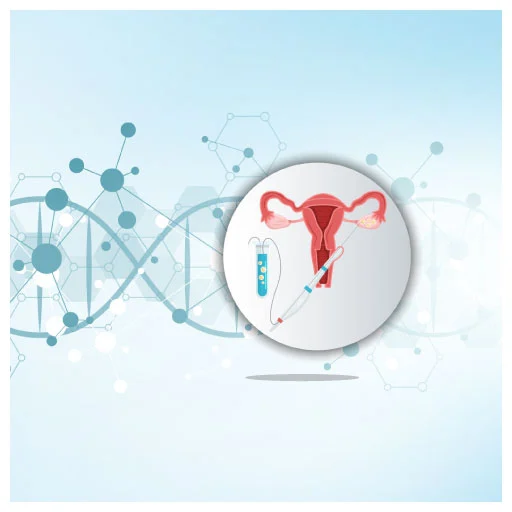
    Illustration of IUI procedure with uterus and syringe against a DNA background.

    The Role of Genetics: Intrauterine Insemination vs In Vitro Fertilization

    Genetic Factors in IVF:
    IVF involves the fertilization of the egg and sperm outside of the body before being transferred into the uterus. This procedure is often recommended for couples with more severe fertility issues, such as blocked fallopian tubes or severe male factor infertility. As with IUI, genetic factors play a crucial role in the success of IVF.

    In IVF, the quality of the egg is a significant factor that can be affected by genetics. Women with certain genetic conditions or chromosomal abnormalities may have a lower number of viable eggs, making it more challenging to achieve a successful pregnancy. Additionally, genetic factors can also affect the quality of the embryo, which can impact the success of IVF.

    PGD and PGS:
    Preimplantation Genetic Diagnosis (PGD) and Preimplantation Genetic Screening (PGS) are two techniques that can be used during IVF to identify any genetic abnormalities in the embryo before it is transferred into the uterus. PGD is used to detect specific genetic conditions, such as cystic fibrosis or sickle cell anemia, while PGS is used to screen for chromosomal abnormalities. These techniques can help increase the chances of a successful pregnancy and reduce the risk of passing on genetic conditions to the child.

    The Role of Genetics in Choosing between IUI and IVF:
    While IUI and IVF are both effective fertility treatments, the role of genetics can play a significant role in determining which procedure is best for each individual or couple. For couples with mild fertility issues and no known genetic conditions, IUI may be a suitable option. However, for couples with more severe fertility issues or a higher risk of genetic conditions, IVF may be a better choice, as it allows for genetic testing and screening of the embryos.

    In conclusion, genetics plays a crucial role in the success of both IUI and IVF. Identifying any potential genetic factors before undergoing these procedures can help increase the chances of a successful pregnancy and reduce the risk of passing on genetic conditions to the child. It is essential for couples to discuss their genetic history and undergo genetic testing before deciding on the best fertility treatment for them.

    Summary:

    The journey to parenthood can be challenging, and for couples struggling with infertility, two of the most common treatment options are Intrauterine Insemination (IUI) and In Vitro Fertilization (IVF). These procedures involve fertility treatments that can be affected by genetics. Our genes play a crucial role in determining our fertility, and genetic testing is often recommended before undergoing IUI or IVF. In IUI, genetic factors can affect the quality of the sperm, while in IVF, genetics can impact the quality of the egg and embryo. Preimplantation Genetic Diagnosis (PGD) and Preimplantation Genetic Screening (PGS) are two techniques that can be used during IVF to identify any genetic abnormalities in the embryo. Understanding the role of genetics can help couples make informed decisions about which fertility treatment is best for them.

  • Making the Decision: Intrauterine Insemination vs In Vitro Fertilization

    Blog post:

    Deciding to start a family is an exciting and life-changing decision for many couples. However, for some, the journey to parenthood may not be as straightforward as they had hoped. Infertility affects about 1 in 8 couples, and many turn to assisted reproductive technologies to help them conceive. Intrauterine insemination (IUI) and in vitro fertilization (IVF) are two commonly used methods for fertility treatment, but what are the differences between them and how do you know which one is right for you? In this blog post, we will explore the ins and outs of IUI and IVF, helping you make an informed decision on which path to take in your journey towards parenthood.

    What is Intrauterine Insemination (IUI)?

    Intrauterine insemination, also known as artificial insemination, is a relatively simple fertility treatment that involves inserting specially prepared sperm directly into the uterus. The goal of IUI is to increase the chances of fertilization by bringing the sperm closer to the egg. This procedure is usually recommended for couples who have been trying to conceive for at least a year without success, have unexplained infertility, or have mild male factor infertility.

    The IUI process involves monitoring the woman’s ovulation cycle to determine the best time for the procedure. The male partner will provide a semen sample, which is then washed and prepared to remove any non-motile sperm or debris. The prepared sperm is then inserted into the uterus using a thin catheter, bypassing the cervix and placing it closer to the fallopian tubes where fertilization takes place. The entire process is quick, painless, and can be done in a doctor’s office without the need for anesthesia.

    What is In Vitro Fertilization (IVF)?

    In vitro fertilization, on the other hand, is a more complex and invasive fertility treatment. It involves retrieving eggs from the woman’s ovaries and fertilizing them with sperm in a laboratory dish. The resulting embryos are then transferred back into the woman’s uterus, where they have the chance to implant and develop into a pregnancy. IVF is usually recommended for couples with more severe fertility issues, such as blocked or damaged fallopian tubes, severe male factor infertility, or advanced maternal age.

    The IVF process begins with ovarian stimulation, where the woman takes medication to produce multiple eggs instead of the usual one egg per ovulation cycle. These eggs are then retrieved using a minor surgical procedure under anesthesia. The sperm is then combined with the eggs in a laboratory to allow fertilization to occur. Once the fertilized eggs have developed into embryos, one or more are transferred back into the uterus. Any remaining viable embryos can be frozen for future use.

    What are the Pros and Cons of IUI and IVF?

    Both IUI and IVF have their own set of advantages and disadvantages, and the right choice for you will depend on your individual circumstances and preferences. Let’s take a look at some of the pros and cons of each procedure.

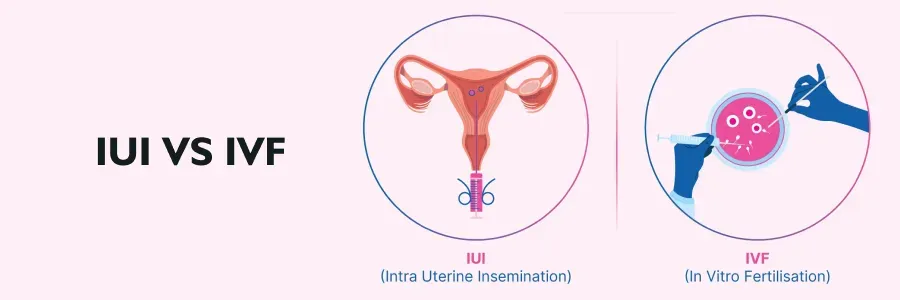
    Comparison of IUI and IVF with illustrations of each procedure.

    Making the Decision: Intrauterine Insemination vs In Vitro Fertilization

    Pros of IUI:
    – Non-invasive and relatively simple procedure
    – Less expensive than IVF
    – Can be done in a doctor’s office without the need for anesthesia
    – Can use the male partner’s sperm, eliminating the need for a sperm donor

    Cons of IUI:
    – Lower success rates compared to IVF
    – Limited use for couples with more severe fertility issues
    – Requires at least one functional fallopian tube
    – Does not address potential sperm quality or quantity issues

    Pros of IVF:
    – Higher success rates compared to IUI
    – Can be used for a wide range of fertility issues
    – Can use donor eggs or sperm if needed
    – Allows for genetic testing of embryos before transfer

    Cons of IVF:
    – Invasive and more complex procedure
    – Higher cost compared to IUI
    – Requires ovarian stimulation and egg retrieval
    – Increased risk of multiple pregnancies

    How to Choose Between IUI and IVF?

    Now that we have discussed the basics of IUI and IVF, how do you decide which one is the right choice for you? The answer will depend on various factors, including your age, overall health, fertility diagnosis, and financial situation. It is essential to have an open and honest conversation with your fertility specialist to understand the best course of action for your specific case.

    If you have been trying to conceive for less than a year, are younger than 35, and have no known fertility issues, IUI may be a good starting point. It is less invasive, less expensive, and can be an effective treatment for some couples. However, if you have been trying to conceive for over a year, are 35 or older, or have more complex fertility issues, IVF may be a better option to increase your chances of success.

    In some cases, IUI and IVF can also be used in combination to optimize the chances of pregnancy. For example, a couple may undergo an IUI cycle first, and if unsuccessful, move on to IVF. This approach may reduce the need for multiple IVF cycles and can be a more cost-effective option for some couples.

    In Summary

    Deciding between intrauterine insemination and in vitro fertilization can be a daunting task for couples struggling with infertility. While IUI is a simple and less expensive procedure, it may not be suitable for everyone. On the other hand, IVF has a higher success rate but can be more invasive and costly. Ultimately, the right choice will depend on your individual circumstances and should be made in consultation with a fertility specialist. Remember, there is no one-size-fits-all solution, and what works for one couple may not work for another. Stay positive, stay informed, and trust in the guidance of your medical team as you embark on your journey towards parenthood.

  • The Role of Technology: Intrauterine Insemination vs In Vitro Fertilization

    The Role of Technology: Intrauterine Insemination vs In Vitro Fertilization

    In the world of reproductive medicine, technology plays a crucial role in assisting couples who struggle with fertility. Intrauterine insemination (IUI) and in vitro fertilization (IVF) are two commonly used techniques to help couples achieve pregnancy. Both procedures involve the use of technology, but they differ in their approach and success rates. In this blog post, we will explore the role of technology in these two fertility treatments and how they compare.

    Intrauterine insemination, also known as artificial insemination, is a relatively simple and non-invasive procedure. It involves placing washed and concentrated sperm directly into the uterus, bypassing the cervix. This process is done around the time of ovulation to increase the chances of fertilization. IUI can be performed with the partner’s sperm or with donor sperm, depending on the couple’s needs.

    One of the key technologies used in IUI is sperm washing. This process separates healthy sperm from seminal fluid and other debris, increasing the concentration of sperm and reducing the risk of infection. The washed sperm is then placed into the uterus using a catheter, which is guided by ultrasound technology. This allows for precise placement of the sperm near the fallopian tubes, increasing the chances of fertilization.

    Another technology used in IUI is ovulation prediction. This involves monitoring a woman’s menstrual cycle to determine the best time for the procedure. This can be done through various methods such as tracking basal body temperature, hormone level testing, and ultrasound monitoring. By accurately predicting ovulation, the success rate of IUI can be significantly improved.

    On the other hand, in vitro fertilization is a more complex and invasive procedure. It involves retrieving eggs from the ovaries and fertilizing them with sperm in a laboratory setting. The fertilized eggs, or embryos, are then transferred back into the woman’s uterus, where they can implant and develop into a pregnancy.

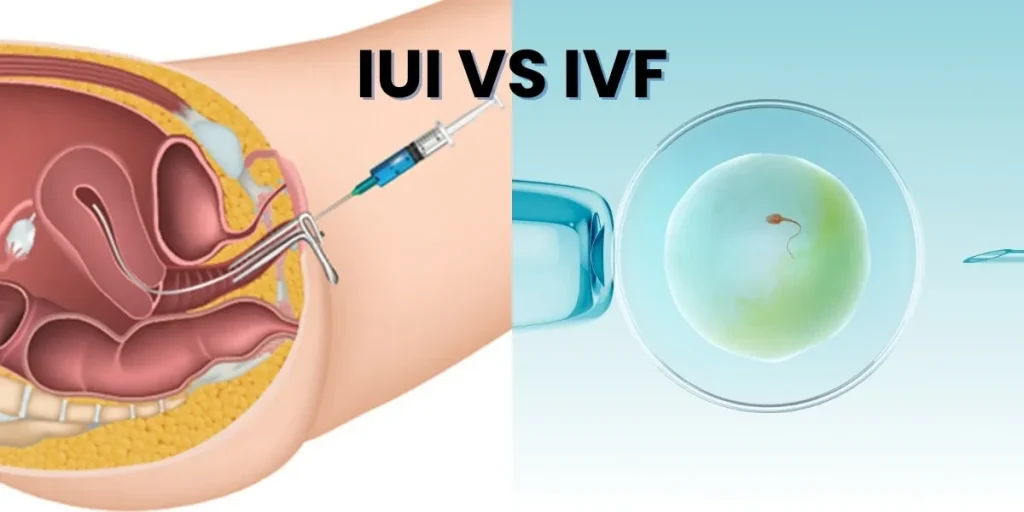
    comparison of IUI and IVF fertility treatments with illustrations of procedures and a petri dish with an egg and sperm

    The Role of Technology: Intrauterine Insemination vs In Vitro Fertilization

    IVF requires advanced technologies such as controlled ovarian stimulation to produce multiple eggs, ultrasound-guided egg retrieval, and laboratory techniques to fertilize the eggs. The embryos are then cultured and monitored for several days before being transferred into the uterus. This process allows for the selection of the healthiest embryos, increasing the chances of a successful pregnancy.

    One significant technological advancement in IVF is the use of intracytoplasmic sperm injection (ICSI). This technique involves injecting a single sperm directly into an egg, bypassing any potential barriers to fertilization. ICSI is particularly beneficial for couples with male factor infertility, as it can significantly improve the chances of fertilization compared to traditional IVF.

    Another notable technology used in IVF is preimplantation genetic testing (PGT). This involves testing embryos for genetic abnormalities before they are transferred into the uterus. PGT can help identify and prevent the transfer of embryos with chromosomal or genetic abnormalities, reducing the risk of miscarriage or inherited diseases in the baby.

    While both IUI and IVF utilize technology to assist with fertility, IVF has a higher success rate. The success rate of IUI is around 10-20%, while IVF has a success rate of 40-45%. This can be attributed to the more advanced technologies used in IVF, as well as the ability to select the healthiest embryos for transfer.

    However, with advancements in technology, the success rates of IUI have been steadily increasing. For example, the use of intrauterine ultrasound during the procedure has been shown to improve the success rate of IUI by up to 50%. Additionally, the use of fertility drugs to stimulate ovulation can also improve the chances of success.

    Another factor to consider when comparing IUI and IVF is the cost. IUI is a more affordable option compared to IVF, making it a popular choice for couples who do not have severe fertility issues. However, for couples with more complex infertility, IVF may be the better option despite the higher cost.

    In conclusion, technology plays a significant role in both intrauterine insemination and in vitro fertilization. These fertility treatments use various techniques and technologies to increase the chances of pregnancy for couples struggling with infertility. While IVF has a higher success rate, advancements in technology have also improved the success rates of IUI. Ultimately, the choice between IUI and IVF depends on the individual needs and circumstances of each couple, and consulting with a fertility specialist is crucial in making the best decision.

  • Breaking Down the Costs: Intrauterine Insemination vs In Vitro Fertilization

    Blog Title: Breaking Down the Costs: Intrauterine Insemination vs In Vitro Fertilization

    Summary:

    The journey to parenthood can be a challenging and emotional one for many couples. For those struggling with fertility issues, the options of intrauterine insemination (IUI) and in vitro fertilization (IVF) can offer hope of starting or expanding their family. However, along with the emotional and physical toll, these fertility treatments also come with significant financial costs. In this blog post, we will take a closer look at the costs associated with IUI and IVF, and compare the two procedures to help couples make an informed decision about which option is best for their individual situation.

    IUI Cost Breakdown:

    Intrauterine insemination, also known as artificial insemination, is a fertility treatment that involves placing sperm directly into a woman’s uterus, bypassing the cervix and increasing the chances of fertilization. The average cost of one IUI cycle is around $500-$1000, which includes the cost of sperm washing, the procedure itself, and any necessary medications. However, this cost can vary depending on factors such as location, clinic, and additional treatments or tests required. The success rate for IUI ranges from 8-17% per cycle, and multiple cycles may be required to achieve a successful pregnancy.

    IVF Cost Breakdown:

    In vitro fertilization is a more complex and invasive fertility treatment that involves retrieving eggs from a woman’s ovaries and fertilizing them with sperm in a laboratory. The resulting embryos are then transferred into the woman’s uterus, with the goal of achieving pregnancy. The average cost of one IVF cycle is significantly higher than IUI, ranging from $12,000-$15,000. This cost includes the medications, egg retrieval, fertilization, embryo transfer, and monitoring appointments. Additional costs such as anesthesia, genetic testing, and freezing of embryos can add thousands of dollars to the overall cost. The success rate for IVF is higher than IUI, with a range of 30-40% per cycle. However, multiple cycles may still be necessary for a successful pregnancy.

    Comparison of IUI and IVF, illustrating procedures and definitions for each fertility treatment.

    Breaking Down the Costs: Intrauterine Insemination vs In Vitro Fertilization

    Factors Affecting Costs:

    Both IUI and IVF have additional factors that can affect the overall cost of treatment. In the case of IUI, the use of donor sperm can significantly increase the cost, as well as any necessary fertility medications or tests. For IVF, the use of donor eggs or sperm, as well as the need for additional procedures such as intra-cytoplasmic sperm injection (ICSI) or assisted hatching, can also add to the cost. Additionally, some insurance plans may cover a portion of the cost for fertility treatments, so it is important to check with your provider to see what is covered.

    Which Option is Right for You?

    When it comes to deciding between IUI and IVF, there is no one-size-fits-all answer. The decision should be based on several factors, including the cause of infertility, age, and overall health of the couple. For couples with mild fertility issues, IUI may be a more cost-effective and less invasive option. However, for those with more complex fertility issues, IVF may offer a better chance of success. It is important to consult with a fertility specialist to determine the best course of treatment for your individual situation.

    Other Considerations:

    There are other costs associated with both IUI and IVF that couples should also consider. The emotional toll of fertility treatments can be significant, and many couples may require counseling or therapy to cope with the stress and anxiety. Additionally, the time commitment for appointments, procedures, and recovery should also be factored into the overall cost of treatment.

    In conclusion, the costs associated with fertility treatments should not be taken lightly. Both IUI and IVF come with significant financial burdens, and couples should carefully consider their options before making a decision. Consulting with a fertility specialist and discussing all factors, including success rates, additional costs, and personal circumstances, can help couples make an informed decision about which option is right for them.

  • Exploring Your Options: Intrauterine Insemination vs In Vitro Fertilization

    Exploring Your Options: Intrauterine Insemination vs In Vitro Fertilization

    For couples struggling with infertility, the journey to starting a family can be overwhelming and full of difficult decisions. Two common fertility treatments that are often considered are intrauterine insemination (IUI) and in vitro fertilization (IVF). While both treatments have the same goal of helping couples conceive, they differ in their procedures, success rates, and costs. In this blog post, we will explore the differences between IUI and IVF, and help you decide which option may be best for you and your partner.

    Intrauterine Insemination (IUI)

    IUI is a relatively simple and non-invasive fertility treatment that involves placing sperm directly into a woman’s uterus to increase the chances of fertilization. This procedure is typically recommended for couples with unexplained infertility, mild male factor infertility, or cervical issues. It can also be used for same-sex couples or single women who are using donor sperm.

    The IUI process begins with monitoring the woman’s ovulation cycle to determine the best time for insemination. The male partner’s sperm is then washed and prepared in a laboratory to increase the concentration of healthy sperm. The prepared sperm is then inserted into the uterus using a thin catheter, which is a painless procedure that takes only a few minutes. After the procedure, the woman may experience mild cramping and is advised to rest for a short period.

    One of the main advantages of IUI is its affordability compared to other fertility treatments. The cost of IUI can range from $300 to $1000 per cycle, depending on factors such as the type of medications used and the clinic’s location. However, the success rates for IUI are relatively low, with only a 10-20% chance of pregnancy per cycle. This means that multiple cycles may be needed to achieve a successful pregnancy.

    In Vitro Fertilization (IVF)

    illustration of the IUI process, showing sperm collection, preparation, and insertion into the uterus

    Exploring Your Options: Intrauterine Insemination vs In Vitro Fertilization

    IVF is a more complex and invasive fertility treatment that involves retrieving eggs from the woman’s ovaries, fertilizing them with sperm in a laboratory, and then transferring the resulting embryo(s) back into the woman’s uterus. This treatment is typically recommended for couples with more severe fertility issues, such as blocked fallopian tubes, advanced maternal age, or severe male factor infertility.

    The IVF process begins with ovarian stimulation, where the woman takes medications to stimulate the ovaries to produce multiple eggs. These eggs are then retrieved through a minor surgical procedure and combined with sperm in a laboratory. After fertilization, the resulting embryos are monitored for a few days before being transferred into the woman’s uterus. Any remaining embryos can be frozen for future use.

    The success rates for IVF are significantly higher than IUI, with a 40-50% chance of pregnancy per cycle. However, this higher success rate comes at a higher cost, with the average cost of a single IVF cycle ranging from $12,000 to $15,000. Additional costs may include medications, genetic testing, and embryo freezing. Furthermore, IVF can be physically and emotionally demanding, with frequent doctor’s appointments, hormone injections, and potential side effects from medications.

    Which Option is Right for You?

    Choosing between IUI and IVF can be a difficult decision, and it is essential to consult with your doctor to determine the best course of action for your specific fertility issues. Generally, IUI is a good option for couples with less severe fertility issues and a limited budget, while IVF is more suitable for couples with more complex fertility problems and a higher budget.

    It is also essential to consider the potential risks and side effects of each treatment option. IUI has a lower risk of multiple pregnancies, as only one or two eggs may be released during ovulation. However, there is a risk of infection or damage to the uterus during the procedure. On the other hand, IVF has a higher risk of multiple pregnancies due to the possibility of transferring multiple embryos. There is also a risk of ovarian hyperstimulation syndrome (OHSS) and potential complications from the egg retrieval procedure.

    In summary, both IUI and IVF can be effective options for couples struggling with infertility. While IUI is a more affordable and less invasive treatment, IVF has higher success rates but comes at a higher cost and potential risks. It is crucial to weigh your options carefully and consult with your doctor to determine the best treatment plan for you and your partner.